2027 Best AI Courses for Building Chat Interfaces

Co-Founder and Chief Data Scientist
Building effective chat interfaces presents unique challenges, especially for professionals transitioning from unrelated fields. Understanding natural language processing, user intent modeling, and real-time response generation requires targeted knowledge and practical skills. Without structured guidance, learners may struggle to grasp both foundational theory and implementation strategies. This gap hinders the ability to create conversational agents that meet modern standards of interactivity and accuracy. This article reviews top AI courses that focus on developing chat interface expertise, helping readers identify flexible, accredited programs designed to accelerate their career pivot and enhance their technical proficiency in this specialized domain.
Key Things You Should Know
- Leading AI courses for 2026 emphasize hands-on training in natural language processing and large language models crucial for effective chat interface development.
- Data from 2025 shows a 35% increase in enrollment for courses focused on AI-powered conversational agents, reflecting growing industry demand.
- Top programs offer integration with popular platforms like Python and TensorFlow, enabling students to build scalable, real-time chat applications efficiently.
Advance Your Career with AI Online Courses
Artificial Intelligence: Implications for Business Strategy
This program provides an introduction to Artificial Intelligence and their implications for business strategy. Earn an official digital certificate.

Oxford Artificial Intelligence Programme
Explore this Oxford Artificial Intelligence programme offered in a flexible learning environment and explore topics like machine learning, automation, and robotics.

Implementing Agentic AI: Building Your Organizational Playbook
This online MIT Agentic AI course offers a practical approach to deploying AI agents in your organization, including a custom playbook. 3 weeks, exclusive launch price.

AI Adoption: Driving Business Value and Impact
This online MIT AI Adoption: Driving Business Value and Impact offers practical frameworks to close the gap between AI potential and business reality.

Artificial Intelligence in Pharma and Biotech
Discover the applications and limitations of artificial intelligence in pharma and biotech with this MIT online short course.

What are the best AI courses for learning to build chatbots and conversational interfaces?
Top AI training programs for creating chat interfaces emphasize practical skills in natural language processing (NLP), dialog management, and user experience design. Stanford's CS224N (Natural Language Processing with Deep Learning) is a notable university-level course that covers language models and transformer architectures essential for chatbot development. Platforms like Coursera and Udacity offer specialized classes such as "Building Conversational Experiences with Dialogflow" and "AI Programming with Python," featuring hands-on projects for real-world chatbot creation.
The best AI courses for building chatbots and conversational agents also prioritize frameworks including Rasa, Microsoft Bot Framework, and Google Dialogflow. These tools support scalable, multi-turn conversations critical for customer service automation, which 56% of businesses identified as their main AI use case according to Forbes, as reported by National University. This demand drives the need for developers skilled in creating reliable chatbots tailored to service roles.
Effective courses address challenges like integrating chatbots with APIs and backend databases for smooth user interactions. Programs that offer certification in AI ethics and chatbot compliance provide an advantage due to growing concerns about privacy and bias in conversational AI.
Students interested in advancing their technical and conversational design skills may explore a 2 year bachelor degree computer science, which often blends foundational AI theory with applied chatbot development and voice-enabled assistant modules such as Amazon Alexa Skills.
Advance Your Career with AI Online Courses
Artificial Intelligence: Implications for Business Strategy
This program provides an introduction to Artificial Intelligence and their implications for business strategy. Earn an official digital certificate.
Oxford Artificial Intelligence Programme
Explore this Oxford Artificial Intelligence programme offered in a flexible learning environment and explore topics like machine learning, automation, and robotics.
Implementing Agentic AI: Building Your Organizational Playbook
This online MIT Agentic AI course offers a practical approach to deploying AI agents in your organization, including a custom playbook. 3 weeks, exclusive launch price.
How do AI chatbot courses differ across certificates, bootcamps, and degree programs?
AI chatbot certification course differences lie primarily in depth, duration, and career focus. Certificate programs concentrate on foundational skills like natural language processing (NLP), chatbot frameworks, and basic machine learning. These short-term courses, lasting weeks to months, offer practical, project-based learning ideal for professionals seeking quick skill upgrades or career changes. However, certificates provide limited exposure to advanced topics such as deployment architectures or ethical AI considerations.
Chatbot bootcamp versus degree program comparison highlights that bootcamps deliver immersive, intensive training over 3 to 6 months. They integrate hands-on coding experience with tools like GPT and Rasa and emphasize real-world applications such as customer service automation. Bootcamps often provide career support and portfolio development, appealing to those aiming to enter AI development quickly. Yet, bootcamp quality varies and they may not cover foundational theory extensively.
Degree programs-such as bachelor's or master's degrees in computer science or data science with an AI specialization-offer the most comprehensive education. Spanning 2 to 4 years, these programs cover machine learning algorithms, conversational AI architecture, ethics, and research methods, preparing students for advanced development, research, or leadership roles. For prospective students exploring affordable degree options, the AI degree selections can provide valuable guidance.
With the conversational AI market projected to reach $47.6 billion by 2030 and growing at a 23.6% CAGR according to Itransition's report citing Grand View Research, selecting the right program aligns closely with career goals. Certificates and bootcamps focus on rapid skill acquisition, while degree programs nurture comprehensive expertise needed for long-term advancement.
What skills and topics do top AI chat interface courses typically cover?
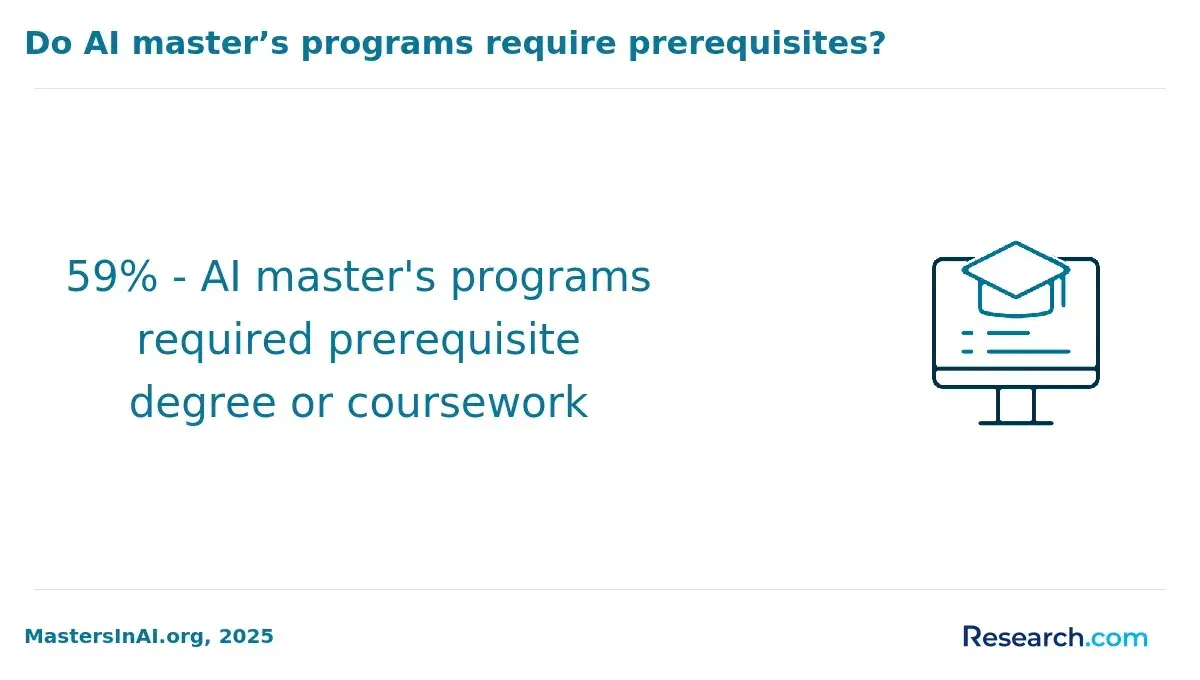
Top courses on AI chat interface development skills emphasize practical training in natural language processing (NLP), enabling machines to understand and generate human language effectively. Key subjects include intent recognition, entity extraction, and dialogue management, essential for creating responsive conversational agents. Machine learning techniques are integrated to cover model training, optimization, and evaluation with large datasets.
Students gain insight into architecture design for chatbots, exploring rule-based systems and advanced neural network models such as transformers and large language models. Hands-on experience with frameworks like Rasa, Dialogflow, and Microsoft Bot Framework is common, highlighting API integration and deployment approaches.
Ethics and bias mitigation remain central themes for responsible conversational AI, alongside security aspects covering data privacy and secure data, handling featured in advanced topics. Interdisciplinary skill sets, including user experience (UX) design and human-computer interaction principles, enhance conversational usability and engagement. Some programs also integrate voice interface design and multimodal AI, combining text, voice, and visual inputs.
Real-world case studies help learners troubleshoot typical chatbot challenges like misrecognition and context switching. Career prospects reflect this focus: AI and machine learning specialists ranked among LinkedIn's fastest-growing roles at 22% annual hiring growth, with U.S. machine learning engineers earning median salaries near $160,000, reported by sources including National University. Students seeking related education can explore data science degrees for comprehensive preparation in the field.
How should you choose between online and on-campus AI programs for conversational AI?
Choosing how to decide between online and on-campus AI programs for conversational AI involves considering your learning style, schedule flexibility, networking goals, and resource needs. Online programs offer flexibility to balance work or personal life while developing skills in chatbot design, natural language processing, and user experience. They often feature asynchronous courses from global institutions, which benefit self-motivated learners but may limit real-time interaction with instructors and peers.
In contrast, on-campus artificial intelligence courses for chat interfaces provide structured environments with direct instructor contact and hands-on labs. These immersive settings promote focus, collaboration, and expanded professional networks through in-person events and career services. However, they require proximity and greater time and financial commitment, including higher tuition and living costs.
Financial decisions are key. A recent Deloitte study highlights that AI investments in customer-facing applications, such as chatbots, are 1.8 times more likely to achieve significant or transformational ROI compared to general AI initiatives. Programs emphasizing practical skills linked to these applications improve employability regardless of delivery format.
When choosing, consider:
- Can you commit to fixed schedules and in-person sessions?
- Do you need a program with strong career placement support?
- Does your budget accommodate on-campus costs?
- Are you disciplined enough for self-directed online learning?
For veterans exploring flexible options, programs similar to the cybersecurity degree online for veterans may offer valuable insights into balancing education and other commitments.
Which U.S. schools and platforms offer accredited or industry-recognized AI chatbot training?
Several U.S. universities and professional platforms provide accredited training in AI chatbot development, reflecting a growing industry need. Gartner forecasts that 80% of customer service organizations will integrate generative AI by 2025, increasing demand for skilled professionals. Institutions like Stanford University and the Massachusetts Institute of Technology (MIT) offer courses focused on natural language processing and chatbot design, blending theory with practical projects.
Online platforms such as Coursera collaborate with universities like the University of Washington to offer AI chatbot specialization certificates that are recognized by tech employers. Udacity provides Nanodegree programs emphasizing chatbot creation using industry-standard tools, making these accessible to learners worldwide.
For professionals requiring flexibility, edX's MicroMasters in AI includes modules on conversational AI, helping learners build comprehensive AI expertise with credentials valued by recruiters. Prospective students should seek programs covering machine learning, dialog management, and user experience design to address real-world deployment challenges like optimizing chatbot accuracy and latency.
Choosing accredited or widely acknowledged platforms ensures that certifications align with industry standards and enhance job prospects as AI adoption accelerates in customer service roles.
What are the typical admission requirements for AI programs focused on chat interfaces?
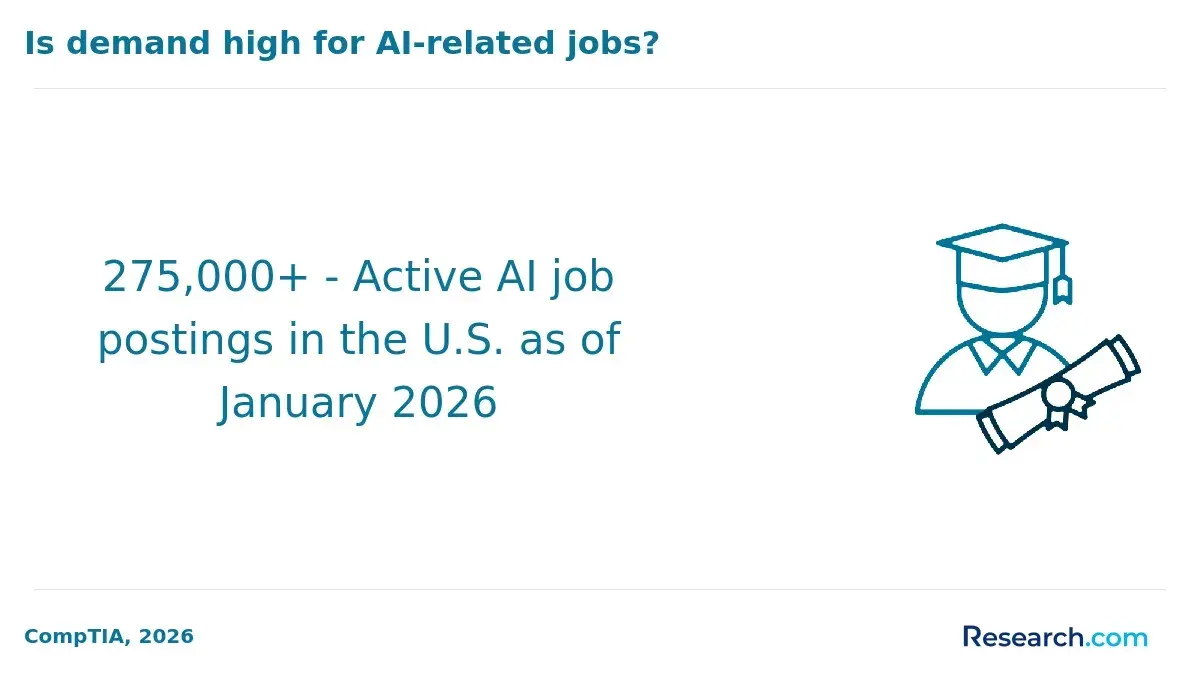
Admission to AI programs specializing in chat interfaces requires a solid foundation in computer science or related fields such as software engineering, data science, or mathematics. Universities typically expect applicants to hold a bachelor's degree and demonstrate proficiency in programming languages, commonly Python, JavaScript, or Java, which are integral to chatbot development.
Prior coursework or experience in machine learning, natural language processing (NLP), and deep learning is often essential. Practical skills using frameworks like TensorFlow, PyTorch, or Hugging Face Transformers significantly enhance a candidate's profile. Portfolio projects or internships related to chatbot or large language model (LLM) integration are valuable additions.
Applicants usually submit transcripts and letters of recommendation, with some programs still requiring GRE scores, although this is becoming less common. For working professionals, industry experience with cloud platforms or no-code AI tools such as Gradio or Streamlit can offset less formal education. According to a developer survey by Hugging Face, over 70% of those prototyping LLM applications use high-level UI frameworks, underscoring their rising importance.
Strong analytical and problem-solving skills are crucial and are often assessed via coding challenges or technical interviews. Non-native English speakers should prepare to provide TOEFL or IELTS scores to demonstrate language proficiency, especially for programs emphasizing advanced text processing.
The admission process balances academic background, hands-on skills, and familiarity with emerging chatbot frameworks aligned with today's evolving AI landscape.
How long do AI chatbot-focused programs take, and what do they usually cost?
AI chatbot programs vary significantly in length and depth, from brief bootcamps lasting 4 to 12 weeks to certificate courses that extend 3 to 6 months. Shorter programs concentrate on foundational skills like prompt engineering, conversation design, and chatbot development, making them suitable for professionals aiming for rapid upskilling. Longer courses offer more in-depth technical training, hands-on projects, and natural language processing integration.
Costs depend largely on scope and provider, with short online courses typically priced between $300 and $1,500. University-level or specialized certificate programs often range from $2,000 to $7,000. Some providers offer modular pricing or subscription models, allowing access to multiple AI-related courses at a potentially lower upfront cost, though this may lengthen the time to completion.
The surge in demand for prompt engineering and conversation design skills is evident in a reported 300% increase in U.S. job postings, reflecting the value employers place on practical experience with conversational flow architectures and AI API integration. When selecting a program, consider:
- Inclusion of practical chatbot development using current frameworks
- Access to instructor support or mentorship
- Opportunities for portfolio-building through real projects
Your choice of program length and price should align with your experience level and career objectives. Beginners may opt for shorter courses, while intermediate learners could benefit from longer, immersive programs tailored to evolving industry standards.
What entry-level and advanced careers can AI chatbot and conversational AI training lead to?
Careers in AI chatbot development and conversational AI training span from entry-level to advanced roles across various industries. Entry-level positions include chatbot developer, conversational UI designer, and AI data analyst, with responsibilities such as designing chatbot flows, coding dialogue management, and analyzing user interactions to enhance response accuracy. These roles typically require proficiency in programming languages like Python or JavaScript and knowledge of natural language processing (NLP) frameworks.
Advanced career paths include conversational AI architect, machine learning engineer specializing in dialogue systems, and AI product manager. Professionals in these roles create complex conversational agents, integrate AI solutions across platforms, and align chatbot strategies with business objectives using deep learning techniques for improved understanding and personalization.
Industry-specific skills boost career opportunities. For instance, financial services and healthcare sectors lead in conversational AI adoption, with chatbots accounting for 46% and 41% of deployments respectively, according to Itransition's 2025 review. Healthcare roles may require expertise in patient data privacy and medical terminology, while finance roles focus on transaction security and fraud detection. E-commerce careers emphasize conversational commerce and customer engagement.
Prospective students should seek programs offering hands-on training in NLP, machine learning, and human-computer interaction, and build portfolios featuring chatbot projects tailored to key sectors to enhance employability and career growth.
What salary ranges and job outlook can graduates expect in conversational AI roles?
Graduates pursuing careers in conversational AI can expect salaries typically ranging from $90,000 to $150,000 annually, influenced by experience, location, and role specialization. Entry-level jobs such as AI chatbot developers or conversational interface designers usually start between $85,000 and $100,000. More advanced positions, like natural language processing engineers or machine learning architects, often exceed $130,000, especially in tech centers like San Francisco and New York.
The job market is expanding fast as enterprises invest heavily in customer engagement automation and digital assistants. A 2024 Pew Research survey cited by National University reports that 55% of Americans regularly use AI, with 62.2% of workplace AI users interacting via customer-service chatbots. This drives strong demand for professionals skilled in designing and optimizing conversational interfaces.
Demand exists across industries such as finance, healthcare, retail, and telecommunications, where conversational AI enhances customer experience and operational efficiency. Employers seek expertise in chatbot frameworks, natural language understanding, and user-centered design. Roles combining domain knowledge with conversational AI development, like AI product managers or UX strategists, often receive competitive pay.
Graduates should focus on practical skills in popular AI frameworks, NLP, and cloud deployment as employers prioritize hands-on experience. Job growth in this field is projected to outpace many traditional software roles, offering strong career stability and advancement opportunities.
Do you need specific certifications or credentials to work in AI-powered chat interface development?
Specific certifications or credentials are not mandatory to work in AI-powered chat interface development, but relevant qualifications significantly improve career opportunities. Employers often prioritize practical experience in machine learning, natural language processing (NLP), and software engineering over formal certificates. Nonetheless, certifications from recognized institutions or accredited courses can validate skills and keep professionals current in this rapidly changing field.
Different roles require varied qualifications:
- Machine learning engineers typically benefit from advanced degrees such as master's or PhD in computer science or related areas.
- AI product managers and designers often focus on project experience and certifications in AI fundamentals and user experience.
- Developers targeting specific platforms may pursue certifications in frameworks like TensorFlow or PyTorch.
The expansion of multimodal, voice, and agentic chat interfaces continues, with 77% of devices incorporating some form of AI, according to the National University's 2026 AI trends review. Virtual assistants remain the most widely used AI technology weekly across demographics, highlighting the increasing demand for skills in managing complex voice- and chat-driven systems.
Professionals should emphasize:
- Hands-on projects in NLP, speech recognition, and chatbot deployment.
- Understanding of safety, ethics, and bias moderation in AI interfaces.
- Continuous learning through workshops, online courses, and certifications focused on evolving AI tools.
Ultimately, credentials complement proven expertise; employers favor candidates delivering scalable and functional AI chat solutions aligned with industry needs.
Other Things You Should Know About Artificial Intelligence
In 2027, top AI courses for building chat interfaces include "Deep Learning Specialization" by Andrew Ng on Coursera, "Natural Language Processing" with Hugging Face on Udemy, and "Chatbot Development with Rasa" on LinkedIn Learning. These courses cover crucial skills in AI, NLP, and conversational design.
Machine learning allows chat interfaces to learn from user interactions and improve over time without explicit reprogramming. This leads to better understanding of diverse language patterns, personalization of responses, and adaptation to new topics or domains. Continuous training on fresh data helps chatbots to become more accurate and engaging.
NLP is essential for enabling chatbots to understand and generate human language. It involves tasks such as tokenization, sentiment analysis, intent recognition, and language generation. Effective NLP techniques allow chatbots to comprehend user queries and respond in a way that feels natural and contextually appropriate.
Yes, many AI chat interfaces now incorporate multilingual support using models trained on diverse language datasets. However, performance can vary depending on the language's complexity and available training data. Developing robust multilingual chatbots requires specialized techniques like transfer learning and language-specific tuning.
References
- AI Careers - Top AI Jobs with Education Requirements and Pay https://aidegreeprograms.org/ai-careers/
- Top In Demand AI Skills (2025) https://www.skillsoft.com/blog/essential-ai-skills-everyone-should-have
- 14 Best Entry Level AI Jobs: A Beginners Guide | Mercor https://www.mercor.com/resources/experts/best-entry-level-ai-jobs-guide/
- What Can Students Expect to Learn in AI Courses? | University of Bridgeport https://www.bridgeport.edu/news/ai-course-expectations/
- Explainable AI in Chat Interfaces https://www.nngroup.com/articles/explainable-ai/
- Entry-level jobs in the age of AI https://www.ccdaily.com/2026/02/entry-level-jobs-in-the-age-of-ai/
- What Topics are Covered in an Artificial Intelligence online Course? | H2K Infosys Blog https://www.h2kinfosys.com/blog/topics-covered-in-artificial-intelligence-course/
- University Degree vs AI Bootcamp: Which is Best Career Path? https://agilefever.com/university-degree-vs-ai-bootcamp-which-is-best/
- What AI Really Means for Graduate Jobs | Newswise https://www.newswise.com/articles/what-ai-really-means-for-graduate-jobs
- AI Chatbots - eLearning Bundle Course https://training.certstaff.com/assnfe/CourseView.asp