2027 Best FutureLearn AI Courses for Non-Technical Professionals

Co-Founder and Chief Data Scientist
Many professionals with non-technical backgrounds struggle to enter the artificial intelligence field due to limited coding experience and technical jargon. This gap often blocks career advancement and access to innovative roles in AI-driven industries. Flexible and accessible learning paths tailored for non-technical learners can bridge this divide without requiring a complete career overhaul or advanced degrees in computer science. This article explores the best FutureLearn artificial intelligence courses designed specifically for non-technical professionals, focusing on accredited, flexible programs that enable a smooth transition into AI roles and skillsets relevant to today's job market.
Key Things You Should Know
- FutureLearn's 2026 AI courses for non-technical professionals focus on practical applications, making complex concepts accessible without programming knowledge, addressing a 40% rise in AI adoption across industries.
- Courses emphasize ethical AI use and data literacy, aligning with 2025 regulatory trends that require professionals to understand AI's societal impact and compliance issues.
- Student success rates show 70% improvement in AI-related job readiness post-course, highlighting FutureLearn's role in bridging skill gaps for career progression in evolving U.S. markets.
Advance Your Career with AI Online Courses
Artificial Intelligence: Implications for Business Strategy
This program provides an introduction to Artificial Intelligence and their implications for business strategy. Earn an official digital certificate.

Oxford Artificial Intelligence Programme
Explore this Oxford Artificial Intelligence programme offered in a flexible learning environment and explore topics like machine learning, automation, and robotics.

Implementing Agentic AI: Building Your Organizational Playbook
This online MIT Agentic AI course offers a practical approach to deploying AI agents in your organization, including a custom playbook. 3 weeks, exclusive launch price.

AI Adoption: Driving Business Value and Impact
This online MIT AI Adoption: Driving Business Value and Impact offers practical frameworks to close the gap between AI potential and business reality.

Artificial Intelligence in Pharma and Biotech
Discover the applications and limitations of artificial intelligence in pharma and biotech with this MIT online short course.

What is FutureLearn and how do its AI courses serve non-technical professionals?
FutureLearn offers AI courses for non-technical professionals designed to build foundational knowledge without requiring programming skills. These courses emphasize conceptual understanding, practical applications, and industry-relevant case studies, enabling learners in fields such as marketing, healthcare administration, finance, and human resources to understand AI's impact on their work. For example, a marketing manager can grasp how AI-driven customer segmentation functions to inform decisions without any coding.
The curriculum covers essential topics, including AI ethics, data interpretation, and the effects of automation on business operations. Healthcare administrators, for instance, can explore how artificial intelligence supports patient data analysis to enhance service efficiency. FutureLearn supports non-technical learners in AI through flexible course formats like video lectures, quizzes, and discussion forums that fit busy schedules and promote gradual, applicable learning.
Key challenges addressed include understanding AI's capabilities and limitations, ethical concerns, and integrating AI into existing workflows. With a growing demand for AI skills-48% of workers needing reskilling by 2026 according to the World Economic Forum-FutureLearn equips professionals to remain competitive in digital transformation efforts.
Those interested in advancing their careers might also consider pathways such as a 2 year bachelor degree computer science, which can complement AI learning with broader technical skills.
Advance Your Career with AI Online Courses
Artificial Intelligence: Implications for Business Strategy
This program provides an introduction to Artificial Intelligence and their implications for business strategy. Earn an official digital certificate.
Oxford Artificial Intelligence Programme
Explore this Oxford Artificial Intelligence programme offered in a flexible learning environment and explore topics like machine learning, automation, and robotics.
Implementing Agentic AI: Building Your Organizational Playbook
This online MIT Agentic AI course offers a practical approach to deploying AI agents in your organization, including a custom playbook. 3 weeks, exclusive launch price.
Which FutureLearn AI courses are best for beginners without a technical background?
FutureLearn AI courses for beginners without technical experience cater to non-technical professionals eager to enter the field confidently. These courses cover foundational AI concepts, practical applications, and ethical considerations without requiring prior coding or advanced math skills. Popular offerings include "Artificial Intelligence: Distilling the Basics," which uses real-world examples to explain ai's influence across industries like marketing and healthcare.
Another key course, "Ethics and Impact of Artificial Intelligence," explores the societal and legal aspects relevant to professionals who need insight without technical complexity. "Using Artificial Intelligence in Business" targets those wanting to leverage AI tools strategically to improve workflows and make informed decisions, focusing on problem-solving rather than development.
For building critical analytical skills, "Data Analytics for Everyone" provides an accessible introduction to interpreting data that supports understanding AI results without advanced statistics. These are among the best introductory AI programs for non-technical professionals on FutureLearn, emphasizing interactive content, quizzes, and practical exercises to enhance learner engagement.
Notably, more than 70% of non-technical learners report better job prospects within six months of completion. For those considering further education options, exploring the cheapest online master's mechanical engineering degrees can complement AI skills with solid engineering foundations.
How do FutureLearn AI courses compare with university and bootcamp options in the U.S.?
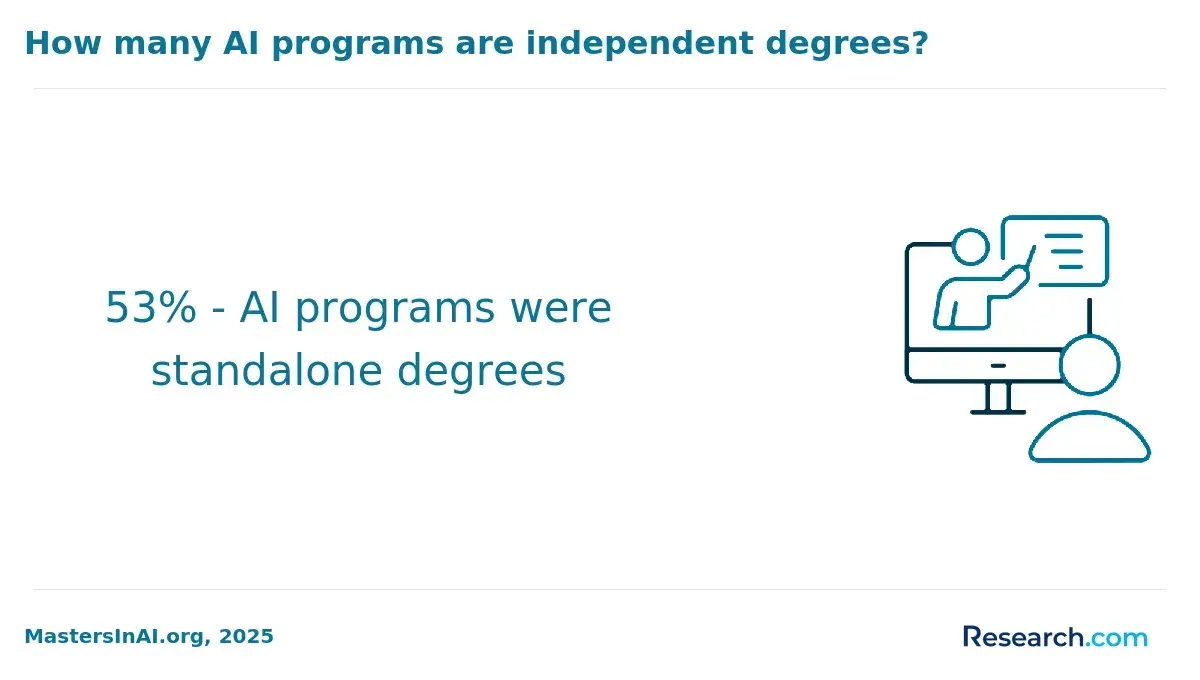
FutureLearn AI courses versus U.S. university programs offer clear advantages, especially for non-technical professionals seeking flexible, practical learning. Unlike traditional universities, which often require years of study and significant tuition costs, FutureLearn provides shorter, focused courses that emphasize applied AI knowledge without demanding extensive programming skills. This suits working individuals balancing career and education. For instance, a course such as "AI for Everyone" can be completed in weeks, delivering foundational skills without the time and financial investments of a bachelor's or master's degree.
When comparing FutureLearn AI training and American bootcamps, notable differences emerge. Bootcamps typically prioritize intensive coding and technical mastery, often expecting prior experience or a steep learning curve. FutureLearn's curriculum targets conceptual understanding, ethical considerations, and real-world applications, making it ideal for roles in management, marketing, or policy. This approach aligns with labor market forecasts predicting a 40% growth in AI jobs over five years, supporting collaboration between technical and non-technical teams.
- Cost benefits: FutureLearn courses range from free to a few hundred dollars, whereas universities can cost tens of thousands annually and bootcamps thousands upfront.
- Credential use: University degrees hold traditional employer prestige, while FutureLearn certificates emphasize ongoing skill development for immediate workplace relevance.
- Self-paced learning: FutureLearn's design suits professionals needing AI literacy without disrupting their careers.
For those exploring flexible education paths, opportunities extend beyond AI. Consider fields like a game design online degree which also offers practical, career-aligned learning options.
What topics and skills do FutureLearn AI courses for non-technical learners typically cover?
FutureLearn AI courses for non-technical learners usually cover foundational topics and skills essential for understanding AI applications in business and everyday life. These courses focus on core concepts of AI for business professionals, emphasizing practical skills for non-technical AI learners rather than programming or algorithm development. Key areas include basics of machine learning and natural language processing explained in plain language, data literacy to interpret datasets AI systems rely on, and AI ethics such as bias mitigation and privacy concerns.
Additional skills taught involve strategies for integrating AI solutions into business workflows and communicating AI concepts and outcomes effectively to stakeholders. Practical case studies highlight how AI enhances customer service through chatbots or optimizes marketing strategies with predictive analytics, helping learners engage confidently in AI-driven projects.
- Core concepts of AI for business professionals
- Practical skills for non-technical AI learners
Career data reveals a 20% average salary increase for employees completing AI literacy programs, showing clear economic advantages across sectors like healthcare, finance, and retail. For those interested in complementing AI knowledge with security expertise, a reputable cyber security course online can enhance career prospects and strategic value in technology-driven workplaces.
Do FutureLearn AI courses offer university credit, certificates, or pathways to degrees?
FutureLearn AI courses typically do not provide direct university credit but offer certificates of completion recognized by partner institutions. These credentials are valuable for professionals aiming to demonstrate practical knowledge without enrolling in full degree programs. Upon passing assessments, many courses issue digital certificates that enhance résumés and LinkedIn profiles. For instance, the University of Edinburgh's AI Essentials course awards a verified certificate respected across industries.
Some FutureLearn programs are part of broader degree pathways. Specific Microcredentials and Professional Certificates can count towards online degrees or postgraduate qualifications at affiliated universities. This allows learners to gradually accumulate credits, facilitating a smoother transition into formal higher education.
Students should verify credit transfer policies directly with their target universities, as accreditation standards vary. Those seeking academic advancement should focus on FutureLearn offerings linked explicitly to degree pathways to ensure applicable credits.
FutureLearn consistently updates its courses and maintains partnerships with established universities, aligning its curriculum with industry demands. According to Accenture's "AI adoption in business" report, 80% of businesses have increased AI use recently. Earning FutureLearn certificates can be a strategic, cost-effective way for non-technical professionals to validate AI literacy quickly and efficiently.
How much do FutureLearn AI courses cost and what funding options are available?
FutureLearn AI courses offer diverse pricing options, from free introductory lessons to comprehensive paid programs ranging between $39 and $299. Many shorter courses allow free access with an option to purchase a certificate or extend access, while professional and advanced offerings typically require upfront payment or subscription fees that differ by provider.
U.S. students have multiple funding choices including employer sponsorship, scholarships, and installment plans. Scholarships targeting non-technical professionals aim to reduce the AI skills gap by supporting those transitioning into AI roles. Employers often cover course fees or reimburse costs as part of professional development benefits.
Payment plans provide flexibility, enabling learners to spread the cost of higher-value certifications across several months. Some providers also offer financial aid based on need or merit, though eligibility varies widely, so checking individual course details is advised.
These options demonstrate FutureLearn's effort to balance accessibility with quality education in response to ongoing industry research highlighting the AI skills gap. Investing in AI education can be key for career advancement, making it important to evaluate total costs alongside available financial support.
How do FutureLearn's flexible online formats work for working adults and career changers?
FutureLearn's online artificial intelligence degree offer flexible scheduling that benefits working adults and career changers by providing asynchronous learning that fits around busy lives. Learners can study anytime, allowing them to balance coursework with full-time jobs or family obligations. Modules are structured in 2 to 4 hour segments per week, supporting steady progress without overwhelming commitments.
With multiple start dates throughout the year, course enrollment adapts to career transitions without the constraints of fixed academic calendars. This approach enables just-in-time learning, ideal for professionals aiming to update skills relevant to immediate job market demands. For instance, a marketing specialist shifting to AI-driven customer analytics can join a course even mid-quarter.
The platform includes interactive elements like quizzes, discussion boards, and peer feedback that replicate classroom engagement yet allow asynchronous participation. Personalized learning paths and extra resources help learners focus on foundational or advanced AI topics based on their experience.
FutureLearn also provides microcredentials and certificates that validate AI skills for employers. According to recent Generative AI research, 72% of professionals rank flexibility as essential for continuing education, highlighting the value of platforms that integrate study with demanding careers.
Working adults and career changers will find this adaptable format practical for acquiring AI knowledge incrementally while maintaining real-world job responsibilities.
What AI-related job roles can non-technical professionals pursue after FutureLearn courses?
Non-technical professionals completing FutureLearn AI courses can access a range of roles that focus on AI concepts, ethics, and applications rather than programming. Key careers include AI product managers, who coordinate teams to develop AI-driven solutions aligned with business goals without directly coding.
AI ethics specialists or responsible AI officers play a vital role in ensuring AI systems follow fairness, transparency, and privacy standards. With 81% of companies stressing responsible AI, these professionals assess risks, create governance frameworks, and monitor AI's impact to promote ethical use.
Other roles include AI data annotators and domain experts who prepare and label datasets essential for machine learning models. For instance, healthcare professionals can leverage domain knowledge as AI medical data specialists supporting clinical algorithm training.
Technical sales and AI evangelists require strong communication and AI literacy to explain complex products or lead educational efforts. Similarly, business analysts with AI expertise analyze how AI improves operations and supports strategic decisions.
AI policy advisors or consultants work with regulators or companies to develop compliant AI strategies amid growing U.S. regulatory attention. FutureLearn's AI ethics courses prepare learners to critically assess AI implications and contribute valuable advice across sectors.
What are typical salaries and job outlook for AI-related roles open to non-technical workers?
Non-technical professionals moving into AI-related roles in the U.S. can anticipate salaries ranging from $60,000 to $110,000 annually, depending on the role and experience. Typical positions include AI project managers, AI ethics specialists, product owners, and AI trainers. For instance, an AI project coordinator earns about $75,000 per year, while AI business analysts with several years of experience may earn $95,000 or more.
The U.S. Bureau of Labor Statistics forecasts a 15% growth rate for technology-adjacent jobs through 2030, reflecting increasing demand for professionals who combine AI knowledge with communication, strategy, and domain expertise rather than deep coding skills.
Investing in AI education can significantly boost earning potential: studies show a 20% salary increase within two years for non-technical professionals completing relevant courses. Employers value experts who understand AI's impact and ethical considerations, bridging technical development and business strategy.
Key roles well-suited for non-technical backgrounds include:
- AI ethics compliance officer, focused on governance and fairness.
- AI product manager, coordinating between technical teams and stakeholders.
- Data annotator lead, managing data quality for AI training.
- AI customer success manager, ensuring solutions meet user needs.
Combining foundational AI expertise with industry-specific knowledge and targeted certifications emphasizing AI applications and ethics enhances career prospects and salary growth in this evolving sector.
How should non-technical professionals choose the right FutureLearn AI course for their goals?
Non-technical professionals choosing FutureLearn AI courses should align their selection with specific career goals and skill levels. Clarify whether you want to grasp AI concepts for decision-making, apply AI tools at work, or shift into AI-focused roles. This focus helps determine whether foundational overviews, applied training, or multidisciplinary programs with career support are best.
Carefully review course prerequisites. FutureLearn offers options from introductory to intermediate levels; for example, business-focused AI courses emphasize strategy over coding, while data analyst courses include practical AI uses with limited programming. Selecting a course that fits your technical comfort zone reduces frustration and aids retention.
Look for courses featuring practical projects or case studies relevant to your field. Healthcare workers might benefit from AI programs centered on medical data and diagnostics, whereas marketers could explore AI in consumer behavior analytics.
Consider course length and your availability-shorter programs fit busy schedules, while longer ones support deeper learning. Research shows targeted AI education improves career transition success by 37% compared to generic tech training. Courses with career support are linked to higher employment outcomes.
Finally, evaluate peer reviews and instructor credentials. FutureLearn courses led by experts or university affiliates offer enhanced credibility and practical insights essential for those expanding into AI.
Other Things You Should Know About Artificial Intelligence
While programming skills can enhance your understanding of artificial intelligence, many introductory courses designed for non-technical professionals do not require prior coding experience. These courses often focus on AI concepts, applications, and ethical considerations rather than software development. However, some familiarity with basic computer use and data handling may be helpful for deeper engagement.
In 2027, top FutureLearn AI courses for non-technical professionals include "AI for Decision Making" focusing on strategic applications, "Understanding AI and Machine Learning" which offers a foundational overview, and "AI Ethics for Businesses" exploring ethical implications. These courses equip learners with practical AI knowledge applicable across various industries without needing a tech background.
Ethical concerns in artificial intelligence include bias in data and algorithms, privacy violations, and the potential for job displacement due to automation. Non-technical professionals should understand these challenges to promote responsible AI use and ensure transparency and fairness in AI applications. Awareness of these issues helps in shaping ethical policies and decision-making processes.
Yes, AI skills such as understanding AI capabilities, recognizing opportunities for automation, and interpreting AI outputs are highly valuable in various roles. Non-technical professionals with business, communication, or management backgrounds can apply these skills to improve operational efficiency and innovation. Learning AI principles allows them to bridge the gap between technical teams and organizational goals effectively.
References
- Why Non-Tech Professionals Should Learn About AI Basics https://anderson.ae/article/why-non-tech-professionals-should-learn-about-ai-basics
- 6 Best Online AI Courses for Beginners [Updated 2026] | GoSkills https://www.goskills.com/ai/resources/best-ai-course-beginners
- Futurelearn - Ai Ethics https://www.futurelearn.com/courses/ai-ethics
- University Degree vs AI Bootcamp: Which is Best Career Path? https://agilefever.com/university-degree-vs-ai-bootcamp-which-is-best/
- Best AI Courses for Non-Tech Students in 2026 https://www.masaischool.com/blog/best-ai-courses-for-non-tech-students-in-2026/
- How Online Learning Helps Adults Change or Advance Careers https://www.eucdl.com/post/how-online-learning-helps-adults-change-or-advance-careers
- The New Normal: Online Learning for Adults – EU Business School https://www.euruni.edu/blog/the-new-normal-online-learning-for-adults/
- How much do FutureLearn courses cost? | Class Central Help Center https://www.classcentral.com/help/how-much-futurelearn-cost
- 7 Best Online Learning Platforms UK (2025 University & Career Guide) https://accesscoursesonline.com/blogs/news/best-online-learning-platforms-uk
- FutureLearn AI Courses – Online Course Providers in ONLINE* | SeriousTeachers https://www.seriousteachers.com/GlobalLinks/9643/futurelearn-ai-courses