2027 Best AI Courses for Sales Professionals With Certificates

Co-Founder and Chief Data Scientist
Sales professionals often struggle to integrate Artificial Intelligence tools effectively, limiting their ability to optimize client targeting and close deals efficiently. Many find themselves overwhelmed by the technical depth of AI or unsure which courses offer practical, industry-relevant skills combined with credible certification. This challenge can stall career growth and reduce competitiveness in an evolving marketplace.
The right educational path must balance accessible content with proven outcomes. This article highlights top AI courses tailored for sales specialists, emphasizing flexible learning options and recognized certificates to empower professionals in mastering AI applications and advancing their careers.
Key Things You Should Know
- AI courses for sales professionals in 2026 emphasize practical skills in data analysis, customer segmentation, and predictive modeling, boosting sales effectiveness by up to 30% according to recent industry reports.
- Most leading programs offer verified certificates recognized by major U.S. employers, enhancing career prospects and salary potential by an average of 15% post-certification.
- Courses frequently integrate real-world case studies and tools like CRM AI integrations, ensuring learners can immediately apply AI strategies in diverse sales environments.
Advance Your Career with AI Online Courses
Artificial Intelligence: Implications for Business Strategy
This program provides an introduction to Artificial Intelligence and their implications for business strategy. Earn an official digital certificate.

Oxford Artificial Intelligence Programme
Explore this Oxford Artificial Intelligence programme offered in a flexible learning environment and explore topics like machine learning, automation, and robotics.

Implementing Agentic AI: Building Your Organizational Playbook
This online MIT Agentic AI course offers a practical approach to deploying AI agents in your organization, including a custom playbook. 3 weeks, exclusive launch price.

AI Adoption: Driving Business Value and Impact
This online MIT AI Adoption: Driving Business Value and Impact offers practical frameworks to close the gap between AI potential and business reality.

Artificial Intelligence in Pharma and Biotech
Discover the applications and limitations of artificial intelligence in pharma and biotech with this MIT online short course.

What types of AI courses best fit sales professionals looking to upskill quickly?
Sales professionals aiming to upskill quickly benefit most from ai courses for sales professionals to upskill quickly that focus on practical applications, workflow integration, and certificate-backed validation. The best online ai training programs for sales teams often emphasize AI-driven sales automation, customer relationship management (CRM) enhancements, and predictive analytics.
According to Salesforce's 2025 State of Sales report, sales teams that adopt AI tools see a 19% increase in revenue per sales representative compared to teams without AI. Training on platforms like Salesforce Einstein or HubSpot's AI capabilities equips professionals to harness data-driven insights, streamline routine tasks, and qualify prospects more efficiently.
Courses that cover natural language processing (NLP) applications add value by helping sales staff understand customer sentiment and automate communications, with hands-on experience using AI chatbots and virtual assistants further improving client interaction and follow-up workflows.
For those focused on rapid certification, project-based learning and real-world simulations are key, as they offer intensive insight into AI fundamentals applied to sales strategy, machine learning for forecasting, and AI ethics concerning data privacy in customer engagement.
These targeted courses enable sales professionals to implement AI solutions immediately, increasing productivity and driving measurable growth. To explore career insights and compensation trends related to AI skills, see artificial intelligence degree salary.
Advance Your Career with AI Online Courses
Artificial Intelligence: Implications for Business Strategy
This program provides an introduction to Artificial Intelligence and their implications for business strategy. Earn an official digital certificate.
Oxford Artificial Intelligence Programme
Explore this Oxford Artificial Intelligence programme offered in a flexible learning environment and explore topics like machine learning, automation, and robotics.
Implementing Agentic AI: Building Your Organizational Playbook
This online MIT Agentic AI course offers a practical approach to deploying AI agents in your organization, including a custom playbook. 3 weeks, exclusive launch price.
Which AI certificates for sales are most respected by U.S. employers?
U.S. employers highly respect AI sales certification programs recognized by U.S. employers that deliver role-specific, workflow-integrated training designed for sales professionals. According to the 2025 Gartner Future of Sales Skills survey, 64% of B2B sales leaders prioritize targeted AI education over broad, generic courses. Certificates that combine practical AI applications with sales workflows offer clear value, improving both adoption rates and measurable sales outcomes.
Top U.S. accredited artificial intelligence certificates for sales professionals often emphasize CRM automation, predictive analytics, and conversational AI tailored to sales tasks. Programs from leading business schools and tech companies provide hands-on projects using tools like Salesforce Einstein or Microsoft Dynamics 365 AI. These credentials demonstrate proficiency in AI-driven lead scoring, customer insights, and personalized engagement strategies.
Certificates offered through platforms such as Coursera or edX, especially those partnered with top universities, gain employer respect when they include case studies or simulations focused on sales processes. Certifications featuring direct integration with sales software or realistic sales scenarios prepare candidates for immediate, impactful contributions and smoother AI adoption in sales teams.
Employers also value instruction on ethical AI use and data privacy in sales, responding to increasing regulatory challenges and client trust concerns. Distinctive certificates often include practicums or capstone projects tied to specific sales targets. Prospective students interested in affordable options may explore the cheapest online master's in artificial intelligence for additional pathways.
How do online AI courses for sales compare with campus and bootcamp options?
Online AI sales courses offer flexibility unmatched by campus programs and bootcamp alternatives, allowing working sales professionals to learn at their own pace without relocating or taking extended time off. These courses provide practical, up-to-date content that can be quickly applied in sales settings.
For instance, IBM's "Generative AI for Sales Professionals" specialization on Coursera shows a 37% improvement in lead-to-opportunity conversion rates within three months, demonstrating clear ROI. This data is less common for traditional campus or bootcamp programs. Bootcamps offer intense, skill-focused training but require a full-time commitment that may not fit all schedules.
They suit those needing rapid reskilling, while campus programs provide deeper foundational knowledge and credentials but often emphasize theory and demand longer durations. When comparing the benefits of bootcamp versus online AI training for sales professionals, it's important to consider factors like schedule flexibility, depth of content, and career goals.
Online courses blend skill acquisition with industry-recognized certificates without the high costs and time of campus degrees or bootcamps. Sales professionals motivated by advanced degrees might explore options such as the PhD in artificial intelligence USA, which offers a more comprehensive academic pathway.
Choosing between these formats depends on individual needs, but online AI sales courses stand out for combining flexibility, effectiveness, and measurable professional impact.
What AI skills and tools should sales professionals learn to stay competitive?
Sales professionals aiming to stay competitive must develop specific AI-driven sales tools for professionals and key artificial intelligence skills in sales. These include data analysis to decode customer behavior and identify sales trends accurately. Mastery of customer relationship management (CRM) platforms enhanced by AI, such as Salesforce Einstein or Microsoft Dynamics 365 AI, allows for personalized client engagement that boosts conversion rates.
Automation capabilities streamline repetitive tasks like lead scoring and follow-ups, freeing up time for complex negotiations. Proficiency with natural language processing (NLP) tools is vital, as they analyze sales calls and emails to offer real-time coaching and improve communication strategies. Predictive analytics help teams forecast buying patterns and target high-value prospects efficiently.
Evaluating AI tool performance critically ensures ethical use and accurate data. Continuous learning and adaptability are essential as AI evolves rapidly. Practical steps include enrolling in courses focused on AI applications in sales, attending workshops on data-driven selling, and gaining hands-on experience with leading CRM and sales automation platforms.
According to Kellogg Executive Education's 2025 report on the Mastering Sales - Digital and AI Toolkit program, executives completing this course saw a median 14% increase in team quota attainment within 12 months. For veterans interested in advancing technical skills, resources like military-friendly online electrical engineering degree programs can be valuable for broadening expertise in data and AI technologies.
How can you evaluate the quality and accreditation of AI courses for sales?
When evaluating AI courses tailored for sales professionals, prioritizing accreditation and practical outcomes is essential. Accredited providers-such as universities, Coursera, or edX-offer credible certificates that employers recognize. Ensure the course aligns with industry standards and relevant professional networks in sales and technology.
Focus on curriculum relevance and practical application, emphasizing real-world sales scenarios. For instance, Vanderbilt University's "Prompt Engineering for ChatGPT" teaches skills like email drafting and call preparation. Its learner analytics show a median weekly time saving of 5.2 hours for sales professionals, highlighting measurable benefits of well-designed content.
Instructor expertise and student reviews offer vital insights into the course's quality and applicability. Hands-on projects or case studies further reinforce learning and skill retention. Consider course format and learner support, including live sessions, peer interaction, and mentor access, which enhance engagement and mastery. Verify that certificates are verifiable and detail course content and achievement levels.
Finally, assess pricing relative to accreditation, outcomes, and feedback to avoid costly courses with limited benefits. Prioritize programs supported by learner data demonstrating clear productivity gains and time savings.
What prerequisites and experience do you need to enroll in AI courses for sales?
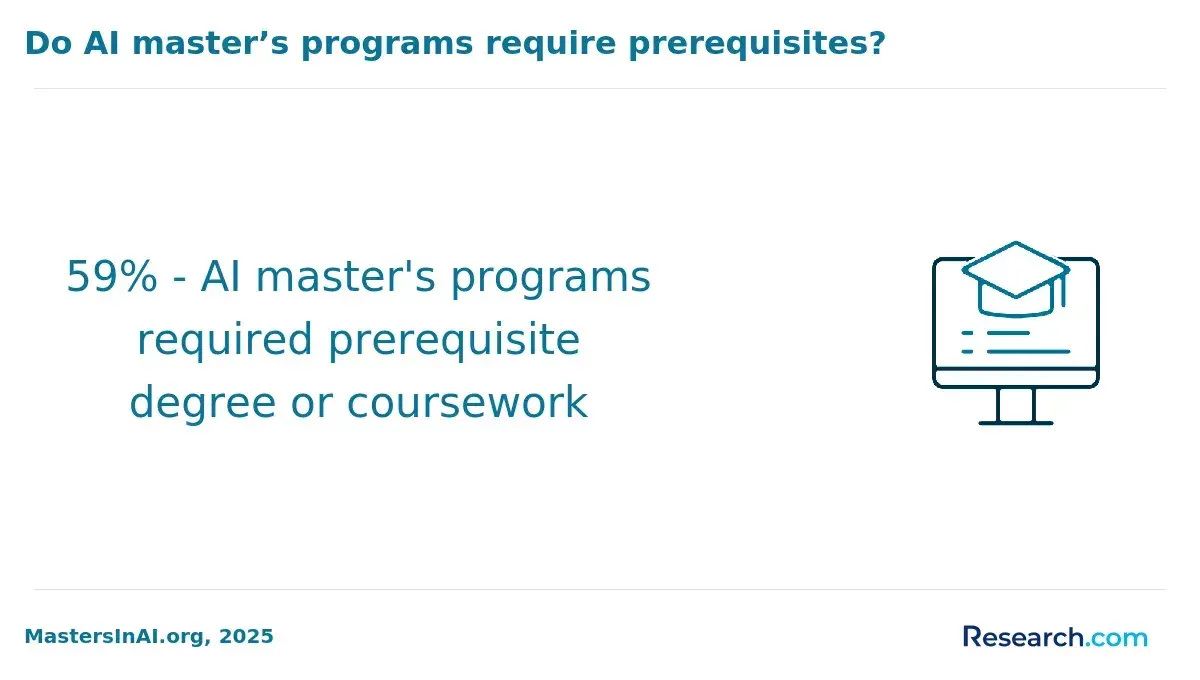
Enrolling in AI courses for sales professionals generally requires a solid grasp of sales processes and basic digital skills. Most programs expect learners to have one to two years of experience in sales or customer-facing roles. This helps participants apply AI tools effectively in practical challenges like lead generation, customer relationship management, and closing deals. Familiarity with CRM platforms such as Salesforce or HubSpot is often important because many AI solutions integrate with these systems.
Basic technical abilities are essential as well. Learners should be comfortable using software interfaces and interpreting data analytics since AI in sales often involves predictive models and automated recommendations. While some courses suggest prior knowledge of AI concepts or introductory programming, this is not always required.
Advanced sales leadership courses might ask for experience with data-driven decision-making or prior completion of foundational AI in sales modules. According to the Microsoft 2025 Work Trend Index, sales reps using Copilot-based AI tools closed deals 15% faster than those who did not. This highlights the impact of combining sales expertise with AI proficiency in enterprise settings.
Applicants should carefully evaluate course prerequisites and consider introductory programs covering sales fundamentals or AI basics if they lack sufficient experience or technical skills.
How long do AI certificate programs for sales take, and what do they cost?
AI certificate programs for sales professionals generally require 3 to 6 months to complete, depending on curriculum depth and format. For instance, the Google AI Professional Certificate (Business & Sales Track) is designed to finish in about 6 months with a commitment of 10 hours per week. Many programs offer flexible pacing, allowing learners to accelerate or extend their studies to fit individual schedules.
Costs vary widely across these programs. Entry-level certificates often range from free access with an optional paid certificate to $400-$800 for full professional credentials. More advanced certificates from well-known institutions may cost between $1,000 and $3,000. Some courses include career services or extra resources, which can increase prices. Enrollment formats include self-paced, cohort-based, and hybrid models that combine live sessions with recorded materials.
Sales professionals should weigh the return on investment. According to Coursera's 2025 Learner Outcomes report, 42% of career-switchers completing Google's AI Professional Certificate in business-adjacent fields reported a promotion or new role within 6 months. This data underscores the value of gaining AI skills relevant to sales.
When selecting a program, consider:
- Cost relative to duration and certificate recognition
- Practical application in your specific sales role
- Focus areas such as AI tools for sales automation versus AI-driven analytics
- Your budget and time availability
What core topics and projects are covered in AI courses focused on sales use cases?
AI courses for sales focus on practical applications like predictive analytics, customer segmentation, lead scoring, and natural language processing tailored to sales conversations. Learners develop skills to analyze customer data, forecast buying behaviors, and customize outreach for higher conversion rates. Hands-on projects often involve building AI-driven sales pipelines, chatbots for lead qualification, and recommendation engines aligned with client needs.
Training emphasizes machine learning algorithms to enhance sales forecasting and automate repetitive tasks such as follow-ups and data entry. Key modules include sentiment analysis on customer interactions to fine-tune messaging and boost engagement. Integration with CRM platforms like Salesforce allows students to create real-time dashboards and actionable insights.
Common projects include designing AI-enhanced customer journey maps, simulating sales calls with voice recognition, and prioritizing leads based on likelihood to purchase. These exercises provide useful experience in solving challenges related to pipeline management and customer retention.
According to the Salesforce AI for Sales Training Hub, reps who completed at least one Trailhead AI for Sales module improved qualified pipeline generation by 21% versus peers without training. This data highlights how targeted AI skills can measurably boost sales outcomes, underscoring the value of applying AI models to sales metrics.
What sales roles and career paths can AI training and certificates lead to?
AI training and certification prepare professionals for a variety of sales roles that integrate technology to boost revenue and improve customer engagement. Roles such as AI sales strategists focus on embedding AI tools in sales forecasting, customer segmentation, and lead generation. AI business analysts enhance decision-making by interpreting AI-driven insights that optimize the sales pipeline.
Meanwhile, sales operations managers use AI knowledge to automate routine tasks, allowing sales teams to prioritize high-impact client interactions. Certified AI skills open doors to specialized consulting roles, where professionals guide organizations on applying AI to improve conversion rates and personalize sales strategies. For instance, participants of programs like IIT Kanpur's Applied GenAI for Business & Sales have reported an average 11% increase in marketing and sales campaign ROI by applying capstone project insights.
Advancing within sales careers, such as account executives and sales managers, benefits significantly from AI expertise to adapt to digital ecosystems. AI training also supports transitions into product management roles focused on AI-powered sales tools and customer success positions that leverage AI for churn prediction and client retention.
Overall, AI certification equips sales professionals with skills in AI analytics, machine learning applications, and automation, increasing their value in competitive business environments seeking measurable outcomes.
How does AI training affect salary growth and job outlook for sales professionals?
AI training boosts salary growth and job prospects for sales professionals by providing essential skills in a technology-driven market. LinkedIn's 2025 Jobs on the Rise report shows a 73% year-over-year increase in job postings for "AI-enabled" sales roles, indicating strong market demand. Additionally, candidates with AI or GPT certifications are 2.1 times more likely to attract recruiter interest, underscoring the value of formal credentials.
Sales professionals who complete AI training can utilize data analytics, predictive modeling, and automation tools to enhance lead qualification and close deals more efficiently. Skills in AI tools enable personalized outreach, driving higher conversion rates that often lead to salary increases or commissions. Employers recognize these benefits and frequently offer higher pay to those with validated AI competencies.
AI certifications not only provide immediate salary advantages but also expand career opportunities. As sales roles increasingly integrate AI-driven CRM platforms and digital sales solutions, staying current with AI knowledge helps prevent job displacement by automation. This opens the door to advanced positions such as AI sales strategist or solutions consultant, which generally offer better compensation.
Practical tips for sales professionals include focusing on AI courses covering machine learning basics, natural language processing, and AI ethics. Highlighting AI fluency on résumés or in interviews strengthens candidacy in a growing job market segment. Continued growth in AI-enabled sales roles makes investing in AI training a key factor in career advancement and job security.
Other Things You Should Know About Artificial Intelligence
In 2027, sales professionals often face challenges like understanding complex AI tools, integrating AI into existing workflows, and ensuring data security when adopting artificial intelligence. Training and certification programs can help bridge these gaps by providing education on AI applications tailored specifically for sales.
Artificial intelligence can automate many repetitive tasks in sales, such as lead scoring and customer outreach. However, it cannot fully replace human sales professionals because relationship-building, emotional intelligence, and complex negotiations require a human touch. AI is best used to augment, not replace, human expertise.
Artificial intelligence enhances CRM systems by providing predictive analytics, automating data entry, and personalizing customer interactions. AI tools help sales teams identify high-potential leads and optimize communication strategies, improving customer engagement and retention. This leads to more efficient sales cycles and higher conversion rates.
References
- The 5 Most Valuable Generative AI Certifications https://www.coursereport.com/blog/the-5-most-valuable-generative-ai-certifications
- The Value of AI Bootcamps: Are They Worth It? https://blog.nobledesktop.com/learn/ai/are-ai-bootcamps-worth-it
- 15 Best Sales Training Platforms in 2026 https://www.5mins.ai/resources/blog/15-best-sales-training-platforms-in-2026
- The Difference Between an AI Bootcamp, a Certificate, and a Degree https://www.nexford.edu/insights/the-difference-between-an-ai-bootcamp-a-certificate-and-a-degree
- AI Training & Certification for Employees: How HR Should Evaluate Providers | Sprad Blog https://sprad.io/blog/ai-training-certification-for-employees-how-hr-should-evaluate-providers
- AI in Sales Examples: 10 Creative Ways Teams Use AI Today https://www.allego.com/blog/examples-of-how-to-use-ai-in-sales/
- Data Science & AI course online | Le Wagon https://www.lewagon.com/online/data-science-course
- Best AI Certifications to Boost Your Career in 2026 – Dataquest https://www.dataquest.io/blog/best-ai-certifications/
- 10 Top AI Certifications for Sales Pros https://www.vktr.com/ai-upskilling/10-top-ai-certifications-for-sales-pros/
- 7 Best AI Sales Tools for Reps & Leaders in 2026 (Tested) https://www.mixmax.com/blog/ai-tools-for-sales-professionals