2027 Best AI Courses for Digital Transformation Leaders With Certificates

Co-Founder and Chief Data Scientist
Leaders in digital transformation face challenges adopting artificial intelligence technologies without formal training, often struggling to bridge technical knowledge gaps while managing strategic initiatives. This disconnect can delay innovation and reduce competitive advantage in rapidly evolving markets.
Professionals with unrelated backgrounds require accessible, credible courses that offer certificates to validate new AI skills and facilitate career pivots. Navigating the vast array of educational options can be overwhelming, making it difficult to identify programs that balance flexibility, accreditation, and real-world applicability.
This article reviews top AI courses designed specifically for digital transformation leaders, helping readers select pathways that enhance expertise and career opportunities effectively.
Key Things You Should Know
- Top AI courses in 2026 emphasize practical skills in machine learning, data analytics, and ethical AI, vital for digital transformation leaders driving innovation in organizations.
- Certifications from accredited institutions boost employability, with 72% of employers prioritizing verified AI credentials in digital leadership roles, per 2025 industry surveys.
- Courses increasingly incorporate real-world projects and tools such as Python and TensorFlow, aligning education with evolving enterprise AI technology demands.
Advance Your Career with AI Online Courses
Artificial Intelligence: Implications for Business Strategy
This program provides an introduction to Artificial Intelligence and their implications for business strategy. Earn an official digital certificate.

Oxford Artificial Intelligence Programme
Explore this Oxford Artificial Intelligence programme offered in a flexible learning environment and explore topics like machine learning, automation, and robotics.

Implementing Agentic AI: Building Your Organizational Playbook
This online MIT Agentic AI course offers a practical approach to deploying AI agents in your organization, including a custom playbook. 3 weeks, exclusive launch price.

AI Adoption: Driving Business Value and Impact
This online MIT AI Adoption: Driving Business Value and Impact offers practical frameworks to close the gap between AI potential and business reality.

Artificial Intelligence in Pharma and Biotech
Discover the applications and limitations of artificial intelligence in pharma and biotech with this MIT online short course.

What defines an AI course for digital transformation leaders, and who should consider these programs?
An AI course for digital transformation leaders blends management strategy with applied AI technologies to prepare executives for integrating AI into business processes. The curriculum often covers AI fundamentals, machine learning applications, data-driven decision-making, ethical considerations, and leading AI projects. A key focus is translating technical concepts into actionable business strategies.
These programs are especially valuable for executives, innovation managers, chief information officers, and digital transformation officers who must align AI initiatives with corporate goals. Professionals moving from traditional IT roles into leadership find these courses essential. They address common challenges like selecting AI tools, managing cross-functional teams, and ensuring ethical compliance in AI deployment.
Advanced skills in artificial intelligence correlate with significant career benefits, as executives with such expertise earn approximately 27% more in total compensation, highlighting the value of relevant certification. Many of the best training programs for digital transformation and artificial intelligence emphasize case studies, strategic planning, and hands-on workshops with AI platforms to build practical know-how.
For those exploring affordable education options, the cheapest data science masters in USA can serve as a stepping stone. Gaining fluency in AI enables leaders without formal technical backgrounds to make informed decisions, evaluate vendors, and measure project ROI effectively.
Advance Your Career with AI Online Courses
Artificial Intelligence: Implications for Business Strategy
This program provides an introduction to Artificial Intelligence and their implications for business strategy. Earn an official digital certificate.
Oxford Artificial Intelligence Programme
Explore this Oxford Artificial Intelligence programme offered in a flexible learning environment and explore topics like machine learning, automation, and robotics.
Implementing Agentic AI: Building Your Organizational Playbook
This online MIT Agentic AI course offers a practical approach to deploying AI agents in your organization, including a custom playbook. 3 weeks, exclusive launch price.
How do AI leadership courses differ from general AI or data science programs?
AI leadership courses tailored for digital transformation equip executives with strategic skills to harness AI's organizational impact, contrasting sharply with data science programs that focus on technical expertise. Instead of algorithms or coding, these leadership programs emphasize how AI drives business innovation, guides decision-making, and aligns with corporate goals.
Differences between AI leadership and data science programs include:
- Focus on managing AI-driven change and fostering an innovation culture beyond model development.
- Training in ethical, legal, and societal issues critical to governance and compliance rather than purely technical challenges.
- Capabilities in evaluating AI investments, budgeting, and calculating ROI in digital transformation efforts.
- Communication strategies to bridge technical teams with non-technical stakeholders effectively.
For example, where a data science course might teach neural network construction, an AI leadership course addresses how to integrate those models into enterprise-wide customer experience enhancements. Case studies often illustrate successes and risks in AI adoption, preparing leaders to anticipate challenges and drive sustainable innovation.
According to IDC's Worldwide Digital Business Tracker, over 54% of global ICT investment will focus on digital transformation, including AI, by 2027, totaling $3.9 trillion. This underscores the urgent need for leaders skilled at navigating AI beyond execution.
Prospective students should consider programs offering strategic analytics, ethical frameworks, and management tools alongside AI fundamentals. Those interested in exploring options can find valuable resources on online degrees in AI to support their career goals.
What types of AI credentials are available for digital transformation leaders (certificates, degrees, bootcamps)?
Digital transformation leaders can enhance their expertise through AI certification programs for digital transformation leaders, which include certificates, degrees, and bootcamps tailored to various career stages and objectives. Certificates typically target specific skills such as machine learning, data analytics, or AI implementation within business environments. These short-term courses, lasting from weeks to a few months, allow leaders to quickly gain relevant skills and showcase their expertise to employers.
Degree programs in AI, data science, or computer science provide comprehensive education combining theory and practice. Master's degrees generally take one to two years and are ideal for leaders seeking deep technical knowledge and strategic insight to lead AI initiatives.
For professionals interested in intensive hands-on learning, bootcamps offer focused training over 8 to 16 weeks, emphasizing practical projects and AI tools—these are especially suitable for those pivoting into AI-driven roles.
When exploring online AI degree and bootcamp options for digital executives, consider programs that stress real-world AI applications in business transformation, cloud platform integration, and leadership in AI governance. It's important to verify if courses grant recognized certificates from accredited or industry-respected institutions, enhancing career credibility.
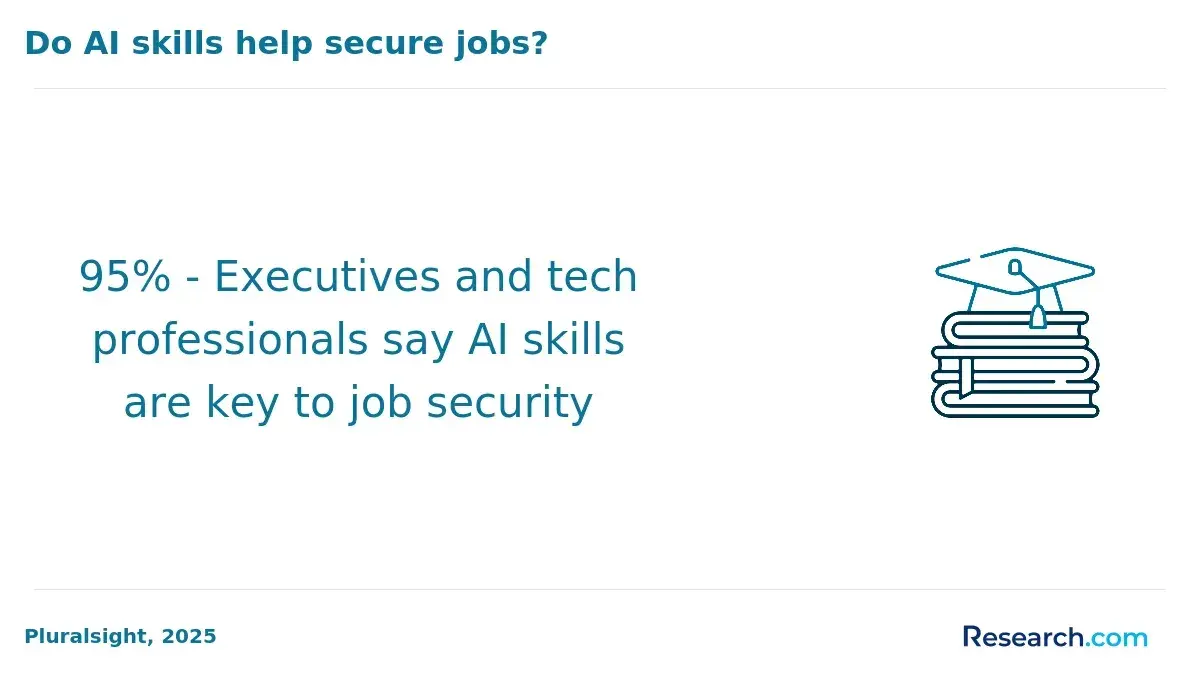
Organizations with leaders who have undergone structured AI upskilling are significantly more successful at implementing generative AI initiatives. For those pursuing advanced credentials, an online PhD AI degree can provide cutting-edge research opportunities and leadership skills in the field.
How can you evaluate the quality and accreditation of AI courses and certificates?
Verifying the accreditation of artificial intelligence courses is essential for ensuring institutional credibility and value. Priority should be given to programs offered by well-recognized universities or business schools, such as Harvard, MIT, or Kellogg.
These institutions often combine rigorous curricula with practical expertise; for instance, MIT Sloan's Executive Education outcomes report revealed that 82% of participants launched at least one AI project within a year, showing measurable impact.
Check that the programs explicitly state accreditation from reputable agencies like AACSB or EQUIS, as this confirms adherence to established educational standards. Evaluating the credibility of AI certificates for digital transformation leaders also involves examining instructor qualifications and course content depth. Effective programs feature instructors with both academic credentials and hands-on AI leadership experience, supported by transparent syllabi and case studies.
Participant outcomes and testimonials provide further insight into the program's effectiveness, especially when alumni engage actively in AI initiatives leading to career advancement. Comparing certificate recognition within your industry by consulting relevant professional organizations is valuable since credentials from top-tier schools often hold greater weight with employers and facilitate networking in AI communities.
For veterans interested in technological fields, exploring specialized paths such as online cybersecurity degree programs for veterans can provide tailored opportunities aligned with AI career goals.
What core topics and skills should the best AI courses for digital transformation include?
Top AI courses for digital transformation leaders blend technical expertise with strategic business insights. Key subjects include machine learning fundamentals, data analytics, and natural language processing, equipping leaders to harness AI algorithms effectively. Courses often emphasize integration within cloud platforms such as Microsoft Azure, Google Cloud, and AWS, which offer vendor-led certifications valued by employers.
Ethical use and governance of AI systems are crucial topics, helping professionals anticipate regulations and societal impacts. Training in AI project and change management supports smooth organizational transitions and adoption. Practical experience through case studies in areas like supply chain optimization, customer experience, and predictive maintenance ensures leaders apply knowledge confidently.
Competency in AI-driven automation tools adds operational advantages. For example, Microsoft's 2024 Work Trend Index shows teams using Microsoft 365 Copilot post-Microsoft AI training reduced routine task time by 29%, underscoring the impact of AI skills on efficiency.
Additional focus on AI model evaluation, data privacy, and cybersecurity offers risk mitigation strategies. Hands-on labs with real datasets deepen technical skills. Employers prioritize candidates who combine these abilities with recognized vendor certifications from Microsoft, Google, or AWS, validating both theory and practice.
How do online, hybrid, and on-campus AI programs compare for working professionals?
Online, hybrid, and on-campus AI programs cater to the diverse needs of working professionals aiming to enhance their careers. Online courses offer exceptional flexibility, ideal for balancing studies with full-time jobs.
Platforms such as Coursera and edX provide access to industry-relevant materials anytime. Notably, Coursera's 2024 Learner Outcomes report found that 77% of business professionals completing AI and digital transformation courses saw promotions or pay raises within six months.
Hybrid programs combine online learning with occasional on-campus sessions, giving professionals some face-to-face interaction alongside scheduling flexibility. These programs often enhance networking opportunities and provide direct faculty engagement, which can deepen understanding of complex AI concepts.
On-campus formats deliver immersive experiences through hands-on labs and mentorship. They are suited for those seeking comprehensive technical skills but require significant time commitments, potentially necessitating time off work. Such programs offer immediate access to specialized resources like advanced computing labs.
Working professionals should weigh factors like personal availability, preferred learning style, and career goals when choosing a program. Online options excel in convenience and affordability, hybrid models offer a balance of flexibility and interaction, and on-campus programs provide depth and immersive environments.
Top Firm Initiatives That Would Encourage Daily GenAI Usage

What are typical admission requirements and time commitments for AI certificates and related programs?
Admission requirements for AI certificate programs vary with their focus and intensity. Foundational courses typically require a bachelor's degree or relevant work experience. More advanced tracks, especially those targeting sectors like healthcare, finance, or manufacturing, often expect prior knowledge in programming, data science, or statistics. Executive-level programs may also require managerial experience or prior completion of introductory AI coursework.
Program lengths range broadly: short-term certificates usually last 6 weeks to 3 months with part-time commitments of 4 to 8 hours weekly, ideal for working professionals. More comprehensive offerings extend from 6 to 12 months, requiring 8 to 15 hours per week. Intensive boot camps condense learning into full-time schedules of 2 to 3 months.
Many certificates integrate hands-on projects or capstone assignments that demand extra time but provide valuable applied experience. Healthcare-specific AI programs, for instance, emphasize case studies simulating real-world patient and operational challenges.
Structured AI training impacts organizational outcomes. McKinsey's 2024 State of AI in Healthcare report notes a 10-15% improvement in operational efficiency for organizations led by trained professionals, versus only 3-5% without such expertise. This highlights the importance of programs balancing theory and practical application for measurable career benefits.
How much do leading AI courses for digital transformation leaders cost, and what funding options exist?
Leading ai courses designed for digital transformation leaders typically range in price from $1,000 to over $15,000, depending on the provider, depth, and certification type. Executive programs from top universities or specialized institutions often cost between $8,000 and $15,000 due to comprehensive content and valuable networking opportunities.
Online platforms provide shorter certificate courses priced from $1,000 to $3,000, ideal for professionals seeking targeted skills without committing to full degree programs.
Financial support is essential to increase accessibility. Common options include employer tuition reimbursement, especially in companies focused on digital transformation, and scholarships or grants offered by educational institutions or industry groups. Some courses offer installment plans or income share agreements to ease payment. Federal financial aid is typically available only for accredited degree programs rather than certificates.
The value of AI skills is highlighted by PwC's 2024 Global AI Jobs Barometer, showing a 25-30% salary premium for AI-competent roles across OECD countries. This wage uplift stresses the importance of evaluating course ROI based on career impact and salary gains, not solely tuition costs.
Steps to navigate funding include:
- Checking if your employer provides tuition reimbursement or professional development funds.
- Seeking scholarships focused on AI or digital transformation learners.
- Balancing costs with credential recognition and career benefits before enrolling.
- Exploring flexible payment options to manage expenses while advancing skills.
What career paths, leadership roles, and industries do these AI credentials prepare you for?
AI credentials equip professionals with skills in data analysis, machine learning, and digital transformation strategy, preparing them for various career paths such as AI product management, data science leadership, and AI strategy consulting. These roles require not only technical expertise but also the ability to align AI initiatives with business objectives.
Leadership positions for AI-certified professionals include AI program managers, chief data officers, and digital transformation leads who oversee complex AI deployments, ensure ethical AI use, and manage cross-functional teams. For instance, an AI product manager in fintech may develop models to enhance fraud detection, while a healthcare AI strategy lead might focus on personalized medicine.
Industries that increasingly depend on AI credentials are finance, healthcare, manufacturing, retail, and technology. In finance, AI supports risk analytics and algorithmic trading; healthcare benefits from AI-driven diagnostic tools and patient care optimization; manufacturing uses AI for predictive maintenance and supply chain automation; and retail applies AI in customer personalization and inventory management.
A LinkedIn Workplace Learning Report shows leaders dedicating at least 10 hours per quarter to AI and digital skills training are 46% more likely to be promoted within two years. Tailoring AI courses to specific sectors-like AI ethics in healthcare or cybersecurity in technology-further enhances career growth opportunities.
What salaries and job outlook can AI-skilled digital transformation leaders expect in the U.S.?
AI-skilled digital transformation leaders in the U.S. benefit from strong salaries and promising job prospects. Median annual wages range from $120,000 to over $180,000, influenced by experience, industry, and location. Senior professionals overseeing AI integration at Fortune 500 companies can earn above $200,000, while entry-level managers or certified analysts typically start between $90,000 and $110,000. Key roles include AI strategy consultants, digital transformation managers, and chief digital officers, all of which command premium pay due to their strategic value.
The World Economic Forum's Future of Jobs Report 2025 indicates that 60% of workers will need reskilling or upskilling in AI and digital technologies by 2030, highlighting leadership and strategic AI skills as major gaps. Employers favor candidates bridging technical AI knowledge with business strategy, enhancing both employability and salary.
Job growth for AI-enabled digital leaders is expected to outpace general management roles as AI adoption rises in finance, healthcare, and manufacturing. High demand exists for professionals who align AI capabilities to business goals, ensuring effective transformation.
For advancing careers, pursuing certifications in AI strategy, data-driven decision-making, and change management is crucial. Gaining expertise in AI ethics and compliance also provides advantages as regulations increase.
Other Things You Should Know About Artificial Intelligence
In 2027, top AI courses for digital transformation leaders include the "AI and Digital Transformation" course by MIT, the "AI for Leaders" certificate from Stanford, and the "AI in Business Strategy" program by Coursera. These courses offer comprehensive content focused on AI integration in business strategies.
Mathematics is fundamental for understanding artificial intelligence concepts, particularly linear algebra, calculus, probability, and statistics. These areas enable learners to grasp how algorithms function, optimize models, and interpret results. Strong math skills are essential for advancing beyond basic AI applications to research or leadership roles.
Yes, artificial intelligence skills are increasingly valuable across diverse sectors such as healthcare, finance, retail, manufacturing, and logistics. AI techniques like predictive analytics and automation improve operational efficiency and decision-making in these fields. Professionals with AI expertise can drive digital transformation initiatives beyond traditional tech companies.
Ethics in artificial intelligence focus on fairness, transparency, privacy, and accountability. Developers and leaders must ensure AI systems avoid bias, protect user data, and operate with explainability. Addressing these ethical concerns is crucial for responsible AI adoption and maintaining public trust.
References
- 5 Benefits of an Online AI MS Degree | University of Bridgeport https://www.bridgeport.edu/news/benefits-of-online-ms-ai-degree/
- Artificial Intelligence Post-Degree Diploma https://pace.uwinnipegcourses.ca/international-students/programs/artificial-intelligence-diploma
- AI for Executives: Driving Digital Strategy and Transformation Course https://upskilldevelopment.com/ai-for-executives-driving-digital-strategy-and-transformation-course
- Online vs Campus Artificial Intelligence Degree Programs: Complete Comparison https://hakia.com/compare/artificial-intelligence-online-vs-campus/
- Ultimate Guide: How to Choose the Right AI Training Course to Boost Your Career - ONLC https://www.onlc.com/blog/how-to-choose-ai-training-courses/
- qa.com | Top 10 Must Have AI Certifications in 2026 https://www.qa.com/browse/certifications/ai-certifications/
- Earn a Master’s in Artificial Intelligence in One Year - MastersInAI.org https://www.mastersinai.org/degrees/one-year-masters-in-ai/
- 16 Artificial Intelligence Career Paths https://www.calmu.edu/news/artificial-intelligence-career-paths
- How will Artificial Intelligence Affect Jobs 2025-2030 | Nexford University https://www.nexford.edu/insights/how-will-ai-affect-jobs
- Digital Transformation Jobs in 2026: Analyzing 698 Roles https://axialsearch.com/insights/digital-transformation-jobs/