2027 Best AI Strategy Courses for Clinical Trial Operations Teams

Co-Founder and Chief Data Scientist
Clinical trial operations teams often face challenges optimizing workflows and interpreting complex data efficiently. Many struggle to integrate emerging technologies that could accelerate trial timelines and improve decision-making accuracy. This gap can lead to costly delays and compliance risks in an already demanding industry environment. Harnessing artificial intelligence tools offers a promising solution but requires focused training tailored to clinical trial contexts.
This article examines the best AI strategy courses designed specifically for these teams, highlighting programs that provide practical skills and strategic insights to enhance operational performance and advance professional expertise in this critical field.
Key Things You Should Know
- Courses in 2026 emphasize practical applications of artificial intelligence to streamline clinical trial operations, improving data accuracy and reducing trial timelines by up to 30%.
- Top programs integrate regulatory compliance training with AI, addressing FDA and EMA guidelines crucial for clinical trial data integrity and patient safety.
- The demand for AI-skilled clinical trial professionals is projected to grow over 25% in the next five years, highlighting the value of specialized AI strategy education in this field.
Advance Your Career with AI Online Courses
Artificial Intelligence: Implications for Business Strategy
This program provides an introduction to Artificial Intelligence and their implications for business strategy. Earn an official digital certificate.

Oxford Artificial Intelligence Programme
Explore this Oxford Artificial Intelligence programme offered in a flexible learning environment and explore topics like machine learning, automation, and robotics.

Implementing Agentic AI: Building Your Organizational Playbook
This online MIT Agentic AI course offers a practical approach to deploying AI agents in your organization, including a custom playbook. 3 weeks, exclusive launch price.

AI Adoption: Driving Business Value and Impact
This online MIT AI Adoption: Driving Business Value and Impact offers practical frameworks to close the gap between AI potential and business reality.

Artificial Intelligence in Pharma and Biotech
Discover the applications and limitations of artificial intelligence in pharma and biotech with this MIT online short course.

What is an AI strategy course for clinical trial operations teams and who should take it?
Courses in AI strategy for clinical trial teams provide essential knowledge for integrating artificial intelligence into clinical development workflows. They cover topics like data management, AI-driven patient recruitment, predictive analytics, and regulatory compliance. These clinical trial operations AI training programs target clinical operations managers, data analysts, project leads, and others who seek to enhance trial efficiency and outcomes through AI technology.
Participants learn how AI can streamline operations, reduce costs, and improve decision-making. For example, they explore machine learning models that predict patient dropout or automate adverse event detection, helping teams adjust protocols proactively. Training also includes evaluating the reliability and compliance of AI tools within strict regulatory frameworks.
With global investment in AI for drug discovery and clinical development projected to grow from USD 5.7 billion to USD 18.8 billion by 2030, the strategic importance of AI in trial operations continues to rise. Ideal participants include clinical trial coordinators aiming for advancement, biostatisticians incorporating AI into analysis, and pharmaceutical professionals overseeing innovation. Even those without a data science background but involved in decisions benefit by bridging knowledge gaps to guide AI implementation effectively.
These programs prepare teams to leverage AI tools for faster, safer, and more cost-efficient trials. Professionals interested in expanding their career options after completing such training may explore a range of applied AI degree jobs, expanding their impact within healthcare and beyond.
Advance Your Career with AI Online Courses
Artificial Intelligence: Implications for Business Strategy
This program provides an introduction to Artificial Intelligence and their implications for business strategy. Earn an official digital certificate.
Oxford Artificial Intelligence Programme
Explore this Oxford Artificial Intelligence programme offered in a flexible learning environment and explore topics like machine learning, automation, and robotics.
Implementing Agentic AI: Building Your Organizational Playbook
This online MIT Agentic AI course offers a practical approach to deploying AI agents in your organization, including a custom playbook. 3 weeks, exclusive launch price.
How can AI strategy training improve efficiency, quality, and compliance in clinical trial operations?
AI strategy training for clinical trial operations teams significantly boosts efficiency by enabling staff to utilize automation and predictive analytics. Trained professionals develop AI-driven patient recruitment algorithms that accelerate candidate identification with greater accuracy, cutting recruitment timelines and reducing resource waste.
Improving compliance and quality through AI in clinical trials is a key benefit. AI tools detect data anomalies and protocol deviations in real time, allowing teams to promptly address issues, which enhances data integrity and trial reliability. AI also supports adaptive trial designs by forecasting patient responses and operational challenges, increasing overall trial flexibility.
Compliance is strengthened as AI education helps teams implement continuous monitoring of regulatory adherence, including informed consent and adverse event reporting. This proactive approach reduces regulatory risks, while AI documentation tools help maintain accurate audit trails.
The rising market demand is clear: the use of AI-based patient selection in clinical trials more than tripled (from 4% to 13%) between 2019 and 2024, signaling growing need for professionals skilled in AI capabilities and limitations.
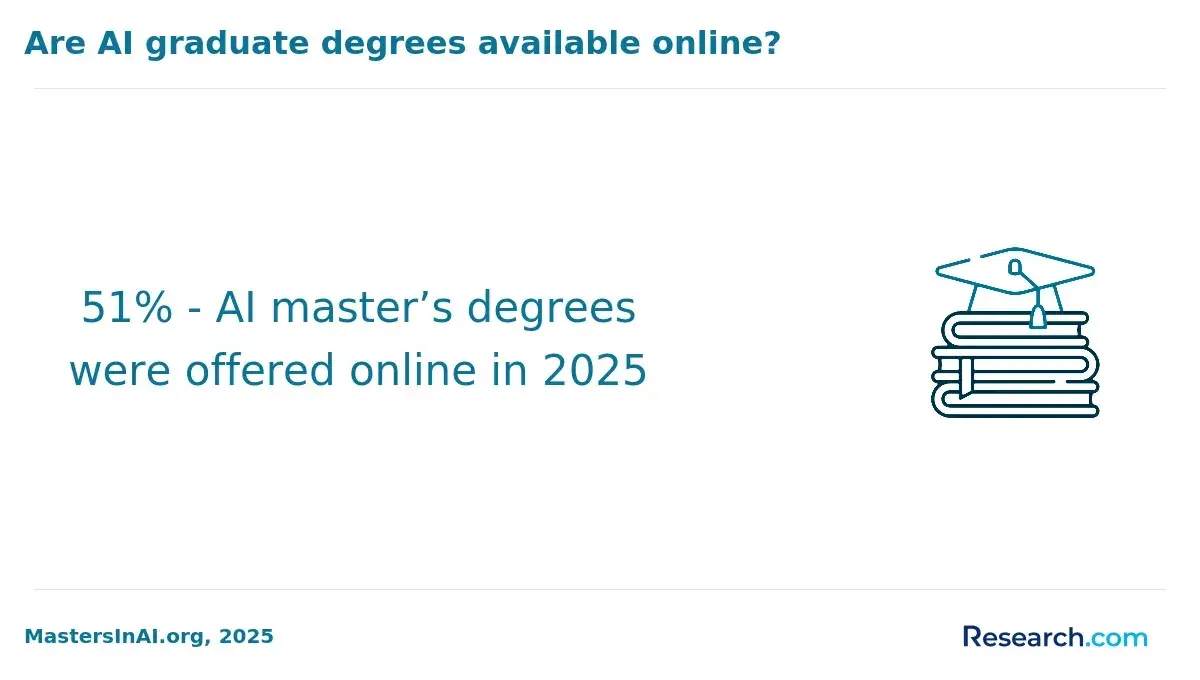
Courses covering AI model evaluation, ethical aspects, and cross-functional collaboration prepare professionals to integrate AI smoothly into workflows, reducing resistance and boosting productivity. For those seeking advancement, programs like the best online master's in artificial intelligence offer accessible pathways to gain expertise in these vital areas.
What types of AI strategy courses are available for clinical trial professionals (short courses, certificates, degrees)?
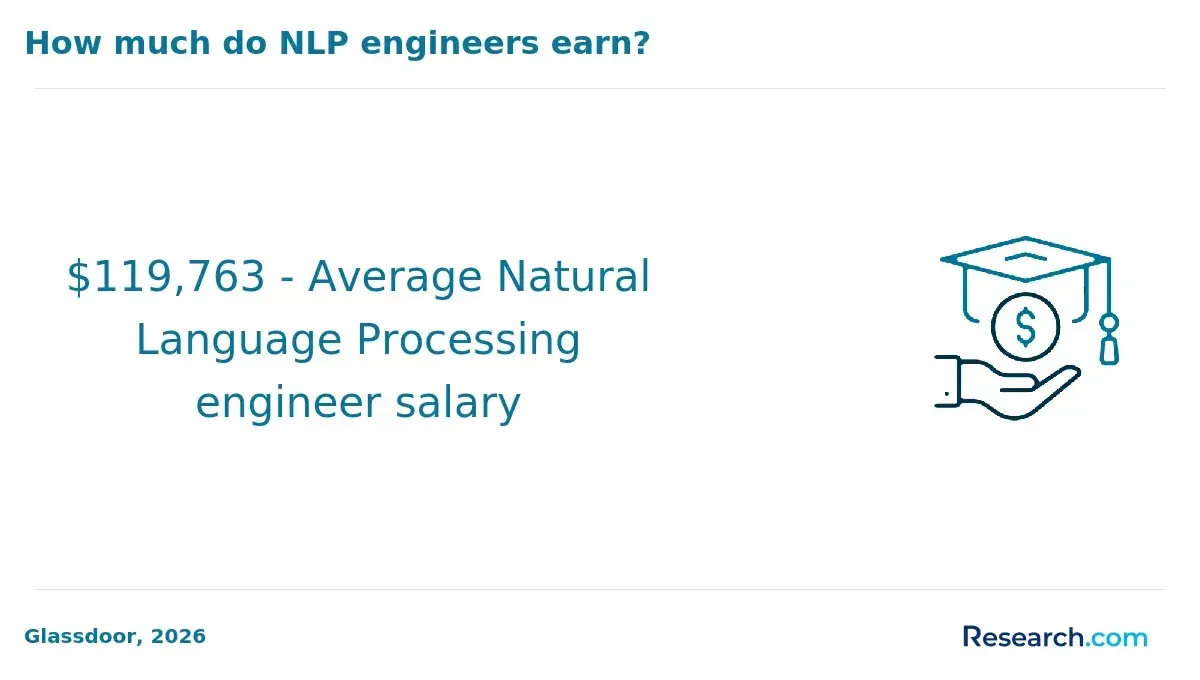
Clinical trial professionals can select from various educational paths in AI strategy, tailored to their career stage and goals. Short courses on AI strategy for clinical trial operations teams provide targeted, intensive training on specific applications like machine learning for trial data analysis or predictive modeling for patient recruitment. These courses range from a few hours to several weeks and offer flexibility for working professionals to upskill quickly.
Professional certificate programs offer a deeper dive into AI strategy certificate programs for clinical trial professionals, covering data literacy, regulatory concerns, and AI ethics in clinical settings. These certificates typically span several months and include hands-on projects to build applied expertise. They are available through universities, industry groups, and online platforms emphasizing practical, flexible learning.
Degree programs, such as master's degrees focusing on AI or data science for clinical research, combine theoretical knowledge with advanced analytics, project management, and regulatory policy. These programs require a substantial time investment and prepare professionals for leadership roles requiring technical and managerial skills. For those balancing work and study, exploring options like a game design degree online highlights the growing availability of affordable, flexible online education formats.
A survey found that 72% of organizations rate data literacy and AI skills as critical or very critical for future clinical operations roles, yet only half offer formal training in these areas. This gap underscores the need for external AI education to maintain competitive expertise in this evolving field.
What should you look for in an AI strategy curriculum focused on clinical trial operations?
Effective AI strategy courses for clinical trial operations teams emphasize regulatory, ethical, and compliance essentials specific to this sector. Over 60% of AI applications proposed for clinical trials raise concerns regarding data privacy, transparency, or bias. Programs focusing on the regulatory framework, including FDA guidelines and international standards, are critical to equip students with essential knowledge.
Key components of AI-driven clinical trial curriculum should include:
- Data governance and privacy protection aligned with HIPAA and GDPR.
- Techniques to identify, mitigate, and audit algorithmic bias ensuring fair patient selection and treatment.
- Transparency practices such as explainable AI models and documentation to sustain stakeholder trust.
- Compliance strategies addressing ethical dilemmas like informed consent and patient safety.
- Hands-on applications integrating AI tools into trial workflows through case studies or simulations.
Courses blending theory with practical experience in risk assessment and management prepare students to anticipate challenges in AI deployments. Inclusion of emerging regulatory updates and ongoing compliance is vital given the rapid evolution in the field. Programs led by clinical and regulatory experts offer insights grounded in current industry realities.
This approach equips professionals to handle core operational issues, meeting strict ethical and legal standards while leveraging AI to enhance trial efficiency. Students interested in advancing their skills may explore a range of analytics masters programs that incorporate these pivotal curriculum elements.
How do online AI strategy programs for clinical trials compare to campus or hybrid options?
Online AI strategy programs for clinical trial operations offer unmatched flexibility, allowing professionals to balance coursework with work through asynchronous content. Campus programs emphasize direct interaction with faculty and peers, enhancing networking and hands-on lab experience. Hybrid formats blend these benefits but involve fixed schedules and commuting, potentially limiting convenience.
Curriculum updates tend to be quicker in fully online courses, reflecting advances in AI applications like patient recruitment, site selection, and feasibility analysis. Campus programs may update less frequently but provide immersive exposure to clinical trial environments and collaborative research projects.
Students should consider how program delivery aligns with career goals. Online programs often focus on scalable AI skills for remote data analysis and deployment. In contrast, campus programs allow access to clinical trial sites and multidisciplinary teams, fostering experiential learning.
Research highlights that AI-driven patient recruitment tools can reduce enrollment times by 20-50% and screen failure rates by up to 30%, improving trial feasibility and site performance. Programs emphasizing these technologies are valuable for teams aiming to enhance trial efficiency.
Key factors to evaluate include:
- Time flexibility and managing workloads
- Networking and mentorship opportunities
- Access to current AI tools for clinical trial operations
- Practical experience with clinical data and protocols
Choosing between online, campus, or hybrid depends on individual preferences, career stage, and desired AI skill sets for clinical trial optimization.
How do you verify accreditation and industry recognition for AI strategy programs in clinical research?
Accreditation is a crucial factor when evaluating AI strategy programs in clinical research. Check for recognition by established bodies like the Accreditation Council for Business Schools and Programs (ACBSP), the Association to Advance Collegiate Schools of Business (AACSB), or regional accreditors approved by the U.S. Department of Education, which ensure academic quality and standards compliance.
Industry partnerships indicate a program's relevance and acceptance. Look for collaborations with clinical research organizations, pharmaceutical companies, and regulatory agencies such as the Drug Information Association (DIA) or the Society for Clinical Research Sites (SCRS).
Faculty credentials also matter-programs led by instructors with published research in peer-reviewed journals or contributions to industry guidelines demonstrate strong expertise. Graduate outcomes are important as well; high placement rates in clinical trial operations roles or endorsements from companies using AI methods signal good industry recognition.
Research from a 2024 analysis shows AI-assisted trial design and simulation can reduce protocol amendment rates by 25-40%, lowering delays and operational costs. Prospective students should verify if programs cover AI-specific regulatory and ethical standards and provide hands-on training with trial simulation tools, ensuring alignment with evolving industry needs.
What are typical admission requirements and prerequisites for AI strategy courses in clinical trials?
Admission for AI strategy courses in clinical trial operations typically requires a bachelor's degree in life sciences, healthcare, data science, computer science, or related quantitative fields. Candidates with professional experience in clinical research, biostatistics, or healthcare analytics are often preferred to ensure strong domain knowledge. Advanced or executive programs may mandate two to three years of relevant work experience in clinical trials, pharmaceutical development, or regulatory settings.
Prerequisites frequently include foundational skills in statistics, programming languages like Python or R, and familiarity with clinical trial phases and protocols. Applicants without prior AI or machine learning experience might need to complete preparatory modules covering algorithms, data management, and ethical concerns. Knowledge of real-world data (RWD) and real-world evidence (RWE) is increasingly important as over 30% of ongoing industry-sponsored phase II and III trials now incorporate AI or machine learning for cohort identification and outcome modeling.
Applicants may be asked to submit a statement of purpose explaining their interest in AI-driven clinical trials and career alignment, along with letters of recommendation from academic or professional supervisors. Standardized tests such as the GRE are rarely required but can be requested by some academic programs. Practical familiarity with regulatory frameworks, including FDA guidelines on AI in clinical research, strengthens candidacy.
Programs often favor candidates ready for project-based, data-intensive coursework and collaborative problem-solving, combining clinical trial expertise with quantitative skills and motivation to integrate AI strategy within drug development workflows.
How long do AI strategy programs for clinical trial teams take, and what do they cost?
AI strategy programs for clinical trial teams typically last from 4 weeks to 6 months, with shorter courses focusing on foundational concepts and practical applications, lasting 4 to 8 weeks. More comprehensive programs spanning 3 to 6 months cover advanced analytics, regulatory compliance, and AI integration into clinical workflows.
Costs vary significantly depending on course length, provider reputation, and content depth. Entry-level courses may start at $500, while intensive bootcamps or certification programs range from $2,000 to $7,000. University-affiliated or professional organization-backed programs typically charge between $3,000 and $5,000, reflecting their rigor and credential value.
Some programs include hands-on training with AI-enabled platforms, offering access to proprietary software that enhances practical skills but can increase costs. Flexible scheduling and modular pricing options help accommodate full-time professionals.
Industry data shows about 40% of research sites now pilot or use at least one AI tool in feasibility assessment, recruitment, or data review workflows. This market trend increases demand for efficiently timed AI education that blends theory with immediate workplace relevance, making practical, application-focused training essential for clinical trial teams.
What career paths, roles, and employers value AI strategy skills in clinical trial operations?
AI strategy skills have become essential in clinical trial operations, benefiting careers such as clinical data management, project management, and AI implementation specialists. Roles like clinical operations manager, AI integration lead, and biostatistician now require expertise in AI strategy to develop and supervise automated workflows and predictive analytics. Employers include pharmaceutical firms, contract research organizations (CROs), academic research centers, and technology vendors focused on clinical trial software.
Organizational change management roles are particularly important for aligning AI adoption with regulatory standards and stakeholder communication. Teams with structured AI training programs can achieve up to 30% faster implementation and adoption of AI projects, reducing delays and compliance risks.
Job opportunities are growing in areas such as AI-enabled risk-based monitoring, patient recruitment analytics, and real-world data integration. Employers seek candidates who combine clinical trial experience with AI literacy to bridge clinical operations and data science. Demand is also rising for AI strategy consultants and trainers who create targeted educational programs to upskill teams.
Core competencies like AI project lifecycle management, regulatory requirements for AI tools, and ethical considerations enhance career growth. With projections that up to 70% of clinical trial tasks will integrate AI components soon, certifications and courses focusing on these skills position professionals advantageously.
What salaries, job outlook, and advancement opportunities exist for clinical trial professionals with AI expertise?
Clinical trial professionals with AI expertise benefit from higher salaries and strong career prospects. Entry-level salaries typically range from $80,000 to $100,000 annually, while mid-career professionals with demonstrated AI skills often earn between $120,000 and $150,000. Senior roles, such as AI strategy leads or clinical operations directors, may exceed $180,000.
The demand for professionals combining domain knowledge and AI capabilities is growing rapidly as pharmaceutical and biotech companies integrate AI to enhance trial design, recruitment, and monitoring. Industry analysis shows that AI adoption can reduce development costs by 10-20% and shorten clinical trial timelines by 6-12 months, making these skills highly valuable.
Advancement opportunities expand with proficiency in AI-driven analytics and automation, enabling transitions to positions like AI program managers, data science leads, or innovation directors. For instance, clinical trial managers who master patient recruitment algorithms can lead enterprise-level digital transformations. Earning credentials in AI strategy further bolsters leadership prospects.
To advance, continuous training in relevant technologies such as natural language processing, machine learning, and predictive analytics is crucial. Employers seek candidates with demonstrated project experience improving trial outcomes or cost efficiency. Building networks within clinical operations and AI-focused communities also opens doors to roles centered on AI integration and strategic growth.
Other Things You Should Know About Artificial Intelligence
Common challenges include integrating AI systems with existing clinical trial platforms, managing data privacy and regulatory compliance, and ensuring data quality for reliable AI outcomes. Additionally, there can be resistance to change among staff and the need for specialized training to effectively use AI tools within the clinical operations workflow.
Yes, artificial intelligence can significantly enhance patient recruitment by analyzing large datasets to identify eligible candidates based on trial criteria and demographics. AI-driven tools can also optimize recruitment strategies and predict participant dropout risks, improving enrollment rates and study timelines.
In 2027, AI strategy courses for clinical trial operations emphasize real-time data analysis, predictive modeling, and patient-specific treatment plans. These unique features enable teams to manage trials more efficiently, maintain regulatory compliance, and enhance patient safety by utilizing cutting-edge AI tools and methodologies.
Ethical considerations include ensuring patient data privacy, obtaining informed consent for AI use, and preventing algorithmic biases that could affect trial outcomes. Transparency in AI decision-making processes and maintaining human oversight are essential to uphold ethical standards in clinical research.
References
- Advanced Clinical Trials with AI Certification https://www.lsib.lk/Home/CourseDetail
- Maximizing Efficiency in Clinical Research Sites - Bio Research Partner https://bioresearchpartner.com/maximizing-efficiency-in-clinical-research-sites/
- Operationalizing Responsible Artificial Intelligence (AI) in Clinical Research https://www.advarra.com/industry-report/operationalizing-responsible-artificial-intelligence-ai-in-clinical-research/
- How Artificial Intelligence (AI) is Revolutionizing Clinical Trials https://www.linical.com/articles-research/how-ai-is-revolutionizing-clinical-trials
- Machine Learning and AI in Clinical Trials: Use Cases [2025] https://www.coherentsolutions.com/insights/role-of-ml-and-ai-in-clinical-trials-design-use-cases-benefits
- AI-Driven Trial Operations and Site Management https://www.pharmafocusamerica.com/articles/ai-driven-trial-operations-and-site-management-the-ai-powered
- AI-Resistant Careers in Clinical Operations (Beyond Automation Hype) https://skillseek.eu/answers/ai-resistant-careers-in-clinical-operations
- AI in Clinical Trials Training | GCP-Compliant Course https://cyntegrity.com/certificate-courses/ai-clinical-trials-training/
- Clinical Research Careers in 2026: Roles, Salaries & Scope https://clinilaunchresearch.in/blog/clinical-research-careers/
- AI’s Impact on the Future of Clinical Trials | HCRI https://hcrnetwork.com/ais-incoming-impact-on-the-clinical-trial-space/