2027 Best AI Strategy Courses for Prompt Injection Awareness Teams

Co-Founder and Chief Data Scientist
Businesses increasingly face risks from prompt injection attacks that manipulate AI models to produce unauthorized or harmful outputs. Teams without specialized knowledge may struggle to detect or mitigate these vulnerabilities, leading to potential data breaches and operational failures. This gap poses a significant threat to organizations relying on AI systems for decision-making and automation. Understanding the tactical methods behind prompt injection and implementing robust defensive strategies is crucial for security and compliance.
This article examines top courses designed to equip prompt injection awareness teams with the skills necessary to identify, prevent, and respond to such attacks effectively.
Key Things You Should Know
- Best AI strategy courses in 2026 emphasize prompt injection awareness to address growing security risks in AI-driven systems, crucial as 43% of organizations report such vulnerabilities in recent studies.
- Curricula now blend technical prompt crafting with ethical and risk management frameworks, preparing teams for real-world attack prevention and robust AI deployment.
- Leading programs offer hands-on labs using latest 2025 tools and simulations, ensuring learners develop practical skills to detect and mitigate prompt injection threats effectively.
Advance Your Career with AI Online Courses
Artificial Intelligence: Implications for Business Strategy
This program provides an introduction to Artificial Intelligence and their implications for business strategy. Earn an official digital certificate.

Oxford Artificial Intelligence Programme
Explore this Oxford Artificial Intelligence programme offered in a flexible learning environment and explore topics like machine learning, automation, and robotics.

Implementing Agentic AI: Building Your Organizational Playbook
This online MIT Agentic AI course offers a practical approach to deploying AI agents in your organization, including a custom playbook. 3 weeks, exclusive launch price.

AI Adoption: Driving Business Value and Impact
This online MIT AI Adoption: Driving Business Value and Impact offers practical frameworks to close the gap between AI potential and business reality.

Artificial Intelligence in Pharma and Biotech
Discover the applications and limitations of artificial intelligence in pharma and biotech with this MIT online short course.

What are AI strategy courses for prompt injection awareness teams and who needs them?
AI strategy courses for prompt injection awareness teams equip professionals with skills to identify and defend against prompt injection attacks that manipulate input prompts and compromise model outputs. These programs focus on defensive programming, adversarial testing, prompt sanitization, and monitoring tools to develop resilient AI strategies aligned with organizational security policies and regulatory standards. Such training for prompt injection awareness in AI strategy is critical for cybersecurity specialists, AI ethicists, machine learning engineers, and governance teams.
These experts, especially those working with large language models in industries like healthcare, finance, and government, must understand prompt injection risks to safeguard sensitive information and system integrity. For example, companies deploying AI chatbots need to ensure resistance to malicious prompt manipulations that might expose confidential data or disrupt services. Incorporating case studies, simulations, and real-world scenarios, these courses build practical expertise that directly supports compliance with emerging AI policy mandates.
According to Google, adversarial data training significantly improved defenses against indirect prompt injection in Gemini 2.5 models, underscoring the ongoing importance of prompt injection as a critical AI security concern. Teams lacking awareness risk operational failures and reputational damage. Organizations prioritizing AI transparency and safety therefore value trained prompt injection awareness teams to address vulnerabilities proactively. Professionals interested in AI and data-focused careers may also consult the data science ranking to explore related educational opportunities.
Overall, ai strategy courses for prompt injection teams provide essential knowledge that strengthens AI defenses against evolving adversarial threats while supporting ethical and secure AI deployment.
Advance Your Career with AI Online Courses
Artificial Intelligence: Implications for Business Strategy
This program provides an introduction to Artificial Intelligence and their implications for business strategy. Earn an official digital certificate.
Oxford Artificial Intelligence Programme
Explore this Oxford Artificial Intelligence programme offered in a flexible learning environment and explore topics like machine learning, automation, and robotics.
Implementing Agentic AI: Building Your Organizational Playbook
This online MIT Agentic AI course offers a practical approach to deploying AI agents in your organization, including a custom playbook. 3 weeks, exclusive launch price.
How do AI prompt injection awareness courses fit into broader AI security and governance training?
AI prompt injection awareness courses are vital in security governance, equipping teams to tackle two main attack types: direct, involving immediate manipulation via crafted inputs, and indirect, where malicious instructions are embedded in external content processed later. Integrating AI prompt injection courses into security governance helps organizations address these vulnerabilities by improving input validation and content verification protocols.
Such training enhances collaboration between developers, who implement safeguards in AI systems, and compliance officers, who manage regulatory risks linked to injection attacks. Effective programs usually combine prompt injection modules with broader topics like data privacy, adversarial attacks, and model bias, providing a well-rounded security education.
Teams specializing in ai prompt injection security training for teams also learn practical skills like simulating injection attempts through test cases and using continuous monitoring to detect suspicious inputs. This hands-on approach prepares professionals to meet evolving threats and maintain compliance with industry standards.
Prospective students interested in advancing their AI security expertise can explore a wide range of affordable education options, including those focusing on engineering disciplines. For those seeking cost-effective pathways to sustainable careers, the cheapest online civil engineering degree programs offer valuable alternatives that complement AI and security skill sets.
What types of AI strategy programs and credentials focus on prompt injection risk?
AI strategy certification programs addressing prompt injection risks focus heavily on cybersecurity, responsible AI, and governance frameworks. These programs train students to recognize how adversarial inputs manipulate AI outputs and emphasize multi-layered defense strategies beyond simple filtering. Specialized coursework combines threat modeling with practical case studies on prompt tampering, preparing participants for advanced AI security training for prompt injection awareness.
Courses in AI security often teach students to develop robust content moderation and sanitization pipelines. Other programs under AI ethics or compliance explore regulatory impacts and the importance of maintaining user trust, both critical in countering prompt injection exploits. Hands-on labs within certification tracks like Certified AI Security Practitioner cover markdown sanitization, suspicious URL detection, and user interaction validation, equipping learners with core defenses.
Google's layered approach-including content classifiers, sanitization, and suspicious URL checks-demonstrates the necessity of comprehensive protections due to the growing sophistication of prompt injection threats. Curriculum frequently addresses practical questions such as verifying trusted input sources, optimizing user confirmations, and balancing automation with security.
Practical frameworks aligned with real-world industry defenses and collaboration with security engineers enhance the value of these programs. For students seeking cost-effective AI and cybersecurity education, exploring the cheapest online cyber security degree options can provide foundational skills to manage prompt injection risks effectively.
How can professionals choose between online, hybrid, and campus AI security courses?
Professionals exploring how to choose the best online ai security courses should assess their learning goals, schedules, and access to resources. Online courses offer the greatest flexibility, allowing learners to balance work commitments while accessing recorded lectures and interactive forums. However, they may lack live hands-on labs essential for mastering prompt injection attacks and defenses.
Hybrid vs campus ai prompt injection training programs differ significantly in experience. Hybrid courses combine remote learning with on-site sessions, providing practical labs and direct instructor interaction during campus visits. This approach enhances understanding of vulnerabilities noted by OWASP, such as data leakage and privilege escalation risks, through dedicated simulation environments.
Campus-based learning remains the most immersive, offering direct mentorship, group labs, and robust institutional cybersecurity resources. Campus programs especially benefit those focusing on unauthorized command execution prevention, often emphasizing collaborative projects that simulate real-world security scenarios more effectively than online-only formats.
Key considerations when selecting a course include:
- Availability of practical labs and simulation environments relevant to prompt injection mitigation
- Interaction level with instructors and peers, vital for troubleshooting complex security challenges
- Schedule flexibility relative to current job demands
- Access to updated course materials reflecting evolving AI threat landscapes
For those weighing options, exploring the online computer science degree landscape further can offer insights into affordable and flexible pathways to enter AI security fields aligned with their career goals.
What core topics and skills do leading prompt injection awareness courses typically cover?
Prompt injection awareness courses emphasize critical skills to identify and mitigate injection vulnerabilities within AI systems. These programs explore how attackers manipulate natural language prompts to alter AI behavior, focusing on direct and indirect injection techniques. Learners gain expertise in designing secure prompts through input sanitization, strong access controls, and multiple verification layers.
Hands-on training often includes simulating real attack scenarios on diverse AI platforms. This prepares teams to respond effectively to threats and incorporate anomaly detection algorithms and monitoring tools within continuous deployment workflows. Risk assessment modules highlight securing AI beyond chatbots, specifically in emails, files, and enterprise software environments. For example, Google's use of proprietary machine-learning models to detect malicious prompts in emails showcases the growing need for vigilance across multiple applications.
Ethical and regulatory concerns around AI security and data privacy are integral parts of these programs. Emphasis on building red-teaming capabilities helps in proactively identifying system vulnerabilities. This comprehensive approach ensures teams are ready to confront evolving prompt injection tactics while maintaining compliance with industry standards.
What are the common admission requirements for AI strategy and security programs?
Admission requirements for ai strategy and security programs generally include a bachelor's degree in computer science, information technology, cybersecurity, or a related STEM field. Most programs expect a minimum GPA of 3.0 to ensure a solid academic foundation. Applicants often need to demonstrate experience or coursework in programming languages such as Python or Java, which are crucial for AI application development and analyzing threats like prompt injection.
Some institutions require GRE scores; others waive this for candidates with relevant work experience. Professional backgrounds involving cybersecurity, data analysis, or AI system management strengthen applications, especially for roles focusing on AI vulnerabilities. Letters of recommendation from technical supervisors or academic mentors can enhance the application by validating analytical and problem-solving abilities.
A well-crafted statement of purpose should highlight the applicant's interest in ai strategy related to security risks, including prompt injection attacks and data leakage-key concerns identified by OWASP for AI assistants managing sensitive internal information.
Proficiency in data privacy regulations and security frameworks is commonly required, aligning with real-world AI risk management needs. Certifications such as CompTIA Security+ or CISSP provide a competitive advantage. Some advanced programs may request portfolios showcasing hands-on projects like AI threat assessment or ethical hacking.
Committees look for individuals with technical expertise combined with strategic insight to effectively address emerging AI vulnerabilities.
How long do AI prompt injection awareness programs take and what do they cost?
AI prompt injection awareness programs typically last between 4 and 12 weeks, varying by depth and curriculum. Shorter courses of 4 to 6 weeks emphasize foundational concepts such as common vulnerabilities and incident response protocols. More extensive programs up to 12 weeks include hands-on labs, adversarial training, and advanced defense strategies. These longer courses help learners tackle complex attack simulations and adaptive mitigation techniques.
Costs vary significantly by format and provider. Professional boot camps generally charge $2,000 to $6,000, while university-affiliated certificates range from $1,500 to $4,500. Corporate or government training with custom exercises and expert-led workshops can exceed $7,000. More affordable options, such as online self-paced modules, start near $500 but often lack interactive adversarial elements.
Adversarial training plays a crucial role in building resilience. Google's data on Gemini 2.5 confirms that incorporating adversarial data substantially enhances resistance to prompt injection attacks. This highlights why programs should include adversarial strategies aligned with current AI defense research.
Look for training that offers:
- Adversarial data training reflecting cutting-edge AI defense
- Practical experience with attack and defense scenarios
- Tailored content for specific industry prompt injection challenges
Balancing theory with applied practice ensures teams can apply skills immediately, which justifies investing in higher-cost, longer-duration courses.
What jobs, industries, and roles value prompt injection awareness and AI safety training?
Prompt injection awareness and AI safety training are vital for professionals working in cybersecurity, software development, and AI system design. Key roles include security analysts, AI ethics officers, and chatbot developers who must grasp the risks of prompt injection to safeguard sensitive data and maintain system integrity. Industries like finance, healthcare, and technology place high importance on these skills due to their dependency on autonomous agents and complex AI-driven workflows.
OWASP notes that as AI powers chatbots and autonomous agents, prompt injection risks increase, especially in multi-step workflows where attacks can have amplified effects. This creates urgent demand in sectors using conversational AI for customer service, fraud detection, and automated decision-making. For instance, financial institutions rely on AI to process sensitive transactions and train staff to prevent prompt manipulation that could cause fraud or unauthorized access.
Technology firms require AI trainers, prompt engineers, and machine learning teams to design secure prompts and validate inputs rigorously. In healthcare, AI diagnostic tools call for professionals skilled in spotting injection vulnerabilities that might affect patient care or data security. Government and defense sectors value AI safety experts who protect mission-critical autonomous systems from novel prompt injection tactics.
Careers focused on AI security, system reliability, and data protection benefit significantly from this training, including cybersecurity specialists, software engineers, healthcare informatics professionals, and regulatory compliance officers.
What salary ranges and career advancement can AI security specialists expect?
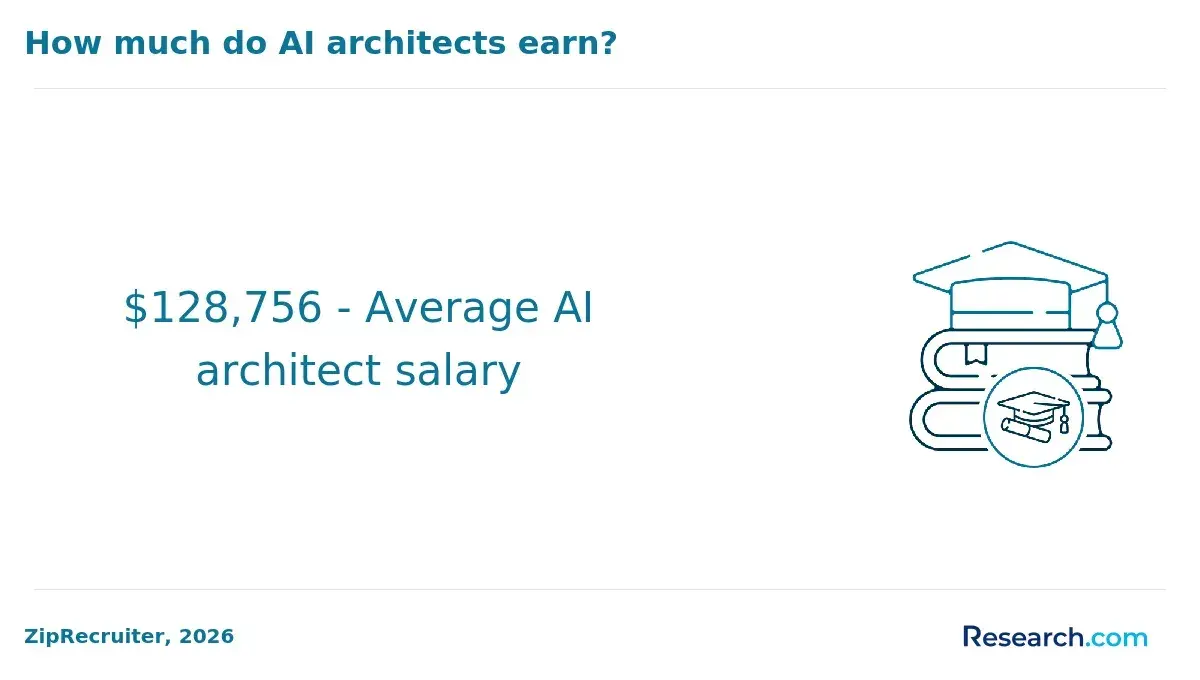
AI security specialists focused on prompt injection earn between $95,000 and $180,000 annually in the United States, influenced by experience and industry sector. Entry-level positions typically start around $95,000 to $120,000, while mid-career professionals skilled in securing generative AI models can expect $130,000 to $160,000. Senior roles at technology leaders or critical industries like finance and healthcare may offer $170,000 or more.
Career growth is strong due to heightened attention on prompt injection vulnerabilities and increasing regulatory demands. Specialists can move into senior AI security architect roles, risk management, or compliance positions that supervise AI ethics and governance. Google's recent adoption of contextual user confirmation methods signals new opportunities combining automated defenses with human oversight, expanding career paths into strategic, cross-disciplinary functions.
Combining prompt injection expertise with skills in penetration testing, incident response, and AI model interpretability enhances job prospects. Familiarity with industry regulations and best practices further supports advancement. Continuous education through targeted courses or certifications accelerates salary progression.
Effectively communicating prompt injection risks and mitigation to non-technical stakeholders is vital, reflecting broader organizational responsibility. Understanding real-world applications of prompt injection positions candidates competitively in the evolving AI security landscape.
How can learners verify accreditation, certificates, and quality of AI security programs?
Verification of accreditation and certificate authenticity in AI security programs depends on multiple checks. Confirm institutional accreditation through recognized U.S. bodies such as ABET or regional accreditors like the Middle States Commission on Higher Education, ensuring compliance with established educational standards. For certificates, it is crucial to verify the issuing organization's credibility, favoring universities, professional organizations, or industry leaders over unknown providers that may lack recognition and practical value.
Analyzing course content is essential, especially for coverage of core AI security topics like prompt injection vulnerabilities. The Open Web Application Security Project (OWASP) highlights a key semantic gap between system instructions and user input, emphasizing the need for programs that explain prompt injection exploits and offer defensive strategies beyond just prompt design.
Assess instructor qualifications, prioritizing those with published research or real-world AI security experience. Gathering learner feedback through alumni or independent reviews can provide insights into course effectiveness.
Additional verification steps include:
- Checking if certificates support professional development credits or industry-recognized credentials.
- Confirming alignment with frameworks like NIST's AI security guidelines.
- Assessing availability of hands-on labs or simulations addressing prompt injection attacks.
- Verifying transparent course update policies that reflect evolving AI risks.
Combining accreditation, expert-led content, comprehensive curriculum, and documented learner outcomes offers a robust method to gauge the quality and authenticity of AI security courses.
Other Things You Should Know About Artificial Intelligence
While integrating AI into existing business workflows, teams face challenges such as compatibility with current systems, costs of technology upgrades, and employee training. These issues require strategic planning and comprehensive evaluation of AI capabilities to ensure effective deployment and alignment with organizational goals.
Artificial intelligence can both enhance and challenge data security. AI-driven tools improve threat detection and response times, but they also introduce new vulnerabilities like adversarial attacks. Organizations must continuously update security protocols to address AI-specific risks.
Interdisciplinary knowledge is crucial because artificial intelligence intersects with fields such as computer science, statistics, ethics, and domain-specific expertise. A well-rounded understanding helps professionals develop more effective and responsible AI applications.
References
- ISC2 Building AI Strategy Certificate (2025) | Complete Guide: Modules, Requirements & Prep Tips https://flashgenius.net/blog-article/isc2-building-ai-strategy-certificate-everything-you-need-to-know
- Prompt injection: types, real-world CVEs, and enterprise defenses https://www.vectra.ai/topics/prompt-injection
- Communications Security Establishment Canada Artificial Intelligence Strategy - Communications Security Establishment Canada https://www.cse-cst.gc.ca/en/mission/research-cse/communications-security-establishment-canada-artificial-intelligence-strategy
- AI Security Careers - Plan your Career and Transition in 2025 https://techjacksolutions.com/ai-security-careers-hub/
- The New Cybersecurity Jobs in the Age of AI | NeuralTrust https://neuraltrust.ai/blog/new-cybersecurity-jobs-ai-teams
- Prompt Injection Defense Strategies for Secure Generative AI https://quzara.com/blog/prompt-injection-defense-generative-ai
- AI Security Threats: Prompt Injection & Model Poisoning | CSA https://cloudsecurityalliance.org/blog/2025/12/01/navigating-the-liminal-edge-of-ai-security-deconstructing-prompt-injection-model-poisoning-and-adversarial-perturbations-in-the-cognitive-cyber-domain
- Hybrid Learning vs On-Campus Training for Business https://aolbrampton.ca/hybrid-learning-vs-on-campus-training-business/
- Securing AI Systems: A Guide to Known Attacks and Impacts https://arxiv.org/html/2506.23296v1
- Prompt Injection: Impact, Attack Anatomy & Prevention https://www.oligo.security/academy/prompt-injection-impact-attack-anatomy-prevention