2027 Best AI Courses for Hiring Managers Managing AI Adoption

Co-Founder and Chief Data Scientist
Hiring managers face mounting pressure to integrate artificial intelligence effectively within teams without deep technical backgrounds. Misalignment between AI capabilities and business goals can lead to costly setbacks. These leaders require actionable knowledge to evaluate talent, oversee projects, and drive adoption with confidence. Navigating a rapidly evolving educational landscape adds complexity to selecting suitable courses.
This article highlights the best AI programs tailored for managers aiming to bridge this gap. It outlines flexible, accredited options designed to equip professionals from diverse fields with the skills needed to manage artificial intelligence adoption successfully and strategically.
Key Things You Should Know
- Hiring managers prioritize AI courses offering practical training in AI ethics and governance, as 68% of U.S. companies cite ethical AI adoption as a top concern in 2025.
- Courses emphasizing AI integration with business strategy lead to 45% higher implementation success rates in organizations, highlighting the importance of specialized managerial knowledge.
- Data from 2024 shows demand for AI courses focused on cross-functional team leadership, with 52% of hiring managers seeking candidates who can manage interdisciplinary AI projects effectively.
Advance Your Career with AI Online Courses
Artificial Intelligence: Implications for Business Strategy
This program provides an introduction to Artificial Intelligence and their implications for business strategy. Earn an official digital certificate.

Oxford Artificial Intelligence Programme
Explore this Oxford Artificial Intelligence programme offered in a flexible learning environment and explore topics like machine learning, automation, and robotics.

Implementing Agentic AI: Building Your Organizational Playbook
This online MIT Agentic AI course offers a practical approach to deploying AI agents in your organization, including a custom playbook. 3 weeks, exclusive launch price.

AI Adoption: Driving Business Value and Impact
This online MIT AI Adoption: Driving Business Value and Impact offers practical frameworks to close the gap between AI potential and business reality.

Artificial Intelligence in Pharma and Biotech
Discover the applications and limitations of artificial intelligence in pharma and biotech with this MIT online short course.

What should hiring managers look for in AI courses tailored to non-technical leaders?
Hiring managers seeking AI courses for non-technical leaders in hiring should focus on programs that emphasize strategic understanding over technical details. These courses highlight AI's impact on business models, decision-making, and workforce dynamics. A 2024 LinkedIn Workplace Learning report found job postings mentioning AI skills attracted 17% more applications and filled 30% faster, underscoring the importance of AI proficiency in recruitment strategies.
Effective courses include case studies and real-world scenarios tailored to industry-specific challenges. For example, retail managers might explore AI's role in supply chain optimization, while healthcare leaders examine predictive analytics for patient outcomes. Practical guidance on integrating AI into workflows and managing employee collaboration with AI tools is essential to address human factors in AI adoption.
Look for courses offering:
- Non-technical language with minimal jargon suitable for diverse leadership backgrounds
- Emphasis on data-driven decision-making and interpreting AI-generated insights
- Guidance on ethical AI use, data privacy, and compliance
- Interactive workshops or simulations aligned with managerial responsibilities
- Updates on AI trends relevant to specific sectors or functions
These programs equip hiring managers with key skills hiring managers need for AI adoption, enabling confident engagement with AI technologies and improved team performance amid ongoing digital transformation. Prospective students interested in deeper technical knowledge might explore the best data science undergraduate programs available for focused AI education.
Advance Your Career with AI Online Courses
Artificial Intelligence: Implications for Business Strategy
This program provides an introduction to Artificial Intelligence and their implications for business strategy. Earn an official digital certificate.
Oxford Artificial Intelligence Programme
Explore this Oxford Artificial Intelligence programme offered in a flexible learning environment and explore topics like machine learning, automation, and robotics.
Implementing Agentic AI: Building Your Organizational Playbook
This online MIT Agentic AI course offers a practical approach to deploying AI agents in your organization, including a custom playbook. 3 weeks, exclusive launch price.
Which AI skills and competencies are essential for managers overseeing AI adoption?
Managers responsible for AI leadership skills for managers overseeing artificial intelligence adoption need a precise set of competencies to drive effective integration. Essential technical knowledge includes understanding machine learning models, data pipelines, and natural language processing. This expertise allows managers to collaborate with technical teams, assess project feasibility, and identify potential risks.
Critical competencies for managing artificial intelligence integration in organizations extend beyond technical fluency. Strong business acumen helps align AI initiatives with strategic goals, measure performance, and justify investments through data-driven insights. For example, grasping how to calculate return on investment or time-to-value is crucial for prioritizing projects. Leadership skills in change management address cultural adaptation, employee training, and resistance mitigation.
Data literacy is a key skill, enabling managers to interpret outputs critically, detect biases, and promote ethical AI use. Vendor evaluation and contract negotiation abilities are vital for selecting platforms that meet organizational needs.
Soft skills like communication and cross-functional collaboration bridge gaps between technical teams, executives, and users. Project management proficiency, including agile methods and risk assessment, supports timely delivery of AI solutions.
Organizations that develop these skills experience tangible benefits. Studies show firms with enhanced managerial AI skills reduce time-to-hire by 19% and recruitment costs by 14% within a year. Prospective students interested in AI and engineering careers may explore options through resources such as the cheapest engineering colleges to build these essential competencies.
How do AI courses for managers differ from technical AI and data science programs?
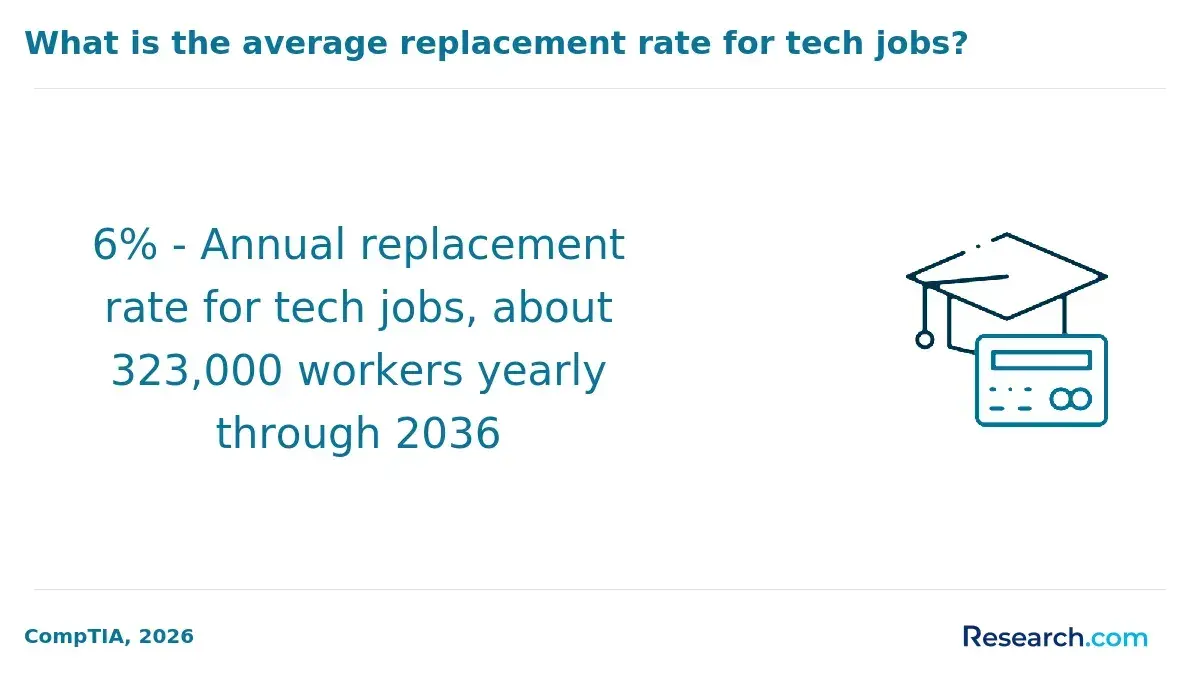
AI leadership training for managers emphasizes strategic understanding rather than technical coding or algorithm development. These courses focus on helping hiring managers grasp AI capabilities, limitations, and their influence on decision-making. Unlike technical programs that explore programming and data engineering, managerial courses prioritize interpreting AI outputs, managing risks, and aligning AI adoption with business objectives.
Practical skills taught in managing AI adoption courses for non-technical leaders often include:
- Evaluating AI vendor solutions and integration challenges
- Understanding regulatory and compliance issues relevant to AI use
- Communicating AI benefits and constraints to non-technical stakeholders
- Managing workforce transition as AI automates tasks
A SHRM survey reveals that 72% of HR leaders expect hiring managers to understand basic AI capabilities and limitations by 2026, while only 21% currently feel prepared. This gap stresses the importance of focused managerial training rather than technical expertise. For instance, a hiring manager may not need to code AI models but must recognize bias in AI-driven recruitment tools and understand AI's impact on candidate experience.
Courses often cover ethical AI topics such as fairness, transparency, and privacy-areas typically missing from technical curricula. Managers learn to develop policies that align AI use with organizational values and mitigate unintended consequences.
Professionals interested in further study might explore an online data science masters to complement their managerial skills in this evolving field.
What types of AI education pathways exist for managers, from certificates to degrees?
AI education pathways for hiring managers include various formal programs tailored to different expertise levels and leadership roles. Certificate programs, often lasting 6 to 12 weeks, provide foundational knowledge on AI strategy, ethics, and vendor management without requiring technical backgrounds. These AI certification programs for managers emphasize practical skills through real-world case studies and decision-making frameworks.
Professional development courses or micro-credentials offer focused skill upgrades such as AI project governance or data ethics, ideal for managers leading AI teams. These part-time options, available through universities and tech providers, allow working professionals to enhance their capabilities alongside their jobs.
Degree options in AI for management professionals include master's programs combining technical and managerial training. These typically span 1-2 years and cover AI algorithms, data interpretation, and organizational change management to develop leaders who can align AI with business goals.
Doctoral and executive education programs cater to senior executives focusing on strategic leadership, innovation, and AI policy. These selective programs emphasize research and foresight to shape corporate AI visions.
The World Economic Forum's 2024 Future of Jobs report finds companies with structured AI training are 27% more likely to achieve successful AI implementation, stressing the importance of systematic education over informal learning.
For those interested in related fields, exploring the best military friendly online electrical engineering degrees can also be valuable.
How can hiring managers evaluate accreditation and institutional quality for AI programs?
When evaluating AI education programs, hiring managers should verify accreditation from recognized bodies like the Accreditation Board for Engineering and Technology (ABET) or regional accreditors such as the Higher Learning Commission. Accreditation confirms the institution meets rigorous educational standards and maintains ongoing quality reviews.
Assessments should include curriculum alignment with industry needs, focusing on key areas like machine learning, data ethics, and AI deployment strategies. Faculty expertise also plays a crucial role; programs led by instructors with published research or direct industry experience often deliver stronger applied knowledge.
Transparency in graduation outcomes, including job placement rates in AI-related roles and partnerships with technology firms, provides meaningful insights into program effectiveness. The format and flexibility of programs matter, too. Accredited online or hybrid options featuring hands-on labs and capstone projects demonstrate a commitment to practical skill development. For instance, Coursera's AI short courses have shown through their 2024 Impact Report that 78% of business learners apply new skills within three months.
- Verify accreditation with ABET or regional agencies
- Check curriculum for current industry relevance
- Consider faculty expertise and research involvement
- Review graduation outcomes and employer connections
- Evaluate program format for practical, flexible learning
Looking into third-party reviews, industry endorsements, and alumni feedback further ensures the selection of credible AI education pathways that prepare skilled professionals for the evolving tech landscape.
What are the pros and cons of online, hybrid, and in-person AI courses for managers?
Online AI courses offer flexibility for hiring managers managing busy schedules and remote work, enabling study anytime and often at lower costs. However, they may limit real-time interaction and networking opportunities. Those new to AI might find self-paced learning challenging without live support or peer collaboration.
Hybrid courses blend online and in-person sessions, balancing flexibility with direct engagement through workshops or labs. This supports hands-on practice and complex discussions but can lead to scheduling conflicts and generally higher costs due to in-person components.
In-person AI courses provide immersive environments ideal for technical content and practical exercises. Immediate instructor access enhances understanding, and networking tends to be more effective, which is valuable for AI adoption initiatives. Yet, fixed schedules, travel requirements, and higher tuition can restrict accessibility for some managers or smaller teams.
According to AIHR's alumni survey, HR professionals completing AI certification reported a 23% average increase in approved budgets for AI and automation projects within one year. This evidence highlights the tangible value of gaining AI knowledge as a strategic investment for managers driving AI adoption.
What core topics and learning outcomes should AI management courses include?
AI management training for hiring managers must include critical topics that influence successful AI integration and workforce decision-making. Essential areas cover AI fundamentals, ethical concerns, bias mitigation, and adherence to industry-specific regulations. Grasping AI basics helps managers understand how AI tools affect recruitment outcomes and organizational goals.
Highly regulated industries such as healthcare and financial services emphasize compliance with data privacy and transparency standards, reflecting a recognized need for targeted AI education. According to a 2024 Deloitte Human Capital Trends report, 61% of organizations in these sectors mandate specialized AI training for hiring managers, underscoring this priority.
Courses should enable managers to evaluate recruitment AI tools for efficiency and risk, interpret AI-driven insights responsibly, and make ethical decisions. Effective collaboration with AI specialists is also vital to balance technology use while preserving human judgment. Practical case studies illustrating AI successes and failures in workforce management provide valuable learning opportunities.
- Core AI concepts and terminology relevant to hiring
- Ethical implications and bias detection
- Compliance with industry-specific AI regulations
- Data interpretation and decision-making with AI
- Collaboration between managers and AI specialists
- Change management and stakeholder communication
- Impact of AI on diversity and inclusion efforts
Additional focus on change management helps address organizational resistance, while communication skills training equips managers to clearly explain AI-driven decisions to stakeholders. This approach supports diverse work environments by examining AI's role in fostering or challenging workplace inclusion.
How long do AI courses for managers typically take, and what do they cost?
AI courses for managers vary in length from 4 to 12 weeks, tailored to accommodate different professional demands and learning goals. Shorter courses, lasting 4 to 6 weeks, emphasize foundational knowledge and practical management strategies, while extensive programs up to 12 weeks often include hands-on projects and ethical frameworks. This design flexibility helps managers balance learning with busy work schedules.
Costs range widely: introductory courses start between $400 and $1,000, suitable for gaining a basic understanding of AI adoption. Executive-level programs or industry-recognized certifications cost between $2,000 and $7,000. Subscription-based platforms offer ongoing access for about $50 to $150 monthly. Free or subsidized options are also available, sometimes with limited certification opportunities.
Formal training in AI ethics and governance proves impactful. Research shows firms with such programs report 29% fewer AI-related compliance incidents, underscoring the value of ethical and operational education in AI integration.
When choosing courses, managers should consider:
- Course length aligned with workload and urgency
- Cost in relation to program depth and credibility
- Inclusion of ethics and compliance training
- Hands-on learning with real-world case studies
- Post-course support and community engagement
Carefully balancing these factors enhances a manager's ability to lead responsible AI adoption effectively.
What career benefits, roles, and salary outcomes can AI-trained managers expect?
Managers skilled in artificial intelligence gain access to advanced leadership roles and significantly higher salaries. Mastering AItools and adoption methods equips them to oversee integration in operations, talent acquisition, and strategic decision-making. Prominent roles include AI project manager, AI business strategist, and AI adoption lead, each focused on leveraging AI to boost efficiency and competitive edge.
Salary data shows that managers with AI expertise earn approximately 15% to 30% more than peers without these skills, reflecting the premium placed on combining technical knowledge with strategic leadership.
Hiring managers trained in AI notably improve recruiting outcomes. A 2024 McKinsey Global Survey revealed organizations investing in targeted AI training for talent decision-makers were 1.8 times more likely to see better recruiting efficiency and quality hires. This demonstrates the enhanced ability of AI-trained managers to identify top candidates and reduce recruiting costs.
Career growth extends beyond recruitment. AI-trained managers can progress to roles such as chief data officer or AI innovation director, where they shape company-wide AI governance and ethical frameworks. Their expertise helps mitigate risks and guide intelligent AI investments.
To fully benefit, managers should pursue training combining technical AI concepts with practical workforce management and change leadership skills. This comprehensive approach supports successful deployment of AI-powered solutions while managing employee concerns and organizational challenges.
How can managers assess industry relevance, ethics, and risk coverage in AI courses?
Managers assessing AI courses for industry relevance should focus on curriculum alignment with current business applications and technology standards. This includes up-to-date coverage of machine learning frameworks, natural language processing, and enterprise AI integration. Checking instructor credentials and collaborations with recognized tech leaders like Google or Microsoft ensures exposure to real-world tools and challenges.
Ethical training is crucial, requiring courses to address AI fairness, bias mitigation, transparency, and data privacy. Look for modules covering compliance with regulations such as GDPR and the U.S. Algorithmic Accountability Act. Programs offering practical case studies on responsible AI deployment and referencing frameworks from organizations like the Partnership on AI demonstrate strong ethical commitment.
Risk management education should include AI-specific topics like model robustness, security vulnerabilities, and unintended consequences from automated decisions. Effective courses emphasize scenario analysis and risk mitigation techniques such as failure mode effects analysis (FMEA), empowering managers to anticipate and handle AI-related threats.
Research from PwC's 2024 Global Workforce Hopes and Fears Survey reveals that employees in companies with ongoing AI upskilling programs are 39% more confident in their ability to work with AI long-term. Selecting courses covering relevance, ethics, and risk comprehensively supports workforce readiness and mitigates the risk of investing in training that fails to meet today's AI challenges.
Other Things You Should Know About Artificial Intelligence
A good AI course in 2027 for hiring managers should cover strategic AI adoption, offer case studies, focus on interdisciplinary collaboration, and provide guidance on ethical considerations and change management to ensure successful AI integration within an organization.
Managers often encounter challenges including data quality and availability, integration with existing systems, and ensuring regulatory compliance. Change management and aligning AI initiatives with business goals can also be difficult. Additionally, addressing ethical concerns and managing workforce impact are key obstacles in AI adoption.
Success can be measured through clear key performance indicators such as increased operational efficiency, cost savings, and improved customer satisfaction. Managers should track adoption rates, ROI, and the accuracy or performance of AI models. Regular evaluation and iteration based on feedback are essential for sustained AI success.
Managers need to address issues like bias in AI algorithms, data privacy, and transparency in decision-making processes. Ensuring fairness and accountability is critical to prevent harm or discrimination. It is important to implement responsible AI practices and maintain compliance with relevant ethical standards and regulations.
References
- Why Non-Tech Professionals Should Learn About AI Basics https://anderson.ae/article/why-non-tech-professionals-should-learn-about-ai-basics
- 12 Best Generative AI for HR Courses To Take in 2026 https://www.aihr.com/blog/generative-ai-for-hr-courses/
- Master AI Risk Management: Governance & Compliance https://www.modulos.ai/guide-to-ai-risk-management/
- Exploring the Best Fit: Virtual vs. In-Person Training https://www.pryor.com/blog/exploring-the-best-fit-virtual-vs-in-person-training-weighing-the-pros-and-cons.html
- 16 Artificial Intelligence Career Paths https://www.calmu.edu/news/artificial-intelligence-career-paths
- Transparency and Ethics in AI: Ensuring Trustworthy Decisions https://certiprof.com/blogs/news/transparency-and-ethics-in-ai-ensuring-trustworthy-decisions
- How Long Does It Take to Learn AI Completely? https://blog.nobledesktop.com/learn/ai/how-long-do-ai-courses-take
- AI Ethics at Work: Key Issues & What Firms Must Know https://www.techclass.com/resources/learning-and-development-articles/ethics-of-ai-at-work-what-every-company-should-consider
- Comparing In-Person Training vs. Online Training | iTacit https://itacit.com/blog/in-person-training-vs-online-training-the-pros-and-cons-of-each/
- AI-Powered Accreditation Review Assistant https://caio.waiu.org/p/ai-powered-accreditation-review-assistant