2027 Best AI Courses for Social Media Managers Managing AI Adoption

Co-Founder and Chief Data Scientist
Social media managers face increasing pressure to integrate artificial intelligence tools to enhance content creation, audience targeting, and analytics interpretation. However, many struggle with selecting relevant AI skills and understanding adoption strategies amid rapidly evolving technology.
Without proper training, this can lead to inefficient workflows and missed opportunities for engagement and growth. This article explains the best AI courses tailored for social media professionals, focusing on practical knowledge to manage AI adoption effectively. It aims to guide readers toward flexible, accredited programs that support a successful pivot into AI-driven social media management roles.
Key Things You Should Know
- AI courses for social media managers in 2026 emphasize practical skills in content automation, data-driven analytics, and ethical AI use, addressing the 45% rise in AI adoption across marketing sectors since 2024.
- Top programs include training on AI tools like natural language processing and predictive algorithms that improve engagement and campaign ROI by up to 30% according to 2025 industry reports.
- The curricula increasingly focus on strategic decision-making, blending AI capabilities with human creativity to navigate evolving social media platforms and regulatory challenges efficiently.
Advance Your Career with AI Online Courses
Artificial Intelligence: Implications for Business Strategy
This program provides an introduction to Artificial Intelligence and their implications for business strategy. Earn an official digital certificate.

Oxford Artificial Intelligence Programme
Explore this Oxford Artificial Intelligence programme offered in a flexible learning environment and explore topics like machine learning, automation, and robotics.

Implementing Agentic AI: Building Your Organizational Playbook
This online MIT Agentic AI course offers a practical approach to deploying AI agents in your organization, including a custom playbook. 3 weeks, exclusive launch price.

AI Adoption: Driving Business Value and Impact
This online MIT AI Adoption: Driving Business Value and Impact offers practical frameworks to close the gap between AI potential and business reality.

Artificial Intelligence in Pharma and Biotech
Discover the applications and limitations of artificial intelligence in pharma and biotech with this MIT online short course.

What does an AI course for social media managers cover and who are these programs for?
AI training for social media managers focuses on integrating generative AI tools into everyday marketing tasks. These programs develop practical skills, including content creation automation, data-driven audience insights, performance forecasting, and managing customer interactions through AI. Learners gain expertise in optimizing post schedules, generating compelling copy, and improving ad targeting using predictive analytics.
Ethical use, data privacy, and transparency are also key components taught to foster responsible AI practices.
Social media manager AI skills development is ideal for professionals updating their capabilities amid fast-changing technology, recent graduates aiming for marketing roles, and managers or digital strategists overseeing teams and campaigns. Freelancers and consultants enhancing their AI knowledge can also benefit significantly, enabling them to better attract and serve clients.
Courses typically combine theoretical concepts with hands-on projects using popular generative AI platforms. Examples include chatbot development, sentiment analysis, and automated reporting. One module might include analyzing engagement data and adjusting strategies accordingly.
Research shows that 61% of social media marketers use generative AI daily, and 37% consider AI skills essential for hiring (Hootsuite, Social Trends 2024). This highlights the growing demand for AI fluency in marketing roles. For those interested in advancing their education, consulting the data science master rank can provide valuable guidance on affordable educational options.
Advance Your Career with AI Online Courses
Artificial Intelligence: Implications for Business Strategy
This program provides an introduction to Artificial Intelligence and their implications for business strategy. Earn an official digital certificate.
Oxford Artificial Intelligence Programme
Explore this Oxford Artificial Intelligence programme offered in a flexible learning environment and explore topics like machine learning, automation, and robotics.
Implementing Agentic AI: Building Your Organizational Playbook
This online MIT Agentic AI course offers a practical approach to deploying AI agents in your organization, including a custom playbook. 3 weeks, exclusive launch price.
How can AI courses help social media managers lead responsible AI adoption in marketing teams?
AI courses empower social media managers to lead ethical AI use by addressing a critical skill gap in marketing teams. PwC's Global Hopes and Fears Survey shows only 25% of marketing professionals have formal training in generative AI, despite 71% actively using it. This gap creates risks of improper or unethical AI deployment.
Training social media teams on responsible AI implementation enables managers to:
- Understand AI capabilities and limitations to prevent overreliance that may cause brand damage or spread misinformation.
- Develop ethical guidelines aligned with marketing objectives, such as protecting user privacy in AI-driven audience segmentation.
- Ensure compliance with platform policies and legal standards for data use and advertising regulations.
- Critically evaluate AI tools to select those fostering transparency and company values instead of blindly adopting trends.
For example, managers with AI training can identify biases in algorithms that skew targeting and influence audience perception unfairly, adjusting strategies or advocating tool improvements. Courses also cover skills like prompt engineering and content moderation to maintain brand voice and social responsibility in AI-generated content.
Ultimately, these courses help managers foster accountability and make evidence-based decisions during AI integration. Prospective students interested in gaining such expertise may also explore the cheapest online mechanical engineering degree as a way to build a strong technical foundation.
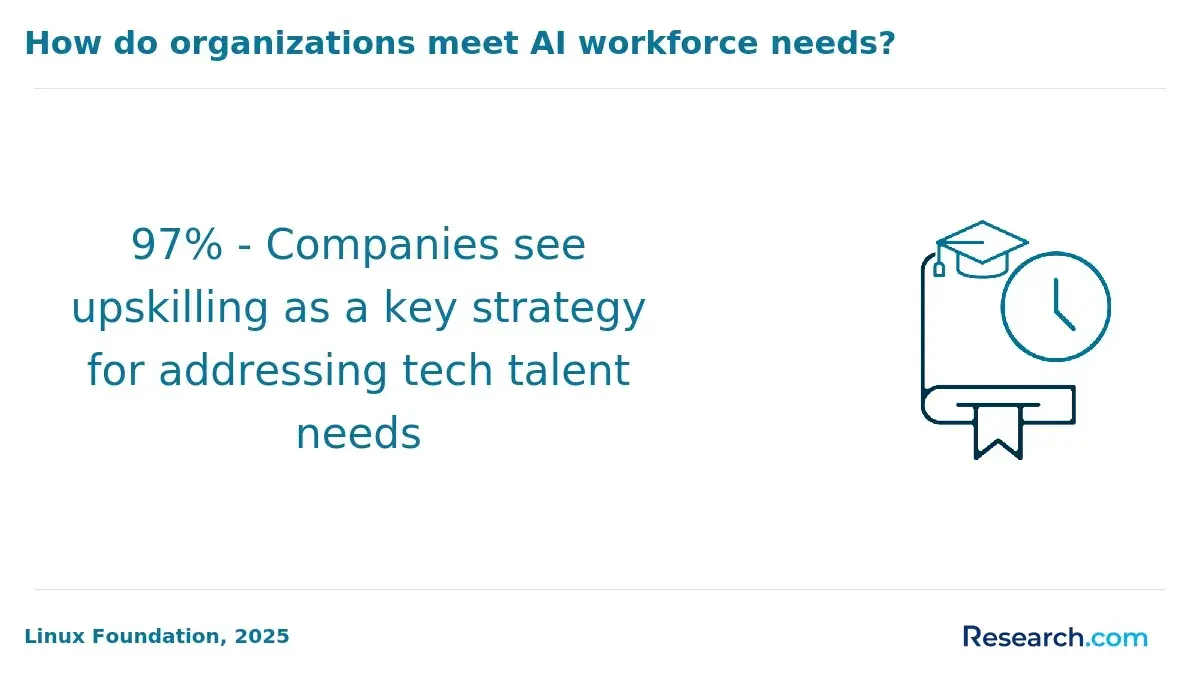
What types of AI programs exist for social media managers (certificates, bootcamps, degrees)?
AI certification programs for social media managers often come in three main formats: certificates, bootcamps, and degree options. Certificate programs emphasize practical skills like AI-powered content creation, analytics, and social listening tools. These are well suited for professionals seeking targeted training without long-term commitments. For example, a certificate might focus on automation platforms and natural language processing relevant to campaign design.
Bootcamps and degree options in artificial intelligence for social media management provide a range of learning experiences. Bootcamps deliver intensive, short-term training that combines theory with hands-on projects, such as predictive modeling and chatbot deployment, often including mentorship and real-world case studies.
Degree programs, like bachelor's or master's degrees in AI, data science, or marketing analytics with an AI focus, offer comprehensive knowledge aimed at leadership roles and strategic challenges in social media management.
Marketers with structured AI training are 3.4 times more likely to rate their AI projects as "very successful" compared to those learning informally (Salesforce, State of Marketing 2024). This underscores the value of formal education with clear curricula and measurable outcomes.
Prospective students should evaluate program length, content relevance, hands-on experience, and certification credibility. Important considerations include ethical AI use, predictive analytics tools, and platform-specific AI capabilities.
For those exploring related fields, exploring cybersecurity degrees can offer complementary knowledge in data protection and digital strategy.
How do online AI courses compare with campus and hybrid options for working professionals?
Online AI courses offer working professionals a flexible option, especially for those balancing busy schedules. They typically consist of short, focused modules that can be completed asynchronously, enabling immediate application of AI tools relevant to social media management.
These micro-credentials often lead to a 20-25% wage premium over peers without such credentials, according to the World Economic Forum's Future of Jobs & Skills 2024 report. This makes short online programs an attractive choice for professionals seeking practical skill advancement in fast-paced environments.
Campus-based learning provides a comprehensive AI curriculum that covers theoretical foundations and broader contexts but demands significant time and commuting commitment. Hybrid AI training blends online convenience with in-person networking, beneficial for social media managers who want some face-to-face interaction. However, hybrid programs still require fixed scheduling and travel, which may be less practical for full-time professionals.
Key factors to consider are:
- Time availability: online courses offer flexible timing; campus programs require fixed attendance.
- Learning goals: deep certifications suit those wanting thorough AI knowledge; micro-credentials focus on specific skills.
- Cost: online formats are generally more affordable, lowering financial barriers.
- Networking: campus and hybrid options provide direct interaction but might lack relevance for digital AI tool proficiency.
For those exploring AI trainer jobs or related careers, targeted online courses can accelerate skill acquisition efficiently. Exploring pathways and salary insights for AI trainer jobs is a valuable resource. Selecting the right learning format helps integrate AI smoothly into social media strategies and achieve career growth.
What core AI skills and tools should a top course teach for social media management?
Top ai courses for social media managers emphasize core skills that enhance content creation, analysis, and campaign optimization. Mastery of prompt engineering for generative AI tools is essential, enabling precise inputs that yield relevant, high-quality content. Marketing teams using generative AI have reported a 40% increase in content output and a 12% drop in production costs, highlighting the impact of prompt expertise.
Data analytics and sentiment analysis are vital for interpreting audience engagement. Courses often cover ai-powered platforms to analyze large datasets, identify trends, monitor brand reputation, and optimize posting times. Knowledge of natural language processing (NLP) allows managers to automate customer interactions and tailor messages effectively.
Hands-on experience with tools such as OpenAI's GPT models, ChatGPT, and image-generation software like DALL·E or Midjourney is crucial. Learning to integrate APIs into workflows helps automate repetitive tasks like caption writing and response management. Additionally, education on AI ethics and compliance prepares managers to address privacy and algorithmic bias challenges.
Key challenges include verifying the authenticity of AI-generated content and evaluating campaign ROI using AI metrics. Practical training in A/B testing AI-generated variations and adapting strategies based on insights can improve results. These skills equip social media managers to boost productivity and cost-efficiency in dynamic marketing settings.
How can learners verify accreditation and instructor expertise for AI marketing programs?
Verifying accreditation and instructor expertise is essential when choosing AI marketing programs. Start by confirming the program's recognition through reputable bodies like the Accreditation Council for Business Schools and Programs (ACBSP) or regional accreditors such as the Middle States Commission on Higher Education. These accreditations ensure curriculum quality and institutional oversight.
Evaluate instructor credentials by checking their academic background in artificial intelligence, marketing analytics, or related fields from established universities. Industry experience with AI-driven social media marketing is crucial, especially skills in social listening, analytics, and AI content generation.
Look for transparency in instructor involvement, including detailed bios, published research, or case studies. Student reviews can shed light on course effectiveness and real-world applications. Programs connected with recognized AI research organizations or partners with leading AI software providers tend to offer more relevant content. Collaborative courses reflect practical experience, aligning with findings that organizations using AI for social media analytics enjoy 2.3x higher marketing ROI versus manual methods (Deloitte, 2024 Global Marketing Trends).
Ensure the curriculum includes current AI tools and methodologies, showing instructors' engagement with evolving trends. Programs without active instructor participation in AI communities or recent projects may struggle to prepare students adequately for career success.
What are typical admission requirements, program length, and time commitments to expect?
Admission to AI courses aimed at social media managers usually requires a high school diploma or equivalent. Many programs favor applicants with experience in digital marketing, social media management, or basic data analysis. Advanced certifications may ask for prior completion of introductory AI or machine learning modules or familiarity with programming languages like Python.
Program lengths vary significantly based on depth and format. Short workshops or certificate courses typically run four to eight weeks, offering flexible schedules for working professionals. More comprehensive diploma or professional certificate programs often last three to six months, blending asynchronous online study with live sessions. University-affiliated courses might extend to a full semester of 12-16 weeks, with a more structured pace.
Weekly time commitments range from 3 to 10 hours, depending on course intensity. Part-time options enable balancing full-time work, while bootcamp-style courses require daily engagement for accelerated progress. Emphasis on hands-on project work is essential for mastering practical skills.
Integrating AI into social media management and customer care delivers measurable gains. Zendesk CX Trends 2024 reports that AI-powered messaging and chatbots reduce response times by 2.5x and boost customer satisfaction by 20%. This highlights the value of focused AI education for social media managers seeking impactful, results-driven expertise.
How much do AI courses for social media managers cost, and what funding exists?
AI courses for social media managers in 2026 present diverse pricing, ranging from free introductory classes to professional certifications costing between $200 and $2,000. Platforms such as Coursera and edX offer foundational courses priced from $0 to $100, ideal for beginners or professionals exploring AI tools.
More advanced programs from reputable institutions or industry experts typically cost $500 to $2,000. These courses emphasize AI-powered analytics, automation, and content creation, providing hands-on experience valuable for practical application.
Tuition reimbursement, professional development stipends, and workforce development grants effectively lower the expense of upskilling in AI. Some online certificate providers also offer financial aid or payment plans to spread costs, while employer-sponsored access to AI education platforms can eliminate personal expenses.
Research such as the Boston Consulting Group's AI-Enabled Marketing Creativity Report 2024 highlights that marketers using AI for creative tasks reduce campaign development time by 34% without harming key performance indicators. This potential efficiency gain supports investing in higher-priced courses with practical components focused on AI-driven creative automation.
Choosing the right course often depends on your career objectives and available employer support. Free or low-cost options build foundational knowledge, while premium training equips social media managers to harness AI tools effectively and improve measurable results.
What roles, salaries, and career paths can AI-trained social media managers pursue?
AI-trained social media managers have a broad range of career opportunities that blend digital marketing skills with artificial intelligence expertise. Roles such as AI content strategists focus on designing data-driven campaigns, while social media analysts use AI tools to uncover audience insights. Brand safety specialists work to reduce risks from AI-generated content, and AI ethics coordinators develop and enforce policies addressing bias, misinformation, and brand safety.
According to KPMG's Global Marketing & AI Survey, 83% of chief marketing officers prioritize AI-related brand safety and bias challenges, but only 27% have formal AI ethics guidelines, underscoring an important growth area in compliance roles.
Salaries for these positions vary widely, reflecting the specialty and experience level. Entry-level AI-savvy social media managers earn about $55,000 per year.
Mid-level analysts and strategists typically make between $75,000 and $95,000, while senior roles such as AI ethics officers or brand safety managers can exceed $120,000 annually, especially in major U.S. cities like New York and San Francisco. Freelance consultants with AI skills command hourly rates ranging from $50 to $150 depending on project complexity.
Building proficiency in AI tools for content automation, predictive analytics, and sentiment analysis alongside a strong grasp of ethical standards is essential. Employers highly value professionals who can manage AI's ethical challenges while enhancing marketing results. Career advancement often involves leadership in AI governance, data privacy, and integrated digital marketing strategies.
How should social media managers evaluate ethical, legal, and policy coverage in AI curricula?
Social media managers evaluating ai courses should prioritize those that thoroughly cover ethical, legal, and policy issues. Essential topics include data privacy laws, user consent, algorithmic bias, and content moderation policies. Courses referencing frameworks like the General Data Protection Regulation (GDPR) and the California Consumer Privacy Act (CCPA) offer critical legal insights essential for compliance in social media management.
Look for programs that integrate case studies showcasing real-world ethical challenges, such as misinformation or discriminatory advertising. Effective courses provide strategies to reduce bias in ai tools and emphasize transparency in ai-driven content decisions. Instructors with firsthand experience in shaping or interpreting social media platform policies add practical value.
The curriculum should also foster critical thinking about ai's broader societal implications and governance, including emerging regulations. Hands-on simulations or projects involving policy application are especially beneficial for deepening understanding.
According to LinkedIn's Future of Work: AI Skills in Marketing Report 2024, marketing and PR professionals completing at least one formal ai course annually are 29% more likely to be promoted within a year. This highlights the career advantage of programs with strong ethical and legal education components.
Strong ai curricula blend legal knowledge, ethical theory, policy interpretation, and applied practice to equip professionals for responsible and compliant ai adoption in evolving digital environments.
Other Things You Should Know About Artificial Intelligence
Artificial intelligence is evolving rapidly in the social media management field, with advancements occurring on a yearly basis. Innovations in natural language processing, image recognition, and predictive analytics continually enhance automation capabilities, enabling more personalized and timely content strategies. Staying updated with the latest AI tools and techniques is crucial for social media managers to maintain competitive advantage.
Common challenges include integrating AI tools with existing platforms and workflows, understanding complex algorithms, and managing data privacy concerns. Additionally, there is often a learning curve in interpreting AI-generated insights effectively. Social media managers must also navigate potential biases in AI models and ensure transparent communication with their audiences.
While artificial intelligence can automate many routine tasks such as scheduling, monitoring, and basic content generation, it cannot fully replace social media managers. Human creativity, strategic thinking, and emotional intelligence remain essential for crafting authentic brand voices and responding to nuanced audience interactions. AI serves as a powerful assistant, enhancing productivity rather than substituting decision-making.
References
- Admission Requirements | Undergraduate Admissions + Programs https://www.ualberta.ca/en/admissions/how-to-apply/admission-requirements/index.html
- Faculty of Graduate and Postdoctoral Studies | University of Manitoba - Graduate studies admission requirements https://umanitoba.ca/graduate-studies/admissions/requirements
- Ultimate Guide: How to Choose the Right AI Training Course to Boost Your Career - ONLC https://www.onlc.com/blog/how-to-choose-ai-training-courses/
- AI Literacy Programs in Europe – Supporting Article 4 of the EU AI Act https://artificialintelligenceact.eu/ai-literacy-programs/
- AI+ Marketing Certification https://www.ilearn.co.za/ai-marketing-certification/
- Social Media Manager Career Guide : missions, training, and salary https://www.iscparis.com/en/program/career-guides-social-media-manager/
- Meta Title: How Long Do Colleges in Canada Take to Decide? https://www.borderpass.ai/blog/college-acceptance-rejection-timeline
- Social Media Manager Job Outlook https://www.nobledesktop.com/careers/social-media-manager/job-outlook
- Artificial Intelligence and Social Media https://aidegreeguide.com/what-type-of-ai-student-are-you/ai-tools-for-professional-fields/social-media/