2027 Best AI Courses for Hiring Managers

Co-Founder and Chief Data Scientist
Hiring managers often face challenges identifying candidates with up-to-date skills in artificial intelligence, especially when transitioning from unrelated fields. This skill gap can delay project timelines and reduce competitive advantage. Traditional educational paths may lack flexibility or industry relevance, making it difficult for professionals to pivot quickly. This article explores the best accredited and flexible ai courses tailored for hiring managers seeking to build a workforce equipped with current, practical skills. The aim is to guide decision-makers toward effective training solutions that align with business needs and emerging tech trends.
Key Things You Should Know
- Top AI courses for hiring managers in 2026 emphasize practical skills, blending technical knowledge with talent evaluation techniques to better assess AI team potential.
- Approximately 70% of HR professionals report improved hiring outcomes after completing AI-focused training, highlighting growing industry reliance on AI literacy.
- Leading programs integrate ethics and bias mitigation to equip hiring managers with tools for fair, responsible talent acquisition in AI-driven environments.
Advance Your Career with AI Online Courses
Artificial Intelligence: Implications for Business Strategy
This program provides an introduction to Artificial Intelligence and their implications for business strategy. Earn an official digital certificate.

Oxford Artificial Intelligence Programme
Explore this Oxford Artificial Intelligence programme offered in a flexible learning environment and explore topics like machine learning, automation, and robotics.

Implementing Agentic AI: Building Your Organizational Playbook
This online MIT Agentic AI course offers a practical approach to deploying AI agents in your organization, including a custom playbook. 3 weeks, exclusive launch price.

AI Adoption: Driving Business Value and Impact
This online MIT AI Adoption: Driving Business Value and Impact offers practical frameworks to close the gap between AI potential and business reality.

Artificial Intelligence in Pharma and Biotech
Discover the applications and limitations of artificial intelligence in pharma and biotech with this MIT online short course.

What are the best AI courses specifically designed for hiring managers and talent leaders?
The best ai courses for hiring managers and talent leaders are designed to develop practical skills that enhance recruiting, screening, and workforce planning using ai tools. These top artificial intelligence training programs for recruitment professionals often focus on applying predictive analytics to quickly identify qualified candidates and automating routine tasks to boost hiring efficiency. Key topics include integrating ai-powered applicant tracking systems and implementing bias mitigation strategies to ensure fairness.
Offered by reputable platforms such as Coursera, edX, and HR professional organizations, these courses cater often to non-technical users. For example, "AI for Hiring Managers," provided by leading universities, covers essential concepts like natural language processing for resume parsing and machine learning fundamentals that explain ai-generated candidate scoring. Another frequent module teaches how to interpret data from ai-driven assessments to improve diversity and make informed hiring decisions.
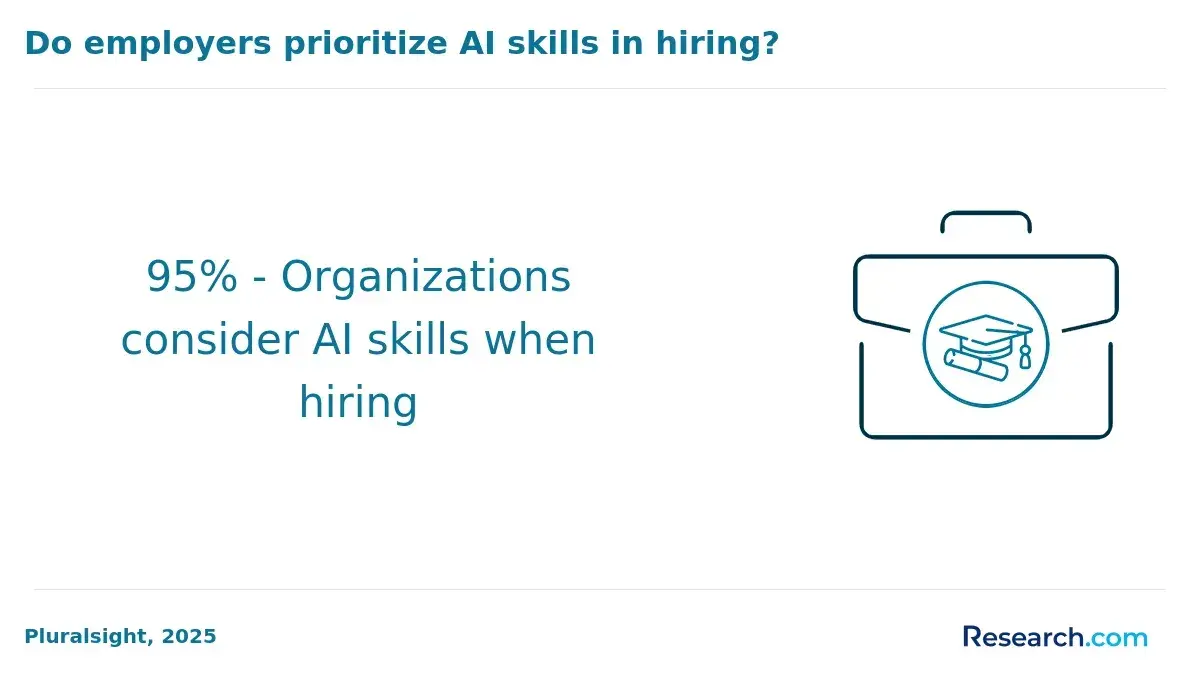
Many programs use scenario-based learning to simulate real hiring challenges, allowing talent leaders to experiment with ai solutions in safe environments. Certificates earned in such courses help professionals prove their ai competence in a competitive workforce. Demand for ai skills in HR continues to surge, with over 70% of job postings for talent roles listing ai knowledge as a requirement. For further insight on career opportunities, see the artificial intelligence degree salary analysis.
Advance Your Career with AI Online Courses
Artificial Intelligence: Implications for Business Strategy
This program provides an introduction to Artificial Intelligence and their implications for business strategy. Earn an official digital certificate.
Oxford Artificial Intelligence Programme
Explore this Oxford Artificial Intelligence programme offered in a flexible learning environment and explore topics like machine learning, automation, and robotics.
Implementing Agentic AI: Building Your Organizational Playbook
This online MIT Agentic AI course offers a practical approach to deploying AI agents in your organization, including a custom playbook. 3 weeks, exclusive launch price.
What skills should AI courses teach hiring managers to evaluate technical candidates effectively?
AI technical skills for hiring managers are essential to effectively evaluate candidates with expertise in the field. Managers need a strong grasp of core concepts such as machine learning, neural networks, and natural language processing to go beyond surface-level jargon and assess true candidate knowledge. Equally important is the ability to analyze technical resumes and portfolios by focusing on project scope, tools used, and problem-solving methods rather than certifications alone.
Evaluating technical candidates with AI knowledge requires formulating precise, targeted interview questions. These should cover algorithm explanations, data preprocessing, model evaluation metrics like accuracy and F1 score, and real-world applications. Assessing coding skills through live coding exercises or tasks related to AI, such as feature engineering or hyperparameter tuning, helps reveal practical competence.
In addition to technical expertise, hiring managers must assess soft skills like collaboration, communication, and adaptability, which are vital for integrating AI talent into cross-functional teams. Ethical AI considerations and bias detection also play a key role in evaluating candidates' awareness of responsible AI development.
Practical case studies and scenario-based exercises are often included in AI courses designed for hiring managers, preparing them for real hiring challenges. This growing demand is reflected in increased enrollments in programs like "AI for Everyone." Prospective students interested in advancing these skills and pursuing related education can explore an engineering online degree as a foundation for their career.
How do AI fundamentals for non-technical leaders differ from full data science programs?
AI fundamentals for non-technical managers focus on strategic understanding and practical applications, contrasting with full data science programs that demand extensive technical training. These non-technical courses emphasize key concepts like machine learning, natural language processing, and data ethics to guide leadership in making informed decisions and managing AI initiatives aligned with business goals. In comparison, full data science courses prepare students for hands-on roles involving programming, advanced statistics, algorithms, and model development.
Key differences between artificial intelligence training for leaders and full data science courses include:
- Conceptual frameworks and AI governance versus coding and model tuning.
- Ethical considerations and AI risk management over technical troubleshooting.
- Decision-making tools to evaluate AI vendor solutions rather than building algorithms from scratch.
Non-technical managers learn to interpret AI outputs, integrate AI into workflows, and communicate risks effectively. They identify opportunities for AI-driven efficiency without needing coding skills. Hiring managers benefit from understanding AI's strategic value and limitations to select proper technologies and work with data science teams, unlike data scientists who develop these technologies directly.
These distinctions highlight why prospective students seeking leadership-focused AI education often pursue programs tailored to their needs rather than technical degrees. For those considering advanced study, options such as online masters in data science offer comprehensive technical training.
Which accredited universities and reputable platforms offer AI courses for hiring managers?
Several accredited universities offering artificial intelligence courses for hiring managers focus on ethical, technical, and strategic issues in recruitment. Institutions like Stanford University and the Massachusetts Institute of Technology (MIT) provide executive education that emphasizes fairness and bias mitigation in AI applications for human resources. These programs incorporate case studies on AI-driven hiring tools to help managers avoid pitfalls and ensure compliance with labor laws.
Top reputable platforms with artificial intelligence training for HR professionals include Coursera and edX, which collaborate with universities such as the University of Michigan and Wharton School. Their courses cover ethical AI use, advanced analytics, auditing AI systems for bias, and regulatory frameworks relevant to recruitment.
Practical skill-building courses from LinkedIn Learning and Udacity teach using AI-powered applicant tracking systems and fair evaluation criteria, improving decision-making throughout hiring stages. According to a SHRM research brief, HR teams trained formally on AI and algorithmic bias were 2.3× more likely to recognize and correct biased outcomes than untrained teams.
Prospective students should prioritize programs that combine technical AI knowledge with human factors in hiring. Verifying accreditation and content on fairness and compliance is essential for managers navigating AI-enhanced recruitment. For those seeking advanced specialization, exploring an online PhD in data science can further deepen expertise in AI's impact on recruitment and HR analytics.
How should hiring managers compare online, hybrid, and campus AI programs for flexibility and rigor?
When evaluating AI programs-online, hybrid, or campus-hiring managers balance flexibility with rigor. Online programs provide maximum flexibility, allowing students to learn asynchronously from anywhere, which benefits working professionals juggling job responsibilities. However, online formats may lack essential hands-on experiences, potentially reducing the depth of technical understanding.
Hybrid programs blend online coursework with periodic in-person sessions, offering both convenience and engagement. Students might attend weekly labs on campus while completing lectures online, which supports real-time collaboration and experiential learning without sacrificing scheduling flexibility.
Campus programs deliver the highest rigor through structured schedules, face-to-face interaction, and direct access to faculty and labs. This immersive environment suits full-time learners who want extensive peer collaboration and immediate application of concepts but offers less flexibility for those with other commitments.
Practical impact also matters. LinkedIn's 2024 Future of Recruiting report found recruiters using generative AI experienced a 63% faster drafting process and 27% higher candidate response rates. These outcomes highlight the importance of applied AI skills, often better developed in hands-on, rigorous settings.
Managers should align program choices with candidates' backgrounds and job demands, weighing immediate workplace applicability against scheduling needs.
What core topics and curriculum elements matter most in AI courses for hiring decisions?
Hiring managers need a solid grasp of workforce analytics, machine learning fundamentals, and ethical AI applications to improve talent acquisition and retention. Courses focusing on data-driven decision-making help managers understand AI-generated insights, which are crucial for evaluating candidates beyond resumes. According to Deloitte's 2024 Global Human Capital Trends report, organizations that educate HR leaders on AI-driven workforce analytics are 1.7× more likely to surpass their talent goals.
Key curriculum components should include practical experience with predictive modeling, natural language processing for candidate screening, and AI tools designed to reduce bias in recruitment. Ethical considerations must be addressed to manage privacy and fairness effectively. Integrating AI within HR systems, such as applicant tracking and employee performance analytics, prepares hiring managers for strategic workforce planning.
- Workforce analytics and data interpretation
- Machine learning techniques relevant to recruitment
- Ethical considerations in AI hiring tools
- Hands-on experience with AI software and algorithms
- Strategies for AI-driven diversity and inclusion
Practical case studies that highlight AI's impact on reducing time-to-hire and boosting retention enhance learning. The best programs combine theory with applied skills, enabling recruiters to critically evaluate AI outputs and align hiring decisions with organizational goals.
What are typical admission requirements, timelines, and prerequisites for AI programs for professionals?
Admission requirements for AI programs designed for professionals vary by institution and level. Many certificate and professional courses ask for a bachelor's degree or relevant work experience in fields like computer science, engineering, or data analysis. Graduate programs often require prior knowledge in calculus, linear algebra, and programming languages such as Python. Completion times differ widely - from a few weeks for short courses to one or two years for master's degrees. Part-time and self-paced formats offer flexibility but may extend these durations.
Typical prerequisites include math and coding fundamentals, as AI relies heavily on algorithms and data structures. For instance, enrolling in a deep learning specialization usually requires a background in neural networks or machine learning basics. However, introductory AI courses tailored to HR professionals or recruiters often waive these prerequisites, focusing on practical applications instead.
There's growing access to affordable AI education, especially for small HR teams looking to build skills. A 2024 Udemy Business report showed a 92% increase in AI course enrollments by small and mid-sized companies, with 40% priced under $50. This trend highlights the rise of budget-friendly options that cater to professionals seeking practical knowledge without heavy academic demands.
When selecting a program, hiring managers should consider timelines that fit work schedules, verify prerequisite knowledge to ensure success, and explore free or low-cost introductory courses to build foundational skills before advancing.
How much do AI courses for hiring managers cost, and what financial aid options exist?
AI courses for hiring managers vary widely in cost, from free introductory classes to professional certificate programs priced between $1,000 and $4,000. Popular self-paced platforms like Coursera and edX offer monthly subscriptions typically ranging from $39 to $79, which can lower overall expenses for learners who complete courses quickly. More comprehensive certification tracks, aimed at enhancing managerial credentials, often come with higher fees but provide valuable and recognized credentials sought by many employers.
Financial aid options are widely available on major platforms. Coursera and edX provide scholarships or financial assistance that can cover up to 100% of tuition for eligible applicants demonstrating financial need. Additionally, hiring managers should explore employer tuition reimbursement programs or professional development budgets to help offset costs.
Flexible payment plans are common for lengthier programs, easing upfront financial burdens by spreading out tuition payments. Veterans and active military personnel may qualify for specialized funding or discounts through benefits like the GI Bill.
Certification programs significantly impact career advancement. According to Coursera's Career Outcomes report, 78% of business professionals earning professional AI certificates experienced greater influence in tech-related decisions, and 52% saw promotions, raises, or new roles within a year. These outcomes highlight the tangible benefits of investing in high-quality AI education.
How do AI credentials, certificates, or microcredentials enhance recruiting and HR career paths?
AI credentials and microcredentials empower HR professionals with specialized skills to manage evolving labor markets effectively. Hiring managers equipped with AI expertise can implement data-driven recruitment methods, enhance candidate screening via AI tools, and reduce bias using algorithmic decision-making. These certifications validate proficiency in AI applications tailored for HR, signaling to employers that the individual can optimize workforce planning and talent acquisition.
Sector-specific AI courses are increasingly valuable. IBM's 2024 Global AI Adoption Index reveals 61% of enterprises prioritize AI skills specific to industries like healthcare, finance, and human resources. For HR professionals, obtaining microcredentials in areas such as AI-driven workforce analytics or automated onboarding can provide a competitive edge as industry demands shift.
Practical skills from such credentials often include:
- Using predictive analytics to forecast employee turnover
- Leveraging natural language processing for analyzing candidate communications
- Integrating AI platforms with HR software to streamline workflows
Continuous learning through AI microcredentials helps HR practitioners stay current with technological advancements. Employers increasingly seek candidates with these qualifications to fill roles that address complex recruiting challenges, including ethical AI implementation and automated processes. This expertise supports HR professionals in leading digital transformation and making strategic decisions based on real-time data.
What labor market trends make AI literacy essential for hiring managers across industries?
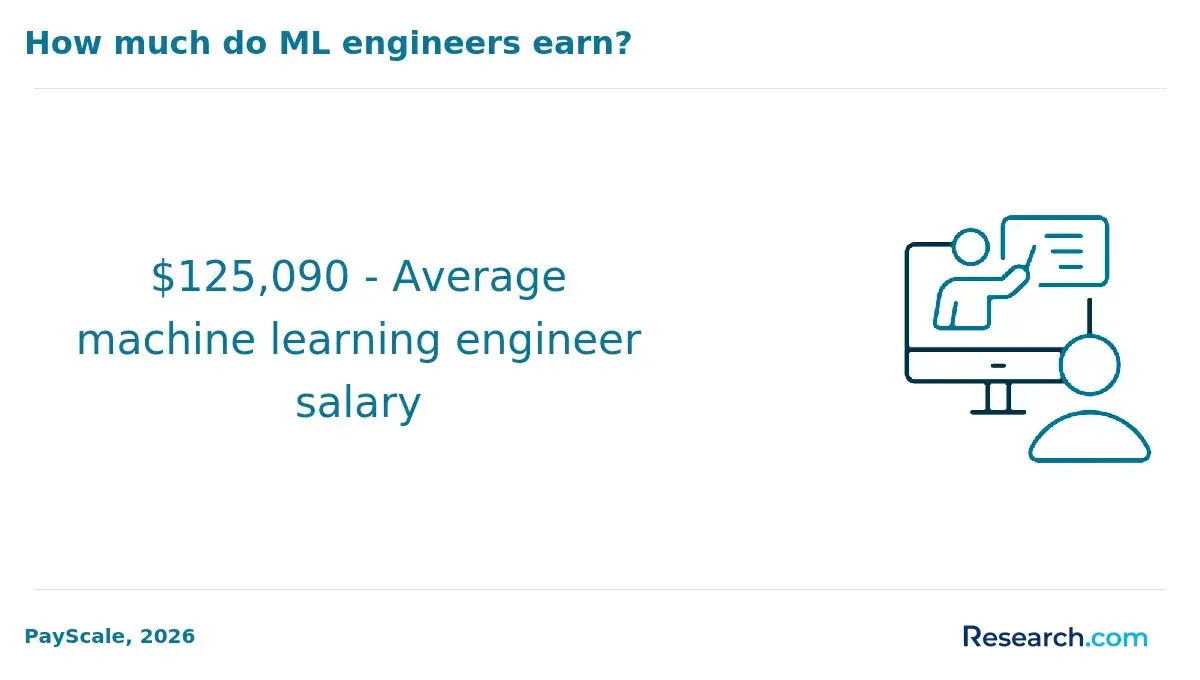
Labor market trends highlight the growing importance of AI literacy for hiring managers across various industries. Roles requiring AI skills offer about 25% higher pay than similar non-AI jobs and see 3.5 times faster growth in job postings, according to PwC's 2024 Global AI Jobs Barometer. This makes it crucial for hiring managers to understand AI to accurately assess candidates and set competitive salaries.
Sectors like healthcare and finance increasingly depend on AI to automate tasks, analyze data, and support decision-making. Without AI knowledge, hiring managers risk misjudging candidate abilities or overlooking essential AI competencies. For example, marketing managers should identify skills in AI-powered analytics to improve campaign outcomes.
AI awareness enables precise job descriptions, reducing hiring mismatches. It also prepares managers to recruit adaptable professionals as AI reshapes roles and helps address ethical concerns like algorithmic bias, ensuring compliance with regulations.
Important questions for hiring managers include:
Incorporating AI expertise into hiring strategies helps attract top talent, justify salaries, and support growth in an evolving labor market.
Other Things You Should Know About Artificial Intelligence
The top courses in 2027 for hiring managers include "AI for Leaders" by Coursera, "AI Strategy" at MIT Sloan, "Artificial Intelligence for Business" on edX, and Udacity's "AI Product Manager Nanodegree." These courses help hiring managers make informed decisions about AI talent and its strategic implementation.
Artificial intelligence automates repetitive tasks, which may shift job roles and require new skill sets. While some jobs may be displaced, AI also creates opportunities in areas like AI system management and data analysis. Hiring managers must understand these changes to adapt recruitment strategies effectively.
Yes, hiring managers without a technical background can evaluate AI talent effectively by focusing on candidates' problem-solving skills, understanding of AI concepts, and applied project experience. Supplementing this with structured interview questions and collaboration with technical experts enhances evaluation accuracy.
Organizations often encounter challenges such as integrating AI into existing workflows, data quality issues, lack of skilled personnel, and managing change resistance. Additionally, aligning AI projects with clear business objectives and addressing regulatory compliance are essential for successful implementation.
References
- AI Job Market Shifts Every Hiring Manager Should Know https://www.bradsbygroup.com/2026/02/25/ai-changing-job-market-hiring-managers/
- Best AI Courses Online: Free and Paid Options Compared https://hakia.com/news/best-ai-courses-online/
- AI hiring software: how skills-based AI improves hiring decisions | CodeSignal https://codesignal.com/blog/ai-hiring-software-guide/
- How can micro-credentials help employee development? https://employmenthero.com/nz/blog/micro-credentials-employee-development/
- Best Practices in AI Candidate Screening for Smarter Hiring - Avahi https://avahi.ai/blog/best-practices-in-ai-candidate-screening-for-smarter-hiring/
- Ultimate Guide: How to Choose the Right AI Training Course to Boost Your Career - ONLC https://www.onlc.com/blog/how-to-choose-ai-training-courses/
- Top free AI courses for HR professionals https://mihcm.com/resources/blog/top-free-ai-courses-for-hr-professionals/
- Why Non-Tech Professionals Should Learn About AI Basics https://anderson.ae/article/why-non-tech-professionals-should-learn-about-ai-basics
- Professional AI Training: How to Choose the Right Program https://www.strategicaileader.com/professional-ai-training-how-to-choose-the-right-program/
- How AI Gives You a Talent Acquisition Edge https://www.techclass.com/resources/learning-and-development-articles/how-ai-can-give-your-company-competitive-edge-in-talent-acquisition