2027 Best AI Courses for Audit Support Teams With Certificates

Co-Founder and Chief Data Scientist
Audit support teams often face increasing pressure to improve efficiency and accuracy while managing complex financial data. Many professionals lack targeted skills in artificial intelligence to automate routine tasks or enhance risk detection. This skill gap hinders both career growth and organizational performance in a rapidly evolving technological landscape.
Finding flexible, accredited courses with certificates tailored for audit contexts can be daunting. This article explores the best AI courses designed specifically to equip audit support teams with practical knowledge and recognized certification, helping professionals bridge their expertise gap and advance in this critical sector.
Key Things You Should Know
- AI courses for audit support teams in 2026 focus on automating data analysis and risk assessment, improving efficiency by up to 40% according to recent industry reports.
- Certified programs enhance career prospects; 72% of professionals surveyed in 2025 reported salary increases after completing AI-focused audit certifications.
- Leading courses emphasize practical skills such as machine learning applications, natural language processing, and compliance automation tailored for U.S. auditing standards.
Advance Your Career with AI Online Courses
Artificial Intelligence: Implications for Business Strategy
This program provides an introduction to Artificial Intelligence and their implications for business strategy. Earn an official digital certificate.

Oxford Artificial Intelligence Programme
Explore this Oxford Artificial Intelligence programme offered in a flexible learning environment and explore topics like machine learning, automation, and robotics.

Implementing Agentic AI: Building Your Organizational Playbook
This online MIT Agentic AI course offers a practical approach to deploying AI agents in your organization, including a custom playbook. 3 weeks, exclusive launch price.

AI Adoption: Driving Business Value and Impact
This online MIT AI Adoption: Driving Business Value and Impact offers practical frameworks to close the gap between AI potential and business reality.

Artificial Intelligence in Pharma and Biotech
Discover the applications and limitations of artificial intelligence in pharma and biotech with this MIT online short course.

What is an AI audit support course, and who should consider these programs?
An AI audit support training program for professionals equips audit teams with skills to integrate artificial intelligence tools into audit processes efficiently. These programs focus on data analytics, machine learning applications, risk identification, and automation to enhance validation of financial data, anomaly detection, and compliance accuracy.
Participants also learn to critically assess AI-driven audit systems, promoting transparency and ethical use within organizational controls.
Internal auditors, audit support teams, risk managers, and compliance officers can benefit from certified AI courses for audit teams to remain competitive as AI transforms traditional audit methodologies.
These courses demonstrate how to deploy AI algorithms for continuous monitoring of transactional data, enabling early fraud detection beyond conventional capabilities.
Experienced auditors looking to update their technical skills and recent graduates interested in audit careers gain a competitive advantage by mastering AI competencies that employers highly value.
By 2027, 79% of internal audit leaders expect to incorporate AI or advanced analytics into at least 25% of their audit plans, up from 32% in 2021, reflecting the urgent need for AI expertise to manage evolving risks and enhance efficiency.
AI audit support training also addresses practical challenges such as interpreting AI outputs, managing biased datasets, and ensuring data privacy compliance.
These programs help audit teams understand both the capabilities and limitations of AI, fostering responsible adoption. Those interested in broader technical advancement may explore a computer science degree accelerated pathway.
Advance Your Career with AI Online Courses
Artificial Intelligence: Implications for Business Strategy
This program provides an introduction to Artificial Intelligence and their implications for business strategy. Earn an official digital certificate.
Oxford Artificial Intelligence Programme
Explore this Oxford Artificial Intelligence programme offered in a flexible learning environment and explore topics like machine learning, automation, and robotics.
Implementing Agentic AI: Building Your Organizational Playbook
This online MIT Agentic AI course offers a practical approach to deploying AI agents in your organization, including a custom playbook. 3 weeks, exclusive launch price.
Which AI courses for audit support offer reputable certificates employers recognize?
Audit professionals seeking AI courses for audit support teams with recognized certificates will find reputable options emphasizing practical skills and employer-valued credentials.
Programs such as Coursera's "AI For Everyone" by Deeplearning.ai, edX's "Artificial Intelligence MicroMasters" from Columbia University, and Udacity's "AI for Business Leaders" focus on applications like data analytics, anomaly detection, and risk assessment automation tailored to auditing tasks.
Certified AI training programs for audit professionals address critical skills shortages highlighted by Deloitte's 2024 Global Chief Audit Executive Survey, which reports that data and AI skills gaps will be the biggest challenge for 44% of audit functions by 2025.
Obtaining certificates from programs with verified assessments signals proficiency in using machine learning models for financial data irregularity detection and compliance workflow automation.
Specialized certifications like the ISACA "Certified in Artificial Intelligence and Machine Learning (CAIML)" credential integrate AI fundamentals with governance and risk management, specifically supporting audit roles. When selecting courses, professionals should prioritize accreditation, relevance to audit-specific competencies, and hands-on projects.
To align with employer expectations, candidates should focus on certificates validating skills in:
- Data preprocessing and cleansing for audit datasets.
- Developing and interpreting AI-driven anomaly detection systems.
- Understanding ethical AI use in compliance and regulatory environments.
For those balancing career goals and education costs, exploring options like the cheapest online industrial engineering degree can complement AI and audit expertise with cost-effective learning paths.
How do AI audit support courses differ from full AI or data science degrees?
AI audit support certification programs focus on applying artificial intelligence techniques specifically within auditing and internal control settings.
Unlike broader AI or data science degrees, which cover extensive programming, algorithms, and statistical modeling, these specialized courses emphasize practical tools and workflows designed for audit tasks. They often include AI-driven risk assessment, anomaly detection, and continuous auditing integrated with existing audit frameworks.
This targeted approach helps auditors address challenges such as faster identification of control failures and improved compliance monitoring.
According to the 2024 Future of Internal Audit report by KPMG, organizations using AI-enabled continuous auditing reduce detection time for control failures by 30-50% compared to traditional sampling methods. This reflects the operational advantages of focused AI audit support certification programs over general AI education.
Curricula for these courses typically include:
- Automating data extraction and validation from accounting systems.
- Using machine learning for fraud detection and risk scoring.
- Integrating AI outputs within audit reporting and decision-making.
- Compliance with audit standards and ethical considerations specific to AI.
In contrast, full AI or data science degrees cover fundamentals like data structures, large-scale processing, and advanced algorithms, preparing students for various industries.
Audit professionals seeking certifications find AI audit courses improve auditing efficiency without the deep math and programming demands typical of data science careers.
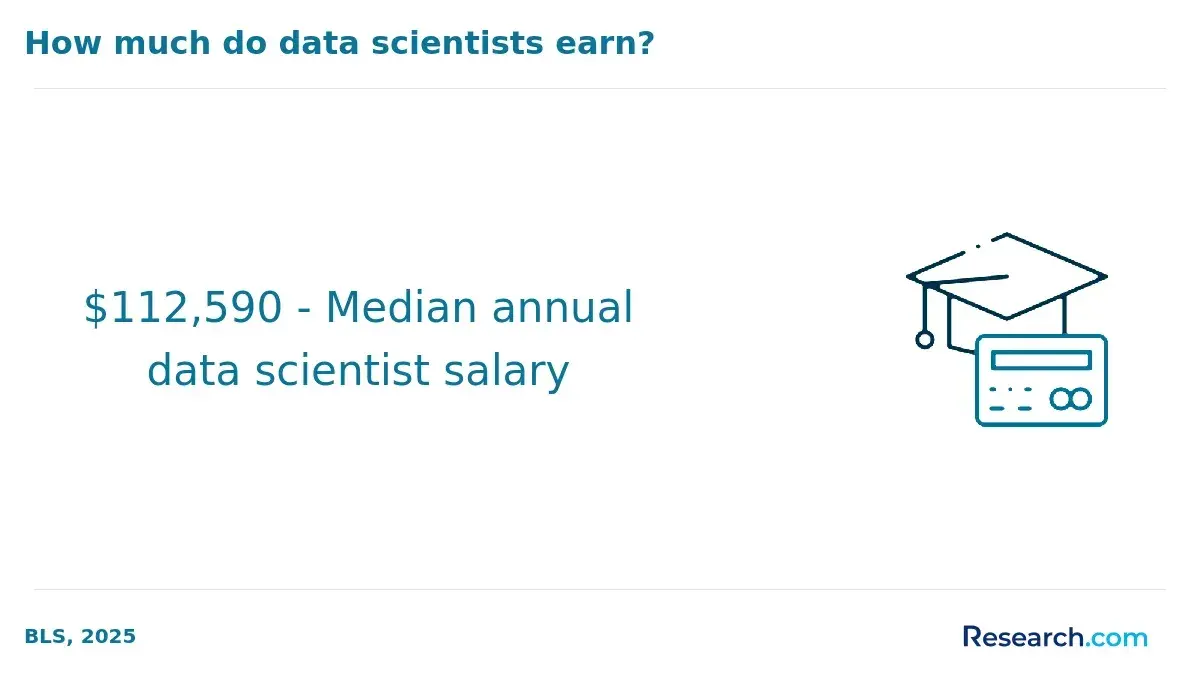
Those weighing the differences between AI audit courses and data science degrees should also consider affordability. Many professionals explore the cheapest masters in data science for broader AI roles.
Overall, AI audit support certification programs suit auditors and internal control specialists needing targeted skills to deploy AI tools effectively.
What core skills and topics do the best AI audit support curricula cover?
Audit professionals increasingly rely on AI auditing techniques for financial compliance to boost efficiency and accuracy. Core skills focus on data analytics methods that help identify anomalies in large datasets and machine learning applications designed to automate routine audit tasks like workpaper preparation and documentation.
For example, PwC's 2024 GenAI in Audit and Assurance Survey highlights a 35% reduction in manual hours related to documentation through AI automation.
Training also covers AI ethics and governance, ensuring audits remain transparent and adhere to regulatory standards. Proficiency in natural language processing allows auditors to analyze unstructured data such as contracts and correspondence, enhancing audit evidence depth.
Integration with common audit and ERP software systems supports practical AI deployment within existing workflows.
Hands-on use of AI tools like robotic process automation (RPA) and cognitive analytics platforms provides valuable experience. Case studies often demonstrate how AI-driven testing improves audit quality by increasing sample coverage and consistency.
Data security and privacy training is vital to protect sensitive financial information throughout AI-assisted audit processes.
Mastering these skills enables audit teams to tackle high documentation burdens and stricter compliance requirements effectively.
Professionals interested in expanding their knowledge may also explore programs such as an online electrical engineering bachelor degree for veterans to strengthen their technical foundation and support AI integration further.
Machine learning applications in audit support offer a strategic advantage by reducing manual workloads and enhancing assurance quality.
How do online, hybrid, and on-campus AI audit programs compare for working professionals?
Online, hybrid, and on-campus AI audit programs each offer unique advantages for professionals aiming to advance their audit skills. Online options provide excellent flexibility and accessibility, allowing students to balance work and study from any location while accessing a wide range of materials and recorded lectures. This format is ideal for those needing to fit coursework into busy schedules seamlessly.
Hybrid programs blend online convenience with periodic in-person sessions. They are well-suited for learners who benefit from hands-on experience and direct interaction, particularly for complex subjects like AI-driven fraud analytics and anomaly detection.
These programs also support networking and real-time problem-solving workshops, enhancing practical knowledge beyond virtual classrooms.
On-campus programs offer immersive environments with close faculty mentorship and peer collaboration. These setups provide rigorous lab work and extensive institutional resources but require significant time commitments that may challenge full-time professionals.
For audit teams applying AI techniques, program choice depends on experience level, learning preferences, and availability. Studies show that companies using AI fraud analytics detect fraud 40% faster and recover 2.7 times more loss value than those employing only rules-based systems (ACFE, 2024 Report to the Nations).
Working professionals might consider that:
- Hybrid programs offer a strong balance of practical experience and flexible scheduling.
- Online courses deliver full flexibility.
- On-campus study suits those seeking intensive, traditional academic settings.
Evaluating program delivery modes in relation to job demands and support is essential to maximize learning outcomes in AI audit education.
What accreditation and quality standards should AI courses for audit support meet?
AI courses designed for audit support professionals must adhere to strict accreditation and quality standards to ensure both industry relevance and practical value.
Accreditation from respected organizations such as the International Association for Continuing Education and Training (IACET) or the Accreditation Council for Business Schools and Programs (ACBSP) confirms alignment with recognized learning outcomes, skilled instructors, and rigorous assessments.
Effective programs incorporate current regulatory frameworks influencing financial audits, including AI governance, risk management, and ethics.
According to the ISACA 2024 State of AI Governance Report, 61% of financial firms use AI in regulatory compliance, yet 48% lack internal AI compliance expertise. Training should therefore include hands-on modules for navigating changing regulations and utilizing AI audit tools.
Key features to look for in quality AI audit courses include:
- Comprehensive coverage of compliance frameworks like SOX, GDPR, and SEC rules tied to AI applications.
- Practical experience with AI software and data analytics relevant to auditing.
- Clear procedures for preserving audit trail integrity when AI automates assessments.
- Case studies that simulate real-world AI audit challenges.
- Issuance of industry-recognized certificates for professional credibility.
Prospective students should also verify the provider's reputation and ongoing support for skill development amid rapid AI advances. Choosing courses that merge formal accreditation with compliance-focused content helps audit professionals confidently meet technical and regulatory demands.
What are typical admission requirements and time to completion for these AI certificates?
Admission to AI certificate programs tailored for audit support teams typically requires a bachelor's degree in accounting, finance, information technology, or related fields. In some cases, relevant professional experience in auditing or risk management can substitute for formal education.
Applicants are often expected to have basic skills in data analytics and a foundational understanding of audit processes. Familiarity with programming languages like Python or R, or completion of prerequisite courses, may also be needed.
Program durations vary widely depending on the depth and format. Part-time learners generally complete certificates within three to six months, while accelerated bootcamp-style options can condense this to six to eight weeks.
More comprehensive courses that include technical skills and practical projects may last up to a year. Study hours typically range from 40 to 150, balancing theory and hands-on learning.
Flexible course structures often cater to working professionals, with many offering self-paced online options that fit around job commitments. Certificates emphasizing vendor risk assessment and AI ethics address critical gaps in audit practice highlighted by ISACA's 2024 AI Risk & Controls Survey.
For example, only 29% of internal audit teams evaluate AI model training data lineage and bias controls, compared to 73% conducting formal vendor assessments. Thus, programs focusing on these aspects provide valuable skills for auditors adapting to evolving compliance and risk management demands.
How much do leading AI audit support courses cost, and are there financial aid options?
AI courses for audit support teams vary widely in cost, typically ranging from $500 to $2,500 based on program depth, delivery style, and credentials offered. Basic online courses that cover foundational AI concepts usually cost between $500 and $800.
More comprehensive certificate programs with hands-on labs and case studies often exceed $2,000. Specialized executive or professional certifications that include live workshops, mentorship, or advanced audit use case simulations can range from $1,200 to $2,500.
Financial aid and scholarships are increasingly accessible, especially through partnerships with professional audit associations or diversity initiatives. Such options include partial tuition waivers, installment plans, and employer-sponsored reimbursements.
Some providers offer up to a 50% tuition discount based on financial need and application. Active audit professionals can often leverage employer training budgets or government workforce development grants to reduce costs.
Programs emphasizing practical AI labs report measurable improvements-audit teams engaging in hands-on labs report a 54% increase in confidence applying AI tools after 12 weeks, according to Learning Tree International's 2024 AI Skills in Audit Training Outcomes Study.
This data highlights the value of immersive, case-based learning over purely theoretical content. Professionals should seek courses balancing affordable tuition with real-world AI applications tailored to audit workflows.
What audit and risk management roles can these AI certificates help you qualify for?
AI certificates qualify professionals for vital audit and risk management roles that increasingly depend on data-driven decision-making. Key positions include internal auditors focused on data analytics, risk analysts applying AI to identify emerging threats, and compliance officers using machine learning to monitor regulatory adherence.
Roles like fraud examiners employ predictive analytics to detect irregularities, while continuous auditors leverage AI tools for real-time financial transaction monitoring.
IT audit specialists benefit from AI expertise to oversee cybersecurity risks through automated threat detection systems. Operational risk managers enhance their capabilities by integrating predictive models to assess vulnerabilities and improve mitigation strategies.
Leadership roles, such as audit managers and risk directors, increasingly demand AI knowledge to guide strategy and resource allocation.
Practical skills gained from AI certificate programs-such as Python programming, data visualization, and neural network basics-empower audit teams to automate routine tasks. This automation boosts efficiency and accuracy, improving audit quality and accelerating risk detection, crucial for regulatory compliance and corporate governance.
The IIA's Internal Audit Compensation Study shows professionals holding AI or data analytics certificates earn about 18% more than peers without these credentials. This trend highlights the growing demand for AI-competent personnel in audit and risk roles and underscores the tangible career benefits of AI education.
What are the salary outlook and long-term demand for AI skills in audit and assurance?
The salary outlook for professionals skilled in artificial intelligence within audit and assurance is strong and rising steadily. Entry-level audit support specialists with AI expertise typically start between $70,000 and $85,000 annually, while experienced auditors earn $110,000 to $130,000.
Senior roles combining AI knowledge with leadership or strategic decision-making can surpass $150,000. Demand grows as audit firms and corporate finance teams use AI to boost accuracy and efficiency through automation and data-driven insights.
Long-term demand is fueled by regulatory complexity and the need for continuous, real-time risk assessment. AI tools help detect financial anomalies, reducing manual effort and allowing auditors to concentrate on judgment-based tasks. Skills in machine learning model validation, natural language processing, and predictive analytics are increasingly valuable.
Organizations investing in AI upskilling favor recognized certificates or digital badges; 67% endorse such credentials. According to the IBM Institute for Business Value 2024 Global AI Skills Survey, companies offering formal AI training report 1.5 times greater productivity improvements than those relying solely on informal learning.
Pursuing certifications tailored to audit applications aligns with industry best practices and boosts career prospects.
Courses including real-world audit scenarios and algorithmic transparency enable better understanding of how AI processes financial data-critical for compliance and client trust. Certified AI experts in audit benefit from strong career security and growth amid talent shortages.
Other Things You Should Know About Artificial Intelligence
2027 educational courses are specifically designed to tackle the challenges audit support teams encounter when implementing AI. These courses focus on seamless integration strategies, data-handling complexities, ethical considerations, and enhancing collaboration between AI tools and human expertise. Participants gain insights into innovative solutions to overcome these challenges effectively.
Artificial intelligence enhances risk assessment by analyzing large datasets more quickly and accurately than traditional methods. AI algorithms can identify anomalies, patterns, and potential fraud indicators that may be missed by human auditors. This leads to more precise risk scoring and enables auditors to focus their efforts on high-risk areas.
While artificial intelligence can automate many repetitive and data-intensive tasks, it is unlikely to fully replace human auditors soon. AI serves as a tool to augment auditors' judgment by providing deeper insights and efficiency. Human oversight remains essential for interpreting results, making complex decisions, and ensuring ethical standards.
Audit support professionals should focus on developing data analysis, programming basics (such as Python or R), and understanding AI and machine learning concepts. Knowledge of audit standards combined with technical literacy will help them leverage AI tools effectively. Communication skills are also important to interpret AI outputs and report findings clearly.
References
- The far-reaching impact of Artificial Intelligence on the audit profession https://kpmg.com/nl/en/insights/assurance-and-accounting/the-far-reaching-impact-of-artificial-intelligence-on-audit.html
- Auditing Student–AI Collaboration: A Case Study of Online Graduate CS Students https://arxiv.org/html/2601.08697v3
- Artificial Intelligence in Finance: 9 AI Courses to Build Your Skills https://xledger.com/blog/artificial-intelligence-in-finance-9-ai-courses-to-build-your-skills/
- How to Conduct an Effective AI Audit: 7-Step Guide for 2024 https://www.elitmind.com/resources/how-to-conduct-an-effective-artificial-intelligence-audit-a-guide-by-elitmind
- Independent AI audit requirements https://verifywise.ai/lexicon/independent-ai-audit-requirements
- AI vs DS: Understanding the Differences and Overlaps | Flatiron School https://flatironschool.com/blog/ai-vs-ds-understanding-the-differences-and-overlaps/
- AI Accounting & Auditing Certificate Training https://www.becker.com/cpe/ai-for-accounting-audit-certificate
- Best AI Compliance Certification Guide 2025: Compare AICP, ISO, IAPP & ISACA https://www.exin.com/article/best-ai-certification-guide-2025/
- How Long Does It Take to Learn AI Completely? https://blog.nobledesktop.com/learn/ai/how-long-do-ai-courses-take