2027 Best AI Courses for Sales Enablement Teams Using Generative AI

Co-Founder and Chief Data Scientist
Sales enablement teams face growing pressure to leverage generative AI to enhance customer interactions and streamline workflows. Many professionals struggle to find credible, flexible training that integrates these advanced technologies with practical sales strategies. This gap hinders their ability to adopt AI tools effectively and drive measurable results. Identifying courses that balance technical depth with real-world application is essential for teams aiming to stay competitive in dynamic markets. This article examines the best ai courses tailored for sales enablement, offering guidance to professionals seeking accredited programs that foster skill development and successful generative AI implementation in sales environments.
Key Things You Should Know
- In 2026, sales enablement teams increasingly leverage generative AI courses to boost personalized customer engagement, improving lead conversions by up to 35%, based on 2025 industry reports.
- Top AI programs emphasize practical skills in natural language processing and automated sales content creation, aligning curricula with real-world tools like ChatGPT and Bard.
- Investment in AI education for sales professionals rose by 42% from 2024 to 2025, reflecting growing employer demand for expertise in generative AI applications.
Advance Your Career with AI Online Courses
Artificial Intelligence: Implications for Business Strategy
This program provides an introduction to Artificial Intelligence and their implications for business strategy. Earn an official digital certificate.

Oxford Artificial Intelligence Programme
Explore this Oxford Artificial Intelligence programme offered in a flexible learning environment and explore topics like machine learning, automation, and robotics.

Implementing Agentic AI: Building Your Organizational Playbook
This online MIT Agentic AI course offers a practical approach to deploying AI agents in your organization, including a custom playbook. 3 weeks, exclusive launch price.

AI Adoption: Driving Business Value and Impact
This online MIT AI Adoption: Driving Business Value and Impact offers practical frameworks to close the gap between AI potential and business reality.

Artificial Intelligence in Pharma and Biotech
Discover the applications and limitations of artificial intelligence in pharma and biotech with this MIT online short course.

What is sales enablement focused generative AI, and why are specialized AI courses valuable?
Sales enablement generative AI applications enhance sales workflows by automating communications, personalizing content, analyzing customer data, and generating strategic insights. These tools focus specifically on sales tasks like lead nurturing, proposal creation, and customer engagement, ultimately improving team productivity and effectiveness.
Specialized AI training for sales teams is essential to unlock the full benefits of these technologies. Such courses teach how to integrate AI with existing platforms, optimize outputs for accuracy, and maintain ethical standards. Learners develop skills in training AI models, creating tailored sales materials, and interpreting AI-driven analytics to directly impact revenue growth.
According to HubSpot's State of Sales report, sales teams using AI in at least half of their processes are 2.3 times more likely to surpass revenue targets. However, without specialized training, teams risk misusing AI outputs, which could lead to inefficiencies or loss of trust among customers.
Additionally, these courses address challenges such as data privacy, bias in AI recommendations, and the importance of human oversight. By focusing on sales enablement AI, professionals gain practical strategies to overcome these hurdles and implement effective AI solutions aligned with company goals.
Those interested in advancing their education might explore an affordable data science degree as one pathway to developing strong AI competencies relevant to sales and beyond.
Advance Your Career with AI Online Courses
Artificial Intelligence: Implications for Business Strategy
This program provides an introduction to Artificial Intelligence and their implications for business strategy. Earn an official digital certificate.
Oxford Artificial Intelligence Programme
Explore this Oxford Artificial Intelligence programme offered in a flexible learning environment and explore topics like machine learning, automation, and robotics.
Implementing Agentic AI: Building Your Organizational Playbook
This online MIT Agentic AI course offers a practical approach to deploying AI agents in your organization, including a custom playbook. 3 weeks, exclusive launch price.
What types of AI courses best support sales enablement teams using generative AI?
AI courses for sales enablement teams using generative AI prioritize practical skills in content creation, customer insights, and automated outreach. These training programs emphasize prompt engineering to help professionals efficiently craft tailored sales scripts, emails, and presentations. A solid grasp of the underlying machine learning models also enables users to customize outputs and resolve inaccuracies.
Generative AI training programs for sales enablement professionals often include technical modules on Natural Language Processing (NLP) and conversational AI to optimize customer engagement. Integration with CRM platforms is another key focus, empowering teams to embed AI-driven automation seamlessly into sales workflows. Many courses feature hands-on projects with popular AI tools relevant to sales operations.
Insights from McKinsey's 2024 Global Generative AI Survey highlight up to a 10-20% boost in sales productivity and a 3-5% increase in revenue when adopting generative AI in sales. Consequently, courses also teach how to analyze performance metrics to assess AI impact and refine strategies effectively.
To ensure responsible deployment, programs often combine business intelligence training with AI ethics, addressing concerns like data privacy and bias. These balanced courses prepare sales enablement teams to maximize generative AI benefits while managing operational risks. Prospective learners may also explore options such as the cheapest online industrial engineering degree for foundational skills supporting AI applications in business contexts.
How do AI courses for sales enablement differ from general AI or data science programs?
AI courses tailored for sales enablement teams concentrate on applying generative AI tools directly to improve the sales process. This focus differs markedly from general data science programs, which emphasize coding, algorithm development, and data modeling. Sales enablement AI training prioritizes practical skills such as prompt engineering for crafting AI-driven communication, automating lead qualification, and generating personalized content to engage clients effectively.
Unlike traditional data science curricula that cover statistics and machine learning, these courses:
- Emphasize integrating AI tools with CRM systems and sales platforms.
- Teach how to generate AI-assisted sales pitches, email templates, and social media content.
- Include ethical AI practices focused on trust-building and compliance in sales.
Instruction often involves designing prompts to extract detailed customer insights or automating follow-ups tailored to buyer personas, addressing real challenges like reducing response times and identifying high-potential prospects with AI-driven analytics. These programs also explore adapting language for specific markets and measuring AI's impact on conversion rates.
As LinkedIn's 2025 Future of Skills report highlights, demand for prompt engineering skills in sales and business development roles rose 142% year-over-year, underscoring the value of generative AI training versus general data science programs for sales professionals seeking immediate practical application.
For a broader academic perspective on AI education, consider resources like the PhD in artificial intelligence USA.
What curriculum topics should the best generative AI courses for sales teams cover?
Effective generative AI sales enablement training modules provide sellers with practical skills and strategic insights. Core curriculum topics for generative AI in sales teams include understanding language models and data synthesis, enabling professionals to automate routine tasks and generate personalized content effectively. Emphasis on AI-driven customer segmentation and lead scoring helps teams prioritize high-value prospects efficiently.
Hands-on experience with AI-powered sales tools such as automated proposal generators and conversational agents improves communication and accelerates deal cycles. Training also addresses ethical concerns, focusing on transparency, data privacy, and compliance to foster client trust.
Integration of AI into sales workflows is key, involving CRM automation and real-time analytics interpretation for data-driven decisions. Advanced modules may cover prompt engineering to refine AI outputs and personalized messaging strategies across various channels. Addressing AI limitations, like inaccurate recommendations or bias, is essential for responsible usage.
Case studies demonstrate AI's real-world impact on closing rates, customer engagement, and workflow efficiency. According to Gartner's 2024 Sales Enablement Benchmarking Survey, organizations with formal AI training are 1.8 times more likely to meet or exceed quotas, highlighting the value of a focused curriculum. Those interested in related careers can explore AI trainer jobs for additional professional pathways.
How do online, hybrid, and campus AI programs compare for working sales professionals?
Programs focused on generative AI for sales professionals offer various formats tailored to different needs and schedules. Online courses provide maximum flexibility, allowing learners to study at their own pace around work commitments such as client meetings and travel. Many platforms include targeted modules on sales enablement applications, enabling immediate real-world skill application. According to Coursera's 2024 Learner Outcomes Survey, 74% of business learners completing applied AI courses secured promotions or pay raises within six months, demonstrating their career value.
Hybrid programs combine online lessons with in-person workshops, offering a balance between flexible study and hands-on collaboration. These courses enhance experiential learning and networking opportunities by simulating client interactions enhanced by AI tools.
Campus-based programs offer immersive learning with direct faculty access and team-based projects essential for mastering complex generative AI integrations in sales workflows. Although requiring more time commitment, campus study provides immediate feedback and extensive institutional resources.
Choosing the right format depends on individual time availability, learning preferences, and career objectives:
- Online supports flexible, self-directed progress.
- Hybrid balances virtual and face-to-face engagement.
- Campus delivers deep immersion and networking benefits.
Which accreditation and industry credentials matter for AI training in sales enablement?
Accreditation and industry credentials ensure AI training in sales enablement remains relevant and rigorous, aligning education with current market needs. Prospective students should consider programs accredited by recognized bodies like the Accreditation Board for Engineering and Technology (ABET) or regional agencies acknowledged by the U.S. Department of Education. Such accreditation guarantees the curriculum meets academic and professional standards.
Industry-specific certifications also boost credibility. Examples include the Certified Revenue Operations Professional (CROP) and Salesforce AI-related badges, which validate expertise in AI tools tailored for sales enablement. Programs from providers like the AI Sales Enablement Consortium or HubSpot Academy's AI in Sales course highlight practical skills in applying generative AI to accelerate sales processes.
Key credentials emphasize AI-driven analytics, data interpretation, and predictive modeling-skills that directly impact business outcomes. According to Forrester's 2024 The State of Revenue Operations, teams using advanced AI and predictive analytics achieve a 27% improvement in pipeline accuracy and 19% better forecast accuracy.
Look for programs offering hands-on experience with natural language processing for customer engagement and AI-based CRM integration. Credentials combining AI theory with applied practice prepare professionals to implement AI-enhanced strategies, driving improved pipeline health and forecasting aligned with sales enablement KPIs.
What are typical admission requirements and time commitments for these AI courses?
Admission to AI courses designed for sales enablement teams typically requires a bachelor's degree or equivalent experience, with some programs emphasizing practical sales or technical backgrounds over formal education. Applicants may need foundational skills in data analysis, programming, or sales operations, and advanced courses often request prior machine learning or statistics knowledge. Certificate programs sometimes admit professionals with two or more years in sales roles, focusing on real-world experience.
Time commitments vary by course format: short bootcamps run two to six weeks with 10-20 hours weekly, focusing on generative AI tools for content personalization and sales analytics. Longer certifications or university courses span three to six months with around 5-10 hours per week, balancing theory with hands-on projects. Self-paced options extend up to a year, offering flexibility for working professionals.
Such investments yield measurable benefits. Seismic's 2024 State of Sales Content study reports a 21% boost in content engagement and 12% faster deal velocity for sellers using AI-personalized enablement content. Prospective students should carefully evaluate prerequisites and time availability to find programs best suited to their goals and backgrounds.
How much do leading AI courses for sales enablement cost, and are employer benefits available?
AI courses designed for sales enablement teams vary widely in price, generally ranging from $500 to over $2,500. The cost depends on factors such as course depth, provider, and certification level. Professional learning platforms typically offer targeted programs costing between $700 and $1,200, while university certifications or specialized vendor courses may exceed $2,000. Many companies fund these courses through employee development budgets, recognizing the significant return on investment that AI proficiency brings to sales operations.
Sales enablement leaders are encouraged to explore internal funding options early, as many organizations prioritize AI upskilling to stay competitive. Employers may also negotiate group discounts or customized training bundles, significantly reducing costs per learner.
Pricing varies by course format and certification: self-paced online modules are usually more affordable, whereas instructor-led sessions with recognized credentials command higher fees but offer stronger industry credibility. According to Pearson VUE's 2024 IT & Business Certification Trends report, AI-related business certifications among sales and marketing professionals increased by 38% year-over-year. Prospective students should focus on programs that offer verifiable certification aligned with generative AI's sales applications to maximize learning impact and employer support.
What sales and revenue roles can AI-powered sales enablement training prepare learners for?
AI-powered sales enablement training equips professionals with skills to leverage generative AI tools for enhanced performance across various sales and revenue roles. Sales representatives use AI for personalized outreach and lead qualification, while account managers apply AI-driven insights to strengthen customer relationships and identify upsell opportunities. Sales operations analysts integrate AI-based data analytics to optimize workflows and forecast revenue with greater accuracy.
Revenue enablement professionals align marketing and sales strategies using AI-generated content and predictive modeling. Business development managers prioritize and score leads more efficiently through AI, and customer success managers anticipate client needs to tailor engagement plans. Sales trainers and enablement specialists implement AI tools to create adaptive learning programs, and sales executives interpret AI-driven reports to guide strategic decisions.
According to Deloitte's 2024 Global Human Capital Trends report, organizations with structured AI upskilling programs are 1.6 times more likely to build adaptable salesforces, highlighting AI's essential role across these positions. This training also addresses challenges like slow adoption, data overload, and inconsistent targeting by developing focused, role-specific capabilities.
Key benefits include automating routine tasks, generating real-time insights, and enhancing customer interactions, ensuring learners are prepared for the evolving sales landscape heavily influenced by generative AI technologies.
What is the salary outlook and demand for professionals skilled in generative AI for sales?
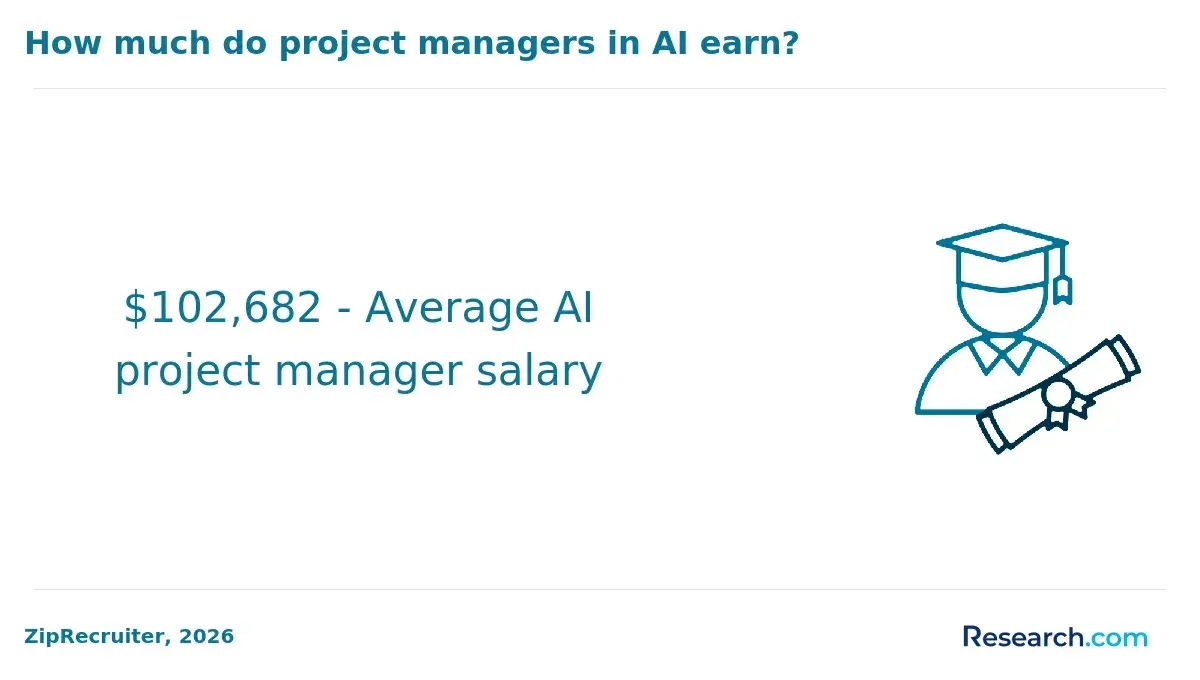
Professionals skilled in generative AI for sales are in high demand, with salaries ranging from $90,000 to $150,000 annually depending on experience and industry. Roles such as AI Sales Strategist or Sales Enablement AI Analyst command premium compensation due to their direct influence on revenue growth by automating client interactions, generating personalized pitches, and analyzing strategic data.
According to Accenture's 2024 report, AI-Powered Sales Performance, companies that implement systematic AI training see 12-15% revenue increases per sales representative within 12 months. This highlights the measurable benefits of investing in generative AI education for sales teams, who leverage automation, customer insights, and predictive analytics to outperform peers.
The demand for AI-savvy sales professionals spans technology, finance, and retail sectors. Key skills include natural language processing, machine learning models for lead scoring, and AI-driven content generation. Quick adaptation to generative AI tools provides better job stability and career growth opportunities.
Job seekers and recent graduates should prioritize certifications and hands-on experience with AI platforms designed for CRM and sales automation. Demonstrating measurable sales improvements through AI-driven initiatives significantly enhances employability and salary negotiation power.
Other Things You Should Know About Artificial Intelligence
Sales teams may encounter challenges such as integrating generative AI tools with existing customer relationship management (CRM) systems and workflows. There can also be a learning curve for staff unfamiliar with AI capabilities and limitations. Additionally, managing biases in AI-generated recommendations to maintain ethical sales practices is a key concern that teams need to address through proper training.
Yes, generative AI can enhance customer personalization by analyzing buyer behaviors, preferences, and past interactions to create tailored sales content and outreach strategies. It enables dynamic generation of messages and offers that resonate with individual customers. This improves engagement and conversion rates when thoughtfully applied within sales enablement practices.
Ethical considerations include ensuring transparency about AI use, avoiding deceptive practices, and preventing discriminatory outcomes based on biased data. Sales teams must establish clear guidelines for AI-generated content and decisions to maintain fairness and customer respect. Responsible AI use also involves continuous monitoring and updating models to align with ethical standards.
References
- AI & revenue enablement: The future of sales success in 2025 https://www.salesenablementcollective.com/ai-revenue-enablement/
- Best AI courses for sales professionals in 2026 https://www.upskillist.com/blog/best-ai-courses-for-sales-professionals/
- AI in Sales Enablement: Tools, Strategy & ROI Guide https://sales-mind.ai/en/blog/post/ai-in-sales-enablement
- AI Sales Enablement Platforms: The 2026 Guide https://www.mindtickle.com/blog/the-complete-guide-to-ai-in-sales-enablement-and-how-it-can-help-your-team-close-more-deals/
- Instructor Bios https://trainify.ca/course-business
- Artificial Intelligence in Sales and Marketing https://www.oxfordhomestudy.com/courses/ai-courses-online/artificial-intelligence-in-sales-and-marketing
- AI in sales enablement: Bridging the intent-execution gap https://www.highspot.com/go-to-market-guide/enablement-leaders/ai-in-sales-enablement/
- 6 Top Sales Enablement Platforms with AI-Powered Features https://saleshood.com/blog/top-sales-enablement-with-ai/
- New Research: Over Half of Workers Say Generative AI Will Help Advance Their Career, but Most Lack the Skills https://www.salesforce.com/news/stories/generative-ai-skills-research/
- Start your sales enablement certification journey - Sales Enablement Collective https://learning.salesenablementcollective.com/certification-journey