2027 Best AI Governance Courses for Social Media Managers

Co-Founder and Chief Data Scientist
Social media managers increasingly face challenges managing the ethical use and oversight of artificial intelligence tools that automate content moderation and audience engagement. Missteps in AI governance can lead to reputational damage, legal issues, or biased decision-making that alienates users. Navigating these complexities requires a thorough understanding of policy frameworks, accountability standards, and emerging best practices.
This article explores the best AI governance courses designed to equip social media managers with the knowledge and skills needed to implement responsible AI strategies. It aims to help professionals pivot confidently into this critical area of digital management.
Key Things You Should Know
- AI governance courses for social media managers in 2026 emphasize ethical AI use, data privacy compliance, and bias mitigation to enhance platform trustworthiness and user safety.
- Recent studies show 68% of companies incorporating AI governance training report improved decision-making and reduced risk of AI-driven misinformation.
- Top programs integrate practical case studies on AI content moderation, regulatory frameworks like GDPR, and transparency standards to prepare managers for evolving digital challenges.
Advance Your Career with AI Online Courses
Artificial Intelligence: Implications for Business Strategy
This program provides an introduction to Artificial Intelligence and their implications for business strategy. Earn an official digital certificate.

Oxford Artificial Intelligence Programme
Explore this Oxford Artificial Intelligence programme offered in a flexible learning environment and explore topics like machine learning, automation, and robotics.

Implementing Agentic AI: Building Your Organizational Playbook
This online MIT Agentic AI course offers a practical approach to deploying AI agents in your organization, including a custom playbook. 3 weeks, exclusive launch price.

AI Adoption: Driving Business Value and Impact
This online MIT AI Adoption: Driving Business Value and Impact offers practical frameworks to close the gap between AI potential and business reality.

Artificial Intelligence in Pharma and Biotech
Discover the applications and limitations of artificial intelligence in pharma and biotech with this MIT online short course.

What is AI governance and why does it matter for social media managers?
AI governance involves frameworks and policies to ensure artificial intelligence is used responsibly, ethically, and transparently. For social media managers, applying ai governance principles is essential as platforms rely heavily on AI for content moderation, personalized advertising, and audience engagement. Without proper oversight, AI can inadvertently spread misinformation, amplify bias, or erode user trust.
The importance of AI ethics in social media management lies in balancing automation benefits with accountability. Social media managers must ensure AI-driven actions comply with legal standards and protect user privacy. Transparent AI moderation practices can reduce unfair censorship and support diverse communities, while ethical AI in ads prevents discriminatory targeting that risks regulatory penalties and brand damage.
Despite 97% of organizations recognizing generative AI as transformative, only 14% are fully prepared to manage AI responsibly, according to Cisco's AI Readiness Index. This highlights the urgent need for gaining skills in AI governance and ethics. Key responsibilities include:
- Establishing clear guidelines on AI content and moderation.
- Monitoring AI decisions for bias and errors.
- Working with legal teams to ensure compliance.
- Training teams on ethical AI use.
Prospective professionals interested in this evolving field can explore the data science rankings to find educational programs that prepare them for these challenges.
Advance Your Career with AI Online Courses
Artificial Intelligence: Implications for Business Strategy
This program provides an introduction to Artificial Intelligence and their implications for business strategy. Earn an official digital certificate.
Oxford Artificial Intelligence Programme
Explore this Oxford Artificial Intelligence programme offered in a flexible learning environment and explore topics like machine learning, automation, and robotics.
Implementing Agentic AI: Building Your Organizational Playbook
This online MIT Agentic AI course offers a practical approach to deploying AI agents in your organization, including a custom playbook. 3 weeks, exclusive launch price.
What types of AI governance courses are most useful for social media managers?
AI governance certification programs for social media professionals emphasize practical frameworks for responsible AI use in marketing and content moderation. Essential topics include compliance-focused training on data privacy laws such as GDPR and CCPA, which guide managers through ethical data collection and obtaining user consent. Courses also tackle algorithmic bias and fairness, helping social media managers recognize and reduce AI-driven discrimination in ad targeting and content recommendations.
Practical AI governance training for social media managers covers risk assessment techniques to evaluate privacy and reputational risks from AI-powered tools. Such training aids in anticipating and preventing negative outcomes linked to AI automation. Ethical decision-making modules focus on transparent communication strategies, strengthening audience trust when implementing chatbots or automated content generation.
Technical literacy courses enhance understanding of AI model interpretability, enabling managers to oversee AI-driven campaigns responsibly. Governance frameworks addressing accountability and audit trails support documenting AI tool usage and ensuring regulatory compliance.
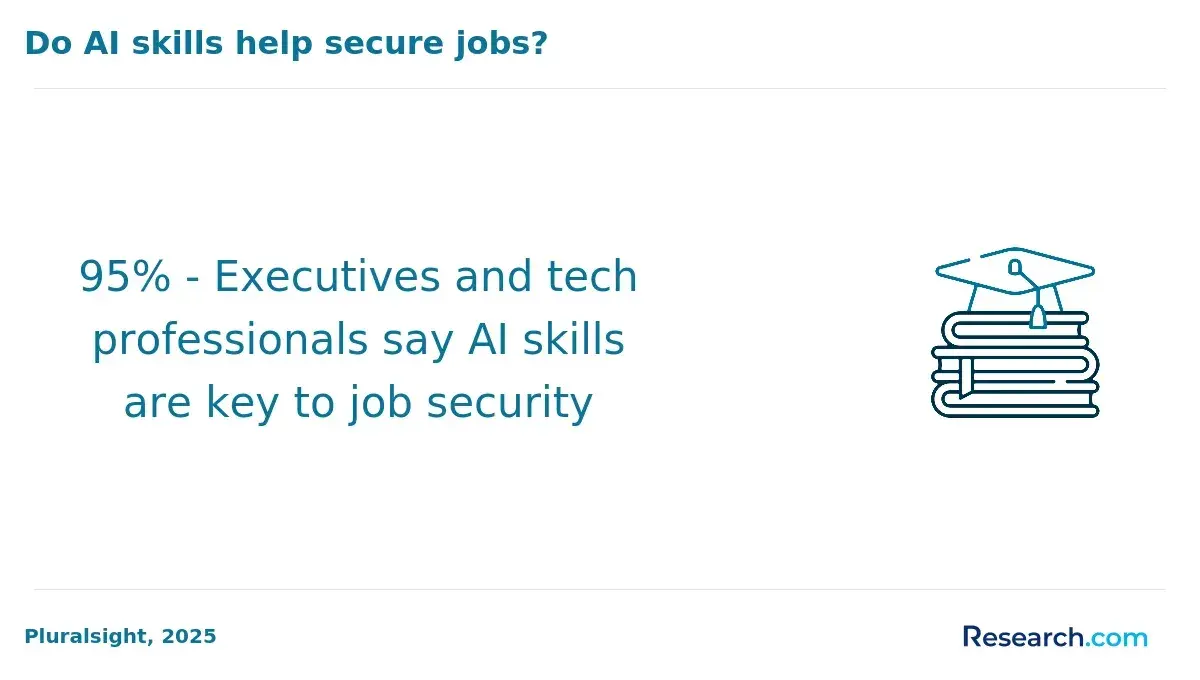
Roles requiring skills in AI governance, risk, or responsible AI in marketing have grown significantly, according to LinkedIn's 2024 Jobs on the Rise report. This growth highlights the importance for social media professionals to develop expertise in these areas. Prospective students interested in advancing their knowledge may find valuable resources through degrees in AI online, providing comprehensive education in these critical fields.
How can social media managers choose the best AI governance course for their goals?
Social media managers looking for the best AI governance course should focus on programs that address the fast-evolving regulatory environment and offer practical skills for compliance. Accenture's "State of Responsible AI" report highlights that 77% of executives expect upcoming AI regulations like the EU AI Act to significantly impact AI use in marketing within two years. This trend underscores the importance of courses emphasizing ethical AI deployment tailored to social media contexts.
When searching for top AI governance training programs for social media professionals, consider these key factors:
- Coverage of existing and emerging AI laws affecting social media advertising and content moderation.
- Modules on bias mitigation, transparency, and data privacy risk management in AI-driven campaigns.
- Case studies exploring AI governance challenges on platforms such as Facebook, Instagram, and TikTok.
- Hands-on experience with AI auditing tools and governance frameworks relevant to digital advertising and moderation.
- Accreditation or industry recognition to ensure credibility and relevance.
Courses featuring scenario-based learning help managers apply governance principles in real-world decision-making, such as balancing personalized content with privacy obligations. Staying updated on regulatory changes is critical, so programs that refresh content regularly are preferred. Social media professionals in leadership should seek advanced modules on AI risk management and cross-functional compliance coordination aligned with their roles.
Choosing a course aligned with specific job duties and regional regulation prepares managers effectively for future challenges in AI governance. For those exploring broader educational options in data analytics and AI, exploring online masters in data science programs can provide complementary expertise.
What topics and skills are covered in AI governance courses for social media work?
AI governance courses for social media managers equip professionals with essential skills to navigate data privacy laws like GDPR and CCPA, ensuring compliance and mitigating legal risks. These programs focus on building AI governance frameworks for social media managers that promote ethical decision-making skills in AI for social media, especially regarding transparency, bias detection, and accountability in automated systems.
Managers learn to audit and monitor AI algorithms that curate or moderate content, safeguarding against discriminatory outcomes that could damage brand reputation or violate platform standards. Risk management, particularly data security, is a critical component. Studies such as IBM's Cost of a Data Breach report reveal that AI-driven breaches can cost an average of $5.36 million, highlighting the importance of strong governance in AI systems handling social data.
Training typically includes scenario-based exercises addressing ethical dilemmas like misinformation, deepfakes, and user consent, preparing managers to respond effectively. Policy development tailored to brand safety, misinformation reduction, and user engagement feedback is also covered.
To advance in this field, prospective students often explore advanced degrees, with options such as pursuing an online data science PhD enhancing expertise in AI governance and data analysis.
Are there accredited or university-backed AI governance programs relevant to social media?
University-backed programs specializing in AI governance for social media managers are becoming more accessible. These courses focus on ethical AI use, compliance, and risk management within digital marketing and communications. They address critical challenges such as algorithmic bias, misinformation, and privacy regulations impacting social platforms.
The Corporate Governance Institute's 2024 report highlights the career advantages of completing AI governance certifications. Professionals who earned such credentials saw an average 21% salary increase or promotion within a year. The highest demand for these skills is in marketing, communications, and digital roles, confirming AI governance expertise as essential for social media professionals.
Notable university-supported programs include:
- Georgetown University's Certificate in AI Ethics and Governance covering policy frameworks related to social media algorithms and content moderation.
- Stanford's online AI policy courses focusing on regulatory compliance and bias mitigation tailored for digital content platforms.
- NYU's Digital Marketing and Ethics program that integrates AI governance modules to guide ethical AI deployment in campaigns.
Prospective students are advised to choose accredited programs with practical case studies relevant to social media environments. This hands-on approach enables managing platform algorithms, content recommendations, and user data responsibly.
How do online AI governance courses compare with campus or hybrid options?
Online AI governance courses offer unmatched flexibility and accessibility for social media managers juggling full-time jobs or multiple commitments. Their asynchronous format allows learners to study at their own pace, often resulting in higher completion rates than traditional campus schedules. These courses frequently utilize the latest digital tools and real-time case studies to keep pace with rapidly evolving social media trends, a significant advantage over many campus or hybrid programs.
In contrast, campus and hybrid options excel in facilitating direct interaction, networking, and immersive learning. Face-to-face discussions with instructors and peers deepen understanding of ethical challenges and governance issues. Hands-on workshops and live simulations enhance practical skills in moderating AI-generated content. However, these benefits can come with geographic and scheduling limitations that restrict accessibility for some professionals.
Both formats address key principles like transparency, accountability, and bias mitigation in AI systems. Online courses often update content faster, reflecting emerging regulations and platform-specific algorithms essential for governing AI in social media. Interactive forums, live Q&A sessions, and mentorship programs help online learners overcome the lack of immediate in-person guidance, while campus formats appeal to those seeking immersive, job-market-focused experiences.
What are the typical admission requirements and time commitment for these courses?
AI governance courses designed for social media managers typically require a foundational knowledge of digital marketing, social media platforms, or content strategy. Applicants often need a bachelor's degree or equivalent experience in marketing, communications, or related fields. Some advanced programs expect prior familiarity with AI concepts or data analytics, while introductory courses remain accessible to professionals aiming to upskill. Certifications in social media management or digital marketing strengthen applications, especially for more competitive programs. Submission of a statement of intent outlining interest in ethical AI use and governance in social channels is commonly requested.
Time commitments vary by course format: short-term certificate programs usually require 10 to 20 hours weekly over 6 to 12 weeks, allowing professionals to balance work and study. More extensive courses may involve 100+ total hours across several months, including video lectures, readings, and practical assessments. Many offer asynchronous learning for flexibility, with optional live workshops or discussion sessions adding 2-4 hours weekly.
Given that 61% of CMOs in KPMG's Global Responsible AI survey express strong concerns about reputational risks from poorly governed AI-generated social content but only 35% have formal governance policies, rigorous course engagement is crucial. Learners should prepare to invest time in both theoretical understanding and practical frameworks to reduce brand risk through effective AI oversight in social media environments.
How much do AI governance courses for social media managers cost, and are there funding options?
AI governance courses tailored for social media managers usually range from $200 to over $2,000. Introductory online courses with basic content tend to cost between $200 and $500, while more advanced programs and professional certifications often exceed $1,500, reflecting in-depth curricula and practical case studies. University-affiliated or multi-module courses can charge upwards of $2,000 due to their comprehensive scope.
Multiple funding options help reduce these barriers, including employer sponsorships often available for marketing and social media professionals. Some organizations allocate professional development budgets for such courses. Additionally, scholarships and need-based financial aid target underrepresented groups in tech and marketing. Workforce innovation grants, particularly in certain U.S. states, can provide government-funded training support.
Deloitte's 2024 Global Marketing Trends report found that only 29% of marketing teams have formal training on responsible AI use, while more than 70% already experiment with AI in social media campaigns. This gap highlights the urgent need for affordable, quality AI governance education specific to social media.
Modular, self-paced courses can lower costs and time commitments. Some platforms also offer payment plans to spread tuition fees. Prospective students should review course syllabi carefully to ensure the governance content addresses social media challenges, maximizing the value of their investment.
What career paths, roles, and promotions can AI governance training unlock in social media?
AI governance training prepares social media managers for specialized roles overseeing ethical, legal, and operational aspects of AI tools in digital marketing. These professionals can advance to positions like AI compliance officer, responsible AI strategist, or digital ethics manager, where they monitor AI-driven content creation, audience engagement, and data privacy compliance.
Career paths focus on mitigating risks, ensuring transparency, and aligning with regulatory requirements. Challenges such as algorithmic bias, misinformation, and user data protection are central to these roles. Social media managers skilled in AI governance often move into consultant or analyst roles, guiding marketing and product teams on safe AI integration and compliance with evolving standards.
Promotion opportunities include leading cross-functional AI governance committees or innovation teams within marketing departments, emphasizing AI social impact. Experienced professionals may also oversee AI audit functions or develop company-wide policies for responsible AI use in content moderation and customer interactions.
Investments in AI governance are growing rapidly. According to PwC's Responsible AI report, enterprises plan to increase spending on AI governance, risk, and compliance tools by 32% in the next two years, especially in marketing and product areas.
Training enhances understanding of complex regulations, prepares for certifications in AI ethics, and builds expertise in governance frameworks, distinguishing candidates in a competitive field focused on accountability and fairness in AI applications.
Are there industry-recognized AI governance certificates or credentials valuable in social media?
Industry-recognized AI governance certificates offer social media managers a crucial way to validate their expertise in ethical frameworks, risk management, and compliance within AI-driven marketing. Credentials like the Certified AI Governance Professional (CAIGP) or certifications from the AI Ethics Institute emphasize transparency, accountability, and bias mitigation-skills integral to effective social media strategies.
Employers increasingly favor candidates with proven governance knowledge, as mature AI governance correlates with higher business performance. McKinsey's global AI survey highlights that companies with established AI governance are 1.6 times more likely to achieve over 10% revenue growth from AI-powered marketing and personalization compared to those with minimal governance.
Social media managers should consider key factors when choosing AI governance credentials:
- Practical applications such as managing algorithmic bias and content moderation.
- Recognition by respected industry leaders or educational partners.
- Curricula including data privacy, legal compliance, and ethical AI use.
- Case studies demonstrating governance impact on audience trust and campaign success.
These certifications can bridge the gap between technical AI understanding and strategic governance, making social media managers indispensable in navigating today's complex technological landscape.
Other Things You Should Know About Artificial Intelligence
In 2027, AI governance courses for social media managers emphasize frameworks for ethical decision-making. These courses guide managers on aligning AI-driven content strategies with ethical standards, ensuring transparency, fairness, and accountability in automated posts and interactions, and maintaining trust with the audience.
Yes, AI governance training equips social media managers with the knowledge to oversee automated tools responsibly. It enhances understanding of algorithmic decision-making, risk management, and compliance with policies. This ensures automated systems function transparently and ethically.
AI governance defines standards and protocols for handling user data within AI systems to comply with privacy laws like GDPR or CCPA. For social media managers, it means implementing controls that protect sensitive information while utilizing AI tools. Proper governance minimizes risks related to data breaches and misuse.
References
- An AI governance certification will boost your career | The Corporate Governance Institute https://www.thecorporategovernanceinstitute.com/insights/guides/an-ai-governance-certification-will-boost-your-career/
- AI Governance Professional Certification | CertiProf https://certiprof.com/products/ai-governance-certification-iso-42001
- AI Governance: Best Practices and Importance https://www.informatica.com/resources/articles/ai-governance-explained.html
- How Data Governance Impacts Digital Careers https://nowskills.co.uk/data-governance-impact-digital-careers/
- AI Global Governance Summer School (3rd Edition) Brussels 26-30 May 2026 https://www.globalgovernance.eu/ggi-education/aigg
- Free AI training for all, as government and industry programme expands to provide 10 million workers with key AI skills by 2030 https://www.gov.uk/government/news/free-ai-training-for-all-as-government-and-industry-programme-expands-to-provide-10-million-workers-with-key-ai-skills-by-2030
- AI Governance for Directors Webinar Series - AICD https://www.aicd.com.au/courses-and-programs/all-webinars/ai-governance-for-directors.html
- AI Governance: A Strategic Guide (2025) https://www.oneadvanced.com/resources/a-guide-to-mastering-ai-governance-for-business-success/
- AI Skills, Training and Governance: A Guide for L&D Professionals https://trainingindustry.com/articles/artificial-intelligence/ai-skills-training-and-governance-a-guide-for-ld-professionals/
- AI Governance Training Course https://emtrain.com/products/courses/ai-governance/