2027 Best GetSmarter AI Courses for Non-Technical Professionals

Co-Founder and Chief Data Scientist
Many professionals with backgrounds outside STEM struggle to enter the growing artificial intelligence field due to complex technical prerequisites and a lack of tailored education. This challenge limits career mobility despite high demand for AI skills across industries. Finding flexible, accredited programs that cater to non-technical learners is essential for making a successful transition.
This article highlights the best GetSmarter AI courses designed specifically for such professionals. It explains how these programs provide accessible learning paths, enabling graduates to build relevant competencies and confidently pivot into AI-driven roles without the burden of a prior technical degree.
Key Things You Should Know
- GetSmarter's AI courses in 2026 target non-technical professionals, focusing on practical applications, with 72% of learners reporting improved job performance within six months post-completion.
- Curricula emphasize ethical considerations and AI's impact on business strategy, reflecting 2025 industry demands for responsible AI deployment in diverse sectors.
- Flexible online formats and expert-led modules facilitate skill acquisition, addressing the 40% annual growth in AI-related roles requiring foundational AI knowledge without coding expertise.
Advance Your Career with AI Online Courses
Artificial Intelligence: Implications for Business Strategy
This program provides an introduction to Artificial Intelligence and their implications for business strategy. Earn an official digital certificate.

Oxford Artificial Intelligence Programme
Explore this Oxford Artificial Intelligence programme offered in a flexible learning environment and explore topics like machine learning, automation, and robotics.

Implementing Agentic AI: Building Your Organizational Playbook
This online MIT Agentic AI course offers a practical approach to deploying AI agents in your organization, including a custom playbook. 3 weeks, exclusive launch price.

AI Adoption: Driving Business Value and Impact
This online MIT AI Adoption: Driving Business Value and Impact offers practical frameworks to close the gap between AI potential and business reality.

Artificial Intelligence in Pharma and Biotech
Discover the applications and limitations of artificial intelligence in pharma and biotech with this MIT online short course.

What makes GetSmarter AI courses a good option for non-technical professionals?
GetSmarter AI courses designed for non-technical professionals in South Africa provide practical, accessible education focused on applied AI concepts without demanding advanced coding skills. This approach is vital as 75% of knowledge workers worldwide already use generative AI at work, yet only 39% have formal AI training, according to the 2024 Microsoft Work Trend Index. These programs help fill this gap by equipping professionals to confidently apply AI tools in their roles.
The courses emphasize real-world applications such as automating routine tasks, improving decision-making, and enhancing data interpretation. For instance, marketing professionals learn to leverage AI-driven analytics for customer trend insights, while HR teams explore AI's impact on talent acquisition and workforce planning. This targeted focus reduces technical jargon, making the learning experience more relevant and digestible.
Benefits of AI training programs for non-technical careers in South Africa include flexible online delivery, modular content adaptable to busy schedules, and collaboration with leading universities to ensure up-to-date curriculum. Interactive case studies and scenario exercises deepen understanding, preparing learners for immediate workplace application.
Courses also address ethical AI use and data privacy challenges, helping students become proactive users of evolving technologies. For those interested in broader options, an artificial intelligence degree offers more comprehensive academic pathways to advance AI knowledge and careers.
Advance Your Career with AI Online Courses
Artificial Intelligence: Implications for Business Strategy
This program provides an introduction to Artificial Intelligence and their implications for business strategy. Earn an official digital certificate.
Oxford Artificial Intelligence Programme
Explore this Oxford Artificial Intelligence programme offered in a flexible learning environment and explore topics like machine learning, automation, and robotics.
Implementing Agentic AI: Building Your Organizational Playbook
This online MIT Agentic AI course offers a practical approach to deploying AI agents in your organization, including a custom playbook. 3 weeks, exclusive launch price.
Which GetSmarter AI courses are best for beginners without a technical background?
GetSmarter AI courses for beginners without a technical background prioritize foundational understanding, practical business applications, and strategic insights rather than coding. The "Artificial Intelligence: Implications for Business Strategy" course is strong for non-technical learners, covering AI principles through real business challenges and explaining how AI enhances decision-making and operational efficiency.
The "Introduction to Artificial Intelligence" course demystifies AI terminology, workflows, and ethics using industry case studies. It's suited for professionals who want to communicate effectively with technical teams or lead AI projects without requiring technical expertise. These elements align well with the best AI courses for non-technical professionals in South Africa and beyond.
"Data Science for Business Leaders" is another course designed for those interested in interpreting AI-generated insights without needing coding skills. It aids business leaders in integrating AI outputs into their strategic decision processes.
GetSmarter's 2024 Impact Report reveals 87% of alumni applied their skills at work within six months, and 76% enhanced their strategic decision-making ability, confirming the effectiveness of these courses for non-technical learners.
For U.S. students exploring AI education options, considering a mechanical engineering program online might also complement AI learning with strong analytical foundations, merging technical and strategic skills effectively.
How do GetSmarter AI certificates compare with traditional college and bootcamp programs?
GetSmarter AI certificates offer a targeted, practical approach designed for non-technical professionals, setting them apart from traditional college degrees and bootcamp programs. Unlike traditional degrees that require years of general education and technical prerequisites, GetSmarter courses focus on applied AI concepts relevant to business strategy and management. This allows working professionals to upskill rapidly without needing extensive coding or math backgrounds, addressing a growing gap in accessible AI education.
Bootcamp programs typically emphasize intensive technical training aimed at software developers or data scientists. In contrast, GetSmarter's programs prioritize strategic AI application and conceptual understanding, ideal for professionals responsible for decision-making and AI integration rather than implementation. For example, courses cover AI fundamentals, ethical considerations, and the impact of AI on business models, which adds immediate value for managers and executives.
According to a 2024 BCG and MIT Sloan Management Review survey, 79% of global executives expect significant AI-driven business transformations within three years, yet only 27% have enterprise-wide AI strategies. This highlights the need for accessible but strategic AI education that GetSmarter certificates address.
Compared to traditional credentials, GetSmarter certificates are often shorter, flexible, and online, enabling professionals to balance learning with careers. These certificates enhance resumes by demonstrating a commitment to AI literacy in leadership roles but do not substitute for degrees or bootcamps requiring deep technical skills. For those exploring advanced research opportunities, an online PhD AI may be a viable path.
Ultimately, GetSmarter AI certification vs traditional college degrees showcases a practical bridge for non-technical professionals navigating AI's business impact effectively.
What topics and skills do GetSmarter AI courses teach non-technical professionals?
GetSmarter AI courses for non-technical professionals focus on essential skills taught in AI courses for non-technical professionals, providing foundational knowledge and practical abilities to engage confidently with AI-driven business environments. Key topics include understanding machine learning, natural language processing, and data analytics without requiring programming expertise. These courses highlight how AI integrates with existing workflows, enabling leaders and managers to identify use cases tailored to their industries.
Participants learn to interpret AI outputs, assess project feasibility, and manage vendor collaborations. Ethical considerations such as bias mitigation and transparency are emphasized to prepare professionals to make responsible decisions. For instance, marketing managers explore AI for customer segmentation and campaign optimization, while HR teams gain insights into AI's role in talent acquisition and retention analytics.
The curriculum also develops skills in strategic AI adoption, emphasizing frameworks that align AI initiatives with organizational objectives. Non-technical professionals become proficient in evaluating AI risks and benefits, assessing AI-readiness in teams, and fostering AI fluency among colleagues. This supports AI for business strategy and leadership development across sectors.
A Deloitte study found that organizations with AI-fluent leadership teams were 2.5 times more likely to see high ROI from AI initiatives compared to those lacking AI literacy. Practical case studies, scenario-based exercises, and governance frameworks equip professionals to lead AI integration effectively, transforming AI capabilities into real business value while managing ethical imperatives.
Those seeking accelerated tech education may consider a cyber security fast track program to complement AI skills and broaden career prospects.
How do online GetSmarter AI courses work, and what is the weekly time commitment?
GetSmarter AI courses designed for non-technical professionals are delivered fully online via an interactive platform. These courses focus on practical business applications of artificial intelligence rather than technical coding skills. Weekly modules include video lectures, reading materials, case studies, and assignments that emphasize how AI can support strategic decision-making and data utilization without requiring prior programming experience.
Time commitments generally range from 8 to 10 hours per week, covering watching lectures, completing quizzes, participating in discussion forums, and hands-on projects simulating real workplace scenarios. Flexible scheduling options sometimes allow learners to balance coursework with professional and personal responsibilities while meeting deadlines.
Highlights include group discussions and peer feedback to encourage collaboration, reflecting how AI projects operate in cross-disciplinary teams.
The value of mastering AI skills is underscored by insights from the BCG 2024 Data & AI Leadership Survey, which found "data-leading" companies achieve 4.3 times higher revenue growth and 2.9 times greater cost savings than "data-lagging" firms. Non-technical professionals completing these courses can bridge the gap between AI technology and business strategy, making a direct impact on organizational value.
What are the tuition costs, payment options, and employer funding possibilities for these AI courses?
Tuition for GetSmarter AI courses designed for non-technical professionals generally falls between $2,000 and $5,000 per program, depending on course length and credential level. Shorter certificate programs typically cost less, while advanced professional diplomas command higher fees. Tuition usually covers comprehensive learning resources, interactive modules, and faculty support.
Flexible payment options help accommodate working professionals, including interest-free installment plans spread over several months. Many platforms accept credit card payments, and some offer international wire transfers. Early registration discounts and scholarships may be available but vary by institution and program. Checking specific course pages is recommended for accurate payment details.
Employer funding can significantly offset tuition costs. Many organizations recognize the importance of AI skill development as the AI in healthcare market is expected to surge from $22.5 billion to $208.2 billion by 2030 (MarketsandMarkets, "AI in Healthcare Market - Global Forecast to 2030," 2024). Companies may provide full or partial tuition reimbursement through professional development budgets or partnerships with providers. Employees should inquire with HR about tuition assistance or corporate training funds. Some employers collaborate directly with GetSmarter to offer group enrollments, potentially lowering costs further.
What backgrounds, experience levels, or prerequisites do you need for GetSmarter AI programs?
GetSmarter AI programs cater to professionals from diverse backgrounds, especially those without technical expertise. These courses are ideal for business managers, marketing specialists, HR professionals, project managers, and others looking to apply AI in their daily roles without the need for coding skills.
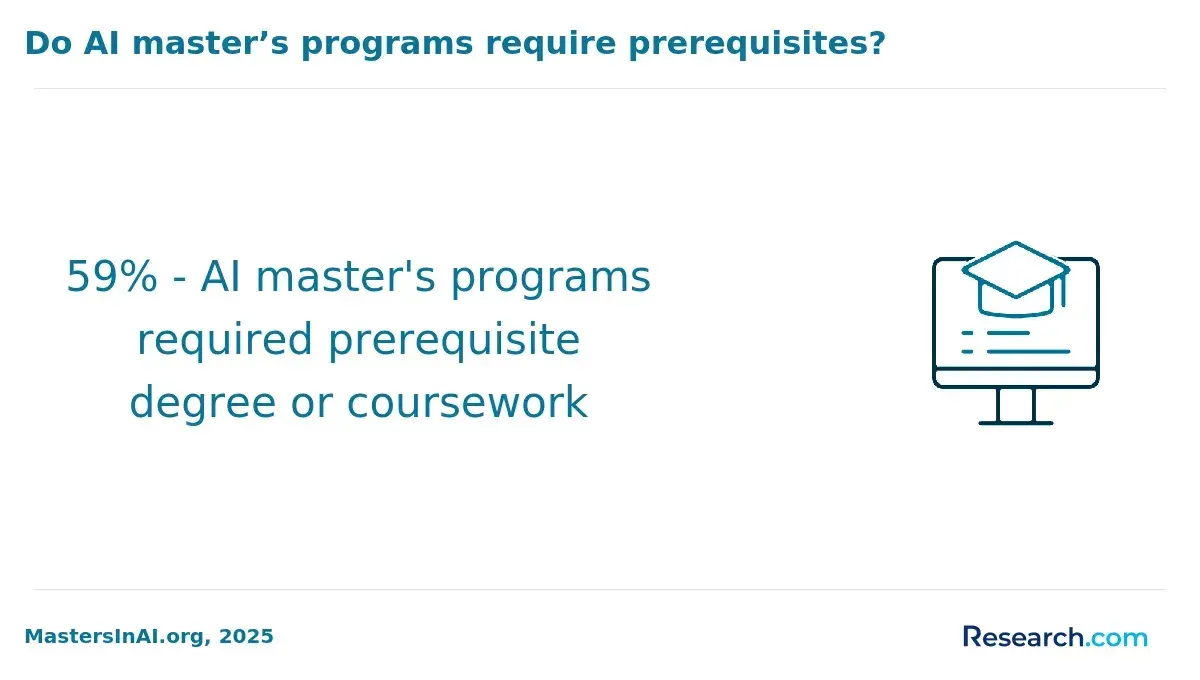
Although no advanced technical knowledge is required, a basic understanding of digital tools or data analytics can enhance the learning experience. Many courses begin with foundational modules that introduce AI fundamentals, making them accessible even to learners without STEM backgrounds.
Professionals involved in strategic decision-making or innovation management find these programs particularly useful. Knowing AI's capabilities enables informed business choices. According to a report by the IBM Institute for Business Value, 42% of surveyed CEOs have integrated generative AI into strategies, with 59% expecting AI to deliver the highest ROI among emerging technologies soon.
The focus is on practical AI literacy rather than coding proficiency. Learners analyze case studies and explore AI-driven business scenarios, including ethical considerations. Real-world examples, such as AI's impact on customer experience and supply chain optimization, enrich the learning process and relate to various industries.
What career paths and job roles can non-technical learners pursue after a GetSmarter AI course?
GetSmarter AI courses for non-technical learners open pathways to careers that combine business, management, and technology without requiring coding expertise. These programs teach essential AI concepts needed to navigate roles where understanding AI applications is vital but programming skills are not.
Key positions include AI product managers, who lead AI product development and strategy. Job postings for AI product managers have grown rapidly, with LinkedIn's Global AI Jobs & Skills Report highlighting a 46% annual increase worldwide. These professionals translate AI capabilities into market-ready solutions and coordinate cross-functional teams.
Other roles suitable for graduates include AI business analysts interpreting data trends, AI consultants advising on AI integration, and marketing specialists leveraging machine learning for campaign optimization. Operations managers use AI automation to improve efficiency, while specialists in AI ethics ensure responsible adoption and policy alignment.
- AI product manager
- AI business analyst
- AI consultant
- Marketing specialist using AI tools
- Operations manager focusing on AI automation
- AI ethics and policy advisor
These courses enable professionals to bridge communication gaps between technical teams and decision-makers, driving AI projects forward without deep programming knowledge. This skill set positions learners for rapid advancement in the evolving AI job market.
How do salaries and job outlook compare for non-technical AI and AI-adjacent roles?
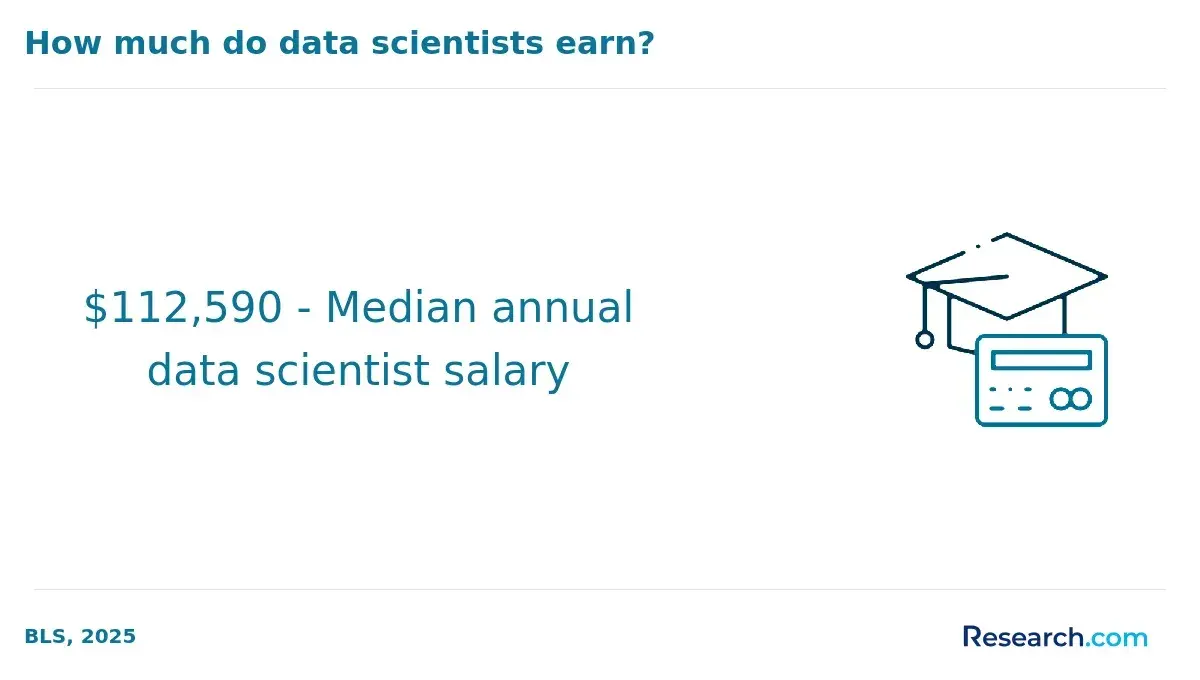
Salaries for non-technical artificial intelligence and AI-adjacent roles consistently surpass those in other digital fields, reflecting growing demand across industries. According to Coursera's 2024 Skills of the Future report, professionals completing AI and machine learning courses see an average 13% salary increase within a year, compared to 5% for learners of non-AI digital skills. This notable gap demonstrates how gaining AI literacy-even without programming expertise-can significantly boost earning potential.
Job prospects remain strong for roles like AI project managers, product specialists, and AI ethics consultants, especially in healthcare, finance, and marketing. These positions require knowledge of AI concepts and applications but do not involve complex coding, effectively connecting technical teams with business stakeholders.
AI-adjacent roles include AI strategy advisors, data visualization experts, and customer experience managers who use AI tools. Success in these jobs relies on analytical skills, domain expertise, communication, and applying AI insights rather than engineering ability.
Key skills for candidates include AI management, fundamentals of machine learning, and AI-driven decision-making. Employers seek professionals who translate AI capabilities into actionable business strategies, offering higher salaries and job security.
- Non-technical AI competencies enhance career growth and salary potential.
- AI-focused courses accelerate entry into expanding roles.
- Versatile learners combining domain knowledge with AI literacy are in demand.
How can you evaluate whether a specific GetSmarter AI course is credible and aligned with your goals?
Evaluate a GetSmarter AI course by focusing on how well it aligns with your professional goals and its credibility. Verify whether the course provider partners with accredited universities or recognized institutions, as collaboration with top universities ensures academic rigor and high-quality content. Review course syllabi for practical, industry-specific modules in areas such as marketing, HR, or operations, which help you acquire AI skills tailored to your field.
Examine instructor qualifications to confirm their expertise in AI applications for non-technical roles. Instructors with published research or relevant industry experience offer valuable insights beyond generic course leaders. The course should emphasize foundational AI concepts with an application-focused approach, supporting the 70% of high-performing organizations requiring basic AI training for non-technical staff, according to a 2024 McKinsey survey.
Consider the course format and support, including interactive elements like live sessions, case studies, and peer discussions that enhance learning and skill development. Check for career services or guidance on applying AI knowledge in your current or future roles.
Look for courses that offer recognized digital credentials or university-endorsed certificates, as these add value to your professional portfolio. Alumni reviews and testimonials from professionals in similar roles can reveal whether the course delivers actionable skills and real-world benefits.
Other Things You Should Know About Artificial Intelligence
In 2027, GetSmarter offers AI courses tailored for non-technical professionals to enhance their understanding of AI applications. These courses empower learners to apply AI solutions in their fields, improve decision-making processes, and foster innovation, without needing advanced technical skills.
Artificial intelligence can automate routine and repetitive tasks, which may impact certain job roles, especially those involving manual or data-entry work. However, AI also creates new opportunities by augmenting human capabilities and enabling jobs that require skills in managing AI systems, data interpretation, and strategic decision-making. For non-technical professionals, learning AI concepts can open doors to emerging roles rather than simply replace existing jobs.
AI is embedded in many common applications, from voice assistants like Siri and Alexa to personalized recommendations on streaming services and online shopping platforms. It also powers features such as spam filters, fraud detection, and navigation apps. This everyday use of AI demonstrates its growing role in simplifying tasks and enhancing user experience across industries.
AI raises ethical issues including bias in algorithms, privacy violations, and accountability for automated decisions. Since AI systems often rely on data that may reflect human prejudices, they can unintentionally perpetuate discrimination. Addressing these concerns is critical, especially as AI tools become more integrated into sectors like healthcare, finance, and law enforcement.
References
- The Difference Between an AI Bootcamp, a Certificate, and a Degree https://www.nexford.edu/insights/the-difference-between-an-ai-bootcamp-a-certificate-and-a-degree
- Top Artificial Intelligence Courses Online https://www.getsmarter.com/subject-matter/artificial-intelligence
- Best AI Courses for Non-Tech Students in 2026 https://www.masaischool.com/blog/best-ai-courses-for-non-tech-students-in-2026/
- AI Certification vs. Traditional Degree: What Actually Gets You Hired in 2026? https://www.nplus.global/blogs/ai-certification-vs-traditional-degree/
- IT & Cybersecurity Training Tuition & Funding | ACI Learning Tech Academy https://www.acitechacademy.com/it-training-funding-options/
- Ultimate Guide: How to Choose the Right AI Training Course to Boost Your Career - ONLC https://www.onlc.com/blog/how-to-choose-ai-training-courses/
- Generative AI for Payments in Financial Services - Online Course - CFTE https://courses.cfte.education/generative-ai-for-payments-in-financial-services-online-course/
- Best AI Courses & Certificates Online 2025 https://everworker.ai/blog/best-ai-courses-certificates-online-2025
- AI training for non-technical professionals — what works https://buildrlabs.ai/ai-training-for-non-technical-professionals/
- AI vs Gen Z: How AI has changed the career pathway for junior developers https://stackoverflow.blog/2025/12/26/ai-vs-gen-z/