2027 Best AI Courses for Instructional Designers

Co-Founder and Chief Data Scientist
Instructional designers often struggle to integrate new technologies into curricula that meet evolving workforce demands, especially in artificial intelligence. Without targeted training, they risk creating outdated or irrelevant content that fails to prepare learners for AI-driven environments.
This knowledge gap can hinder career growth and reduce the effectiveness of educational programs. Identifying credible, flexible courses that align with professional goals is essential for staying competitive. This article explores the best available AI courses tailored for instructional designers, highlighting options that provide practical skills and accredited certification to support a seamless transition into the AI industry.
Key Things You Should Know
- AI courses for instructional designers in 2026 emphasize practical skills in adaptive learning technologies, reflecting a 45% industry growth in personalized education tools since 2024.
- Top programs integrate AI ethics and data privacy, crucial for meeting evolving U.S. regulations and institutional responsibilities in educational content management.
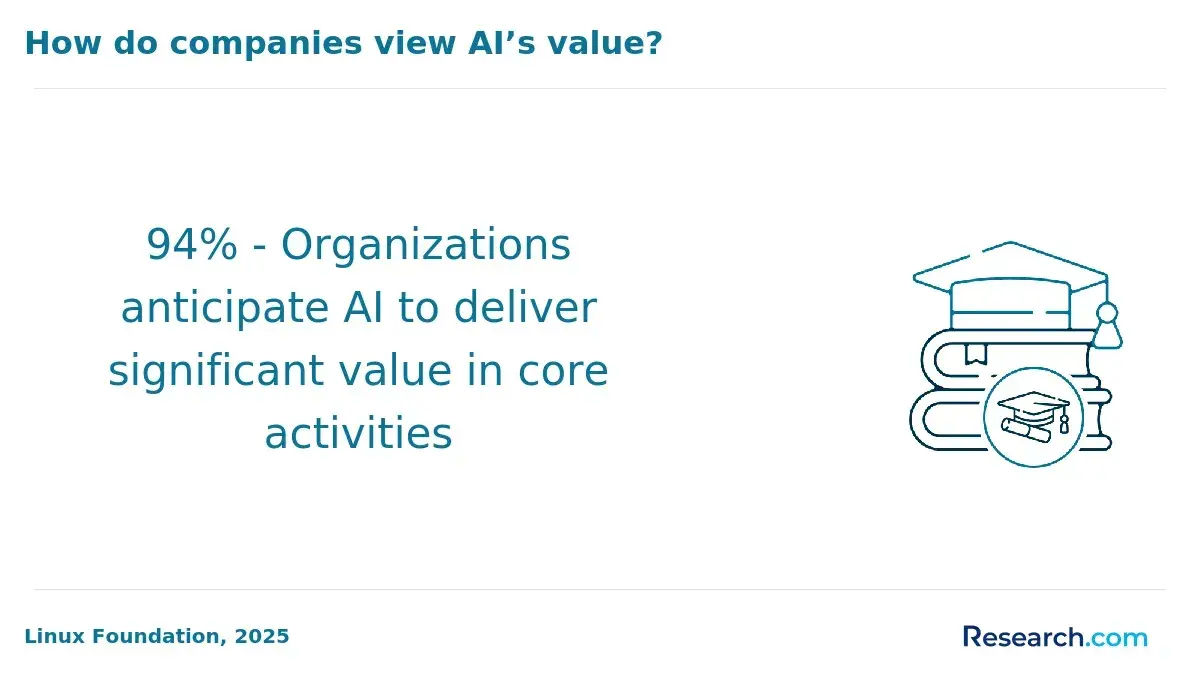
- Demand for AI literacy among instructional designers is rising, with 60% of U.S. employers seeking AI-fluent candidates to enhance digital learning strategies and user engagement.
Advance Your Career with AI Online Courses
Artificial Intelligence: Implications for Business Strategy
This program provides an introduction to Artificial Intelligence and their implications for business strategy. Earn an official digital certificate.

Oxford Artificial Intelligence Programme
Explore this Oxford Artificial Intelligence programme offered in a flexible learning environment and explore topics like machine learning, automation, and robotics.

Implementing Agentic AI: Building Your Organizational Playbook
This online MIT Agentic AI course offers a practical approach to deploying AI agents in your organization, including a custom playbook. 3 weeks, exclusive launch price.

AI Adoption: Driving Business Value and Impact
This online MIT AI Adoption: Driving Business Value and Impact offers practical frameworks to close the gap between AI potential and business reality.

Artificial Intelligence in Pharma and Biotech
Discover the applications and limitations of artificial intelligence in pharma and biotech with this MIT online short course.

What is an AI course for instructional designers and who should consider taking one?
An AI course for instructional designers equips professionals with skills to integrate artificial intelligence tools into educational content design and delivery. These courses cover AI-driven personalization, adaptive learning, automated content creation, data analytics for learner performance, and ethical AI use in education.
Instructional designers learn to leverage AI to boost learner engagement, speed up content development, and improve outcomes through informed decisions.
Many professionals find benefits of AI training for instructional designers essential, including instructional designers seeking to update skills, L&D specialists aiming to scale training, and educators integrating AI in digital environments. These courses support both newcomers and seasoned experts wanting to stay competitive in evolving roles.
AI skills are vital as four out of the top ten skills for L&D professionals to develop involve AI. Moreover, 64% of learning leaders expect AI to transform how L&D teams operate, highlighting the need for instructional designers to understand AI applications effectively.
Practical applications taught include natural language processing for automatic quiz generation, machine learning to predict learner challenges, and chatbots for tutoring. Challenges such as data privacy, AI analytics interpretation, and tool selection are also addressed to ensure ethical implementation.
Those interested in expanding their expertise might explore the best online computer science degree options to deepen their technical foundation.
Advance Your Career with AI Online Courses
Artificial Intelligence: Implications for Business Strategy
This program provides an introduction to Artificial Intelligence and their implications for business strategy. Earn an official digital certificate.
Oxford Artificial Intelligence Programme
Explore this Oxford Artificial Intelligence programme offered in a flexible learning environment and explore topics like machine learning, automation, and robotics.
Implementing Agentic AI: Building Your Organizational Playbook
This online MIT Agentic AI course offers a practical approach to deploying AI agents in your organization, including a custom playbook. 3 weeks, exclusive launch price.
Which types of AI credentials best fit instructional designers: certificates, bootcamps, or degrees?
Certificates offer targeted, practical value for instructional designers seeking AI credentials. These programs focus on relevant AI tools and methods, often completed within weeks or months. They emphasize immediate application, such as automating content curation, integrating adaptive learning systems, or designing AI-powered assessments. Certificates in AI-driven learning analytics teach measurable skills that optimize course outcomes efficiently, making them one of the best AI certificates for instructional designers.
Bootcamps serve as a middle ground but tend to concentrate more on coding or data science fundamentals. While intensive and skills-focused, they may require extra domain-specific knowledge to fully support instructional design careers. These are useful for professionals transitioning from non-technical backgrounds who want foundational AI skills.
Degrees in AI or related fields like data science or computer science with an AI focus provide comprehensive expertise but demand considerable time and financial resources. Such programs are more suited for those targeting research roles, leadership positions, or technical careers requiring deep AI knowledge. For examples of extended academic options, see the cheapest online masters in artificial intelligence.
Market demand confirms the value of AI capabilities: a Coursera & Lightcast report noted a 32% rise in job postings requesting AI skills between 2022 and 2023. The decision between the top AI bootcamps versus degrees for instructional design careers depends on your immediate goals and workplace needs.
- Choose certificates for quick, role-specific AI skills in instructional design.
- Consider bootcamps for foundational technical skills if transitioning from non-technical backgrounds.
- Pursue degrees only if targeting high-level technical roles or research-focused careers.
How can instructional designers evaluate the quality and accreditation of AI programs?
Instructional designers assessing AI programs should first confirm institutional accreditation by recognized bodies such as the Council for Higher Education Accreditation (CHEA) or the U.S. Department of Education. This step is crucial to ensure the program meets established academic standards. Additionally, programmatic accreditation in AI or educational technology fields enhances trust in specialized rigor.
Criteria for evaluating quality in AI courses for instructional designers include reviewing course content for essential topics like machine learning basics, natural language processing, and AI integration in eLearning platforms.
Faculty expertise is another key factor; programs led by instructors with practical experience or published research in AI instructional design tend to offer more credible learning opportunities. Transparency regarding curriculum objectives and learning outcomes helps students gauge alignment with industry needs. Hands-on projects and partnerships with AI vendors provide valuable applied learning experiences, reflecting the program's commitment to skill development.
Student support services and updated resources also matter significantly. Programs that incorporate the latest AI tools prepare students for current demands. According to SHIFT eLearning's 2024 report, organizations using AI-powered tools achieve 50% faster course development times, underscoring the importance of programs that teach efficient AI application.
Prospective students should seek feedback from alumni and evaluate graduate employment rates to measure real-world effectiveness.
Confirming if a program offers certifications recognized by professional associations in instructional design or AI technology adds further validation. For those comparing related options, exploring a game design and development degree may offer insights into interdisciplinary educational frameworks that complement AI instructional design expertise.
What core AI skills and tools should top courses teach for learning design work?
Top AI courses for instructional designers focus on core AI skills for instructional designers that closely match modern learning design roles. Mastery of AI-powered content generation tools, such as natural language processing platforms, is vital for efficiently creating text-based learning materials and assessments. Instructional designers also benefit from skills in automated video and audio synthesis to produce engaging multimedia content.
Data literacy tailored to learning analytics is crucial. Designers must interpret learner data via AI-driven analytics to tailor personalized learning paths and enhance outcomes. This includes understanding predictive modeling and adaptive learning technologies that adjust instruction in real time based on learner performance.
Training in prompt engineering and seamless integration of AI tools for learning design professionals into Learning Management Systems (LMS) is essential. Ethical AI applications, including bias mitigation and data privacy in educational settings, are also important components of these courses.
With 95.3% of instructional designers using AI daily and over 85% applying it during design and development phases, practical experience with popular AI tools is emphasized. Examples include GPT-based content generation, AI quiz creators, and automated course curation platforms.
Courses additionally address workflow automation skills to help designers reduce repetitive tasks while enhancing creativity with pedagogical rigor. For students seeking affordability alongside these skills, resources on computer science cost provide valuable guidance.
How do online, hybrid, and campus AI programs compare for working instructional designers?
Online AI programs provide unmatched flexibility for working instructional designers by allowing self-paced learning that fits around job responsibilities. These programs often include access to advanced tools, resources, and virtual networking with peers. Hybrid formats blend online coursework with in-person sessions, offering direct mentorship and hands-on experience without requiring full relocation or extended leave from work.
Campus-based AI programs deliver immersive learning environments with real-time interaction between faculty and peers, facilitating deeper collaboration and immediate feedback. This setup benefits those seeking mastery over complex technical skills. However, challenges include commuting, higher tuition, and less flexible schedules, which can be significant for working professionals.
When choosing a program, consider factors like duration, cost, and the opportunity to apply AI skills immediately on the job. Practical projects and portfolio-building are critical since employers highly value demonstrable AI proficiency. For instance, an online AI credential with generative AI skills can boost earning potential by an average of 18%, according to Coursera's "Job Skills of 2024" report.
- Online: flexible, self-paced, access to resources and networks
- Hybrid: balance of online and hands-on learning with mentorship
- Campus-based: immersive, interactive, but less flexible and costlier
Choosing the right path depends on career goals and lifestyle. Online and hybrid models offer adaptability, while campus programs suit those pursuing deep technical expertise or academic research roles. Employers prioritize AI skills relevant to current learning and development applications, so selecting a program that delivers practical experience is essential.
What are typical admission requirements and time commitments for AI courses in learning design?
Admission requirements for AI courses in learning design depend on the program level and provider but typically emphasize practical skills. Short professional certificates usually require a high school diploma or equivalent, plus relevant work experience or foundational knowledge in instructional design, education, or technology.
More advanced programs often ask for a bachelor's degree in education, instructional technology, or a related field, along with proficiency in data analysis or programming languages like Python. Some courses may include prerequisite modules to ensure all students start with a similar knowledge base.
Time commitments vary significantly. Short non-degree courses typically require 15 to 40 hours over four to eight weeks, catering to working professionals. In contrast, in-depth certificate or graduate courses may demand 100 to 200 hours spread over several months. Many programs offer flexible, self-paced formats, while others incorporate live sessions or cohort deadlines for collaborative learning.
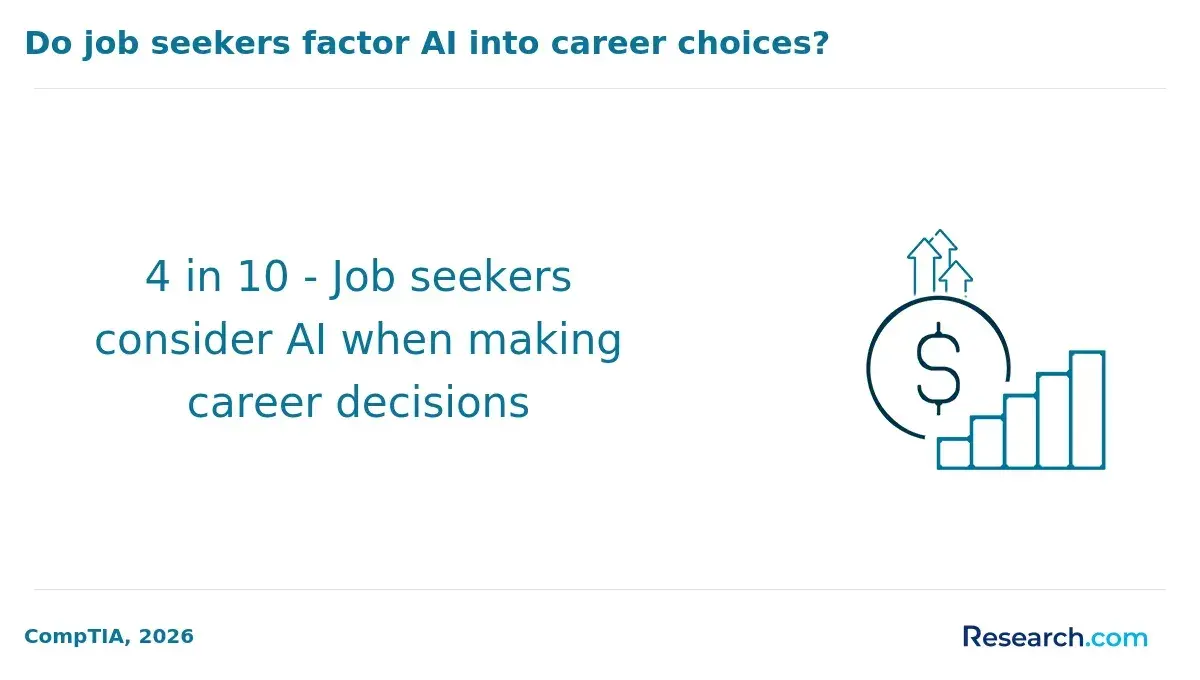
A 2024 edX and Gallup survey highlights that 60% of U.S. workers who completed short professional certificates in digital or AI-related fields reported career advances within a year, compared to 40% of those with traditional degrees. This underscores the value of focused, time-efficient AI training in boosting instructional design careers.
How much do AI programs for instructional designers cost and what funding options exist?
AI programs for instructional designers come with a broad range of costs, from free introductory courses to extensive certifications priced between $500 and $4,000. Platforms like Coursera and edX often provide free audit options, with certificates costing approximately $50 to $200. More advanced programs that integrate AI-driven adaptive learning or analytics usually range from $1,000 to $4,000 depending on factors like institution and course length.
Funding opportunities support learners through employer sponsorships, professional development grants, and federal aid. Many companies invest in AI training to enhance workforce skills, with SHIFT eLearning's 2024 report noting up to 60% higher learner engagement and 30% greater completion rates using AI personalization. Prospective students should explore workforce innovation grants (WIOA), tuition reimbursement programs, and workforce development funds offered by major employers.
Veterans and active military personnel may benefit from GI Bill coverage for AI education, while scholarships focused on STEM or edtech fields can provide additional support. Eligible certificate programs at accredited schools also allow students to apply for federal student aid via FAFSA.
Cost-saving strategies include enrolling in modular courses or bundles, which let learners spread expenses while gaining targeted skills. Supplementing study with free AI tools and open-access resources helps reduce investment. It's crucial to verify program costs upfront and choose those aligned with your career goals to ensure the best return on investment.
What career paths and job titles can AI-skilled instructional designers pursue?
Instructional designers skilled in artificial intelligence have diverse career opportunities that focus on integrating advanced technologies into education. Roles such as AI learning experience designer involve creating adaptive learning systems using machine learning to personalize instruction. AI curriculum specialists embed AI tools to improve content accessibility and engagement. Instructional design technologists deploy AI-driven platforms like chatbots and automated grading systems to streamline course delivery.
Specialized positions in accessibility and inclusion utilize AI-powered captioning, translation, and text-to-speech technologies, helping reduce content localization costs by up to 40%, according to the World Economic Forum report on Education 4.0. These roles often require collaboration with compliance teams and technology developers to broaden access for learners with disabilities or multilingual needs.
Additional career paths include corporate learning and development, where AI instructional designers build intelligent tutoring and performance support tools that use user data to enhance workforce training. Higher education roles such as Academic Technology Specialist and AI Integration Coordinator focus on embedding AI to improve student success and retention.
Instructional designers with AI expertise may also advance into project management, overseeing AI implementation across platforms, or consulting roles providing strategic advice on AI-driven learning solutions. Success in these careers depends on solid knowledge of instructional theory combined with skills in data analysis, basic programming, and user experience design.
What salary ranges and job outlook can AI-literate instructional designers expect?
AI-literate instructional designers in the U.S. earn between $65,000 and $95,000 annually, influenced by experience, sector, and location. Entry-level roles start near $60,000, while senior positions or jobs in tech-focused industries can exceed $100,000. Growth in demand aligns with the increasing adoption of AI tools in education and corporate training. According to U.S. Bureau of Labor Statistics projections, instructional design roles enhanced by AI skills will experience above-average job growth through 2030.
Career opportunities span higher education, corporate e-learning, and government training sectors. Employers seek professionals skilled in AI-driven content personalization and data analytics. AI ethics awareness also plays a major role in hiring decisions.
The 2024 EDUCAUSE Horizon Report: Teaching and Learning Edition shows 71% of higher-education professionals worry about AI bias and transparency, yet only 28% have formal training in ethical AI use. This gap presents a key opportunity for instructional designers trained in AI ethics to differentiate themselves.
Specializing in ethical AI use alongside technical expertise can lead to higher salaries and leadership roles. Designers who develop bias-mitigated learning systems or implement transparent AI workflows are in demand. Institutions prioritize understanding AI's capabilities and risks, shaping salary trends and hiring preferences for these positions.
Which AI certifications, portfolios, and microcredentials matter most to employers in learning design?
Employers in learning design highly value AI certifications that prove practical skills in creating adaptive, personalized learning experiences. Well-known certifications such as Coursera's AI for Everyone, IBM AI Engineering Professional Certificate, and Google's TensorFlow Developer Certificate hold significant influence.
These programs focus on integrating AI tools into instructional strategies, reflecting the view of 79% of L&D professionals who believe AI enhances personalized learning rather than replacing human roles, according to the 2024 LinkedIn Workplace Learning Report.
Instructional designers benefit from portfolios showcasing AI-driven projects, including course modules, chatbots for learner support, and AI-powered analytics dashboards. These examples demonstrate expertise in applying AI to real-world challenges like data-driven curriculum adjustments and boosting learner engagement. Hands-on experience is crucial as 47% of corporate L&D departments are experimenting with pilot AI projects.
Microcredentials related to AI and learning analytics also matter for career advancement. Short, stackable credentials offered by platforms like edX and LinkedIn Learning validate skills in machine learning basics, natural language processing, and AI-enabled content creation. They provide flexibility and evidence of ongoing professional development.
Employers often assess how candidates manage evolving AI tools to improve learner outcomes, especially through adaptive content delivery or automated assessment. Familiarity with AI-powered authoring tools such as Articulate 360 and Adobe Captivate further strengthens an instructional designer's profile.
Other Things You Should Know About Artificial Intelligence
In 2027, some of the best AI courses for instructional designers include the AI in Instructional Design course from Coursera which offers practical project-based learning, and edX’s AI Applications in Education which provides comprehensive understanding and hands-on experience in leveraging AI tools specifically for educational purposes. These programs focus on real-world applications and flexibility for diverse learning needs.
Ethical concerns include data privacy, algorithmic bias, and transparency in AI-driven decision-making tools. Instructional designers must ensure that AI applications do not reinforce existing inequalities or compromise student confidentiality. Responsible use involves regularly auditing AI systems for fairness and maintaining human oversight in critical learning decisions.
Yes, many AI courses are designed to be accessible for instructional designers with limited technical expertise. These programs often focus on practical applications of AI in education rather than deep programming skills, enabling learners to integrate AI tools into course development. Foundational knowledge in data concepts and logic is usually sufficient to start.
Instructional designers should pay attention to advancements in adaptive learning, natural language processing, and AI-driven content creation tools. Growth in explainable AI is also important, as it enhances trust and usability in educational settings. Keeping pace with these trends helps designers create more effective and engaging learning experiences.
References
- Best AI Tools for Online Course Creation 2025: Expert Guide https://www.x-pilot.ai/blog/best-ai-tools-online-course-creation-2025
- Learnt.ai | Top Instructional Design Certifications https://learnt.ai/article/top-instructional-design-certifications
- Credentialing in the AI Economy: The Rise of Micro Certifications and Skills Based Pathways - EdTech Breakthrough https://edtechbreakthrough.com/credentialing-in-the-ai-economy-the-rise-of-micro-certifications-and-skills-based-pathways/
- Job Titles: It's Not Only Instructional Design https://www.idolcourses.com/blog/jobtitles
- Generative AI for Instructional Design: Changes, Chances, Challenges - AACE https://aace.org/review/generative-ai-for-instructional-design-changes-chances-challenges/
- AI Certification: What Employers Really Look for in your CV in 2025 https://thecasehq.com/ai-certification-what-employees-look-in-2025/
- A Beginner’s Guide to Instructional Design Tools (2025 Edition) https://www.digitallearninginstitute.com/blog/a-beginners-guide-to-instructional-design-tools
- Best AI Tools for Instructional Designers https://blog.cathy-moore.com/ai-tools-for-instructional-designers/
- Accreditation and AI: Ensuring Quality in an Era of Smart Learning https://www.qahe.org/article/accreditation-and-ai-ensuring-quality-in-an-era-of-smart-learning/
- Ultimate Guide: How to Choose the Right AI Training Course to Boost Your Career - ONLC https://www.onlc.com/blog/how-to-choose-ai-training-courses/