2027 Best AI Skills Gap Analysis Courses for Executives

Co-Founder and Chief Data Scientist
Executives often face challenges identifying skill gaps in artificial intelligence that hinder strategic decision-making and innovation. Without clear insight into these gaps, organizations risk falling behind competitors who rapidly adapt to AI-driven transformations. For professionals transitioning from unrelated fields, understanding which skills to develop is crucial for a successful pivot into AI leadership roles. This article examines top AI skills gap analysis courses designed specifically for executives, focusing on how they provide targeted knowledge and practical tools. It aims to guide readers in selecting programs that enhance their capability to lead AI initiatives effectively and confidently.
Key Things You Should Know
- By 2026, over 60% of executives report significant AI skills gaps hindering digital transformation and competitive advantage in their organizations.
- Top AI skills gap analysis courses focus on data literacy, ethical AI deployment, and cross-disciplinary leadership to meet evolving business demands.
- Recent studies show tailored executive programs improve decision-making confidence by 45%, accelerating AI adoption and strategic innovation in enterprises.
Advance Your Career with AI Online Courses
Artificial Intelligence: Implications for Business Strategy
This program provides an introduction to Artificial Intelligence and their implications for business strategy. Earn an official digital certificate.

Oxford Artificial Intelligence Programme
Explore this Oxford Artificial Intelligence programme offered in a flexible learning environment and explore topics like machine learning, automation, and robotics.

Implementing Agentic AI: Building Your Organizational Playbook
This online MIT Agentic AI course offers a practical approach to deploying AI agents in your organization, including a custom playbook. 3 weeks, exclusive launch price.

AI Adoption: Driving Business Value and Impact
This online MIT AI Adoption: Driving Business Value and Impact offers practical frameworks to close the gap between AI potential and business reality.

Artificial Intelligence in Pharma and Biotech
Discover the applications and limitations of artificial intelligence in pharma and biotech with this MIT online short course.

What is an AI skills gap analysis course for executives and who should consider it?
An AI skills gap analysis course for executives focuses on identifying and addressing deficiencies in AI knowledge and strategic understanding within leadership teams. These programs help executives measure their organization's current AI capabilities against industry standards and create targeted plans to close critical gaps. Notably, 57% of organizations rank the AI skills gap as the number-one barrier to AI adoption, according to IBM's Global AI Adoption Index.
This type of executive training in artificial intelligence skills development is valuable for C-suite leaders, senior managers, and department heads responsible for driving AI initiatives. For instance, a CIO might assess IT staff expertise to guide hiring or training decisions, while a CEO could focus on AI's strategic implications for market positioning.
Core components often include:
- Assessment frameworks for individual and team AI competencies.
- Strategies to improve organizational AI literacy.
- Alignment of AI skill development with business goals and compliance.
- Recruitment and retention tactics for AI talent.
Executives facing stalled AI projects or talent shortages benefit from actionable insights into areas like data science knowledge and ethical AI awareness. These insights support informed investments in training and partnerships. For professionals interested in expanding their technical foundation, pursuing a computer science accelerated degree can complement executive AI skills training and enhance organizational impact.
Advance Your Career with AI Online Courses
Artificial Intelligence: Implications for Business Strategy
This program provides an introduction to Artificial Intelligence and their implications for business strategy. Earn an official digital certificate.
Oxford Artificial Intelligence Programme
Explore this Oxford Artificial Intelligence programme offered in a flexible learning environment and explore topics like machine learning, automation, and robotics.
Implementing Agentic AI: Building Your Organizational Playbook
This online MIT Agentic AI course offers a practical approach to deploying AI agents in your organization, including a custom playbook. 3 weeks, exclusive launch price.
How can AI skills gap analysis training help executives future-proof their organizations?
AI skills gap analysis training empowers executive leadership to identify workforce limitations and design targeted upskilling strategies, addressing the anticipated shortage of 4.5 million advanced AI professionals by 2026. By pinpointing gaps in areas like machine learning, natural language processing, or data engineering, leaders can prioritize hiring and internal development, ensuring their teams align with organizational goals. This approach is essential for future-proofing organizations with AI training, enabling sustainable talent growth.
Such training reduces dependence on external consultants and accelerates project deployment. For example, a financial services executive may find a gap in AI-driven risk modeling skills and implement tailored certification programs to build internal expertise. Manufacturing leaders might focus on AI-powered predictive maintenance knowledge to minimize downtime and protect operations.
Executives skilled in AI skills gap analysis also make more informed technology investment decisions, evaluating ROI based on workforce readiness to avoid costly mismatches between staff capabilities and AI tools. Additionally, this training encourages organizational agility by fostering continuous learning cultures that adapt quickly to emerging AI trends and regulatory changes.
Prospective students and professionals interested in advancing their AI expertise might explore a mechanical engineering online program, which can complement AI skills with strong technical foundations.
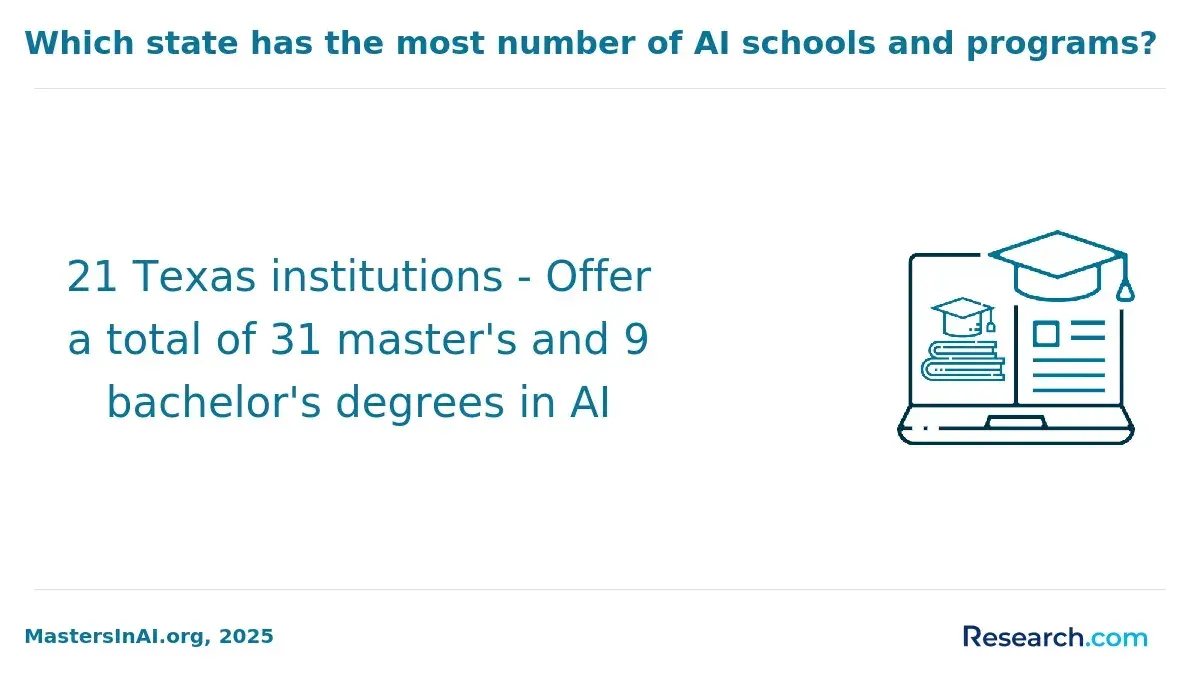
What types of executives and leadership roles benefit most from AI skills gap programs?
Executives overseeing digital transformation, innovation, and strategy benefit significantly from AI leadership development programs for executives. This group includes CEOs, CTOs, CIOs, and CDOs who need a strong grasp of AI capabilities to direct investments and align technology with business objectives. For example, CTOs must evaluate AI tools carefully to ensure integration fits both customer needs and operational capacity.
Product managers and project leads in technology-focused companies should pursue executive training in artificial intelligence strategy to enhance their ability to interpret AI data and manage AI-powered product teams. Without sufficient AI knowledge, these leaders risk resource misallocation and misunderstanding the limitations of AI models, which can delay innovation or lead to costly mistakes.
Leaders in marketing and sales gain a competitive edge by understanding AI-driven analytics for personalized marketing and sales forecasting. Similarly, human resources professionals need AI literacy to use AI-driven talent acquisition and workforce planning tools responsibly, while addressing ethics and bias concerns to maintain fairness and compliance.
According to a BCG global survey, companies investing in AI skills development are 2.6 times more likely to report revenue growth of 10% or more. This underlines the measurable benefits of closing AI skills gaps for executives.
For professionals looking to advance in this field, exploring data science degrees can offer valuable credentials that support leadership in AI-driven growth initiatives.
What should executives look for in the curriculum of an AI skills gap analysis course?
Executives seeking an effective executive AI skills gap analysis curriculum essentials should focus on courses combining technical fundamentals with strategic leadership skills. Core topics generally include machine learning basics, data analytics, and automation, alongside decision-making frameworks that align AI capabilities with organizational goals. Ethical considerations and risk management modules are vital to address bias and compliance concerns.
Top programs often emphasize practical exercises using real-world datasets and scenarios tailored to specific industries. This hands-on approach helps leaders identify talent shortages and technology needs precisely. A strong curriculum also covers change management and AI adoption strategies, preparing executives to guide cross-functional teams through digital transformation.
Key components of AI skills gap courses for executives include training on evaluating the AI ecosystem, such as vendor selection, tool integration, and budget allocation. Knowing how to measure AI project ROI is crucial; a Deloitte study showed that structured AI upskilling for leaders yielded $3.50 in return for every $1 spent within two years. Effective communication of AI's impact and fostering a culture of continuous learning are also essential leadership skills.
Executives interested in expanding their expertise in data-driven decision-making may consider advancing their education through a data analytics master's degree. Programs that blend technical knowledge, ethical issues, financial insight, and leadership tools equip leaders to conduct comprehensive AI skills gap analyses and promote sustainable AI adoption.
How do online AI skills gap analysis courses compare with on-campus executive programs?
Online AI skills gap analysis courses offer unmatched flexibility for busy professionals, allowing them to focus on specific skill deficits like data literacy or AI strategy at their own pace. These courses often include modular content and advanced digital tools such as interactive simulations and personalized assessments, which support tailored learning paths. In contrast, on-campus executive programs provide immersive, cohort-based experiences that foster real-time networking, peer engagement, and direct access to faculty. These environments can enhance collaboration and offer mentorship opportunities from leading AI researchers and industry partners.
Cost effectiveness is an important factor when choosing between these formats. Firms with significant AI skills gaps typically face a 12% higher operating cost base, according to a McKinsey Global Survey on AI. Online courses tend to reduce expenses and accelerate skill acquisition, helping organizations minimize financial risks quickly. However, on-campus programs demand more time and financial investment but provide comprehensive leadership development in AI governance and ethics.
Many executives use a hybrid approach to benefit from both learning environments. Online options are ideal for targeted, rapid skill enhancement, while on-campus programs better serve those seeking deep strategic immersion and network building. Considering individual goals and resources can guide the optimal choice for closing AI skills gaps effectively.
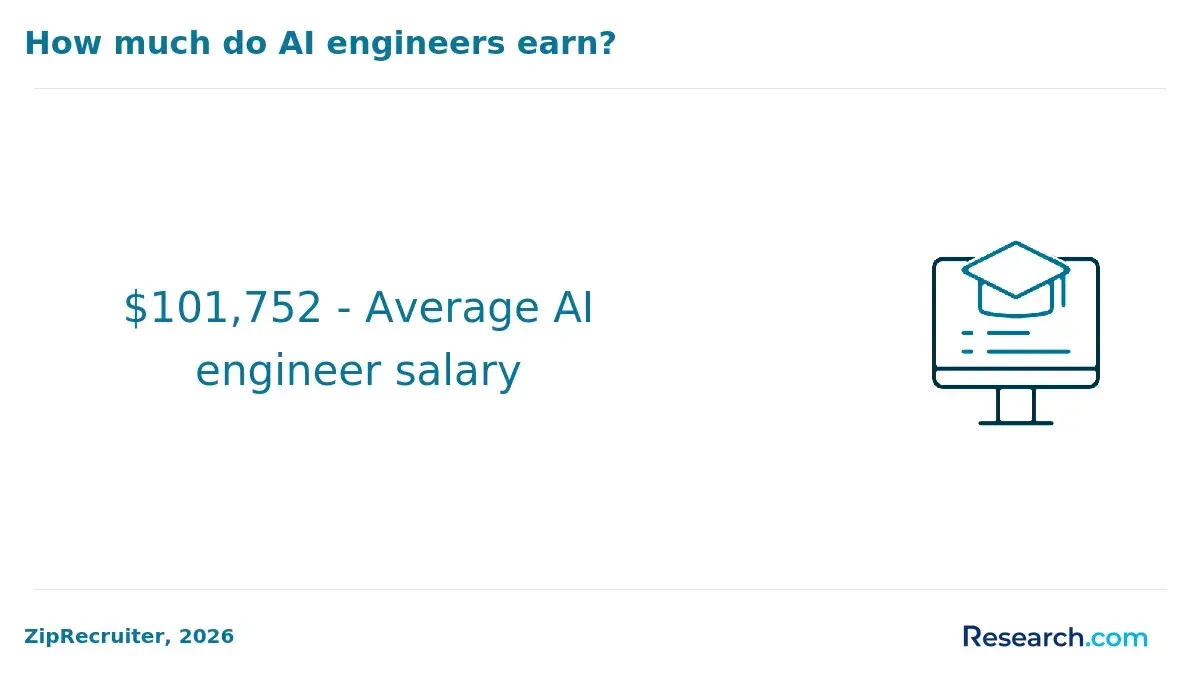
Which U.S. universities and providers offer accredited AI skills gap analysis programs for executives?
Several U.S. universities and providers offer accredited programs focused on AI skills gap analysis tailored for executives. Massachusetts Institute of Technology (MIT) and Stanford University deliver executive education courses emphasizing practical gap analysis techniques, enabling leaders to assess workforce skills relative to AI demands and develop targeted upskilling plans. Northwestern University's Kellogg School of Management integrates AI gap analysis with digital transformation strategies, ideal for executives pursuing leadership roles.
Specialized certifications from organizations like the Association for Talent Development (ATD) and the Institute for Corporate Productivity (i4cp) include AI skills gap assessments within broader learning and development frameworks. These programs prioritize data-driven methods to identify and close AI proficiency gaps in teams.
Carnegie Mellon University's Tepper School of Business offers executive courses combining AI with analytics, focusing on AI-powered tools for skills gap analysis and workforce planning. This helps quantify skill shortages precisely and set investment priorities.
Research shows enterprises upskilling at least 20% of their workforce in AI tools report productivity gains of 30-35% in knowledge work, highlighting the business value of targeted skill assessments.
Executives should consider programs accredited by recognized bodies such as AACSB or CEWIL to ensure quality and relevance. Custom corporate offerings from Deloitte and PwC also provide AI gap assessments paired with executive coaching for tailored development aligned with organizational goals.
What are typical admission requirements and prior experience needed for executive-level AI skills training?
Executive-level AI skills training programs typically require candidates to have five to ten years of leadership experience coupled with a solid grasp of business strategy and digital transformation. Prior exposure to data analytics, machine learning concepts, or technology management is often expected to ensure participants understand AI applications within strategic decision-making rather than just technical development.
Many programs ask for completion of prerequisite courses or proof of competency in areas such as data literacy, statistics, or basic coding. Familiarity with AI ethics and regulatory issues is increasingly important, especially for executives in finance, healthcare, or manufacturing sectors, who may need domain-specific knowledge alongside general AI insights.
According to Gartner's 2024 Skills Intelligence Market Guide, 41% of large enterprises now use AI-based skills taxonomies and inference platforms to identify and close skills gaps, highlighting the growing importance of targeted upskilling for executives.
Executives without direct AI experience should consider preparatory modules on AI fundamentals. Admission often assesses a candidate's readiness to integrate AI insights into organizational strategy, reflecting the gap between AI research and practical leadership. Those with project management or digital innovation experience may be prioritized.
How long do AI skills gap analysis courses for executives take, and what do they cost?
AI skills gap analysis courses for executives vary widely in length and format, ranging from brief 8-hour workshops to comprehensive 40-hour programs. Short workshops typically last 1 to 2 days and focus on foundational topics such as assessing organizational AI readiness and executive decision-making. More extensive formats, which may span 3 to 5 days or be spread over several weeks, address in-depth themes including data strategy, ethics, and the integration of AI into business models. Online and hybrid delivery options add flexibility, enabling busy professionals to learn at their own pace.
Course costs reflect this variety: entry-level workshops generally range from $800 to $1,500, whereas more comprehensive certifications provided by top business schools or specialized AI education providers can cost between $3,000 and $7,000. Higher fees often include access to proprietary tools, personalized coaching, and continued support post-training. Customized in-house training programs, designed for enterprises and tailored to specific sector challenges, usually carry premium pricing.
Industry data underscores growing demand for such skills-68% of financial services firms anticipate formal AI upskilling initiatives for executives by 2025, compared with 39% in manufacturing, as reported by PwC's 2024 Global AI Jobs Barometer. This reflects sectors' differing levels of AI maturity and strategic priorities.
Executives should carefully evaluate programs based on practical frameworks for gap analysis and potential organizational impact. A thorough cost-benefit analysis is critical to select courses aligned with sector-specific needs and AI readiness.
What career and business outcomes can executives expect after completing AI skills gap training?
Executives who complete AI skills gap training often see marked improvements in decision-making speed, strategic innovation, and operational efficiency. With relevant AI knowledge, they can better identify automation opportunities that cut costs and boost accuracy. Training enhances their capacity to lead cross-functional teams in deploying AI-driven solutions, encouraging collaboration between technical and business units. For instance, executives might leverage AI insights to optimize supply chain logistics or personalize customer experiences, directly impacting revenue growth.
Career advancement is a notable benefit, as AI-trained leaders showcase mastery of emerging technologies increasingly sought after for executive roles. This expertise strengthens their qualifications for promotions, board appointments, and higher compensation. Moreover, understanding AI equips executives to address ethical and regulatory challenges proactively, helping organizations maintain compliance and social responsibility.
A LinkedIn Workplace Learning report highlights that 74% of C-suite executives prefer short, cohort-based online AI programs over traditional degrees for upskilling, emphasizing demand for practical, focused learning that quickly drives business results. Cohort-based formats also foster peer exchange, expanding professional networks and offering diverse perspectives on AI integration.
Executives can use AI training to close internal skills gaps, improve market responsiveness, and enhance competitive positioning. These courses enable leaders to transform AI from a theoretical concept into a tangible business asset.
How can executives evaluate and choose the best AI skills gap analysis course for their goals?
Executives evaluating AI skills gap analysis courses should align course content with their leadership goals and industry needs. Focus areas like strategic AI literacy, data-driven decision-making, or technical understanding influence an executive's ability to lead AI adoption. For instance, courses on data strategy integration suit those transforming business models, while AI ethics courses address compliance and risk management.
Consider these key factors when choosing a course:
- Credibility and depth of materials, including frameworks to assess current skills and map gaps against future AI competencies
- Partnerships or endorsements from respected technology firms or academic institutions
- Flexible delivery formats, like online modular courses for busy schedules versus immersive workshops for deeper engagement
- Clear outcomes with measurable benchmarks such as pre- and post-course assessments tracking leadership-relevant AI literacy improvements
- Peer reviews and case studies demonstrating practical application of course learnings
According to Accenture's 2025 Technology Vision report, over 90% of executive roles will require AI literacy and data-driven decision-making by 2030, up from 34% in 2023. This highlights the importance of selecting programs that not only cover current trends but support ongoing learning to keep pace with rapid AI advancements.
Other Things You Should Know About Artificial Intelligence
Executives should focus on foundational AI concepts such as machine learning, data analytics, and automation. Equally important are skills in ethical considerations, AI strategy development, and interpreting AI-driven insights to make informed decisions. Understanding AI's impact on business models and workforce management is also vital.
Success can be measured through clear key performance indicators (KPIs) aligned with business goals, such as increased efficiency, cost reduction, and revenue growth. Additionally, monitoring AI model accuracy, user adoption rates, and compliance with ethical standards helps evaluate effectiveness. Ongoing assessment ensures projects deliver tangible value over time.
Executives must ensure AI systems are transparent, fair, and free from bias to maintain trust and compliance. Data privacy and security are critical, requiring strict governance policies. Additionally, they should consider the social impact of AI decisions and promote accountability throughout the AI lifecycle.
References
- Using AI to Map the AI Skills Gap. A New Collaboration with Frontier Economics. — Glass.AI https://www.glass.ai/glass-news/using-ai-to-map-the-ai-skills-gap-a-new-collaboration-with-frontier-economics-tx3mb
- Skills Gap Analysis: The Definitive Guide for Modern Enterprises https://www.skills-base.com/skills-gap-analysis-explained
- How AI Can Help You Close Your Skills Gap | University of Phoenix https://www.phoenix.edu/blog/how-ai-can-help-you-close-your-skills-gap.html
- Corporate AI Training for Employees, Corporate Clients & Agencies | Graduate School USA https://www.graduateschool.edu/group-training/ai
- The AI upskilling guide for executives https://www.bvp.com/atlas/the-ai-upskilling-guide-for-executives
- Leveraging AI to solve the skills gap https://www.docebo.com/learning-network/blog/how-ai-solves-the-skills-gap/
- AI Skills Gap 2026: Statistics, Causes & How to Close It https://iternal.ai/ai-skills-gap
- 50 Exec Ed Courses To Get Smart About AI - USA & Canada - Bluesky Thinking https://bluesky-thinking.com/50-exec-ed-courses-to-get-smart-about-ai-usa-canada/
- How AI Can Identify Skills Gaps and Close Them Faster in the Workplace https://www.5mins.ai/resources/blog/how-ai-can-identify-skills-gaps-and-close-them-faster-in-the-workplace
- Why Upskilling in AI is Crucial for Business Professionals https://tellix.ai/why-upskilling-in-ai-is-crucial-for-business-professionals/