2027 Best Responsible AI Adoption Courses for Executives

Co-Founder and Chief Data Scientist
Executives increasingly face challenges when integrating responsible ai frameworks into their organizations. Missteps can lead to ethical risks, regulatory penalties, and loss of trust. These leaders often lack formal training to navigate complex issues like bias mitigation, transparency, and compliance effectively. Without proper guidance, decision-making may fall short in addressing these critical concerns.
This article reviews top responsible ai adoption courses tailored for executives aiming to enhance skills, align business strategies with ethical standards, and lead informed ai initiatives. It offers insights to help professionals select programs that provide practical tools for responsible ai implementation and governance.
Key Things You Should Know
- Executive courses on responsible AI adoption increasingly emphasize ethical frameworks and risk management, reflecting industry demand with 62% of companies prioritizing AI ethics in 2025.
- Programs often integrate case studies and regulatory guidelines, preparing leaders to navigate evolving U.S. AI policies and ensure compliance across sectors.
- Enrollment in responsible AI executive education rose by 35% from 2024 to 2025, signaling growing recognition of AI's strategic role in business leadership.
Advance Your Career with AI Online Courses
Artificial Intelligence: Implications for Business Strategy
This program provides an introduction to Artificial Intelligence and their implications for business strategy. Earn an official digital certificate.

Oxford Artificial Intelligence Programme
Explore this Oxford Artificial Intelligence programme offered in a flexible learning environment and explore topics like machine learning, automation, and robotics.

Implementing Agentic AI: Building Your Organizational Playbook
This online MIT Agentic AI course offers a practical approach to deploying AI agents in your organization, including a custom playbook. 3 weeks, exclusive launch price.

AI Adoption: Driving Business Value and Impact
This online MIT AI Adoption: Driving Business Value and Impact offers practical frameworks to close the gap between AI potential and business reality.

Artificial Intelligence in Pharma and Biotech
Discover the applications and limitations of artificial intelligence in pharma and biotech with this MIT online short course.

What is responsible AI adoption for executives, and why does it matter now?
Responsible AI adoption strategies for executives require integrating ethical, transparent, and risk-mitigated AI systems into organizational strategy and operations. Leaders must establish AI governance frameworks that prioritize fairness, accountability, data privacy, and security to meet increasing regulatory demands and societal expectations. This approach mitigates legal liabilities and reputational harm, emphasizing the importance of ethical artificial intelligence leadership.
By 2026, Gartner projects that 80% of large enterprises will implement formal AI-TRiSM (AI trust, risk, and security management) programs, a steep rise from 20% in 2022. This surge highlights the necessity for executives to develop practical skills in managing AI risks and cultivating trust as AI evolves into a critical strategic discipline.
Executives face challenges such as
- Ensuring AI models do not perpetuate biases leading to discriminatory outcomes.
- Implementing strong data governance to protect sensitive training information.
- Adhering to changing AI regulations that demand transparency and auditability.
- Building cross-functional teams blending technical skill with ethical oversight.
Mastering responsible AI adoption enables leaders to minimize financial and reputational risks while supporting innovation aligned with corporate values. Taking a degree in AI can empower executives with the knowledge needed to define accountability structures, embed AI ethics within business processes, and continuously evaluate AI performance, ensuring sustainable deployment under evolving regulatory environments.
Advance Your Career with AI Online Courses
Artificial Intelligence: Implications for Business Strategy
This program provides an introduction to Artificial Intelligence and their implications for business strategy. Earn an official digital certificate.
Oxford Artificial Intelligence Programme
Explore this Oxford Artificial Intelligence programme offered in a flexible learning environment and explore topics like machine learning, automation, and robotics.
Implementing Agentic AI: Building Your Organizational Playbook
This online MIT Agentic AI course offers a practical approach to deploying AI agents in your organization, including a custom playbook. 3 weeks, exclusive launch price.
What makes an executive responsible AI adoption course high quality and credible?
High-quality and credible executive responsible ai adoption training for executives combines rigorous content with practical leadership applications. These programs emphasize a comprehensive understanding of ai ethics, governance, risk management, and compliance. Executives learn to identify potential biases, ensure transparency, and implement accountability mechanisms aligning ai initiatives with organizational values and legal requirements.
Credibility depends on instructors' credentials, often featuring recognized experts from academia, industry, or regulatory bodies specializing in ai ethics and governance. Coursework frequently integrates real-world case studies and scenario-based learning, allowing executives to navigate complex ethical dilemmas and operational risks. For instance, simulations around ai deployment in sensitive areas such as hiring or lending illustrate responsible practices in action. Such executive responsible ai certification programs also develop cross-functional leadership skills, enabling collaboration with data scientists, legal teams, and business stakeholders for effective ai integration.
Practical frameworks for measuring ai's ethical impact and reporting on its effectiveness are core components. The 2024 BCG-MIT Sloan Management Review global survey found executives in organizations heavily investing in ai training are 5.9x more likely to report cost reductions and 3.8x more likely to see revenue gains of at least 10%. This data highlights the strong business case for well-designed responsible ai education.
Many accredited courses align with standards like ISO/IEC 23894 or the EU AI Act, ensuring up-to-date compliance knowledge. Prospective students should verify offerings against recognized ethical frameworks and tangible business results. For those seeking further education options, exploring degrees in AI online can complement responsible ai adoption training for executives.
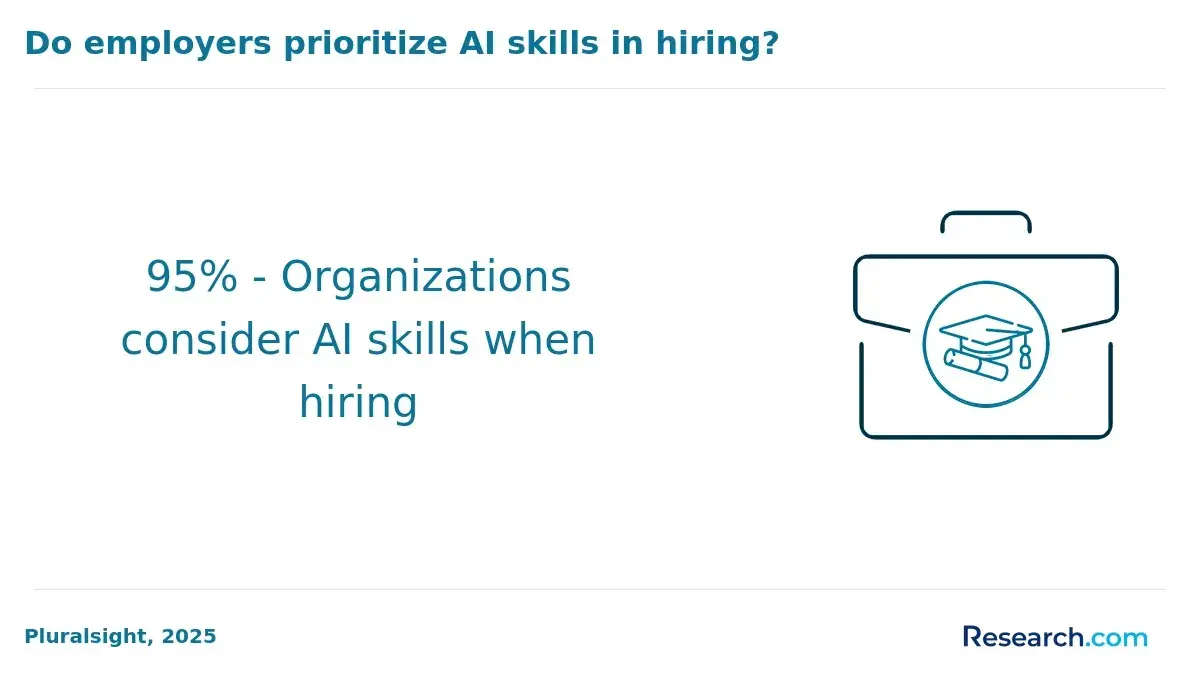
Which responsible AI adoption courses are best for senior leaders and C-suite executives?
For senior leaders and C-suite executives, the best responsible AI adoption courses emphasize strategic oversight, governance, and risk management tailored to executive roles. These top responsible AI training programs for C-suite executives provide frameworks that align AI adoption with corporate ethics, compliance, and privacy obligations. Despite the high priority executives place on AI risk management, many lack an enterprise-wide responsible AI framework, highlighting a crucial leadership education gap.
Effective programs cover regulatory landscapes, ethical AI design principles, and how to integrate AI governance into corporate risk frameworks. Leaders learn to assess AI model risks, oversee ethical data usage, and steer AI strategy aligned with organizational values. These courses often feature case studies from industries like finance, healthcare, and manufacturing to help anticipate sector-specific challenges and regulatory demands.
Modular formats and peer learning opportunities allow busy executives to engage deeply at their own pace. Additionally, expert mentorship supports practical governance discussions critical for senior leaders. Communication techniques for fostering alignment between technical teams and boards are also prioritized.
Choosing programs that emphasize measurable governance outcomes enables executives to cultivate responsible AI cultures effectively. Professionals interested in further advancing their expertise may consider exploring AI PhD programs to deepen their understanding of responsible AI frameworks.
How do online responsible AI programs for executives compare with campus and hybrid options?
Online responsible AI courses versus campus programs for executives offer distinct advantages. Online programs provide greater flexibility and accessibility, allowing busy professionals to learn without geographic or schedule constraints. They typically feature concise, targeted modules focused on AI ethics, governance, and strategic implementation, enabling executives to quickly update skills in response to evolving AI landscapes. In contrast, campus programs often require longer commitments and fixed schedules, which may not fit well for senior leaders managing demanding roles.
Hybrid responsible AI executive training compared to fully online options blends digital coursework with in-person networking and real-time discussions. However, some physical attendance requirements can limit participation for highly mobile or globally located executives.
Executives needing immediate skill upgrades in AI risk assessment are well served by online options. A notable MIT Sloan/Boston Consulting Group study found 79% of senior leaders admitted lacking essential skills for AI risk evaluation, while 75% acknowledged AI's strategic importance. This underscores the demand for up-to-date and practical training.
- Program curriculum depth: online platforms frequently update to reflect new regulations and technologies.
- Interactivity and peer engagement: campus and hybrid programs foster richer discussions and networking.
- Credential recognition: campus degrees can carry more institutional prestige for career advancement.
Executives interested in comprehensive, flexible learning can explore options like the online doctorate data science offerings, which combine advanced AI knowledge with responsible use frameworks.
What topics and skills are typically covered in responsible AI adoption curricula for executives?
Responsible AI adoption curricula for executives emphasize practical skills and core topics critical to ethical and effective AI leadership. Central to these programs are governance frameworks promoting transparency, fairness, privacy, and accountability in AI systems. Executives gain knowledge on developing policies aligned with regulatory standards to prevent biases and discriminatory outcomes.
Risk management training covers identifying, assessing, and mitigating ethical and operational challenges linked to AI. Leaders also learn how to interpret AI model outputs to oversee decisions without requiring deep technical expertise, recognizing algorithm limitations while ensuring human oversight.
Cross-functional collaboration is another focus, encouraging cooperation between data scientists, legal teams, and business units to embed responsible AI practices. Executive courses integrate data stewardship and compliance, teaching strategies for data governance that safeguard user privacy and comply with data protection laws.
Real-world case studies illustrate applications such as avoiding unfair lending and enhancing healthcare diagnostics with explainable AI. Additionally, executives are trained to measure AI impact, foster sustainability, and cultivate organizational cultures prioritizing ethics alongside performance. Companies investing in structured AI upskilling for leaders are 2.4x more likely to reach their AI goals and 2.2x more likely to transition AI projects successfully into production, per Bessemer Venture Partners.
Key areas include:
- AI ethics and regulatory compliance frameworks
- Risk assessment and mitigation strategies
- Interpreting AI outputs and ensuring human oversight
- Data governance and privacy protection
- Cross-disciplinary collaboration and communication
- Measuring and reporting on AI outcomes and ethical impact
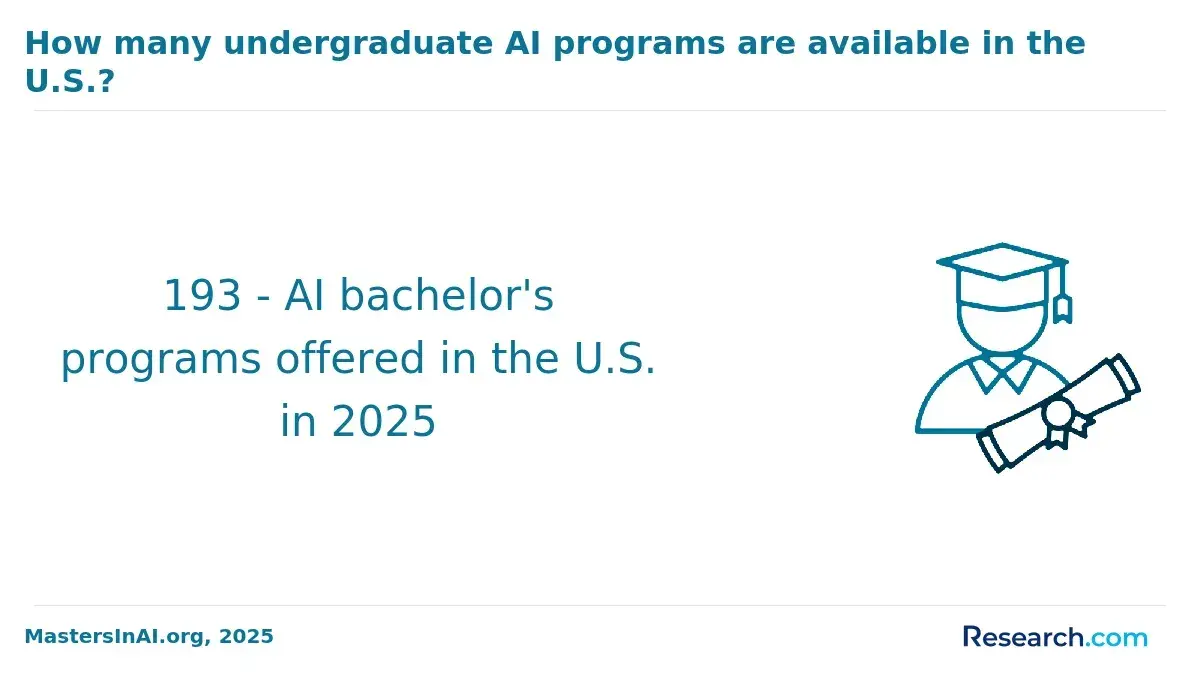
How can executives verify accreditation and institutional reputation for responsible AI programs?
Executives seeking reputable responsible AI programs should start by verifying accreditation and institutional standing. Trusted accreditation agencies like AACSB, ABET, or regional bodies ensure that program curricula meet rigorous academic and industry standards. Partnerships with leading industry organizations or research centers on ethical AI development further enhance program credibility.
Reviewing faculty expertise is essential. Programs led by professionals actively involved in AI governance, ethics boards, or policy initiatives often deliver current and relevant content. Many business schools collaborate with AI ethics nonprofits or governmental advisory groups, combining academic knowledge with practical insights.
Look for endorsements and testimonials from prominent companies or executives, which reflect the program's real-world applicability and acknowledgment in the business community. Transparency regarding course outcomes, case studies, and career advancement after completion adds another layer of confidence.
Due diligence should include examining syllabi for comprehensive coverage of AI risk management, fairness, accountability, and compliance. Reports from Bessemer Venture Partners note that only 14% of companies have executed AI training for executives, while 54% plan to introduce such education soon. Selecting a highly accredited course positions leaders advantageously in this evolving field.
What are the typical admission requirements and time commitments for executive responsible AI courses?
Executive responsible AI courses usually require applicants to have substantial leadership experience or comparable expertise in technology management, data governance, or ethics. Many programs prefer candidates with at least five years in executive or managerial roles, especially within sectors implementing ai strategies. While a bachelor's degree is often needed, some programs offer flexibility for senior professionals with significant industry experience. Standardized tests are seldom required; instead, candidates may be evaluated through essays, interviews, or evidence of impact in AI-related projects.
Course durations vary: part-time programs typically last three to six months and blend asynchronous online modules with live sessions to fit busy schedules. Intensive short courses may run one to two weeks, emphasizing leadership, ethical frameworks, and regulatory compliance. Modular approaches totaling 40 to 60 hours allow executives to balance learning with work commitments. Weekend workshops and hybrid formats are common to accommodate travel and time constraints.
Organizations recognized as "AI leaders" invested an average of 1.5-3% of total payroll in AI training and enablement, including executive education, compared to less than 0.5% for laggards, according to Bessemer Venture Partners. This investment highlights the value placed on developing executive AI literacy and responsible adoption.
Practical considerations include securing employer sponsorship, negotiating flexible schedules, and ensuring clear outcomes related to governance, risk management, and ethical AI deployment.
How much do responsible AI adoption courses for executives cost, and what funding options exist?
Responsible AI courses for executives typically range from $1,500 to $6,000, influenced by course length, provider reputation, and content depth. Short workshops or certificate programs usually cost between $1,500 and $3,000, while extensive multi-month programs with mentoring and case studies can reach $5,000 to $6,000. Prestigious institutions often charge more due to interactive formats and industry leader access.
Many organizations, especially in financial services and healthcare, fund executive AI training as part of employee upskilling. Data from Bessemer Venture Partners shows over 60% of firms in these sectors provide formal funding, compared to less than 30% in manufacturing or public sectors. Those in less-funded industries may seek external scholarships, employer tuition reimbursement, or government grants for digital skills development.
Executives should consider employer partnerships offering volume discounts or cohort pricing. Some courses have modular or staggered payment plans to reduce upfront costs. Self-paying learners might offset expenses through tax-deductible professional development deductions. Additionally, free introductory or low-cost preparatory courses are available for assessing program fit before full commitment.
Investment in responsible AI education is crucial for executives in leading adoption industries like financial services and healthcare, where company support lowers financial barriers. Professionals outside these fields may need to combine funding sources for access to competitive programs.
What leadership roles, responsibilities, and governance outcomes can these courses prepare executives for?
Responsible AI adoption courses equip executives with essential leadership skills to oversee ethical AI integration within organizations. These programs emphasize transparency, fairness, and accountability, helping leaders design governance frameworks that balance innovation with compliance while reducing risks like bias and privacy violations.
Executives are trained to form cross-functional AI ethics committees and establish clear accountability structures. Such preparation supports roles in policy development, risk management, and ongoing AI impact assessment. For instance, a chief AI officer or head of AI governance gains knowledge in implementing audit trails and ethical decision-making protocols aligned with corporate values and legal requirements.
Practical skills taught include managing stakeholder expectations and enhancing communication between technical teams and board members. Organizations offering structured AI leadership education are 1.6x more likely to see improved employee retention and 2.1x more likely to cultivate an innovative culture, according to a 2024 Bessemer talent and culture analysis.
These courses also address challenges such as algorithmic bias, data privacy, and the ethical implications of automated decisions. Leaders learn to integrate responsible AI metrics into performance and corporate social responsibility strategies, driving sustainable AI initiatives that benefit internal teams and wider communities.
How should executives choose the right responsible AI adoption course for their industry and goals?
Executives choosing responsible AI training should align course content with their industry's regulatory demands, ethical priorities, and technological maturity. For instance, finance leaders must focus on AI compliance, bias reduction, and transparency to meet strict regulations, while healthcare executives benefit from programs prioritizing patient data privacy, clinical decision support, and ethical AI use in diagnostics.
Effective learning formats combine interactive case studies, real-world examples, and flexible delivery-modular online sessions with in-person workshops-to suit busy schedules without compromising depth.
Key topics include governance frameworks, risk management, ethical AI design, and lifecycle oversight. This equips leaders to embed responsible practices throughout their organizations.
- More than 70% of Global 2000 firms will require mandatory AI training for senior leaders by 2030, up from under 15% in 2024, per Bessemer Venture Partners.
- Evaluating instructor credibility, post-course support, and recognized certification enhances professional influence and organizational impact.
Such comprehensive programs bridge theory and practice, providing executives with the tools necessary to navigate the evolving landscape of AI responsibly and strategically.
Other Things You Should Know About Artificial Intelligence
Executives often encounter challenges such as data quality issues, integration with existing systems, and lack of clear regulatory guidelines. Additionally, ensuring ethical use of AI and managing workforce changes due to automation remain significant obstacles. Addressing these challenges requires both technical understanding and strong leadership commitment.
In 2027, executives can prepare for unexpected challenges in AI adoption by investing in continuous learning, fostering cross-functional collaboration, and developing a robust governance framework. Engaging with experts and staying informed about technological advancements also helps navigate evolving challenges in responsible AI.
Data privacy is central to responsible AI adoption because AI systems rely heavily on large datasets that may contain personal information. Executives must ensure compliance with data protection laws and adopt practices that safeguard user privacy. This helps prevent data misuse and maintains stakeholder confidence.
Ongoing governance ensures that AI systems continue to operate responsibly as technologies and regulations evolve. Post-course governance involves regular audits, performance reviews, and updates to ethical frameworks. This continuous oversight helps maintain alignment with organizational values and external standards over time.
References
- The power of responsible AI: Key benefits you need to know in 2026 https://www.trustcloud.ai/ai/the-power-of-responsible-ai-the-key-benefits-you-need-to-know/
- AI Upskilling for Leaders – Drive Responsible AI Innovation with New ExecEd Programs on edX - Business edX https://business.edx.org/article/ai-upskilling-leaders-edx-enterprise/
- AI for Managers Course | tryBusinessAgility Certifications https://trybusinessagility.com/executive-programs/certifications/ai/for-managers/
- AI Training Cost Per Employee 2026 https://www.pertamapartners.com/insights/cost-per-employee-ai-training-budgeting
- AI Training with Funding: How to Finance Your Skill Development https://www.rbreme.com/en/blog/ai-training-funding-guide
- The Cost of AI Training: Enterprise Budget Planning Guide for Business Leaders https://www.businessplusai.com/blog/the-cost-of-ai-training-enterprise-budget-planning-guide-for-business-leaders
- Responsible AI in Business Environments: A 5-Step Framework https://www.paragonshift.com/responsible-ai-in-business-environments/
- AI Certificate Program & Online AI Courses | Coursiv https://coursiv.io/courses/ai-courses-for-executives
- Strategic Planning, Leadership, and Governance Course https://upskilldevelopment.com/strategic-planning-leadership-and-governance-course
- AI Governance & Compliance Training - AI-SDLC Institute https://opensdlc.org/academic-and-research-institutions