2027 Best AI Courses for Member Engagement Teams

Co-Founder and Chief Data Scientist
Member engagement teams often struggle to analyze vast customer data and create personalized experiences that drive loyalty. Traditional training may not equip professionals with skills to leverage rapid advances in AI tools for real-time insights and automation.
This gap can limit team effectiveness and organizational growth. Selecting the right AI course can provide critical knowledge on algorithms, data handling, and ethical use tailored to engagement strategies.
This article explores top accredited AI courses designed to build relevant expertise, helping graduate-level learners from unrelated fields effectively pivot and enhance customer connections through emerging technologies.
Key Things You Should Know
- Top AI courses for member engagement teams in 2026 focus on practical applications, with 72% of programs offering hands-on projects to enhance workplace integration skills.
- Curricula emphasize natural language processing and predictive analytics, reflecting industry demand where 65% of member engagement roles require such expertise.
- Emerging courses integrate ethical AI use and privacy regulations, addressing growing concerns as 58% of organizations adopt AI-driven engagement platforms.
Advance Your Career with AI Online Courses
Artificial Intelligence: Implications for Business Strategy
This program provides an introduction to Artificial Intelligence and their implications for business strategy. Earn an official digital certificate.

Oxford Artificial Intelligence Programme
Explore this Oxford Artificial Intelligence programme offered in a flexible learning environment and explore topics like machine learning, automation, and robotics.

Implementing Agentic AI: Building Your Organizational Playbook
This online MIT Agentic AI course offers a practical approach to deploying AI agents in your organization, including a custom playbook. 3 weeks, exclusive launch price.

AI Adoption: Driving Business Value and Impact
This online MIT AI Adoption: Driving Business Value and Impact offers practical frameworks to close the gap between AI potential and business reality.

Artificial Intelligence in Pharma and Biotech
Discover the applications and limitations of artificial intelligence in pharma and biotech with this MIT online short course.

What are the best AI courses for member engagement teams?
Member engagement teams benefit immensely from top AI training programs for member engagement teams that blend practical skills with strategic knowledge.
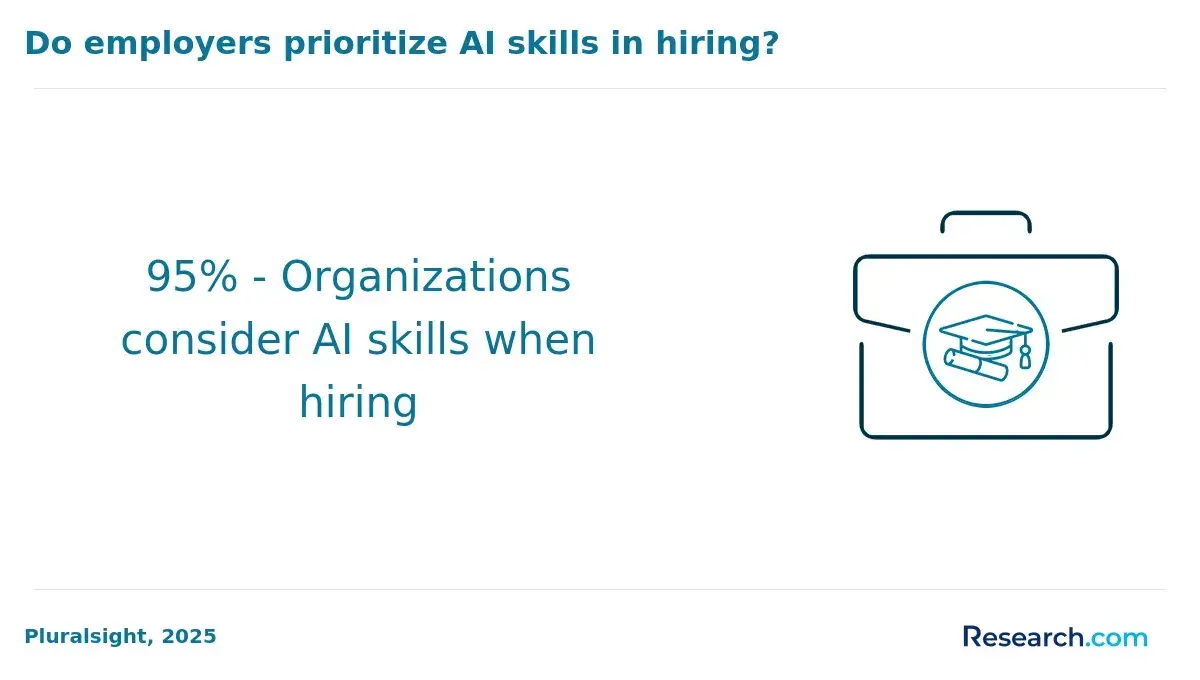
These courses focus on AI literacy tailored to non-technical roles, a critical priority as AI skills have surged, with demand growing 21 times since 2016 according to LinkedIn's 2025 Workplace Learning Report. Teams must grasp AI tools that personalize experiences, automate routine tasks, and analyze member data effectively.
The best AI courses for member engagement professionals emphasize:
- Fundamentals of AI and machine learning without requiring deep programming expertise.
- Practical applications in customer relationship management and user experience improvements.
- Data analysis techniques to understand member behaviors and preferences.
- Ethical issues and privacy compliance in AI-driven engagement.
Programs often include modules on AI chatbot integration and predictive analytics, alongside industry-specific case studies and interactive projects that enhance immediate workplace relevance. Quick certifications focusing on tools like Microsoft Power Platform AI and Salesforce Einstein support fast upskilling for non-technical teams.
For those considering further education, exploring data science degrees can expand expertise in AI and analytics. Ensuring courses are regularly updated and accredited by recognized institutions adds credibility and aligns with fast-paced AI advancements. Prioritizing real-world scenarios and measurable outcomes strengthens AI-driven member engagement strategies.
Advance Your Career with AI Online Courses
Artificial Intelligence: Implications for Business Strategy
This program provides an introduction to Artificial Intelligence and their implications for business strategy. Earn an official digital certificate.
Oxford Artificial Intelligence Programme
Explore this Oxford Artificial Intelligence programme offered in a flexible learning environment and explore topics like machine learning, automation, and robotics.
Implementing Agentic AI: Building Your Organizational Playbook
This online MIT Agentic AI course offers a practical approach to deploying AI agents in your organization, including a custom playbook. 3 weeks, exclusive launch price.
Which AI skills help member engagement professionals most?
Member engagement professionals excel by mastering prompt engineering and accurately interpreting AI outputs, critical skills that address the largest skill gap in customer-facing teams.
According to a Salesforce report, 78% of these teams prioritize "prompting and interpreting AI outputs" over coding or data science expertise. This focus enhances AI-driven member engagement strategies by enabling precise query crafting and nuanced analysis of AI-generated responses.
Essential machine learning skills for member retention include:
- Creating context-aware prompts to extract meaningful insights from AI tools.
- Assessing the trustworthiness and relevance of AI recommendations in member interactions.
- Seamlessly integrating AI outputs into customer relationship management workflows.
- Recognizing AI biases and limitations to avoid misinformation in communications.
- Applying sentiment analysis and natural language processing to customize messaging.
Professionals leveraging AI chatbots need to phrase inquiries clearly so AI delivers helpful, aligned answers supporting retention goals. They must critically evaluate these outputs to ensure consistency with organizational values and member expectations. Such expertise allows engagement teams to harness AI power without advanced programming skills.
Training in prompt design and AI interpretation can be enhanced by courses emphasizing applied AI in customer service settings, using practical scenarios. For prospective students seeking growth in this field, exploring options like the cheapest engineering degree online provides an affordable path to gain relevant expertise.
Which AI course formats work best for working professionals?
Short, practical AI bootcamps tailored for working professionals offer one of the best AI course formats for working professionals, especially for member engagement teams. These brief, targeted courses emphasize applying AI tools directly to work tasks, facilitating swift integration into everyday processes.
According to General Assembly's 2024 Outcomes report, 87% of non-technical professionals completing these short-form AI upskilling programs applied AI within 60 days, underscoring their effectiveness in delivering actionable skills without excess theory.
Balancing job duties requires flexible yet structured learning formats such as:
- Evening or weekend bootcamps that avoid interfering with regular work hours
- Hybrid programs combining live virtual sessions with self-paced modules to suit different learning preferences
- Hands-on projects focused on member engagement challenges like customer segmentation or automated communication workflows
Self-paced online courses work well for foundational AI concepts but often do not offer the practical focus needed for immediate workplace impact. Mentored cohort models add value by connecting learners to experts who help troubleshoot integration and personalize the learning path.
Cohort programs centered on AI-driven analytics or chatbot deployment not only build relevant skills but preserve team collaboration, representing effective AI learning methods for member engagement teams.
Prospective learners may also consider combining these formats with broader skill sets through programs such as a game development online degree, which can complement AI capabilities in creative technology fields.
What should an AI course teach member engagement teams?
AI-powered member engagement strategies rely on practical skills that enhance daily operations and foster strategic community building. Essential capabilities include AI-driven data analysis to segment members and personalize outreach, along with natural language processing tools that automate responses and moderate forums, saving valuable time.
Training programs focusing on predictive analytics help identify membership trends and forecast engagement risks, enabling teams to intervene proactively.
Practical artificial intelligence applications for member teams also incorporate AI-powered content creation tools that generate timely and relevant materials, improving member satisfaction. For instance, learning to use AI chatbots enhances real-time support and responsiveness.
Security and ethical AI use are vital components of effective training. Teams must understand data privacy regulations and responsible AI implementation to maintain member trust. Case studies showcasing AI's role in solving common engagement challenges provide meaningful real-world context.
Many professionals benefit from micro-courses of ten hours or less, which deliver focused learning with measurable outcomes. Coursera's Learner Outcomes Survey found that 77% of participants in short AI courses reported improved efficiency, while 25% gained tangible benefits like raises or promotions.
For those exploring education options, considering computer science cost can be an important factor when selecting a program.
Combining technical competence, ethical understanding, and application strategies equips member engagement teams to improve interactions, streamline workflows, and drive organizational growth.
How do online AI courses compare with campus-based options?
Online AI courses offer flexibility and convenience, allowing learners to study at their own pace and access materials anytime. This suits working professionals or those managing multiple commitments.
Such courses are valuable for member engagement teams aiming to quickly employ AI techniques to personalize customer journeys and improve service. For instance, the McKinsey 2024 Next in Personalization report highlights that organizations using AI-driven personalization see up to a 20% increase in customer satisfaction and a 10-15% boost in revenue.
Campus-based programs provide direct interaction with instructors and peers, fostering in-depth discussions, immediate feedback, and networking opportunities. Hands-on experiences through in-person labs and workshops often enhance practical skills development beyond what many online formats offer.
Hybrid models combining online theory with occasional campus sessions can balance convenience with interactive learning. Selecting a program that best fits individual needs ensures effective skill acquisition for AI roles in member engagement.
What admission requirements do AI courses usually have?
Admission requirements for artificial intelligence courses differ based on program level and focus, but some common criteria exist across many institutions.
Foundational knowledge in computer science, mathematics, or related fields is usually necessary, including programming skills (often Python), and familiarity with linear algebra, statistics, and machine learning basics. Programs aimed at member engagement teams may also look for experience in data analysis or marketing analytics.
Entry-level courses designed for working professionals or recent graduates often have fewer formal prerequisites, emphasizing willingness to learn and basic technical abilities. In contrast, advanced degrees or certificate programs typically require transcripts, proof of education, and sometimes professional references.
Some online programs assess applicants using placement tests or preliminary modules rather than strict entry requirements.
Applicants might also need to submit interviews or statements of purpose outlining their interest in AI applications for engagement. This allows admissions teams to evaluate motivation and alignment with course goals.
Programs focusing on prompt engineering for engagement especially value demonstrated marketing or customer relations experience, as effective prompt design relies heavily on domain knowledge.
Formal training correlates with better outcomes; a 2024 HubSpot State of AI in Marketing report found marketers formally trained in prompt writing were 53% more likely to report significant performance gains. Selecting programs with clear and structured admission criteria ensures better preparedness and engagement.
How long do AI courses usually take, and what do they cost?
AI courses for member engagement professionals vary widely in duration, from brief workshops spanning a few hours to extensive programs lasting several months. Foundational courses generally require between 10 and 40 hours of study, designed to accommodate busy schedules.
Advanced or specialized courses, such as those focusing on AI-driven analytics or predictive modeling, often run from 8 to 12 weeks and are delivered part-time to fit work commitments.
The cost depends on length, provider, and material depth. Entry-level workshops and self-paced online classes typically range from $100 to $500.
Mid-tier professional certificates and university-affiliated courses usually cost between $1,000 and $3,500. More intensive bootcamps and specialized training programs, which often include personalized coaching and hands-on projects, may exceed $5,000.
A Gartner survey found organizations training teams in AI-powered analytics are 2.6 times more likely to surpass customer engagement KPIs than those limiting AI skills to data teams. This highlights the importance of practical analytics skills tailored to engagement metrics rather than focusing solely on theoretical AI knowledge.
Assess timing flexibility and content relevance carefully to maximize both cost-effectiveness and real-world impact on member engagement outcomes.
Which certifications matter for AI roles in member engagement?
Certifications for AI roles in member engagement emphasize practical skills in data handling, machine learning, and change management.
The Certified AI Practitioner (CAIP) credential is especially valuable for validating foundational AI knowledge applied in customer-focused settings. Member engagement teams often rely on AI tools like chatbots and sentiment analytics, where both technical expertise and user empathy are essential.
Equally important is certification in change management. Deloitte's 2024 Global Human Capital Trends survey reveals that companies investing in structured AI adoption and change enablement are 1.8 times more likely to achieve their expected ROI.
This underscores the need for AI professionals to master organizational change frameworks, enabling smooth transitions when deploying AI tools in member-facing roles.
Additional valuable certifications include:
- Data science and machine learning credentials focused on customer data analytics and predictive modeling
- Certified Change Management Professional (CCMP) for managing AI integration projects and aligning stakeholders
- Specialized natural language processing training for member communications, available through platforms like Coursera and edX
Combining technical AI skills with change enablement strategies produces the best outcomes in member engagement. Certifications addressing AI technologies, data ethics, user experience, and organizational change prepare professionals for successful AI adoption and improved member satisfaction.
What jobs can AI courses prepare member engagement teams for?
AI courses equip member engagement teams with skills for diverse roles that harness data analytics, customer insights, and automation to enhance member experiences. Key positions include AI data analysts who interpret member behavior patterns and use machine learning models to predict needs, improving retention and satisfaction.
AI-driven community managers employ natural language processing tools to monitor communications, identify issues quickly, and boost interaction quality. They often integrate chatbots and virtual assistants, which reduce response times and operational costs.
Professionals in marketing automation design campaigns guided by predictive analytics, managing AI platforms that segment members and personalize outreach to increase conversion rates significantly.
Project managers with AI expertise oversee the deployment of AI tools within member engagement frameworks, ensuring alignment with organizational goals and data privacy standards while coordinating cross-functional teams.
According to PwC's 2024 Global AI Jobs Barometer, companies leading in AI adoption invest a median of $1,200 per employee annually in AI training. This investment correlates with productivity growth approximately three times higher than peers investing less, highlighting how AI skills directly improve member engagement outcomes.
How do you choose a reputable AI course or program?
Choosing a reputable artificial intelligence course for careers in member engagement involves careful evaluation of several key factors.
Prioritize programs with curricula focused on skills valuable in member-facing roles, such as natural language processing, sentiment analysis, and predictive analytics. Courses that include hands-on projects or real-world case studies provide practical experience beyond theory.
Instructor and institution credibility matters. Look for courses taught by seasoned professionals or academics with proven expertise in AI and customer engagement. Accreditation or partnerships with respected industry organizations enhance a program's value and recognition in the job market.
Given the rapid evolution of AI tools and regulations, frequent curriculum updates are essential. According to IBM's AI Skills Survey, 69% of organizations require at least annual AI upskilling for customer-facing employees, highlighting the importance of regularly revised content.
Flexibility in format benefits working professionals. Self-paced or hybrid options allow better work-study balance. Also, consider whether the program offers certifications or continuing education credits recognized by employers.
Finally, investigate alumni outcomes and employer connections. Strong industry partnerships often indicate effective career support and advancement opportunities. Assessing these criteria ensures the AI course equips learners with relevant knowledge and practical tools for success in member engagement roles.
Other Things You Should Know About Artificial Intelligence
The top 2027 AI courses for member engagement teams emphasize practical applications like real-time data analysis and personalization. Top offerings include Coursera’s "AI for Team Engagement" and edX’s "AI-Driven Member Experience". These courses cover the latest AI technologies relevant to enhancing member interactions and decision-making.
Artificial intelligence enables faster, data-driven decision-making by analyzing large volumes of information beyond human capacity. It can identify patterns and provide predictive insights, improving accuracy and efficiency. However, reliance on AI should be balanced with human judgment to avoid blind spots or unexpected outcomes.
Teams often encounter challenges such as a lack of technical expertise, resistance to change, and unclear use cases. Integrating AI requires training and adjustment of workflows to maximize benefits. Additionally, managing data quality and ensuring system interoperability are common obstacles during implementation.
Yes, artificial intelligence can analyze member behavior and preferences to deliver personalized experiences. Machine learning models continuously update based on new data, enabling more relevant content, recommendations, and engagement strategies. This adaptability helps organizations build stronger relationships with their members.
References
- The best AI training for employees - Correlation One https://www.correlation-one.com/generative-ai-training-for-employees
- How Long Does It Take to Learn AI Completely? https://blog.nobledesktop.com/learn/ai/how-long-do-ai-courses-take
- AI Training for Employees: How to Get & Stay Ahead of the Curve https://guild.com/education-benefits/ai-employee-training
- Top 5 Generative AI Courses for Association Staffers https://sidecar.ai/blog/top-5-generative-ai-courses-for-association-staffers
- Membership | Master AI Skills That Matter https://www.sectionai.com/membership
- 6 Reasons to Invest in AI-Driven Team Learning https://agilityinsights.ai/blog/6-reasons-to-invest-in-ai-driven-team-learning/
- AI in Employee Engagement: Transforming the Modern Workplace https://www.oakwoodinternational.com/blog/ai-in-employee-engagement