2027 Best AI Courses for Event Planning Teams

Co-Founder and Chief Data Scientist
Event planning teams often struggle with managing complex logistics, tight deadlines, and unpredictable client demands. Relying solely on manual processes can lead to inefficiencies, miscommunication, and missed opportunities. Incorporating advanced tools can alleviate these challenges but requires specialized knowledge often outside traditional event planning expertise.
This article explores top AI courses designed to equip event professionals with practical skills in automation, data analysis, and predictive modeling. It aims to guide readers in selecting flexible, accredited programs that enhance their ability to integrate artificial intelligence into their workflows, improving outcomes and fostering innovation in event coordination.
Key Things You Should Know
- AI integration in event planning boosts efficiency by automating tasks such as scheduling, budgeting, and guest management, with adoption rates exceeding 40% among U.S. event teams in 2025.
- The best AI courses focus on practical skills, including machine learning applications, data analytics, and AI-driven customer engagement tailored for the events industry.
- Industry-aligned certifications from recognized platforms increase employability, with job postings requiring AI proficiency in event roles growing by 35% year-over-year.
Advance Your Career with AI Online Courses
Artificial Intelligence: Implications for Business Strategy
This program provides an introduction to Artificial Intelligence and their implications for business strategy. Earn an official digital certificate.

Oxford Artificial Intelligence Programme
Explore this Oxford Artificial Intelligence programme offered in a flexible learning environment and explore topics like machine learning, automation, and robotics.

Implementing Agentic AI: Building Your Organizational Playbook
This online MIT Agentic AI course offers a practical approach to deploying AI agents in your organization, including a custom playbook. 3 weeks, exclusive launch price.

AI Adoption: Driving Business Value and Impact
This online MIT AI Adoption: Driving Business Value and Impact offers practical frameworks to close the gap between AI potential and business reality.

Artificial Intelligence in Pharma and Biotech
Discover the applications and limitations of artificial intelligence in pharma and biotech with this MIT online short course.

What are the best AI courses for event planning teams and what skills do they teach?
The best AI courses for event planning teams focus on practical skills that enhance efficiency, decision-making, and attendee engagement. These include mastering data analysis for event metrics, AI-driven marketing automation, chatbots for customer service, and predictive analytics to improve attendance and budgeting. Key tools often taught are machine learning algorithms for trend prediction, natural language processing to tailor communication, and AI-powered scheduling software.
Courses teaching skills taught in AI courses for event planners often cover how to integrate AI tools into workflows, automate repetitive tasks, and personalize events. Some programs emphasize platforms that analyze social media sentiment, helping planners adjust marketing strategies in real-time.
Participants develop abilities such as interpreting AI-generated reports, optimizing resource allocation, and using virtual assistants to manage inquiries, which can save event teams roughly 30% of their time during execution.
About half of meeting planners worldwide aim to adopt AI technology by 2025, according to Amex GBT Meetings & Events 2025 Global Forecast. This makes proficiency in both the technical and strategic aspects of AI essential. Advanced courses include training on ethical considerations and data privacy to ensure compliance while effectively leveraging attendee data.
The best AI courses balance foundational understanding with hands-on exercises, enabling teams to innovate using emergent tools for live feedback, AI matchmaking for networking, and automated post-event analytics.
For those interested in broader opportunities, exploring artificial intelligence career paths can provide valuable insight into the field's diverse applications and growth.
Advance Your Career with AI Online Courses
Artificial Intelligence: Implications for Business Strategy
This program provides an introduction to Artificial Intelligence and their implications for business strategy. Earn an official digital certificate.
Oxford Artificial Intelligence Programme
Explore this Oxford Artificial Intelligence programme offered in a flexible learning environment and explore topics like machine learning, automation, and robotics.
Implementing Agentic AI: Building Your Organizational Playbook
This online MIT Agentic AI course offers a practical approach to deploying AI agents in your organization, including a custom playbook. 3 weeks, exclusive launch price.
How can AI training improve event planning workflows, attendee experience, and marketing results?
Event planning teams can significantly benefit from ai training by enhancing workflow automation and improving attendee engagement strategies. Automation driven by AI can complete 30% to 40% of routine tasks such as managing rooming lists, allowing teams to focus on strategic decisions that boost productivity. AI-powered scheduling tools also streamline guest allocations and vendor coordination, reducing errors and communication delays.
Improving the attendee experience is a key advantage of AI training for event planners. Tools powered by AI enable personalized content delivery, tailored event recommendations, and real-time chatbot support. For example, AI algorithms analyze attendee preferences to suggest relevant sessions, which increases participation and networking opportunities.
Incorporating ai in marketing efforts leads to more targeted campaigns and better ROI for events. Event professionals use AI-driven data analysis and predictive analytics to identify high-value prospects and optimize advertising spend. Sentiment analysis of social media and feedback further helps planners quickly adjust strategies for improved outreach and participant retention.
Professionals entering event planning should prioritize AI education to master tools that streamline logistics and enhance user experience. Practical AI skills address challenges like managing large datasets and interpreting attendee feedback efficiently. For those interested, exploring an AI degree can provide valuable expertise to succeed in this evolving field.
What types of AI programs are available for event planners, from short courses to degrees?
Event planners can access AI courses for event planners ranging from short certificates to full degrees, designed to meet diverse career stages and learning objectives. Many short courses and certificate programs focus on practical AI applications such as data-driven attendee engagement, agenda optimization, and AI-powered networking tools. These typically last from a few days to several weeks and include hands-on training with event-specific AI software. Platforms like Coursera and edX offer modules combining machine learning fundamentals with event management case studies.
Professional certificates emphasize skills like natural language processing for enhancing chatbots and AI algorithms for personalized marketing, appealing to working professionals integrating AI without pursuing a full degree. Comprehensive event planning programs with artificial intelligence integration also include associate and bachelor's degrees that cover data analytics, customer experience personalization, and ethical AI use, enabling graduates to apply AI strategically in event settings.
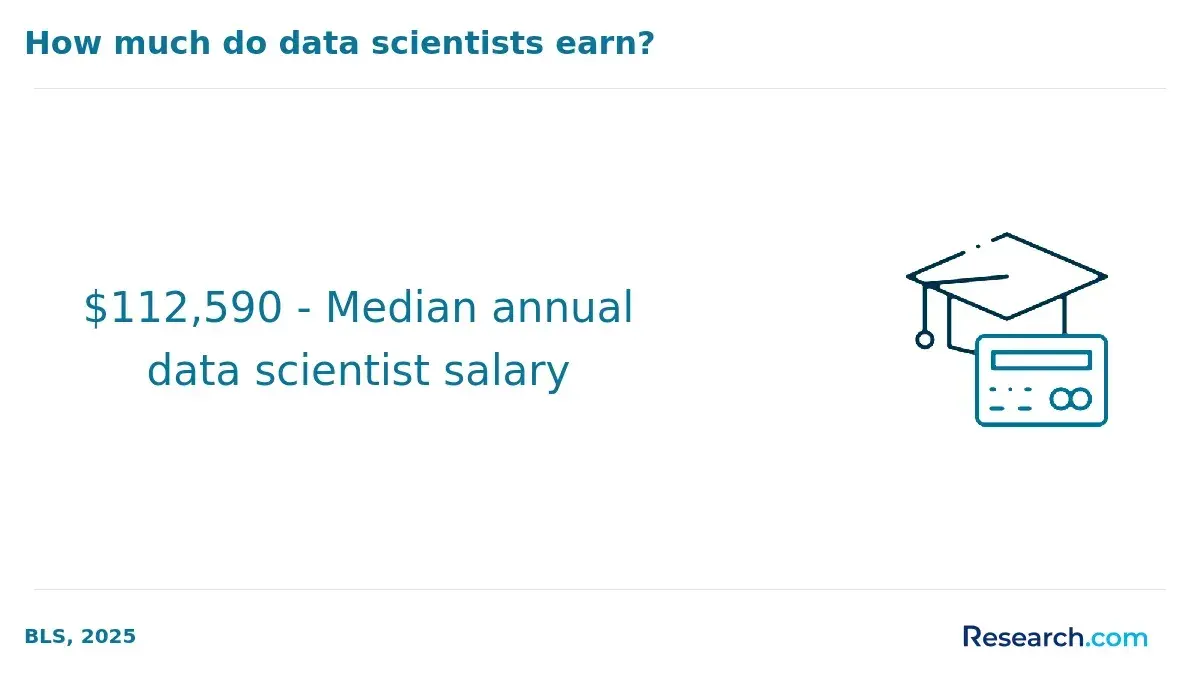
Graduate programs offer specialized master's degrees in AI, data science, or business analytics with event planning concentrations, preparing planners to develop proprietary AI models and lead technology projects. A notable resource for those exploring advanced education options is the data science masters online program, which provides affordable pathways for deepening expertise.
According to Skift Meetings Megatrends 2025, AI-driven personalization—tailoring agendas, recommendations, and networking—is a key benefit, underscoring the value of practical, actionable AI skills over theory alone.
How do online AI courses for event planning compare with campus or bootcamp options?
Online AI courses versus campus programs for event planning provide significantly more flexibility and accessibility. Online courses allow professionals to learn at their own pace, fitting around ongoing work and geographic restrictions. Campus programs, by contrast, often require fixed schedules and commuting or relocation, which can be impractical for working event planners.
Bootcamp compared to online AI training for event teams, bootcamps offer intensive, immersive experiences but demand full-time commitment over several weeks, limiting their feasibility for many practitioners.
Many online formats cover specialized topics such as attendee engagement, logistics optimization, and AI-powered chatbots. For instance, Cvent research shows that AI chatbots provide 24/7 attendee support, easing staff workloads. Such practical applications frequently appear in online courses through simulations or case studies, letting learners apply skills right away.
Campus programs may offer richer networking and direct mentorship, valuable for career growth. However, many online platforms now include interactive forums, live Q&A sessions, and collaborative projects to mimic these benefits.
Cost differences are notable: online courses usually range from $500 to $2,000, while bootcamps and campus programs often exceed $5,000. Online learning is typically more scalable and regularly updated to keep pace with evolving AI technologies, whereas campus curricula may lag.
Individuals interested in a broader range of tech education can explore options like cyber security courses online, which complement event planning skills in tech-driven environments.
What AI topics and tools are typically covered in courses tailored to event professionals?
Courses designed for event planning professionals integrate ai topics and tools that enhance both logistical and marketing dimensions of event management. A key feature is AI-driven event registration systems, which streamline verifying attendee information, processing payments, and recommending relevant sessions. According to Cvent, such systems significantly improve registration efficiency and customize attendee experiences.
Training typically starts with fundamentals like machine learning and natural language processing (NLP). These concepts allow event planners to analyze past event data to optimize scheduling, engagement, and resource use. Participants also gain experience with chatbots that automate customer service by addressing FAQs and delivering real-time updates.
Predictive analytics is another major subject, helping event professionals forecast attendance patterns, adjust venue capacity, and manage staffing more effectively. AI models trained on historical data improve demand predictions, lowering costs and boosting satisfaction.
Practical applications include learning AI-powered marketing tools that segment audiences for tailored promotional campaigns. Event planners use sentiment analysis to monitor social media feedback, enabling quick responses to attendee concerns and improving reputation.
Additionally, automation of routine tasks—such as scheduling participant meetings and coordinating vendor communications—enhances operational productivity. These programs provide a combination of technical skills and strategic approaches that address real-world challenges seen in today's event planning industry.
How can event teams evaluate accreditation, credibility, and quality of AI training providers?
Event teams assessing the quality and credibility of AI training providers should verify accreditation by respected bodies, such as the International Association for Continuing Education and Training (IACET) or regional higher education commissions. Accreditation ensures courses meet rigorous standards and offer certifications that carry weight across industries.
Evaluating instructor expertise and the provider's reputation is crucial. Courses led by professionals with proven experience in AI applications for event management, logistics, and data analysis add practical value. Testimonials, case studies, and partnerships with recognized event technology platforms further demonstrate credibility and real-world relevance.
Quality courses focus on relevant curricula featuring current ai tools like predictive analytics, natural language processing, and automation techniques tailored to event planning. For instance, Cvent highlights how predictive planning AI analyzes historical event data to improve attendance forecasting and resource allocation. Programs integrating such technology deliver better returns on investment.
Other important factors include interactive course formats offering hands-on labs or simulations and rigorous assessments to confirm skill mastery rather than passive learning. Pricing often reflects these qualities but must be weighed against overall value and institutional legitimacy. Requesting syllabi and trial sessions can help event teams make informed decisions.
What are the typical admission requirements, time commitment, and costs for AI courses?
Admission criteria for AI courses targeting event planning professionals vary widely. While a high school diploma or equivalent is typically required, many programs prefer candidates with college experience or backgrounds in event management, marketing, or basic programming.
Advanced courses often require skills in Python or data analysis, whereas entry-level classes usually have no prerequisites. Some providers use placement tests to evaluate foundational knowledge before enrollment.
Course duration and time commitment depend on the program's depth. Introductory courses generally last 4 to 8 weeks, requiring 3 to 5 hours weekly—ideal for working professionals. More extensive programs, like professional certificates or nano-degrees, span 3 to 6 months and demand 6 to 10 hours per week, frequently including real-world projects. Self-paced modules offer flexibility but need strong self-discipline to complete in recommended periods.
Costs can range widely, from free to several thousand dollars. Free options cover basic skills but often exclude certification or advanced tools. Paid certificates typically range from $200 to $1,500, with specialized programs costing $2,000 to $5,000. Some universities integrate AI courses for event planning into broader business or technology degrees, with tuition aligned to academic standards.
Event planners gain the most from courses emphasizing real-time data analysis and engagement techniques. For example, AI-powered engagement tools enable live polls, Q&A sessions, and feedback collection during events to capture attendee sentiment, enhancing practical skills and return on investment, according to Cvent.
Which AI-related roles can event professionals pursue, and how do these courses support them?
Event professionals can advance their careers by specializing in AI-driven roles that improve management, marketing, and accessibility. Positions such as AI event analyst, virtual event coordinator, content automation specialist, and accessibility technology manager focus on harnessing AI to enhance attendee engagement and event execution.
Key responsibilities include interpreting attendee data with machine learning to optimize marketing and layout, managing AI platforms for virtual participation, and using natural language processing to automate event content like summaries and updates. Accessibility managers implement AI tools for transcription, translation, and live captioning, ensuring events are inclusive and compliant with legal standards.
Training programs tailored for these careers cover AI programming, data analytics, voice recognition, sentiment analysis, and ethical AI use within events. Courses emphasize both technical and strategic skills, preparing students to apply AI solutions that streamline operations and personalize attendee experiences.
Graduates gain competencies to address challenges like engagement tracking and real-time information flow. Developing expertise in these areas equips event professionals to leverage emerging AI technologies effectively and ethically.
What salary ranges and career advancement can AI skills unlock in event management?
Proficiency in AI dramatically boosts salary potential and career opportunities in event management. Entry-level event coordinators using ai tools can expect starting salaries around $45,000 to $55,000 per year.
As professionals gain experience and develop specialized skills such as predictive analytics or automated logistics, mid-level managers often earn between $65,000 and $85,000 annually. Senior roles that focus on strategic AI implementation and data-driven event design command salaries exceeding $100,000, especially in competitive urban markets.
Expertise in post-event analytics powered by AI and machine learning provides clear advancement paths. By analyzing attendee behavior and survey data, event professionals uncover insights that improve future events. This capability creates opportunities for positions like AI project lead, data strategist, or innovation manager within event companies.
Many employers prioritize candidates who can:
- Use AI tools for real-time crowd management and personalized attendee engagement
- Leverage machine learning models to forecast event demand and optimize resource allocation
- Extract meaningful patterns from large datasets to guide marketing and sponsorship decisions
Advancing into executive roles like director of event technology or chief innovation officer requires mastery of multiple AI applications combined with strong event planning expertise. Professionals skilled in AI also often move into consulting positions, commanding higher fees by assisting organizations in integrating cutting-edge technology into their event strategies.
Are there industry-recognized AI certifications useful for event planners and event technologists?
Industry-recognized AI certifications are gaining importance for event planners and event technologists aiming to enhance their expertise and career prospects. Although only 14% of event professionals currently view AI as essential in their work and 43% are still exploring its applications, earning formal certification provides measurable skills and credibility in a competitive environment, according to Guidebook Meets.
Popular certifications like the Certified Artificial Intelligence Practitioner (CAIP) and the AI For Everyone Certificate from organizations such as CertNexus and Coursera offer foundational knowledge relevant to event management. These programs address AI fundamentals, ethics, and practical applications that optimize event logistics, boost attendee engagement, and support data-driven marketing.
For technologists, credentials like Microsoft Certified: Azure AI Fundamentals and Google AI Certification emphasize AI-powered software and cloud platforms that automate events and analyze attendee behavior. These certifications equip professionals with the necessary skills to integrate AI technologies effectively within event workflows.
Such credentials help overcome challenges like selecting appropriate AI tools, understanding data privacy, and measuring AI's impact on event results. Employers increasingly recognize these certifications as proof of AI proficiency in a rapidly evolving digital landscape.
By pursuing targeted AI certifications, event professionals move beyond experimentation toward strategic adoption of AI, enhancing both planning and execution processes.
Other Things You Should Know About Artificial Intelligence
AI courses like "AI for Event Planning Beginners" by Coursera and "Intro to AI for Event Management" by Udemy are tailored for beginners. These courses simplify complex AI concepts and focus on practical uses in event planning, ensuring beginners can integrate AI into their workflow effectively.
Event teams frequently encounter challenges such as data privacy concerns, integration with existing software, and the learning curve associated with new technologies. Additionally, understanding how to interpret AI outputs and ensuring the quality of data inputs are critical factors for successful AI implementation in event planning.
Artificial intelligence improves data management by automating the collection, analysis, and segmentation of attendee information. This leads to more accurate predictions about attendee behavior and preferences, enabling better personalization and targeted marketing strategies for events.
Yes, artificial intelligence can automate the processing of feedback, social media interactions, and attendance metrics to generate comprehensive post-event reports. These insights help event planners measure success, identify areas of improvement, and optimize future event strategies efficiently.
References
- Event Manager Career Path Guide https://aiapply.co/careers/event-manager
- AI Event Planning: Why It Will Make Your Future Events Better https://www.htlinternationalschool.com/2025/09/05/ai-event-planning-why-it-will-make-your-future-events-better/
- AI for Event Planning & Management Training Course https://www.euromatech.com/course/ai-for-event-planning-management/
- Best AI Tool for Event Planning in 2026: What Actually Works https://www.lensmor.com/blog/ai-tool-for-event-planning
- Welcome to EvalCommunity Academy - EvalCommunity Academy https://academy.evalcommunity.com/
- The 5 Best AI Engineering Bootcamps in 2026 - tripleten.com/blog https://tripleten.com/blog/posts/best-ai-engineering-bootcamps
- The Exciting Role of AI in Transforming Event Planning https://www.mcec.com.au/stories-and-ideas/ai-in-event-planning
- AI for event planners: 5 tools to automate and organize your events | The Jotform Blog https://www.jotform.com/ai/ai-for-event-planners/
- Best Accredited ISO 42001 Foundation Training in the EU https://growskills.store/best-accredited-iso-42001-foundation-training-providers-in-the-eu/
- Artificial Intelligence for Wedding and Event Planners in Santo Domingo, Dominican Republic | IA University https://ia.university/academic-programs/ai-course-wedding-event-planners-santo-domingo/