2027 Best AI Adoption Courses for Drug Safety Teams

Co-Founder and Chief Data Scientist
Drug safety teams struggle to integrate artificial intelligence tools without clear guidance, risking delays and errors in pharmacovigilance processes. Rapid developments in AI technologies demand professionals who can effectively apply these innovations to enhance safety monitoring and regulatory compliance. Many candidates from unrelated fields find it challenging to identify flexible, accredited courses tailored to their unique needs. This article reviews top artificial intelligence adoption programs designed specifically for drug safety professionals, highlighting accessible pathways and practical skills. It aims to help readers select suitable courses that accelerate their transition into AI-driven drug safety roles with confidence and efficiency.
Key Things You Should Know
- AI adoption courses for drug safety teams increasingly emphasize data analytics and machine learning integration to enhance adverse event detection accuracy by over 25% as of 2025.
- Programs focus on regulatory compliance and ethical AI use, reflecting FDA guidelines updated in early 2025 to ensure patient safety and data integrity.
- Demand for these courses rose by 40% in 2025, driven by pharma industry shifts toward AI-powered pharmacovigilance and automated risk management workflows.
Advance Your Career with AI Online Courses
Artificial Intelligence: Implications for Business Strategy
This program provides an introduction to Artificial Intelligence and their implications for business strategy. Earn an official digital certificate.

Oxford Artificial Intelligence Programme
Explore this Oxford Artificial Intelligence programme offered in a flexible learning environment and explore topics like machine learning, automation, and robotics.

Implementing Agentic AI: Building Your Organizational Playbook
This online MIT Agentic AI course offers a practical approach to deploying AI agents in your organization, including a custom playbook. 3 weeks, exclusive launch price.

AI Adoption: Driving Business Value and Impact
This online MIT AI Adoption: Driving Business Value and Impact offers practical frameworks to close the gap between AI potential and business reality.

Artificial Intelligence in Pharma and Biotech
Discover the applications and limitations of artificial intelligence in pharma and biotech with this MIT online short course.

What is an AI adoption course for drug safety teams and who should enroll?
AI adoption training for drug safety professionals focuses on integrating artificial intelligence tools and techniques into pharmacovigilance workflows. These trainings develop skills in automating adverse event detection, improving signal detection, managing large datasets, and ensuring compliance with regulatory standards. Participants often learn to apply machine learning models, natural language processing, and data analytics specifically designed for drug safety challenges.
Such courses attract pharmacovigilance specialists, drug safety managers, data scientists entering healthcare, and regulatory affairs professionals, as well as recent graduates in life sciences or computer science seeking careers in drug safety. Professionals aiming to enhance their technical competence amid the evolving digital landscape of drug safety find these best online courses for AI integration in pharmacovigilance critical.
Course programs frequently include real-world case studies, such as AI-assisted signal detection to reduce manual case review or predict safety outcomes from clinical trial data. Many offer hands-on training with AI platforms that enhance traditional pharmacovigilance software. Drug safety teams lacking these AI skills risk falling behind in managing expanding data volumes and regulatory demands.
Enrolling in AI adoption courses equips teams to leverage advanced analytics and automation, driving safer patient outcomes and operational efficiency. For those interested in foundational knowledge, an accelerated computer science degree online can provide a solid technical base to support AI implementation in drug safety environments.
Advance Your Career with AI Online Courses
Artificial Intelligence: Implications for Business Strategy
This program provides an introduction to Artificial Intelligence and their implications for business strategy. Earn an official digital certificate.
Oxford Artificial Intelligence Programme
Explore this Oxford Artificial Intelligence programme offered in a flexible learning environment and explore topics like machine learning, automation, and robotics.
Implementing Agentic AI: Building Your Organizational Playbook
This online MIT Agentic AI course offers a practical approach to deploying AI agents in your organization, including a custom playbook. 3 weeks, exclusive launch price.
How can AI adoption courses improve pharmacovigilance and drug safety workflows?
AI adoption courses directly improve pharmacovigilance efficiency by training professionals in managing machine-learning tools that streamline case processing. These programs emphasize practical uses like natural language processing, which extracts key details from unstructured safety reports, accelerating signal detection and adverse event analysis. Automation techniques taught in these courses help reduce manual workload, enabling faster and more precise regulatory submissions.
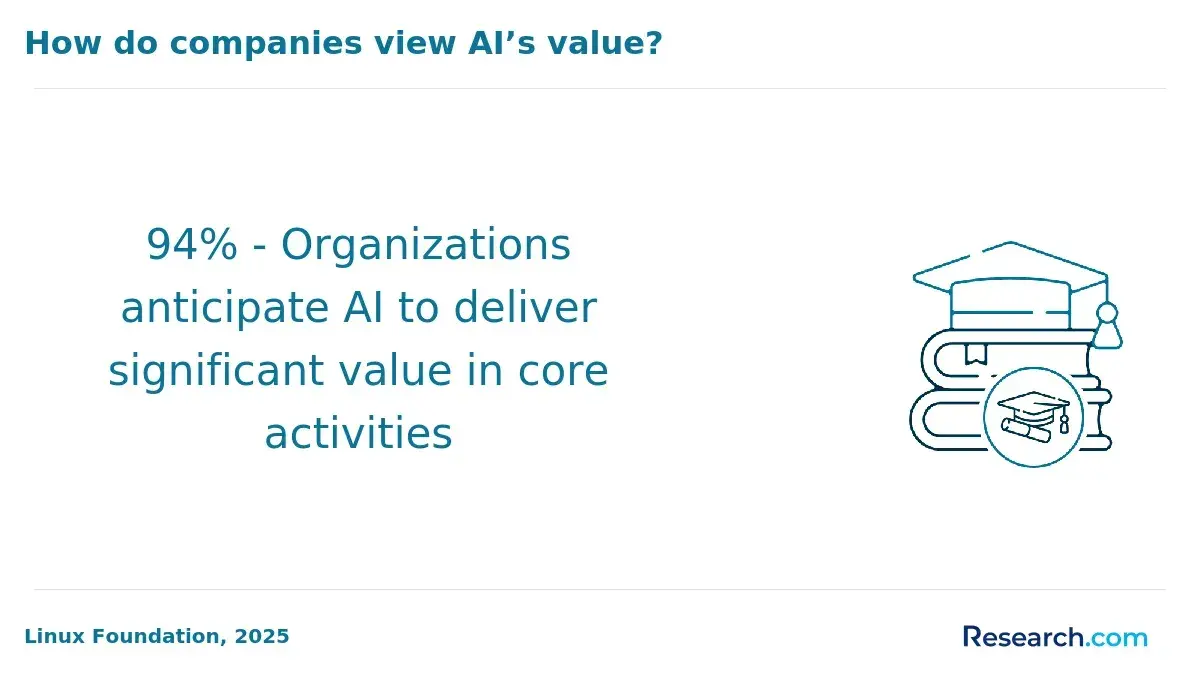
The impact of AI training on pharmacovigilance efficiency is demonstrated by machine-learning models achieving up to 94% accuracy in individual case safety report (ICSR) classification, surpassing traditional rule-based methods. This high accuracy facilitates extensive case processing automation, enhancing data quality and reliability in safety databases. AI adoption courses equip learners with the skills to implement and validate such advanced algorithms effectively.
- Evaluating AI model performance and validation tailored to pharmacovigilance datasets
- Integrating AI-powered tools with existing safety databases and workflows
- Addressing data privacy, regulatory compliance, and ethical AI challenges
- Developing strategies for monitoring AI outputs for inconsistencies or biases
For professionals managing high volumes of case reports, AI adoption education offers solutions to streamline triage and reduce reporting latency. These courses also provide frameworks for collaboration with data scientists and IT teams to customize AI tools for organizational needs. This expertise enables drug safety teams to maintain compliance while leveraging technology for better patient protection. Students and professionals interested in enhancing their AI skills may consider pursuing a cheapest online computer engineering degree as a cost-effective option to advance in this field.
How AI adoption courses enhance drug safety workflows is critical for modern pharmacovigilance, ensuring improved case accuracy and operational speed through targeted education.
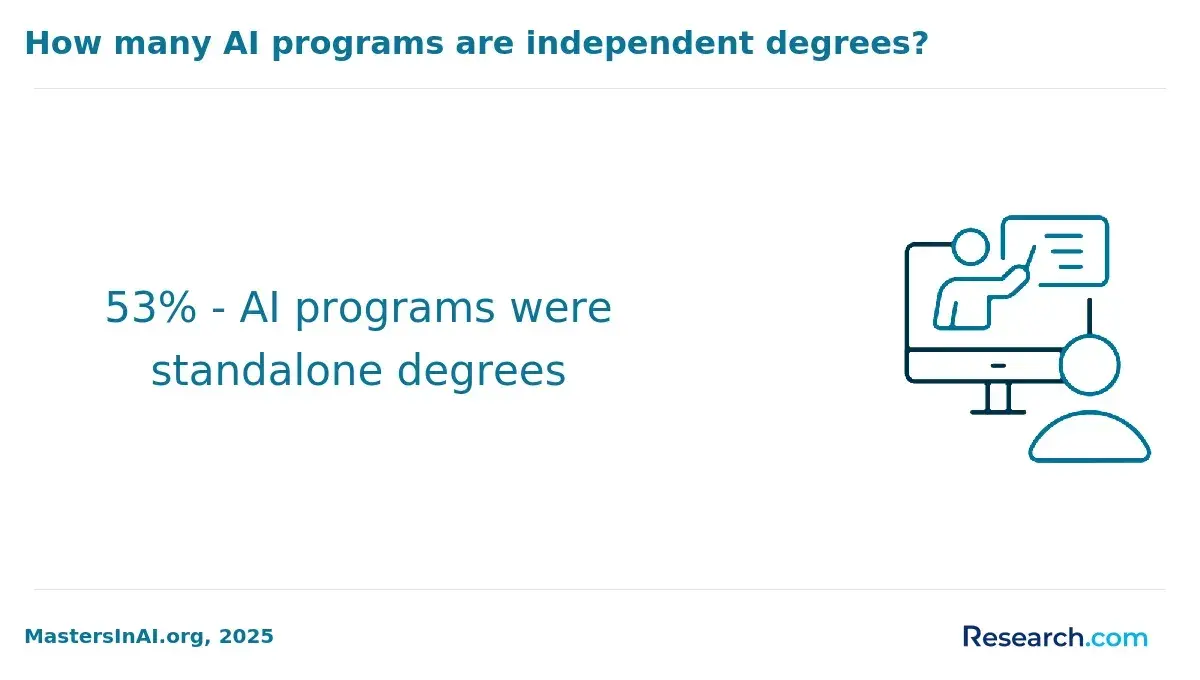
What types of AI adoption programs exist for drug safety teams (certificates, degrees, bootcamps)?
AI adoption certificate programs for drug safety professionals offer focused, short-term training on integrating ai tools within pharmacovigilance workflows. These programs generally span several weeks to a few months and cover topics like machine learning for adverse event detection, data mining, and regulatory compliance. They suit individuals looking for targeted skills without a long-term commitment.
Degree programs, including master's degrees in biomedical informatics, data science, or regulatory science with AI specialization, provide a more comprehensive foundation. These typically require one to two years, combining coursework in statistics, clinical trials, drug safety regulations, and machine learning. Many learners pursuing leadership roles benefit from programs like the master data science online options that emphasize both technical and regulatory expertise.
Bootcamps focused on drug safety AI integration deliver intensive, hands-on training in a compact time frame, often days to weeks. These build practical abilities in AI programming, coding, and data analysis tailored to case report narratives and safety applications, ideal for professionals needing rapid upskilling or transitioning roles.
According to FDA CDER's Emerging Drug Safety Technology Program, over 40% of sponsor engagement requests involve AI or machine learning-enabled safety technologies, underscoring the growing regulatory focus. Selecting programs that ensure competence in both algorithm implementation and regulatory standards is essential.
What core skills and topics do the best AI adoption courses for drug safety cover?
Effective AI integration in drug safety workflows requires mastering core competencies for AI adoption in pharmaceutical safety. Key skills include data management techniques focused on integrating, cleaning, and standardizing large pharmacovigilance datasets, which are vital for training and validating reliable AI models. Knowledge of machine learning fundamentals-such as supervised and unsupervised algorithms, classification methods, and natural language processing (NLP)-is essential to support AI tools for adverse event detection and case triage.
Courses emphasize compliance with regulatory frameworks like FDA, EMA, and ICH guidelines to ensure AI-driven drug safety processes remain transparent, auditable, and aligned with industry standards. Ethical considerations and risk management, including bias mitigation and AI explainability, safeguard patient trust and safety during AI deployment.
Practical experience using real-world datasets and case studies is critical. For example, an Applied Clinical Trials study showed AI reduced case processing time by 30-40% and cut costs by about 25%, highlighting the impact of hands-on proficiency with AI tools on efficiency and cost-effectiveness.
Software skills in Python, R, and AI platforms like TensorFlow or PyTorch are integral for customizing AI models. Additionally, training covers change management and cross-disciplinary collaboration to promote successful AI adoption within safety teams. Those seeking to deepen their technical skills may also explore related fields like electrical engineering degree online for veterans as a complementary path.
How do online AI adoption courses for drug safety compare with on-campus options?
Online AI adoption courses for drug safety teams provide unmatched flexibility and scalability compared to traditional on-campus options. These programs allow professionals to balance work with study, accessing current content without the need to relocate. Many incorporate interactive modules, real-world case studies, and AI simulation tools tailored for pharmacovigilance, offering practical experience despite the virtual environment.
On-campus courses may have advantages such as face-to-face interaction with instructors and peers, access to campus facilities, and opportunities for local industry networking. However, these benefits come with higher costs and rigid schedules. For drug safety professionals looking to quickly enhance their skills, especially as over 70% of pharmacovigilance leaders plan to increase AI training investments within two years (ISoP AI in Pharmacovigilance SIG), online options provide faster access to essential knowledge.
Important factors to consider include:
- Learning style: On-campus supports hands-on workshops; online suits self-paced, modular learning.
- Technological comfort: Online requires proficiency with digital platforms.
- Cost and time: Online usually offers lower fees and flexible scheduling.
- Accreditation and curriculum: Both must align with current AI use in drug safety.
Overall, online courses increasingly match traditional formats by delivering focused AI training that meets critical skill demands in pharmacovigilance. Prospective students should evaluate their professional needs and learning preferences before choosing the best format.
Which accreditation, institutional approvals, or industry partnerships matter for these AI programs?
Accreditation, institutional approvals, and industry partnerships are pivotal when selecting AI adoption courses focused on drug safety teams. Accredited programs meet regulatory standards such as FDA or EMA guidelines, essential for pharmacovigilance compliance. Institutions recognized by authoritative bodies like the Accreditation Council for Pharmacy Education (ACPE) or the Association for Talent Development (ATD) reflect quality education frameworks and rigorous curricula.
Industry collaborations enhance learning by integrating real-world case studies, proprietary datasets, and internships. Partnerships with pharmaceutical companies or AI vendors specializing in drug safety provide practical experience with bias assessment tools and AI governance platforms. This hands-on approach equips students for complex workplace challenges.
A 2024 review by Frontiers in Pharmacology revealed that over 60% of AI safety models lacked documented bias assessments or governance frameworks, highlighting the importance of programs emphasizing governance and ethical AI use. Accreditation by organizations such as the International Society of Pharmacovigilance (ISoP) or the Drug Information Association (DIA) guarantees focus on risk management and compliance.
Prospective students should confirm that courses offer:
- Frameworks for documenting bias
- Quality assurance measures
- Governance protocols aligned with regulatory expectations
Ensuring curriculum alignment with compliance needs prepares graduates for critical roles within drug safety teams.
What are typical admission requirements and professional prerequisites for AI adoption courses?
Admission requirements for AI adoption courses in drug safety typically combine academic qualifications with relevant professional experience. Most programs expect a bachelor's degree in life sciences, pharmacy, medicine, computer science, or engineering, while advanced courses may require a master's degree or substantial work experience in pharmacovigilance, clinical research, or data analytics.
Applicants often need familiarity with drug safety regulations, case management systems, and data handling. Experience in adverse event reporting or signal detection is highly valued, and some institutions mandate prior knowledge of programming languages such as Python or R to ensure practical competence with AI tools.
Certifications in pharmacovigilance or clinical trial management can enhance a candidate's profile. Working professionals might demonstrate how AI integration improves workflows, particularly in case intake and data review. An industry webinar emphasized early AI upskilling, showing up to a 50% reduction in manual data entry and a 20% increase in case completeness for adverse event reports.
Applicants should prepare for assessments in quantitative reasoning and regulatory frameworks, sometimes including interviews and submission of professional recommendation letters endorsing their role in AI initiatives or drug safety operations.
How long do AI adoption programs for drug safety take, and what do they cost?
AI adoption programs for drug safety vary from 3 to 12 months, depending on curriculum depth and practical integration. Shorter courses, typically 3 to 6 months, focus on foundational techniques like machine learning algorithms for pharmacovigilance and signal detection. Longer programs up to 12 months provide in-depth training on risk management, regulatory compliance, and hands-on projects using real-world data.
Costs differ widely depending on the provider and format. Entry-level online courses start around $1,200, while advanced certificate programs or boot camps designed for professionals range between $3,000 and $7,000. Specialized AI adoption tracks in universities, often part of graduate certificates or professional education, typically cost $4,000 to $10,000.
A recent 2024 study from Frontiers in Pharmacology found that machine learning models detected emerging safety signals 3 to 6 months earlier than traditional methods, emphasizing the value of quick AI skill adoption in drug safety. Programs that emphasize signal detection and benefit-risk analysis offer immediate practical benefits for pharmacovigilance teams.
Working professionals benefit from programs with flexible schedules, modular content, and support for software tools such as Python or R. Certifications aligned with FDA or EMA pharmacovigilance guidelines enhance career growth opportunities in this evolving field.
What careers, roles, and advancement opportunities can AI-trained drug safety professionals pursue?
AI-trained drug safety professionals have diverse career paths within pharmacovigilance and related fields. Common roles include AI-focused pharmacovigilance analysts who design machine learning models for detecting safety signals and adverse events, improving accuracy beyond manual case reviews. Advanced specialists work as AI validation experts to ensure regulatory compliance and performance of AI tools, while clinical data scientists apply AI algorithms to predict drug safety outcomes by integrating various datasets.
Mid- to senior-level roles such as pharmacovigilance informatics managers or directors involve leading AI strategy and technology adoption across safety monitoring teams. These positions require collaboration across AI, clinical, and regulatory functions to enhance risk management frameworks. Additionally, drug safety officers fluent in AI often assume hybrid roles combining data science and regulatory affairs to support data-driven benefit-risk decisions.
Industry data from applied clinical trials indicate that professionals with AI or machine learning expertise earn 15-25% higher salaries than traditional pharmacovigilance roles, reflecting strong demand for these skills. Consulting and AI technology development also offer promising opportunities, where experts contribute to innovative software solutions.
Developing skills in machine learning, natural language processing, and AI validation frameworks alongside core drug safety knowledge is crucial to succeed in these evolving roles.
What salaries and job outlook can drug safety teams expect after adopting AI skills?
Drug safety professionals with AI skills experience significant salary boosts and improved job prospects. Integrating AI tools into pharmacovigilance workflows raises the demand for specialists skilled in AI data analysis, risk prediction, and automated reporting. Median salaries in the U.S. increase from approximately $90,000 to over $110,000 annually, with advanced roles such as AI-driven pharmacovigilance analysts earning above $130,000.
The job market is growing, highlighted by more than 30% yearly growth in enrollment for specialized AI-pharmacovigilance programs like the Certified AI Pharmacovigilance Specialist (CAIPVS). Employers prioritize candidates who combine domain expertise with AI fluency to enhance drug risk management and regulatory compliance.
Key practical skills include machine learning algorithms, natural language processing applied to safety data, and automation software integration. Job roles vary widely, including data scientists focused on drug safety signals and compliance experts developing real-time AI monitoring systems.
Choosing AI adoption courses with hands-on experience and industry recognition is crucial. Programs offering case studies on AI applications in adverse event detection or benefit-risk modeling improve employment prospects.
- Salary increases of 15% to 25% for AI-competent professionals
- Rapid job market expansion driven by AI adoption
- Focus on machine learning, NLP, and automation skills
- Specialized training enhances career opportunities
Other Things You Should Know About Artificial Intelligence
In 2027, leading courses for drug safety AI adoption include Stanford's "AI in Healthcare" certification, MIT's "AI for Drug Safety", and Coursera's "AI and Machine Learning in Drug Safety". These offerings cover machine learning, data ethics, and AI application in pharmacovigilance.
Ethical concerns in AI for drug safety include data privacy, algorithmic bias, and transparency in decision-making processes. It is crucial that patient data used in AI models be protected under strict confidentiality rules. Additionally, developers and users must ensure AI systems do not perpetuate biases that could affect the fairness and accuracy of drug safety assessments.
Artificial intelligence cannot fully replace human expertise in drug safety but serves as a powerful tool to augment professionals' capabilities. AI excels at processing large datasets quickly but requires expert interpretation of findings, regulatory judgment, and contextual knowledge that humans provide. Collaborative workflows between AI systems and drug safety teams remain essential.
Drug safety teams face challenges such as integrating AI tools with existing systems, ensuring high-quality data standards, and managing skill gaps related to AI technology. Resistance to change and the need for ongoing validation of AI models also present obstacles. Addressing these issues requires targeted training and clear governance frameworks.
References
- Eligibility Criteria for AI Courses in Germany https://www.yesgermany.com/eligibility-criteria-for-ai-courses-in-germany/
- Mastering AI-Driven Pharmacovigilance Systems for Future-Proof Drug Safety Careers https://store.theartofservice.com/mastering-ai-driven-pharmacovigilance-systems-for-future-proof-drug-safety-careers/
- AI In Clinical Research Bootcamp | 10-Day Program In CDM & Pharmacovigilance – BCRI https://www.bcri.in/ai-in-clinical-research/
- Advanced Diploma AI in Drug Safety & Compliance https://clinilaunchresearch.in/courses/clinical-research-training/advanced-diploma-ai-drug-safety-compliance/
- Pharma's AI Skills Gap: A 2025 Data-Driven Analysis | IntuitionLabs https://intuitionlabs.ai/articles/pharma-ai-skills-gap
- Use of Gen AI in Accreditation https://a3stepaccreditation.org/f/use-of-gen-ai-in-accreditation
- AI in Pharmacovigilance Training Course https://ipi.academy/product/details/3057/ai-in-pharmacovigilance
- Webinar-Confronting the Unspoken: The Impact of AI Adaptation on Institutional Policy and Accreditation | Council for Higher Education Accreditation https://www.chea.org/webinar-confronting-unspoken-impact-ai-adaptation-institutional-policy-and-accreditation
- Academic Partnership Program | Partner ARTiBA https://www.artiba.org/partner-artiba/universities-partnership
- Top AI Courses After 12th to Kickstart Your Tech Career https://www.msruas.ac.in/blog/lead-the-future-of-artificial-intelligence-with-top-ai-courses-after-12th