2027 Best AI Agent Courses for Founders and CEOs

Co-Founder and Chief Data Scientist
Founders and CEOs often struggle to harness ai agent technologies effectively, risking missed opportunities for business innovation and automation. Without targeted knowledge, leaders may find it difficult to evaluate courses that balance technical rigor with practical application in fast-paced business environments. Many programs offer fragmented or overly complex content, creating barriers for professionals seeking to pivot into ai successfully. This article highlights the best ai agent courses designed specifically for executives aiming to integrate advanced solutions into their strategies. It will guide readers in choosing accredited, flexible programs that empower them to lead with confidence in the evolving ai landscape.
Key Things You Should Know
- Top AI agent courses for founders and CEOs in 2026 focus on practical applications, integrating AI into business strategy with a 45% yearly growth in enrollment since 2024.
- Programs emphasize tools like natural language processing and machine learning to enhance decision-making, with 62% of graduates reporting increased operational efficiency.
- Many courses now offer hybrid and asynchronous formats to accommodate busy executives, reflecting a 38% rise in executive program participation in the past two years.
Advance Your Career with AI Online Courses
Artificial Intelligence: Implications for Business Strategy
This program provides an introduction to Artificial Intelligence and their implications for business strategy. Earn an official digital certificate.

Oxford Artificial Intelligence Programme
Explore this Oxford Artificial Intelligence programme offered in a flexible learning environment and explore topics like machine learning, automation, and robotics.

Implementing Agentic AI: Building Your Organizational Playbook
This online MIT Agentic AI course offers a practical approach to deploying AI agents in your organization, including a custom playbook. 3 weeks, exclusive launch price.

AI Adoption: Driving Business Value and Impact
This online MIT AI Adoption: Driving Business Value and Impact offers practical frameworks to close the gap between AI potential and business reality.

Artificial Intelligence in Pharma and Biotech
Discover the applications and limitations of artificial intelligence in pharma and biotech with this MIT online short course.

What is an AI agent course and why does it matter for founders and CEOs?
An AI agent course trains founders and CEOs to develop and deploy AI-driven autonomous systems that handle tasks with minimal human input. These programs focus on practical skills like programming AI agents, integrating machine learning models, and leveraging automated decision-making tools to boost operational efficiency. The importance of AI agent training for founders lies in its ability to enhance productivity, strategic planning, and maintaining a competitive edge.
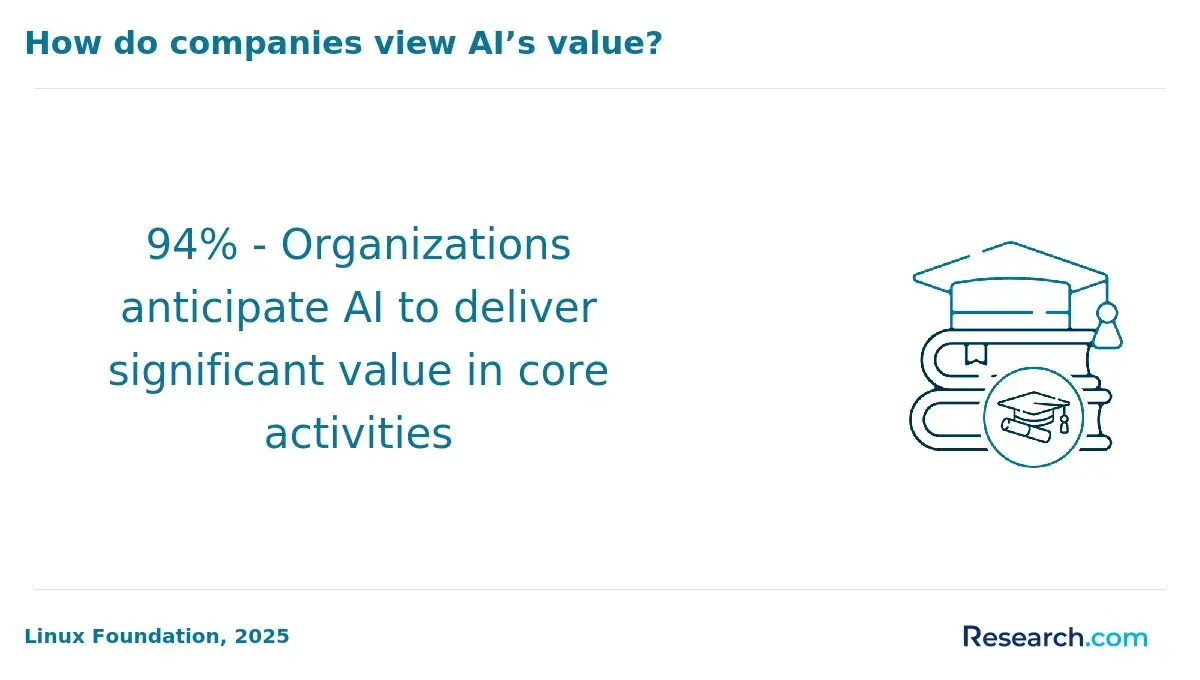
Research indicates that up to 25% of tasks performed by CEOs and executives can be automated by AI, underscoring the need for business leaders to engage with AI agent courses for business leaders. These courses help executives identify automation possibilities in scheduling, data analysis, customer engagement, and market forecasting.
Participants learn to implement AI agents that optimize workflows and minimize manual errors. For example, a founder might use AI agents to monitor social media sentiment and automatically trigger marketing actions. CEOs can adopt AI agents for real-time financial reporting, thus freeing up valuable time for strategic initiatives.
Equipped with AI agent expertise, leaders can better evaluate vendor solutions and make informed investment decisions. They are also better prepared to lead digital transformation and manage organizational change. Those interested in exploring educational pathways for AI can find relevant programs at top US colleges for data science.
Advance Your Career with AI Online Courses
Artificial Intelligence: Implications for Business Strategy
This program provides an introduction to Artificial Intelligence and their implications for business strategy. Earn an official digital certificate.
Oxford Artificial Intelligence Programme
Explore this Oxford Artificial Intelligence programme offered in a flexible learning environment and explore topics like machine learning, automation, and robotics.
Implementing Agentic AI: Building Your Organizational Playbook
This online MIT Agentic AI course offers a practical approach to deploying AI agents in your organization, including a custom playbook. 3 weeks, exclusive launch price.
What should founders and CEOs look for in the best AI agent courses?
Founders and CEOs seeking the best ai agent courses for founders and ceos should focus on practical skills that align with strategic business goals. With 42% of enterprises already automating workflows using ai, and another 40% piloting such technologies according to IBM's 2024 Global AI Adoption Index, understanding these trends is vital. Key features of top ai agent training for executives include:
- Hands-on modules for designing, deploying, and managing ai agents specific to industry needs.
- Instruction on integrating ai tools with existing enterprise software to enable seamless automation.
- Clear guidelines on data governance, security, and ethical use crucial for executive decision-making.
- Training on developing business cases to quantify ROI and justify ai investments.
- Exposure to real-world case studies across sectors like finance, healthcare, and supply chain management.
Course duration and complexity should accommodate the executive's background and time availability. Some may need beginner-level introductions, while others require advanced technical leadership content. Programs offering peer networking or mentorship can accelerate practical implementation. Choosing courses endorsed by reputable ai research institutions or leaders ensures up-to-date knowledge amid shifting regulations and market demands. For founders and CEOs aiming to enhance their leadership through technical expertise, exploring options such as an online mechanical engineering degree can also complement ai skills in related technical domains.
How do AI agent courses for executives differ from technical AI programs?
AI agent courses for executives differ significantly from technical AI training programs by concentrating on strategic deployment and leadership rather than coding or system design. These courses equip business leaders with the understanding needed to incorporate AI agents into organizational processes, drive data-driven decisions, and manage transformational change effectively. Unlike technical programs, executive-focused education emphasizes AI's influence on operations, ethics, and competitive positioning.
Benefits of AI agent education tailored for business leaders include developing managerial and leadership skills specific to AI adoption, extensive use of industry case studies, and training on governance, risk management, and regulatory compliance related to AI agents. Workshops often focus on leading teams through AI-driven change with an emphasis on cross-functional collaboration rather than technical problem-solving.
- Management and leadership skills over technical expertise.
- Practical case studies enhancing decision-making.
- Training on AI-specific governance and compliance.
- Change management workshops for leading AI transformations.
- Focus on collaboration across business units.
Companies aggressively adopting AI agents are projected to grow revenues substantially faster, highlighting the demand for "agent-literate" executives who can align AI initiatives with corporate goals. For those interested in broadening their leadership capabilities without technical focus, pursuing an online cybersecurity degree can sometimes complement AI leadership skills in risk and compliance areas.
Which types of accredited programs offer AI agent training for business leaders?
Accredited programs offering ai agent certification programs for business executives generally fall into three categories: executive education certificates, professional master's degrees, and specialized short courses. Executive education certificates are the most accessible, lasting from a few days to several weeks. These focus on practical AI applications for strategic decision-making and are offered by top business schools like MIT Sloan and Stanford GSB. They emphasize integrating ai agents into workflows, improving productivity, and spotting innovation opportunities.
Professional master's degrees, such as the Master of Science in Artificial Intelligence or AI Management, provide in-depth technical and leadership training over one to two years. These degrees equip founders and CEOs with skills to lead AI-driven business transformations. Carnegie Mellon University and Northwestern University offer programs with wide industry accreditation.
Specialized short courses and bootcamps, often affiliated with universities or reputable platforms, provide focused, intensive training on targeted skills such as natural language processing or ai ethics relevant to corporate leaders. These accredited training courses in artificial intelligence for corporate leaders offer quick upskilling options for busy professionals.
Choosing the right program depends on your time constraints, depth of knowledge needed, and specific business challenges like automating customer service or predictive analytics. According to an Emeritus-Deloitte survey, 74% of business leaders who completed ai-focused executive programs reported positive ROI within 12 months, mainly through productivity gains and revenue growth. Those seeking an affordable option might consider an affordable online computer science degree that also covers AI fundamentals.
How do online, hybrid, and on-campus AI agent programs compare for busy executives?
Online AI agent programs offer busy executives maximum flexibility with self-paced modules and asynchronous lectures. These formats are ideal for engaging during evenings or weekends but often miss real-time interaction and networking. Hybrid programs blend online learning with in-person workshops or live sessions, providing a balance of convenience and direct engagement. This structure supports deeper understanding through discussions and peer collaboration without requiring full-time residency. On-campus courses deliver immersive experiences and immediate faculty access, suited for those who can dedicate significant time away from work. However, these demand more time and travel, which may not fit demanding C-suite schedules.
Executives should weigh their time availability, preferred learning styles, and networking objectives. Online options prioritize convenience, hybrid courses blend interaction with flexibility, and on-campus programs offer deeper immersion. Budget is another consideration; Gartner's 2024 CIO and Technology Executive Survey reveals CIOs plan a 27% increase in AI and automation spending, emphasizing autonomous agents as a priority.
Choosing the right AI education program means aligning with strategic goals, workload, and desire for peer engagement. Hybrid options often strike the best balance for leaders seeking actionable knowledge alongside practical networking opportunities.
What core skills and topics do top AI agent courses teach founders and CEOs?
Top AI agent courses for founders and CEOs cover essential skills for leading AI-driven organizations. These programs teach how autonomous and semi-autonomous AI agents operate, their decision-making processes, and integration into strategic business models focused on product design, user experience, and ethical concerns specific to autonomous systems.
Technical competencies include machine learning fundamentals, natural language processing, and reinforcement learning, helping leaders understand how AI agents learn and evolve. Additionally, mastering data governance, privacy, and compliance protocols is critical to building trust. Financial modeling and ROI analysis related to AI implementations equip executives to justify investments and measure outcomes effectively.
Risk management and regulatory knowledge help navigate legal challenges in AI deployment. Case studies from startups and enterprises illustrate common pitfalls and best practices, including balancing automation with human oversight to maintain system reliability in dynamic settings.
With over 60% of AI startups focusing on autonomous or semi-autonomous agents, as reported in the 2024 Y Combinator State of AI Startups, these skills are in high demand. Courses often include leadership training to manage AI product teams and foster innovation cultures amid uncertainty, preparing founders and CEOs for rapid industry shifts.
This education empowers executives to critically evaluate agent capabilities, understand model limitations, and promote ethical rollout strategies for sustainable growth in AI-driven markets.
What are the typical admission requirements and time commitment for AI agent courses?
Admission requirements for AI agent courses targeting founders and CEOs typically include a bachelor's degree in areas like computer science, business, or engineering. Candidates often need relevant leadership or decision-making experience in tech-driven settings to ensure immediate application of AI concepts to strategic initiatives. Some programs expect basic skills in data analytics or coding, while others focus on executive-level understanding without technical prerequisites.
Course durations vary based on format: executive programs last 6 to 12 weeks with 4 to 10 hours weekly, boot camps run 1 to 2 weeks with immersive daily sessions, and online self-paced options recommend 8 to 12 hours weekly over several months. Time management is a common concern among applicants balancing learning with busy schedules.
Given that 69% of CEOs say they will not scale generative AI (including agents) without stronger governance and risk controls, it is crucial that courses emphasize governance, compliance, and risk management alongside technical material. Selecting programs that provide real-world case studies and practical governance tools helps future leaders navigate regulatory and ethical challenges effectively.
Prospective students should verify that AI education includes frameworks for integrating agents into workflows while addressing governance demands. This approach aligns with insights from PwC's Global CEO Survey and supports strategic deployment of AI in organizations.
How much do AI agent courses for founders cost, and what funding options exist?
Courses for founders and CEOs focusing on AI agents typically range between $500 and over $5,000. Prices vary with course depth, duration, and provider reputation. Top business schools and tech institutes usually charge above $3,000, reflecting access to expert instruction, hands-on projects, and personalized feedback. Meanwhile, online platforms often offer more affordable, shorter modules priced around $500-$1,000.
Funding options include employer sponsorships, scholarships, installment plans, and government-backed educational loans. Some programs offer income-share agreements (ISAs), allowing tuition payment after securing relevant employment. Founders and CEOs can also use professional development budgets or industry-specific grants aimed at upskilling leadership in AI applications.
The World Economic Forum's Future of Jobs 2025 report highlights that 75% of companies plan to adopt AI-driven automation by 2029, but 60% face challenges finding skilled AI and machine learning talent. This gap leads many organizations to subsidize or cover course fees to prepare leadership effectively.
For those balancing tight schedules, modular or self-paced courses help reduce costs without sacrificing quality. Combining AI agent training with entrepreneurship or tech management programs can lower expenses further. Evaluating course accreditation and alumni success ensures worthwhile investment in necessary skills.
How can AI agent training impact a founder's or CEO's salary, roles, and career path?
AI agent training can significantly elevate a founder's or CEO's salary by enabling the swift adoption of agent-driven automation in business operations. McKinsey's 2024 generative AI update reveals that companies effectively utilizing AI workflows may increase operating margins by 5-15 percentage points within 3-5 years. This enhanced profitability offers a solid basis for higher executive compensation linked to these financial improvements.
Expertise in AI agents also reshapes executive roles, shifting focus from routine decisions toward strategic oversight of autonomous systems. Founders and CEOs become AI-literate leaders who guide cross-functional teams leveraging agentic workflows to boost efficiency and innovation. Automating knowledge work decreases time spent on manual management, allowing executives to prioritize growth and market expansion.
Career paths expand as AI agent skills open new leadership opportunities in tech-centric industries. Executives with this knowledge often lead digital transformations that create competitive advantages recognized by boards and investors. These skills can lead to emerging positions such as Chief AI Officer or Innovation Strategist, increasingly vital in organizations relying on AI systems.
Prospective CEOs should consider key questions to thrive in an AI-driven economy: integrating AI with existing workflows, measuring ROI from AI agents, and balancing human versus AI decision-making authority. Mastering these areas supports sustainable career advancement and compensation growth.
Artificial Intelligence
continues to reshape executive leadership and competitive business strategies.
How can leaders evaluate the credibility and ROI of AI agent education providers?
Leaders assessing ai agent education providers should prioritize measurable outcomes and proven success. Curriculum alignment with industry standards and future trends is crucial, given IDC's projection that by 2030, 40% of new enterprise applications will integrate autonomous or semi-autonomous ai agents, rising sharply from less than 5% in 2023. This highlights the need for education that equips leaders to manage evolving ai technologies.
Look for transparent success metrics such as graduate employment rates, leadership advancements, or innovation related to ai agents. Providers with case studies or partnerships involving recognized tech companies or consultancy firms often indicate stronger ROI. Faculty expertise combining technical and business knowledge further validates program quality.
Practical, hands-on experiences-like ai agent deployment projects and real-world problem-solving labs-enhance a leader's implementation skills. Additionally, personalized mentorship and networking opportunities add long-term value. Request clear cost-benefit breakdowns including productivity gains, automation improvements, and decision-making enhancements after training.
Consider flexible course delivery options to balance learning with existing responsibilities. External validation through peer reviews, industry recognition, alumni feedback, and independent rankings helps confirm credibility, enabling CEOs to quantify potential ROI effectively.
Other Things You Should Know About Artificial Intelligence
Artificial intelligence enhances decision-making by providing data-driven insights and predictive analytics that help leaders understand market trends, customer behavior, and operational efficiencies. It automates routine analysis, enabling faster and more accurate strategic decisions. Founders and CEOs use AI tools to simulate scenarios, optimize resources, and reduce risks in business planning.
In 2027, leading courses such as those by Stanford Online and MIT Sloan offer extensive modules on ethical AI, guiding executives on data privacy, bias reduction, and fairness, vital for responsible AI deployment.
Continuous learning is essential as AI technologies rapidly advance. Engaging in specialized courses, attending industry conferences, and participating in executive workshops help leaders remain informed. Networking with AI experts and subscribing to relevant research publications are also practical strategies to keep pace with innovations.
Common challenges include resistance to change from employees, data quality issues, and the complexity of aligning AI solutions with business goals. Founders and CEOs must invest in change management and build interdisciplinary teams combining technical and business expertise. Additionally, ensuring scalability and maintaining data security are critical hurdles during integration.
References
- Evaluating AI ROI: Your agents are costing you more than you think https://www.pluralsight.com/resources/blog/ai-and-data/evaluating-ai-roi-agents
- Demystifying AI Agents in 2025: Separating Hype From Reality and Navigating Market Outlook | Alvarez & Marsal | Management Consulting | Professional Services https://www.alvarezandmarsal.com/thought-leadership/demystifying-ai-agents-in-2025-separating-hype-from-reality-and-navigating-market-outlook
- AI Agent Development Cost $5K to $180K+ (2026) https://productcrafters.io/blog/how-much-does-it-cost-to-build-an-ai-agent/
- What are the requirements for completing the Introduction to AI and Building AI courses? https://www.elementsofai.com/ie/faq/what-are-the-requirements-for-completing-the-introduction-to-ai-and-building-ai-courses
- Become an AI Engineer in 3 Months | Turing College https://www.turingcollege.com/ai-engineering
- 10 AI Agents Every Startup Founder Should Build https://www.mindstudio.ai/blog/ai-agents-for-startup-founders
- CrossInt – We cross talent with leadership https://www.crossint.eu/en/general/agentic-ai-readiness
- Choosing the Right AI Course for Business Leaders https://www.tsa-bildung.de/en/blog/choosing-the-right-ai-course-for-business-leaders
- Leaders will soon be managing AI agents - these are the skills they'll need, according to experts https://www.weforum.org/stories/2025/07/leaders-will-soon-be-managing-ai-agents-these-are-the-skills-theyll-need/
- Artificial intelligence executive education programs | edX https://www.edx.org/executive-education/artificial-intelligence