2027 Best Agentic AI Courses for Corporate Strategy Leaders

Co-Founder and Chief Data Scientist
Corporate strategy leaders often struggle to integrate agentic ai into their planning processes due to rapidly evolving technologies and a lack of specialized knowledge. This knowledge gap hampers their ability to harness AI's full potential for competitive advantage. As organizations face mounting pressure to innovate, leaders must adopt flexible, accredited learning paths that fit busy schedules while providing practical skills.
The article explores the best courses designed to equip corporate strategists with agentic AI expertise. It highlights programs that blend theory and application, enabling leaders to drive informed, agile decisions in complex business environments.
Key Things You Should Know
- Agentic AI courses emphasize autonomous decision-making, vital for corporate strategy leaders adapting to AI-driven market disruptions in 2025 and beyond.
- Over 60% of leading U.S. corporations now prioritize agentic AI expertise, driving demand for specialized education among strategy professionals.
- Top programs integrate real-world case studies and hands-on training, enhancing executives' capacity to leverage Agentic AI for competitive advantage.
Advance Your Career with AI Online Courses
Artificial Intelligence: Implications for Business Strategy
This program provides an introduction to Artificial Intelligence and their implications for business strategy. Earn an official digital certificate.

Oxford Artificial Intelligence Programme
Explore this Oxford Artificial Intelligence programme offered in a flexible learning environment and explore topics like machine learning, automation, and robotics.

Implementing Agentic AI: Building Your Organizational Playbook
This online MIT Agentic AI course offers a practical approach to deploying AI agents in your organization, including a custom playbook. 3 weeks, exclusive launch price.

AI Adoption: Driving Business Value and Impact
This online MIT AI Adoption: Driving Business Value and Impact offers practical frameworks to close the gap between AI potential and business reality.

Artificial Intelligence in Pharma and Biotech
Discover the applications and limitations of artificial intelligence in pharma and biotech with this MIT online short course.

What is agentic AI and why does it matter for corporate strategy leaders?
Agentic AI systems autonomously set goals, make decisions, and execute complex tasks with minimal human intervention, distinguishing them from traditional AI that mainly responds to predefined inputs. This proactive nature makes agentic AI applications for corporate strategy leaders essential, enabling strategic innovation, optimized decision-making, and enhanced operational efficiency.
For example, agentic AI can independently analyze market trends, adjust supply chains, and recommend product launches in real time. The impact of agentic AI on business strategy development is notable as it helps uncover emergent risks and opportunities, giving companies a competitive edge in fast-changing markets.
Corporate strategy leaders benefit by focusing on key areas:
- Understanding AI autonomy and goal-setting capabilities
- Assessing which business functions gain the most from agentic AI
- Building skills to manage AI-driven workflows and outcomes
McKinsey's recent global survey reveals that companies adopting AI for at least one business function report a median 5.9% EBIT increase. Leaders leveraging agentic AI, particularly in retail and financial services, see gains of 10-15% EBIT, confirming its financial impact.
Those aiming to expand expertise in this field can explore the cheapest data science masters in USA to build relevant skills and stay competitive amid evolving AI-driven strategies.
Advance Your Career with AI Online Courses
Artificial Intelligence: Implications for Business Strategy
This program provides an introduction to Artificial Intelligence and their implications for business strategy. Earn an official digital certificate.
Oxford Artificial Intelligence Programme
Explore this Oxford Artificial Intelligence programme offered in a flexible learning environment and explore topics like machine learning, automation, and robotics.
Implementing Agentic AI: Building Your Organizational Playbook
This online MIT Agentic AI course offers a practical approach to deploying AI agents in your organization, including a custom playbook. 3 weeks, exclusive launch price.
How can agentic AI courses help executives drive competitive advantage and innovation?
Agentic AI courses equip executives with advanced skills to integrate autonomous AI systems into corporate strategy, driving innovation strategies with agentic AI training for leaders. These programs focus on designing and managing AI-driven decision-making that boosts operational efficiency and agility in fast-changing markets. Leaders learn to oversee AI-human collaboration models that accelerate ideation and optimize resources, applying AI beyond traditional data analysis.
Executives benefit from proficiency in implementing AI agents that autonomously detect market trends and streamline development pipelines. The World Economic Forum's 2025 Future of Jobs report projects a 30-45% rise in roles demanding AI and big data skills by 2030, with demand for leaders who can orchestrate AI systems growing twice as fast as average management positions. This underscores the pressing need for agentic AI courses for executive competitive advantage to keep pace with AI-driven innovation.
Ethical governance and AI risk management are also core components, ensuring transparency and trust during AI adoption. Hands-on projects address real-world challenges like bias mitigation and interpreting AI recommendations within strategic contexts.
These courses help leaders transform data-rich environments into strategic assets by:
- Accelerating decision speed through autonomous analysis
- Enhancing innovation pipelines via AI-driven scenario modeling
- Reducing operational costs with intelligent automation
- Aligning AI objectives with corporate goals for measurable impact
For professionals exploring further education options, an online degree in mechanical engineering can complement AI expertise, blending technical fundamentals with emerging technologies.
What types of agentic AI programs are available for corporate leaders (short courses, certificates, degrees)?
Corporate leaders looking to boost their expertise in agentic AI have three main educational paths: short courses, certificates, and degree programs. Short courses in agentic AI for business strategy usually last from a few days to several weeks, focusing on practical skills like AI integration, leadership, and ethical decision-making. These are perfect for executives needing quick upskilling without a major time investment.
Certificate programs provide more rigorous study over three to six months, combining theoretical knowledge with hands-on projects. These programs emphasize strategic applications of AI and cross-functional leadership, helping corporate leaders design AI-enabled initiatives. Many universities and online platforms deliver these certificates tailored to busy professionals.
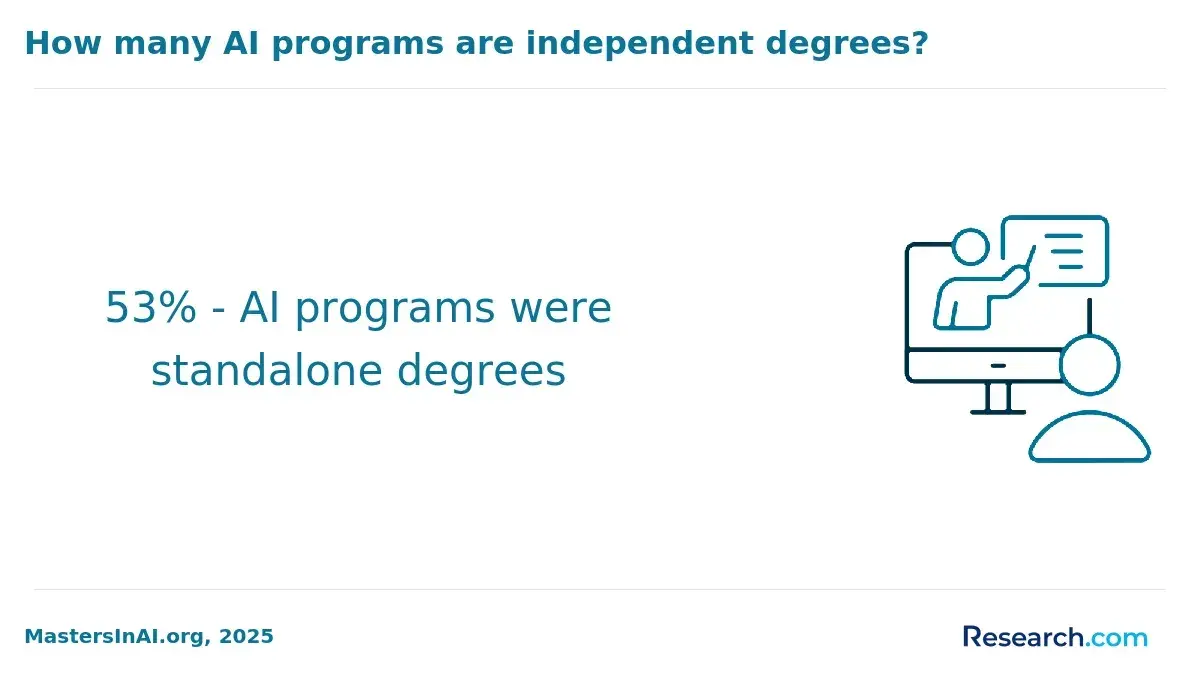
Degree programs, such as master's degrees in artificial intelligence management or AI strategy, involve one to two years of comprehensive training. This path suits those seeking deep technical and strategic mastery for top leadership roles focused on AI innovation. Professionals interested in a longer, in-depth study can explore options like an online cyber security degree, which may align with broader tech-focused career goals.
A 2024 IBM Institute for Business Value report highlights that organizations investing in AI-focused executive upskilling see an average return of $3.40 in productivity gains for every $1 spent, twice the return of traditional leadership programs.
Choosing the right program depends on time availability and career objectives: short courses for immediate skill boosts, certificates for balanced depth and flexibility, and degrees for comprehensive expertise preparing leaders for AI-driven futures.
How do you evaluate the best agentic AI courses for senior business and strategy roles?
Evaluating the best agentic AI courses for senior business strategy leaders in corporate environments involves prioritizing curriculum relevance, practical applicability, and alignment with industry trends. Gartner's 2025 Emerging Tech report forecasts that by 2027, 70% of enterprises will utilize AI agents to manage at least 25% of customer or employee interactions-an increase from under 5% in 2023. This dramatic rise demands that executive strategy professionals deepen their operational knowledge to harness AI agents effectively.
Top programs cover essential topics such as AI agent architectures, decision-making frameworks, risk management, and compliance with emerging AI regulations. Senior leaders must grasp when and how to deploy AI agents for operational efficiency while maintaining ethical standards and data privacy. Criteria to evaluate top agentic AI training for executive strategy professionals also include case studies from sectors like finance, healthcare, and retail undergoing AI-driven transformation.
Look for courses featuring hands-on simulations or partnerships with AI technology providers to translate theory into actionable strategy. Demand clear coverage on integrating AI agent analytics with business intelligence frameworks and measuring AI's impact on customer experience and employee productivity. Effective programs also address change management strategies for overseeing organizational AI implementation.
Instructor expertise and current, regularly updated content are crucial. Validated certifications or collaborations with recognized AI bodies enhance credibility and relevance. Professionals curious about advancing their roles might explore pathways for AI trainers, blending technical and leadership skills in this emerging field.
What should the curriculum of a high-quality agentic AI strategy program include?
A high-quality agentic AI strategy program integrates technical expertise with executive decision-making frameworks focused on corporate strategy. Essential curriculum components include AI governance, risk management, and ethical dimensions. According to Accenture's 2024 Responsible AI study, while 77% of large enterprises faced at least one AI-related incident or near miss recently, only 39% provide formal executive-level training on AI governance and risk. This highlights the need to emphasize practical risk mitigation approaches for leaders.
Key topics covered should include:
- Mechanisms of agentic AI systems, such as autonomy and adaptation in dynamic settings
- Strategic frameworks to align AI deployment with long-term business objectives
- Legal, regulatory, and compliance challenges across industries
- Risk assessment methods to identify potential AI failures, biases, and security risks
- Ethical decision-making involving accountability, transparency, and fairness
- Change management techniques to drive AI adoption within organizations
Incorporating practical case studies on AI failures and successes enhances understanding and application. Hands-on modules on AI governance policies equip leaders to develop oversight frameworks, while communication training helps translate complex AI risks into actionable business strategies. Project-based learning tailored to regulated sectors like finance or healthcare ensures relevance and readiness for real-world challenges.
This approach empowers corporate leaders to anticipate AI challenges, build resilient governance, and responsibly leverage agentic Artificial Intelligence to maintain competitive advantage.
How do online, hybrid, and on-campus agentic AI programs compare for working executives?
Agentic AI education programs vary based on delivery methods, catering to working executives with diverse schedules and goals. Online formats offer the greatest flexibility, featuring asynchronous content that fits into busy routines and accommodates global learners. This mode is ideal for professionals seeking to build foundational skills without pausing their careers but may lack real-time collaboration and spontaneous networking opportunities important for leadership growth.
Hybrid programs blend online learning with on-campus residencies or live sessions, enabling stronger cohort connections and faculty interaction. These formats support hands-on workshops and practical application, enhancing knowledge retention and leadership skills. They require a moderate time commitment and are well-suited for executives aiming to deepen expertise while maintaining work responsibilities.
Fully on-campus programs deliver immersive experiences with direct access to faculty and industry experts. These are best for those who can dedicate significant time away from work to engage in collaborative case studies and simulation labs, essential for mastering complex agentic AI concepts and building professional networks.
Corporate investment in agentic AI training continues to rise. According to Deloitte's 2025 State of Generative AI in the Enterprise survey, companies plan to allocate 11.2% of IT budgets toward generative and agentic AI by 2027, a significant increase from 3.5% in 2023. Choosing the right program format helps leaders align skills with fast-evolving AI adoption in business environments.
Which accreditations and institutional credentials matter for agentic AI programs in the United States?
Accreditations from regional bodies recognized by the U.S. Department of Education, like the Higher Learning Commission (HLC) and Middle States Commission on Higher Education (MSCHE), validate the quality and rigor of agentic AI programs. Degrees or certificates from esteemed institutions such as Carnegie Mellon University, Stanford, and MIT provide cutting-edge knowledge aligned with industry needs.
Specialized accreditation, including ABET (Accreditation Board for Engineering and Technology), enhances value for programs that combine AI with engineering and systems design. Certifications endorsed by AI organizations like the Association for the Advancement of Artificial Intelligence (AAAI) indicate strong credibility and relevance in the corporate strategy field.
Prospective leaders in corporate strategy should seek programs that emphasize practical skills, offering coursework or capstone projects focused on autonomous AI deployment and decision-making models. A 2024 MIT-Stanford study found that using autonomous AI agents for routine tasks increased knowledge worker productivity by 37% on average, with gains exceeding 50% for less experienced employees. Credentials highlighting measurable business impact are especially advantageous for professionals driving strategic AI adoption.
Top programs also integrate cross-disciplinary studies in strategy, data science, and ethics, equipping graduates to manage the complex responsibilities of agentic AI. Such comprehensive credentials support a competitive edge in evolving industries.
What are typical admission requirements and time commitments for executive-focused agentic AI courses?
Executive agentic AI courses typically require applicants to have significant leadership experience, often 5 to 10 years in strategy or senior management roles. Many programs ask for documented executive-level responsibilities to ensure participants can connect ai applications to broader corporate strategies. Academic prerequisites usually include a bachelor's degree, though some accept equivalent professional experience instead of formal advanced degrees.
Course durations vary widely. Shorter executive programs last 4 to 8 weeks, demanding 6 to 10 hours weekly through a mix of online modules and live virtual sessions. More extensive certificates or micro-credentials take 3 to 6 months part-time to complete, while immersive programs or executive MBAs with agentic AI focus may span 6 to 12 months. Scheduling often accommodates busy professionals with evening or weekend classes.
According to PwC's 2024 Global CEO Survey, 69% of CEOs feel their leadership teams lack AI and data literacy, and 57% identify significant skills gaps at the top levels. These courses prioritize practical skills and use real-world cases to develop the ability to lead AI strategy and manage ai-driven transformation. Admissions may require statements of purpose and sometimes interviews or assessments to confirm readiness for advanced ai topics.
What career outcomes, leadership roles, and industries do agentic AI credentials support?
Agentic AI credentials open doors to leadership roles centered on integrating autonomous AI decision-making within corporate strategies. Careers often include AI strategy director, chief innovation officer, digital transformation leader, and product management head for AI-driven products. These positions require navigating complex AI adoption, governance, and innovation challenges.
Industries benefiting most include technology, finance, healthcare, manufacturing, and consulting. For instance, healthcare leaders use agentic AI to enhance diagnostics and streamline decisions, while finance professionals employ AI for risk modeling and automated trading. Consulting experts leverage agentic AI to advise clients on scalable AI solutions that boost competitive advantage.
Training in agentic AI equips leaders to tackle issues like AI interpretability, ethical alignment, and managing cross-functional teams responsible for deployment. Graduates gain skills to lead multi-disciplinary AI projects addressing organizational change management and regulatory compliance.
Compared with full-time MBA programs often exceeding $150,000, intensive non-degree AI executive programs cost between $4,000 and $7,500 for 2-5 days, making specialized AI credentials attractive for professionals seeking fast, targeted leadership skills without committing to lengthy degree programs.
- Positions: AI strategy director, chief innovation officer, digital transformation leader
- Industries: healthcare, finance, manufacturing, consulting, technology
- Skills: ethical AI alignment, AI interpretability, cross-functional team leadership
- Cost advantage over MBA programs
What salary ranges and job outlook can corporate leaders expect after upskilling in agentic AI?
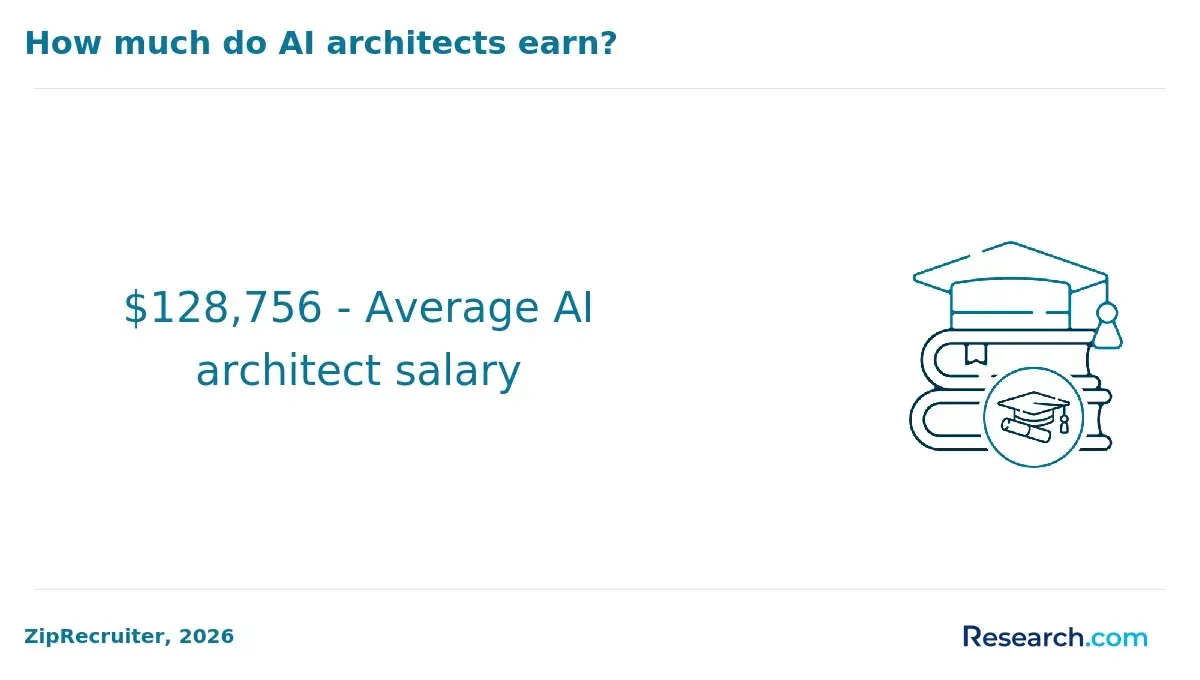
Corporate leaders who upskill in agentic AI can unlock significant salary growth and expanded career opportunities. Salaries typically range from $150,000 to over $300,000 annually, influenced by experience, industry, and company scale. For instance, AI strategy directors and chief AI officers at major firms often earn above $250,000, while managers integrating AI solutions may start between $150,000 and $180,000. This reflects the premium placed on expertise in agentic AI for complex decision-making and enterprise-wide transformation.
Job prospects are strong for executives versed in agentic AI. Research shows companies with AI-trained leadership are 2.5 times more likely to realize significant financial benefits from AI and 3 times more likely to complete successful AI transformations at scale. This demand drives the need for AI-literate leaders equipped to guide corporate strategy through rapid tech change.
Key roles benefiting include chief data officers, AI program managers, and strategy consultants focused on AI integration. Upskilling empowers leaders to implement AI-driven automation, optimize operations, and innovate products, boosting growth and competitive advantage.
To maximize outcomes, leaders should pursue certifications and courses combining AI technical knowledge with strategic management and change leadership. This dual skill set positions them to lead AI initiatives successfully and command higher compensation.
Other Things You Should Know About Artificial Intelligence
Key skills include data literacy, understanding AI algorithms, and proficiency in interpreting AI-driven insights. Strategic thinking combined with technical knowledge enables leaders to integrate AI solutions effectively into business models. Communication skills are also critical to bridge gaps between technical teams and executive decision-makers.
Artificial intelligence enhances decision-making by processing large datasets quickly and generating predictive analytics that inform strategy. It helps identify trends, optimize operations, and personalize customer experiences. This leads to more data-driven, objective, and timely decisions that improve competitive positioning.
Leaders must address issues such as bias in AI algorithms, data privacy, and transparency in AI use. Ensuring fairness and avoiding unintended discriminatory outcomes is vital. Ethical AI also includes accountability for decisions made or influenced by AI systems within the organization.
References
- Agentic AI Explained: What Business Leaders Need to Know - Notch https://wearenotch.com/blog/agentic-ai-explained/
- Agentic AI | Deloitte Global https://www.deloitte.com/cbc/en/what-we-do/capabilities/agentic-ai.html
- AI for Business Transformation: Generative AI, Agentic AI and Beyond https://www.imperial.ac.uk/lifelong-learning/courses/ai-for-business-transformation/
- Agentic AI – The Strategic Superpower Reshaping Business in 2025 https://ili.digital/resource/agentic-ai-business-strategy/
- The Rise of the Agentic AI University in 2026 - UPCEA https://upcea.edu/the-rise-of-the-agentic-ai-university-in-2026/
- Agentic AIfor Leaders Training https://www.statworx.com/en/agentic-ai/agentic-ai-for-leaders-training
- The New Agentic AI Job Roles IT Leaders Need https://nexthink.com/blog/the-new-agentic-ai-job-roles-it-leaders-need
- ADaSci - Association of Data Scientists | AI & Data Science Community https://adasci.org/blog/best-agentic-ai-certifications-2026-comparison
- Agentic AI https://www.deeplearning.ai/courses/agentic-ai
- Agentic AI Business Analyst - AI Agent Advanced Course https://agentacademy.ai/courses/agentic-ai-business-analyst/