2027 Best AI Courses for Healthcare Leaders Evaluating AI ROI

Co-Founder and Chief Data Scientist
Healthcare leaders often struggle to justify investments in AI technologies due to unclear returns on investment and limited understanding of AI's practical applications. This uncertainty can delay adoption and reduce competitive advantage in a rapidly evolving market. Decision-makers need credible knowledge to evaluate how AI initiatives impact patient outcomes, operational efficiency, and cost savings effectively.
This article highlights the best AI courses tailored for healthcare leaders aiming to bridge this expertise gap. It provides guidance on selecting programs focused on evaluating AI ROI, equipping professionals with the skills to make informed, strategic technology decisions in healthcare settings.
Key Things You Should Know
- Healthcare leaders increasingly prioritize AI courses that emphasize practical ROI evaluation, with studies showing a 35% average improvement in decision-making efficiency after targeted training.
- Courses in 2026 integrate the latest AI frameworks alongside healthcare economics, helping professionals quantify financial and clinical benefits amid evolving regulatory landscapes.
- Data from 2024 highlights a 42% rise in institutions offering specialized AI healthcare ROI courses, reflecting growing demand for expertise in AI-driven cost reduction and patient outcomes.
Advance Your Career with AI Online Courses
Artificial Intelligence: Implications for Business Strategy
This program provides an introduction to Artificial Intelligence and their implications for business strategy. Earn an official digital certificate.

Oxford Artificial Intelligence Programme
Explore this Oxford Artificial Intelligence programme offered in a flexible learning environment and explore topics like machine learning, automation, and robotics.

Implementing Agentic AI: Building Your Organizational Playbook
This online MIT Agentic AI course offers a practical approach to deploying AI agents in your organization, including a custom playbook. 3 weeks, exclusive launch price.

AI Adoption: Driving Business Value and Impact
This online MIT AI Adoption: Driving Business Value and Impact offers practical frameworks to close the gap between AI potential and business reality.

Artificial Intelligence in Pharma and Biotech
Discover the applications and limitations of artificial intelligence in pharma and biotech with this MIT online short course.

What are the best AI courses for healthcare leaders evaluating ROI?
Healthcare leaders focused on evaluating return on investment benefit most from courses that integrate technical aspects of generative AI with economic impact analysis. Top healthcare leadership programs in AI for measuring ROI typically cover cost-benefit analysis, predictive modeling, and ethical AI use in clinical workflows. For instance, Stanford's "AI in Healthcare: Impact and Implementation" highlights calculating ROI linked to patient outcomes and operational efficiency.
Programs that incorporate findings from McKinsey & Company's 2025 survey—where 82% of U.S. healthcare leaders anticipate positive ROI and 45% report returns between 2x and 4x—offer valuable benchmarks. These courses enable more accurate performance comparisons within organizations.
Risk assessment and stakeholder communication also play critical roles, as ROI discussions span multiple departments and budgeting cycles. Harvard Business School's healthcare analytics classes exemplify this blend of financial modeling and AI strategy, ideal for leaders driving investment decisions.
- Certification courses with practical AI toolkits tailored to healthcare finance teams
- Workshops on regulatory compliance impacting AI deployment and costs
- Executive education focusing on AI-driven operational transformation metrics
By choosing programs balancing AI technical insight and rigorous ROI methodologies—including generative AI's measurable financial returns—healthcare professionals can make informed investments. Those exploring career paths in this field may find it useful to explore the answers to "What can you do with an applied artificial intelligence degree?" for wider opportunities.
Advance Your Career with AI Online Courses
Artificial Intelligence: Implications for Business Strategy
This program provides an introduction to Artificial Intelligence and their implications for business strategy. Earn an official digital certificate.
Oxford Artificial Intelligence Programme
Explore this Oxford Artificial Intelligence programme offered in a flexible learning environment and explore topics like machine learning, automation, and robotics.
Implementing Agentic AI: Building Your Organizational Playbook
This online MIT Agentic AI course offers a practical approach to deploying AI agents in your organization, including a custom playbook. 3 weeks, exclusive launch price.
How do healthcare AI programs teach ROI measurement?
Healthcare AI programs for ROI measurement focus on teaching both quantitative and qualitative methods directly tied to clinical and operational results. Students learn to build financial models capturing cost savings, productivity gains, and improved patient care.
For example, courses demonstrate how to quantify cost reductions from automating administrative tasks and enhancing diagnostic accuracy, while also assigning monetary values to efficiency improvements like reducing clinician time per patient.
This approach aligns with industry priorities, where generative AI is expected to generate $60-110 billion annually in U.S. healthcare through cost cuts and efficiency, according to McKinsey & Company's 2024 analysis.
Methods to evaluate AI ROI in healthcare include:
- Building detailed business cases using baseline data and forecasted AI-driven improvements.
- Applying financial metrics such as net present value (NPV), internal rate of return (IRR), and payback period to assess investments.
- Performing sensitivity analyses to test assumptions impacting ROI.
- Incorporating broader impacts like patient outcomes and workflow efficiencies beyond direct costs.
Real-world case studies often highlight AI clinical decision support systems that reduce diagnostic errors and readmissions, improving revenue cycles and lowering costs. Programs adapt ROI frameworks for settings from hospitals to life sciences companies, reflecting variable data and priorities.
For those seeking advanced study, an AI masters degree can provide deeper tools for quantifying AI's business impact in healthcare.
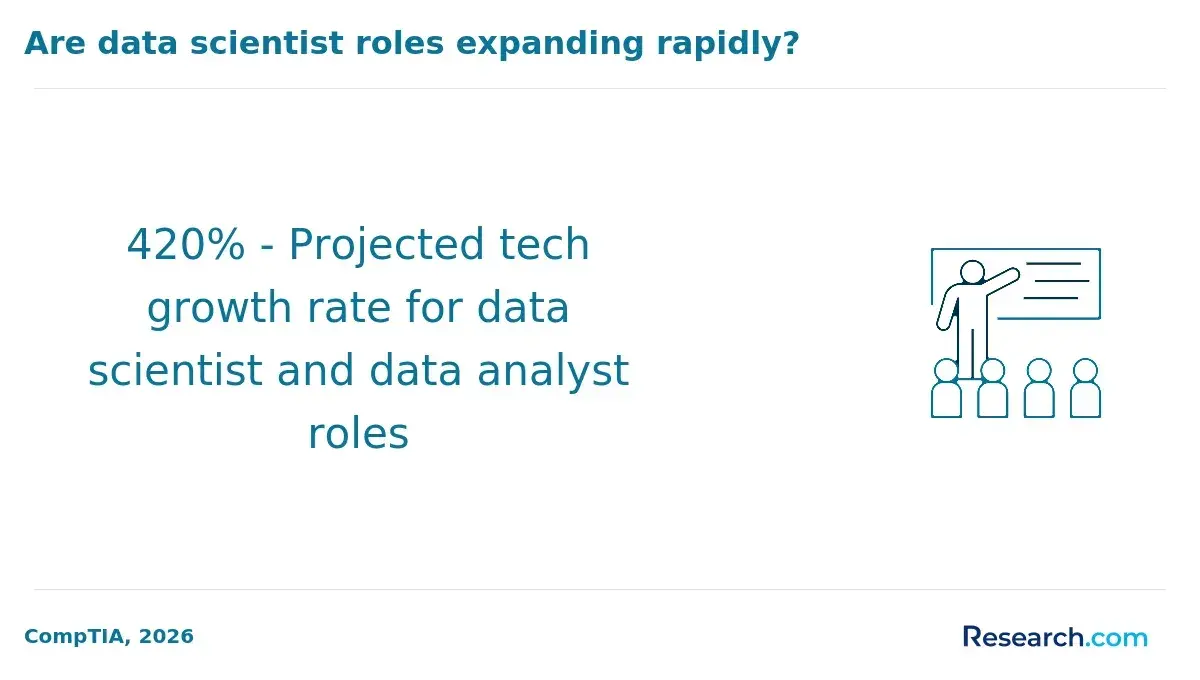
Which credentials do healthcare leaders need for AI training?
Healthcare leadership certification for artificial intelligence integration often necessitates credentials that merge technical expertise with healthcare-specific skills. Certifications in data science, machine learning, or AI fundamentals from accredited institutions paired with healthcare informatics or health data analytics qualifications are essential.
For instance, completing a Certified Health Data Analyst (CHDA) program alongside a machine learning certification equips leaders to properly evaluate AI models used in healthcare.
Advanced training programs for healthcare executives in AI implementation tend to emphasize degrees like a master's in health informatics or biomedical informatics. These degrees integrate AI methodologies with clinical workflows, enhancing leaders' abilities to assess AI's return on investment (ROI). Executive education with focused AI in healthcare modules also offers practical frameworks for real-world application and strategic decision-making.
Key competencies include mastery of AI algorithm performance metrics, ethical healthcare AI considerations, and financial modeling for AI initiatives. Such skills help leaders critically analyze AI tools beyond hype and evaluate diverse factors affecting ROI, including patient outcomes and operational efficiency.
By late 2025, generative AI adoption had doubled among U.S. healthcare organizations, pushing the demand for practical, hands-on credentials in AI integration, regulatory compliance, and healthcare data governance. Credentials blending technical rigor with healthcare context provide a competitive advantage in guiding AI efforts and projecting their impact.
Prospective students seeking comprehensive education paths may explore a PhD in artificial intelligence USA to deepen expertise and leadership capacity in this evolving field.
Are online AI courses better than campus programs for healthcare leaders?
Online AI courses for healthcare leaders provide unmatched flexibility, enabling busy professionals to advance their skills without interrupting clinical or administrative duties. These programs give instant access to constantly updated content, a necessity given the quick developments in AI technologies and healthcare investment strategies.
In contrast, campus-based programs often require fixed schedules and physical attendance, which restricts access for leaders in remote or underserved regions. Online courses integrate interactive case studies, simulation tools, and real-world ROI calculators, fostering practical skills essential for healthcare AI project assessment.
A key finding from a Deloitte global survey highlights that while 79% of healthcare and life sciences executives recognize the need for formal AI training, only 33% report such programs are readily available within their organizations. This disparity underscores why many healthcare leaders must turn to external educational resources, with online platforms leading in reach and capacity.
Effective campus vs. online healthcare AI training effectiveness boils down to curriculum adaptability. Leading online courses offer customizable modules targeting critical topics, including regulatory compliance, risk assessment, and AI ethics in healthcare. This modularity often surpasses what campus programs can immediately provide.
For professionals considering further education, pursuing a masters in data analytics can enhance understanding of data-driven decision-making, complementing AI ROI evaluation skill sets.
What topics are covered in healthcare AI course curricula?
Healthcare AI course curricula equip leaders with practical skills to evaluate and implement AI solutions effectively. Core topics include foundational concepts such as machine learning, natural language processing, and computer vision applied to healthcare data. Real-world applications focus on predictive analytics for patient outcomes, enhanced diagnostic imaging, and operational workflow optimization.
Financial and strategic knowledge is crucial. Leaders analyze return on investment (ROI), considering cost-benefit scenarios, scalability, and implementation challenges. Risk management and ethical concerns—bias mitigation, patient privacy, and regulatory compliance—are thoroughly addressed to balance innovation with safety.
Data management is another key area, covering data sourcing, quality assurance, integration of diverse clinical datasets, and interoperability. This prepares leaders to manage AI projects dependent on strong data infrastructure.
Case studies highlight measurable impact. A 2024 HIMSS survey found organizations investing in structured AI upskilling were 2.3 times more likely to scale initiatives with financial returns compared to those without training. This emphasizes practical deployment and evaluation methods.
Such curricula prepare healthcare leaders for data-driven decisions, optimized AI investments, and addressing operational and clinical challenges effectively.
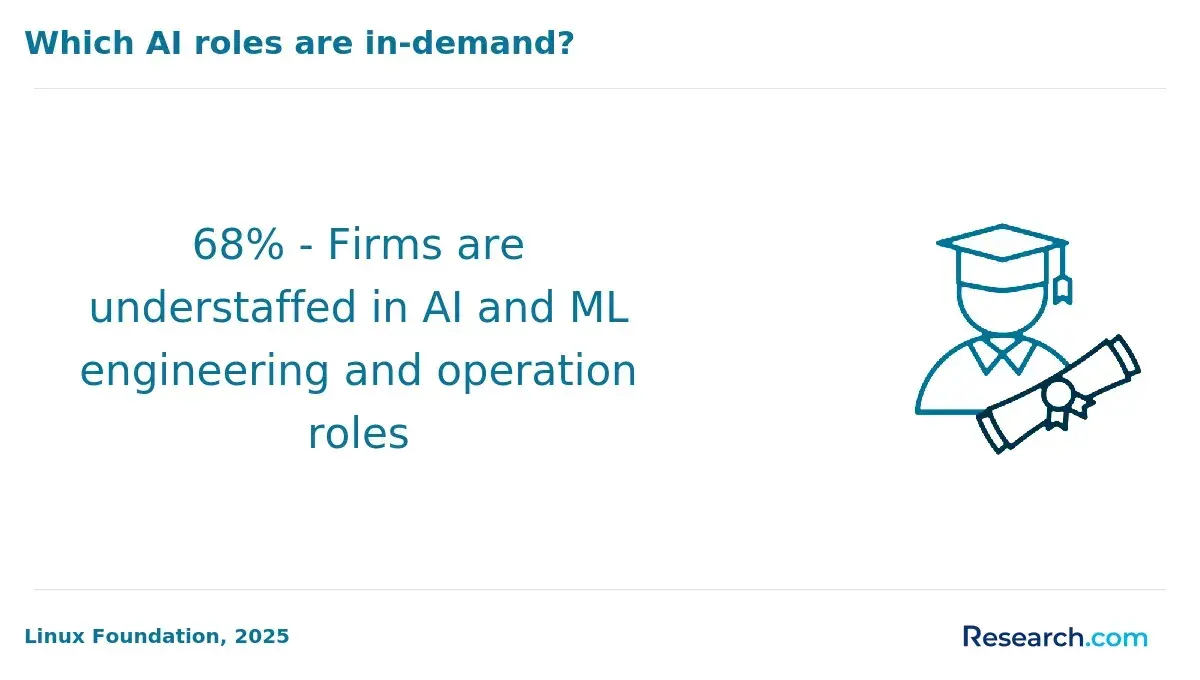
What admission requirements do healthcare AI programs usually require?
Healthcare AI programs typically require applicants to have at least a bachelor's degree in fields like healthcare administration, data science, computer science, or engineering. Foundational knowledge in statistics, programming, or healthcare systems is often expected. Some master's-level programs also ask for professional experience in clinical or health-related roles to ensure practical understanding.
In contrast, admission criteria for specialized certificates or short courses tend to be more flexible, often only requiring proof of relevant professional background or completion of prerequisite modules.
Leadership-focused AI programs often emphasize interdisciplinary skills and may request a statement of purpose or professional references demonstrating experience in managing healthcare teams or projects. Technical tracks frequently require transcripts showing proficiency in calculus, linear algebra, or coding languages such as Python.
Advanced degree programs may also demand GRE scores or baseline technical assessments to verify applicants' capability to engage with complex course material.
Employers and educational institutions increasingly recognize short, practice-oriented AI courses aimed at healthcare leaders. According to a Coursera enterprise impact report, healthcare organizations with leaders completing brief AI courses reduced time-to-implementation for new AI use cases by 43% compared to those led by professionals holding only traditional degrees.
To stay competitive in AI-driven healthcare environments, professionals should consider combining formal degrees with certificates and short courses.
How long do healthcare AI courses take to complete?
Healthcare AI courses range from brief 20-40 hour sessions to extensive programs lasting 3 to 6 months. Short courses are ideal for busy healthcare leaders seeking a quick grasp of AI concepts and decision-making frameworks. Longer certificate programs offer in-depth coverage of AI implementation, ethics, and ROI evaluation in clinical and operational settings, often requiring 100+ hours of study.
A 2025 McKinsey & Company survey revealed that 64% of U.S. health-system executives cite the lack of standardized ROI and value metrics as a major barrier to AI adoption. Courses emphasizing practical ROI metrics, case studies, and hands-on tools tend to be longer and combine asynchronous learning with live workshops.
Micro-credentials and modular courses lasting 4 to 8 weeks balance time investment with actionable insight, frequently including simulated scenarios on ROI analysis tailored for clinicians and administrators with demanding schedules.
Consider your goals when choosing a course length:
- If you need rapid orientation on AI ROI concepts, opt for courses one month or shorter.
- For hands-on skills in ROI modeling, choose 3-6 month certificate programs.
- Mentorship or peer collaboration programs typically require longer time commitments but deepen understanding of AI's financial impact.
Balancing course rigor with time availability helps healthcare leaders address ROI measurement challenges and internal capability gaps to enable effective AI adoption.
How much do healthcare AI courses cost?
Healthcare AI courses offer various price points reflecting different learning depths and professional goals. Entry-level online courses often come free or cost less than $100, providing foundational knowledge ideal for newcomers without requiring technical expertise. More in-depth certificate programs from universities or specialized providers typically range between $500 and $3,000.
For instance, a healthcare AI application certificate might cost about $1,200 for a multi-week cohort featuring live sessions and case studies focused on clinical environments.
Advanced education targeted at leaders, including executive programs and masterclasses, usually costs from $3,000 to $7,000 or more. These courses prioritize strategic topics such as evaluating AI return on investment, managing safety risks, and understanding regulatory compliance.
This aligns with a McKinsey & Company survey, which found that 43% of healthcare leaders consider risk and safety—including inaccuracies, bias, security, and regulations—as critical barriers, alongside financial and operational factors, when adopting generative AI technologies.
When choosing a course, it's important to weigh not only technical training but also modules on ethical AI use and compliance frameworks, which often justify higher fees due to providing actionable ROI insights.
What careers can healthcare leaders pursue after AI training?
Healthcare leaders with expertise in artificial intelligence can pursue diverse and advanced careers that leverage both technical and managerial skills to enhance healthcare delivery. Common roles include AI strategy consultant, guiding organizations in selecting and deploying AI tools to improve patient outcomes and operational efficiency, and healthcare data analyst, who translates complex AI-generated data into actionable clinical and administrative insights.
Executives trained in AI often advance to positions like chief innovation officer or chief digital officer, overseeing AI integration within healthcare systems and aligning technology with strategic goals. AI project managers coordinate cross-functional teams to ensure AI implementations address clinical needs while meeting ROI expectations.
Specialized opportunities in AI ethics and governance involve developing frameworks for responsible AI use that comply with regulations and protect patient privacy. Additionally, health informatics increasingly demands AI fluency to enhance electronic health records and predictive analytics.
A 2024 Accenture study found healthcare organizations with strong AI fluency and leader-driven change-management programs achieved up to 3.5 times higher value from AI initiatives than peers lacking in culture and governance. This highlights the importance of skilled leaders in driving strategic AI adoption.
Healthcare leaders may also become trainers or consultants, educating peers on AI benefits and implementation challenges, positioning themselves to innovate and deliver measurable ROI in complex healthcare systems.
How do you choose an accredited healthcare AI program?
Accreditation from recognized U.S. bodies like the Commission on Accreditation of Healthcare Management Education (CAHME) or regional accreditors is essential when selecting a healthcare AI program. It ensures that the curriculum meets rigorous academic standards and is respected by employers, as well as qualifying students for financial aid.
An effective program should integrate practical skills in data analytics, clinical decision-support systems, and ethical AI applications within healthcare settings. Hands-on training with tools like electronic health records (EHR) analytics and predictive modeling is particularly valuable for developing competencies sought by the industry.
Growth in healthcare leadership roles demanding AI and data-analytics expertise is accelerating, with forecasts projecting an increase from 12% to 45% by 2030. This highlights the need for programs focused on applied skills rather than purely theoretical knowledge.
Also consider faculty expertise, up-to-date technology access, and partnerships for internships. Programs offering certificates, master's degrees, or executive education tailored to healthcare professionals provide flexible options for skill enhancement aligned with career goals and industry requirements.
Other Things You Should Know About Artificial Intelligence
AI can improve patient outcomes by enabling faster and more accurate diagnoses, personalized treatment plans, and predictive analytics for disease prevention. Automation of routine tasks also allows healthcare professionals to focus more on patient care. However, successful implementation depends on high-quality data and integration with clinical workflows.
Yes, healthcare leaders can evaluate AI ROI by focusing on clinical and operational outcomes rather than technical details. Understanding key performance indicators such as cost savings, patient satisfaction, and efficiency gains is essential. Collaboration with technical experts helps translate AI capabilities into measurable business value.
AI helps manage healthcare costs by optimizing resource allocation, reducing unnecessary testing, and predicting patient admissions to better plan staffing. It can improve billing accuracy and detect fraud, which saves money. Overall, AI supports more efficient healthcare delivery and cost containment strategies.
References
- Flexible online courses with certificates | edX 2025 https://www.edx.org/courses
- AI Jobs in Healthcare - Healthcare IT Leaders https://www.healthcareitleaders.com/blog/ai-jobs-in-healthcare/
- AI In Healthcare Free Course With Certificate [2026] https://www.mygreatlearning.com/academy/learn-for-free/courses/ai-in-healthcare
- Cost Of Implementing AI In Healthcare 2025: Crucial Factors https://murphi.ai/cost-of-implementing-ai-in-healthcare/
- Measuring AI Investment: The ROI for AI https://www.blueprism.com/resources/blog/measuring-ai-investment-roi-ai/
- Healthcare Investment ROI: How to Evaluate Digital Health ROI https://smarthealthasia.com/blog/healthcare-investment-roi-digital-health/
- Healthcare AI Careers: New Opportunities for Future Healthcare Leaders - https://iihmrdelhi.edu.in/blog/healthcare-ai-careers-india-2026/
- AI in Healthcare: How To Maximize AI ROI in Healthcare https://amzur.com/blog/ai-in-healthcare-transformation-how-to-calculate-ai-roi-in-healthcare/
- Redefining AI ROI in Healthcare: The New Framework that Puts Clinical Use Cases First https://premierinc.com/newsroom/blog/redefining-ai-roi-in-healthcare-the-new-framework-that-puts-clinical-use-cases-first
- Artificial Intelligence in Health Care - URAC https://www.urac.org/accreditation-cert/healthcareai/