2027 Best Berkeley Online AI Courses for Business Leaders

Co-Founder and Chief Data Scientist
Business leaders often face the challenge of integrating artificial intelligence into their organizations without extensive technical backgrounds. This knowledge gap can hinder strategic decision-making and delay digital transformation efforts. As industries evolve rapidly, professionals must acquire relevant AI skills to maintain competitiveness and drive innovation.
Flexible, accredited courses provide a practical solution by offering targeted education tailored to busy schedules and non-technical backgrounds. This article explores the best online Berkeley artificial intelligence courses designed for business leaders seeking to bridge that gap, equipping them with actionable knowledge to leverage AI effectively in their organizations.
Key Things You Should Know
- Berkeley's 2026 online AI courses for business leaders emphasize practical skills, integrating AI strategies with leadership, reflecting a 40% projected growth in AI-related management roles by 2028.
- Courses combine interdisciplinary approaches from data science, ethics, and economics, preparing leaders to navigate AI's business impact responsibly and effectively.
- Flexible, part-time formats and updated curricula based on 2025 industry trends accommodate working professionals aiming to harness AI for competitive advantage.
Advance Your Career with AI Online Courses
Artificial Intelligence: Implications for Business Strategy
This program provides an introduction to Artificial Intelligence and their implications for business strategy. Earn an official digital certificate.

Oxford Artificial Intelligence Programme
Explore this Oxford Artificial Intelligence programme offered in a flexible learning environment and explore topics like machine learning, automation, and robotics.

Implementing Agentic AI: Building Your Organizational Playbook
This online MIT Agentic AI course offers a practical approach to deploying AI agents in your organization, including a custom playbook. 3 weeks, exclusive launch price.

AI Adoption: Driving Business Value and Impact
This online MIT AI Adoption: Driving Business Value and Impact offers practical frameworks to close the gap between AI potential and business reality.

Artificial Intelligence in Pharma and Biotech
Discover the applications and limitations of artificial intelligence in pharma and biotech with this MIT online short course.

What makes Berkeley's online AI courses valuable specifically for business leaders and executives?
Berkeley's online AI courses for business executives offer a unique combination of technical rigor and strategic business insight. Backed by UC Berkeley's top global rankings in AI and business management, these courses equip leaders with advanced skills to implement AI-driven decision-making, risk mitigation, and process automation. This approach helps executives optimize operations and foster innovation within their industries.
California AI training programs for business leaders like Berkeley's address key challenges such as integrating AI with legacy systems and aligning AI initiatives with corporate compliance and strategy. The curriculum includes practical case studies from finance, healthcare, and retail, demonstrating AI applications at scale.
Designed for busy professionals, Berkeley's flexible online format allows leaders to enhance their expertise without disrupting their responsibilities. Networking with peers and faculty further enriches strategic thinking and collaborative problem-solving.
These courses also prepare executives to critically evaluate AI tools, understand machine learning models, and lead data-driven cultural shifts to drive sustainable digital transformation. This targeted focus bridges the gap between AI research and business impact, essential for maintaining a competitive edge in fast-evolving markets. For professionals interested in expanding their technical foundation, a 2 year computer science degree online can complement AI leadership skills effectively.
Advance Your Career with AI Online Courses
Artificial Intelligence: Implications for Business Strategy
This program provides an introduction to Artificial Intelligence and their implications for business strategy. Earn an official digital certificate.
Oxford Artificial Intelligence Programme
Explore this Oxford Artificial Intelligence programme offered in a flexible learning environment and explore topics like machine learning, automation, and robotics.
Implementing Agentic AI: Building Your Organizational Playbook
This online MIT Agentic AI course offers a practical approach to deploying AI agents in your organization, including a custom playbook. 3 weeks, exclusive launch price.
Which Berkeley online AI programs are best for managers with non-technical backgrounds?
Berkeley's online AI programs tailored for business managers with no technical background emphasize practical frameworks to leverage AI without coding. The Business Strategies and Applications program is highly relevant, focusing on interpreting AI-driven insights, managing digital transformation, and aligning AI initiatives with business goals.
According to the 2024 Berkeley Executive Education Impact Report, executives completing these programs saw a 21% increase in their ability to identify and prioritize high-ROI digital initiatives within six months. This aligns with insights from Harvard Business Review, which highlight the importance of spotting high-ROI AI opportunities for non-technical managers.
The AI Strategy for Business Leaders program also suits those seeking the best Berkeley ai programs for non-technical business leaders. It covers AI trends, ethical considerations, and strategic deployment, helping participants communicate effectively with technical teams and steer AI investments wisely.
Challenges such as translating complex AI models into business value and managing cross-functional AI projects are addressed through relevant case studies across finance, marketing, and operations. These practical examples support non-technical leaders in making actionable and strategic AI decisions.
Managers seeking broader education options might also explore the cheapest online industrial engineering degree, which can complement AI knowledge with technical skills to expand career prospects.
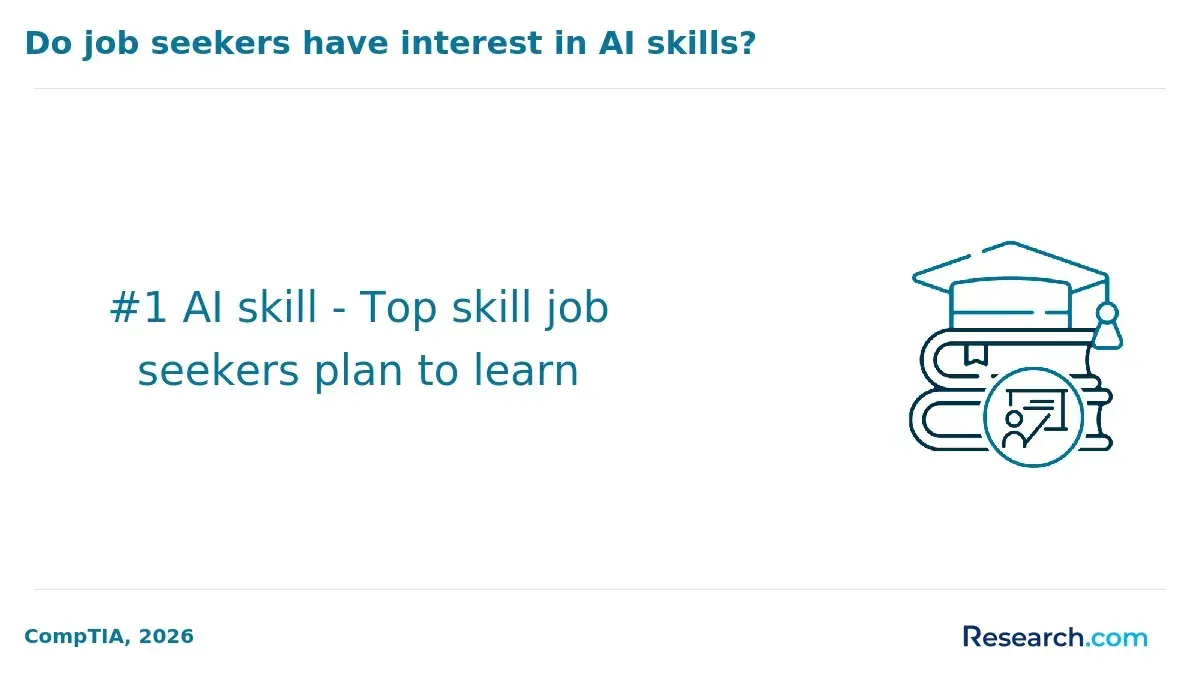
How do Berkeley's online AI business courses compare with other top universities' offerings?
Berkeley's online AI courses for business leaders deliver measurable career benefits compared to top universities. According to the Emeritus & UC Berkeley Executive Education Learner Outcomes Survey 2025, 68% of participants in the Berkeley Executive Program in AI & Digital Strategy initiated or expanded AI projects within a year, while 24% earned promotions or broader strategic roles during the same period. This direct connection between course completion and real-world advancement is less frequently documented in other programs.
These best online AI business programs in California and nationwide emphasize integrating AI with business strategy and innovation, equipping leaders to apply AI technologies effectively in organizational settings. Unlike some institutions that focus primarily on technical AI skills, Berkeley's curriculum bridges AI expertise and business impact, preparing professionals for leadership responsibilities.
Berkeley's courses often include case studies and practical frameworks designed for immediate application in business environments. This contrasts with programs that prioritize theory or research, which may offer less direct benefit to managers aiming to lead AI transformations.
For those interested in advancing their AI education further, a PhD in AI online is a complementary option. Berkeley's clear evidence of career outcomes provides business leaders targeted value and confidence when choosing educational paths designed for accelerated growth and strategic influence.
What AI skills for strategy and decision-making do these Berkeley courses actually teach?
Berkeley's online AI courses for strategic business decision-making equip leaders with essential skills to integrate artificial intelligence into corporate strategies. These programs emphasize developing ai-driven strategy and decision-making skills taught in Berkeley programs, enabling participants to design data-driven approaches aligned with organizational objectives.
Core competencies include:
- Evaluating AI use cases specific to industries and business functions for customized strategy development
- Interpreting predictive analytics and machine learning outputs to inform risk and opportunity assessments
- Leading cross-functional teams to ensure smooth AI deployment and alignment between technical and business units
- Measuring AI success metrics and refining approaches through continuous feedback
- Managing ethical issues and data governance to reduce operational risks
Participants also gain proficiency in translating complex AI model results into actionable insights tailored for executive presentations. Resource allocation for scalable AI projects is a key focus. According to UC Berkeley's AI Leadership Accelerator Program Profile, 74% of individuals enrolled held director-level or higher positions, with 59% overseeing AI investments exceeding $1 million annually, highlighting the program's emphasis on advanced leadership.
This education prepares business leaders to anticipate market shifts influenced by artificial intelligence and confidently drive organizational transformation. Practical case studies enhance decision-making under uncertainty and help justify AI investments based on measurable outcomes. Professionals interested in advancing their AI expertise may also explore a PhD in data science online as a complementary path.
How are Berkeley's online AI programs structured, delivered, and scheduled for working professionals?
Berkeley's AI programs for working professionals emphasize flexibility and real-world application, accommodating busy schedules through primarily asynchronous course delivery. Students can engage with lectures, readings, and assignments at their convenience while still participating in scheduled synchronous sessions, such as live discussions and cohort meetings, fostering interaction and networking.
Courses typically span 8 to 12 weeks, with multiple start dates annually to allow continuous enrollment. This modular design lets professionals pace their learning in line with work and personal commitments. Key features include hands-on projects and case studies centered around business applications of artificial intelligence, especially in digital transformation strategies across various industries.
Collaborative tools support peer engagement and mentor feedback remotely, and weekend or evening workshops accommodate professionals in different time zones. Executives applying AI-driven product deployment benefit from practical simulations tailored to industry-specific challenges.
According to the 2025 UC Office of the President tech workforce brief, UC-affiliated executives completing Berkeley's digital transformation and AI-focused executive programs saw a 15-20% reduction in time-to-deploy for new digital products compared to pre-program baselines, demonstrating clear business innovation impact.
The programs' flexible pacing, blend of live and recorded content, and focus on actionable AI skills make them well-suited for professionals aiming to lead AI initiatives effectively.
What are the eligibility, admission requirements, and application steps for Berkeley's online AI courses?
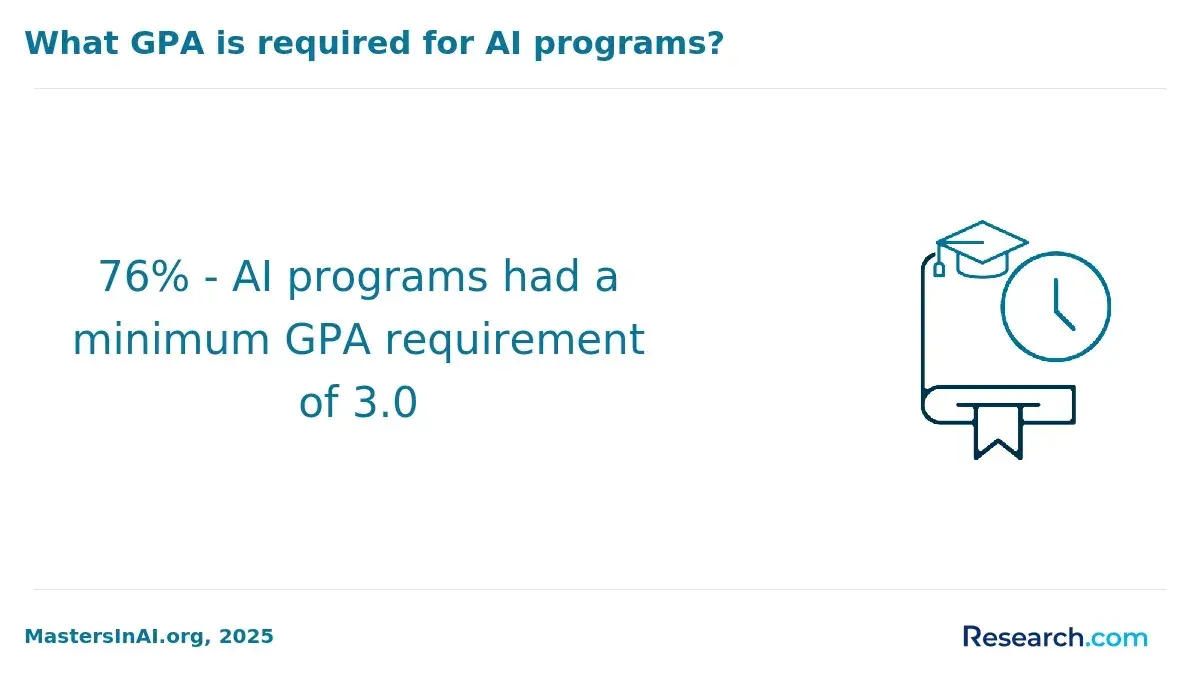
Applicants to Berkeley's online AI courses typically need a bachelor's degree or equivalent professional experience. Admissions emphasize backgrounds in quantitative fields like computer science, engineering, mathematics, or statistics, though business leaders demonstrating strong AI interest are also considered. Proficiency in Python and foundational machine learning knowledge significantly enhance admission chances.
Applicants must complete an online form, submit official transcripts and a resume showing relevant experience. Some programs require a personal statement outlining career goals and how AI skills will be applied in business. Letters of recommendation are recommended, especially for those switching fields or aiming for leadership roles.
The application process involves selecting a course or professional certificate, such as the Professional Certificate in Machine Learning & Artificial Intelligence, creating an account on Berkeley's learning platform, uploading documents, and paying fees if applicable. Admission is often rolling, so early submissions are beneficial. Accepted students receive instructions for enrollment and course access.
According to a 2024 Emeritus Learner Outcomes Report, graduates of Berkeley's AI certificate report a median salary increase of 19% within one year, with 41% advancing to roles explicitly labeled with "AI/ML." This evidence supports the program's value for professionals seeking advancement in AI-driven business environments.
How long do Berkeley's online AI business programs take, and what do they cost?
Berkeley's online AI business programs offer flexible options ranging from short courses of 6 to 8 weeks to extended certificate programs up to 6 months. The shorter programs, ideal for busy professionals and non-technical managers, provide timely and practical AI knowledge that can be applied immediately to decision-making and vendor evaluation. For instance, Berkeley Executive Education's short online tech courses can be completed in just over a month.
Costs vary based on program length and complexity: shorter non-degree courses typically range from $3,000 to $6,000, while longer immersive programs with multiple modules and hands-on projects range between $7,000 and $15,000. These prices reflect access to Berkeley's expert faculty who specialize in the intersection of AI and business strategy, ensuring a high-value learning experience.
Key benefits include rapid skill enhancement, as highlighted in the 2024 UC Berkeley Executive Education Participant Survey-82% of non-technical managers felt confident challenging vendors' AI claims after completing short programs, compared to only 29% before.
Prospective students should weigh their immediate needs against their long-term goals, considering budget, prior experience, and time availability when deciding between brief courses or more comprehensive certificates.
Are Berkeley's online AI programs accredited, and do they offer certificates or credentials?
Berkeley's online AI programs are fully accredited within the University of California system, ensuring a curriculum that meets high academic and professional standards. Participants earn formal certificates or credentials upon completion, which serve as verified proof of expertise ideal for executive resumes and LinkedIn profiles. These credentials cater specifically to business leaders aiming to leverage AI strategically in their organizations.
The certificates encompass a range of AI disciplines, from foundational machine learning to applied AI in business decision-making. Executives can choose programs aligned with their professional goals, whether in product innovation, technology leadership, or operational efficiency. Most offerings are professional education credentials focused on practical skills rather than academic degrees, matching current industry demands.
According to the UC Berkeley Executive Education Global Alumni Outcomes Survey, 51% of alumni reported increased profit and loss responsibilities or board-level visibility on technology decisions within 12 months of completing digital and AI programs. This highlights the significant career impact of Berkeley's credentials for advancing leadership roles tied to AI initiatives.
In today's business environment, leaders must understand AI's implications. Berkeley's certificates boost credibility for executives managing AI integration or digital transformation efforts, helping graduates negotiate promotions, lead AI-driven projects, and influence strategic technology adoption.
What career outcomes, roles, and salary impacts can business leaders expect after these AI courses?
Graduates of Berkeley's online AI courses often advance into strategic roles that leverage artificial intelligence to transform business functions. Common positions include AI product managers, digital transformation leads, and data-driven strategy consultants. These careers emphasize integrating AI to enhance customer experience, streamline operations, and innovate business models. Salary increments for professionals in these roles generally range from 20% to 35%, driven by heightened demand for AI-fluent leadership.
Berkeley's programs focus on AI ethics, data governance, and algorithmic decision-making, ensuring graduates are prepared to handle AI risks while creating value. The Graduate Management Admission Council's 2024 AI for Business Courses Report places Berkeley among the top 15 global providers, noting tuition costs 35-45% lower than Harvard and MIT Sloan, enhancing return on investment and accessibility.
Employers increasingly favor leaders combining business savvy with AI literacy, and Berkeley alumni frequently report accelerated promotions and greater responsibilities in AI integration. This cost-effective upskilling enables a broader range of business professionals to enhance career mobility and salary prospects without accruing excessive debt.
How should business leaders choose the right Berkeley online AI program for their goals?
Business leaders choosing a Berkeley online AI program should align the course content with their strategic goals and prior experience. Determining whether the focus is foundational AI literacy, technical implementation, or AI-driven leadership helps prioritize the right program. For instance, executives leading AI transformations benefit most from programs emphasizing AI strategy, ethics, and governance rather than solely technical machine learning courses.
Evaluate if the curriculum covers practical business applications, such as AI in operations, marketing, or finance. Programs featuring case studies, project work, or industry-relevant capstones offer tangible benefits. Consider course format and duration to ensure compatibility with your work schedule and meaningful engagement.
Faculty expertise and networking potential are critical; Berkeley's ties to Silicon Valley provide valuable mentorship and collaboration opportunities. Confirm if the program grants recognized credentials. According to the 2025 LinkedIn Workforce Report on AI Skills Premium, executives with leadership credentials from institutions like UC Berkeley earn 27% more globally than peers without such qualifications.
Additional factors include access to post-course resources, ongoing community support, and alumni networks. Weigh tuition costs against expected salary uplift and career growth. Finally, reflect on your learning style and long-term plans to select a course maximizing both knowledge and business impact.
Other Things You Should Know About Artificial Intelligence
Artificial intelligence is transforming industries such as healthcare, finance, manufacturing, and retail by automating tasks, improving data analysis, and enabling predictive modeling. In healthcare, AI assists with diagnostics and personalized treatment, while in finance it enhances fraud detection and algorithmic trading. Manufacturing uses AI for quality control and automation, and retail applies it for customer experience and inventory management.
Berkeley's 2027 AI courses tailor to business leaders by focusing on the practical application of AI in decision-making frameworks. They provide insights into leveraging AI tools for strategic advantages, aligning technological innovations with business goals, and staying competitive in an evolving market landscape.
Many businesses struggle with issues such as data quality and availability, lack of skilled professionals, integration with existing systems, and managing ethical concerns around AI use. Additionally, balancing investment costs with measurable returns and ensuring transparency and explainability of AI decisions are frequent challenges during adoption.
Artificial intelligence is reshaping the workforce by automating repetitive tasks and creating demand for new skills focused on AI oversight, data management, and strategic implementation. While some jobs may be displaced, AI also opens opportunities for roles that require human creativity, emotional intelligence, and complex problem-solving.
References
- Working Professionals Can Earn a Berkeley Engineering Master’s Degree 100% Online - All Together https://alltogether.swe.org/2024/11/coursera-berkeley-engineering/
- Is AI closing the door on entry-level job opportunities? https://www.weforum.org/stories/2025/04/ai-jobs-international-workers-day/
- AI's Impact on Graduate Jobs: A 2025 Data Analysis | IntuitionLabs https://intuitionlabs.ai/articles/ai-impact-graduate-jobs-2025
- Course Preview | Professional Certificate in ML and AI from UC Berkeley Executive Education - Emeritus Online Courses https://emeritus.org/course-preview/professional-certificate-in-ml-and-ai/
- Best AI Courses for Professionals in the USA https://fueler.io/blog/best-ai-courses-for-professionals-in-the-usa
- How to Upskill in AI Without a Technical Background - The Case HQ Online https://thecasehq.com/how-to-upskill-in-ai-without-a-technical-background/
- Artificial Intelligence and Admissions https://www.berkeley2academy.com/single-post/artificial-intelligence-and-admissions
- The Business of AI: Strategies for Leaders- Online | London Business School https://www.london.edu/lbs-online/the-business-of-ai-strategies-for-leaders
- Best AI courses for business leaders in 2025 https://www.ailabs.global/blog/best-ai-courses-for-business-leaders-in-2025
- Berkeley Ai Course https://www.institutedata.com/us/ds-berkeley-ai-course/