2027 Best AI Courses for Energy AI Adoption Teams

Co-Founder and Chief Data Scientist
Energy AI adoption teams often face challenges integrating artificial intelligence into legacy systems while managing data complexity and regulatory constraints. This creates a gap between theoretical AI potential and practical implementation in energy sectors. Without targeted training, professionals struggle to translate AI concepts into actionable strategies that improve efficiency and sustainability.
This article highlights the best AI courses designed to equip energy professionals with practical skills and knowledge. It aims to guide readers toward flexible, accredited educational paths that facilitate a successful transition into artificial intelligence roles within the energy industry.
Key Things You Should Know
- Top energy AI courses in 2026 emphasize practical skills in machine learning and data analytics, addressing the sector's 35% AI adoption growth since 2024.
- Programs increasingly integrate renewable energy case studies, preparing professionals to optimize grid management and reduce carbon footprints effectively.
- Most courses offer flexible online formats to accommodate working professionals, boosting industry-relevant certification completion rates by over 40% in the past two years.
Advance Your Career with AI Online Courses
Artificial Intelligence: Implications for Business Strategy
This program provides an introduction to Artificial Intelligence and their implications for business strategy. Earn an official digital certificate.

Oxford Artificial Intelligence Programme
Explore this Oxford Artificial Intelligence programme offered in a flexible learning environment and explore topics like machine learning, automation, and robotics.

Implementing Agentic AI: Building Your Organizational Playbook
This online MIT Agentic AI course offers a practical approach to deploying AI agents in your organization, including a custom playbook. 3 weeks, exclusive launch price.

AI Adoption: Driving Business Value and Impact
This online MIT AI Adoption: Driving Business Value and Impact offers practical frameworks to close the gap between AI potential and business reality.

Artificial Intelligence in Pharma and Biotech
Discover the applications and limitations of artificial intelligence in pharma and biotech with this MIT online short course.

What are the best AI courses for energy AI adoption teams in the United States?
Top artificial intelligence courses for energy sector professionals in the US combine domain expertise with practical AI skills tailored to industry challenges. Leading programs from Stanford University and MIT focus on machine learning, data analytics, and deep learning, while specialized offerings like Stanford's "Energy Systems and Artificial Intelligence" emphasize AI's role in grid management, predictive maintenance, and renewable energy forecasting.
Platforms such as Coursera and edX feature targeted options like "AI for Energy" by the University of Texas at Austin, covering demand response optimization and energy consumption modeling. These accessible programs offer hands-on projects using real-world data, enabling teams to apply AI techniques directly within energy operations.
Certifications from organizations including the Association for the Advancement of Artificial Intelligence (AAAI) and the Institute of Electrical and Electronics Engineers (IEEE) boost credibility and promote adherence to ethical AI standards and regulatory requirements.
Data from a Boston Consulting Group study highlights that energy companies leading in AI adoption see a 6-10% EBITDA uplift compared to laggards. This underscores the value of courses that blend AI modeling skills with sector-specific applications. Key features for the best AI training programs for energy adoption teams in the United States include:
- Machine learning algorithms tailored to energy data
- Case studies on smart grids and renewable energy
- Use of AI platforms like TensorFlow and PyTorch
- Collaboration with energy experts or internships
Choosing the right course helps bridge the gap between AI theory and energy industry impact, advancing both strategic deployment and technical skills. For a clearer view of related career opportunities, consider exploring an AI career path.
Advance Your Career with AI Online Courses
Artificial Intelligence: Implications for Business Strategy
This program provides an introduction to Artificial Intelligence and their implications for business strategy. Earn an official digital certificate.
Oxford Artificial Intelligence Programme
Explore this Oxford Artificial Intelligence programme offered in a flexible learning environment and explore topics like machine learning, automation, and robotics.
Implementing Agentic AI: Building Your Organizational Playbook
This online MIT Agentic AI course offers a practical approach to deploying AI agents in your organization, including a custom playbook. 3 weeks, exclusive launch price.
How do energy-focused AI courses differ from general AI and data science programs?
Energy-focused artificial intelligence course specialization addresses unique challenges in the energy sector by emphasizing operational efficiency, predictive maintenance, and system optimization rather than broad AI theory. These programs train students in machine learning methods tailored to forecasting energy demand, detecting anomalies in power grids, and enhancing renewable energy integration.
These specialized courses differ from general programs by concentrating on:
- AI models applied to physical energy systems like turbines, solar panels, and smart grids, requiring knowledge of energy infrastructure and engineering.
- Handling sector-specific data types such as time-series sensor readings, operational logs, and weather variables instead of typical business data.
- Incorporating regulatory, safety, and environmental factors into AI model design and evaluation.
A practical example of tailored AI training for energy sector teams is predictive maintenance that reduces unplanned downtime in power plants by analyzing sensor data for early failure signs, differing from broader AI courses.
The International Energy Agency's report AI for Energy Optimization and Innovation estimates AI could unlock up to USD 110 billion annually in cost savings on power plant operations by 2035. Energy AI courses often include case studies and simulations on grid stability, load balancing, and integrating intermittent renewables, preparing professionals to implement AI effectively in energy operations.
Those seeking to enhance their AI expertise with a practical, sector-specific approach can explore programs like the online artificial intelligence degree for an accessible pathway to this specialization.
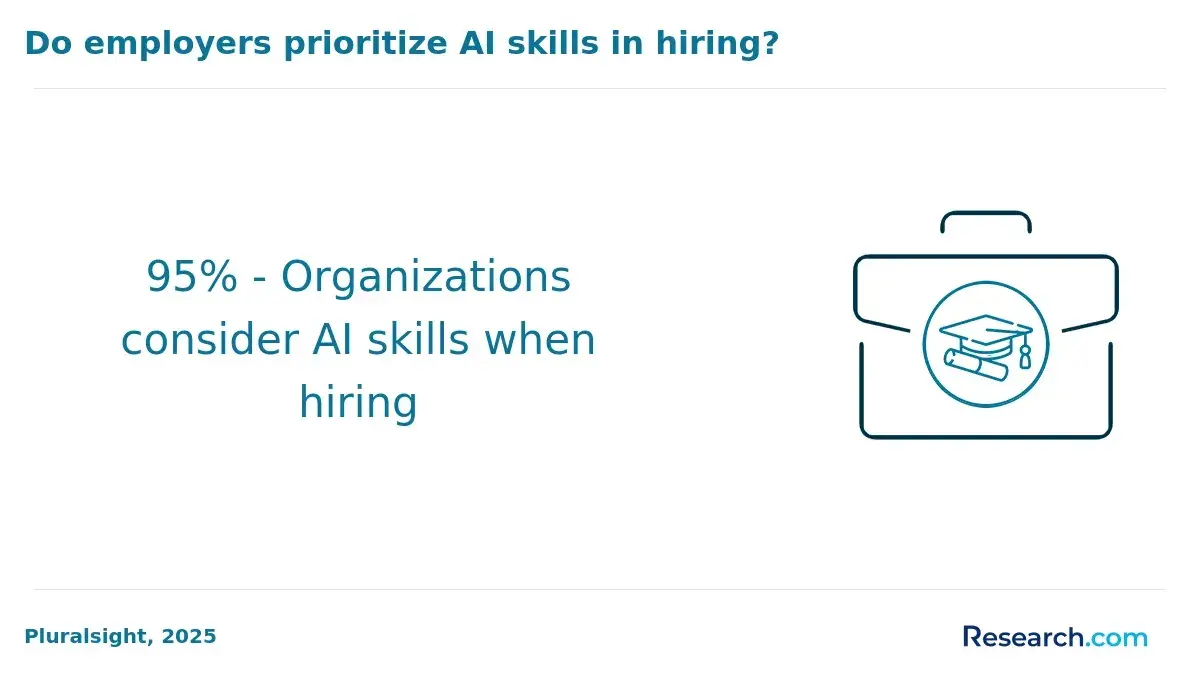
Which accredited universities and providers offer leading AI programs for the energy sector?
Leading accredited universities in North America offer AI programs tailored for the energy sector, integrating engineering and computer science expertise with domain-specific applications. Carnegie Mellon University's Master of Science in Artificial Intelligence and Innovation focuses on energy-related use cases, providing hands-on projects that address real-world challenges. Stanford University provides specialized certificates combining AI with sustainable energy analytics, covering renewable energy optimization and grid management.
The University of Texas at Austin has a Graduate Certificate in AI for Energy Systems emphasizing machine learning models for electric grid forecasting and energy efficiency. This program suits working professionals seeking practical skills.
Meanwhile, the Massachusetts Institute of Technology (MIT) offers professional courses merging AI with energy economics to deepen understanding of AI-driven energy markets. Such AI programs from accredited universities in the North American energy sector ensure recognized credentials valuable for career advancement.
Short-term bootcamps and microcredentials have gained importance for rapid upskilling. Enrollment in skills-based AI courses among energy sector professionals grew significantly, as found in a 2024 LinkedIn Learning report. Platforms like Coursera and edX collaborate with Berkeley and Georgia Tech to offer microcredentials in AI applied to energy systems and smart grid technologies, providing flexible options without the commitment of lengthy degrees.
Prospective students should prioritize programs blending AI theory with applied projects in energy contexts. Programs offering domain-specific datasets, simulation environments, and industry collaborations enhance practical skills needed for energy AI adoption teams.
For those considering broader study options, related fields such as a game design and development degree may also provide valuable technical skills adaptable to AI applications.
Leading providers of energy sector AI certifications and training continue to evolve, emphasizing flexible and targeted learning approaches essential for professionals in this fast-changing industry.
What admissions requirements do AI programs for energy professionals typically have?
Admissions criteria for energy AI certification programs vary widely by program level and format. University-based certificates and professional programs mainly target mid-career professionals seeking upskilling, often requiring a bachelor's degree in a STEM field like engineering or computer science.
However, some programs accept applicants with strong professional experience even without formal degrees, reflecting more flexible entry requirements for AI courses in energy sector teams.
Applicants usually need foundational knowledge in programming languages such as Python, data analytics, or introductory machine learning. Requirements may include submitting a resume showcasing experience in energy or technology sectors or a statement of purpose outlining AI career goals focused on energy solutions.
More selective master's or doctoral AI programs for energy demand transcripts demonstrating quantitative skills, recommendation letters, and sometimes GRE scores. These are less common among professionals pursuing certificates aimed at applied AI skills rather than research. For those interested in advanced study options, consider exploring degree options like a PhD in data science online.
The U.S. Department of Energy's "Supercharging America's AI Workforce" initiative highlights that over 70% of DOE-supported AI training focuses on certificates and professional development for mid-career workers. Many programs now offer flexible prerequisites or modular entry, accommodating varying expertise levels.
Prospective students should carefully assess programs that tailor their admissions criteria to industry experience and technical background to efficiently gain relevant AI competencies in the energy domain.
How do online, hybrid, and campus-based AI courses for energy teams compare?
Online, hybrid, and campus-based AI courses offer unique benefits and challenges for energy professionals integrating AI technologies. Online programs provide flexibility and accessibility, ideal for those balancing fieldwork with continuous learning. Many include industry-specific case studies and virtual labs simulating real-world energy operations.
Hybrid formats combine remote study with in-person workshops or hands-on training, improving comprehension of complex AI tools used in energy fields. Campus-based courses deliver immersive learning through direct faculty interaction, advanced laboratories, and valuable networking opportunities. However, these often demand significant time, making them less suitable for full-time professionals.
Vendor- and OEM-led AI academies, like those from SLB, demonstrate critical impact. Participants have achieved up to 30% faster deployment of AI solutions in the field, emphasizing the value of targeted, practical training.
- Online courses fit teams seeking cost-effective, scalable education without relocation.
- Hybrid models benefit those needing occasional hands-on experience alongside flexible study.
- Campus-based programs suit new graduates or those pursuing deep academic immersion and research access.
Choosing the right format depends on organizational goals, project timelines, and individual learning preferences. Structured training programs, especially vendor-integrated academies, accelerate practical AI adoption beyond traditional internal efforts, making them a valuable consideration for energy teams.
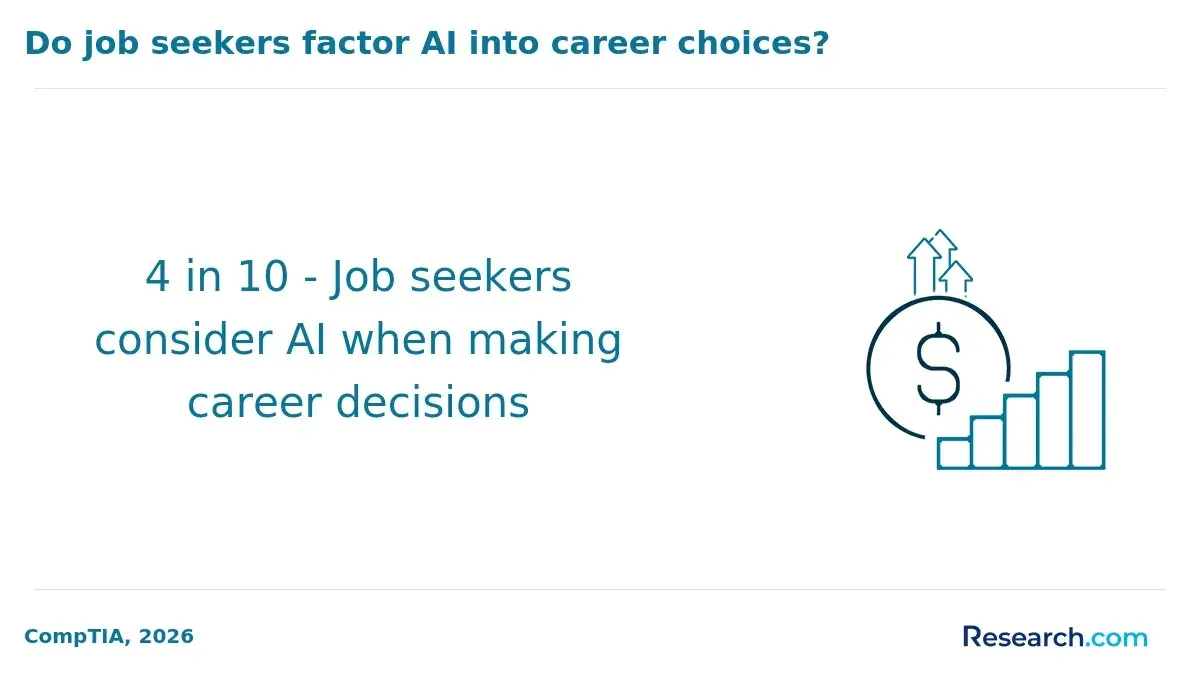
What core topics and skills are covered in AI curricula for energy adoption teams?
AI curricula for energy adoption teams emphasize core skills needed to integrate intelligent solutions within power systems. Focus areas include machine learning algorithms tailored to energy data, predictive analytics for load forecasting, and optimization techniques for grid management. Training often covers interpreting sensor and IoT data to enable real-time decision-making in utility operations.
Data engineering skills are critical, teaching preprocessing, cleaning, and feature selection for large-scale energy datasets related to transmission and distribution. Specialized modules highlight AI applications in demand response, renewable energy integration, and fault detection. Practical work with simulation tools and digital twins allows teams to model grid behaviors and assess AI-driven strategies.
Courses also explore how AI supports grid infrastructure by enhancing situational awareness and automating control to improve reliability. For example, reinforcement learning can optimize power flows and reduce outages. Transparency and compliance with regulations are key, ensuring explainable AI use in utility contexts.
According to the International Energy Agency, AI applied to grid operations could unlock up to 175 GW of extra transmission capacity on existing lines by 2035. This highlights the importance of grid-focused AI training for utilities and transmission system operators aiming to maximize assets and integrate clean energy effectively.
Transitioning professionals learn programming in Python, TensorFlow or PyTorch frameworks, and cloud deployment platforms. Cross-disciplinary skills like project management and cybersecurity tailored to energy infrastructure complete the training for real-world challenges.
How long do these AI programs take, and what tuition and total costs should teams expect?
AI programs for energy adoption teams vary in length from intensive bootcamps lasting 4 to 8 weeks to extensive certificate programs spanning six months or more. Shorter courses focus on practical skills like renewable energy forecasting and optimization, while advanced tracks delve deeper into machine learning algorithms for energy trading and grid management. Part-time masterclasses and specialized certifications typically require 3 to 6 months.
Tuition costs reflect program scope and provider reputation. Short courses often range from $1,000 to $3,000, ideal for skill upgrades without significant downtime. More comprehensive certificates cost between $5,000 and $15,000, with specialized hands-on programs or mentorship opportunities possibly exceeding $20,000. Corporate training agreements may offer group discounts or tailored pricing.
A 2025 BCG analysis highlights that advanced AI forecasting can improve value capture from variable renewables by 5-10%, boosting revenue through enhanced bidding, hedging, and congestion management. Teams should balance course duration with operational needs and budget, considering employer tuition assistance or flexible payments to ease upfront costs.
Options include:
- Short bootcamps for foundational skills and quick upskilling
- Certificate programs for strategic AI integration
- Part-time masterclasses for in-depth expertise
- Corporate partnerships offering customized learning
What jobs, roles, and career paths can AI training unlock in the energy industry?
AI training is driving a range of vital roles within the energy industry, supporting the sector's ongoing digital transformation. Positions such as AI data engineers and machine learning specialists focus on creating intelligent models that enhance energy production and grid management. Experts in predictive maintenance use AI to anticipate equipment failures, cutting downtime and operational costs.
The rapidly expanding areas of AI safety, governance, and compliance are critical due to regulatory uncertainties. Over 80% of energy firms report these challenges as barriers to scaling AI, highlighting the demand for dedicated AI risk and compliance professionals, as emphasized in a 2024 ScienceDirect review.
Energy companies also seek compliance officers and AI ethics managers to navigate evolving standards and implement responsible AI frameworks. AI research analysts and applied scientists develop algorithms that support renewable energy integration and emissions reduction, while AI product managers oversee AI deployment across operations. System architects and AI trainers play essential roles in merging AI with legacy infrastructure and customizing models using domain-specific data.
Career opportunities extend to AI policy advisors who combine technical knowledge with energy regulations to support sustainable AI adoption. Candidates with strong skills in AI governance and compliance frameworks can expect to work in multi-disciplinary teams addressing both technical and ethical challenges essential to the energy transition.
What salaries and job outlook can graduates of energy-focused AI courses expect?
Graduates from energy-focused artificial intelligence courses can expect strong job prospects and competitive salaries. Entry-level AI specialists in the U.S. energy sector usually earn between $85,000 and $100,000 annually. Mid-career professionals often see salaries from $120,000 to $150,000, while senior roles like AI project managers or data science leads frequently command over $180,000 due to their crucial impact on operational efficiency and innovation.
Demand for AI expertise in energy is growing rapidly, fueled by the need to optimize grid management, predictive maintenance, and renewable energy integration. Employers value candidates with cross-functional skills that combine business, operations, and IT knowledge alongside technical AI abilities.
Studies show that energy companies with structured AI training programs are more than twice as likely to move beyond pilot projects to full-scale implementation, highlighting the importance of broad competence.
Hands-on experience with AI tools tailored to energy—such as machine learning models for demand forecasting or anomaly detection in utility networks—can significantly boost career advancement. Graduates capable of bridging technical development and strategic application often progress more quickly.
Challenges include keeping pace with evolving AI technologies and industry regulations. Ongoing learning, certification, and networking within AI and energy communities are essential for maintaining career growth and accessing emerging opportunities.
Which industry certifications or credentials best validate AI skills for energy professionals?
Industry certifications play a crucial role in validating AI skills for energy professionals, merging data science fundamentals with sector-specific applications. Among the top credentials is the Certified Artificial Intelligence Practitioner (CAIP), which encompasses foundational AI concepts, machine learning models, and ethical practices. This certification demonstrates the ability to deploy AI solutions effectively, an essential skill for energy firms adopting AI-driven forecasting or automation.
Specialized certifications like the Energy Data Analytics Professional Certification integrate AI expertise with energy sector knowledge. These programs prepare professionals to apply AI in areas such as grid management, renewable integration, and demand prediction.
Additionally, certifications from well-known organizations like the Institute of Electrical and Electronics Engineers (IEEE) and the SAS Certified Data Scientist program highlight a candidate's capacity to manage complex AI workflows vital for energy operations.
Experience with cloud platforms is becoming indispensable. Certifications such as Microsoft Certified: Azure AI Engineer Associate and Google Professional Machine Learning Engineer confirm proficiency in scalable AI deployment.
According to BCG's 2025 playbook on AI in energy, companies integrating targeted AI certifications with value-tracking frameworks report 1.5 to 2 times higher realized returns on AI investments. Aligning certifications with career goals—whether foundational knowledge, domain-specific skills, or cloud expertise—is key to advancing both competence and professional growth.
Other Things You Should Know About Artificial Intelligence
In 2027, one of the top-rated AI courses for energy AI adoption teams is "AI for Energy: Innovations in Efficiency and Sustainability" offered by MIT. This course emphasizes practical applications and equips teams with essential skills to drive AI implementations in the energy sector.
AI enhances energy efficiency by optimizing consumption patterns, predicting equipment failures, and managing renewable energy sources more effectively. Machine learning models analyze vast data streams to reduce waste and balance supply with demand in real time. These capabilities contribute to more sustainable energy practices and reduced environmental impact.
Energy professionals need a combination of domain expertise and technical skills, including proficiency in machine learning, data analytics, and programming languages like Python. Understanding energy systems and processes is crucial to apply AI effectively. Strong problem-solving abilities and familiarity with cloud computing and big data tools also enhance their capacity to implement AI solutions.
Future trends include greater use of AI for grid decentralization, integration of Internet of Things (IoT) devices, and enhanced predictive maintenance using advanced analytics. AI-driven automation is anticipated to improve demand response and energy trading decisions. Additionally, advances in explainable AI will help build trust and transparency in energy decision-making processes.
References
- AI App Development Cost [+Team Calculator] https://softteco.com/blog/ai-development-costs
- AI and the future of energy jobs https://www.wtsenergy.com/ai-and-the-future-of-energy-jobs/
- AI for Energy | Your Guide https://www.enverus.com/what-you-should-know-about-ai-for-energy/
- AI Learning Priorities for All K-12 Students - Computer Science Teachers Association https://csteachers.org/ai-priorities/
- AI Training Cost Per Employee 2026 https://www.pertamapartners.com/insights/cost-per-employee-ai-training-budgeting
- 5 Certifications to Validate Your Machine Learning Skills (+ Training) https://www.skillsoft.com/blog/top-machine-learning-certifications
- AI and energy https://www.eurelectric.org/in-detail/ai-and-energy/
- What AI consumes: Status Update http://www.ifp-school.com/en/node/2153
- AI Academy https://www.slb.com/products-and-services/delivering-digital-at-scale/artificial-intelligence-solutions/innovation-factori/ai-academy