2027 Best AI Courses for DTC Founders

Co-Founder and Chief Data Scientist
Many direct-to-consumer founders struggle to integrate artificial intelligence into their businesses due to a lack of technical expertise and accessible, practical training options. This gap hinders their ability to leverage AI-driven solutions for marketing, customer engagement, and supply chain optimization, placing them at a competitive disadvantage.
Flexible and accredited courses tailored to non-technical professionals offer a scalable path to acquiring essential AI skills without interrupting business operations. This article highlights the best AI courses designed to equip DTC founders with the knowledge and tools needed to successfully adopt artificial intelligence technologies and accelerate business growth.
Key Things You Should Know
- Leading AI courses for DTC founders in 2026 emphasize practical skills in data-driven marketing and automation, with over 65% of students reporting increased revenue post-completion.
- Curricula integrate ethical AI use and customer privacy, reflecting 2025 regulations impacting direct-to-consumer businesses across the U.S.
- Flexible online learning and project-based modules make these courses accessible for working professionals, supporting the 40% growth in AI-related DTC roles since 2024.
Advance Your Career with AI Online Courses
Artificial Intelligence: Implications for Business Strategy
This program provides an introduction to Artificial Intelligence and their implications for business strategy. Earn an official digital certificate.

Oxford Artificial Intelligence Programme
Explore this Oxford Artificial Intelligence programme offered in a flexible learning environment and explore topics like machine learning, automation, and robotics.

Implementing Agentic AI: Building Your Organizational Playbook
This online MIT Agentic AI course offers a practical approach to deploying AI agents in your organization, including a custom playbook. 3 weeks, exclusive launch price.

AI Adoption: Driving Business Value and Impact
This online MIT AI Adoption: Driving Business Value and Impact offers practical frameworks to close the gap between AI potential and business reality.

Artificial Intelligence in Pharma and Biotech
Discover the applications and limitations of artificial intelligence in pharma and biotech with this MIT online short course.

What makes an AI course valuable for direct-to-consumer founders specifically?
An AI course focused on direct-to-consumer (DTC) founders emphasizes practical AI applications for DTC founders that go beyond theory to include actionable strategies tailored to their unique business models. These courses teach how to deploy ai tools for customer engagement, personalization, inventory management, and dynamic pricing.
Founders learn to implement AI-driven marketing automation that directly improves customer acquisition and retention, both critical for DTC brand growth.
Effective training highlights use cases such as chatbots, recommendation engines, and predictive analytics that boost customer experience and increase conversion rates. Additionally, data integration from various channels enables the building of unified customer profiles, which supports better decision-making and optimized marketing efforts.
Measuring the impact of AI on marketing and sales is equally important. Research shows companies integrating AI in these functions see revenue growth of 3-15% and sales ROI improvements of 10-20%, although fewer than 30% have scaled AI across their operations. Overcoming implementation barriers and scaling solutions within smaller, resource-limited DTC teams is a key course focus.
Courses tailored for direct-to-consumer business growth often include:
- Hands-on projects with popular AI platforms adapted to e-commerce data
- Strategies to balance automation with authentic customer interaction
- Ethical AI practices to maintain consumer trust
- Guidance on cost-efficient AI adoption and ROI measurement
Founders seeking comprehensive knowledge about the potential of AI degrees can explore opportunities and career paths in AI degrees, which provide deep insights into leveraging AI effectively in various industries.
Advance Your Career with AI Online Courses
Artificial Intelligence: Implications for Business Strategy
This program provides an introduction to Artificial Intelligence and their implications for business strategy. Earn an official digital certificate.
Oxford Artificial Intelligence Programme
Explore this Oxford Artificial Intelligence programme offered in a flexible learning environment and explore topics like machine learning, automation, and robotics.
Implementing Agentic AI: Building Your Organizational Playbook
This online MIT Agentic AI course offers a practical approach to deploying AI agents in your organization, including a custom playbook. 3 weeks, exclusive launch price.
Which types of AI programs best fit DTC founders: certificates, bootcamps, or degrees?
For direct-to-consumer (DTC) founders seeking to harness artificial intelligence effectively, the best AI certification programs for DTC founders often balance practical skills with manageable time commitments. Certificate programs provide targeted coursework focused on AI applications in marketing, data analysis, and customer personalization, typically completed within months.
Bootcamps offer even more accelerated, hands-on training centered on real-world projects like building AI-driven marketing tools or automating customer engagement.
Degrees in artificial intelligence cover a broader theoretical scope and take longer to complete, making them less practical for entrepreneurs needing a quick application. However, founders interested in foundational AI research might explore top AI bootcamps and degrees suited for DTC entrepreneurs to deepen expertise.
According to Boston Consulting Group's "AI in Marketing" report, marketers with formal AI training are 2.3 times more likely to run profitable AI pilots than those without.
Key factors in choosing between certificates and bootcamps include:
- Time availability: Bootcamps are shorter but more intense
- Depth vs. breadth: certificates cover wider curricula
- Hands-on learning: bootcamps emphasize projects
- Cost: bootcamps may be pricier but offer faster practical results
For those interested in comprehensive options, exploring AI degree programs can provide additional pathways to innovation and leadership in AI-driven DTC businesses.
How do online AI courses for DTC founders compare with in-person or hybrid options?
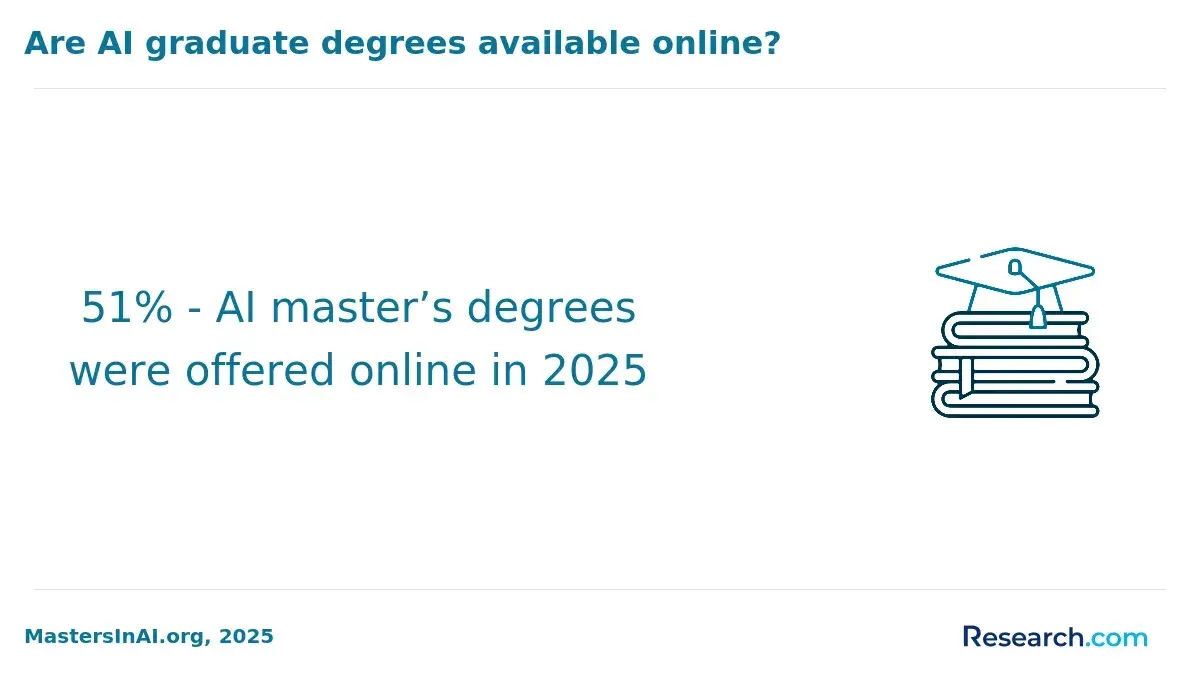
Online AI courses versus in-person learning for DTC founders present unique benefits, particularly in flexibility and scalability. Online options allow founders to learn on their schedules across time zones, which is vital when balancing product development, marketing, and operations. They also tend to update content more quickly, reflecting the fast evolution of AI technologies and market demands.
Hybrid AI training options for direct-to-consumer entrepreneurs provide a compromise, combining the interaction of in-person sessions with some flexibility. However, these often require adherence to strict schedules, limiting convenience. In-person or hybrid formats excel in offering real-time networking and hands-on support but may pose logistical challenges and higher costs, making them less accessible to some founders.
Practical applications are a key focus in many online courses, such as automating content creation and customer engagement. HubSpot's 2024 State of Marketing report highlighted that marketers using generative AI tripled their content output and reduced production time by 88%, with 40% experiencing stronger conversion rates. Such data-driven insights help founders deploy scalable AI marketing strategies effectively.
Founders should consider:
- How important real-time interaction is compared to self-paced learning
- Whether hands-on labs and mentorship are crucial for skill acquisition
- If the curriculum targets AI tools relevant to DTC marketing challenges
For those exploring advanced education, reviewing affordable online options like data science degrees can help integrate AI knowledge with broader analytics skills.
What core AI and data skills should DTC founders expect to learn in these courses?
DTC founders focused on brand growth benefit greatly from acquiring core AI data analysis skills specifically tailored for e-commerce. These skills include machine learning fundamentals, data analytics, natural language processing, and predictive modeling that helps interpret customer data and segment audiences effectively.
Mastering essential machine learning techniques for DTC brand growth enables founders to automate personalized marketing campaigns, thereby improving conversion and retention.
Practical abilities commonly taught include data collection and cleaning using SQL or Python, building supervised learning models for demand forecasting and customer lifetime value prediction, and implementing recommendation engines that boost product discovery and cross-selling opportunities. Applying sentiment analysis on customer reviews and leveraging AI-driven advertising optimization further enhances campaign returns.
Many courses also teach how to integrate AI solutions with existing marketing technologies such as CRM and ad platforms. For instance, Advantage+ campaigns use AI-driven processes that result in a median 32% lower cost per action and a 17% higher return on ad spend compared to manual campaigns, according to Meta benchmarks.
Founders learn to balance automation with human oversight, critically analyzing AI outputs to prevent bias. Hands-on projects help apply these skills, supported by foundational statistics to evaluate models through precision, recall, and A/B testing.
For those seeking to expand their technical knowledge, pursuing a computer science bachelor degree online can solidify these competencies and accelerate digital marketplace success.
How can founders evaluate the accreditation and credibility of AI programs in the U.S.?
Founders evaluating AI programs in the U.S. should verify institutional accreditation recognized by the U.S. Department of Education or the Council for Higher Education Accreditation. Regional accreditation remains the gold standard for degree-granting institutions, ensuring academic quality and rigor.
Additionally, endorsements from reputable industry organizations like the IEEE or the Association for the Advancement of Artificial Intelligence enhance program credibility, especially for technical and applied fields.
Key assessment factors include faculty qualifications-ideally instructors with strong academic credentials, published research, or significant industry experience. Transparent curricula and clearly defined learning outcomes reflect the program's depth and alignment with evolving market needs. Program reviews and alumni success, particularly those advancing in AI-enabled marketing or tech leadership roles, offer valuable insights.
Given reports like Deloitte's CMO Survey showing brands using AI-driven marketing analytics are 1.7 times more likely to increase market share and 63% more likely to achieve ROI targets, founders should prioritize programs focused on data-driven marketing applications. Flexibility in delivery-such as online, hybrid, or in-person options-also matters for balancing study with time constraints.
Finally, comparing tuition costs against career outcomes and potential return on investment ensures the program's credibility matches its economic justification.
What admission requirements and prior experience do AI courses for DTC founders typically expect?
AI courses tailored for direct-to-consumer (DTC) founders typically require a foundation in business strategy and basic data management. Familiarity with digital marketing concepts such as customer segmentation and campaign analytics is often essential, as these skills help apply AI tools effectively in DTC settings. Some advanced programs may expect prior coding or data analysis experience, especially with Python or SQL, although many offer beginner modules to bridge technical gaps.
Admissions usually emphasize practical business experience over formal tech credentials. Candidates with 2-3 years managing DTC brands or customer acquisition teams often qualify, reflecting the need to integrate AI solutions with real-world marketing challenges rather than solely theoretical knowledge.
Assessments often probe candidates' understanding of customer data and personalization strategies. Common questions include how applicants use customer insights to optimize marketing and which metrics they track to improve retention. According to a recent report, AI-driven personalization can increase customer lifetime value by 20% and reduce churn by 30% compared to non-personalized approaches.
Some programs also seek familiarity with AI ethics and data privacy regulations like GDPR or CCPA. Prospective students benefit from combining business acumen with an eagerness to learn technical AI skills, empowering them to enhance customer engagement and lifetime value effectively.
How long do AI programs for DTC founders take, and what do they cost to complete?
AI programs designed for direct-to-consumer (DTC) founders vary significantly in duration and intensity. Short-term courses typically last 4 to 12 weeks and focus on fundamentals like marketing automation, requiring under 50 hours. More comprehensive bootcamps or certifications can extend up to six months and cover advanced topics such as AI-driven supply chain optimization and customer analytics, often demanding over 150 hours.
The cost of these programs also varies widely. Entry-level courses range from $500 to $1,500, making them accessible to early-stage entrepreneurs. In contrast, immersive bootcamps or professional certification programs cost between $3,000 and $10,000, often including mentorship and exclusive AI platform access.
When selecting a program, consider the return on investment. According to UiPath's 2024 Automation Survey, organizations using AI-driven workflow automation achieved a 27% productivity increase among knowledge workers, with payback periods under 13 months. This underscores the value of targeted AI education for operational efficiency and revenue growth in DTC brands.
Key practical tips:
- Select programs with flexible schedules to accommodate growing businesses
- Prioritize courses that emphasize practical case studies and tool usage
- Investigate alumni success in applying AI to e-commerce
What AI tools, platforms, and real-world projects will DTC founders work with in these courses?
Courses tailored for DTC founders in 2026 focus on practical applications of artificial intelligence tools to solve real business problems. Founders engage with platforms like TensorFlow and PyTorch to create machine learning models that predict customer behavior and improve inventory management. No-code AI tools such as Google AutoML and DataRobot also play a key role, allowing those without advanced coding skills to quickly implement AI solutions.
Hands-on projects include building recommendation engines, customer segmentation models, and chatbots to boost user engagement. Practical tasks often cover training natural language processing models for customer service automation and analyzing social media sentiment to refine marketing strategies. These exercises are designed to address common challenges like enhancing conversion rates and reducing churn.
The curriculum incorporates AI-powered analytics tools like Looker and Tableau, helping founders turn data into strategic insights. Courses further teach automating email marketing with AI-driven personalization and optimizing pricing through predictive analytics. This broad approach equips learners with diverse technologies for various business functions.
According to the 2024 Coursera Global Skills Report, teams that complete AI and machine learning courses are 48% more likely to launch new AI products or features within a year, underscoring the tangible benefits of structured upskilling.
How do AI courses translate into career and business outcomes for DTC founders and operators?
AI courses provide direct career and business benefits for DTC founders and operators by building both technical expertise and strategic insight. Founders skilled in AI can utilize machine learning to optimize inventory, forecast consumer behavior, and create personalized marketing campaigns, which boost conversion rates and cut operational expenses.
Operators trained in AI deploy automation tools that improve supply chain logistics and customer support, enabling growth without proportional staff increases.
AI education empowers data-driven decision-making, helping leaders transform complex data into actionable strategies. For instance, AI-powered analytics let DTC brands spot emerging trends faster, adjust pricing dynamically, and enhance product recommendations-key advantages in competitive markets.
Investing in AI training also supports workforce retention. LinkedIn's 2024 Workplace Learning Report highlights that 94% of employees stay longer at companies that promote learning, and organizations with strong learning cultures are 57% likelier to lead their markets. Fostering this culture aids talent recruitment, reduces turnover costs, and strengthens business performance.
Essential course topics include AI for marketing automation, natural language processing for customer interaction, and predictive analytics for demand forecasting. Programs with hands-on projects aligned to specific business needs accelerate AI application and innovation, helping DTC professionals increase revenue and build resilient enterprises in a digital economy.
What criteria should DTC founders use to choose the best AI course for their goals?
DTC founders should select courses that closely match their business objectives and technical expertise. Focus on programs emphasizing practical artificial intelligence applications in ecommerce, such as customer segmentation, predictive analytics, and personalized marketing. Those with limited technical background benefit from foundational training in data handling and model deployment alongside strategic AI use cases.
More experienced learners might seek courses on integrating artificial intelligence within supply chain management or advanced automation techniques.
Evaluate course curriculum for a strong mix of theory and hands-on projects, especially those including case studies from retail or DTC brands. This contextual learning often drives better real-world results. Instructor credentials are also critical; ensure educators have relevant industry experience and up-to-date knowledge of AI trends in ecommerce.
Time commitment should align with your availability. According to IBM's AI Adoption Index, only 28% of top-performing SMBs follow structured AI learning plans, despite 42% reporting AI skill gaps as a main barrier to growth. Aim for programs offering a clear, practical learning roadmap within a 90-day timeline to develop usable AI capabilities efficiently.
Additional considerations include scalability of AI knowledge to accommodate future advances, availability of post-course support such as mentorship, and community access for troubleshooting. Transparent pricing and flexible payment options can also impact your choice. Finally, confirm whether certifications hold recognized value in the AI and ecommerce sectors, enhancing credibility for partnerships or funding opportunities.
Other Things You Should Know About Artificial Intelligence
In 2027, top AI courses for DTC founders include programs like "AI Strategies for E-commerce" by MIT, "Machine Learning for Retail" from Stanford, and "AI in Business" by Coursera. These courses cover AI's role in enhancing customer experiences and optimizing backend operations.
Artificial intelligence is increasingly automating repetitive and routine tasks across various industries, including customer service, manufacturing, and marketing. However, AI also creates new roles focused on its development, management, and oversight. This evolution shifts job demands rather than simply eliminating positions.
Businesses often struggle with data quality, integration with existing systems, and the shortage of AI expertise. Additionally, managing change and aligning AI initiatives with strategic goals can complicate implementation. These challenges require careful planning and ongoing evaluation.
Ongoing learning is essential due to the rapid advancements in AI technologies and methodologies. Professionals must stay current with new tools, frameworks, and ethical standards to remain effective. Continuous education supports adaptability and innovation in this dynamic field.
References
- What Are the Key Skills Marketers Need From AI Training? https://ai-marketinglabs.com/lab-experiments/what-are-the-key-skills-marketers-need-from-ai-training
- AI’s Role in Shaping Future Work & Strategy https://www.techclass.com/resources/learning-and-development-articles/next-frontier-thought-leadership-on-ais-role-in-work-enterprise-strategy
- Best AI Tools for Business Efficiency in 2026 https://www.thoughtspot.com/data-trends/ai/best-ai-tools-for-business
- University Degree vs AI Bootcamp: Which is Best Career Path? https://agilefever.com/university-degree-vs-ai-bootcamp-which-is-best/
- Key Skills You’ll Learn in AI Training Course & How to Apply Them https://www.infotech.edu.sg/blog/key-skills-you-gain-in-ai-training-course-and-where-to-apply-them/
- Best AI courses in 2026 https://www.pluralsight.com/resources/blog/ai-and-data/best-ai-courses
- Artificial Intelligence and Accreditation: Does It Really Help Us? https://nac-us.org/2025/11/25/artificial-intelligence-and-accreditation-does-it-really-help-us/
- AI for Entrepreneurs | Maven | Unlock your career growth https://maven.com/courses/ai/for-entrepreneurs
- Guidance on the Responsible Use of Artificial Intelligence (AI) in Accredited Continuing Education (CE) - ACCME https://accme.org/resource/guidance-on-ai/
- Best-in-Class AI Tools https://www.lasinger.net/p/best-in-class-ai-tools