2027 Best AI Courses for Newsroom Teams

Co-Founder and Chief Data Scientist
Newsroom teams face increasing pressure to integrate artificial intelligence tools efficiently amid rapid technological change and limited training time. Many journalists and editors lack formal AI education, which hinders the adoption of essential skills for data analysis, content automation, and fact-checking. The challenge lies in finding accredited, flexible courses that accommodate professionals transitioning from unrelated fields.
This article examines top AI courses tailored for newsroom professionals, highlighting programs that combine accessibility with industry relevance to bridge knowledge gaps and drive innovation in media organizations.
Key Things You Should Know
- Top AI courses for newsroom teams in 2026 emphasize practical skills in data analysis, natural language processing, and ethical reporting, reflecting industry demand for technology-driven journalism.
- Recent studies show that 78% of newsroom professionals consider AI literacy essential for career advancement, highlighting the need for specialized training in emerging AI tools.
- Leading programs offer flexible online options with hands-on projects, enabling journalists to integrate AI techniques while maintaining editorial standards and adapting to rapidly evolving news environments.
Advance Your Career with AI Online Courses
Artificial Intelligence: Implications for Business Strategy
This program provides an introduction to Artificial Intelligence and their implications for business strategy. Earn an official digital certificate.

Oxford Artificial Intelligence Programme
Explore this Oxford Artificial Intelligence programme offered in a flexible learning environment and explore topics like machine learning, automation, and robotics.

Implementing Agentic AI: Building Your Organizational Playbook
This online MIT Agentic AI course offers a practical approach to deploying AI agents in your organization, including a custom playbook. 3 weeks, exclusive launch price.

AI Adoption: Driving Business Value and Impact
This online MIT AI Adoption: Driving Business Value and Impact offers practical frameworks to close the gap between AI potential and business reality.

Artificial Intelligence in Pharma and Biotech
Discover the applications and limitations of artificial intelligence in pharma and biotech with this MIT online short course.

What skills do AI courses for newsroom teams actually teach journalists and editors?
AI skills for journalists and editors are essential for integrating newsroom artificial intelligence tools effectively into daily reporting workflows. Training covers data literacy to ensure accurate interpretation of AI-generated data and ethical frameworks to address AI bias and misinformation risks. This foundation helps maintain journalistic integrity while leveraging AI benefits.
Hands-on technical training includes using natural language processing tools for content generation, summarization, and automation techniques like web scraping for real-time data collection. Editors gain experience in evaluating AI-assisted drafts, balancing speed with editorial quality. Many programs emphasize collaboration between editorial teams and AI specialists to transform algorithmic outputs into accessible reports.
Courses also explore AI's role in audience analysis, allowing journalists to tailor content using predictive engagement metrics. Knowing AI system limitations and transparency standards equips newsroom leaders to make responsible implementation decisions. Practical exercises in AI prompt refinement and troubleshooting are key components.
For those considering complementary education, an excellent option is a 2 year bachelor degree computer science, which can deepen understanding of underlying technologies behind newsroom AI applications.
Programs like ONA's nine-week GenAI course for newsrooms offer cohort-based peer learning to balance automation with editorial judgment, meeting growing demand for structured AI upskilling tailored to newsroom professionals.
Advance Your Career with AI Online Courses
Artificial Intelligence: Implications for Business Strategy
This program provides an introduction to Artificial Intelligence and their implications for business strategy. Earn an official digital certificate.
Oxford Artificial Intelligence Programme
Explore this Oxford Artificial Intelligence programme offered in a flexible learning environment and explore topics like machine learning, automation, and robotics.
Implementing Agentic AI: Building Your Organizational Playbook
This online MIT Agentic AI course offers a practical approach to deploying AI agents in your organization, including a custom playbook. 3 weeks, exclusive launch price.
Which types of AI training best fit different newsroom roles and experience levels?
AI training programs tailored for newsroom roles are essential to maximize efficiency and adoption across different professional levels. Journalists with limited technical skills benefit from foundational courses focused on AI-assisted research, content generation, and ethics. These practical introductions teach how to use generative AI tools for drafting and fact-checking, improving productivity without requiring coding knowledge.
Editors and content managers need intermediate training emphasizing workflow integration and quality control, including prompt engineering, bias detection, and audience analytics. This knowledge helps maintain editorial standards and ensures the credibility of AI-generated content through careful evaluation.
Data journalists and developers require advanced AI education covering machine learning models, natural language processing, and system development. They implement AI pipelines and custom tools using programming languages like Python and libraries such as TensorFlow. Specialized AI courses for newsroom developers drive innovation in automated content curation and real-time data visualization.
According to the Reuters Institute for the Study of Journalism, AI newsroom integration rose from 31% to 39% within one year, highlighting the need for role-specific AI training. Newsrooms aiming to stay competitive should invest in tiered educational programs that align AI competencies with job responsibilities. For those interested in pursuing formal education, exploring online AI degrees can provide valuable options for developing relevant skills.
The best AI courses for different experience levels in newsrooms enable professionals to leverage AI effectively while sustaining journalistic integrity and innovation.
How do you choose between short courses, certificates, and degrees in AI for journalism?
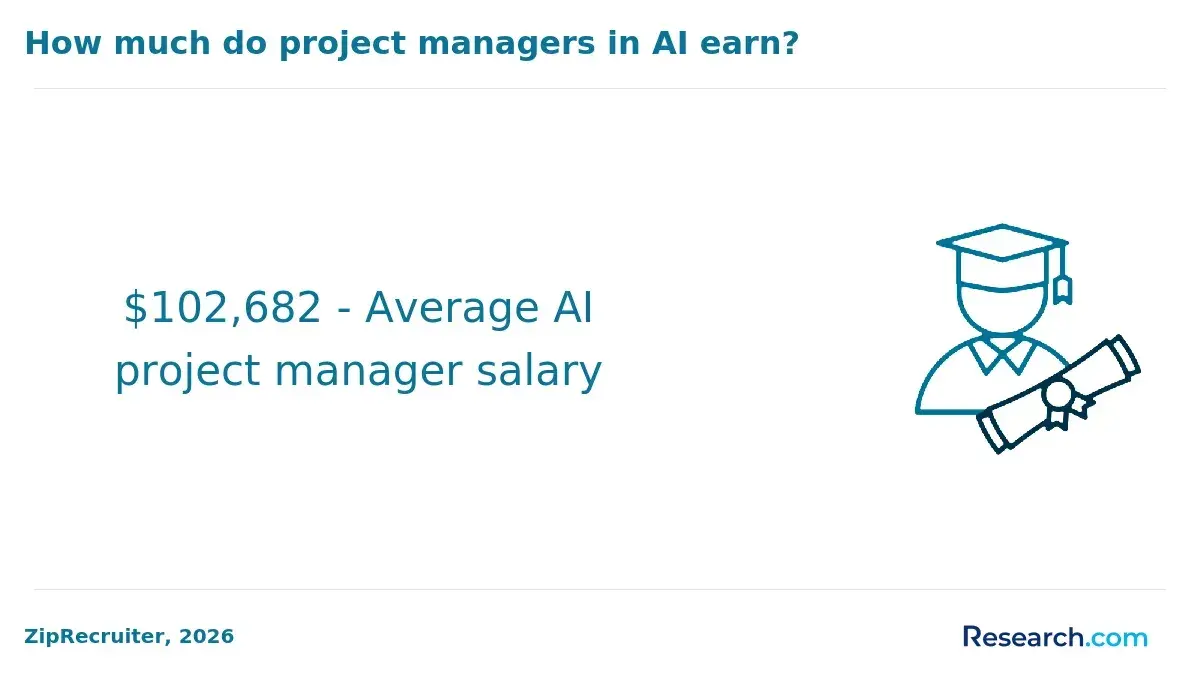
Choosing between short courses and degrees in artificial intelligence for journalism depends largely on your career stage, time availability, and professional goals. Short courses are ideal for quick, targeted skill acquisition-such as learning practical data analysis or ethical AI tools within newsroom workflows. For instance, the Associated Press's June 2025 "AI in the Newsroom" course focused on real-world ethical uses relevant to editors and reporters.
Certificates provide a balanced option, usually involving a series of courses over several months. They offer structured learning and recognizable credentials, suited for mid-career newsroom professionals who want to deepen their understanding of machine learning basics or newsroom automation without leaving full-time work. These programs often combine theoretical knowledge with hands-on projects, preparing participants for responsibilities such as setting editorial AI guardrails, aligning with AP's recommendations emphasizing human oversight in publishing.
Degrees-bachelor's or master's-offer comprehensive understanding, essential for careers in research, development, or leadership in newsroom AI innovation. They require more time and financial investment but cover core topics like computer science, AI ethics, and data journalism thoroughly, enabling graduates to critically assess complex AI systems beyond practical application. Considering your learning timeline and career goals is crucial. If you seek formal recognition and deep expertise, exploring options like online cyber security degrees can provide insight on managing such commitments.
When deciding how to choose between short courses and degrees in artificial intelligence for journalism, or understanding the differences between certificates and degree programs in artificial intelligence for newsroom teams, consider your need for rapid skill gain, formal accreditation, and the level of expertise required to manage newsroom AI responsibly.
What should you look for in accredited AI and data programs relevant to newsrooms?
Look for accredited artificial intelligence programs for journalism teams that offer practical training applicable to newsroom environments. Key coursework should include data journalism, natural language processing, and automated content generation, with a strong emphasis on ethical issues like bias detection and transparency, which directly affect journalistic credibility and public trust.
Robust programs integrate technical skills with editorial judgment, providing hands-on experience using AI-driven tools for data visualization, fact-checking, and audience engagement. Prioritize those featuring case studies or projects with real newsroom data to cultivate relevant expertise. Faculty with backgrounds in both AI technology and journalism are essential for interdisciplinary instruction that accurately addresses newsroom challenges and evolving AI applications.
Partnerships with media organizations and tech companies enhance learning through internships, workshops, and guest lectures. Course length and flexibility matter-modular or certificate programs focused on AI literacy allow faster upskilling, meeting the urgent need highlighted by a 2025 survey from the Poynter Institute and The Associated Press, where 73% of journalists reported requiring more AI training.
Additionally, evaluate programs for coverage of data privacy, algorithmic accountability, and legal frameworks pertinent to journalism. Verifying accreditation through recognized educational bodies ensures the program's quality and rigor are suitable for professional growth. For those seeking an affordable online computer science degree with AI focus, such credentials can broaden career opportunities in newsroom data analysis.
How do online, hybrid, and campus-based AI courses compare for working journalists?
Online ai courses offer the flexibility needed by working journalists balancing unpredictable schedules. These programs often provide modular content accessible at any time, enabling learners to review difficult topics as needed. The Knight Center's 2025 training programs, for instance, are affordable-typically costing a few hundred dollars or less-making them accessible for newsroom-wide adoption. This price point represents a small fraction of an annual salary yet delivers a strong return on investment, allowing entire teams to enhance their skills simultaneously.
Hybrid courses blend online convenience with occasional in-person sessions. This format suits those who benefit from structured deadlines and direct interaction with instructors. It also fosters networking opportunities within collaborative newsroom environments. However, attending on-site portions can be challenging for reporters with irregular hours or breaking news duties.
Campus-based courses provide immersive experiences with full access to research tools and hands-on practice. These intensive programs appeal to journalists seeking career pivots or deep specialization. However, they require longer absences from work and often involve higher tuition fees and travel expenses, which can limit their practical value for working professionals.
Choosing the right format depends on job demands, learning preferences, and budget. Online courses shine for affordability and scalability, hybrids for balance, and campus programs for depth. Newsrooms aiming to boost ai literacy across teams may find affordable online options offer the best combination of quality and return on investment.
What core curriculum topics are covered in the best AI courses for news organizations?
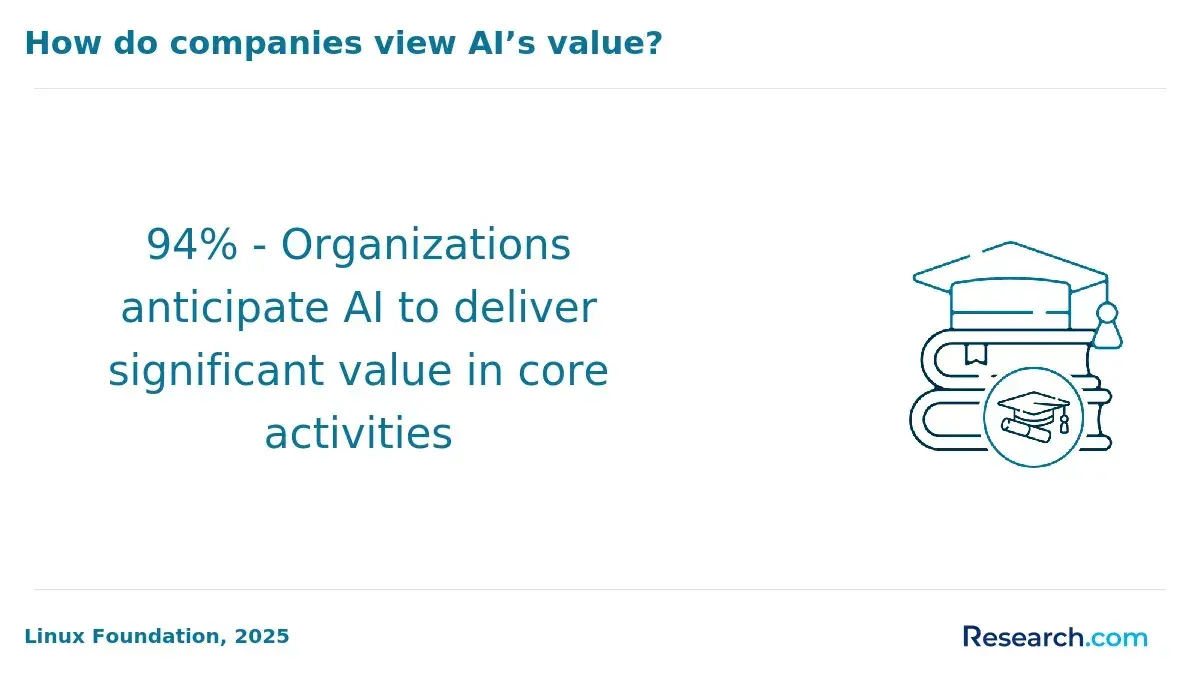
Top AI courses for news organizations focus on practical skills and ethical considerations to promote reliable and responsible journalism. Core topics include machine learning fundamentals, natural language processing, and data analysis tailored to journalism needs. Students receive hands-on experience with tools for AI-driven content creation, automated transcription, and multimedia data mining integrated into newsroom operations.
Ethical training is crucial. Research from the Tow Center for Digital Journalism revealed that 60% of AI-generated citations contained inaccuracies, underscoring the importance of fact-checking and verifying AI outputs before publication. Courses also teach bias detection and methods to mitigate misinformation, empowering journalists to evaluate source credibility and cross-check AI content thoroughly.
Security and data privacy practices safeguard sensitive information when employing AI tools. Training extends to incorporating AI in editorial decisions and audience engagement to streamline workflows without sacrificing journalistic standards.
Additional topics often include:
- Prompt engineering tailored for newsroom tasks
- Automated summarization and headline generation
- AI-driven trend analysis and social monitoring
- Legal frameworks applicable to AI use in media
This comprehensive approach equips newsroom teams to leverage AI effectively while maintaining accuracy and integrity in fast-changing digital environments.
How long do AI courses for newsroom professionals take, and what do they cost?
The duration of AI courses designed for newsroom professionals varies significantly, from brief introductory workshops to extensive certificate programs. Short courses lasting 4 to 12 hours concentrate on foundational skills such as AI-driven data analysis, automated fact-checking, and ethical issues in journalism. These sessions are well-suited for reporters seeking quick, practical upgrades amidst busy schedules.
Programs spanning 6 to 12 weeks offer deeper technical training covering machine learning tools, AI content generation, and misinformation countermeasures. These include hands-on projects tailored for newsroom workflows and team collaboration. Longer certificate tracks or professional development programs, lasting 3 to 6 months, develop advanced expertise in AI applications, focusing on areas like algorithmic transparency and audience engagement strategies.
Costs correspond to course length and complexity. Short online workshops typically cost less than $200, fitting for individuals or small teams. Mid-length certificates range from $500 to $2,000, while comprehensive multi-month courses can exceed $3,000, often delivered by universities or specialized organizations.
With 52% of U.S. adults expressing concern about AI's influence on misinformation, investing in credible and thorough training can enhance audience trust. Newsrooms face the challenge of balancing budget constraints with the need for substantial education on this critical topic.
- Short workshops: 4-12 hours, under $200
- Mid-length programs: 6-12 weeks, $500-$2,000
- Extended courses: 3-6 months, $3,000+
What admission requirements do AI and data programs typically have for mid-career journalists?
Mid-career journalists aiming to enter AI and data programs typically need three to five years of professional journalism or media experience. Admission committees expect applicants to demonstrate practical newsroom knowledge through resumes and portfolios showcasing data handling or digital tools. Basic proficiency in data analysis or programming languages like Python, R, or SQL is often required, with some programs offering preparatory courses for those seeking to build these technical skills.
Most candidates hold relevant undergraduate degrees in journalism, communications, computer science, or related fields. While GRE scores are less common, highly competitive programs may request them. Essays and personal statements that convey a clear vision for integrating artificial intelligence into journalistic practices are crucial, alongside letters of recommendation from media professionals or academic mentors that attest to the candidate's readiness.
Key admission requirements include:
- Professional experience in journalism or media (3-5 years)
- Foundational data analysis or programming skills
- Relevant undergraduate degrees or explanatory portfolios
- Clear articulation of AI's impact on newsroom ethics and workflows
LinkedIn's 2025 Work Change Report emphasizes the accelerating demand for AI skills across knowledge sectors, reinforcing admission panels' focus on candidates who can bridge editorial expertise with data-driven insights. International applicants should also prepare for potential language proficiency requirements.
How can AI training impact newsroom careers, job roles, and salary potential?
AI training equips newsroom professionals with advanced skills to streamline workflows, enhance content quality, and stay current with evolving technologies. Journalists and editors skilled in AI tools can automate tasks like transcription, fact-checking, and data analysis, which frees them to concentrate on investigative and creative reporting. This evolution expands career opportunities, including roles like AI editor, data journalist, and content strategist, adding versatility to newsroom careers.
Salary potential grows as AI expertise becomes essential. Newsrooms prioritize candidates who can implement AI-driven analytics and content personalization. According to Deloitte's 2025 State of Generative AI in the Enterprise, organizations leveraging generative AI report significant time savings on routine work, leading to greater editorial efficiency and justifying increased pay for staff who enhance cost reduction and accelerate content delivery.
AI training also opens pathways to specialized roles that integrate journalism with data science and machine learning. Professionals analyzing audience metrics with AI improve targeted reporting, boosting engagement and revenue. Management benefits from AI knowledge by optimizing project management and resource allocation through predictive analytics.
Prospective students should seek courses offering practical experience with AI frameworks, natural language processing, and ethical media applications. Graduates demonstrating proficiency in AI-enhanced news production platforms gain immediate job readiness for real-world newsroom challenges.
Investing in AI education thus reshapes job functions, increases earning potential, and supports long-term career growth in a fast-evolving media landscape.
How do you evaluate the ethics, safety, and legal coverage of AI journalism courses?
Evaluating ethics, safety, and legal coverage in AI journalism courses demands careful review of curriculum content, instructor qualifications, and institutional credibility. Courses should explicitly cover bias mitigation, data privacy laws, and ethical issues related to automated news generation. Core topics include algorithmic transparency, consent for data usage, and the risks of misinformation.
Look for professionals teaching these courses who combine expertise in AI, journalism ethics, and media law to ensure a comprehensive approach. Course syllabi must align with current U.S. regulations, addressing copyright impacts on AI-generated content and editorial liability. Effective programs incorporate case studies on deepfake detection and newsroom accountability when using AI tools.
Live, cohort-based courses outperform self-paced ones in both completion rates and practical adoption, as reported by authorities like the Online News Association, CNN Academy, and JournalismAI. Prospective students benefit from interactive ethics labs, legal scenario workshops, and regular updates that track evolving legislation.
Programs offering access to legal experts and ethics advisors better equip journalists to navigate AI's responsibilities safely and legally. Seek courses that foster critical thinking on ethics and compliance, preparing media professionals to handle challenges in a rapidly evolving environment.
Other Things You Should Know About Artificial Intelligence
In 2027, highly relevant AI courses for newsroom teams include "AI for Journalism" at the Knight Center, "Analytics and AI for News" at Columbia Journalism School, and "AI in Media" offered by Reuters Institute. These courses focus on practical AI applications in journalism, data analysis, and automated storytelling.
Artificial intelligence automates repetitive tasks such as data analysis, fact-checking, and content recommendation, allowing journalists to focus on investigative reporting and storytelling. It also enables faster processing of large datasets for real-time insights. This shift enhances productivity but requires newsrooms to adapt to new roles and collaboration between humans and AI tools.
Yes, AI can improve accuracy by quickly cross-referencing facts and detecting inconsistencies in data and text. Tools like automated fact-checkers help identify misinformation. However, AI is not flawless and must be supervised by journalists to avoid errors resulting from biased algorithms or incomplete data.
Newsroom teams should build digital literacy, focusing on understanding AI capabilities and limitations. Skills in data analysis, coding basics, and ethical considerations are valuable. Effective communication between technical experts and editorial staff is also essential to maximize AI's benefits while maintaining journalistic integrity.
References
- A practical framework for AI integration in newsrooms https://www.thomsonfoundation.org/latest/a-practical-framework-for-ai-integration-in-newsrooms/
- Artificial Intelligence and Journalism - CNN Academy https://academy.cnn.com/hub-course/artificial-intelligence-and-journalism/
- AI and journalism: What will young journalists have to know? https://akademie.dw.com/en/ai-and-journalism-what-will-young-journalists-have-to-be-able-to-do-in-the-future/a-76821293
- AI Strategy Development for Newsroom Leaders | EBU Academy https://academy.ebu.ch/ai-strategy-development-for-newsroom-leaders
- Free online course for journalists: Use Google AI tools to improve workflow and engage audiences https://latamjournalismreview.org/articles/free-online-course-for-journalists-use-google-ai-tools-to-improve-workflow-and-engage-audiences/
- Data Journalism Training - GFMD https://gfmd.info/careers/data-journalism-training/
- Building Cross-Functional AI Teams in Newsrooms: Navigating Challenges and Opportunities | by Qing Xiao | Generative AI in the Newsroom https://generative-ai-newsroom.com/building-cross-functional-ai-teams-in-newsrooms-navigating-challenges-and-opportunities-a7997a7d81f9
- Top Journalism Courses for the Generative AI Era https://www.galgotiasuniversity.edu.in/p/top-journalism-courses-for-the-generative-ai-era
- AI for Journalists & Editors Course - Workplace AI Institute https://workplaceaiinstitute.com/courses/ai-for-journalists-editors/
- - Training - AI TOOLS for JOURNALISTS & NEWSROOMS MASTERCLASS - Dean Arnett https://deanarnett.com/training-ai-tools-for-journalists-newsrooms-masterclass/