2027 Best AI Change Management Courses Online

Co-Founder and Chief Data Scientist
Transitioning into the fast-evolving AI field poses challenges for professionals from unrelated backgrounds. Navigating technology jargon, managing rapid change, and understanding AI-driven transformations can overwhelm newcomers. Many struggle to find courses that balance technical insights with practical change management skills.
Without targeted education, they risk falling behind in competitive job markets and miss leadership opportunities in AI implementations. This article outlines the best AI change management courses available online, focusing on flexibility, accreditation, and relevance. It aims to guide readers toward programs that equip them to lead AI-driven initiatives confidently and effectively in their careers.
Key Things You Should Know
- Top AI change management courses in 2026 emphasize practical skills in navigating organizational transformation driven by AI adoption, with 68% of learners reporting improved management capabilities post-completion.
- Most courses integrate emerging AI ethics and governance frameworks to prepare students for responsible technology deployment in dynamic business environments.
- Flexible online formats and micro-credential options allow working professionals to upskill efficiently, reflecting the 45% growth in AI-related management roles forecasted for 2025-2030.
Advance Your Career with AI Online Courses
Artificial Intelligence: Implications for Business Strategy
This program provides an introduction to Artificial Intelligence and their implications for business strategy. Earn an official digital certificate.

Oxford Artificial Intelligence Programme
Explore this Oxford Artificial Intelligence programme offered in a flexible learning environment and explore topics like machine learning, automation, and robotics.

Implementing Agentic AI: Building Your Organizational Playbook
This online MIT Agentic AI course offers a practical approach to deploying AI agents in your organization, including a custom playbook. 3 weeks, exclusive launch price.

AI Adoption: Driving Business Value and Impact
This online MIT AI Adoption: Driving Business Value and Impact offers practical frameworks to close the gap between AI potential and business reality.

Artificial Intelligence in Pharma and Biotech
Discover the applications and limitations of artificial intelligence in pharma and biotech with this MIT online short course.

What is AI-driven change management and why are online courses important for today's professionals?
AI-driven change management integrates artificial intelligence technologies to enhance the planning, execution, and reinforcement of organizational change initiatives. It employs data analytics, machine learning, and automation to predict resistance, personalize communication, and measure adoption rates in real time.
This method improves traditional change management processes by enabling faster, evidence-based decisions and reducing uncertainty during transitions. For instance, AI can analyze employee sentiment from digital channels to detect disengagement early, facilitating targeted interventions. Such AI-driven change management strategies for professionals are increasingly vital as organizations adapt quickly to evolving technology.
Online courses in AI-driven change management offer critical benefits by providing current knowledge and practical skills essential for leading AI-powered transformations. Many professionals risk falling behind without expertise in this area since 79% of corporate strategists consider generative AI key to business success, yet only 34% of companies have operational processes to leverage AI-driven change.
These courses provide flexible learning with access to simulations, case studies, and expert guidance, fostering competencies in AI ethics, human-AI collaboration, and adaptive leadership to manage challenges like employee skepticism and data privacy.
For those seeking foundational education, exploring the best data science undergraduate programs can be a strategic step toward mastering AI change management. This pathway equips learners to navigate continuous learning demands and AI adoption effectively in diverse sectors.
Advance Your Career with AI Online Courses
Artificial Intelligence: Implications for Business Strategy
This program provides an introduction to Artificial Intelligence and their implications for business strategy. Earn an official digital certificate.
Oxford Artificial Intelligence Programme
Explore this Oxford Artificial Intelligence programme offered in a flexible learning environment and explore topics like machine learning, automation, and robotics.
Implementing Agentic AI: Building Your Organizational Playbook
This online MIT Agentic AI course offers a practical approach to deploying AI agents in your organization, including a custom playbook. 3 weeks, exclusive launch price.
What are the best online AI change management courses and certificates available now?
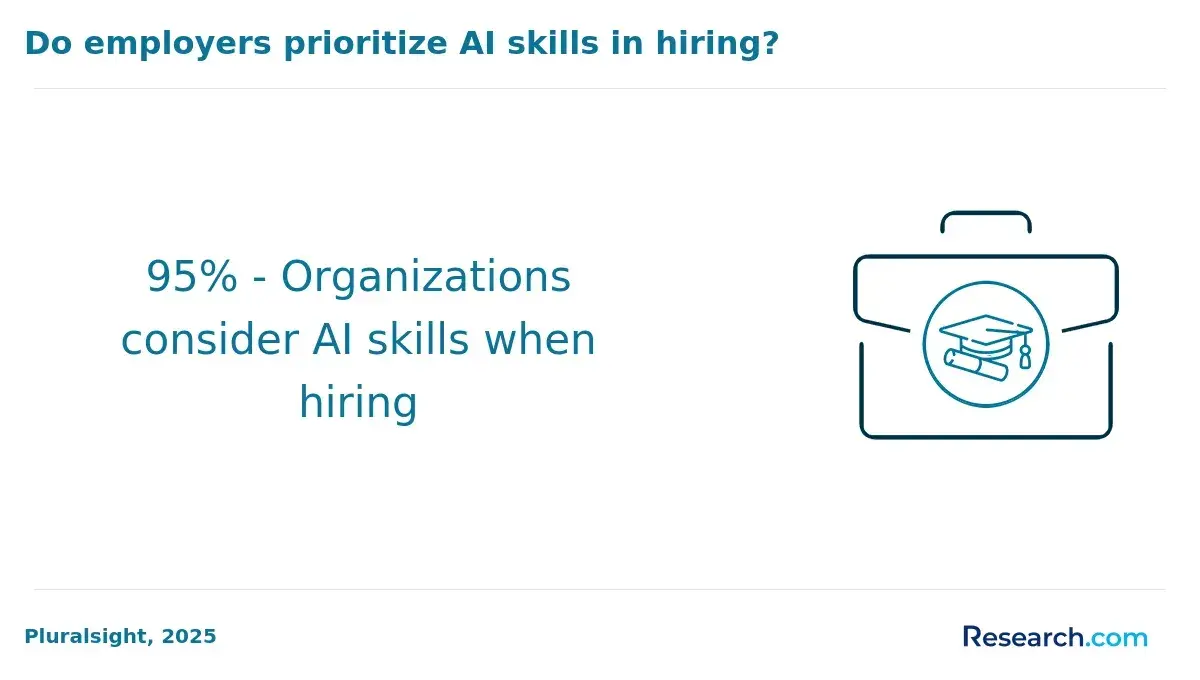
Top online ai change management certification courses online blend practical change management with AI literacy to help professionals navigate evolving workplace demands. The 2024 Deloitte Global Human Capital Trends report reveals 76% of organizations will increase investment in hybrid roles merging AI expertise with change leadership, yet only 24% feel internally prepared.
Leading programs address this gap by offering certifications that combine managing AI adoption with workforce transformation strategies. Prosci's Change Management Certification integrates AI-driven change modules focused on overcoming resistance and building AI fluency. Similarly, the Association of Change Management Professionals (ACMP) provides an AI Change Management Professional Certificate emphasizing ethical AI deployment and stakeholder engagement.
University platforms also present relevant options: the University of Virginia's Coursera course "AI and Change Management" pairs AI fundamentals with scenario planning exercises, while MIT's "Leading Change in the Age of AI" targets leadership skills to align AI projects with business goals and workforce adjustments.
When choosing the best online ai change management training programs, look for:
- Integration of AI technical literacy with change management principles
- Use of real-world case studies involving AI implementation
- Focus on measuring AI adoption's impact on organizational culture
- Certificates recognized by bodies like ACMP or Prosci
These courses equip HR, project managers, and digital transformation leaders to effectively manage AI-related change and reduce workforce disruption. For those interested in broader AI education, an AI online degree offers comprehensive knowledge across technical and strategic dimensions.
How do online AI change management programs compare with campus-based options for quality and outcomes?
Online ai change management course effectiveness versus traditional campus programs shows that both formats deliver essential change management frameworks and AI applications, but online options often offer greater flexibility. This flexibility supports working professionals by allowing them to balance career responsibilities while updating their skills.
Campus-based programs, however, may provide richer direct networking and face-to-face interaction, enhancing the learning experience for some students.
Many online programs now include live sessions, discussion forums, and group projects that foster collaboration comparable to campus environments. The quality and career outcomes of online AI change management training are becoming increasingly aligned with campus-based education, especially in competency acquisition.
The 2024 Prosci Global Change Management Salary Report highlights that change leaders with advanced analytics/AI skills earn 21% higher total compensation than those without.
Prospective students should consider key factors such as:
- Program curriculum depth in AI analytics integration
- Access to industry case studies and real-world simulations
- Credential recognition and employer reputation
- Support services like career counseling and mentorship
Choosing a program that aligns with career goals and learning styles is crucial. For those searching for broader options, cyber security schools online may offer additional insights into remote learning formats and flexibility.
What accreditation and industry standards should AI change management courses and providers meet?
AI change management providers must meet rigorous accreditation standards to ensure their programs deliver real-world value. Accreditation from respected organizations like the Project Management Institute (PMI) or the Association for Talent Development (ATD) confirms that curricula align with established change management frameworks.
Adhering to industry certifications for AI change management providers, such as Prosci's Change Management Certification or the ACMP's Standard for Change Management, guarantees structured approaches to managing AI-driven transitions.
Courses that incorporate compliance with AI ethics, governance frameworks, and data privacy regulations enhance relevance, addressing challenges unique to AI integration. Standards from IEEE and ISO/IEC for AI systems help embed robust risk management principles into training, which employers increasingly require for certified professionals.
Practical elements like case studies, simulations, and partnerships with industry leaders ensure programs provide applicable skills, not just theory. Measuring training effectiveness is critical, as organizations demand verifiable certifications that support successful AI transformation.
Businesses investing in AI-focused change enablement demonstrate higher success rates; studies show these organizations are 1.7 times more likely to achieve expected ROI on AI initiatives. For students exploring options, especially those seeking a cheapest online computer science degree with relevant AI change management coursework, choosing accredited and standards-aligned programs is essential for career advancement.
What prerequisites and professional background are typically required to enroll in AI change management courses?
AI change management courses generally require candidates to hold a bachelor's degree in business administration, management, information technology, or related fields. Practical experience in organizational change, project management, or IT strategy enhances comprehension of course content. Those with exposure to transformation initiatives or digital adoption programs adapt more quickly to AI-centric change models.
Mid-career professionals who have managed change communication, training, or employee engagement projects benefit from prior involvement in such initiatives. Entry-level learners might need additional coursework in data analytics or AI fundamentals to handle course complexity. Familiarity with AI applications in business or certifications in change management methodologies like Prosci or Agile frameworks is often preferred but not always mandatory.
Technical skills with AI tools are advantageous yet not usually required, as many programs emphasize managerial perspectives on AI implementation. With 63% of organizations applying generative AI to change management, communication, or training activities according to McKinsey's 2024 State of AI report, proficiency in both AI concepts and change management practices is increasingly valuable.
Strong business acumen, practical project experience, and foundational AI literacy prepare students to lead AI-driven transformation efforts effectively. For further insights into AI and business transformation, visit a relevant source.
What core topics and tools are covered in a typical AI change management course curriculum?
AI change management courses blend core concepts with practical tools essential for guiding AI adoption within organizations. Foundational lessons often cover change management principles tailored to AI-driven transformation, emphasizing challenges that AI introduces to workflows and culture.
Key course content commonly includes disruption assessment, stakeholder analysis, and crafting communication strategies that address AI-specific resistance and fears. Ethical and risk management topics help leaders manage transparency, bias mitigation, and regulatory compliance effectively.
Technical components focus on AI adoption frameworks, digital collaboration platforms, and data analytics tools for tracking progress and impact. Learners frequently use AI-powered project management software to automate workflows and gather real-time feedback.
With over half of CEOs identifying skill gaps in managing AI change as a major barrier, upskilling modules and continuous learning strategies receive significant attention. Practical case studies often illustrate how to align AI initiatives with business goals and workforce readiness.
- Scenario planning and predictive analytics
- Change impact simulations
- Adaptation strategies for various industries and organizational sizes
These elements equip professionals with dynamic tools to anticipate challenges and navigate diverse contexts effectively, making such courses valuable for current and aspiring leaders aiming to manage AI-driven transformation.
How long do AI change management courses take, and what tuition, fees, and financing options exist?
AI change management courses vary in length from brief, intensive workshops lasting 2 to 5 days to more extensive certificate programs spanning 8 to 12 weeks. University-level options may extend to a full semester, providing in-depth exploration of AI integration and organizational change strategies. Formats often combine self-paced online learning with live interactive sessions to accommodate different schedules.
Costs differ widely based on program type and provider: executive workshops typically range from $2,000 to $7,000; online certificates cost between $1,000 and $4,000; and university-affiliated or professional certificates can reach $15,000. Additional expenses may include textbooks, software, or proctoring fees.
Flexible financing options are increasingly common, including installment plans, deferred payments, and employer sponsorships, which remain a major funding source for leadership courses. Many institutions also partner with lenders for education loans and offer scholarships or discounts for early or group enrollment.
With 86% of executives indicating the need for further education in AI and organizational change, investing in these programs can significantly enhance leadership effectiveness and career growth.
What careers, job titles, and industries can AI change management training prepare you for?
AI change management training equips professionals for roles that focus on integrating AI technologies effectively within organizations. Key positions include change managers specializing in AI adoption, AI transformation consultants, learning and development (L&D) managers, and business analysts focused on AI implementation. These roles center on managing resistance to change, aligning AI initiatives with business objectives, and fostering workforce adaptation.
Industries that benefit most from this expertise include technology, healthcare, finance, manufacturing, and retail. For example, healthcare administrators apply AI change management to oversee AI-driven diagnostics and patient data systems, while financial services professionals use it to automate compliance and risk management. Manufacturing companies rely on experts to manage robotics integration, and retailers use AI insights to optimize supply chains and customer analytics.
HR professionals and organizational development specialists also gain valuable skills to create AI-focused upskilling and reskilling programs, especially in industries experiencing rapid AI advancements. Project and program managers benefit by understanding AI's impact on workflows and stakeholder relationships.
According to LinkedIn, over 60% of L&D leaders plan to increase budgets for online AI-focused training, highlighting "AI and change management" as one of the top five priority skill clusters for enterprise learning programs. This trend reflects strong demand for professionals who can guide successful AI transitions that minimize disruption and maximize return on investment.
What salary ranges and job outlook can AI change management professionals expect in the U.S.?
AI change management professionals in the U.S. typically earn between $80,000 and $150,000 annually, with salaries influenced by experience, location, and industry. Entry-level positions start near $80,000, while senior specialists or managers leading large AI-driven projects can earn $130,000 to $150,000. Holding specialized certifications in AI and change management may increase earning potential by 10-20%, reflecting employer demand for skills that integrate AI tools effectively.
Demand for these professionals grows about 15% annually due to rapid AI adoption in sectors like technology, finance, healthcare, and manufacturing. Employers value experts who balance AI technology knowledge with human factors of change management to boost resilience and adoption speed. Geographic hubs such as San Francisco, New York, and Boston offer higher salaries due to concentrated tech industries.
For example, specialists implementing AI-personalized learning systems can improve training completion rates by up to 30% and reduce time to competence by 25%, according to a 2024 Deloitte study. These efficiencies support faster business value realization and position professionals as key assets in digital transformations.
Job seekers should focus on skills in AI-enhanced learning platforms, data-driven decision-making, and stakeholder engagement, with measurable success in accelerating change initiatives highly valued.
How can you evaluate and choose a reputable AI change management course or training provider?
Choosing a reputable AI change management course involves verifying the provider's credentials and industry recognition. Leading programs often collaborate with established AI firms or academic institutions, ensuring quality and relevance.
The curriculum should blend technical AI concepts with human-centric change strategies to reduce stalled initiatives. According to Accenture's 2024 Technology Vision report, organizations without these skills are 2.4 times more likely to experience AI project failures.
Evaluate instructors by examining their professional background and published work in AI or change management. Course descriptions should clearly outline learning outcomes, including stakeholder engagement, risk mitigation, and ethical AI implementation. Look for offerings with practical case studies or simulations to demonstrate real-world application.
Consider course format and duration based on learning style, from intensive boot camps to extended certifications. Accreditation or third-party endorsements add credibility. Reviews and alumni success stories provide valuable insight. Also, check if ongoing support, mentoring, or networking is available after course completion.
Pricing transparency and refund policies influence accessibility. Confirm that the course updates frequently to keep pace with rapid AI technology and regulatory changes. Such thorough evaluation helps ensure effective training that enhances change management capabilities and minimizes implementation risks.
Other Things You Should Know About Artificial Intelligence
Ethical concerns in artificial intelligence for change management include bias in algorithms, data privacy issues, and transparency in decision-making processes. Ensuring that AI systems operate fairly and do not reinforce existing inequalities is critical. Organizations must also address the ethical use of employee data and maintain accountability for AI-driven recommendations.
Yes, artificial intelligence tools can be tailored to meet the specific needs of various industries in change management. Customization allows for better alignment with industry-specific workflows, regulatory requirements, and organizational culture. This adaptability enhances the effectiveness of AI-driven change initiatives across diverse sectors such as healthcare, finance, and manufacturing.
Artificial intelligence supports employee engagement by personalizing communication and training based on individual needs and preferences. AI-powered platforms can gather feedback, track sentiment, and identify areas of resistance early. This information helps managers tailor interventions to foster a more supportive and responsive change environment.
References
- AI Project Management Jobs: Career Guide 2025 https://www.techademy.com/ai-project-management-jobs
- Change Management Certification https://apmg-international.com/product/change-management
- The AI Change Impact Lab - Build the capability. Earn the certification https://changemanagementreview.com/the-ai-change-impact-lab/
- What Qualifications Do Change Managers Need? https://www.knowledgetrain.co.uk/change-management/change-management-courses/what-qualifications-do-change-managers-need
- Salary and Jobs Report 2025-26: Privacy, AI Governance and Digital Responsibility | IAPP https://iapp.org/resources/article/salary-survey-summary
- AI Manager | Course for Digital Leadership https://executiveacademy.at/en/management-training/ai-manager
- 6 courses for IT leaders navigating AI change management https://www.cio.com/article/4044424/6-courses-for-it-leaders-navigating-ai-change-management.html
- AI Change Management Expert https://www.brightnextacademy.ai/new-landing-page/ai-change-management-expert
- AI Training & Certification for Employees: How HR Should Evaluate Providers | Sprad Blog https://sprad.io/blog/ai-training-certification-for-employees-how-hr-should-evaluate-providers
- The Value of Organizational Change Management Skills in AI-Enabled Organizations https://www.inteqgroup.com/blog/the-value-of-organizational-change-management-skills-in-ai-enabled-organizations