2027 Best AI Courses for Healthcare Population Health Teams

Co-Founder and Chief Data Scientist
Healthcare population health teams face growing pressure to leverage artificial intelligence to improve patient outcomes and reduce costs. Yet many professionals lack tailored training programs that bridge clinical knowledge with AI skills. This gap hinders efficient adoption of data-driven solutions critical for predictive analytics, risk stratification, and resource allocation.
Finding flexible, accredited courses that accommodate busy schedules and diverse educational backgrounds remains challenging. This article highlights the best AI courses designed specifically for healthcare population health practitioners. It aims to help readers identify credible programs that equip them with practical expertise to drive innovation in their organizations.
Key Things You Should Know
- AI courses for healthcare population health teams in 2026 emphasize integration of predictive analytics to enhance patient outcomes, reflecting a 35% improvement in risk stratification accuracy reported in 2025 studies.
- Curricula increasingly include hands-on training with real-world electronic health record data, addressing a 40% gap in practical AI skills identified among healthcare professionals in recent surveys.
- Programs focus on ethical AI application and data privacy, responding to rising regulatory demands and ensuring compliance with HIPAA and emerging 2025 AI governance frameworks.
Advance Your Career with AI Online Courses
Artificial Intelligence: Implications for Business Strategy
This program provides an introduction to Artificial Intelligence and their implications for business strategy. Earn an official digital certificate.

Oxford Artificial Intelligence Programme
Explore this Oxford Artificial Intelligence programme offered in a flexible learning environment and explore topics like machine learning, automation, and robotics.

Implementing Agentic AI: Building Your Organizational Playbook
This online MIT Agentic AI course offers a practical approach to deploying AI agents in your organization, including a custom playbook. 3 weeks, exclusive launch price.

AI Adoption: Driving Business Value and Impact
This online MIT AI Adoption: Driving Business Value and Impact offers practical frameworks to close the gap between AI potential and business reality.

Artificial Intelligence in Pharma and Biotech
Discover the applications and limitations of artificial intelligence in pharma and biotech with this MIT online short course.

What are AI courses for healthcare population health teams and who are they for?
AI courses for healthcare population health teams focus on data analysis, machine learning, and predictive modeling to improve community health outcomes.
These programs are tailored for professionals managing population health, such as epidemiologists, healthcare analysts, care coordinators, and public health informaticists. They teach integration of AI tools for risk stratification, resource allocation, and outcome optimization.
Practical skills in applying AI algorithms to clinical and administrative data help identify high-risk patient groups and anticipate healthcare needs. Techniques like natural language processing extract insights from electronic health records, while machine learning models predict disease outbreaks.
These capabilities enable teams to make data-driven decisions that enhance preventive care and reduce hospital readmissions. Such AI training programs for healthcare population health teams are increasingly vital.
According to a Deloitte Center for Health Solutions survey, organizations equipped with advanced analytics and AI are 2.5 times more likely to outperform peers on health and quality metrics. This competitive edge highlights the value of acquiring the best AI courses designed for healthcare data analysis.
Course options range from brief certificates focused on healthcare AI applications to comprehensive degrees in health data science. Working professionals often prefer practical deployment courses, whereas graduates might seek foundation knowledge combining biostatistics and AI principles.
Those eager to accelerate their education might explore the fastest computer science degree available for a streamlined pathway into this evolving field.
Advance Your Career with AI Online Courses
Artificial Intelligence: Implications for Business Strategy
This program provides an introduction to Artificial Intelligence and their implications for business strategy. Earn an official digital certificate.
Oxford Artificial Intelligence Programme
Explore this Oxford Artificial Intelligence programme offered in a flexible learning environment and explore topics like machine learning, automation, and robotics.
Implementing Agentic AI: Building Your Organizational Playbook
This online MIT Agentic AI course offers a practical approach to deploying AI agents in your organization, including a custom playbook. 3 weeks, exclusive launch price.
Which AI skills are most important for professionals working in population health?
Professionals working in population health must develop a focused set of AI skills for healthcare population health professionals to improve patient outcomes and optimize care delivery. Essential competencies include machine learning algorithms tailored for risk stratification and predictive modeling, enabling healthcare teams to identify high-risk patients and allocate resources efficiently.
Mastery of data management and integration is also crucial, as population health data often originate from various sources requiring cleaning, normalization, and fusion.
Proficiency in natural language processing (NLP) helps extract actionable insights from unstructured clinical notes. Additionally, understanding the ethical and legal aspects of AI, such as bias mitigation and patient privacy compliance, is vital. These technical skills should be combined with the ability to translate AI outputs into real-time clinical decision support tools used by care teams.
Key artificial intelligence competencies in population health management also involve grasping performance evaluation metrics like sensitivity and specificity to validate AI models reliably.
For instance, a study published by JAMA Network Open analyzing 2.1 million patients demonstrated that AI-driven risk stratification reduced 30-day hospital readmissions by 8-12% compared to traditional care, underscoring the need for practical AI application skills focused on measurable clinical impact.
Other valuable skills include programming in Python or R for custom analysis and familiarization with healthcare data standards like HL7 and FHIR. Combining these AI competencies with expertise in epidemiology and social determinants of health drives effective population management and health equity. Those seeking to build these capabilities might explore an AI degree to gain comprehensive training and advance their careers.
What types of AI programs prepare learners for population health roles?
Programs preparing learners for population health roles emphasize practical AI applications in healthcare data analysis, predictive modeling, and value-based care strategies.
These AI courses for healthcare population health analytics often cover risk stratification, social determinants of health, and targeted interventions, helping teams identify at-risk groups and enhance care delivery while reducing costs.
Healthcare informatics and data science programs with AI integration teach skills essential for developing AI-driven tools in population health management. Key curriculum elements include statistical programming, machine learning algorithms, natural language processing, and data visualization, enabling professionals to turn raw data into actionable insights.
Many AI training programs for population health management also focus on ethical issues, equity, and compliance to ensure responsible AI use in public health settings.
Public health AI certificates and workshops often address challenges such as data privacy and algorithmic bias, preparing learners for roles in community and government health agencies.
According to the Centers for Medicare & Medicaid Services, accountable care organizations using advanced predictive analytics saved $1.8 billion in net costs, a 48% increase over earlier years, highlighting the rising demand for AI expertise in value-based care teams.
Prospective students interested in complementing their health data skills might also explore other fields, including game design schools online, showcasing the breadth of AI applications across industries.
How do online AI courses for population health compare with campus-based options?
Online AI courses versus campus-based healthcare programs each offer unique advantages tailored to different learner needs. Online options provide flexible, self-paced modules ideal for busy professionals, focusing on practical skills like machine learning for health data analysis and predictive modeling.
This flexibility supports immediate application in work environments, enhancing effectiveness of online AI training for population health teams.
Campus-based healthcare programs emphasize immersive experiences with face-to-face collaboration, direct faculty access, and hands-on lab sessions, which are important for those seeking structured mentorship and networking opportunities essential for career growth. However, these require fixed schedules and possible relocation, limiting accessibility for some students.
The hybrid model is gaining popularity by blending online theoretical instruction with on-site workshops or residencies, offering a balanced approach. The World Economic Forum's 2024 Future of Jobs report projects a 30% rise in demand for data and AI specialists in health and social sectors by 2028, highlighting the increasing value of accessible training for health data scientists.
Prospective students should evaluate their preferred learning style, career objectives, and time constraints when choosing between formats. Those prioritizing schedule adaptability may explore reputable online courses, while others might prefer campus settings for more direct interaction.
For additional guidance on selecting programs that accommodate diverse needs, consider reviewing the best online electrical engineering degree programs for veterans.
What should you look for in accreditation and program quality for AI in healthcare?
Accreditation plays a vital role in selecting AI courses tailored for healthcare population health teams. Prioritize programs accredited by reputable organizations like the Commission on Accreditation of Healthcare Management Education (CAHME) or regional agencies recognized by the U.S. Department of Education. Such accreditation confirms the curriculum's rigor, relevance, and adherence to industry standards.
Course content should focus deeply on healthcare-specific AI applications, including machine learning algorithms, natural language processing, and predictive analytics linked directly to improving healthcare outcomes.
Programs that incorporate real-world case studies or partnerships with healthcare organizations provide essential hands-on experience with AI tools tackling challenges such as patient engagement and care coordination.
Faculty expertise significantly impacts course value. Look for instructors with healthcare backgrounds who are actively engaged in AI research or practical implementation.
Their involvement ensures that the training stays aligned with cutting-edge trends, such as those highlighted in the Accenture Digital Health Technology Vision, noting that 60% of health leaders expect at least 10% cost savings through generative AI in patient communications.
Additionally, quality programs offer strong support services, including career placement assistance, interactive labs, and opportunities for interdisciplinary collaboration. Clear evaluation metrics and industry-recognized certifications upon completion validate learners' skills and boost employability in the healthcare AI field.
What core courses and specializations do top AI population health programs include?
Top AI population health programs combine data science, epidemiology, and public health principles with advanced machine learning methods. Core courses typically include:
- Biostatistics and epidemiological methods essential for interpreting population health data.
- Machine learning algorithms tailored for healthcare, including supervised and unsupervised models.
- Data management and health informatics, focusing on electronic health records and large health databases.
- Ethical and regulatory issues in AI-driven public health, emphasizing privacy and data security.
Specializations build on these fundamentals, allowing deeper study of outbreak prediction, health equity analytics, or AI in chronic disease management. Modules might cover natural language processing for clinical notes or deep learning for large-scale medical imaging.
Hands-on project-based learning with real-world datasets equips students to create AI tools for early disease detection and resource allocation. According to the World Health Organization's 2024 report, AI-enabled outbreak detection can identify infectious diseases up to two weeks earlier than traditional methods, improving public health responses.
Graduates gain skills to integrate AI outputs with epidemiologic knowledge, manage large datasets ethically, and collaborate with healthcare providers. Many programs partner with public health agencies for internships or lab work reflecting current population health challenges.
Students should seek curricula balancing theoretical concepts with applied AI techniques and public health context to ensure job readiness in healthcare population health teams.
What are typical admission requirements and prerequisites for these AI programs?
Admission to healthcare-focused artificial intelligence programs usually requires a bachelor's degree in fields such as health sciences, public health, computer science, data science, or related STEM disciplines.
Applicants often need prior coursework or demonstrated skills in statistics, programming languages like Python or R, and foundational machine learning concepts to engage effectively with AI tools used in healthcare.
Practical experience within healthcare settings or public health organizations is highly valued, as it fosters an understanding of population health data and the ethical issues surrounding AI applications. Programs emphasizing AI ethics, governance, and regulatory compliance prefer candidates familiar with healthcare policies, patient privacy laws, and risk management.
International students commonly need to submit TOEFL or IELTS scores, and some institutions may request GRE scores, although this requirement is diminishing in favor of relevant work experience.
A 2024 OECD survey revealed that 71% of health-sector organizations across 20 countries identified a lack of internal AI governance and ethical expertise as a significant hurdle to advancing AI beyond pilot stages.
This highlights the importance of courses integrating ethics and governance knowledge, with prerequisites often including familiarity with healthcare systems and data frameworks.
Applicants should carefully review specific prerequisites, especially in coding and statistical methods. Many programs offer bridging courses or preparatory modules for those transitioning from non-technical backgrounds.
How long do AI programs for population health take and what do they cost?
AI programs for population health teams typically range from a few weeks to six months, depending on the depth and format. Shorter certificate courses often last 4 to 8 weeks with part-time schedules targeting working professionals.
More comprehensive options, such as specialized post-baccalaureate certificates or professional development tracks, usually require 3 to 6 months and combine didactic learning with applied projects. Full graduate certificates or master's degree specializations that integrate AI and population health can extend beyond a year, offering extensive academic credentials.
Costs vary greatly based on program length, institution, and delivery mode. Short online courses generally cost between $500 and $2,000, making them accessible for individuals seeking foundational skills.
Longer programs, particularly university-affiliated graduate certificates or master's degrees, can range from $5,000 to $20,000 or more. Some employers subsidize these costs due to AI's growing importance in clinical and administrative roles.
A 2024 systematic review in BMC Medical Education showed that interprofessional AI training increased clinicians' confidence by 27 percentage points, highlighting the impact of targeted training. Programs with interprofessional components and collaborative team-based exercises often better prepare population health teams.
When selecting a program, consider:
- Program length and compatibility with your schedule.
- Costs relative to career advancement ROI.
- Practical, interprofessional case studies and team exercises.
- Availability of continuing education credits or certifications.
What careers, job titles, and industries do AI population health graduates enter?
Graduates of AI population health programs pursue various roles primarily within healthcare and health technology sectors. Common positions include population health analyst, clinical data scientist, AI strategist for health systems, health informatics specialist, and healthcare AI project manager.
Many take on leadership roles such as director of population health analytics or chief AI officer in hospitals and integrated health networks.
Employers range from large health systems and accountable care organizations (ACOs) to health insurance companies and public health agencies. The industry also extends into biotechnology, medical device companies, and digital health startups focusing on AI implementation.
Key skills valued by employers include interpreting complex health data, developing predictive models, and integrating AI tools into clinical workflows. These efforts aim to improve patient outcomes while reducing costs.
Emerging opportunities exist in consulting firms that specialize in health system transformation, advising executives on AI adoption strategies.
According to Roche Diagnostics' "AI in Healthcare Leadership" survey, 76% of health-system leaders feel organizations risk losing competitive advantage without AI strategies led by clinical and population health teams.
Graduates must manage challenges such as regulatory compliance, interoperable data sources, and ethical concerns including algorithmic bias. Success depends on practical expertise in healthcare data standards combined with technical machine learning skills and knowledge of healthcare policy and organizational dynamics.
What are salary ranges, job outlook, and certification options in AI for population health?
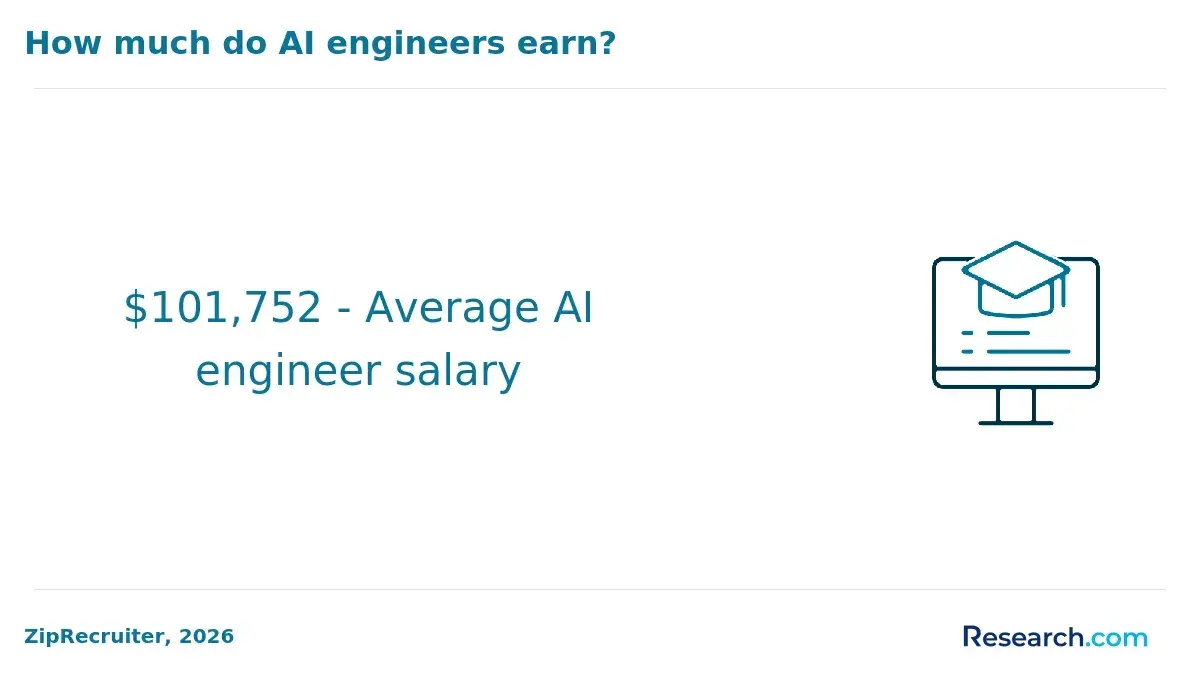
Population health professionals with AI expertise earn median annual salaries between $95,000 and $140,000, influenced by factors such as experience, location, and education.
According to U.S. Bureau of Labor Statistics data, medical and health services managers working in analytics and informatics roles typically receive wages about 15% higher than those in non-analytics positions. The field is expanding rapidly, with a projected growth rate of 28% from 2022 to 2032, well above the average for all occupations.
Certifications significantly boost career prospects. Relevant credentials include Certified Health Data Analyst (CHDA), Certified Professional in Healthcare Information and Management Systems (CPHIMS), and various data science and machine learning certificates from organizations like the Health Information Management Systems Society (HIMSS). These certifications validate critical skills in managing healthcare data and implementing AI-driven solutions.
Practical experience is equally important. Roles range from data analysts and informatics specialists to leadership positions managing AI integration. Hands-on knowledge of electronic health records (EHR), predictive analytics, and health information systems enhances earning potential.
- Specialized AI courses covering machine learning algorithms, natural language processing, and predictive modeling are highly recommended.
- Certificates in healthcare AI or biomedical data science offer targeted skill development.
As AI becomes more central to healthcare policy and intervention design, professionals with recognized certifications and demonstrated expertise will be well-positioned in this competitive, high-demand market.
Other Things You Should Know About Artificial Intelligence
Artificial intelligence is enhancing healthcare population health management by enabling more accurate data analysis and risk stratification. It helps identify patterns and trends in patient data, supporting early interventions and personalized care plans. These capabilities improve resource allocation and outcomes for diverse populations.
In 2027, top AI courses for healthcare population health teams include Stanford University's AI for Healthcare Specialization, MIT's Applied AI for Health Sector Program, and Coursera's AI in Healthcare Specialization. These courses focus on equipping health professionals with the skills to utilize AI for strategic benefits in population health.
Yes, artificial intelligence can reduce costs by automating routine tasks, optimizing care delivery, and preventing costly complications through predictive analytics. By improving efficiency and targeting interventions more effectively, AI supports cost savings while enhancing patient outcomes.
Ethics is critical to ensure AI is used responsibly in healthcare population health. This includes safeguarding patient privacy, maintaining data security, and preventing biases that may lead to inequitable care. Ethical frameworks guide the development and deployment of AI tools to promote fairness and transparency.
References
- AI in healthcare: What skills will we need? - Arisa https://aiskills.eu/news/ai-in-healthcare-what-skills-will-we-need/
- Artificial Intelligence and Population Health - Population Health Analytics Laboratory | Toronto, ON https://pophealthanalytics.com/project/artificial-intelligence-and-public-health/
- Top AI in Healthcare Courses to Enhance Your Medical Career https://helpsquad.com/blog/ai-in-healthcare-course-to-enhance-your-career/
- AI for Healthcare & Public Health Professionals | 12-Week Pilot Course https://eupha.org/events/pilot-an-introduction-to-artificial-intelligence-ai-for-healthcare-professionals-public-health-practitioners/
- Careers https://www.publichealthdegrees.org/careers/
- AI accreditation is coming to healthcare http://www.modernhealthcare.com/digital-health/ai-accreditation-guidelines-urac-ncqa/
- AI-powered Population Health Management: Transforming Healthcare with Artificial Intelligence - Zmed Solutions | Professional Medical Billing Services https://www.zmedsolutions.net/ai-powered-population-health-management-transforming-healthcare-with-artificial-intelligence/
- 16 Artificial Intelligence Career Paths https://www.calmu.edu/news/artificial-intelligence-career-paths