2027 Best AI Courses for Non-Technical Executives

Co-Founder and Chief Data Scientist
Non-technical executives often face challenges in understanding and leveraging artificial intelligence to drive business growth. Limited technical background can hinder meaningful collaboration with data teams and slow strategic decision-making. As AI technologies evolve rapidly, executives risk falling behind industry trends without targeted learning opportunities. Finding accessible, flexible courses tailored to diverse professional needs becomes essential to bridge this knowledge gap. This article highlights the best AI courses designed specifically for non-technical executives, focusing on accredited programs that provide practical insights and help professionals confidently integrate AI strategies into their organizations.
Key Things You Should Know
- By 2025, over 60% of non-technical executives recognize AI courses as essential for strategic decision-making, driving demand for accessible, business-focused AI education.
- Top AI programs for executives emphasize practical skills in AI ethics, data literacy, and implementation, with 45% offering flexible online formats to fit busy schedules.
- Completion of targeted AI courses correlates with a 30% increase in leadership roles overseeing AI initiatives, highlighting their career advancement impact.
Advance Your Career with AI Online Courses
Artificial Intelligence: Implications for Business Strategy
This program provides an introduction to Artificial Intelligence and their implications for business strategy. Earn an official digital certificate.

Oxford Artificial Intelligence Programme
Explore this Oxford Artificial Intelligence programme offered in a flexible learning environment and explore topics like machine learning, automation, and robotics.

Implementing Agentic AI: Building Your Organizational Playbook
This online MIT Agentic AI course offers a practical approach to deploying AI agents in your organization, including a custom playbook. 3 weeks, exclusive launch price.

AI Adoption: Driving Business Value and Impact
This online MIT AI Adoption: Driving Business Value and Impact offers practical frameworks to close the gap between AI potential and business reality.

Artificial Intelligence in Pharma and Biotech
Discover the applications and limitations of artificial intelligence in pharma and biotech with this MIT online short course.

What makes an AI course suitable for non-technical executives and business leaders?
AI training programs for non-technical business leaders focus on strategic understanding rather than complex technical details. These programs explain AI concepts like machine learning, natural language processing, and automation in clear, accessible language without jargon. They emphasize practical applications showing how AI enhances efficiency, innovation, and competitive advantage across industries.
Essential skills for executives in artificial intelligence include recognizing AI's impact on workforce and organizational change. Training often covers AI-driven workflow transformation, ethical considerations, and policy-setting for leadership. Case studies from finance, healthcare, and marketing illustrate how AI addresses real business challenges.
Interactive components such as scenario analysis and strategy labs help participants practice integrating AI insights into business planning and resource allocation. This hands-on approach enables leaders to evaluate AI projects confidently and collaborate effectively with technical teams.
By 2030, up to 70% of company workloads may involve AI, yet only 28% of senior leaders feel highly prepared for these workforce shifts, according to the World Economic Forum's Future of Jobs Report 2025. Courses designed for executives aim to close this gap by building AI fluency that supports rapid technology adoption and change management. Flexible formats and networking opportunities further accommodate busy schedules.
Prospective students interested in AI education can also explore the data science undergraduate rankings to find programs aligning with their career goals and budget.
Advance Your Career with AI Online Courses
Artificial Intelligence: Implications for Business Strategy
This program provides an introduction to Artificial Intelligence and their implications for business strategy. Earn an official digital certificate.
Oxford Artificial Intelligence Programme
Explore this Oxford Artificial Intelligence programme offered in a flexible learning environment and explore topics like machine learning, automation, and robotics.
Implementing Agentic AI: Building Your Organizational Playbook
This online MIT Agentic AI course offers a practical approach to deploying AI agents in your organization, including a custom playbook. 3 weeks, exclusive launch price.
Which AI skills do non-technical executives need to lead AI initiatives effectively?
Non-technical executives need to develop essential ai leadership skills for executives to successfully guide AI initiatives. A strong foundation in AI literacy is crucial, requiring knowledge of key ai concepts for non-technical leaders such as machine learning, natural language processing, and data science. This understanding helps bridge communication gaps with technical teams and align expectations.
Strategic thinking around AI implementation helps executives identify business challenges where AI can add value. They must evaluate factors like data quality, scalability, and ethical risks to accurately assess AI's potential return on investment. This strategic insight ensures AI projects deliver meaningful results.
Data governance and ethical considerations are vital to responsible AI adoption. Executives should be familiar with privacy concerns, bias mitigation, and compliance regulations, which foster trust and protect organizations from legal pitfalls. This ethical awareness aligns AI use with company values and market demands.
Change management skills further enable leaders to guide their organizations through AI transformation by promoting collaboration, managing workforce changes, and maintaining employee engagement. Together, these competencies help unlock AI's full business impact.
According to the IBM Global AI Adoption Index 2024, only 14% of executives report advanced AI skills, though those with AI-savvy leadership are 1.8 times more likely to achieve significant revenue gains. For professionals exploring advancement, pairing these skills with formal education, such as a mechanical engineering degree, can be a strategic step.
How can executives compare the best AI courses and certificates from top schools?
Executives evaluating the best artificial intelligence courses should prioritize programs that emphasize AI applications in business contexts rather than just technical skills. Key aspects include AI strategy, ethics, implementation challenges, and change management alongside foundational AI knowledge. For instance, top artificial intelligence certificates for business leaders often feature courses from institutions like Harvard, focusing on AI's impact on business models, and Stanford, which bridges technical and executive perspectives.
Accreditation is crucial, ensuring certificates come from respected universities or bodies to enhance professional credibility. Duration and flexibility also matter, especially for busy professionals, with modular and on-demand content helping maintain work commitments. Business leaders seeking AI education benefit from programs with measurable participant outcomes, such as career advancement or successful AI project deployments.
According to the McKinsey Global AI Survey 2024, organizations that combine technical AI talent with "AI-literate" business leadership are 2.6 times more likely to scale AI pilots into production. Networking opportunities with AI experts and peers boost strategic insight and partnerships. Faculty expertise and guest speakers who keep courses current with AI trends add further value.
Those interested in related fields might also explore a game development degree online as part of a broader technology education path.
What types of AI programs are available for executives (short courses, certificates, MBAs)?
Executives aiming to boost their expertise often choose from AI certification programs for non-technical executives, including short courses, certificate programs, and AI-focused MBA specializations. Short courses, lasting days to weeks, focus on practical skills such as AI implementation, data literacy, and ethics. These are excellent for those needing rapid, actionable insights without a lengthy commitment.
Certificate programs typically run several months and offer a mix of foundational theory and applied projects, ideal for professionals looking to lead AI initiatives or embed AI strategies within their organizations. Executive short courses in AI and business strategy can deliver immediate business benefits with focused, hands-on learning.
MBA programs with AI electives provide a broader business education alongside AI fundamentals, emphasizing leadership, innovation management, and AI's role in competitive advantage.
Data from Deloitte Human Capital Trends shows executives completing focused non-degree programs like certificates or short courses are 50% more likely to achieve AI-driven process improvements within 12 months than those in multi-year degrees. Examples include Harvard Business School Online's "AI for Business" and MIT Sloan's AI certificate.
For those balancing career and time, short programs or certificates are often preferable. To explore further educational opportunities for veterans in technical fields, see best online electrical engineering degree programs for veterans.
How do online, hybrid, and on-campus executive AI programs differ in value and experience?
Executive AI programs vary in format, offering distinct benefits to suit different professional needs and learning styles. Online programs provide the greatest flexibility, allowing busy executives to study asynchronously from any location. This model supports self-paced learning but may limit immediate networking and hands-on collaboration opportunities.
Hybrid programs blend online coursework with scheduled in-person sessions, creating a balance between flexibility and direct engagement. These formats often include group projects, case studies, and intensive workshops, enhancing practical skills and peer networking.
On-campus executive AI programs offer immersive experiences with face-to-face access to faculty, labs, and peers. This setting encourages active participation, teamwork, and instant feedback, resulting in strong networking opportunities. However, the significant time commitment and travel requirements may be challenging for some professionals.
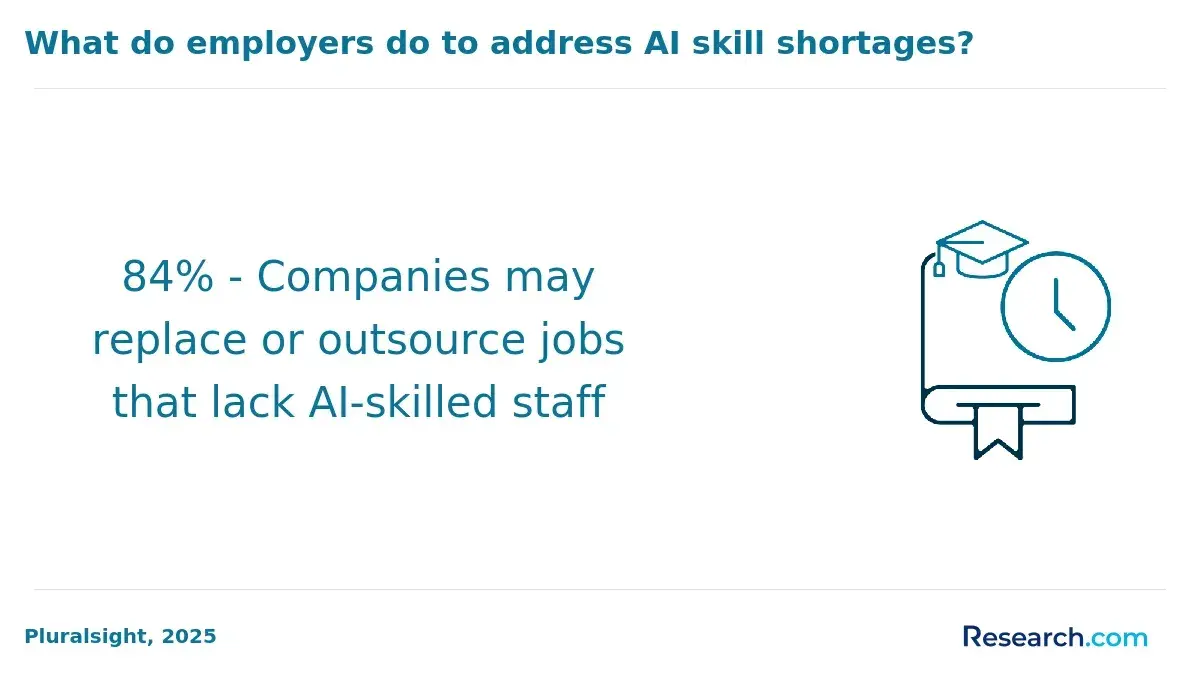
Choosing the right format depends on factors like time availability, learning preferences, and the desired depth of professional connections. Companies that invest in executive AI training report measurable benefits, including a 21% boost in project success rates and a 19% shorter time-to-value for new initiatives, according to the PwC Global CEO Survey 2025.
What core topics and case studies do high-quality executive AI courses typically cover?
High-quality executive AI courses target strategic decision-making and organizational transformation by covering core topics like machine learning, natural language processing, and computer vision without overwhelming technical jargon. Ethical implications and risk management of AI deployment form a key part of the curriculum, preparing leaders to handle regulatory and societal challenges effectively.
These programs emphasize data strategy, including collection, quality, governance, and integration, essential for successful AI adoption. Real-world case studies illustrate applications such as AI-driven customer personalization in retail, predictive analytics in manufacturing supply chains, and automated fraud detection in finance. Some courses explore AI-powered innovation like conversational AI for client engagement and robotic process automation to reduce operational costs.
Executives also learn to evaluate AI vendor solutions and assess performance metrics, aiding informed investment decisions. Leadership modules focus on change management, workforce reskilling, and aligning AI initiatives with business goals. According to the LinkedIn Workplace Learning Report 2025, 72% of executives upskilling in AI opted for fully online or hybrid formats, resulting in 24% higher completion rates compared to traditional in-person learning.
These executive programs provide a strategic perspective on AI technologies, ethical frameworks, data management, and actionable industry insights, equipping non-technical leaders to drive responsible AI initiatives confidently.
How can executives evaluate accreditation, faculty expertise, and program reputation in AI?
When selecting an artificial intelligence course, executives should prioritize programs accredited by recognized bodies like ABET or AACSB for business-focused AI education. Accreditation ensures the curriculum meets quality standards and industry relevance. Confirm accreditation details directly on program websites or academic catalogs.
Faculty expertise greatly impacts learning quality. Review instructors' qualifications, published research, and industry experience. Ideal faculty hold advanced degrees in AI-related fields such as computer science or machine learning and participate in active research or corporate consulting. Programs involving practitioners from leading AI companies provide valuable real-world insights.
Consider program reputation by examining alumni success, employer partnerships, and industry rankings. Alumni in executive or AI leadership roles indicate strong outcomes, while affiliations with AI research centers or corporate sponsors enhance credibility. Third-party rankings can be informative but should not be the sole decision factor.
Budgeting for AI education is increasingly strategic as global corporate spending on AI skills development grows rapidly, with an expected compound annual growth rate of 17%. Investing in accredited, expert-led programs with solid reputations justifies higher tuition through superior instruction and networking opportunities.
What are the time commitment, tuition costs, and funding options for executive AI training?
Executive ai training programs typically demand between 10 and 40 hours of commitment, varying by course depth and format. Many options offer flexible, self-paced modules lasting four to twelve weeks, enabling working professionals to balance learning with full-time jobs. Intensive bootcamps condense content into one- or two-week periods but require daily attendance.
Tuition varies widely depending on the provider and program scope. Online courses generally cost between $1,500 and $5,000, while university-led executive programs range from $7,000 to $15,000 or more. Specialized sector training, such as ai applications in finance or healthcare, often commands premium pricing due to expert instructors and tailored content.
Funding options include employer sponsorship, government workforce development grants, and scholarships from professional associations. Many companies invest heavily in ai education for non-technical executives, with 82% of financial institutions funding ai leadership training. According to the Accenture Global Banking & AI Study 2025, this investment correlates with a 2.2 times greater chance of achieving cost savings of 10% or more through ai projects.
Prospective students should explore employer support, as many firms view ai training as vital for digital transformation. Scheduling flexibility and modular tuition payments can also enhance accessibility, helping executives select programs that fit both budget and career goals.
How do AI courses for executives impact career paths, leadership roles, and earning potential?
Executives often face challenges managing AI projects due to gaps in business-side understanding. Nearly half of leaders in companies with underperforming AI initiatives point to this as a key barrier, according to the BCG AI in the Enterprise Report 2024. Gaining expertise in AI enables executives to lead innovation efforts and positions them for senior roles like chief innovation officer or digital transformation officer.
AI knowledge also enhances leadership by helping executives align technology with business objectives, manage cross-functional teams, and address ethical considerations. These skills allow them to critically assess vendor solutions and create governance frameworks, which are vital for overseeing AI-driven change within organizations.
Financial benefits are significant as well, with AI-literate leaders commanding salary premiums from 15% to 35%. Companies value these executives for reducing AI project failures and accelerating returns on investment. Additionally, AI proficiency opens doors to board memberships and consulting opportunities in the expanding AI advisory field.
Non-technical executives should prioritize AI courses emphasizing business applications, strategies, and ethics. Look for programs featuring case studies on deployment and risk management frameworks to ensure practical, career-advancing skills.
What questions should non-technical executives ask before enrolling in an AI course?
Non-technical executives should focus on key questions to assess an AI course's relevance and quality before enrolling. Important considerations include:
- Which foundational AI concepts are covered to ensure comprehension without technical expertise?
- Does the course highlight strategic business applications such as decision-making or risk management?
- Are real-world case studies or industry examples presented to illustrate practical AI challenges?
- What is the instructor's background regarding executive experience or leadership in AI?
- Is the course schedule flexible to accommodate busy professionals?
- Does the curriculum address ethics, governance, and bias related to AI?
- Will learners gain skills to collaborate effectively with data scientists and technologists?
- Are measurable outcomes or certifications offered to validate knowledge and credibility?
Executives aiming to lead AI initiatives should prioritize courses that offer strategic frameworks rather than technical coding skills. Programs emphasizing how AI drives customer experience transformation or supply chain optimization align best with executive roles.
According to Gartner Future of Work Trends for AI 2025, by 2028, 75% of large enterprises will require AI literacy for managers and executives, up from 24% in earlier years. This highlights the importance of selecting courses focused on strategic understanding. A rigorous vetting process helps prevent wasted time on overly technical or irrelevant content, empowering executives to integrate AI effectively in their organizations.
Other Things You Should Know About Artificial Intelligence
In 2027, some top AI courses for non-technical executives include Stanford's "AI for Leaders," MIT's "Artificial Intelligence: Implications for Business Strategy," and Coursera's "AI for Everyone" by Andrew Ng. These courses provide strategic insights and foundational knowledge without requiring a technical background.
Integrating artificial intelligence can significantly change workflows, requiring adaptation and reskilling among employees. Successful adoption often involves promoting a culture that embraces innovation, continuous learning, and collaboration between technical teams and business units.
Artificial intelligence systems may struggle with data quality, interpretability of results, and generalizing from limited information. Executives should recognize that AI is a tool to augment human decision-making rather than replace it entirely and plan for ongoing evaluation and adjustments.
Regular participation in industry conferences, subscribing to leading AI journals, and engaging with professional networks focused on AI are effective ways to stay informed. Additionally, ongoing education through short courses or webinars helps executives maintain a current understanding of emerging trends and technologies.
References
- Choosing the Right AI Course for Business Leaders https://www.tsa-bildung.de/en/blog/choosing-the-right-ai-course-for-business-leaders
- How to Build an AI Strategy Without Tech Expertise https://www.neuramonks.com/blog/how-to-build-an-ai-strategy-without-tech-expertise
- Evaluating the Reputation and Accreditation of Institutions Offering Executive Education Programs https://www.europeanbusinessreview.com/evaluating-the-reputation-and-accreditation-of-institutions-offering-executive-education-program/
- What Topics are Covered in an Artificial Intelligence online Course? | H2K Infosys Blog https://www.h2kinfosys.com/blog/topics-covered-in-artificial-intelligence-course/
- AI - Artificial Intelligence | London Business School https://www.london.edu/executive-education/ai
- Why Non-Tech Professionals Should Learn About AI Basics https://anderson.ae/article/why-non-tech-professionals-should-learn-about-ai-basics
- 50 Exec Ed Courses To Get Smart About AI - Europe - Bluesky Thinking https://bluesky-thinking.com/50-exec-ed-courses-to-get-smart-about-ai-europe/
- 10 Best AI Courses for Professionals https://thecasehq.com/best-ai-courses-professionals/
- The AI upskilling guide for executives https://www.bvp.com/atlas/the-ai-upskilling-guide-for-executives
- Four AI Upskilling Strategies for Business Leaders https://www.jff.org/blog/four-ai-upskilling-strategies-business-leaders/