2027 Best AI Courses for HR Leaders

Co-Founder and Chief Data Scientist
Human resource leaders face mounting pressure to integrate artificial intelligence tools effectively without deep technical backgrounds. This gap often hampers informed decision-making on AI adoption, limiting potential benefits in talent management and operational efficiency. Navigating complex AI concepts while balancing strategic HR priorities demands targeted learning resources tailored for non-technical professionals. Organizations risk lagging behind competitors if HR teams cannot harness AI to optimize recruitment, employee engagement, and analytics.
This article highlights the best AI courses designed specifically for HR leaders, focusing on flexible, accredited options that empower career pivots and practical application in evolving workplaces.
Key Things You Should Know
- Top AI courses for HR leaders in 2026 emphasize practical skills in data analytics, ethical AI deployment, and talent management automation, aligning with industry demands for digital transformation.
- Over 65% of HR professionals report improved decision-making and workforce planning after completing specialized AI training programs launched in 2024 and 2025.
- Course offerings increasingly incorporate real-world case studies and certification paths from accredited institutions, enhancing employability for HR leaders integrating AI into human capital strategies.
Advance Your Career with AI Online Courses
Artificial Intelligence: Implications for Business Strategy
This program provides an introduction to Artificial Intelligence and their implications for business strategy. Earn an official digital certificate.

Oxford Artificial Intelligence Programme
Explore this Oxford Artificial Intelligence programme offered in a flexible learning environment and explore topics like machine learning, automation, and robotics.

Implementing Agentic AI: Building Your Organizational Playbook
This online MIT Agentic AI course offers a practical approach to deploying AI agents in your organization, including a custom playbook. 3 weeks, exclusive launch price.

AI Adoption: Driving Business Value and Impact
This online MIT AI Adoption: Driving Business Value and Impact offers practical frameworks to close the gap between AI potential and business reality.

Artificial Intelligence in Pharma and Biotech
Discover the applications and limitations of artificial intelligence in pharma and biotech with this MIT online short course.

What makes an AI course specifically valuable for current and aspiring HR leaders?
Courses designed for current and aspiring HR leaders emphasize practical AI applications transforming HR decision-making. These programs focus on leveraging AI for talent acquisition, employee engagement, performance management, and predictive analytics. A critical aspect is learning data interpretation alongside ethical considerations to ensure fairness and compliance in workplace decisions.
HR professionals gain significantly from personalized AI training for HR leadership development that balances technical skills with strategic insight. For instance, mastering AI-powered resume screening or workforce planning leads to better hiring results and operational efficiency, while people analytics helps identify trends that improve retention and diversity.
A LinkedIn Workplace Learning report found HR professionals with AI skills listed on their profiles experienced a 39% higher InMail response rate and were 28% more likely to advance into senior people-analytics or HR strategy roles than peers without such expertise. This highlights the value of AI competence in boosting career mobility and visibility.
Practical course elements include case studies using real HR datasets, hands-on AI tool training, and guidance for translating insights into organizational strategy. Content covering AI ethics, bias mitigation, compliance with labor laws, and change management prepares HR leaders to drive innovation responsibly.
For those exploring related educational opportunities, the data science master rank offers valuable information on affordable options supporting advanced data skills development in the U.S.
Advance Your Career with AI Online Courses
Artificial Intelligence: Implications for Business Strategy
This program provides an introduction to Artificial Intelligence and their implications for business strategy. Earn an official digital certificate.
Oxford Artificial Intelligence Programme
Explore this Oxford Artificial Intelligence programme offered in a flexible learning environment and explore topics like machine learning, automation, and robotics.
Implementing Agentic AI: Building Your Organizational Playbook
This online MIT Agentic AI course offers a practical approach to deploying AI agents in your organization, including a custom playbook. 3 weeks, exclusive launch price.
Which types of AI programs best prepare HR leaders for real-world people operations?
Programs that best prepare HR leaders focus on foundational AI literacy combined with practical applications in workforce management, ethics, and risk mitigation. Deloitte's 2024 Global Human Capital Trends report highlights that organizations with senior HR leaders possessing at least basic AI literacy are 2.4 times more likely to have high confidence in AI governance and risk management. These courses enable HR professionals to effectively evaluate AI tools used in recruitment, performance evaluation, and employee engagement.
Core topics often cover:
- AI-driven talent acquisition and employee analytics algorithms
- Ethical considerations and bias mitigation in AI decision-making
- Regulatory compliance and risk assessment for AI in HR
- Data privacy standards for employee information
- Change management strategies for AI integration within HR teams
Courses featuring case studies and simulations build practical skills, preparing leaders for challenges like algorithmic bias and data security breaches. Advanced modules on machine learning basics improve communication with technical teams and influence AI strategy. Practical artificial intelligence training for people operations leaders is essential for bridging technical and managerial roles.
Executive HR programs often include scenario-based learning about AI governance and strategic planning. Those aiming to lead digital transformation should seek balanced offerings combining theory with actionable, measurable outcomes. For prospective students concerned about affordability, explore mechanical engineering degree cost resources as a reference for cost-effective program options.
Overall, HR leaders gain the most by integrating technical literacy with governance and ethical frameworks to manage people-centric AI use responsibly and confidently.
How can HR leaders choose between short courses, certificates, and full degrees in AI?
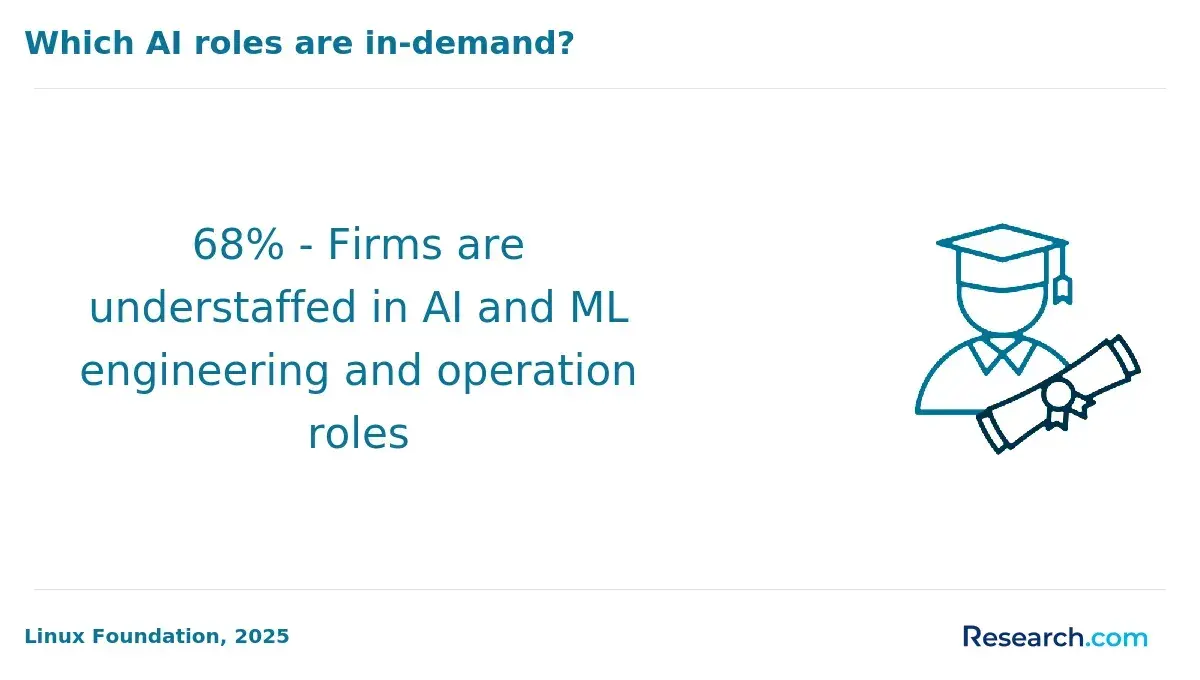
HR leaders often weigh short courses, certificates, and full degrees in AI based on organizational needs, time constraints, and desired expertise. Short courses are effective for quick upskilling, focusing on foundational skills or specific applications such as generative AI tools. These typically last a week and deliver practical insights without major time commitments.
Certificate programs provide a more structured and extensive learning path than short courses, combining theory and hands-on projects over several months. They're particularly beneficial for HR professionals aiming to strategically incorporate AI into talent management. Certificates also enhance professional credibility by demonstrating formal mastery of AI concepts relevant to HR challenges, addressing how HR leaders evaluate short courses versus full degrees in AI.
Full degrees in AI or related fields offer deep knowledge and a broad perspective across one to two years. These programs suit HR professionals who want to become AI specialists or lead enterprise-wide transformations. However, they require substantial time and financial investment, which may not be necessary for all roles. The benefits of certificate programs and degrees for HR professionals in AI include better preparation for evolving job demands.
A 2024 IBM Institute for Business Value survey reveals 42% of HR leaders plan to use generative AI to redesign talent processes within a year, yet only 13% have formal AI training. This highlights the urgent need for targeted education featuring real-world AI applications in HR rather than generic tech courses. Advanced options include an online PhD AI for those seeking the highest level of expertise.
What core AI skills and topics should HR-focused curricula cover for strategic HR use?
Core AI skills for strategic HR management include data literacy and analytics, enabling HR leaders to interpret workforce data and trends effectively. Knowledge of machine learning basics such as supervised and unsupervised learning helps professionals critically evaluate AI tools and align them with organizational goals.
Key AI topics in HR leadership training involve natural language processing (NLP), which is crucial for AI-driven resume screening, chatbots, and employee sentiment analysis. Bias mitigation is another essential area to ensure ethical AI use, preventing unfair candidate filtering and algorithmic discrimination. Practical experience with AI-powered recruiting and talent management platforms prepares HR leaders to implement automation efficiently in sourcing and onboarding.
Strategic decision-making requires integrating AI insights into workforce planning, performance evaluation, and employee engagement. Understanding predictive analytics aids in forecasting turnover rates and identifying high-potential employees. Including case studies of successful AI adoption in HR provides practical context for these skills.
Data privacy and compliance topics must cover regulations like GDPR and CCPA to protect employee and applicant information. A recent Gartner survey demonstrated that organizations using AI-enabled recruiting tools reduced time-to-fill by 35% and candidate screening time by 44%, highlighting the competitive advantage of mastering these technologies.
For those exploring career options, exploring AI trainer salary and career paths can provide valuable insights into roles supporting AI education and deployment in HR and beyond.
How do online AI courses for HR compare with campus and hybrid program formats?
Online ai courses for HR professionals deliver unmatched flexibility compared to campus and hybrid formats, allowing learners to balance training with demanding job responsibilities. These programs often offer self-paced modules focused on people analytics, talent management, and workforce planning, enabling senior HR leaders to quickly integrate emerging industry trends without disrupting their work schedules. This adaptability is essential as companies increasingly rely on data-driven HR strategies.
Campus programs provide immersive networking and direct faculty contact but typically lack the speed and flexibility of online courses. Hybrid models combine elements of both but still require substantial in-person attendance, which can be challenging for HR leaders across multiple locations.
According to PwC's 2024 Global Workforce Hopes and Fears Survey, organizations using advanced people analytics are 3.1 times more likely to see significant talent retention improvements and 2.8 times more likely to meet revenue goals. Online ai courses focus heavily on these analytics tools and practical skills, often incorporating interactive simulations and real-world case studies not found in traditional settings.
Additional benefits include lower overall costs due to eliminated relocation fees and often reduced tuition, making online certifications cost-effective for many professionals. This format supports HR leaders seeking timely, specialized knowledge with minimal disruption while still acknowledging the value of in-person experiences offered by campus and hybrid programs.
What accreditation and quality signals should HR leaders look for in AI courses?
HR leaders evaluating AI courses must focus on formal accreditation and clear quality indicators to ensure meaningful learning outcomes. Accreditation from recognized institutions like the Accreditation Council for Business Schools and Programs (ACBSP) or regional accreditors confirms a course meets rigorous academic standards. Certifications from respected industry bodies, such as the Association for Talent Development (ATD), or AI-specific credentials from top universities bolster credibility.
Key quality elements include up-to-date curriculum content, knowledgeable instructors, and opportunities for practical experience. Effective courses cover AI fundamentals alongside human-centered topics relevant to HR, such as AI ethics, workforce analytics, and talent management automation. Instructors with proven expertise, demonstrated by published research or industry roles, add significant value.
Practical learning through projects, simulations, or use of real datasets and enterprise tools enhances skill development. Online courses featuring regular assessments, feedback, and mentorship foster higher engagement and proficiency.
According to the LinkedIn Workplace Learning Report 2024, organizations leveraging AI-personalized learning paths see a 23% higher completion rate and 21% faster time-to-proficiency compared to those without AI-supported training. HR professionals should prioritize programs with adaptive learning technologies tailored to individual progress.
Additionally, transparent third-party reviews and employment metrics, such as graduate placement and career advancement, provide tangible evidence of program effectiveness and return on investment.
What admission requirements and prior experience do AI programs for HR typically expect?
Admission criteria for AI programs geared toward HR professionals differ based on course level and focus. Many programs require foundational knowledge in human resources or business management, often evidenced by a bachelor's degree or equivalent experience. Introductory courses may only expect basic HR familiarity, while advanced certificates and graduate programs typically request prior coursework or experience in HR, analytics, or related fields.
Proficiency in data literacy and technical skills, such as familiarity with Python or R, is highly valued, especially for courses focused on machine learning or automation tools. Some institutions recommend or mandate preparatory modules on AI basics and data ethics before enrollment.
Given the significant compliance risks-1 in 4 organizations report complaints about algorithmic bias or discrimination per SHRM's briefing-ethical training is becoming a priority. However, only 18% of HR staff have formal instruction on responsible AI use, highlighting the need for ethics competence in admissions and progression.
Admission evaluations typically consider:
- Relevant educational background in HR or data analytics
- Professional experience in HR operations or tech implementation
- Basic quantitative and programming skills
- Awareness of data privacy, bias, and compliance
Executive programs may also require demonstrated leadership and strategic planning experience to manage AI-driven transformations effectively. Candidates lacking AI exposure should consider preparatory courses or workshops for successful admission and progression.
How long do leading AI courses for HR take, and what total costs should you expect?
AI courses tailored for HR professionals vary widely in length and depth, typically ranging from 6 weeks to 6 months. Short programs, often 4 to 8 weeks long, emphasize core AI concepts and practical applications without the need for programming skills. More extensive courses lasting 3 to 6 months dive into advanced areas like machine learning integration, data analytics, and strategic AI deployment within HR functions. Many of these courses offer flexible formats such as part-time or online delivery to accommodate working professionals.
Costs depend on factors such as the institution's reputation and course complexity. Basic to intermediate programs generally cost between $500 and $2,500, while certificate tracks or professional development programs may range from $3,000 to $7,000. Some corporate-sponsored bootcamps focus heavily on low-code/no-code platforms that enhance hands-on skills and productivity.
A Forrester report highlights that 56% of companies providing HR teams with such AI-driven low-code/no-code tools achieved productivity gains of at least 20% within a year. This reinforces the value of courses focusing on practical, programming-free approaches for immediate workplace impact.
When deciding among options, consider the time commitment alongside the learning outcomes. Shorter courses are ideal for those prioritizing AI-enabled automation and tool use, while longer programs better serve professionals targeting strategic roles involving AI ethics, data governance, and predictive analytics.
What HR roles, career paths, and leadership opportunities can AI training unlock?
AI training is transforming human resources by opening new career paths and leadership opportunities that emphasize data-driven decision-making and automated workforce management. HR professionals can advance into specialized roles such as AI HR analysts who develop predictive models to improve talent acquisition and retention. HR business partners with AI skills help integrate tools for smarter workforce planning and employee engagement, boosting strategic impact. Talent acquisition managers benefit from AI-powered automated resume screening and chatbots that save time while maintaining candidate quality.
Leadership positions are also evolving. AI-enabled HR directors and chief human resources officers now lead digital transformation projects, ensuring ethical AI usage, reducing bias, and maintaining compliance. Their expertise supports organizational change by leveraging advanced analytics dashboards and decision support systems. According to Coursera's 2024 Learner Outcomes Survey, 78% of those completing AI or data-focused HR certificates reported promotions or expanded roles within 12 months.
Other specialized functions include learning and development coordinators using AI to personalize training and employee experience managers employing sentiment analysis tools. Practical AI experience enhances credibility and strategic influence in these roles. As demand for AI-savvy HR professionals grows, investing in AI education enables career advancement at operational, strategic, and executive levels, equipping practitioners to solve complex talent management challenges with innovation.
How does AI expertise impact HR salaries, job security, and future demand in the workplace?
HR professionals skilled in artificial intelligence significantly increase their earning potential by leveraging data-driven workforce strategies and automating routine tasks. Those proficient in AI-driven analytics, talent acquisition algorithms, and predictive modeling often earn salaries 15-25% higher than colleagues without these capabilities. Additionally, AI expertise enhances job security, as companies prioritize HR leaders who utilize AI tools to optimize employee performance and retention rather than relying on traditional approaches.
Growing demand for AI-savvy HR leaders stems from advances such as AI-enabled employee experience platforms, recruiting bias mitigation, and workforce planning automation. Organizations not embracing AI face skill gaps, while HR professionals proficient in AI remain essential for the future workforce. McKinsey's 2024 "State of AI in the Enterprise" survey highlights that companies training at least 20% of their workforce in AI basics and role-specific applications are 1.8 times more likely to achieve 10% or greater revenue growth from AI initiatives.
HR leaders must consider key practical questions including:
- How to implement AI tools without compromising human empathy?
- Which AI platforms deliver the best ROI for talent analytics?
- How to effectively reskill HR staff for competitive advantage?
Addressing these issues guides strategic investment in AI education, helping HR professionals secure their career trajectory in an increasingly digital workplace.
Other Things You Should Know About Artificial Intelligence
In 2027, essential AI courses for HR leaders include "AI for Everyone" by Andrew Ng, "Data Science for Human Resource Management" by Copenhagen Business School, "AI for Business" by Columbia University, and "Ethics of AI" by Massachusetts Institute of Technology. These courses focus on understanding AI technologies, their applications in HR, data interpretation, and ethical considerations.
Yes, AI can help reduce bias by using algorithms designed to evaluate candidates based on skills and qualifications rather than subjective criteria. However, it is important to ensure the AI models themselves are trained on diverse and unbiased data sets to avoid perpetuating existing prejudices. HR leaders should combine AI insights with human judgment to achieve fairer hiring outcomes.
Key challenges include data privacy concerns, integration with existing HR systems, and resistance from employees unfamiliar with AI-driven processes. Additionally, developing or acquiring AI models that align well with specific organizational needs can be difficult. Training HR staff to interpret AI outputs correctly is also essential for successful adoption.
AI enables personalized learning and career development by analyzing employees' skills, performance, and preferences to recommend targeted training programs. It can also predict turnover risks by identifying patterns linked to disengagement, allowing HR leaders to intervene proactively. This data-driven approach helps optimize talent management and improve retention rates.
References
- AI's Impact on Graduate Jobs: A 2025 Data Analysis | IntuitionLabs https://intuitionlabs.ai/articles/ai-impact-graduate-jobs-2025
- Essential AI Skills for HR Professionals Who Want to Stay Ahead https://www.turingcollege.com/blog/essential-ai-skills-for-hr-professionals
- The Ultimate Guide to AI in HR for Professionals | Chronus https://chronus.com/blog/artificial-intelligence-for-human-resources-managers
- Best AI courses for hr professionals in 2026 https://www.upskillist.com/blog/best-ai-courses-for-hr-professionals/
- AI in HR Explained: Skills and Strategies HR Must Learn https://hrlearnershub.com/ai-in-hr-explained-skills-and-strategies-2026/
- The Best AI Training Courses for HR, Managers, and Employees in 2026 | Article | Lattice https://lattice.com/articles/ai-training-courses-for-every-team
- AI for Career Development https://www.aihr-institute.com/ai-for-career-development
- Skills HR Leaders Need to Capitalise on AI | myHRfuture https://www.myhrfuture.com/blog/skills-hr-leaders-need-to-capitalise-on-ai
- Introducing Our New "AI in HR" Certificate Course JOSH BERSIN https://joshbersin.com/2024/02/introducing-our-new-ai-in-hr-certificate-course/
- AI Courses for HR Leaders Online | The Case HQ https://thecasehq.com/courses/certified-ai-strategic-hr-leader-ai-shrl/