2027 Best AI Courses for Content Strategists With Certificates

Co-Founder and Chief Data Scientist
Content strategists often face challenges integrating artificial intelligence tools into their workflows due to a lack of specialized knowledge and accredited credentials. This gap can hinder career growth and limit access to emerging job opportunities in tech-driven industries. Fast-paced advancements require flexible learning paths that fit busy schedules and provide recognized certification.
Without proper guidance, professionals may struggle to identify credible courses that combine practical skills and theoretical understanding. This article highlights top AI courses with certificates tailored for content strategists, aiming to help readers efficiently acquire valuable expertise and boost their marketability in an evolving digital landscape.
Key Things You Should Know
- Top AI courses for content strategists in 2026 emphasize practical skills in data analysis, natural language processing, and automation tailored for marketing and editorial workflows.
- Certification from leading platforms like Coursera and edX increases employability, with 68% of surveyed professionals reporting career advancement after completion.
- Emerging trends focus on ethical AI use and cross-disciplinary collaboration, aligning content strategy with evolving AI technologies to enhance audience engagement and personalization.
Advance Your Career with AI Online Courses
Artificial Intelligence: Implications for Business Strategy
This program provides an introduction to Artificial Intelligence and their implications for business strategy. Earn an official digital certificate.

Oxford Artificial Intelligence Programme
Explore this Oxford Artificial Intelligence programme offered in a flexible learning environment and explore topics like machine learning, automation, and robotics.

Implementing Agentic AI: Building Your Organizational Playbook
This online MIT Agentic AI course offers a practical approach to deploying AI agents in your organization, including a custom playbook. 3 weeks, exclusive launch price.

AI Adoption: Driving Business Value and Impact
This online MIT AI Adoption: Driving Business Value and Impact offers practical frameworks to close the gap between AI potential and business reality.

Artificial Intelligence in Pharma and Biotech
Discover the applications and limitations of artificial intelligence in pharma and biotech with this MIT online short course.

What are the best AI courses for content strategists that include a verified certificate?
Content strategists seeking the best ai courses for content strategists with verified certificates should focus on programs that combine theory with practical skills in personalization, data-driven strategy, and AI tool integration. Leading platforms such as Coursera, edX, and LinkedIn Learning offer top certified ai training programs for content marketing professionals, often in collaboration with prestigious universities or companies.
One common offering, "AI for Marketing and Content Strategy," covers natural language processing, content optimization algorithms, and automation workflows, culminating in a verified certificate that enhances professional credibility. Salesforce's 2024 State of Marketing report highlights that 71% of high-performing marketing teams use AI to automate content personalization at scale, making mastery of AI-driven personalization tools essential.
Effective courses provide hands-on experience with GPT-based content generators, recommendation engines, and analytics dashboards. They also teach how to assess AI's impact on campaign performance and optimize strategies using data insights. Key course components include:
- Ethical AI use and data privacy compliance
- Integration of AI with content management systems
- Automation of content workflows to save time and costs
To stay competitive, content strategists should consider programs that offer verified certifications from recognized institutions. Exploring a range of data science degrees can also provide foundational skills that complement these specialized ai training programs.
Advance Your Career with AI Online Courses
Artificial Intelligence: Implications for Business Strategy
This program provides an introduction to Artificial Intelligence and their implications for business strategy. Earn an official digital certificate.
Oxford Artificial Intelligence Programme
Explore this Oxford Artificial Intelligence programme offered in a flexible learning environment and explore topics like machine learning, automation, and robotics.
Implementing Agentic AI: Building Your Organizational Playbook
This online MIT Agentic AI course offers a practical approach to deploying AI agents in your organization, including a custom playbook. 3 weeks, exclusive launch price.
How can AI courses help content strategists advance their careers and job prospects?
Advanced artificial intelligence courses for content strategists provide essential skills that enhance creativity, efficiency, and data-driven decision-making. Mastery of AI tools helps strategists analyze audience insights, optimize content distribution, and predict trends, making their work more targeted and impactful. This technical expertise supports career growth with AI certification for content professionals by distinguishing candidates in a competitive job market and unlocking opportunities for leadership and specialized roles.
These courses also prepare strategists to work closely with data scientists and developers. For example, knowledge of natural language processing enables professionals to contribute to AI-driven content personalization, which improves user engagement and return on investment. Many strategists earn certificates that serve as proof of their expertise, signaling adaptability and commitment to ongoing learning-qualities that employers highly value in the evolving digital landscape.
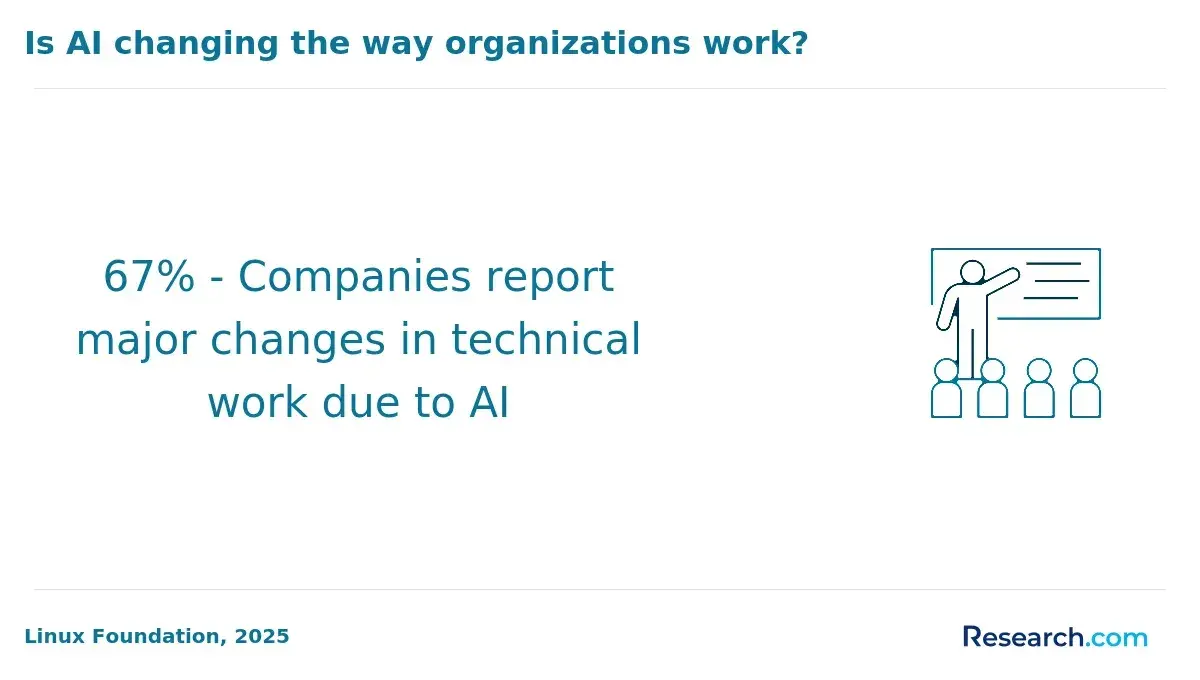
According to a recent survey, over half of professionals who completed AI and data-focused courses experienced salary increases, promotions, or new roles within a year. To maximize benefits, strategists should select programs emphasizing practical applications like machine learning for marketing analytics and AI-based content creation. Hands-on projects and current case studies accelerate real-world implementation and professional advancement.
Prospective students may explore a variety of affordable options by reviewing AI degree programs that fit their goals and budgets.
In sum, integrating AI education empowers content strategists to expand their expertise, increase job security, and command higher compensation.
What types of AI certificates are most valuable for content strategy roles?
The most valuable ai certification programs for content strategy professionals focus on practical skills in data analysis, machine learning, and natural language processing. Content strategists gain the most from certificates emphasizing AI-driven content optimization, personalized marketing strategies, and automation workflows. Mastery of tools like TensorFlow, Python for AI, and AI-powered analytics platforms enhances the ability to leverage data for audience insights and improve content performance.
Programs in AI for marketing, AI product management, and data science with an AI focus are especially relevant. They teach integration of AI into content planning and distribution to boost efficiency and targeting. For instance, a certificate specializing in natural language processing enables strategists to use chatbots and automated content generation effectively. Selecting the best recognized artificial intelligence certificates in content marketing includes looking for hands-on projects, real-world case studies, and guidance on AI ethics and bias mitigation.
University-backed professional certificates hold particular value. edX's Learner Outcomes Report shows 78% of AI or data program graduates saw improved career prospects or job performance within six months. This underscores the impact recognized certification programs have in advancing content strategist careers.
Avoid general AI certificates without industry-specific focus; instead, seek credentials that prove skills turning data into actionable strategies and optimizing delivery using AI models. For students exploring affordable options in related fields, the cheapest online data science masters provide strong foundational knowledge beneficial to content strategy roles.
Which accredited universities and platforms offer AI programs tailored to content strategists?
Several accredited universities offering artificial intelligence courses for content strategists provide specialized programs focused on the intersection of AI and digital marketing. Carnegie Mellon University offers tailored courses emphasizing AI applications in marketing and content creation, highlighting data-driven strategies. Northwestern University awards a certificate in AI for business leaders, featuring modules on AI-driven content optimization designed specifically for content strategists integrating AI tools into their workflows.
Online platforms with certified ai programs tailored to content strategy professionals include Coursera, which collaborates with institutions like the University of Illinois Urbana-Champaign to deliver AI education for digital marketing. These courses focus on natural language processing and machine learning techniques relevant for personalization and automated content generation. edX offers AI for marketing courses through MIT that concentrate on practical AI applications such as audience segmentation and content performance analysis.
Udacity's AI for Business Nanodegree equips learners with hands-on knowledge about content strategy automation and predictive analytics. LinkedIn Learning provides curated AI certification paths aligned with industry needs, with data from LinkedIn's Workplace Learning Report showing a 22% boost in promotion chances within a year for certificate holders.
This growing array of accredited and online programs reflects the demand for content strategists to develop advanced skills in managing AI-driven content workflows and innovation. Prospective students can also explore data analysis programs to complement their AI expertise and broaden career opportunities.
How do online, hybrid, and campus-based AI programs for content strategists compare?
Online, hybrid, and campus-based ai programs differ mainly in flexibility, depth, and networking opportunities. Online programs offer the most flexibility, enabling asynchronous learning that fits around work schedules. These programs emphasize practical skills via video lectures, interactive assignments, and peer forums but often lack immediate instructor access or real-time feedback. Hybrid programs blend online coursework with occasional in-person sessions, balancing convenience with hands-on engagement and direct collaboration.
Campus-based options provide immersive, synchronous learning environments with direct mentorship, extensive resources, and strong networking with peers and faculty. This format suits those seeking comprehensive mastery and formal credentials. Practical application outcomes show that short ai bootcamps, such as those reported by General Assembly, have an 86% skill application rate within three months, especially for working content teams focused on immediate job relevance.
Choosing the right format depends on your career goals, time availability, and preferred learning style. Bootcamps and hybrid formats efficiently support rapid skill acquisition and workplace integration, while campus programs offer deeper theoretical grounding and academic recognition. Employers value certificates from all program types, but demonstrated skill application can enhance your professional standing.
What core topics and tools do AI courses for content strategists typically cover?
AI courses designed for content strategists focus on core topics that boost digital marketing and content creation workflows. Key subjects include natural language processing (NLP), allowing creators to generate and optimize text with greater intelligence. These courses commonly cover machine learning basics to clarify how algorithms influence content recommendations and personalization. Practical training with AI-powered tools like GPT for text generation, sentiment analysis platforms, and AI-driven SEO utilities enhances content relevance, engagement, and search rankings.
Students also learn data analysis techniques to understand audience behavior and assess content performance, empowering them to make data-driven decisions when refining strategies and campaign schedules. Automation tools for content scheduling, auditing, and reducing repetitive tasks are standard components that increase productivity without sacrificing quality.
Growing attention to ethics and bias detection in AI content creation reflects industry demands for responsible use. Programs emphasize maintaining diversity and preventing misinformation within automated workflows, fostering trust and integrity in brand communications.
A recent analysis by Class Central highlights over 280 free AI-related MOOCs launched recently, with enrollments surging by 88%. This growth underscores AI's importance as a fast-evolving field. Combining theory, ethical frameworks, and hands-on AI tool experience helps content strategists harness AI effectively while upholding brand and audience trust.
What are the typical admission requirements and prerequisites for AI certificates in content strategy?
Admission requirements for AI certificates in content strategy typically include a bachelor's degree in marketing, communications, business, or related fields. Many programs prefer applicants with 1 to 3 years of professional experience in content creation, digital marketing, or strategy roles to ensure foundational knowledge of content workflows and strategy frameworks. Advanced certificates often require management experience or prior completion of introductory AI or data analytics courses.
Basic proficiency in data analytics tools and familiarity with AI concepts like natural language processing and machine learning fundamentals are commonly expected. Some programs request statements of purpose outlining career goals related to AI integration in content strategy. While standardized test scores are rarely required, competitive programs may ask for GRE or GMAT results.
Applicants without formal content strategy backgrounds might need preparatory coursework. Online certificate programs generally have flexible admission criteria, welcoming professionals from varied technical and creative fields to foster interdisciplinary learning. Demonstrated commitment to continuous learning is valued, as programs increasingly emphasize case studies, project work, and collaborations with AI platforms.
A 2024 IBM Institute for Business Value study found that organizations whose executives completed formal AI training were 43% more likely to experience significant revenue growth from AI initiatives. This highlights the importance of meeting prerequisites to develop effective, actionable AI skills in content strategy leadership.
How long do AI certificate programs for content strategists take and what do they cost?
AI certificate programs for content strategists vary in length from 4 to 12 weeks, dependent on course rigor. Short programs of 4 to 6 weeks concentrate on essential AI tools for content creation and SEO, suitable for professionals wanting swift skill upgrades. Longer, more detailed courses of 8 to 12 weeks cover AI-driven content operations, conversion rate optimization (CRO), and strategic applications, targeting advanced users.
Cost depends on duration, provider reputation, and curriculum depth. Entry-level certificates typically cost $300 to $700. More specialized mid-tier courses in AI-powered SEO and CRO range from $800 to $1,500. Executive-level or extended programs with projects and personalized coaching may exceed $2,000.
Choices should align with career goals and expertise. For example, a strategist focused on keyword optimization might pick a 4-week SEO AI course at about $400, while content operations specialists might invest in a 10-week, $1,200 program emphasizing AI workflow automation and analytics integration.
According to BrightEdge's Search & AI report, 84% of enterprise SEO and content teams use AI-assisted tools, achieving a 65% faster content production cycle. Programs offering hands-on projects and access to current AI tools are especially beneficial. Many providers offer flexible schedules, including part-time and self-paced options, to support working professionals.
What AI-related job roles, salaries, and career paths can content strategists pursue after certification?
Content strategists certified in ai-related skills can access numerous high-demand roles that boost both their marketability and earning potential. Key positions include AI content strategist, marketing automation specialist, data-driven content analyst, and ai-powered copywriter. These roles focus on employing ai tools to enhance content creation, personalize messaging, and better target audiences.
Marketing automation specialists, for example, use AI systems to streamline campaign management, while ai-powered copywriters generate or curate material with natural language processing assistance.
Career growth often involves hybrid roles that blend traditional content expertise with data analytics and machine learning concepts. Experienced professionals may advance to positions such as ai product manager or digital transformation consultant, helping organizations integrate AI into content strategies and improve user experiences.
Salary insights reveal significant advantages for ai-savvy marketers. The 2024 Marketing AI Institute & Drift State of Marketing AI report shows that marketers with advanced AI skills earn about 27% more than beginners, translating to $10,000-$20,000 higher annual salaries depending on industry and experience.
To stay competitive, candidates should master AI-driven analytics platforms, natural language generation, and automation workflows. Gaining knowledge of machine learning fundamentals expands opportunities into technical content roles or leadership positions. Certifications demonstrate readiness to apply ai technologies in real-world content challenges, improving chances for promotions and specialized assignments.
How should content strategists evaluate and choose a reputable AI course or certificate program?
When selecting an AI course or certificate program, verify the reputation of the issuing institution. Choose programs backed by established academic institutions or industry leaders with recognized expertise in artificial intelligence and related fields. Accreditation and partnerships with well-known technology companies add important credibility.
Course content should align closely with your career goals. Key topics to look for include machine learning fundamentals, natural language processing, data analysis, and AI ethics. Focus on programs offering practical applications such as AI-driven content optimization and audience segmentation. Hands-on projects and case studies are essential for developing tangible skills.
Consider course format and duration based on your schedule. Options range from intensive bootcamps to flexible part-time courses. Verified certificates upon completion can strengthen your professional profile.
Evaluate program outcomes by researching graduate success stories and testimonials. Certificates that facilitate hiring or advancement demonstrate a program's real-world value. While cost remains a consideration, it should be weighed against quality and career impact.
A structured learning pathway is critical for effective skill development. A 2024 McKinsey Global Survey highlights that 58% of organizations successfully scaling AI emphasize "structured reskilling and upskilling programs" as key, compared to only 18% among those stuck in pilot phases. Choosing courses integrated into progressive roadmaps supports meaningful career growth.
Other Things You Should Know About Artificial Intelligence
Artificial intelligence enhances content creation by automating routine tasks such as grammar checking, keyword optimization, and content structuring. It can analyze data to suggest topics that resonate with target audiences, improving relevance and engagement. However, AI-generated content still requires human oversight to maintain creativity, nuance, and ethical standards.
When selecting AI courses in 2027, content strategists should prioritize programs that offer updated content on AI-driven strategies, real-world applications, hands-on projects, industry-recognized certificates, and experienced instructors who can bridge the gap between AI and effective content strategy.
While artificial intelligence can automate many repetitive and data-driven tasks, it cannot replace the strategic thinking, creativity, and emotional intelligence of human content strategists. AI serves as a support tool that amplifies efficiency, but human oversight remains essential for quality control and adapting strategies to evolving audience needs.
Emerging trends include the use of natural language generation to create personalized content and AI-powered analytics that predict content performance. Additionally, advancements in conversational AI enable more interactive user experiences. Staying updated with these trends helps content strategists leverage AI innovations effectively.
References
- Top AI Marketing Tools for Higher Education in 2026 https://www.theschoolhouse.org/post/ai-marketing-tools-higher-education
- Best How AI is changing digital marketing careers(2026) https://cambridgeinfotech.io/how-ai-is-changing-digital-marketing-careers/
- 16 Artificial Intelligence Career Paths https://www.calmu.edu/news/artificial-intelligence-career-paths
- What are the requirements for completing the Introduction to AI and Building AI courses? https://www.elementsofai.com/ie/faq/what-are-the-requirements-for-completing-the-introduction-to-ai-and-building-ai-courses
- Google AI Professional Certificate | Become Fluent in AI at Work https://grow.google/ai-professional/
- Explore online courses and certificate programs in AI | edX https://www.edx.org/learn/artificial-intelligence
- Four AI Upskilling Strategies for Business Leaders https://www.jff.org/blog/four-ai-upskilling-strategies-business-leaders/
- Practical AI Marketing Courses & Certifications | CXL Certified https://cxl.com/institute/programs/ai-in-b2b-marketing/
- AI Marketing Strategy and Tools Course | CIM https://www.cim.co.uk/learn-develop/training-development/training-courses/ai-marketing-strategy-and-tools/
- Best AI Certifications for Your Resume in 2026 https://resume.io/blog/ai-certifications-for-resume