2027 Best LLM Courses With Certificates

Co-Founder and Chief Data Scientist
Many professionals with unrelated undergraduate degrees find it challenging to enter the artificial intelligence field due to the lack of accessible, accredited learning paths.
Traditional graduate programs can be costly, time-consuming, and often require prior experience in computer science or STEM areas. This barrier limits career flexibility and growth opportunities for aspiring AI specialists.
The article explores the best LLM courses that offer certificates, focusing on flexible, recognized options tailored for those pivoting into artificial intelligence. It aims to help readers identify programs that balance credibility, affordability, and practical relevance to accelerate career transitions effectively.
Key Things You Should Know
- Top LLM courses in 2026 offer certified training focused on practical applications in legal tech, ensuring students gain competitive skills relevant to evolving AI-driven legal industries.
- Over 65% of current programs include modules on data privacy, ethics, and AI policy, reflecting growing demand for expertise in technology law and governance.
- Many courses provide flexible online options with affordable pricing, increasing accessibility for U.S. professionals seeking career advancement in AI and law-related fields.
Advance Your Career with AI Online Courses
Artificial Intelligence: Implications for Business Strategy
This program provides an introduction to Artificial Intelligence and their implications for business strategy. Earn an official digital certificate.

Oxford Artificial Intelligence Programme
Explore this Oxford Artificial Intelligence programme offered in a flexible learning environment and explore topics like machine learning, automation, and robotics.

Implementing Agentic AI: Building Your Organizational Playbook
This online MIT Agentic AI course offers a practical approach to deploying AI agents in your organization, including a custom playbook. 3 weeks, exclusive launch price.

AI Adoption: Driving Business Value and Impact
This online MIT AI Adoption: Driving Business Value and Impact offers practical frameworks to close the gap between AI potential and business reality.

Artificial Intelligence in Pharma and Biotech
Discover the applications and limitations of artificial intelligence in pharma and biotech with this MIT online short course.

What is an LLM course with a certificate, and who should consider taking one?
An LLM course with a certificate offers structured education on large language models like GPT and BERT, focusing on their development, practical applications, and ethical considerations.
These courses validate skills in managing and deploying language models, making certificates valuable for professionals targeting AI-centric roles. The best online LLM courses with certificate often include hands-on projects using real datasets and popular frameworks, enabling learners to build portfolios crucial for career growth.
Individuals well-suited for these programs include recent graduates, software engineers integrating conversational AI, data analysts leveraging text data, and legal professionals exploring specialized LLM certificate programs for legal professionals. Managers and product owners can also benefit by gaining insights to better navigate AI capabilities within their organizations.
Demand for talent has surged, with generative AI job postings in the U.S. growing more than tenfold since 2021 according to the Stanford HAI AI Index Report. This highly competitive market requires demonstrable expertise through recognized certificates and practical experience.
Prospective students should evaluate courses for balanced coverage of foundational theory and modern industry tools, and check for certificates acknowledged by top AI employers and research bodies.
To explore career trajectories after completing such academic paths, reviewing an AI career path guide can provide valuable guidance.
Advance Your Career with AI Online Courses
Artificial Intelligence: Implications for Business Strategy
This program provides an introduction to Artificial Intelligence and their implications for business strategy. Earn an official digital certificate.
Oxford Artificial Intelligence Programme
Explore this Oxford Artificial Intelligence programme offered in a flexible learning environment and explore topics like machine learning, automation, and robotics.
Implementing Agentic AI: Building Your Organizational Playbook
This online MIT Agentic AI course offers a practical approach to deploying AI agents in your organization, including a custom playbook. 3 weeks, exclusive launch price.
What are the best LLM certificate courses available online and on campus in the U.S.?
The best LLM certificate programs in the U.S. offer a blend of rigorous academics and practical skills aligned with job market demands.
Among the top online and campus LLM certificate courses in America, Stanford University's machine learning certificate and MIT's Professional Certificate in Machine Learning and Artificial Intelligence stand out for flexibility and high-quality instruction tailored to working professionals.
For on-campus options, Harvard Extension School's Certificate in Data Science and Columbia University's AI and machine learning certificate provide comprehensive coverage with hands-on projects and faculty interaction.
These programs emphasize foundational skills such as supervised and unsupervised learning, deep learning, and natural language processing, often including ethics and AI policy training.
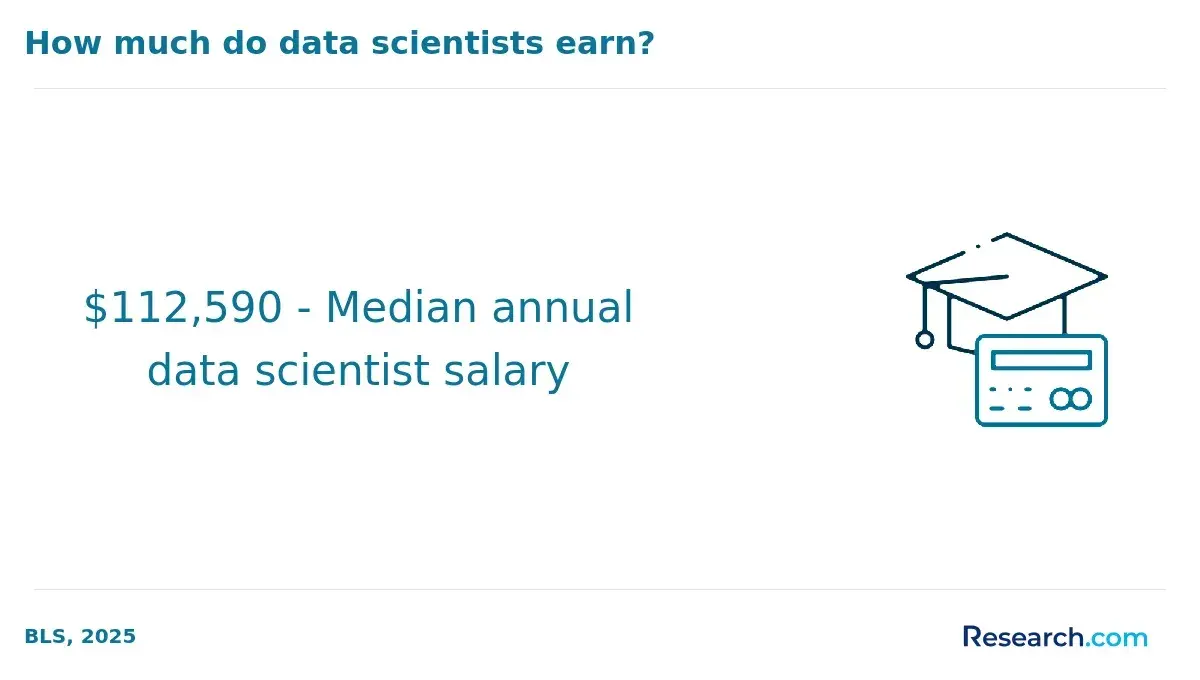
Course length, costs, and credential recognition are key factors to consider. Stanford's certificate usually takes 6-12 months and costs around $10,000, while Harvard Extension allows enrollment in individual courses or the full certificate for approximately $4,000. The median U.S. salary for machine learning engineers was $155,000, highlighting the value of verified credentials in this field.
Students balancing work and education may prefer online programs with asynchronous content, whereas those seeking strong networking might choose campus-based certificates. For more information on affordable options, explore AI degrees.
How can you choose a reputable, accredited LLM course with a recognized certificate?
Choosing LLM courses accredited by recognized legal institutions is essential for ensuring academic rigor and professional legitimacy. Verify accreditation through reputable bodies like the American Bar Association or regional higher education agencies before enrolling. A certificate with industry recognition from respected legal organizations or universities carries significant weight in advancing legal careers.
When evaluating programs, focus on how well the curriculum aligns with recent legal challenges involving artificial intelligence, ethics, and policy. The AI training market's rapid growth, from $1.9 billion to a projected $15.7 billion by 2033, makes specialized coursework increasingly valuable. Practical experiences, such as case studies or hands-on projects centered on AI law, enhance skill applicability.
Faculty expertise matters greatly: instructors with real-world experience or scholarly work in artificial intelligence law can provide deeper insights. Alumni success stories and employment outcomes offer clues on a course's effectiveness in preparing graduates for tech-driven legal roles.
Flexibility in format, cost, and time commitment is crucial, especially for working professionals. Online or hybrid LLM programs with proper accreditation balance accessibility and quality. For those seeking complementary technology knowledge, exploring cybersecurity programs may also be advantageous.
How to identify reputable LLM programs with valid certification involves prioritizing institutional accreditation, industry-recognized certification, up-to-date AI-focused curriculum, and qualified faculty to navigate the evolving legal landscape shaped by artificial intelligence advancements.
What are the typical admission requirements and prerequisites for LLM certificate programs?
Admission to LLM certificate programs typically requires a bachelor's degree in law (LLB) or a Juris Doctor (JD) from an accredited U.S. institution. Many programs ask for official transcripts showing a minimum GPA of around 3.0 on a 4.0 scale. Non-native English speakers usually need to provide proof of proficiency through tests such as TOEFL or IELTS.
Additional materials like letters of recommendation, a resume, or a statement of purpose outlining professional goals and interest in specialized fields like artificial intelligence law may also be required. These aspects are common in LLM program admission criteria in the USA.
Prerequisites depend on the focus of the certificate. Those emphasizing AI, tech law, or data privacy often expect foundational knowledge in technology, law, or ethics. Some institutions offer preparatory modules for students without a technical background.
Many working professionals apply, leveraging their experience, though academic readiness remains essential. For those seeking interdisciplinary skills, considering a data analytics masters can complement their expertise.
Online and part-time LLM certificate options usually maintain similar admission standards but allow flexible start dates. Some certificates may also require prior coursework in areas like intellectual property or cybersecurity law.
The increasing integration of generative AI into legal education reflects labor market demands. About 40% of U.S. workers used AI at work recently, highlighting the necessity of AI competency in legal training and professional development. Prospective students should check specific prerequisites for LLM certificate enrollment in the USA before applying as criteria vary widely by institution and specialization.
What do LLM course curricula usually cover, and which specializations can you pursue?
LLM course curricula typically include machine learning fundamentals, natural language processing, data structures, algorithms, and programming languages like Python.
Many programs emphasize ethical considerations, model evaluation techniques, and practical applications of artificial intelligence across industries. Hands-on projects or labs often help develop skills in building and deploying language models.
Students can specialize in areas such as conversational AI, healthcare informatics, computational linguistics, robotics, sentiment analysis, speech recognition, or multilingual model development. Some courses integrate language models with other AI fields like computer vision and reinforcement learning to address complex problems.
Choosing a specialization aligns with specific career goals; for example, customer service automation paths focus on dialogue systems, while legal and financial sectors emphasize domain-specific language models.
Advanced topics may include transfer learning and optimization for large-scale models, preparing students to work with cutting-edge architectures. The U.S. Bureau of Labor Statistics reports the average annual salary for computer and information research scientists as $145,080, underlining the strong return on investment for LLM certifications in technical and research roles.
These programs deliver foundational knowledge, practical expertise, and specialized tracks that support diverse career opportunities in artificial intelligence and related fields.
How long do LLM certificate courses take, and how much do they typically cost?
LLM certificate courses generally last between 3 and 12 months, depending on the program's format and intensity.
Many online platforms provide flexible pacing, allowing completion in 3 to 6 months, which suits working professionals managing multiple commitments. University-affiliated certificates often extend to a year, especially for part-time students seeking more comprehensive curricula.
Costs vary significantly based on the provider's reputation, course length, and content depth. Shorter, entry-level programs typically range from $500 to $2,000, while advanced university certificates can cost $5,000 to $10,000.
For example, a focused LLM course on machine learning fundamentals might be priced around $700, whereas specialized university programs on natural language processing may exceed $8,000.
Financial support options like scholarships, employer sponsorship, or installment plans frequently help offset expenses. Beyond price, look for added value such as career services or networking opportunities that enhance your professional growth.
Demand for Artificial Intelligence credentials is rising sharply. According to the World Economic Forum Future of Jobs Report 2025, job postings mentioning AI-related skills jumped from 1.7% to 3.9% in just one year. This trend underscores the growing importance of verified expertise in the workforce.
Choosing a certificate depends on your schedule, budget, and career goals. Shorter programs offer speed and affordability, while longer, comprehensive ones provide deeper expertise and potentially stronger employer recognition.
How do online, hybrid, and campus-based LLM certificate programs compare for flexibility and quality?
Online LLM certificate programs offer significant flexibility for students balancing careers, family, or geographic challenges. These programs typically provide asynchronous coursework or limited live sessions, allowing students to advance at their own pace.
Hybrid programs combine online instruction with occasional on-campus sessions, appealing to those who want some face-to-face interaction without full-time residency. Campus-based programs deliver immersive learning and networking opportunities but require fixed schedules and local attendance, which can limit flexibility.
Program quality hinges on curriculum rigor, faculty expertise, and resource access rather than delivery format alone. Online options have advanced considerably, with accredited certificates from top law schools taught by distinguished faculty.
Hybrid formats balance digital convenience with in-person workshops that enhance practical legal skills. Campus-based programs excel in fostering peer collaboration and mentorship, vital for in-depth legal analysis and research.
Practical considerations include:
- Online programs excel in accessibility but may challenge students who need structured environments and prompt feedback.
- Hybrid programs suit those who want flexible scheduling alongside direct faculty contact and campus networking.
- Campus-based programs fit learners prioritizing immersive experiences and consistent access to law libraries and clinical opportunities.
The rapid growth of the LLM tooling ecosystem supports these varied formats. Hugging Face has reported over 1 million public models available, reflecting rising legal technology resources accessible online. Prospective students should carefully evaluate their flexibility requirements, career goals, and preferred learning style when choosing a program.
Which universities, bootcamps, and platforms offer industry-recognized LLM certificates?
Prestigious universities, coding bootcamps, and online platforms offer certificates in large language models (LLM) and prompt engineering that cater to varied learner needs. Leading institutions such as Stanford, MIT, and Carnegie Mellon provide specialized programs through executive education or continuing studies divisions, prized for rigorous curriculum and expert faculty. These credentials carry significant weight with tech employers.
Bootcamps including Springboard, Flatiron School, and BrainStation prioritize practical skills like prompt engineering and AI deployment. Their certificates emphasize hands-on projects and personalized mentorship, appealing to professionals aiming to upskill quickly. Career services offered by these programs enhance job placement rates in tech roles.
Online platforms such as Coursera, edX, and Udacity collaborate with top universities and corporations to deliver flexible certificate courses. For example, Coursera's AI and machine learning certificates from deeplearning.ai and Google provide verified credentials essential for competitive job markets. Udacity's nanodegrees focus on building project portfolios tailored for AI roles.
The World Economic Forum highlights AI and big data as among the fastest-growing skill sets, with 86% of employers expecting AI-driven changes by 2030. When selecting programs, prospective students should consider curriculum depth, faculty expertise, and career support to ensure their skills meet industry demand and align with their career goals in artificial intelligence fields.
What careers can an LLM certificate lead to, and what salary ranges can graduates expect?
An LLM certificate opens doors to specialized careers across law, technology, business, and policy fields, with competitive salaries reflecting high demand for expertise. Graduates frequently become legal analysts, compliance officers, intellectual property consultants, or policy advisors in sectors shaped by artificial intelligence.
For example, legal professionals holding LLM credentials in AI law or data privacy typically earn between $80,000 and $130,000 annually in the U.S., varying by experience and region.
LLM holders also find opportunities in corporate settings focusing on contract negotiation and risk management, where salaries often range from $70,000 to over $120,000 depending on responsibility level. Roles in regulatory affairs or ethics boards within tech companies benefit from specialized knowledge of legal frameworks related to emerging technologies.
Professionals transitioning from law or IT fields can leverage an LLM certificate to gain positions like AI policy strategist or legal tech consultant, with salaries commonly between $90,000 and $140,000. Entry-level jobs in government agencies or nonprofits usually start near $60,000 but offer significant advancement potential.
Before pursuing this certification, candidates should consider tuition costs carefully. The median annual tuition for online professional certificate programs is approximately $3,900. Balancing this expense against expected salary increases and career growth is essential for informed decision-making.
How do LLM certificates support long-term career growth, upskilling, and staying current in AI?
LLM certificates provide specialized skills that help professionals stay competitive in the fast-changing AI landscape. They demonstrate mastery of advanced topics, giving candidates an edge for roles like data scientists, machine learning engineers, and AI researchers.
These certificates often include hands-on projects that turn theory into practical experience, boosting employability in a field where continuous upskilling is essential.
Employees who complete certificate programs in areas such as natural language processing or reinforcement learning can apply the latest techniques immediately, increasing their value to employers.
Employers often reward this commitment with promotions or salary increases. Networking opportunities with instructors and peers further support career growth through mentoring and collaboration.
The U.S. Bureau of Labor Statistics projects a 26% growth in computer and information research scientist jobs over the next decade, underscoring strong demand for advanced AI expertise. Without current credentials, professionals risk skill obsolescence and job insecurity.
LLM certificates also enable career pivots within AI, such as moving from software development to specialties like AI ethics or model interpretability.
Other Things You Should Know About Artificial Intelligence
In 2027, several LLM courses focusing on technology law stand out, such as Harvard Law School's LLM in Law, Science & Technology and Stanford Law School’s LLM in Law, Innovation & Technology. These programs provide specialized knowledge in areas like intellectual property, data privacy, and cybersecurity, which are crucial for understanding the legal landscape of tech.
Artificial intelligence is applied across a broad range of industries, including healthcare for diagnostic assistance, finance for fraud detection, and manufacturing for predictive maintenance. It helps optimize processes, improve decision-making, and enhance customer experiences in non-technology sectors as well.
Key skills for artificial intelligence roles include strong programming abilities, especially in languages like Python and R, as well as a solid understanding of machine learning algorithms. Knowledge of data analysis, statistics, and domain-specific expertise are also critical for effective AI implementation.
Artificial intelligence is unlikely to replace human jobs entirely but will transform many roles by automating repetitive tasks. AI will augment human capabilities, requiring workers to develop new skills that complement machine intelligence rather than compete with it.
References
- What Kind of LL.M. Program is Right for Me? | LLM GUIDE https://llm-guide.com/llm-faq/what-kind-of-llm-program-is-right-for-me
- Top Online Courses for AI in 2026 https://www.atlantic.net/gpu-server-hosting/top-online-courses-for-ai/
- Reskilling and upskilling: Lifelong learning opportunities https://www.weforum.org/stories/2025/01/ai-and-beyond-how-every-career-can-navigate-the-new-tech-landscape/
- Considering an LLM? A Graduate Certificate in Applied Law could be a smarter first step - College of Law https://www.collaw.edu.au/community/news/considering-an-llm-a-graduate-certificate-in-applied-law-could-be-a-smarter-first-step/
- Top 12 LLM Certifications - MentorCruise https://mentorcruise.com/certifications/llm/
- LLM Training Courses 2026: How to Choose the Right Course? https://agilefever.com/llm-training-courses/
- Upskilling for AI: Key Skills for the Next 5 Years https://www.techclass.com/resources/learning-and-development-articles/upskilling-employees-for-ai-era-skills-that-will-matter-next-5-years