2027 Best AI Strategy Courses for Product Catalog Teams

Co-Founder and Chief Data Scientist
Product catalog teams often face challenges integrating ai strategy to optimize inventory management, improve personalization, and enhance user experience. Without a clear framework, teams may struggle with inefficient workflows or misaligned priorities that hinder business growth. This expertise gap makes it difficult to leverage ai tools effectively. Navigating course options can be overwhelming for professionals transitioning from unrelated fields, seeking flexible and accredited pathways.
This article reviews top ai strategy courses tailored for product catalog teams, highlighting programs that equip learners with practical skills and strategic insights essential to drive innovation and competitive advantage in digital product management.
Key Things You Should Know
- Top ai strategy courses for 2026 emphasize machine learning integration, boosting product catalog accuracy by up to 40%, essential for data-driven retail success.
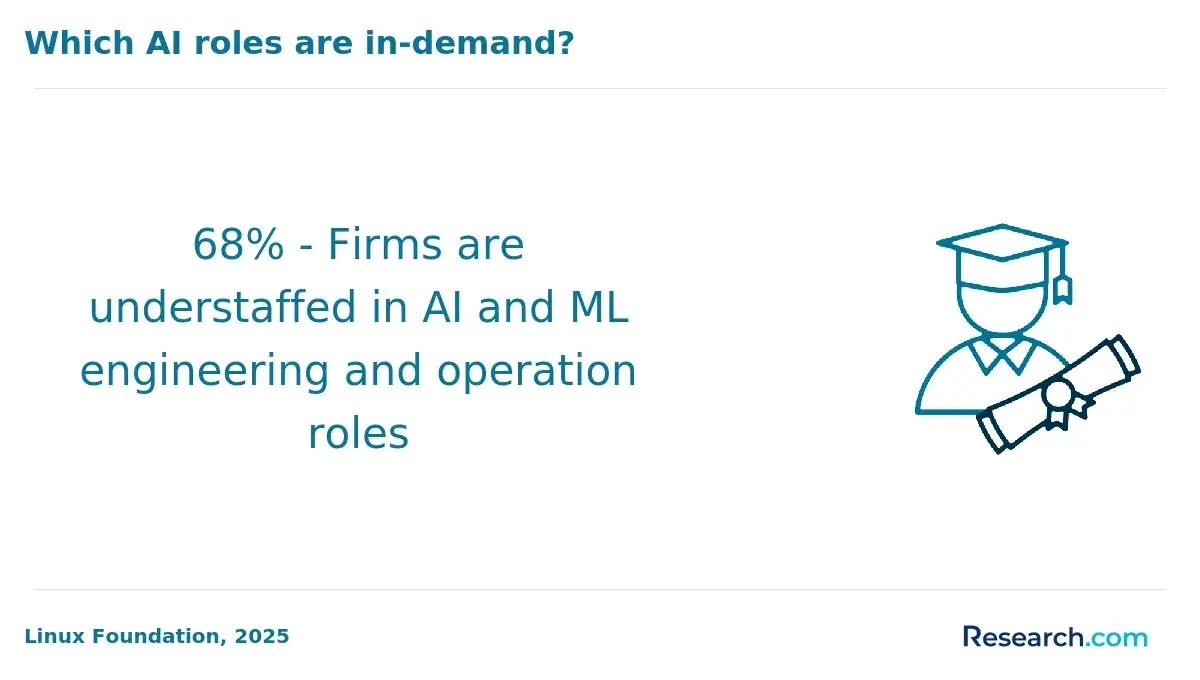
- Programs increasingly prioritize practical skills in ai model deployment within product lifecycle management, addressing a 30% talent shortage in this niche.
- Certification in ai strategy correlates with a 25% average salary increase for product catalog professionals, reflecting growing demand in U.S. markets.
Advance Your Career with AI Online Courses
Artificial Intelligence: Implications for Business Strategy
This program provides an introduction to Artificial Intelligence and their implications for business strategy. Earn an official digital certificate.

Oxford Artificial Intelligence Programme
Explore this Oxford Artificial Intelligence programme offered in a flexible learning environment and explore topics like machine learning, automation, and robotics.

Implementing Agentic AI: Building Your Organizational Playbook
This online MIT Agentic AI course offers a practical approach to deploying AI agents in your organization, including a custom playbook. 3 weeks, exclusive launch price.

AI Adoption: Driving Business Value and Impact
This online MIT AI Adoption: Driving Business Value and Impact offers practical frameworks to close the gap between AI potential and business reality.

Artificial Intelligence in Pharma and Biotech
Discover the applications and limitations of artificial intelligence in pharma and biotech with this MIT online short course.

What is an AI strategy course for product catalog teams and who should take it?
AI strategy courses for product catalog teams focus on integrating artificial intelligence technologies to improve how product catalogs are managed, optimized, and scaled. These trainings cover automating data enrichment, enhancing search relevance, and personalizing product recommendations to boost efficiency and align with consumer behavior. Such courses are particularly valuable for product managers, data analysts, and catalog specialists who handle extensive product databases in retail or consumer-packaged goods sectors.
Professionals who want to future-proof their skills or lead digital transformation can benefit from AI strategy training for product management. The curriculum often includes machine learning models for product classification, natural language processing to better understand product descriptions, and AI governance policies promoting ethical data use. This training helps tackle challenges such as data silos, customer personalization demands, and scaling catalog complexity.
By 2026, generative AI is predicted to add up to $4.4 trillion annually to global productivity, underscoring the importance of AI strategy in product catalog management (McKinsey Global Institute, 2024). Individuals curious about career options in AI-related fields may explore what can you do with an applied artificial intelligence degree to understand potential pathways and opportunities.
Advance Your Career with AI Online Courses
Artificial Intelligence: Implications for Business Strategy
This program provides an introduction to Artificial Intelligence and their implications for business strategy. Earn an official digital certificate.
Oxford Artificial Intelligence Programme
Explore this Oxford Artificial Intelligence programme offered in a flexible learning environment and explore topics like machine learning, automation, and robotics.
Implementing Agentic AI: Building Your Organizational Playbook
This online MIT Agentic AI course offers a practical approach to deploying AI agents in your organization, including a custom playbook. 3 weeks, exclusive launch price.
How can AI strategy training improve product catalog management and business outcomes?
AI strategy training benefits for product catalog teams by equipping professionals with skills to leverage automation, data analytics, and machine learning. These competencies enable precise categorization, real-time inventory updates, and predictive product recommendations, reducing human error and boosting efficiency. For example, AI-driven tools can automate attribute tagging, cutting manual input time while improving accuracy. This enhances business outcomes by accelerating time-to-market and refining customer experience.
Improving business outcomes with AI-driven product catalog management also involves handling complex product data through intelligent structuring and normalization. These techniques ensure data consistency across platforms and improve search relevance in e-commerce. AI-trained catalog specialists can deploy generative AI to create dynamic product descriptions and optimize metadata, which supports content generation and SEO.
The commercial value of AI-literate product experts is rising quickly. The LinkedIn Future of Work Report 2024 notes a 321% rise in job posts requiring AI skills, with generative AI expertise growing by 420%. This highlights the growing demand for these abilities.
Key benefits include:
- Enhanced data quality and scalability
- Reduced operational costs through automation
- Improved decision-making from predictive analytics
- Greater agility in responding to market trends
For those interested in related educational opportunities, exploring the mechanical engineering degree online cost can offer insight into affordable pathways for skill development in technical fields supporting AI applications.
What types of AI strategy programs exist for product catalog roles and which path fits me?
AI strategy programs tailored for product catalog roles typically fall into technical, managerial, and hybrid tracks. Technical courses emphasize machine learning, data integration, and automation applied to product catalogs, ideal for professionals with data science or software engineering backgrounds seeking practical AI pipeline experience.
Managerial programs focus on AI-driven decision-making, change management, and strategic alignment in retail, targeting product managers, merchandisers, and team leads aiming to leverage AI initiatives for better online sales conversions and faster product launches. Hybrid programs blend technical skills and strategic frameworks, fostering communication between AI engineers and business stakeholders. These options appeal to those exploring career paths in AI strategy for product catalog professionals.
Retailers implementing AI-powered catalog and content optimization often see a 10-20% increase in online sales conversions and a 20-30% reduction in time-to-market (McKinsey "Gen AI in Retail" insight, 2024). Choosing the right program depends on your current skills: coding experts benefit from technical tracks, while those without coding experience but managing teams may prefer managerial or hybrid courses.
Course structures vary, with part-time options suited for working professionals and full-time immersive trainings for accelerated learning. Prospective students can also explore affordable options by checking game design schools online to compare relevant program models and cost efficiencies.
What should I look for in the curriculum of an AI strategy course for catalog teams?
Curriculum for an AI strategy course tailored for product catalog teams emphasizes practical integration of ai technologies into catalog management and decision-making. Key skills for AI-driven catalog management include effective data handling techniques such as accurate cleaning, enrichment, and normalization of product metadata. Courses focus on machine learning models used in categorization, recommendation engines, and demand forecasting. They often incorporate modules on automation to streamline workflows, backed by real-world case studies showcasing tangible outcomes.
Training also covers aligning AI solutions with business goals like improving customer experience, enhancing catalog accuracy, and boosting operational efficiency. This involves strategic planning, AI tool evaluation, and assessing return on investment. For example, lessons on vendor and technology selection help teams navigate a crowded market to make informed choices.
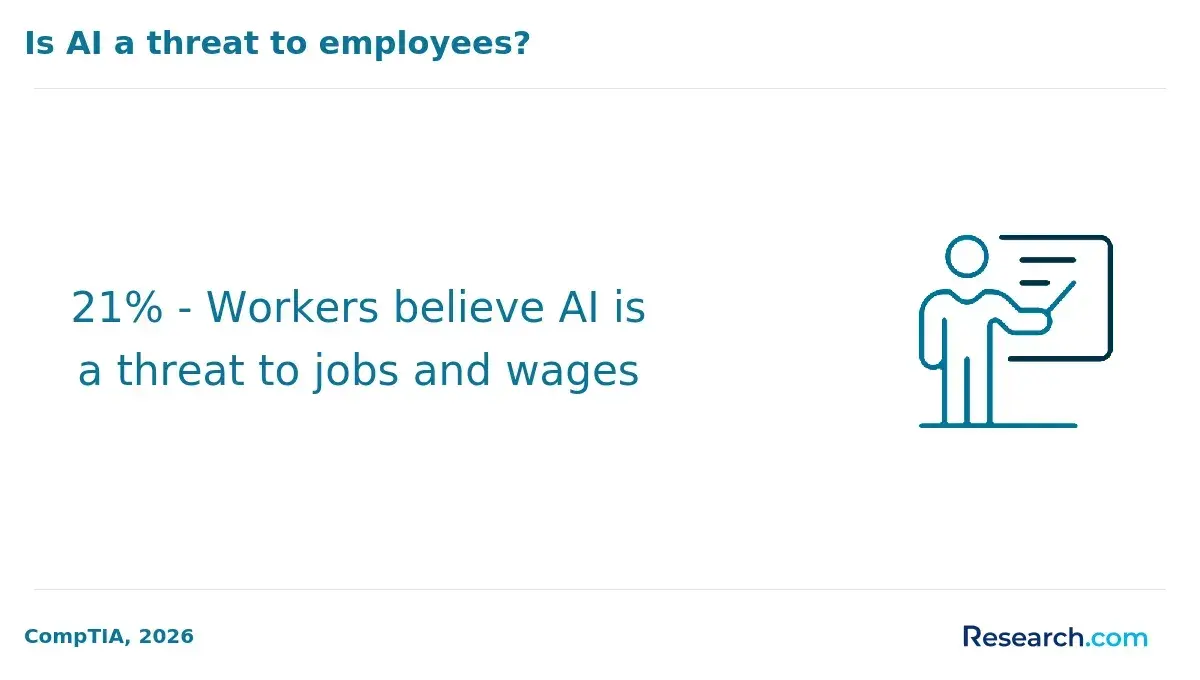
Ethical AI use and data privacy compliance are integral, especially given the sensitive nature of product and customer data. Practical exercises on AI governance and risk management prepare teams for potential challenges. Courses that offer continuous skill reinforcement and certification are invaluable. Professionals who complete AI upskilling report a 21% median salary increase and 63% internal mobility within 12 months, compared to 38% for peers without training.
For those curious about career paths in AI education, learning what does an AI trainer do can provide insights into the profession and salary trends.
How do online AI strategy programs compare with campus and hybrid options for catalog teams?
Online AI strategy programs provide unmatched cost efficiency and flexibility for product catalog teams compared to campus or hybrid options. While specialized online courses often range between $2,000 and $3,000, traditional one-year master's degrees in analytics or AI typically cost a median tuition of $52,000, according to General Assembly and U.S. NCES data. This stark difference makes online courses an appealing choice for professionals managing budgets or seeking rapid skill acquisition.
Accessibility is a major benefit of online programs. Catalog teams, often managing varying workloads across locations, find asynchronous learning essential. These programs allow participants to study at their own pace without geographic limits. In contrast, campus-based formats require attending in person, which can be difficult for full-time employees or those outside major metro areas. Hybrid models add some flexibility but still demand commuting and on-site commitments that may interrupt work.
Campus and hybrid programs may offer better networking and immersive experiences, including classroom interactions and direct access to faculty researchers. However, many online courses now incorporate live sessions, collaborative projects, and mentorship, closing this gap.
For catalog teams focused on skill development and applying AI strategy efficiently, online courses provide a practical, flexible, and increasingly comprehensive learning option. Exploring programs featuring practical case studies, customized work, and industry-relevant faculty is advisable to optimize outcomes in this evolving educational landscape.
Which accreditation and institutional quality signals matter for AI strategy programs in the U.S.?
Accreditation remains a crucial indicator of quality and recognition for AI strategy programs in the U.S. Regional accreditation from bodies like the Higher Learning Commission (HLC) or Middle States Commission on Higher Education (MSCHE) ensures academic rigor, institutional credibility, and eligibility for federal financial aid. Beyond this, specialized accreditation adds further value:
- Programs linked to business schools accredited by the Association to Advance Collegiate Schools of Business (AACSB) highlight strong foundations in strategy and management education.
- Courses offered by technology-focused schools with ABET accreditation or partnerships with research centers deliver necessary technical depth.
Faculty expertise is another important marker. Instructors with published research or industry experience in AI-driven product development provide practical insights vital for learners. This aligns with data showing that 75% of companies using generative AI apply it in product development, marketing, or customer-facing content (McKinsey Global Survey on AI, 2024).
Curricula that balance AI fundamentals with strategic business applications often incorporate industry partnerships, internships, and case studies. Such experiential learning better prepares graduates for dynamic employer demands. Prospective students should also review alumni outcomes and employer networks, which reflect lasting institutional quality and relevance within AI strategy fields.
What are typical admission requirements and prerequisites for AI strategy catalog programs?
Admission criteria for AI strategy courses aimed at product catalog teams typically require a bachelor's degree in fields such as business, computer science, or information technology. Applicants should have foundational skills in data analysis, statistics, or programming languages like Python. Advanced programs might also ask for experience with machine learning concepts or familiarity with product management tools.
Common prerequisites include:
- Basic understanding of data structures and algorithms
- Competence in managing large datasets or catalog systems
- Prior coursework or professional experience in AI or digital transformation
- Strong analytical skills backed by quantitative study or job roles
Many programs accommodate working professionals by offering flexible admissions based on relevant industry experience instead of formal degrees. These tracks often require portfolios showcasing skills in catalog optimization or AI integration within product workflows. Some also provide technical aptitude tests or pre-course tutorials to address knowledge gaps.
Research from BCG and Harvard highlights that catalog and content teams utilizing generative AI can reduce routine writing and editing time by up to 40% while maintaining quality. Therefore, practical experience with AI tools and a solid understanding of AI strategy are essential for candidates.
Prospective students should review course-specific prerequisites and consider preparatory certifications in AI fundamentals or data science to enhance their competitiveness and success in AI-driven product catalog management.
How long do AI strategy courses for product catalog professionals take and what do they cost?
AI strategy courses for product catalog professionals vary widely in duration and depth, typically lasting from 1 to 12 weeks. Intensive bootcamps usually run 6 to 8 weeks, ideal for working professionals seeking rapid skill development. Longer university-affiliated certificates extend to 12 weeks or more, offering thorough coverage of governance, risk management, and deployment within product catalog environments. Short workshops, lasting 1 to 3 weeks, focus on specific tools or regulatory frameworks.
Costs span a broad range depending on program scope. Entry-level workshops start around $500 to $1,200, providing foundational knowledge. More comprehensive certificates generally cost between $2,000 and $5,000. High-end or university-linked professional certifications may exceed $7,000 due to advanced curricula and hands-on components. Flexible modular pricing or tiered options help learners tailor their education and manage expenses effectively.
Given that only 21% of organizations have fully implemented responsible AI policies for product catalogs and 55% actively deploy generative AI, according to the IBM Global AI Adoption Index, courses focusing on governance, ethical frameworks, and risk management are crucial. Practical experience through case studies and AI policy exercises prepares professionals for evolving product catalog challenges.
What careers, job titles, and industries can AI strategy training open for catalog specialists?
AI strategy training equips catalog specialists with skills necessary for evolving roles such as AI product manager, data strategist, machine learning analyst, and enterprise AI consultant. These positions emphasize enhancing product catalog accuracy, personalization, and automation through the application of ai technologies.
Industries like retail, e-commerce, manufacturing, and logistics increasingly require experts familiar with retrieval-augmented generation (RAG) and vector search, technologies expected to be essential in more than 65% of enterprise AI applications by 2025 (Gartner Emerging Tech in GenAI, 2024). This expertise supports the integration of AI-driven search engines and recommendation systems leveraging proprietary catalog data.
Training also addresses challenges such as data normalization, model grounding, and collaboration with data scientists and engineers. Practical experience with AI tools enables roles like AI implementation lead and digital transformation manager, where aligning business strategy with AI advances is vital.
Catalog specialists may transition into AI governance and ethics roles, which focus on compliance, bias evaluation, and transparency in AI-assisted catalog management. Career opportunities extend to tech startups pioneering AI catalog solutions and enterprises implementing enterprise-wide AI integrations.
What salary ranges and job outlook can AI-focused catalog and product data roles expect?
Roles focusing on AI-driven catalog and product data management show strong salary potential and job growth. According to the U.S. Bureau of Labor Statistics tech-management outlook, AI-augmented product management positions are expected to grow by 28% through 2032, well above average for all occupations. This reflects increasing employer demand for expertise in AI integration within product catalog teams.
Median salaries for AI-oriented product leaders are around $167,000 annually, with entry-level jobs in product data analysis or AI catalog coordination starting between $80,000 and $110,000. Mid-career professionals skilled in AI workflows or machine learning typically earn $120,000 to $150,000. Senior AI product managers and directors often earn $160,000 or more, with bonuses or equity enhancing total compensation.
Key skills sought by employers include:
- Natural language processing
- Data pipelines management
- AI workflow orchestration
- Automation for product classification and data quality
Developing expertise in these areas and staying updated on AI-driven catalog technologies significantly improves leadership and salary prospects. Practical experience, combined with knowledge of AI tools integrated into product lifecycle management, remains essential for career advancement in this rapidly evolving field.
Other Things You Should Know About Artificial Intelligence
Success in AI strategy roles for product catalog teams requires a combination of technical and business skills. Key technical skills include data analytics, machine learning basics, and familiarity with AI tools relevant to catalog management. Additionally, strong problem-solving abilities, data-driven decision-making, and communication skills are crucial for collaborating with cross-functional teams and implementing AI initiatives effectively.
Ethics guides AI strategy for product catalog teams by ensuring fairness, transparency, and accountability in AI-driven processes. It shapes the development and implementation of AI tools to prevent biased outcomes and safeguard consumer trust.
Common challenges include data quality issues, lack of sufficient training data, and resistance to change within organizations. Integrating AI systems also requires overcoming technical complexities, ensuring scalability, and maintaining alignment between AI outputs and business goals. Effective change management and continuous monitoring are necessary to address these challenges successfully.
AI strategy courses often update their curriculum regularly to reflect the latest trends and technological advances. However, given the rapid pace of AI innovation, continuous learning beyond formal courses is recommended. Professionals should supplement coursework with industry research, webinars, and hands-on projects to stay current in this dynamic field.
References
- Professional AI Training: How to Choose the Right Program https://www.strategicaileader.com/professional-ai-training-how-to-choose-the-right-program/
- AI for Product Managers Certification Course https://productschool.com/certifications/ai-for-product-managers
- Choosing the Right AI Course for Business Leaders https://www.tsa-bildung.de/en/blog/choosing-the-right-ai-course-for-business-leaders
- Becoming an AI Product Manager - Where to start? - Introductions - DeepLearning.AI https://community.deeplearning.ai/t/becoming-an-ai-product-manager-where-to-start/814292
- AI Product Strategy | NN/G Live Online Course https://www.nngroup.com/courses/ai-product-strategy/
- How to use AI analytics for business growth | CallMiner https://callminer.com/blog/leveraging-ai-analytics-for-business-growth
- The AI compensation and talent trends shaping the job market in 2026 https://ravio.com/blog/ai-compensation-and-talent-trends
- Public, Private, or Hybrid AI? Navigating Your Deployment Options https://itsg-global.com/public-private-or-hybrid-ai-navigating-your-deployment-options/
- AI for Business Leaders: Transforming Leadership with Artificial Intelligence https://www.infoprolearning.com/ai-for-business-leaders/
- The 12 Best AI PM Courses to Supercharge Your Career in 2025 https://www.aakashg.com/ai-pm-courses/