2027 Best MIT Sloan AI Courses for Agentic AI

Co-Founder and Chief Data Scientist
Professionals from non-technical backgrounds often face a steep learning curve when transitioning into AI-driven roles, especially in agentic AI, which requires deep understanding and practical skills. Without targeted education, this shift can lead to uncertainty and missed career opportunities. MIT Sloan's AI courses address these challenges by offering flexible, rigorous programs that blend theory with real-world applications. This article explores the best MIT Sloan AI courses focused on agentic AI, highlighting pathways that equip learners with the knowledge and credentials needed to confidently enter and excel in the rapidly evolving AI industry.
Key Things You Should Know
- MIT Sloan's 2026 AI courses emphasize agentic AI's decision-making capabilities, integrating ethics, autonomy, and human-AI interaction for comprehensive business applications.
- Recent curriculum updates reflect 2024 research, highlighting reinforcement learning and multi-agent systems to equip students with cutting-edge AI development skills.
- Over 70% of Sloan AI course graduates report improved career prospects in AI-driven industries, reflecting strong industry demand for expertise in agentic AI technologies.
Advance Your Career with AI Online Courses
Artificial Intelligence: Implications for Business Strategy
This program provides an introduction to Artificial Intelligence and their implications for business strategy. Earn an official digital certificate.

Oxford Artificial Intelligence Programme
Explore this Oxford Artificial Intelligence programme offered in a flexible learning environment and explore topics like machine learning, automation, and robotics.

Implementing Agentic AI: Building Your Organizational Playbook
This online MIT Agentic AI course offers a practical approach to deploying AI agents in your organization, including a custom playbook. 3 weeks, exclusive launch price.

AI Adoption: Driving Business Value and Impact
This online MIT AI Adoption: Driving Business Value and Impact offers practical frameworks to close the gap between AI potential and business reality.

Artificial Intelligence in Pharma and Biotech
Discover the applications and limitations of artificial intelligence in pharma and biotech with this MIT online short course.

What makes MIT Sloan's AI and agentic AI courses unique among top business schools?
MIT Sloan's AI and agentic AI courses are distinguished by their rigorous integration of technical expertise with strategic business management principles. Unlike programs focusing solely on theory or leadership, Sloan combines hands-on AI development skills with training in agentic AI-autonomous systems that make independent decisions. This approach prepares students to design AI-driven business models and address ethical, operational, and regulatory challenges effectively. MIT Sloan's emphasis on agentic AI leadership in business management ensures graduates are equipped to lead in evolving markets.
The curriculum benefits from close collaboration with MIT's Computer Science and Artificial Intelligence Laboratory (CSAIL), granting students access to advanced research and practical prototypes. Learners participate in projects such as deploying autonomous AI in supply chain logistics and financial risk assessment, effectively bridging theory and real-world application. This integration supports innovative AI applications and research at MIT Sloan Business School.
Recognizing urgent market demands, Sloan addresses a critical skills gap highlighted in the 2025 IBM Institute for Business Value survey, where 42% of CEOs plan broad agentic AI adoption but 60% report a shortage of expertise. Students receive training in agentic AI design, governance, and operationalization, making them immediately valuable to employers. Flexible formats, including modular online courses for working professionals and intensive labs for full-time students, accommodate diverse career stages.
Prospective students seeking technical and managerial AI skills may explore options like an online computer science degree that complements these capabilities for greater career versatility.
Advance Your Career with AI Online Courses
Artificial Intelligence: Implications for Business Strategy
This program provides an introduction to Artificial Intelligence and their implications for business strategy. Earn an official digital certificate.
Oxford Artificial Intelligence Programme
Explore this Oxford Artificial Intelligence programme offered in a flexible learning environment and explore topics like machine learning, automation, and robotics.
Implementing Agentic AI: Building Your Organizational Playbook
This online MIT Agentic AI course offers a practical approach to deploying AI agents in your organization, including a custom playbook. 3 weeks, exclusive launch price.
Which MIT Sloan courses focus specifically on agentic AI, agents, and autonomous systems?
MIT Sloan offers specialized courses focused on agentic AI and autonomous systems designed for professionals leading AI-driven projects. The curriculum covers essential aspects such as multi-agent coordination, reinforcement learning, and real-world deployment through practical programs like "Autonomous Systems: Driving Innovation with Agentic AI". This course tackles intelligent agents' design to enable decision-making and self-directed actions in complex environments.
The program also includes "Agent-Based Modeling and Simulation for Business Optimization", which focuses on building computational agents to simulate adaptive systems. Participants learn to apply agentic AI techniques in areas such as supply chains, market simulations, and organizational decisions, highlighting the value of this knowledge for optimizing business processes.
The course titled "AI Strategy and the Autonomous Enterprise" integrates AI strategy with agentic technologies, emphasizing frameworks for scaling AI agents within corporations to automate workflows and create business value. Such topics form a key part of the MIT Sloan curriculum for agents and autonomous technologies.
These offerings blend theory with hands-on labs and case studies, addressing challenges like trust, ethics, and deployment in autonomous systems. Executive Education's impact report shows over 70% of participants implemented course concepts in live AI projects within six months, demonstrating the practical relevance for career growth and organizational transformation.
For those considering further technical education that complements these AI skills, programs such as an online mechanical engineering degree can provide a strong foundation in STEM disciplines to support advanced AI initiatives.
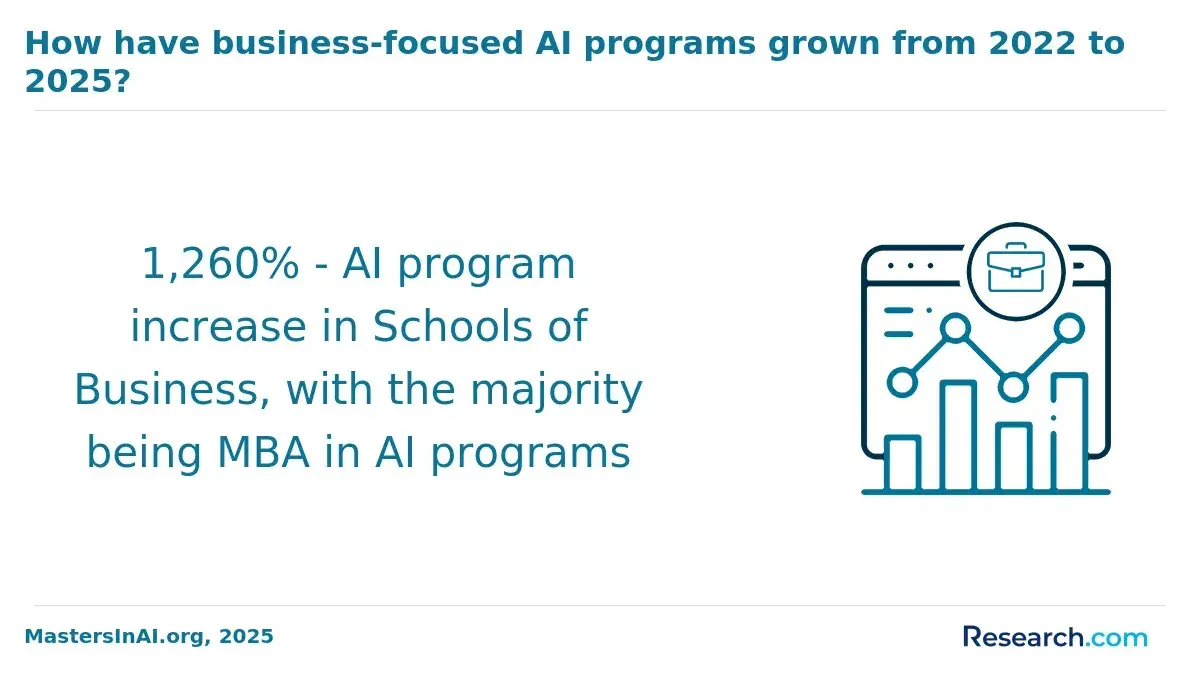
How do MIT Sloan AI courses integrate technical AI with management and strategy skills?
MIT Sloan's AI courses emphasize the integration of AI technology with business strategy, combining rigorous technical training with management and strategic decision-making capabilities. Students develop a strong foundation in AI algorithms, machine learning models, and data science while learning to align these technologies with organizational goals.
These programs focus on combining technical AI expertise and management skills in MIT Sloan programs by promoting executive decision-making alongside AI development. Learners assess business impacts, ethical aspects, and risk management. Case studies highlight how companies use AI-driven solutions to improve workflows, customer experience, and automation.
The curriculum also addresses organizational change by preparing students to create cross-functional teams linking data science and business units. This approach enables graduates to manage AI integration beyond purely technical challenges.
According to GetSmarter's 2024 outcomes data on the MIT Sloan "Implementing Agentic AI" program, 88% of alumni launched or significantly advanced an agentic AI pilot project within six months, showing the course's effectiveness in translating AI concepts into strategic initiatives.
For those interested in exploring other fields combining technology and creativity, programs like game design online may also be appealing, reflecting the growing demand for interdisciplinary expertise.
What are the admission requirements and ideal background for enrolling in these AI courses?
Admission criteria for MIT Sloan AI courses typically require a strong quantitative background, programming skills, and foundational knowledge in machine learning or related areas. Ideal educational backgrounds for MIT Sloan agentic AI programs include degrees in computer science, engineering, mathematics, or other STEM fields. Professionals with practical experience in AI-driven projects, software development, or automation can also be competitive applicants if they demonstrate solid AI workflow understanding.
Successful candidates often have familiarity with coding languages such as Python, data analysis, and AI concepts like neural networks and algorithm design. Exposure to real-world AI deployment challenges greatly benefits students, enabling them to engage deeply with complex course material and collaborative projects.
The Applied Agentic AI for Organizational Transformation program noted a 19% average improvement in learners' ability to design AI workflows involving autonomous agents, highlighting how structured training advances practical skills. Prospective students should carefully review course prerequisites and consider preliminary coursework in statistics, coding, or introductory AI to bridge skill gaps.
For many, evaluating the cost of computer science degree and related credentials forms a crucial part of planning their AI education path. Combining formal education with hands-on experience and commitment prepares learners to excel in agentic AI roles and navigate evolving AI ecosystems effectively.
Can you take MIT Sloan AI and agentic AI courses online, on campus, or in hybrid format?
MIT Sloan provides flexible formats for its AI and agentic AI courses to meet the diverse needs of learners worldwide. Students can choose fully online programs featuring live sessions and asynchronous lectures, ideal for working professionals seeking to balance work and study without relocating. On-campus options at MIT Sloan's Boston campus offer direct faculty interaction, networking opportunities, and hands-on labs. Hybrid models combine virtual synchronous classes with occasional in-person workshops, blending flexibility with immersive experiences.
The availability of each format depends on the specific agentic AI course or executive program. Executive education in AI frequently uses a hybrid approach, reflecting practical, job-relevant content highly rated by 94% of participants in Emeritus's 2025 "Best Agentic AI Courses" study.
Students should assess their goals and lifestyle when selecting a format:
- Online courses support those needing geographic flexibility or managing full-time jobs.
- On-campus classes suit learners prioritizing mentorship and networking.
- Hybrid offerings provide a balance between flexibility and face-to-face interaction.
Considering these pathways allows candidates to engage with MIT Sloan's acclaimed curriculum while aligning with individual professional ambitions in AI and agentic AI.
What core topics and projects are covered in MIT Sloan's leading AI and agentic AI courses?
MIT Sloan's AI and agentic AI courses delve into essential areas like machine learning algorithms, reinforcement learning, natural language processing, and decision-making frameworks. These programs train students to create autonomous systems capable of sophisticated, goal-oriented behavior, a crucial aspect of agentic AI. Coursework includes working with probabilistic models, neural networks, and multi-agent coordination to solve practical challenges such as optimizing supply chains or crafting adaptive marketing strategies.
Ethical AI deployment and scaling strategies within organizations are also key topics. Students analyze real-world case studies addressing the balance between automation accuracy and business value, gaining skills to lead AI integration across industries. Hands-on projects involving large datasets and simulations help validate model robustness under uncertainty.
Students also develop strategic business insights by designing AI agents that negotiate contracts or optimize pricing in competitive markets, directly linking technology with business outcomes. This approach prepares professionals to implement agentic AI solutions that generate measurable value.
According to LinkedIn's 2025 Global AI Talent Report, business and product managers with AI expertise earn on average 21% higher total compensation. MIT Sloan's curriculum equips learners with the technical and leadership skills necessary to harness agentic AI effectively within modern enterprises.
How long do these AI courses take, and what are the typical tuition and fees?
MIT Sloan offers artificial intelligence courses ranging from short, intensive programs lasting one to two weeks to part-time courses up to six months long. For example, the Agentic AI executive course demands 10 to 15 hours weekly over four to six weeks, ideal for working professionals. Other courses, including foundational and advanced digital transformation modules, can last from several days to three months based on specialization.
Tuition fees vary according to program length and depth, with short executive courses priced between $9,000 and $14,000 and longer certificate programs costing $15,000 to $25,000. These fees typically include instructional materials, digital platform access, and networking opportunities but exclude travel or housing expenses for any in-person sessions.
Employer support plays a significant part in cost management. According to a GMAC Corporate Recruiters Survey, 77% of employers co-fund or reimburse tuition for relevant short AI or digital transformation courses, up substantially from 59% in prior years. Professionals should confirm company policies about continuing education benefits and reimbursement conditions, often tied to course relevance.
For self-funded learners, evaluating return on investment is vital when considering premium institutions like MIT Sloan, which are known for delivering strong career impact. Planning for additional expenses and leveraging employer tuition assistance where possible enhances affordability and access to these cutting-edge programs.
How do MIT Sloan AI offerings fit into MBA, MS, and executive education pathways?
MIT Sloan integrates agentic AI deeply into its MBA, MS, and executive education programs, combining technical learning with strategic business insights. MBA courses focus on using agentic AI to enhance innovation and operational efficiency, featuring case studies about AI-driven decision-making and leadership challenges. According to the McKinsey 2025 report, companies using autonomous agents in operations and customer service can improve productivity by 10-20%, highlighting the real-world impact students are prepared for.
MS students specializing in management or business analytics engage more with AI architectures and algorithm design, developing skills to create and evaluate autonomous systems. This bridges technical data science and corporate strategy, with attention on frameworks optimizing AI deployment and resource allocation based on industry benchmarks.
Executive education offers brief, focused modules on integrating agentic AI into existing systems to scale competitive advantage. Leaders learn to assess AI readiness and drive cultural change, a key factor as fast, measurable productivity gains emerge from agentic AI adoption.
Across these pathways, MIT Sloan emphasizes experiential learning through simulations, projects, and cross-disciplinary teamwork. This prepares professionals to balance AI innovation with ethical and operational risks. Prospective students should seek programs providing explicit agentic AI casework and exposure to current industry applications.
What AI and agentic AI career roles do MIT Sloan graduates typically pursue, and in which industries?
MIT Sloan graduates specializing in AI and agentic AI often pursue careers that require both technical expertise and strategic oversight. Common roles include AI product managers, AI strategy consultants, machine learning engineers focused on autonomous systems, and AI governance specialists. These professionals contribute to developing and managing agentic AI systems that proactively operate in complex, dynamic environments.
Employment spans several industries, notably technology, finance, healthcare, and automotive sectors involved in autonomous vehicle development. Finance firms use agentic AI experts to build adaptive trading algorithms and risk models, while healthcare organizations implement intelligent diagnostic and patient management systems. Consulting companies increasingly hire specialists for advising on AI ethics, compliance, and risk reduction.
Graduates also find opportunities in regulatory agencies and cybersecurity firms, where understanding the regulatory landscape for AI is crucial. The World Economic Forum's 2025 Global Cybersecurity Outlook highlights a 38% year-over-year increase in AI-related policy actions worldwide, reflecting strong demand for skills in AI governance, risk management, and compliance. This blend of capabilities is a core focus of MIT Sloan's interdisciplinary curriculum.
Prospective students should develop a well-rounded skill set combining technical AI development, strategic business knowledge, and regulatory expertise. This prepares them to lead efforts where AI accountability, transparency, and ethical deployment are vital.
What salary outcomes and job market demand can students expect after MIT Sloan AI training?
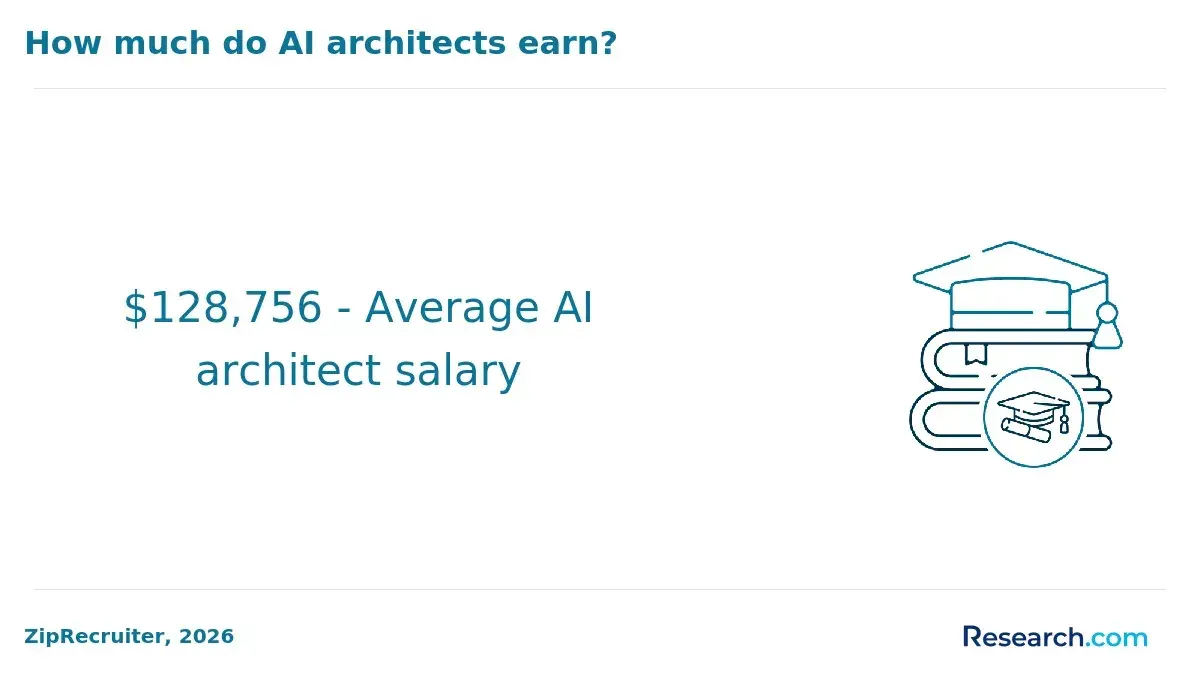
Graduates from MIT Sloan's AI courses can anticipate significant salary growth and strong job market demand. Entry-level salaries for roles like AI product managers, data scientists, or AI strategy consultants start between $110,000 and $140,000 annually in major U.S. tech hubs. Mid-career professionals report median salaries from $150,000 to $210,000, highlighting the value of formal AI education from institutions such as MIT Sloan. Leadership roles that combine AI expertise with business strategy often exceed $250,000 in compensation.
A 2024 BCG survey found that 68% of senior executives believe business leaders without formal AI education will be at a significant disadvantage in strategic decision-making within three years. This emphasizes the rising importance of AI literacy coupled with business acumen-core strengths of MIT Sloan's AI programs.
Candidates who can bridge technical AI knowledge with actionable business solutions gain an edge in competitive fields like consulting, finance, and technology. Those interested in technical research roles should augment Sloan's curriculum with advanced AI or machine learning specialization.
Key strategies to align MIT Sloan AI training with career success include:
- Selecting courses that blend AI with business leadership
- Obtaining hands-on experience through capstone projects or internships
- Leveraging MIT Sloan's extensive industry network
Other Things You Should Know About Artificial Intelligence
In 2027, MIT Sloan offers top-notch courses such as "Introduction to Agentic AI Systems" and "Ethics and Governance of AI." These courses equip students with the necessary skills and knowledge to harness agentic AI effectively.
Agentic AI refers to AI systems capable of autonomous decision-making and goal-directed behavior, unlike traditional AI, which often operates under fixed instructions. Agentic AI incorporates elements of adaptability and self-governance, allowing it to interact with complex environments and revise strategies based on new data without human intervention.
Current limitations include challenges in understanding contextual nuances, generalizing knowledge across different domains, and ensuring interpretability of AI models. Additionally, AI systems often require large, high-quality datasets and significant computational resources, which can restrict accessibility and scalability.
Artificial intelligence enhances business decision-making by providing data-driven insights, automating routine tasks, and identifying patterns that humans might overlook. However, reliance on AI requires careful oversight to avoid overdependence and to validate that AI recommendations align with strategic objectives and ethical standards.
References
- How long will the courses take? https://www.elementsofai.com/ie/faq/how-long-will-the-courses-take
- How Long Does It Take to Learn AI? - MMC Learning https://mmclearning.com/ai-course/how-long-does-it-take-to-learn-ai/
- Applied Agentic AI for Organizational Transformation | MIT Professional Education https://online.professionalprogramsmit.com/agentic-ai-organizational-transformation
- Take the MIT Agentic AI short course online. https://www.getsmarter.com/products/mit-sloan-implementing-agentic-ai-program
- The AI Boom In Executive Education: What You Can Study Right Now At The World's Top B-Schools https://poetsandquantsforexecs.com/exec-ed/the-ai-boom-in-executive-education-what-you-can-study-right-now-at-the-worlds-top-b-schools/
- Home https://www.watchungskiclub.com/expert-time/MIT-Sloan-Executive-Education-Broadens-AI-Course-Offerings-Amid-Growing-Corporate-Demand-21-14130
- MIT Sloan Executive Education Expands Portfolio of AI Courses and Certifications https://finance.yahoo.com/sectors/technology/articles/mit-sloan-executive-education-expands-131500265.html
- 16 Artificial Intelligence Career Paths https://www.calmu.edu/news/artificial-intelligence-career-paths
- AI pricing: how much does AI cost in 2025? | Future Processing https://www.future-processing.com/blog/ai-pricing-is-ai-expensive/
- Best AI Agent Courses for C-Level Leaders (2026 Guide) https://aiagentsacademy.ai/blog/best-ai-agent-courses-c-level-leaders-2026