2027 Best AI Governance Courses for Corporate Directors

Co-Founder and Chief Data Scientist
Corporate directors face increasing pressure to oversee ethical and effective use of artificial intelligence within their organizations. Missteps in AI governance can lead to regulatory penalties, reputational damage, and operational risks. Many board members lack the specialized knowledge needed to evaluate AI strategies and compliance confidently. This knowledge gap hampers informed decision-making and risk management at the highest levels.
This article explores the best AI governance courses designed specifically for corporate directors, highlighting programs that combine flexibility with rigorous accreditation to equip leaders with essential skills for responsible oversight and strategic guidance in AI initiatives.
Key Things You Should Know
- AI governance courses for corporate directors in 2026 emphasize risk management, ethical frameworks, and regulatory compliance amid a 38% annual increase in AI-related corporate responsibilities.
- Leading programs integrate real-world case studies and emerging global standards to enhance directors' ability to oversee AI deployment responsibly and strategically.
- Enrollment in AI governance courses surged 45% in 2025, driven by growing demand for directors to ensure transparency, accountability, and fairness in AI-driven business decisions.
Advance Your Career with AI Online Courses
Artificial Intelligence: Implications for Business Strategy
This program provides an introduction to Artificial Intelligence and their implications for business strategy. Earn an official digital certificate.

Oxford Artificial Intelligence Programme
Explore this Oxford Artificial Intelligence programme offered in a flexible learning environment and explore topics like machine learning, automation, and robotics.

Implementing Agentic AI: Building Your Organizational Playbook
This online MIT Agentic AI course offers a practical approach to deploying AI agents in your organization, including a custom playbook. 3 weeks, exclusive launch price.

AI Adoption: Driving Business Value and Impact
This online MIT AI Adoption: Driving Business Value and Impact offers practical frameworks to close the gap between AI potential and business reality.

Artificial Intelligence in Pharma and Biotech
Discover the applications and limitations of artificial intelligence in pharma and biotech with this MIT online short course.

What is AI governance and why should corporate directors pursue specialized courses in it?
AI governance frameworks for corporate directors comprise policies, procedures, and ethical guidelines that ensure responsible AI development, deployment, and oversight. Specialized courses in AI risk management for board members help directors build the expertise needed to address compliance, data privacy, algorithmic fairness, and alignment of AI with corporate goals.
According to PwC's 27th Annual Global CEO Survey, while 70% of CEOs expect generative AI to transform business value creation within three years, only 32% of boards feel they have enough AI oversight expertise. This gap underscores the need for directors to pursue education that enhances AI governance literacy.
These courses enable directors to:
- Understand regulatory landscapes and evolving AI legislation.
- Assess ethical factors such as bias, transparency, and accountability.
- Evaluate AI risks including cybersecurity and operational failures.
- Make strategic decisions that integrate AI with business objectives and stakeholders.
Directors skilled in AI governance can critically evaluate AI-driven decisions, anticipate compliance challenges, and foster ethical innovation, crucial in sectors like finance and healthcare where failure can cause losses and reputation damage. Those exploring AI careers may consider an artificial intelligence major to gain foundational knowledge supporting such governance roles.
Taking specialized courses ensures directors provide informed oversight, safeguarding companies from AI pitfalls while leveraging its transformative potential to drive sustainable growth.
Advance Your Career with AI Online Courses
Artificial Intelligence: Implications for Business Strategy
This program provides an introduction to Artificial Intelligence and their implications for business strategy. Earn an official digital certificate.
Oxford Artificial Intelligence Programme
Explore this Oxford Artificial Intelligence programme offered in a flexible learning environment and explore topics like machine learning, automation, and robotics.
Implementing Agentic AI: Building Your Organizational Playbook
This online MIT Agentic AI course offers a practical approach to deploying AI agents in your organization, including a custom playbook. 3 weeks, exclusive launch price.
What defines the best AI governance courses specifically tailored for corporate boards and directors?
The best AI governance training programs for corporate boards emphasize practical skills for overseeing AI risks and strategic decision making tailored to boardroom needs. These programs prioritize understanding regulatory frameworks, ethical principles, algorithmic accountability, and the influence of emerging technologies on corporate governance. They target directors' abilities to identify, assess, and mitigate AI-related challenges rather than focusing on technical AI development.
Effective AI oversight courses for directors respond to a critical skill gap: while 61% of boards include AI on their agendas, only 24% of directors feel highly confident managing AI risks. To bridge this gap, curricula incorporate decision-making frameworks and scenario-based exercises reflecting real governance issues such as bias in AI systems and AI-driven compliance demands.
These courses often blend legal, ethical, and operational perspectives with governance insights through case studies from finance, healthcare, and manufacturing. They also guide boards in crafting AI policies and establishing oversight mechanisms. Modules frequently include discussions on emerging laws like the EU AI Act and the U.S. Algorithmic Accountability Act, preparing directors for regulatory changes. Workshop sessions and peer dialogues build practical oversight confidence.
For professionals considering broader education options, some seek the most affordable engineering colleges offering AI-related programs. Resources like cheapest engineering colleges can assist in finding cost-effective pathways aligned with AI governance career goals.
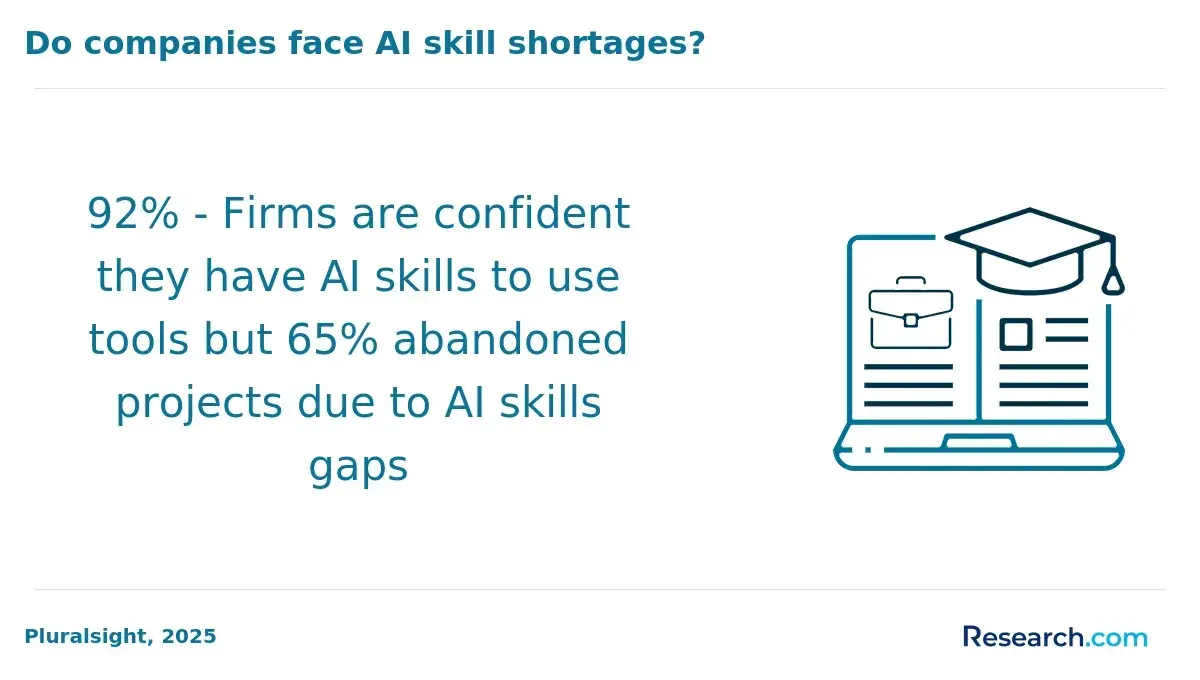
Which accredited U.S. universities and business schools offer AI governance training for directors?
Several accredited U.S. universities and top business schools in the U.S. provide ai governance training for directors, offering specialized programs tailored for corporate board members. Stanford Graduate School of Business integrates AI ethics and governance into its executive education, emphasizing strategic oversight of AI risks. MIT Sloan School of Management offers certification courses focused on AI accountability frameworks and regulatory compliance, specifically designed for board members overseeing AI deployments. The Wharton School at the University of Pennsylvania includes modules on AI risk management and ethical decision-making in its advanced leadership curriculum.
New York University's Stern School of Business features an AI governance course that addresses transparency and trustworthiness in AI systems, particularly relevant for directors of AI-driven business units. Harvard Business School provides workshops on governance policies to mitigate AI-induced reputational and operational risks. These programs typically blend regulatory updates, ethical considerations, and risk mitigation strategies within the scope of corporate governance.
The World Economic Forum's Global Risks Report 2024 highlights AI-generated misinformation as a critical global risk, underscoring the urgent need for boards to enhance AI governance capabilities. Directors must navigate evolving regulatory landscapes such as the SEC's AI disclosure requirements and implement robust AI governance frameworks.
Prospective students exploring accredited U.S. universities offering AI governance courses for corporate directors should consider accreditation, practical application, and current regulatory trends. Some institutions provide customized board training tailored to sector-specific AI challenges, ensuring versatile solutions across industries. For advanced pathways, explore AI PhD programs that align with leadership and governance expertise.
How do online AI governance courses for corporate directors compare to in-person and hybrid options?
Online AI governance courses for corporate directors provide flexibility and scalability, making them well suited for those with demanding schedules. Self-paced online programs allow directors to learn without interrupting critical responsibilities and often include interactive modules, case studies, and real-time updates aligned with regulatory trends. This makes them an excellent option for foundational knowledge and broad accessibility, fitting within the best comparison of online AI governance courses for corporate directors.
Hybrid courses combine online learning with periodic in-person sessions, offering networking and hands-on workshops that enhance practical understanding. These programs cater to directors who value peer engagement and real-world scenario application but require a more fixed commitment. In-person courses focus on immersive experiences and immediate instructor feedback, accelerating skill acquisition. However, their accessibility can be limited for directors in remote areas or with tight schedules, and travel requirements may affect cost-effectiveness.
The 2024 State of AI report by McKinsey & Company emphasizes that organizations with robust formal AI governance are 1.6 times more likely to capture higher AI value, while those lacking such controls face nearly double the rate of AI-related incidents. This underscores the importance of risk management frameworks in all course formats and highlights the advantages of in-person versus online AI governance training for directors seeking deeper immersion and collaboration.
Directors should match course format with their availability, learning preferences, and need for interaction. For career insights related to AI roles, consider exploring AI trainer salary information to understand potential outcomes.
What topics and learning outcomes do AI governance programs for corporate directors typically cover?
AI governance programs for corporate directors cover crucial topics that help board members oversee AI risks and opportunities effectively. These programs typically include regulatory frameworks such as the EU AI Act and U.S. initiatives, ethical standards, risk management, and strategic AI deployment within companies. Directors are prepared to navigate complex multi-jurisdictional legal environments and ensure compliance.
Participants learn to identify and mitigate liability risks connected to AI. Notably, KPMG reports that 65% of global organizations expect AI-related regulation will substantially increase directors' liability exposure by 2027. Skills taught include evaluating AI's impact on privacy, bias, transparency, and accountability, and performing due diligence on AI vendors.
Training emphasizes creating board-approved AI governance policies, an urgent need since only 28% of companies currently have them. Directors gain insights on establishing AI ethics committees, implementing internal AI audits, and embedding AI governance into overall corporate governance. Continuous monitoring methods ensure AI systems adhere to legal and ethical standards long term.
Practical content covers scenario analysis of AI failures, managing shareholder expectations, and stakeholder communication strategies. Real-world case studies demonstrate governance challenges in sectors like finance and healthcare. These comprehensive programs blend legal, technical, and ethical perspectives, helping directors lead AI governance proactively and confidently.
What are the typical admission requirements and ideal background for enrolling in AI governance courses?
Admission requirements for ai governance courses usually include a bachelor's degree in fields like business, law, or technology. Many programs favor applicants with experience in corporate governance, compliance, or technology management. Executive courses often seek candidates with senior management or board-level roles to ensure they can apply governance concepts effectively.
Ideal candidates may have familiarity with digital transformation or a basic understanding of ai principles, data ethics, and cybersecurity frameworks. Those without deep technical backgrounds can still succeed by demonstrating strong strategic thinking and governance skills, especially in courses targeting technical risk evaluation.
Course requirements vary widely: open-enrollment options welcome mid-career professionals aiming to upskill, while advanced certificates often ask for detailed CVs and references confirming leadership in digital projects. Some online courses provide pre-course materials to help bridge technical knowledge gaps.
How long do AI governance courses for directors usually take, and what do they cost?
AI governance courses for corporate directors vary from brief, intensive workshops lasting three to five days to more extensive programs spanning up to four weeks. Shorter sessions target busy executives seeking actionable frameworks quickly, while longer courses provide in-depth training on risk management, ethics, compliance, and strategic oversight. Some university executive education models offer modular online formats, allowing directors to study at their own pace within a month.
Course fees reflect duration, prestige, and delivery method. Most reputable offerings range from $1,500 to $5,000, with premium programs, including certification and personalized coaching, exceeding $7,000. Conversely, shorter webinars or workshops under $1,000 typically cover fewer governance aspects.
Directors should prioritize programs that emphasize ongoing oversight and adaptation to evolving AI ethics and governance standards. Research such as IBM's Global AI Adoption Index 2024 reveals that while 53% of large firms have enterprise-wide AI governance, only 29% of boards actively review AI ethics and risk metrics. This gap underlines the need for education focused on board-level engagement.
What board-level roles and responsibilities can AI governance training prepare directors to assume?
AI governance training equips corporate directors with the skills to manage board-level responsibilities focused on strategic oversight, risk mitigation, ethical compliance, and regulatory engagement. Directors learn to ensure AI initiatives align with long-term business goals while maintaining transparency and accountability. This training addresses risks including algorithmic bias, data privacy issues, and unintended ethical impacts.
Key duties of directors include:
- Overseeing AI risk frameworks to identify and reduce operational and reputational threats
- Assessing AI investments to balance innovation with compliance and social responsibility
- Incorporating AI ethics into governance policies for fairness and non-discrimination
- Staying updated on AI-related regulations and guiding timely organizational responses
- Communicating AI impacts to stakeholders such as shareholders, employees, and customers
Directors benefit from technical literacy combined with strategic insight, enabling them to evaluate AI model explainability and data sourcing practices effectively. Gartner's Board of Directors Survey reports a 37% rise in budgets for director education on digital and AI topics, highlighting AI governance as a top priority for new training investments.
Additionally, this training prepares directors to lead scenario planning for AI disruptions and strengthen business continuity strategies. These efforts promote proactive resilience in an evolving technological landscape, supporting fiduciary responsibilities with a clear understanding of both the technology and its societal implications.
How does AI governance expertise influence director compensation, board opportunities, and career advancement?
Directors with ai governance expertise significantly enhance their value by managing complex ethical, operational, and regulatory challenges. Their specialized knowledge often leads to higher compensation and more board opportunities, as companies increasingly seek leaders who can oversee ai strategy and risk mitigation. A key factor driving demand is the gap highlighted in the 2024 OECD survey, which found only 21% of non-profit and public sector boards have formal ai governance policies, despite 48% actively using ai systems. This creates unique openings for directors skilled in policy development and oversight.
This expertise also opens pathways to career advancement beyond pay. Directors knowledgeable about ai compliance can secure seats on influential governance and technology committees, shaping strategy and innovation. Familiarity with frameworks like the EU AI Act and U.S. federal guidelines enables them to advise on critical issues including data privacy, bias mitigation, and transparency-factors impacting firm valuation and regulatory compliance.
Prospective directors should consider certified training in ai governance standards to stand out in a competitive board candidate pool. Firms prioritize leaders who can provide immediate value in technology oversight roles, reflecting evolving board composition trends. Developing these skills positions professionals at the forefront of ai governance and corporate leadership.
How can corporate directors evaluate and choose reputable, high-quality AI governance programs?
Corporate directors must carefully evaluate ai governance programs by examining curriculum relevance, instructor expertise, and accreditation status. High-quality programs typically include comprehensive modules on ai ethics, risk management, regulatory compliance, and strategic implementation tailored for board-level decisions. It is essential that instructors possess proven industry experience or academic qualifications in ai governance to ensure practical and credible instruction.
Accreditation through reputable organizations or partnerships with established institutions signals a program's rigor and reliability. Transparency around course outcomes and learner support enhances program value, especially when incorporating case studies, real-world applications, and tools for tracking ai literacy progress.
Program format and duration also matter. Flexible options such as hybrid or fully online delivery accommodate busy professionals and support ongoing development without disrupting board duties. Networking opportunities with peers facing similar ai governance issues add further benefit.
According to the World Economic Forum's 2024 Future of Jobs report, 79% of companies expect ai and big data to be top transformative technologies by 2029, but only 20% of boards have sufficient ai literacy. Directors should prioritize programs designed to bridge this gap and support strategic oversight.
Other Things You Should Know About Artificial Intelligence
Ethical concerns in artificial intelligence include bias in algorithms, data privacy issues, transparency, and accountability. Corporate directors should understand how AI systems can unintentionally perpetuate discrimination or make opaque decisions. Addressing these ethical challenges is crucial to maintaining trust and compliance in AI governance.
Regulatory frameworks set legal standards for AI development and deployment, focusing on data protection, fairness, and safety. Corporate directors must stay informed about evolving regulations like the EU AI Act or U.S. regulatory guidance to ensure compliance and mitigate legal risks. Effective governance requires adaptation to these policies to avoid penalties and reputational damage.
In 2027, the top AI governance courses for corporate directors include the AI Governance Program by Oxford University, MIT Sloan's Executive Education in AI Leadership, and Stanford's Advanced Program in AI Ethics and Policy. These courses offer insights into regulatory impacts, ethical considerations, and the strategic integration of AI into corporate decision-making.
Directors should develop a foundational understanding of AI technologies, potential risks, and ethical considerations. Skills in interpreting technical reports, assessing AI-related risks, and fostering cross-functional communication are essential. Continuous education in AI trends helps directors provide informed oversight and strategic guidance.
References
- AI Governance for Directors Webinar Series - AICD https://www.aicd.com.au/courses-and-programs/all-webinars/ai-governance-for-directors.html
- An AI governance certification will boost your career | The Corporate Governance Institute https://www.thecorporategovernanceinstitute.com/insights/guides/an-ai-governance-certification-will-boost-your-career/
- Trustworthy AI and Governance https://www.hh.se/english/education/courses/trustworthy-ai-and-governance.html
- The Institute of Directors in South Africa NPC https://www.iodsa.co.za/page/ArtificialIntelligence-WhatYouNeedtoKnow
- AI and Board Governance in 2025 | Bridgehouse https://bridgehousecs.co.uk/ai-and-catastrophising-board-governance/
- Artificial Intelligence https://www.cgi.org.uk/resources/subject-resource-hub/artificial-intelligence/
- Certified AI Ethics and Governance Course | Turing College https://www.turingcollege.com/ai-ethics
- Master the Director of AI Governance Role: Complete Guide 2026 https://techjacksolutions.com/careers/ai-careers/director-of-ai-governance/
- Page not found | Institute of Directors https://www.iod.com/resources/business-advice/ai-governance-in-the-boardroom/
- AI Governance for Business Professionals Certification https://babl.ai/ai-governance-for-business-professionals-certification/