2027 Best AI Strategy Courses for Video Production Teams

Co-Founder and Chief Data Scientist
Video production teams often struggle to integrate artificial intelligence tools effectively, leading to inefficiencies and missed opportunities in content creation. Rapid advancements demand updated skills to keep projects competitive and streamlined. Without targeted training, teams risk falling behind in automation, editing, and workflow optimization.
This article examines the best AI strategy courses designed to equip video production professionals with practical knowledge and actionable techniques. It aims to guide readers through flexible, accredited programs that foster skill development and facilitate a seamless transition into the evolving landscape of AI-enhanced media production.
Key Things You Should Know
- AI strategy courses for video production emphasize integrating automation tools to streamline editing, enhancing creative workflows by up to 40% according to 2025 industry reports.
- Curricula increasingly focus on ethical AI usage, fostering critical skills for managing bias and transparency in content generation.
- Programs prioritize hands-on projects with leading platforms, aligning instruction with the 35% annual job growth projected for AI-related production roles through 2028.
Advance Your Career with AI Online Courses
Artificial Intelligence: Implications for Business Strategy
This program provides an introduction to Artificial Intelligence and their implications for business strategy. Earn an official digital certificate.

Oxford Artificial Intelligence Programme
Explore this Oxford Artificial Intelligence programme offered in a flexible learning environment and explore topics like machine learning, automation, and robotics.

Implementing Agentic AI: Building Your Organizational Playbook
This online MIT Agentic AI course offers a practical approach to deploying AI agents in your organization, including a custom playbook. 3 weeks, exclusive launch price.

AI Adoption: Driving Business Value and Impact
This online MIT AI Adoption: Driving Business Value and Impact offers practical frameworks to close the gap between AI potential and business reality.

Artificial Intelligence in Pharma and Biotech
Discover the applications and limitations of artificial intelligence in pharma and biotech with this MIT online short course.

What is an AI strategy course for video production teams and who should take it?
AI strategy courses for video production teams teach how to integrate artificial intelligence technologies into video creation and distribution workflows. These courses emphasize practical uses like automating editing tasks, optimizing content personalization, enhancing scriptwriting with AI tools, and improving project management efficiency. They enable participants to develop AI-driven solutions addressing industry challenges such as limited resources and fast-paced content demands.
Such training is especially valuable for video producers, editors, creative directors, and marketing managers who oversee video content but must scale output without significantly growing their teams. According to Wistia's "State of Video Report," 76% of businesses increased their video output year-over-year while just 33% expanded their teams, highlighting the importance of AI in closing this productivity gap. This trend explains why the best AI training for video content creators now includes a strong focus on strategy skills that maintain competitive edge.
Freelancers and small agencies also benefit by streamlining workflows, reducing repetitive tasks, and delivering more personalized video experiences quickly. Participants learn to assess AI tools' strengths and limitations, create business-aligned plans, and measure AI's impact on production metrics.
Practical applications taught might include deploying AI-powered analytics to spot trending content, using machine learning for automated video tagging, or building AI-assisted collaboration systems. For those interested in further education, exploring the most affordable data science master's programs offers a strong foundation to deepen data and AI expertise in media contexts.
Advance Your Career with AI Online Courses
Artificial Intelligence: Implications for Business Strategy
This program provides an introduction to Artificial Intelligence and their implications for business strategy. Earn an official digital certificate.
Oxford Artificial Intelligence Programme
Explore this Oxford Artificial Intelligence programme offered in a flexible learning environment and explore topics like machine learning, automation, and robotics.
Implementing Agentic AI: Building Your Organizational Playbook
This online MIT Agentic AI course offers a practical approach to deploying AI agents in your organization, including a custom playbook. 3 weeks, exclusive launch price.
How can AI strategy training improve video production workflows, creativity, and ROI?
AI strategy training for video production workflow optimization directly improves processes by automating repetitive tasks such as editing, color correction, and metadata tagging. This reduces project turnaround times by up to 40%, allowing teams to focus more on creative decision-making. Trained professionals implement AI-powered tools that streamline asset management, enabling faster footage retrieval and better organization, which enhances operational efficiency.
Enhancing creativity and ROI with AI strategy courses for video teams leads to hybrid workflows combining human insight with machine-generated ideas. Video teams learn to use AI for generating storyboards, script drafts, and visual effects concepts, expanding creative options while keeping artistic control. This approach addresses common challenges like creative blocks and tight deadlines by offering multiple ideation pathways based on data-driven insights.
AI-trained teams also improve ROI by reducing errors and resource waste using predictive analytics in budgeting and audience engagement. Platforms powered by AI guide decisions on content themes, formats, and distribution, boosting viewer retention and ad revenue. Given the rising demand for generative AI skills in media, exploring affordable educational paths is wise; for example, consider the cheapest online masters in artificial intelligence.
What types of AI strategy courses are best for video production teams?
The best AI strategy courses for video production teams emphasize integrating ai tools into both creative and technical workflows. Combining hands-on training with strategic planning enables teams to leverage automation without losing creative control. These top ai training programs for video content creation typically cover ai-driven post-production techniques, workflow optimization, and ethical considerations in media.
Training often includes ai-powered editing software such as automated color grading, motion tracking, and voice synthesis. Such skills help teams reduce repetitive tasks and improve efficiency. A recent Deloitte survey highlights that teams using ai in post-production achieved a 30-40% reduction in editing time per project, lowering production costs. Courses that teach implementing these tools in existing pipelines are especially beneficial.
Strategic modules frequently focus on change management and building frameworks for ai adoption suited to production environments. They include case studies showing cost savings, quality gains, and risk mitigation, guiding how to balance human creativity with ai assistance. Ethical topics like data privacy and intellectual property are critical components as teams must navigate legal concerns around ai-generated content.
For those seeking broader industry exposure, examples range from specialized certificates in media-focused ai applications to comprehensive ai strategy courses with relevant modules. Prospective students interested in digital creativity may also explore related game design online programs to enhance interdisciplinary skills.
What core skills and topics do top AI strategy courses for video teams cover?
Top AI strategy courses for video production teams develop a blend of technical, creative, and strategic skills critical for project success. Core skills in AI-driven video content creation include machine learning fundamentals tailored to analyze video data, enabling automation of tasks such as color correction, transcription, and scene detection. These capabilities enhance workflow efficiency and content quality.
Strategic curriculum components focus on integrating AI into production pipelines with use cases like personalized content creation and audience targeting through AI analytics. Students also address ethical considerations and data privacy challenges when deploying AI tools in video projects. Hands-on projects often involve building AI models to improve subtitle accuracy and automate metadata tagging, which are essential for managing large content libraries.
Business-oriented modules illustrate how AI reduces production costs and boosts ROI, supported by findings such as PwC's 2024 Global AI Jobs Barometer reporting a 25% salary premium for AI-skilled professionals in advanced economies. This underscores the growing value of AI expertise for video teams seeking to upskill. Additionally, courses emphasize cross-disciplinary communication to help video professionals collaborate effectively with data scientists and AI engineers, aligning technical solutions with creative goals.
For veterans or others interested in expanding their technical skills, exploring programs like an electrical engineering degree online for veterans can complement AI capabilities in media production.
How do online AI strategy programs compare with campus or in-house training for video teams?
Online AI strategy programs for video production teams offer flexible, accessible learning that keeps pace with fast-evolving technology. These courses often include the latest generative AI tools, which are rapidly shaping video workflows. For instance, Adobe's "Future of Creativity" study shows that over 75% of creative professionals use generative AI tools, and 84% expect their use to grow, underscoring the value of regularly updated training.
Campus programs provide structured environments with faculty interaction, good for foundational AI knowledge and ethics, but they typically have fixed schedules and slower curriculum refresh rates. In-house training can be customized to company needs and tools but may lack the broad theoretical background and industry insights found elsewhere.
Online formats excel in scalability and timely content updates. They are ideal for busy professionals and dispersed teams, often delivered in modular segments featuring practical case studies on AI-driven video editing, automation, and content personalization. Online AI strategy courses provide cost-effective, current, and adaptable solutions, helping video teams integrate generative AI efficiently.
How do you evaluate accreditation, instructor expertise, and course quality for AI strategy training?
Accreditation from recognized bodies like the International Association for Continuing Education and Training (IACET) or regional higher education commissions ensures that a course meets educational standards and that credits may be transferable or recognized by employers. For video production teams, accreditation by media-focused institutions or tech consortiums adds particular relevance. Evaluating instructor expertise is critical; look for detailed bios showing real-world applications in AI and video production. Professionals who have published research, contributed to AI-driven content platforms, or consulted for media firms bring valuable, practical insights.
Course quality hinges on curriculum depth, hands-on projects, and alignment with industry trends. Effective AI strategy courses include case studies demonstrating applications such as machine learning for video editing or automation in post-production workflows. It is important the course content reflects the latest advancements in AI to maintain competitive edge, as Accenture's media and entertainment outlook highlights: companies aggressively scaling generative AI are 3x more likely to report market share gains. Peer collaboration, instructor feedback, and certification upon completion enhance employability.
What are typical admission requirements, time commitment, and costs for AI strategy courses?
Admission requirements for AI strategy courses designed for video production teams typically include a foundational knowledge of digital media tools and some familiarity with AI concepts or data analytics. Many programs expect experience with video editing software or marketing to help apply AI strategies effectively. Advanced courses might require a bachelor's degree in communications, computer science, or media studies, while some accept relevant professional experience instead of formal education.
Course durations vary widely based on the depth and format. Short workshops or certificate programs usually need 10 to 20 hours over a few weeks. More comprehensive options with professional certification tend to require 40 to 100 hours spread across several months. Online, self-paced courses offer flexibility, though they demand disciplined scheduling. In-person or cohort-based models often schedule weekly sessions lasting a few hours, providing direct instructor and peer interaction.
Costs for AI strategy education in video production can range significantly: entry-level courses may start between $200 and $500, professional certificates or university-affiliated programs typically cost $1,000 to $5,000, and executive or advanced programs often exceed $10,000, especially when including mentorship or hands-on projects. With many marketing teams increasing their AI-related software budgets, investing in both learning and AI tools is crucial to stay competitive.
Which U.S. degrees, certificates, or bootcamps best align with AI strategy in video production?
U.S. educational pathways that align well with ai strategy in video production include specialized degrees, certificates, and bootcamps blending ai fundamentals with media skills. Bachelor's or master's degrees in Data Science or Computer Science with electives in digital media provide solid technical and theoretical training. Courses in machine learning, neural networks, and video analytics enable professionals to apply ai tools in post-production, editing, and content personalization.
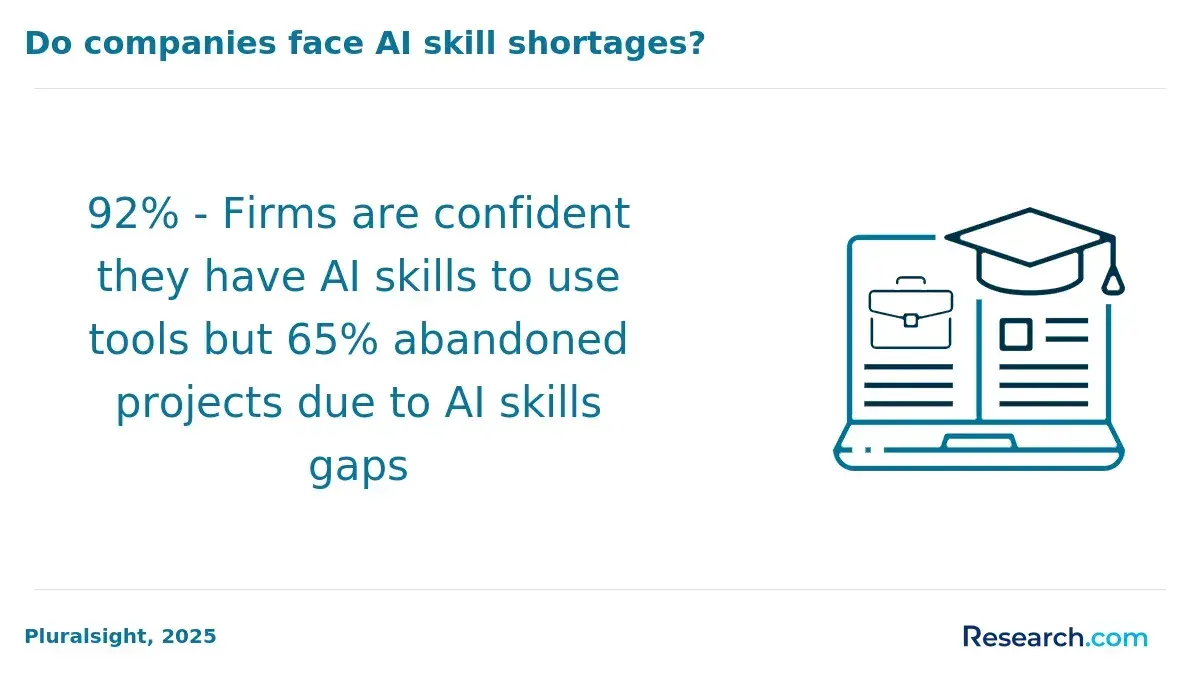
Certificates focused on ai strategy or applied ai for media professionals offer targeted learning without the time demand of full degrees. Institutions such as New York University and University of Southern California provide certificate programs addressing automation in video editing, ai-driven visual effects, and recommendation engines. These programs help close skill gaps: a McKinsey global survey found that 58% of organizations cited "lack of AI skills and expertise" as a top barrier to adoption, underscoring the need for focused training.
Bootcamps offer accelerated, practical education in ai tools relevant to video workflows. Providers like General Assembly and Springboard deliver courses combining ai strategy, computer vision, and scripting for video automation. These emphasize hands-on learning and career support for professionals eager to integrate ai innovations in media production. Choosing among degrees, certificates, or bootcamps depends on career goals: comprehensive expertise, specific skillsets, or rapid upskilling in ai applications.
What careers, roles, and advancement opportunities can AI strategy skills unlock in video production?
Skills in artificial intelligence open diverse career paths and advancement potential within video production. Professionals with AI expertise can take on roles such as AI video content strategist, data-driven creative director, and machine learning engineer focused on video analytics. These skills enable teams to optimize workflows, boost audience engagement, and achieve measurable outcomes. For example, AI video content strategists use data insights to tailor campaigns, increasing viewer retention and campaign effectiveness.
Opportunities also extend to AI-driven post-production, where specialists apply automated editing and visual effects tools to enhance efficiency and output quality. AI project managers play a crucial role by overseeing AI integration in production pipelines, becoming vital as studios adopt advanced technologies. Combining AI strategy with marketing insights can lead to positions that improve video personalization, driving higher engagement.
Proficiency in AI tools, data interpretation, and strategic implementation helps address challenges such as improving video recommendations, forecasting trends, and streamlining budgets. These capabilities enable professionals to move beyond technical roles into leadership positions guiding AI adoption and innovation, making artificial intelligence expertise a critical asset for career growth in video production.
How does AI adoption in media affect job outlook and salary potential for video professionals with AI skills?
AI adoption in media is transforming video production careers by increasing demand for professionals skilled in both traditional techniques and AI-powered workflows. Gartner's 2024 emerging tech forecast projects that by 2028, 70% of enterprise video content will be partially generated or edited using AI tools, rising sharply from under 10% in 2023. This shift highlights the importance of hybrid skills that combine creative and technical expertise.
Video professionals proficient in AI software such as Adobe Sensei or machine learning frameworks can boost production speed, enhance content quality, and offer adaptive personalization. These capabilities contribute to greater job security in a competitive market.
Salary studies show that AI-competent video producers earn between 15% and 30% more than peers without these skills, reflecting employers' willingness to invest in talent that reduces costs and optimizes workflows. Expanding expertise in AI tools also opens career pathways beyond production, such as content strategy and AI system management. Professionals without AI knowledge may face job obsolescence as industry standards rapidly evolve.
Other Things You Should Know About Artificial Intelligence
Ethical considerations in artificial intelligence for video production include ensuring transparency in AI-generated content and protecting privacy rights of individuals featured. Additionally, it's important to address potential biases in AI algorithms that could affect representation and fairness. Responsible use involves actively managing these issues to maintain trust and integrity in content creation.
This course excels for 2027 by covering the latest AI innovations affecting video production, focusing on skills in AI-driven editing tools, machine learning for enhanced storytelling, and ethical AI usage. These elements are vital for teams aiming to stay competitive and foster creativity in their projects.
Artificial intelligence streamlines the editing process by automating repetitive tasks such as color correction, scene detection, and audio enhancement. AI-powered tools can also analyze footage to suggest cuts or edits based on content and style preferences. This reduces manual labor, allowing editors to focus on creative decisions and storytelling.
Future trends include increased use of real-time AI-driven content personalization and advanced deepfake technologies for creative storytelling. Enhanced natural language processing will enable voice-controlled editing and collaboration tools. Additionally, developments in AI-driven analytics will improve audience targeting and effectiveness of video campaigns.
References
- Best AI Courses in Germany 2026 – Bootcamps, Funding & Career Paths https://www.wbscodingschool.com/blog/blog-best-ai-courses/
- Analytics and AI for Strategic Management - Kurs på masternivå https://www.bi.no/en/programmes-and-individual-courses/courses/master-programmes/analytics-and-ai-for-strategic-management/
- Learn AI Video Creation & Generative AI https://academy.runwayml.com/
- Future-proof your career: 5 skills you need to stay relevant in the age of AI | Multiverse https://www.multiverse.io/blog/future-proof-your-career-ai
- B.Tech in AI Course: Eligibility, Fees, Admission & Career https://manavrachna.edu.in/blog/btech-ai-course-eligibility-fees-admission-career
- University Degree vs AI Bootcamp: Which is Best Career Path? https://agilefever.com/university-degree-vs-ai-bootcamp-which-is-best/
- The Impact of AI on Job Roles, Workforce, and Employment: What You Need to Know | Innopharma Education https://www.innopharmaeducation.com/blog/the-impact-of-ai-on-job-roles-workforce-and-employment-what-you-need-to-know
- The New Creative Roles Demanded by AI | Raindance https://raindance.org/new-creative-roles-demanded-by-ai/
- The Ultimate Guide to AI for Video Editors and Producers: Enhancing Your Video Production Workflow - Global Talent Co. https://globaltalent.co/the-ultimate-guide-to-ai-for-video-editors-and-producers-enhancing-your-video-production-workflow/
- Best AI Video Platforms for E-Learning (Tested Guide + Real Use Cases + ROI Insights 2026) - Leadde Blog https://leadde.ai/blog/best-ai-video-platforms-e-learning