2027 Best AI Courses for Merchandising Teams

Co-Founder and Chief Data Scientist
Merchandising teams often face challenges in accurately predicting consumer demand and optimizing inventory without advanced data insights. Traditional methods struggle to keep pace with changing market dynamics, leading to missed sales opportunities and excess stock. Adopting AI skills can transform these processes, empowering teams to analyze trends and automate decision-making with precision.
This article explores top courses designed to equip merchandising professionals with practical AI knowledge and tools. It aims to guide readers toward flexible, accredited programs that facilitate a successful career transition into the evolving Artificial Intelligence landscape within retail and merchandising sectors.
Key Things You Should Know
- In 2026, AI courses for merchandising teams emphasize data-driven decision making, enhancing inventory management accuracy by up to 40%, according to recent retail analytics studies.
- Top programs combine machine learning with practical skills in demand forecasting, enabling merchandising professionals to adapt quickly to market trends and consumer behavior shifts.
- Industry partnerships increasingly integrate real-world AI tools into coursework, with 73% of certified students reporting improved job placement within six months of course completion.
Advance Your Career with AI Online Courses
Artificial Intelligence: Implications for Business Strategy
This program provides an introduction to Artificial Intelligence and their implications for business strategy. Earn an official digital certificate.

Oxford Artificial Intelligence Programme
Explore this Oxford Artificial Intelligence programme offered in a flexible learning environment and explore topics like machine learning, automation, and robotics.

Implementing Agentic AI: Building Your Organizational Playbook
This online MIT Agentic AI course offers a practical approach to deploying AI agents in your organization, including a custom playbook. 3 weeks, exclusive launch price.

AI Adoption: Driving Business Value and Impact
This online MIT AI Adoption: Driving Business Value and Impact offers practical frameworks to close the gap between AI potential and business reality.

Artificial Intelligence in Pharma and Biotech
Discover the applications and limitations of artificial intelligence in pharma and biotech with this MIT online short course.

What are the best AI courses for merchandising teams?
The best AI training courses for merchandising teams emphasize practical skills directly impacting inventory optimization, demand forecasting, and personalized customer experiences. These top AI programs for retail merchandising professionals blend data science fundamentals with retail-specific case studies, enabling teams to apply machine learning to real-world merchandising challenges. Key topics include predictive analytics, natural language processing for product descriptions, and computer vision for inventory management.
Courses that improve supply chain efficiency often cover AI-driven demand forecasting models like time series analysis and reinforcement learning. Training on tools for visual merchandising, such as automated image tagging and shelf layout optimization, addresses common challenges in retail environments.
Highly rated certification programs, including Coursera's "AI for Everyone" by Andrew Ng and specialized retail analytics modules from platforms like edX and Udacity, offer a mix of video lectures, hands-on projects, and data challenges tailored to merchandising contexts. In 2024, 82% of retail leaders planned to increase investments in AI for merchandising and supply chain within 18 months, underscoring the urgency for teams to upskill effectively.
When choosing courses, merchandising professionals should prioritize practical case studies, hands-on exercises with AI tools for retail analytics, and a balance between technical methods and business strategies. Those interested in broadening their foundation may also explore reputable data science degrees to complement their AI knowledge.
- Practical case studies related to retail product assortments and inventory management
- Hands-on exercises with AI tools commonly used in retail analytics
- Balance between technical AI methods and business strategy applications
Such training empowers merchandising teams to make data-driven decisions with greater accuracy and efficiency, preparing them to meet evolving retail demands.
Advance Your Career with AI Online Courses
Artificial Intelligence: Implications for Business Strategy
This program provides an introduction to Artificial Intelligence and their implications for business strategy. Earn an official digital certificate.
Oxford Artificial Intelligence Programme
Explore this Oxford Artificial Intelligence programme offered in a flexible learning environment and explore topics like machine learning, automation, and robotics.
Implementing Agentic AI: Building Your Organizational Playbook
This online MIT Agentic AI course offers a practical approach to deploying AI agents in your organization, including a custom playbook. 3 weeks, exclusive launch price.
What skills do merchandising teams need for AI?
Merchandising teams need a strong blend of technical and analytical skills to harness artificial intelligence capabilities needed in merchandising roles effectively. Key competencies include data literacy, which allows professionals to analyze large datasets from AI tools used in demand forecasting, inventory management, and trend analysis. A solid understanding of machine learning concepts helps teams grasp predictive algorithms that influence purchasing and pricing strategies.
Proficiency with AI-powered analytics dashboards and retail planning software enhances workflow efficiency. Teams must also learn to configure AI models tailored to specific retail categories, such as tweaking demand forecasting parameters for seasonal versus everyday items. This adaptability improves the accuracy and relevance of AI applications in merchandising.
Strong interpretation and decision-making skills remain essential, as AI outputs must be critically evaluated and integrated with market knowledge and supplier insights. Communication skills support cross-departmental collaboration, translating AI insights from data scientists into actionable business strategies for sales and supply chain teams.
The demand for skills for merchandising teams using artificial intelligence is rapidly increasing. LinkedIn Economic Graph data from "Global AI Skills in the Workforce 2025" reports a 214% surge in AI-related job postings in merchandising and retail planning between January 2023 and December 2024. Developing expertise in AI tool management and strategic application is vital for career growth.
For those considering advancement, pursuing the cheapest online masters in artificial intelligence offers an accessible path to building these in-demand skills.
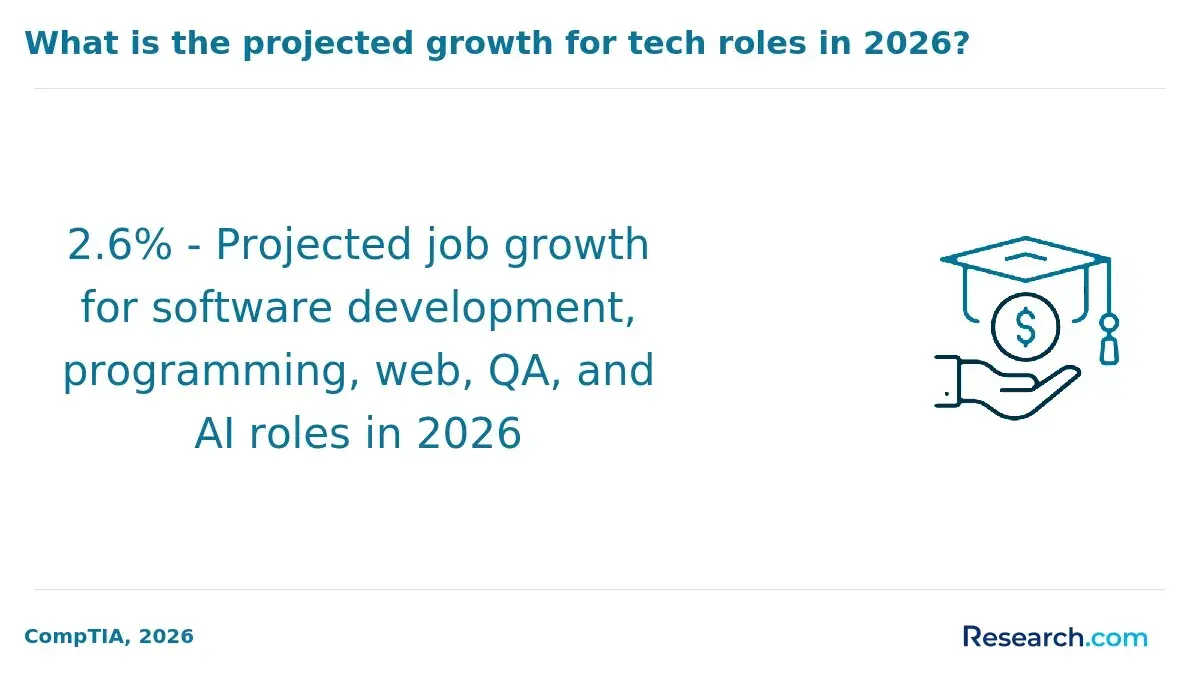
How do online and in-person AI courses compare?
Online AI courses offer merchandising teams flexible scheduling, enabling learners to balance training with ongoing work demands. This flexibility is valuable for professionals seeking to integrate AI skills without disrupting daily operations. Self-paced modules allow repeated review of complex topics such as demand forecasting or customer behavior analysis using AI.
However, these courses can fall short in providing immediate, personalized feedback and networking opportunities. Comparing learning outcomes of face-to-face and online artificial intelligence courses for merchandising teams reveals that in-person options enhance engagement through direct interaction with instructors and peers. These sessions support hands-on learning, real-time problem solving, and collaborative projects tailored to inventory optimization or personalized marketing challenges.
Cost and accessibility are crucial factors for merchandising professionals. Online courses generally have lower fees and remove geographic barriers, broadening access to AI education. In-person courses often demand higher fees and travel but deliver deeper engagement and accountability.
Companies that implement structured AI training for non-technical staff are 3.5 times more likely to see significant productivity gains, according to the McKinsey Global Survey on AI. Hybrid approaches that combine flexible online learning with focused in-person workshops appear to best optimize results.
For teams exploring training in related fields, a game development online degree can offer similar flexibility and in-demand skills, available through various accredited programs.
What topics do AI merchandising courses cover?
AI merchandising courses focus on advanced machine learning techniques for retail merchandising by covering essential topics such as predictive modeling to forecast sales trends and customer demand. Key areas include data preprocessing for handling large merchandising datasets, allowing accurate analysis necessary for effective decision-making.
These courses also delve into demand forecasting algorithms like time-series analysis and regression models tailored to merchandising contexts. Inventory optimization is another major subject, teaching AI-driven methods to balance stock levels, reduce waste, and improve turnover rates, thereby addressing issues like excess inventory and stockouts common in retail operations.
Students gain insight into customer behavior analysis using AI to segment shoppers and personalize offers, enhancing merchandising strategies. Visual merchandising training incorporates computer vision techniques for analyzing shelf layouts and optimizing product placement based on shopper engagement. Natural language processing is also included to extract insights from customer reviews and social media regarding product performance.
Practical training with tools such as Python, TensorFlow, and retail-specific AI software ensures real-world model implementation. Ethical considerations and data privacy are integral components, ensuring adherence to legal standards. Organizations that ran AI bootcamps lasting 8-12 weeks for commercial teams reported a 12-15% improvement in merchandising forecast accuracy within six months (BCG, "Upskilling for AI at Scale in Consumer & Retail," 2024).
For professionals seeking advanced education that combines AI applications in merchandising strategies and data science, pursuing an online doctorate data science degree can further enhance expertise and career opportunities.
What are the admission requirements for AI courses?
Admission to AI courses designed for merchandising professionals often requires a bachelor's degree in business, marketing, computer science, or related fields. Many university executive programs and certifications also expect applicants to have three to five years of experience in merchandising or retail management to ensure industry relevance.
Foundational skills in data analytics or programming-such as Python, SQL, and statistics-are increasingly essential, often demonstrated through prior coursework or assessments.
Applicants typically submit a formal application including a resume, statements of purpose, and recommendation letters that highlight leadership in merchandising projects or teams incorporating AI-driven decisions. Some online courses offer preparatory modules to help candidates build technical skills if needed.
Among retail companies with leaders enrolled in university-led AI executive programs, 68% reported scaling at least one AI merchandising use case enterprise-wide within a year, compared to 29% without such programs (Deloitte, "AI Leadership in Consumer Industries" 2024 report). This data emphasizes the advantage of combining technical proficiency with practical merchandising experience to leverage AI effectively.
For those interested in advancing their career, meeting these admission requirements ensures better preparation and access to strategic AI applications in retail. Prospective students should carefully review program prerequisites to align their background and improve chances of acceptance into impactful AI merchandising courses.
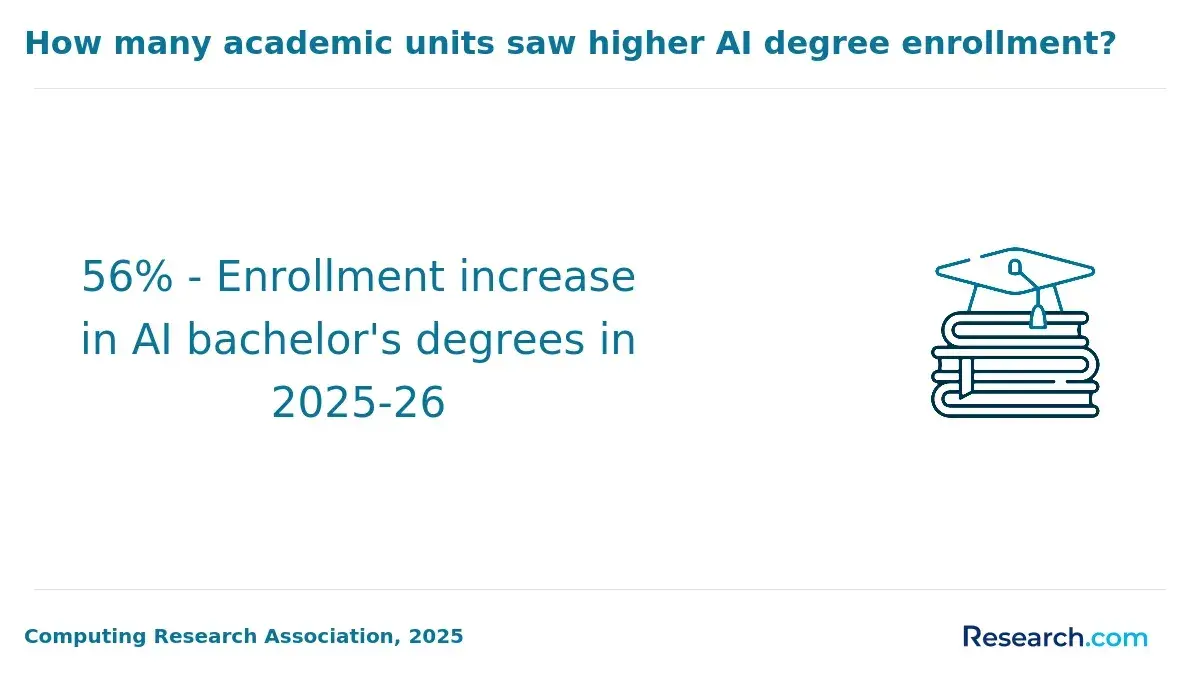
How long do AI courses for merchandising teams take?
AI courses designed for merchandising teams typically range from short, intensive workshops lasting a few days to comprehensive programs that span several months. Most introductory to intermediate courses last 4 to 12 weeks, with a weekly time commitment of 3 to 6 hours. This timeframe allows learners to grasp essential AI topics such as predictive analytics, demand forecasting, and inventory optimization relevant to merchandising roles.
Shorter bootcamps or micro-courses, often completed within a month, focus on practical skills. These formats enable professionals to quickly apply AI tools to real-world merchandising datasets and are ideal for teams seeking immediate upskilling without disrupting daily operations.
On the other hand, extended programs, sometimes part of professional certifications, can last 3 to 6 months. They dive deeper into advanced subjects like machine learning model deployment and automated pricing strategies.
When choosing course length, consider your current expertise and job responsibilities:
- Experienced data analysts might prefer longer programs emphasizing algorithm development.
- Marketing or supply chain team members might find shorter courses sufficient to boost AI literacy for better decision-making.
The return on investment is significant. According to the Coursera Global Skills Report 2024, professionals with online AI micro-credentials experienced a median salary increase of 27% within 12 months-more than double the 11% increase reported by those with non-AI credentials.
How much do AI merchandising courses cost?
AI merchandising courses vary widely in cost based on format, provider, and content depth. Self-paced online options typically range from $200 to $1,500, with specialized modules on AI-driven demand forecasting or pricing optimization included. More comprehensive certification programs from established platforms or universities often cost between $2,000 and $7,000, offering deeper curriculum and instructor support.
Corporate or enterprise training packages command higher prices, usually from $10,000 to over $50,000. These packages often combine internal coaching with external expert sessions tailored to merchandising teams. Retailers combining internal AI academies with external courses achieved a 2.4x higher return on AI investments compared to relying only on vendors, according to Accenture's 2024 analysis.
Additional costs might involve software licenses, data fees, or certification exam charges. Free or low-cost introductory courses provide foundational knowledge but often lack depth in merchandising-specific AI applications. Prospective learners should seek programs including hands-on projects, real-world case studies, or integration with retail software systems for practical value.
Those aiming for leadership roles in AI merchandising should budget for multilayered learning paths that blend theory, practice, and ongoing support to remain competitive in this evolving field.
Which certifications help merchandising professionals?
Certifications that integrate artificial intelligence into merchandising equip professionals with practical skills in inventory management, demand forecasting, and personalized marketing. Programs like the Certified AI Practitioner and AI for retail analytics emphasize data-driven decision-making and automation techniques. These credentials enable merchandising teams to apply machine learning models to optimize stock levels and improve customer targeting.
Additional certificates in machine learning fundamentals and AI integration within supply chains enhance the ability to implement predictive analytics. This leads to more efficient purchasing and product allocation, reducing issues such as overstocks and stockouts across retail channels.
Retail and CPG companies investing at least 0.5% of their annual payroll in AI upskilling report a remarkable 4.2x increase in productivity and revenue impact within two years, according to research by the World Economic Forum and PwC. This highlights the tangible benefits of AI certifications for merchandising staff.
Key practical benefits include:
- Enhancing assortment planning with AI-enabled tools that align with consumer demand
- Utilizing AI-powered recommendation engines to increase conversion rates
- Applying natural language processing for customer sentiment analysis to refine merchandising strategies
Merchandising professionals aiming to stay competitive should focus on certifications that blend AI technical expertise with retail-specific applications, ultimately driving efficiency and revenue growth.
What jobs use AI in merchandising?
Jobs utilizing artificial intelligence in merchandising cover key roles that enhance retail efficiency and customer satisfaction. Merchandising analysts apply AI-powered data analytics and machine learning models to forecast demand, optimize inventory, and improve product assortment. These methods help predict which products are most likely to succeed in different markets and seasons, reducing overstock and lost sales.
Category managers leverage AI pricing algorithms to set dynamic prices that boost sales and profits while minimizing markdowns. Visual merchandisers use AI image recognition technology to evaluate shopper responses to store layouts and displays, enabling real-time adjustments to improve presentation strategies. Supply chain planners benefit from AI by synchronizing stock across locations, enhancing delivery timing, and reducing shortages.
Customer insights specialists analyze purchasing trends and feedback with AI tools to refine merchandise selection according to evolving consumer tastes. According to McKinsey's Merchandising in the Age of AI, retailers adopting AI-driven merchandising saw a 6-10% rise in full-price sell-through and a reduction of markdowns by up to 25% in 12-18 months.
Success in these roles depends on AI literacy, data analysis skills, and retail knowledge. Prospective students should focus on courses covering data analytics, AI fundamentals, and retail applications to prepare effectively for this growing field.
What salary and job outlook apply to AI merchandising roles?
AI merchandising roles in the U.S. offer salaries typically ranging from $80,000 to $140,000 annually based on experience, company size, and location. Entry-level positions usually start near $80,000, while professionals with advanced AI skills and merchandising expertise can earn upwards of $130,000. Specialized positions such as AI product merchandisers or AI strategy leads may command salaries exceeding $150,000, especially in competitive markets.
The demand for AI merchandising specialists is growing, fueled by retailers and e-commerce platforms using AI to enhance product placement, customer personalization, and inventory management. The IBM Global AI Adoption Index 2025 highlights that companies investing in continuous AI training-at least 40 hours annually per employee-are 2.7 times more likely to achieve superior revenue growth and cost savings.
Key growth areas include AI-driven data analysis, automated pricing algorithms, and real-time trend forecasting. Employers favor candidates who combine AI knowledge with hands-on merchandising experience or relevant certifications. Professionals can boost earning potential by pursuing ongoing AI education, staying updated on advanced tools, and demonstrating measurable impacts on sales and operational efficiency.
Successful career development in AI merchandising demands consistent skill enhancement. Companies prioritizing continuous AI learning tend to offer greater career stability and advancement opportunities for those committed to evolving their expertise within this dynamic field.
Other Things You Should Know About Artificial Intelligence
Artificial intelligence enhances decision-making in merchandising by analyzing vast amounts of data to identify customer preferences, optimize inventory levels, and forecast trends. It enables merchandising teams to make data-driven choices quickly, reducing human error and improving the accuracy of product assortments.
In 2027, top online AI courses for merchandising teams include Coursera's "AI for Merchandising" offered by leading universities, and Udacity's "AI for Business Leaders." These courses focus on applying AI tools for inventory management, pricing strategies, and enhancing customer experiences.
Yes, many artificial intelligence tools are designed to integrate smoothly with existing merchandising and enterprise resource planning (ERP) software. This integration helps streamline workflows by automating tasks such as demand forecasting, pricing optimization, and customer segmentation without requiring a complete overhaul of current systems.
Common challenges include the need for high-quality and relevant data, the complexity of AI system integration, and resistance to change within teams. Additionally, training staff to interpret AI-generated insights correctly and maintaining system accuracy over time require ongoing effort and investment.
References
- Eligibility Criteria for AI Courses in Germany https://www.yesgermany.com/eligibility-criteria-for-ai-courses-in-germany/
- How Long Does It Take to Learn AI Completely? https://blog.nobledesktop.com/learn/ai/how-long-do-ai-courses-take
- Merchandising Manager Certifications: Best Credentials to Advance Your Career | Teal https://www.tealhq.com/career-paths/merchandising-manager-certifications
- Gen AI In Retail Certification https://www.scu.edu/business/retail-management-institute/gen-ai-in-retail-certification/
- How AI is Reshaping the Job Market: Impacts, Opportunities, and the Role of Digital Education - Logiscool Netherlands https://www.logiscool.com/en-nl/blog/coding-tech/ai-impact-on-jobs
- Merchandising in the era of artificial intelligence (AI) https://www.algolia.com/resources/asset/ebook-merchandising-ai-era
- The Merchandiser Reimagined: How AI Is Changing the Role | Bloomreach https://www.bloomreach.com/en/blog/merchandiser-reimagined-how-ai-is-changing-the-role
- AI Merchandising in Retail: How-Tos, Best Practices and Examples https://magazine.iwd.io/ai-merchandising-in-retail-how-tos-best-practices-and-examples
- Top AI Courses After 12th to Kickstart Your Tech Career https://www.msruas.ac.in/blog/lead-the-future-of-artificial-intelligence-with-top-ai-courses-after-12th
- Basics of Visual Merchandising in Retail Free Course | Great Learning https://www.mygreatlearning.com/academy/learn-for-free/courses/basics-of-visual-merchandising-in-retail