2027 Best AI Governance Courses for Healthcare Transformation Leaders

Co-Founder and Chief Data Scientist
Healthcare leaders face critical challenges integrating artificial intelligence tools responsibly amid strict regulatory environments and ethical concerns. Missteps in governance can lead to compliance risks, patient safety issues, and public mistrust. Navigating these complexities requires knowledge of policy frameworks, risk management, and transparent AI deployment strategies.
Many professionals seek flexible, credible education paths that bridge healthcare experience with emerging AI governance expertise. This article explores top courses tailored for healthcare transformation leaders aiming to master AI governance, ensuring they can lead ethical, effective AI initiatives that align with industry standards and accelerate innovation safely.
Key Things You Should Know
- Healthcare AI governance courses in 2026 emphasize ethics, data privacy, and regulatory compliance, essential for managing AI tools that affect patient outcomes and safety.
- By 2025, over 70% of healthcare organizations report increased reliance on AI, making governance expertise critical for leaders overseeing AI-driven transformation.
- Top programs integrate practical case studies with evolving FDA and HIPAA guidelines to prepare professionals for real-world challenges in AI healthcare deployment.
Advance Your Career with AI Online Courses
Artificial Intelligence: Implications for Business Strategy
This program provides an introduction to Artificial Intelligence and their implications for business strategy. Earn an official digital certificate.

Oxford Artificial Intelligence Programme
Explore this Oxford Artificial Intelligence programme offered in a flexible learning environment and explore topics like machine learning, automation, and robotics.

Implementing Agentic AI: Building Your Organizational Playbook
This online MIT Agentic AI course offers a practical approach to deploying AI agents in your organization, including a custom playbook. 3 weeks, exclusive launch price.

AI Adoption: Driving Business Value and Impact
This online MIT AI Adoption: Driving Business Value and Impact offers practical frameworks to close the gap between AI potential and business reality.

Artificial Intelligence in Pharma and Biotech
Discover the applications and limitations of artificial intelligence in pharma and biotech with this MIT online short course.

What is AI governance in healthcare and why should transformation leaders study it?
AI governance frameworks for healthcare leaders involve setting policies that ensure ethical, legal, and operational oversight of AI technologies within health systems. This governance is especially crucial as transformation leaders seek to implement AI safely, addressing concerns like data privacy, algorithmic bias, patient safety, and regulatory compliance. A key part of governance is establishing protocols to monitor AI decision-making accuracy to reduce diagnostic errors or unintended biases in care delivery.
The importance of AI governance in healthcare transformation is highlighted by the World Health Organization's 2024 Global Report on AI in Health, which shows more than 70% of surveyed health ministries plan to expand AI tools nationally by 2030. Yet, fewer than 20% have comprehensive governance frameworks, leaving systems vulnerable to operational and ethical risks.
Healthcare leaders developing expertise in AI governance should focus on:
- Designing multidisciplinary governance models that include clinicians, data scientists, and ethicists.
- Ensuring transparency and explainability of AI algorithms in patient care.
- Implementing risk management strategies encompassing cybersecurity and data protection.
- Navigating changing regulatory and compliance landscapes.
- Promoting equitable AI deployment to prevent disparities in health outcomes.
These skills support digital transformation initiatives while maintaining patient trust and aligning with public health priorities. Professionals interested in advancing in this field can explore roles with competitive applied artificial intelligence salary prospects through specialized education and training.
Advance Your Career with AI Online Courses
Artificial Intelligence: Implications for Business Strategy
This program provides an introduction to Artificial Intelligence and their implications for business strategy. Earn an official digital certificate.
Oxford Artificial Intelligence Programme
Explore this Oxford Artificial Intelligence programme offered in a flexible learning environment and explore topics like machine learning, automation, and robotics.
Implementing Agentic AI: Building Your Organizational Playbook
This online MIT Agentic AI course offers a practical approach to deploying AI agents in your organization, including a custom playbook. 3 weeks, exclusive launch price.
What types of AI governance courses are best for healthcare transformation leaders?
Healthcare transformation leaders benefit most from AI governance certification programs for healthcare leaders that combine regulatory compliance, ethical frameworks, and practical implementation strategies tailored to clinical environments. Effective training covers data privacy laws such as HIPAA, bias mitigation in AI algorithms, and risk management focused on patient safety. A deep understanding of accountability and transparency frameworks is essential to ensure responsible deployment of AI systems within hospitals and healthcare networks.
Programs blending healthcare, data science, and policy prepare leaders to navigate the complexities of AI-driven decision-making. Courses with case studies on electronic health record integration or predictive analytics oversight show how governance principles apply in practical settings. Healthcare transformation and ethical AI training courses that emphasize stakeholder communication equip leaders to advocate for patient-centered AI while managing vendor relationships and compliance audits.
The growing need for AI governance experts in healthcare aligns with market forecasts predicting the global healthcare AI market will reach $208.2 billion by 2030, expanding at a 38.5% compound annual growth rate from 2024 to 2030. This surge highlights the importance of specialized education for professionals overseeing safe, ethical, and compliant AI tools in dynamic medical settings.
Healthcare leaders should seek courses offering:
- Clear instruction on federal and state healthcare regulations impacting AI.
- Training in ethical AI deployment and bias detection.
- Hands-on learning about AI system validation and monitoring.
- Strategies for interprofessional collaboration and governance policy development.
- Insights into emerging AI technologies and their risks in clinical practice.
Prospective students interested in advancing their careers may explore online degrees in AI that enhance their expertise in these crucial areas.
How do you choose the best AI governance course or certificate for healthcare?
Choosing the best AI governance certification for healthcare leaders means focusing on programs addressing healthcare-specific challenges such as data privacy, regulatory compliance, and ethical frameworks. Courses combining technical AI knowledge with healthcare policy and law, especially those covering HIPAA regulations or FDA guidance on AI medical devices, provide valuable practical insights.
Key factors for evaluating AI governance courses in healthcare transformation also include the credentials and healthcare industry experience of instructors, with a preference for those affiliated with recognized institutions or research centers to enhance content quality and networking.
Format and duration should align with your professional schedule-executive or part-time certifications suit working professionals, while full-time courses may benefit recent graduates. Hands-on projects or capstones featuring healthcare datasets or simulated AI governance scenarios are essential to develop applied skills. Career impact is critical: U.S. hospital executives overseeing AI command median total cash compensation of $512,000, 30-40% higher than peers lacking digital expertise.
Selecting a credential that boosts qualifications in AI governance supports access to leadership roles. Long-term value requires certificates recognized by healthcare and AI governance bodies or offering continuing education credits for professional licensure. For those aiming to deepen data science expertise in healthcare AI, exploring the best online MS in data science programs can be a strategic next step.
What are the admission requirements for AI governance programs focused on healthcare?
Admission requirements for AI governance healthcare programs often combine education, experience, and demonstrated interest in healthcare. Most candidates hold a bachelor's degree in fields such as healthcare administration, computer science, data science, or public health. More advanced tracks may require a master's degree or certifications in health informatics or regulatory compliance.
Healthcare leadership AI governance program entry criteria frequently emphasize professional experience. Applicants with 2-5 years in healthcare project management, regulatory affairs, or AI-related roles are preferred. Many programs also expect basic proficiency with data analytics tools or programming languages to prepare students for technical coursework.
Experience working in regulatory settings is highly valued, especially with institutions operating under FDA or HHS guidelines. Candidates involved in healthcare compliance committees or AI governance councils align well with program objectives. As regulatory demands grow-92% of surveyed U.S. health systems foresee increased AI-specific requirements by 2027-candidates ready to spearhead governance frameworks have a competitive edge.
Some programs request statements on familiarity with AI challenges in healthcare or ethical decision-making examples. Letters of recommendation from supervisors knowledgeable about the candidate's AI governance exposure are also common. Those exploring careers related to AI governance might benefit from learning about AI trainers as a complementary path.
How do online AI governance courses for healthcare compare to campus-based programs?
Online AI governance courses tailored for healthcare professionals offer significant flexibility and accessibility, especially for those balancing clinical or administrative duties. Unlike traditional campus-based programs, which usually require relocation and fixed schedules, online courses enable asynchronous learning. This is particularly advantageous for healthcare leaders in rural or underserved areas, supporting greater diversity in AI governance expertise.
Campus-based programs provide immersive, hands-on experiences such as workshops, simulations, and direct networking with faculty and peers. These interactions can be crucial for mastering the complex ethical and regulatory challenges associated with healthcare AI governance. However, they demand considerable time and geographic commitment, potentially limiting who can participate.
The increased adoption of AI governance structures in health systems calls for more scalable education solutions. A recent Digital Health Trends in Provider Organizations 2024 report notes that 61% of large health systems developed dedicated AI oversight committees, a dramatic rise from 29% just two years prior. This trend underscores the value of flexible online programs that can meet growing workforce demands.
Healthcare professionals considering these programs should weigh the benefits of hands-on engagement against remote learning convenience. Hybrid models that combine online coursework with in-person sessions offer promising balance. Furthermore, courses should emphasize practical skills in regulatory compliance and ethical AI deployment to prepare students for real-world challenges in healthcare transformation.
What core topics and skills do AI governance courses for healthcare typically cover?
AI governance courses in healthcare emphasize managing risks and ensuring ethical implementation of AI systems. Central topics cover risk assessment, adherence to regulatory standards, and transparency frameworks in AI decision-making. These programs highlight bias mitigation, especially given findings like those in The Lancet Digital Health, which report that 79% of clinical AI models lack external validation and 93% have not undergone prospective clinical evaluation. This underscores the need for robust governance to protect patients from poorly tested AI tools.
Core skills developed include:
- Evaluating clinical AI models for safety and effectiveness prior to deployment.
- Creating policies to safeguard data privacy, security, and informed consent.
- Applying ethical principles to monitor and reduce bias across diverse patient groups.
- Designing thorough validation protocols, including external and prospective assessments.
- Communicating AI risks and benefits clearly with healthcare teams and stakeholders.
Students also study practical standards such as the FDA's AI/ML regulatory guidance and international frameworks like ISO/IEC for AI trustworthiness. Coursework includes establishing governance committees and maintaining audit trails to document AI lifecycle performance. Real-world case studies demonstrate how insufficient validation and oversight cause errors and diminish trust.
Such training equips leaders to address challenges like algorithmic drift, unintended harm, and legal accountability, ensuring healthcare AI enhances care safely and equitably while aligning with clinical and ethical priorities.
How long do AI governance programs for healthcare take and what do they cost?
AI governance programs in healthcare vary widely in duration and depth, typically lasting from 6 weeks to 12 months. Shorter certificate courses of 6 to 12 weeks emphasize foundational principles, regulatory frameworks, and ethical concerns. More extensive programs, often part of master's degrees or executive education, span 9 to 12 months and cover risk assessment, compliance strategies, and hands-on application in clinical and administrative environments.
Costs depend on the provider and program length. Certificate options generally range from $1,500 to $3,500, suitable for professionals looking for targeted expertise. Advanced programs, including graduate certificates or master's degrees, can cost between $10,000 and $30,000. Employers may subsidize tuition given the high stakes: McKinsey & Company reports that U.S. hospitals could save $150 billion annually by 2029 through AI optimization, but risk losing up to 25% of these savings due to weak governance linked to safety failures and litigation.
When considering programs, prospective students should evaluate content coverage of healthcare compliance standards such as HIPAA, FDA oversight, and AI explainability. Programs featuring practical case studies and risk management frameworks effectively connect theory to real-world challenges. Courses with project-based learning and leadership training prepare individuals to tackle complex governance issues impacting patient safety and organizational ROI.
Which accreditations and industry standards matter for AI governance education in healthcare?
Accreditations from leading organizations play a crucial role in credible AI governance education for healthcare professionals. Certifications from the American Medical Informatics Association (AMIA), the Healthcare Information and Management Systems Society (HIMSS), and compliance with ISO/IEC standards like ISO/IEC 22989 ensure curriculum coverage of essential subjects such as ethical AI deployment, bias reduction, data privacy, and regulatory compliance.
Courses that incorporate frameworks from the U.S. Food and Drug Administration (FDA), including Good Machine Learning Practices (GMLP), prepare learners to safely evaluate and deploy AI software as a medical device. Additionally, programs referencing Health Level Seven International (HL7) guidelines demonstrate practical governance approaches for managing AI interoperability within healthcare's complex data systems.
Hands-on training in regulatory strategy, risk assessment, and ethical frameworks tailored to healthcare is critical to closing this skills gap. Specialized certifications, such as Certified Health Data Analyst programs with AI governance modules and HIMSS credentials focusing on AI ethics and compliance, provide measurable competency evidence. Prioritizing programs with these accreditations enables healthcare leaders to address workforce readiness gaps and foster safe, ethical AI integration in clinical environments.
What healthcare leadership roles and career paths can AI governance training support?
AI governance training plays a crucial role in equipping healthcare leaders with the knowledge to ethically and effectively integrate AI technologies. Key professionals benefiting from this education include chief medical officers and clinical directors responsible for patient safety while implementing AI diagnostic tools. Health informatics leaders and chief data officers need expertise in responsible AI use to safeguard data privacy and promote algorithmic fairness across healthcare systems.
Program managers and healthcare project leaders gain governance skills to ensure compliance with regulatory standards and institutional policies. Compliance officers and risk managers apply this training to assess AI systems for bias, transparency, and potential risks, helping protect their organizations from legal and reputational challenges. Healthcare policy advisors and regulatory affairs specialists also rely on governance knowledge to develop balanced AI policies that foster innovation without compromising public trust.
The demand for AI governance expertise in healthcare leadership has surged dramatically. Between 2020 and 2024, executive and professional courses focusing on AI governance, ethics, or responsible AI increased by over 300%, from fewer than 10 to more than 40 programs worldwide, according to an Emeritus 2024 AI Leadership Education Outlook.
What salary ranges and job outlook can AI governance experts expect in healthcare?
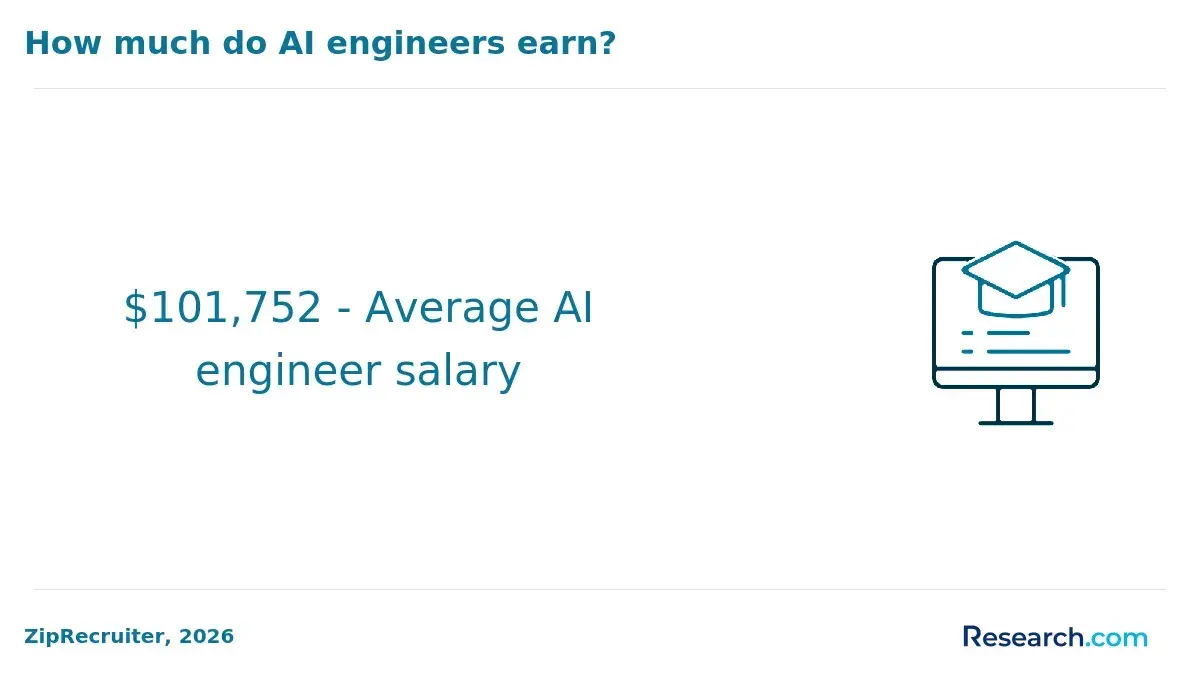
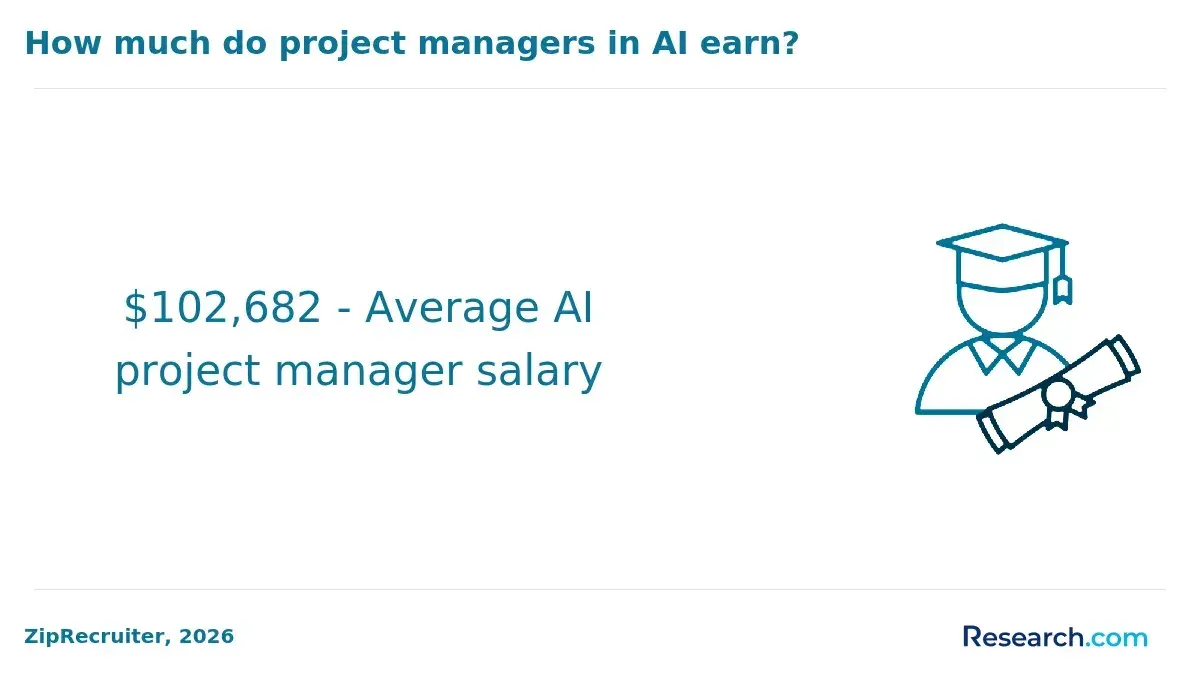
AI governance experts in healthcare are seeing strong salary prospects and growing demand as organizations adopt advanced AI technologies. Entry-level roles start around $90,000 annually, while mid-career professionals typically earn between $120,000 and $160,000. Senior positions, such as director-level or chief AI ethics officers, often command salaries exceeding $200,000 due to the critical responsibility of managing AI risks and regulatory compliance in healthcare.
The Bureau of Labor Statistics projects healthcare management roles to grow faster than average through 2030, emphasizing sustained opportunities in AI governance. Expertise in data privacy, AI ethics, and regulatory compliance increasingly influences salary levels.
Compensation varies by employer type and location. Large academic medical centers and urban tech hubs generally offer higher pay than smaller providers or public agencies. Contract and consulting roles can supplement income, with specialists earning $150 to $300 per hour for AI governance consulting.
Targeted executive education enhances career competitiveness. Programs from institutions such as Stanford, Harvard, and MIT range from $4,000 to $8,000, far below the average $75,000+ tuition for full-time U.S. master's degrees in health informatics or administration. These focused courses prepare professionals efficiently to secure higher-paying roles without the extensive time and cost of full degree programs.
Other Things You Should Know About Artificial Intelligence
In 2027, top AI governance courses for healthcare leaders include programs from Harvard’s Kennedy School, MIT's AI Lab, and Stanford's Center for Health Policy. These courses cover ethical frameworks, regulatory compliance, and strategic implementation of AI in healthcare systems.
AI enhances healthcare decision-making by providing data-driven insights, predictive analytics, and risk assessments. It helps healthcare leaders identify trends, optimize resource allocation, and tailor patient care plans. However, AI should complement rather than replace human clinical judgment to ensure balanced and ethical decisions.
Leaders should build competencies in data literacy, AI ethics, and change management to successfully oversee AI integration. Understanding algorithmic functionality and limitations helps guide teams in effective implementation. Communication skills are also essential to bridge gaps between technical experts and clinical staff.
Challenges include aligning AI usage with regulatory requirements, managing data quality and interoperability, and addressing workforce resistance to new technologies. Healthcare organizations also face difficulties in maintaining transparency and ensuring continuous monitoring of AI system performance. Overcoming these hurdles requires robust governance frameworks and ongoing stakeholder engagement.
References
- Salary and Jobs Report 2025-26: Privacy, AI Governance and Digital Responsibility | IAPP https://iapp.org/resources/article/salary-survey-summary
- AI Governance Recruitment: A 2025 Career Guide https://www.peopleinai.com/blog/ai-governance-recruitment-guide
- AI Governance Micro-Credential https://www.hfma.org/education-events/micro-credentialing/ai-governance-micro-credential/
- Leadership for AI Transformation in Health Care Organization: Scoping Review https://www.jmir.org/2024/1/e54556/
- Healthcare AI Governance Certification | ALIGNMT AI https://www.alignmt.ai/services/healthcare-ai-governance-certification
- Top 5 AI Governance Certification Programs and How to Choose the Right One - AI Governance Library, Articles, Ressources https://aigouvernance.com/top-5-ai-governance-certification-programs/
- Appendix I — Career Pathways in Public Health AI – The Public Health AI Handbook https://publichealthaihandbook.com/appendices/career-guide.html
- AI Governance: Maximizing Benefit and Minimizing Harm for Patients, Providers, and Health Systems https://www.ihi.org/library/blog/ai-governance-maximizing-benefit-and-minimizing-harm-patients-providers-and-health
- AI Governance in Healthcare: Policies, Controls & Compliance - Securiti https://securiti.ai/ai-governance-in-healthcare/
- How to Get Your First AI Governance Job: A Career Guide https://governance.aicareer.pro/blog/landing-your-first-job-in-ai-governance