2027 Best AI Policy Rollout Courses for Business Leaders

Co-Founder and Chief Data Scientist
Business leaders often struggle to create effective AI policies that balance innovation, ethics, and compliance. Without clear guidance, organizations risk regulatory penalties, reputational damage, and lost opportunities. As AI technologies rapidly evolve, understanding how to implement responsible frameworks becomes essential for sustainable growth.
This article reviews top AI policy rollout courses designed specifically for business leaders, emphasizing flexibility and accreditation. It aims to equip executives from unrelated fields with strategic insights and practical skills to lead AI-driven initiatives confidently and ethically within their organizations.
Key Things You Should Know
- Business leaders increasingly prioritize AI policy courses, with 62% of firms in 2025 integrating AI governance training to manage ethical and operational risks effectively.
- Top courses emphasize compliance with evolving US regulations, focusing on transparency, data privacy, and risk mitigation amid rapid AI adoption in enterprises.
- By 2026, 48% of surveyed executives report improved strategic decision-making after completing AI policy rollout training, highlighting its impact on responsible AI deployment.
Advance Your Career with AI Online Courses
Artificial Intelligence: Implications for Business Strategy
This program provides an introduction to Artificial Intelligence and their implications for business strategy. Earn an official digital certificate.

Oxford Artificial Intelligence Programme
Explore this Oxford Artificial Intelligence programme offered in a flexible learning environment and explore topics like machine learning, automation, and robotics.

Implementing Agentic AI: Building Your Organizational Playbook
This online MIT Agentic AI course offers a practical approach to deploying AI agents in your organization, including a custom playbook. 3 weeks, exclusive launch price.

AI Adoption: Driving Business Value and Impact
This online MIT AI Adoption: Driving Business Value and Impact offers practical frameworks to close the gap between AI potential and business reality.

Artificial Intelligence in Pharma and Biotech
Discover the applications and limitations of artificial intelligence in pharma and biotech with this MIT online short course.

What are the best AI policy rollout courses for business leaders and how do they work?
Leading AI policy rollout courses for business leaders focus on closing the gap between pilot projects and full enterprise integration. These programs emphasize strategic governance, change management, and ethical compliance essential for effective AI adoption. Business leaders learn to design inclusive AI policies aligned with corporate goals while ensuring regulatory transparency.
Such courses often include modules on risk assessment, stakeholder engagement, and workforce readiness, helping leadership manage organizational disruption caused by AI.
Many programs draw on case studies from sectors like finance and healthcare, showcasing solutions to technical and cultural challenges. This practical approach highlights how AI policy training programs guide business leadership through complex rollout phases.
Participants can expect a combination of synchronous workshops and asynchronous online content, fostering interactive scenario-based learning and peer collaboration. Tools for measuring rollout success and navigating compliance audits are frequently integrated, enhancing skills in policy formulation and deployment.
Key topics covered include scaling beyond pilot teams, maintaining data privacy, and ensuring equitable AI impacts across departments. Programs also teach communication strategies to gain executive buy-in and foster employee trust.
The urgent need is clear: only 14% of companies have achieved enterprise-wide AI adoption despite 79% running pilots, underscoring the execution gap (IBM Global AI Adoption Index 2024).
For prospective students seeking affordable pathways to AI expertise, exploring options like the cheapest data science masters in USA can complement AI policy education and boost career prospects.
Advance Your Career with AI Online Courses
Artificial Intelligence: Implications for Business Strategy
This program provides an introduction to Artificial Intelligence and their implications for business strategy. Earn an official digital certificate.
Oxford Artificial Intelligence Programme
Explore this Oxford Artificial Intelligence programme offered in a flexible learning environment and explore topics like machine learning, automation, and robotics.
Implementing Agentic AI: Building Your Organizational Playbook
This online MIT Agentic AI course offers a practical approach to deploying AI agents in your organization, including a custom playbook. 3 weeks, exclusive launch price.
How can AI policy rollout training help executives govern AI adoption and manage risk?
AI policy rollout training for executive governance equips leaders with the skills to manage AI adoption risks for business leaders while aligning initiatives with organizational objectives. This training helps executives develop governance frameworks that ensure transparency, ethical standards, and data privacy, addressing concerns such as bias, accountability, and compliance.
Key benefits include:
- Establishing clear protocols for AI integration
- Identifying and mitigating ethical, operational, and legal risks of AI models
- Forming cross-functional oversight committees to monitor AI outcomes
- Enhancing communication between technical teams and business units
Using case studies and scenario planning, executives learn to anticipate failure points and create contingency plans, like understanding how improper data sourcing damaged reputations in certain industries. Continual policy updates and risk audits are emphasized to adapt to evolving AI technologies and regulations.
According to the McKinsey Global Survey on AI 2024, organizations that have effectively scaled AI report a 3.5x higher ROI than those still in pilot stages, highlighting how informed governance drives better business value.
For professionals interested in expanding their technical credentials alongside governance knowledge, exploring online mechanical engineering degrees can be a valuable complement.
By mastering AI policy rollout, executives reduce uncertainties across technological, ethical, and regulatory dimensions, smoothing deployment and enhancing returns on AI initiatives.
What should business leaders look for when choosing an AI policy rollout course?
Business leaders gearing up for AI policy implementation strategies for business leaders must ensure thorough governance frameworks align with regulatory compliance and ethical standards.
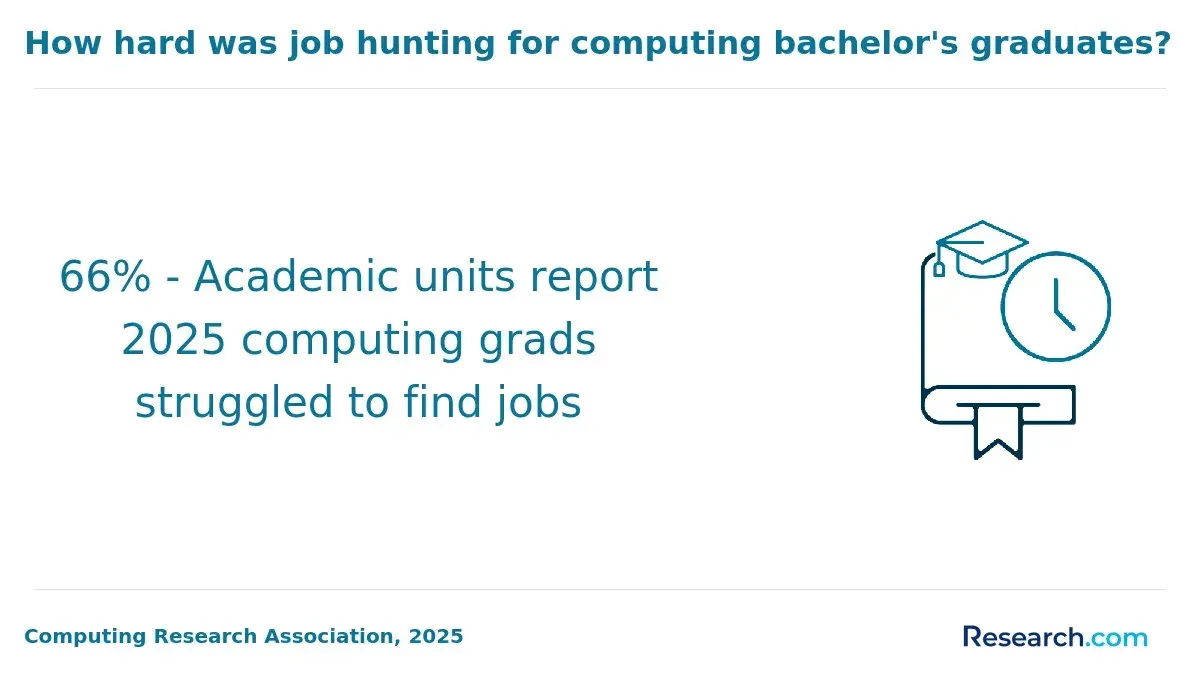
Despite 73% of organizations ranking AI risk as a top concern, only 21% of organizations have fully adopted such policies, per the WEF-EY "Global AI Governance Report" 2024. Effective leadership skills for AI policy rollout include mastering interactive approaches like auditing and monitoring AI models, beyond theoretical policy design.
Key components feature understanding data privacy laws, bias detection, and accountability in decision-making. Leaders should evaluate if courses promote cross-functional collaboration for seamless coordination between legal, technical, and operational teams.
Courses that address sector-specific challenges in finance, healthcare, or manufacturing provide valuable guidance in navigating unique industry risks.
Programs incorporating recent AI governance frameworks from standards bodies or government agencies add relevance to training. Practical skill-building in stakeholder communication, policy enforcement, and crisis response is crucial to managing AI failures effectively. Certification recognized by reputable industry or academic institutions further solidifies external validation of expertise.
Given the fast-evolving AI landscape, favor courses with updated content on emerging threats and adaptive policy mechanisms. For those interested in advancing their knowledge with related fields, consider exploring the cheapest online PhD in cyber security programs to complement your AI governance skills.
Which types of degrees, certificates, or microcredentials cover AI policy for managers?
Degrees, certificates, and microcredentials tailored for managers often emphasize AI policy, combining technology governance, ethics, and strategic leadership.
Popular programs include master's degrees in technology management, MBAs with AI governance tracks, and certificates focused on AI ethics or digital risk management. These credentials address frameworks for regulatory compliance, responsible AI deployment, and organizational change management.
Microcredentials are particularly appealing for busy professionals seeking AI policy certificate programs for business leaders. These short courses, often offered by business schools or technology institutes, highlight practical skills such as drafting AI governance protocols, managing AI-related risks, and aligning AI initiatives with business goals. Topics typically include data privacy, algorithmic bias mitigation, and the effects of public policy.
Structured change management is vital as companies adopt AI technology amid cultural and operational shifts. According to McKinsey State of AI 2024, firms integrating AI with formal change-management efforts are 1.6x more likely to gain at least 10% EBIT improvement from AI.
Degrees and microcredentials in AI governance for managers often include courses on:
- Ethical frameworks and compliance for AI implementations
- Risk assessment in AI integration
- Leadership strategies for technology-driven transformation
- Data governance and privacy laws
- Public policy and regulatory landscape affecting AI
Certificates may target niche areas like AI audit, fairness in machine learning, or AI impact assessments to support managerial decision-making. Prospective students should evaluate programs for a balanced mix of legal, technical, and managerial content. For additional related options, see cyber security courses online.
How do online AI policy rollout programs compare with campus and executive education formats?
Online AI policy rollout programs offer busy business leaders greater flexibility and accessibility compared to campus and executive education formats. These programs often feature modular content that can be completed asynchronously, allowing executives to balance learning with demanding schedules.
In contrast, campus programs typically require full-time attendance and longer commitments, which may not suit working professionals. Executive education provides immersive, in-person experiences but is often more costly and limited by time.
The practical focus of online courses addresses a significant challenge. Only 28% of non-technical leaders rate their AI literacy as "high," despite 72% of executives recognizing AI's vital role in strategy (BCG "AI Literacy Gap in Leadership" 2024).
Many online platforms include tailored case studies, interactive simulations, and real-world policy rollout scenarios to efficiently bridge this gap. Some even offer cohort-based learning and live expert sessions to foster peer interaction and networking remotely.
Campus programs excel in deep theoretical foundations and sustained mentorship but may lack the immediacy and rapid applicability executives need. Executive education blends practical workshops with peer discussions, yet participation is often limited due to higher costs and geographic constraints.
Leaders aiming for swift AI policy implementation will find online courses scalable and up-to-date with the fast-evolving AI landscape. Evaluating business needs, time availability, and budget will help determine the most suitable option.
What core topics and case studies do AI policy rollout courses typically include?
AI policy rollout courses for business leaders cover essential governance frameworks, ethical concerns, compliance rules, risk management, and change management strategies.
These programs teach how to create policies that align with corporate goals and regulatory requirements such as data privacy laws and algorithmic accountability. Leaders are trained to evaluate AI's organizational impact and establish oversight mechanisms that ensure responsible deployment.
Case studies typically focus on mitigating AI bias, promoting transparent decision-making, and managing cross-department collaboration challenges. Examples often highlight how major companies solve ethical issues in customer-facing AI applications or automate compliance processes in finance. Workforce transition management in the context of AI adoption also features prominently, balancing productivity with employee morale.
Courses emphasize stakeholder engagement and provide tools for enterprise-wide training to foster consistent policy adherence. Participants receive templates and checklists for drafting policies and auditing AI systems after deployment to identify unintended harms or performance degradation.
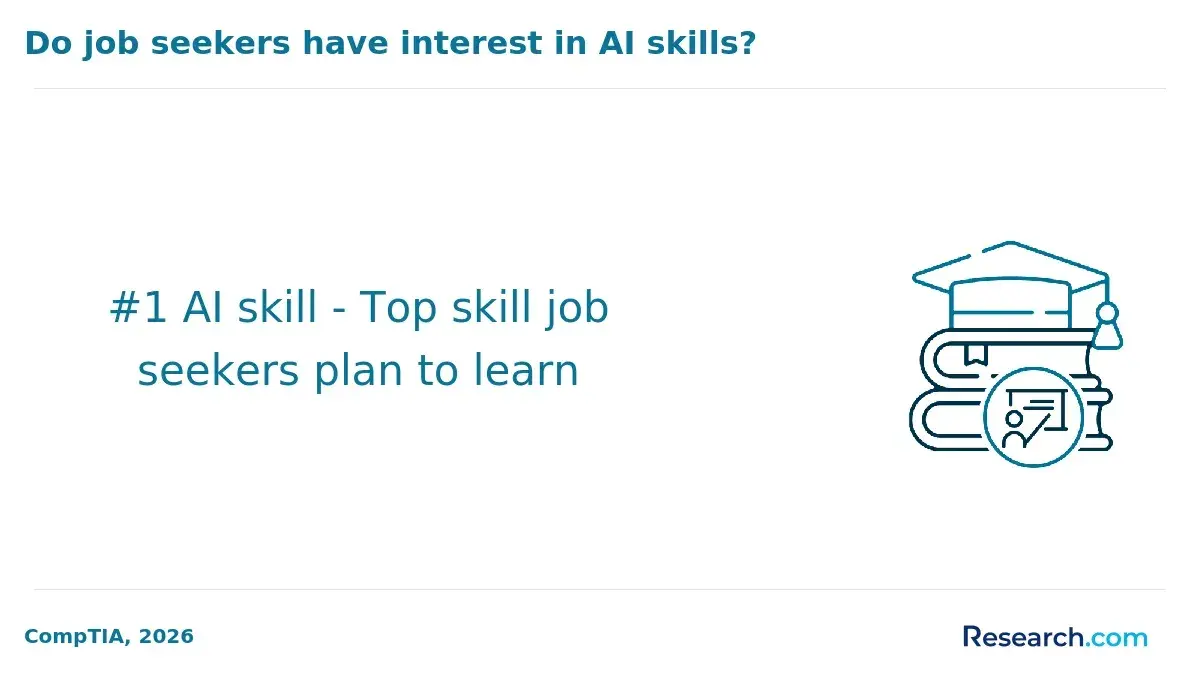
This broad curriculum reflects the urgent demand for AI governance expertise in business. Global corporate investment in AI skills and training is expected to reach $16 billion by 2027, expanding at a 38% compound annual growth rate. This trend signals the critical need for leaders to master AI policy implementation, a strategic move to protect innovation and competitive advantage in evolving markets.
What are the usual admission requirements and prior experience needed for these programs?
Admission to AI policy rollout courses typically requires an undergraduate degree in fields like business, law, computer science, public policy, or related areas.
Many programs favor candidates with two to five years of experience in regulated industries such as finance, healthcare, or technology, where compliance risks are significant. This practical knowledge helps participants better understand how to implement AI policy frameworks effectively.
A bachelor's degree from an accredited institution, with advanced degrees sometimes required for specialized tracks. Basic familiarity with AI concepts and data privacy laws, occasionally demonstrated through certifications or relevant work experience.
For executives or business leaders without technical backgrounds, preparatory modules in AI fundamentals are often available to bridge knowledge gaps. Skills in data analytics also enhance comprehension of AI policy impacts.
Applicant assessment may include the ability to analyze risk, reflecting findings from Deloitte's "Generative AI in Financial Services" 2024 report, which highlights regulatory and compliance risk as the main obstacle for 81% of financial firms deploying generative AI.
Essays on compliance experiences and recommendations from supervisors in regulated sectors further support applications by confirming firsthand exposure to ethical and regulatory challenges.
How long do AI policy rollout courses take, and what do they typically cost?
AI policy rollout courses generally span 4 to 12 weeks, varying by depth and delivery method. Shorter programs of 4-6 weeks cater to busy executives, emphasizing governance principles, risk mitigation, and compliance.
Longer courses, lasting up to 12 weeks, delve into organizational change, AI ethics, and performance measurement frameworks. Many offer asynchronous online formats for flexibility, while others use live sessions and case studies to enhance engagement.
Costs differ widely based on provider reputation and curriculum scope. Entry-level courses range from $1,000 to $3,000, while more advanced or certification-focused options can exceed $5,000 to $8,000.
Executive bootcamps and customized corporate training typically command higher prices due to personalized coaching and strategic insights.
Research from the IBM Institute for Business Value's "AI Impact Measurement" highlights that organizations tracking AI risks and performance metrics are 2.8x more likely to experience notable financial benefits. Thus, courses that integrate practical measurement tools offer superior return on investment.
What leadership roles, salaries, and career paths can AI policy training support?
AI policy expertise is essential for leadership roles such as chief data officers, compliance officers, and technology strategists. Consider their roles:
- Chief AI Ethics Officer guiding responsible AI deployment and governance.
- Regulatory Compliance Lead ensuring AI systems meet legal standards.
- AI Risk Assessment Analyst evaluating operational and security risks.
- Technology Policy Advisor crafting internal AI use policies.
These professionals govern AI deployment, develop ethical frameworks, and ensure AI initiatives support business goals responsibly. Business leaders skilled in AI policy play a vital role in protecting organizational integrity while fostering innovation.
Salaries vary by role and experience. Chief data officers typically earn $150,000 to $250,000 annually, compliance and risk managers range from $90,000 to $140,000, and mid-level AI policy specialists and consultants make between $80,000 and $120,000. Growing reliance on AI frameworks suggests upward salary potential in these fields.
Companies allocating more than 5% of digital budgets to AI are nearly twice as likely to be "AI high performers" in revenue and cost impact, according to the McKinsey Global Survey on AI 2024. This trend drives demand for leaders proficient in AI policy to balance innovation with compliance.
Are there industry standards or certifications that validate AI governance and policy skills?
Industry-recognized standards and certifications validate AI governance and policy expertise, crucial for leaders steering responsible AI strategies.
industry report highlights a sharp increase in the demand for AI skills in leadership, projecting 40% of roles requiring advanced AI abilities by 2030, up from 12% just a few years earlier.
Key certifications address ethical AI, governance frameworks, and compliance, such as:
- The Certified AI Governance Professional (CAIGP), focusing on risk management and ethical deployment.
- The Artificial Intelligence Ethics and Policy Certificate, offered by universities to equip leaders with knowledge on fairness and bias mitigation.
- The Certified Data Privacy Solutions Engineer (CDPSE), valuable for AI leaders managing data governance and privacy laws.
Standards like ISO/IEC 42001 now serve as important benchmarks, outlining processes to ensure AI use aligns with societal values and corporate accountability.
Choosing certifications combining policy insight with practical governance tools, ideally endorsed by entities such as IEEE or the International Association of Privacy Professionals (IAPP), provides measurable validation of expertise. This assurance is vital as businesses navigate complex ethical and regulatory AI challenges, making credentialed professionals highly sought after.
Other Things You Should Know About Artificial Intelligence
In 2027, courses by MIT Sloan, Stanford Online, and Harvard Business School are leading in AI policy rollout education. They cover strategic planning, ethical considerations, and regulatory compliance designed for business leaders aiming to effectively implement AI within their organizations.
Artificial intelligence policy strongly influences data governance by establishing rules for data collection, storage, and usage. Effective AI policy ensures that data used for training models is accurate, secure, and compliant with regulations such as GDPR or CCPA. This reduces risks related to data breaches, misuse, and bias in AI outputs.
Regulatory frameworks provide the legal backbone for the safe and ethical adoption of artificial intelligence technologies. They define permissible AI applications, outline compliance requirements, and set standards for transparency and accountability. Business leaders must navigate these frameworks to avoid legal penalties and build trust with stakeholders.
Artificial intelligence policy must be adaptable to keep pace with rapid technological advancements such as machine learning algorithms and neural networks. Continuous updates are required to address new ethical dilemmas, security threats, and operational challenges. Effective policy rollout includes mechanisms for review and revision to maintain relevance and effectiveness.
References
- Developing a Corporate AI Policy: Governance & Compliance | IntuitionLabs https://intuitionlabs.ai/articles/developing-corporate-ai-policy-governance-guide
- Ten steps to creating an AI policy | Corporate Governance | CGI https://www.thecorporategovernanceinstitute.com/insights/guides/creating-an-ai-policy/
- MBA resources | MBA admission requirement guide | edX https://www.edx.org/resources/how-to-meet-mba-admission-requirements-a-step-by-step-guide
- Best AI Compliance Certification Guide 2025: Compare AICP, ISO, IAPP & ISACA https://www.exin.com/article/best-ai-certification-guide-2025/
- Four AI Upskilling Strategies for Business Leaders https://www.jff.org/blog/four-ai-upskilling-strategies-business-leaders/
- Overcoming AI Regulation Complexities with Robust Governance Frameworks - ML arteka https://mobilelive.ai/blog/overcoming-ai-regulation-complexities-with-robust-governance-frameworks
- 16 Artificial Intelligence Career Paths https://www.calmu.edu/news/artificial-intelligence-career-paths