2027 Best AI Strategy Courses for Asset Management Professionals

Co-Founder and Chief Data Scientist
Asset management professionals face increasing pressure to integrate AI strategies that optimize portfolio performance while managing risk. Many lack the technical training needed to leverage these tools effectively, leading to missed opportunities and inefficient decision-making. This gap widens as AI becomes a critical driver of competitive advantage in financial markets.
This article explores top AI strategy courses designed specifically for asset management practitioners. It aims to guide professionals toward flexible, accredited programs that build relevant skills and enable a successful transition into AI-driven roles within asset management.
Key Things You Should Know
- The 2026 best AI strategy courses for asset management emphasize practical applications, incorporating machine learning models to enhance portfolio optimization and risk management.
- Industry demand for AIexpertise in asset management is growing, with over 70% of firms seeking professionals skilled in AI-driven data analytics by 2025.
- Top courses offer interdisciplinary curricula combining finance, data science, and ethics to prepare professionals for regulatory compliance and responsible AI deployment.
Advance Your Career with AI Online Courses
Artificial Intelligence: Implications for Business Strategy
This program provides an introduction to Artificial Intelligence and their implications for business strategy. Earn an official digital certificate.

Oxford Artificial Intelligence Programme
Explore this Oxford Artificial Intelligence programme offered in a flexible learning environment and explore topics like machine learning, automation, and robotics.

Implementing Agentic AI: Building Your Organizational Playbook
This online MIT Agentic AI course offers a practical approach to deploying AI agents in your organization, including a custom playbook. 3 weeks, exclusive launch price.

AI Adoption: Driving Business Value and Impact
This online MIT AI Adoption: Driving Business Value and Impact offers practical frameworks to close the gap between AI potential and business reality.

Artificial Intelligence in Pharma and Biotech
Discover the applications and limitations of artificial intelligence in pharma and biotech with this MIT online short course.

What is an AI strategy course for asset management professionals and who should consider it?
An AI strategy course for asset management professionals is designed to equip participants with skills to integrate artificial intelligence technologies into investment decision-making and portfolio management. These courses focus on applying AI tools such as machine learning, natural language processing, and data analytics to optimize asset allocation, risk assessment, and performance forecasting.
Professionals who benefit from AI strategy training in asset management include portfolio managers, financial analysts, quantitative researchers, and consultants. For example, portfolio managers aiming to improve predictive accuracy learn how AI models can detect market signals that traditional methods might miss. Risk managers also gain the ability to use AI-driven scenario analysis and stress testing techniques.
These courses are valuable for early-career specialists and graduates aspiring to break into asset management roles emphasizing data-driven decisions. They are particularly relevant for those managing large, complex datasets and integrating alternative data sources such as social media sentiment or satellite imagery.
A 2025 CFA Institute report reveals that 77% of investment professionals expect AI and big data to have a "high" or "very high" impact on portfolio managers' roles over the next 5-10 years, highlighting the urgency for asset managers to become fluent in AI to improve decision quality and client outcomes.
Key challenges addressed include adapting legacy workflows, selecting suitable AI tools, interpreting AI outputs with expertise, and aligning AI initiatives with ethical and regulatory standards. Aspiring professionals interested in AI and finance can explore related programs ranked in the data science major ranking.
Advance Your Career with AI Online Courses
Artificial Intelligence: Implications for Business Strategy
This program provides an introduction to Artificial Intelligence and their implications for business strategy. Earn an official digital certificate.
Oxford Artificial Intelligence Programme
Explore this Oxford Artificial Intelligence programme offered in a flexible learning environment and explore topics like machine learning, automation, and robotics.
Implementing Agentic AI: Building Your Organizational Playbook
This online MIT Agentic AI course offers a practical approach to deploying AI agents in your organization, including a custom playbook. 3 weeks, exclusive launch price.
How can AI strategy training help advance a career in asset and wealth management?
AI strategy training plays a critical role in career advancement through AI strategy training in wealth management by equipping professionals with skills to manage and implement AI-driven decision-making tools. Mastery of AI allows managers to analyze extensive datasets, identify trends, and optimize portfolio allocation with enhanced accuracy and speed.
The 2025 CFA Institute survey reveals a notable gap: only 26% of investment professionals feel adequately prepared to utilize AI and big data tools despite widespread adoption.
Training in AI strategy courses for asset management professionals typically covers machine learning algorithms, natural language processing, and automated trading systems. This education enables professionals to:
- Develop AI models that improve risk assessment and asset valuation.
- Integrate alternative data sources such as social media sentiment or satellite imagery to enhance market predictions.
- Ensure ethical use and regulatory compliance of AI within investment strategies.
Professionals with AI expertise can reduce reliance on intuition by using predictive analytics to boost returns. Compliance officers can detect fraud risks more effectively, and wealth advisors can personalize client strategies, improving satisfaction and retention.
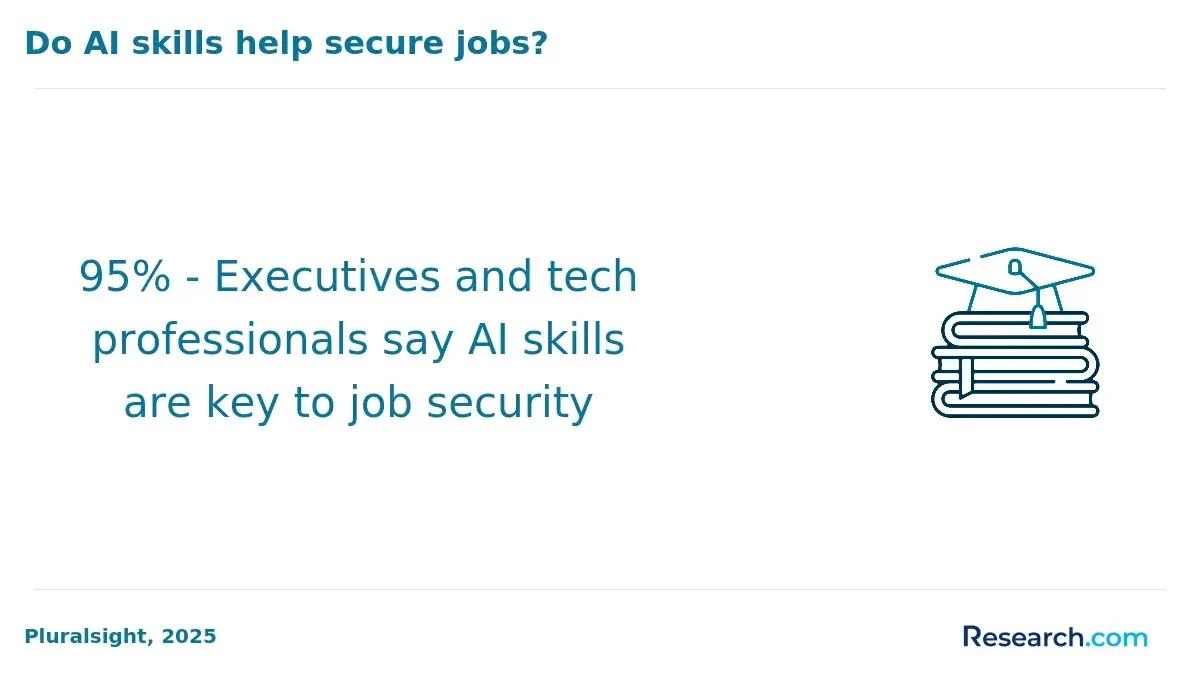
Firms increasingly seek candidates skilled in AI to drive digital transformation, highlighting the need for formal training to stay competitive. Structured courses provide hands-on experience bridging theory and practice, preparing participants for data-driven leadership roles. Prospective students can explore online AI degrees to further enhance their capabilities.
What types of AI strategy programs are available for asset management (certificates, degrees, exec education)?
Programs in AI strategy for asset management professionals generally fall into three categories: certificates, degrees, and executive education. AI strategy certificate programs for asset management professionals focus on practical skills such as algorithmic trading and data analysis, often spanning a few months. Universities like NYU and Stanford provide certificates that combine AI tools with investment strategies, offering targeted, hands-on training.
Degree programs, including master's in financial engineering, data science, or AI with a finance specialization, deliver in-depth academic knowledge. These programs cover machine learning, natural language processing, and quantitative methods, typically lasting one to two years. They prepare students for advanced roles demanding strong technical and strategic expertise. Many professionals explore the best data science master's programs to enhance their credentials and marketability.
Executive education courses in AI strategy for asset managers cater to experienced professionals seeking leadership abilities in AI without a long-term degree commitment. Offered by top business schools like Wharton and MIT Sloan, these short, modular programs emphasize AI governance, ethical considerations, and strategic deployment for senior managers and portfolio leaders.
Choosing the right format depends on individual goals, role, and time availability. Certificate programs suit quick upskilling, degrees fit those pursuing technical mastery early in their careers, and executive education suits senior professionals focused on AI strategy. A Morgan McKinley analysis showed that investment roles requiring AI skills command 20-30% higher salaries, underscoring the value of quality AI education.
How do online AI strategy courses compare with campus and hybrid options for finance professionals?
Online AI strategy courses offer flexibility unmatched by campus or hybrid classes, making them ideal for busy finance professionals. These courses allow learners to study at their own pace and instantly access updated materials, which is critical as 88% of asset and wealth managers now invest in AI technologies, with 60% increasing budgets annually, according to PwC's Asset and Wealth Management Revolution 2024. This flexibility is particularly valuable to those balancing demanding roles in asset management.
Campus programs provide benefits like face-to-face networking and direct faculty access, which can be useful for mentorship or collaborative learning. However, relocation or commuting limits accessibility. Hybrid AI strategy training benefits for asset management experts include blending online and in-person learning, yet rigid scheduling can challenge full-time employees.
When choosing between online AIstrategy courses versus campus classes for finance professionals, consider the focus of AI tools taught. Online courses frequently update curricula to include recent innovations such as machine learning models for portfolio optimization and risk algorithms.
Campus programs may lag in adopting the latest industry practices. For instance, online platforms often cover emerging natural language processing techniques for financial sentiment analysis, crucial for data-driven decision-making.
For those seeking convenient yet current AI education, online options are advantageous. Professionals interested in extensive credentialing and immersive campus experiences may prefer traditional programs. Some learners also explore related paths through a cybersecurity online degree, which complements AI strategy skills in finance.
What core topics and skills do the best AI strategy courses for asset management cover?
AI strategy courses for asset management professionals cover essential skills for integrating AI into investment processes. Key topics include machine learning fundamentals focused on financial data, enabling the development of predictive models for asset pricing, risk assessment, and portfolio optimization. Algorithmic trading strategies are also emphasized, showing how AI can improve market signal processing and execution efficiency.
Data management and governance address challenges such as maintaining data quality, regulatory compliance, and ethical AI deployment. These programs teach frameworks for responsible AI use to promote transparency and reduce bias in automated decisions. Risk management plays a vital role, with courses covering stress testing AI models amid market volatility and understanding model risk, helping professionals critically evaluate AI outputs.
Integration with existing financial technology infrastructure enables smoother adoption without disrupting legacy systems. Practical skills like Python programming, data visualization, and using contemporary AI platforms for finance are often included. Scenario analyses and case studies simulate real-world challenges to foster strategic thinking about AI risks and benefits in asset management.
Over 60% of leading global business schools now offer AI-for-finance or AI-for-business executive or certificate programs, reflecting rising demand for AI expertise combined with business strategy knowledge in this sector, according to GMAC's 2024 review.
What education, experience, and technical background are required for admission to AI strategy programs?
Admission to AI strategy programs for asset management professionals generally requires a bachelor's degree in business, finance, computer science, or related fields, with many programs favoring candidates holding advanced degrees such as an MBA or a master's in data science, finance, or technology management. Demonstrated professional experience-typically 3 to 7 years-in asset management, financial services, consulting, or technology roles closely linked to AI strategy is often mandatory.
Technical skills expectations vary but usually include familiarity with data analytics tools, basic programming in Python or R, and foundational knowledge of machine learning concepts. Candidates without strong technical backgrounds may need to complete preparatory courses prior to full program participation. Emphasis is placed on practical experience in digital transformation, AI-driven decision-making, or innovation within financial institutions.
Admissions commonly assess:
- How applicants have applied AI or data-driven solutions in asset management
- Leadership or strategic roles in technology adoption
- Quantitative skills related to financial modeling or algorithmic trading
Tuition for Columbia Business School's AI in Business & Finance Certificate Program is US$3,750. Surveys indicate that 72% of alumni recover this investment within 12 months through promotions, salary increases, or new job opportunities, highlighting the impact of combining relevant experience with formal education in enhancing career outcomes.
How long do AI strategy courses for asset management take and what do they cost?
AI strategy courses for asset management professionals vary widely in format and duration. Self-paced online courses typically last 4 to 12 weeks, while hybrid programs combining live sessions and projects often extend from 3 to 6 months. Full-time boot camps offer immersive experiences lasting 1 to 2 months.
Costs reflect course length, content depth, and provider prestige. Entry-level online courses usually range from $500 to $1,500, catering to working professionals seeking flexible continuing education. More advanced certifications or executive programs cost between $2,000 and $8,000, with specialized hybrid formats for asset management priced around $3,000 to $5,000 for 3 to 4 months.
69% of investment professionals prefer online or hybrid formats for technical subjects like AI, according to the CFA Institute's 2024 Continuing Education Preferences Survey. These flexible options help learners balance professional responsibilities while reducing total effective costs by minimizing time away from work.
When choosing a course, consider factors beyond price and duration, such as certification value, instructor expertise, and ongoing support. Programs emphasizing practical asset management applications and case studies offer the greatest real-world benefits.
How can professionals evaluate accreditation, reputation, and instructional quality of AI strategy programs?
Professionals seeking AI strategy programs should first confirm institutional accreditation from recognized bodies such as the Middle States Commission or AACSB for business schools to ensure academic rigor and credit transferability. Reputation matters: prioritize programs ranked by trusted publications or specialized education sites that focus on AI applications in asset management or finance. Alumni and industry insights on LinkedIn or professional forums can reveal the program's practical value and networking opportunities.
Faculty expertise is essential-look for instructors who combine academic credentials with hands-on experience in AI-driven asset management. Programs incorporating real-world use cases reflect industry trends, like those noted in the 2024 Accenture report showing 73% of wealth-management executives piloting generative AI tools, with expected productivity boosts of 20-30% in key advisory functions.
Review course content for coverage of data analysis, AI ethics, algorithmic strategy, and finance-specific challenges. Hands-on projects, case studies, and industry partnerships enhance applied learning. Smaller class sizes or mentorship options improve interaction and personalized instruction.
Choose formats-online, hybrid, or in-person-that fit your schedule and learning style. Verify measurable outcomes such as employer-recognized certificates or documented alumni career progress to gauge program effectiveness.
What roles, salaries, and promotion pathways can AI strategy skills open in asset management?
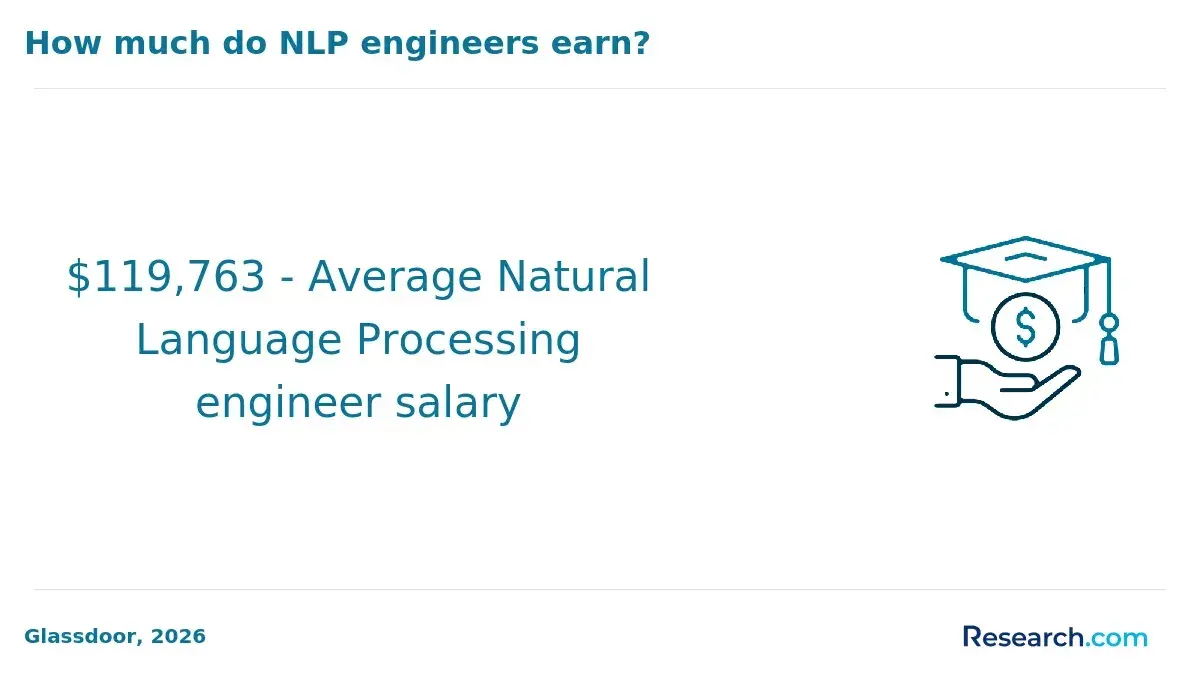
Roles requiring AI strategy skills in asset management include AI strategist, quantitative analyst specializing in machine learning, AI product manager, and risk management specialist with AI expertise. Salaries typically range from $90,000 for entry-level quantitative positions to more than $180,000 for senior strategists and managers in major financial centers.
Career advancement often moves professionals from technical analyst roles into strategic leadership within portfolio management or technology integration teams. Senior positions include head of AI investments, chief data officer, or director of algorithmic trading. Success in these roles depends on the ability to develop AI-driven models that enhance asset allocation, optimize risk, or generate alpha through predictive analytics.
As companies implement AI across trading, compliance, and client solutions, expertise in AI strategy offers a competitive edge. Responsibilities may extend to designing governance frameworks for AI ethics and regulatory compliance. For instance, candidates skilled in AI explainability can secure leadership roles bridging data science and compliance.
European markets show strong growth in AI-related finance education, with over 40% of new executive asset management programs featuring an AI component recently based in Europe, up from 25% five years ago. This signals growing global demand, influencing salary trends and career mobility.
To accelerate advancement and access attractive roles, professionals should pursue courses that blend AI theory with asset management applications, focusing on algorithmic trading, risk analytics, and regulatory governance.
Are there industry certifications or regulatory considerations linked to AI use in asset management?
Industry certifications and regulatory requirements play a vital role for asset management professionals working with AI. Although there is no single certification focused solely on AI in asset management, relevant programs add significant value.
For example, the Chartered Financial Analyst (CFA) curriculum now includes AI and machine learning topics, reflecting the increased regulatory attention. Other credentials, such as the Certificate in Artificial Intelligence in Finance from reputable institutions, provide technical training aligned with compliance standards.
Regulatory agencies like the U.S. Securities and Exchange Commission (SEC) and the Financial Industry Regulatory Authority (FINRA) emphasize transparency, model governance, and risk management for AI-driven investment processes. Professionals must be knowledgeable about data privacy laws and accountability standards, especially as regulators intensify their scrutiny of AI applications in trading algorithms, portfolio management, and risk assessment.
Practical expertise in regulatory compliance and AI ethics often distinguishes candidates. According to McKinsey's 2024 report on AI in capital markets, AI and advanced analytics could shift 15-25% of industry revenue pools toward firms that effectively scale AI technologies. This highlights the growing demand for AI-literate professionals fluent in regulatory frameworks.
Certifications merging financial expertise with technical AI skills offer an edge. These programs typically cover challenges like algorithmic bias, explainability, and auditing AI systems to meet legal standards. Mastery of these areas enables asset management professionals to drive innovation while ensuring regulatory alignment.
Other Things You Should Know About Artificial Intelligence
Ethical concerns include data privacy, transparency in AI-driven decisions, and the avoidance of biases embedded in algorithms. Asset managers must ensure that AI systems operate fairly and comply with regulatory frameworks to maintain client trust and market integrity. Ongoing oversight and clear disclosure practices are essential to addressing these challenges.
While deep programming skills are not always required, a basic understanding of languages like Python or R can be highly beneficial. Familiarity with data handling and algorithmic logic helps professionals collaborate effectively with data scientists and better interpret AI outputs. Many AI strategy courses offer foundations in these technical skills tailored to finance contexts.
Key challenges include integrating AI systems with existing technology infrastructure, ensuring data quality and availability, and managing change within organizational culture. Additionally, regulatory compliance and talent acquisition with AI expertise can be complex. Firms must plan carefully to balance innovation with operational stability.
References
- AI and Analytics Programs https://esmt.berlin/executive-education/analytics-ai-programs
- Chartered AI Investment Analyst (CAI) https://charteredcertifications.com/learning/courses/cai
- AI in Finance programme | Imperial Executive Education http://execed-online.imperial.ac.uk/ai-in-finance
- The Future of Quality Assurance in Online and AI-Driven Learning: Ensuring Trust, Innovation, and Global Standards https://iacde.org/uncategorized/the-future-of-quality-assurance-in-online-and-ai-driven-learning-ensuring-trust-innovation-and-global-standards/
- Top AI Courses After 12th to Kickstart Your Tech Career https://www.msruas.ac.in/blog/lead-the-future-of-artificial-intelligence-with-top-ai-courses-after-12th
- AI Growth in Asset Management: Five Best Practices for Industry Leaders https://www.grantthornton.ie/insights/factsheets/ai-growth-in-asset-management-best-practices-for-future-ready-firms/
- What’s the Best Hands-on AI Training for Non-Technical Leaders (No Coding) in Financial Services? https://neurons-lab.com/articles/whats-the-best-hands-on-ai-training-for-non-technical-leaders-no-coding-in-financial-services/
- AI in Education: A Practical Guide for Higher Education Leaders https://feedbackfruits.com/blog/ai-in-education-a-practical-guide-for-higher-education-leaders
- AI in Strategic Management - Training for C-Level Leaders | ICAN Institute https://en.ican.pl/training/stationary/ai-w-zarzadzaniu-strategicznym
- AI Asset Management course - LISA https://lisa.training/ai-asset-management-course/