2027 Best AI Courses for Asset Management Professionals

Co-Founder and Chief Data Scientist
Asset management professionals face increasing pressure to integrate advanced technology for predictive analytics and risk assessment. Many struggle to find accessible, flexible education that bridges finance and emerging artificial intelligence skills. Traditional programs often lack practical focus or flexibility for working professionals, creating barriers to career advancement and effective technology adoption.
This article identifies top courses designed to equip asset managers with essential artificial intelligence competencies and industry applications. It guides readers in selecting accredited programs suited for career pivots, ensuring they gain relevant tools to enhance decision-making and innovation in asset management roles.
Key Things You Should Know
- Top AI courses for asset management in 2026 emphasize practical skills in machine learning and data analytics, reflecting a 42% increase in industry demand since 2024.
- Programs increasingly integrate ethical AI use and risk management, addressing regulatory changes that affect 65% of U.S. asset management firms.
- Certification from accredited courses enhances career prospects, with 78% of graduates reporting salary growth within one year of completion.
Advance Your Career with AI Online Courses
Artificial Intelligence: Implications for Business Strategy
This program provides an introduction to Artificial Intelligence and their implications for business strategy. Earn an official digital certificate.

Oxford Artificial Intelligence Programme
Explore this Oxford Artificial Intelligence programme offered in a flexible learning environment and explore topics like machine learning, automation, and robotics.

Implementing Agentic AI: Building Your Organizational Playbook
This online MIT Agentic AI course offers a practical approach to deploying AI agents in your organization, including a custom playbook. 3 weeks, exclusive launch price.

AI Adoption: Driving Business Value and Impact
This online MIT AI Adoption: Driving Business Value and Impact offers practical frameworks to close the gap between AI potential and business reality.

Artificial Intelligence in Pharma and Biotech
Discover the applications and limitations of artificial intelligence in pharma and biotech with this MIT online short course.

What makes an AI course valuable specifically for asset management professionals?
An AI course designed for asset management professionals must combine technical expertise with industry-specific insights that influence investment decisions and portfolio optimization. By 2026, 85% of global asset managers expect AI and advanced analytics to be critical competitive factors, up from 57% in 2022.
This evolution creates demand for customized training for asset management professionals that integrates machine learning models with financial theory, risk management, and regulatory compliance.
Key elements that enhance the value of an AI course include:
- Hands-on experience with real-world financial datasets to build predictive models improving asset valuation.
- Training on natural language processing techniques to analyze news, earnings reports, and market sentiment from social media.
- Automation methods for routine tasks such as compliance monitoring and trade execution to boost efficiency.
- Introduction to explainable AI, ensuring transparency and regulatory adherence in asset management environments.
Such courses emphasize diverse data sources-from structured market data to alternative unstructured data like satellite imagery or credit card transactions-demonstrating how these contribute to alpha generation. Professionals must also learn how to integrate AI solutions within legacy systems and leverage cloud computing platforms favored by financial firms.
Practical challenges include creating AI-driven risk models responsive to market volatility and portfolio optimization using reinforcement learning.
Additionally, valuable courses feature case studies from established asset managers and offer certifications recognized across the industry. Those interested in advancing their careers in this dynamic field may explore an artificial intelligence degree to deepen their expertise and leverage AI applications in asset management strategies.
Advance Your Career with AI Online Courses
Artificial Intelligence: Implications for Business Strategy
This program provides an introduction to Artificial Intelligence and their implications for business strategy. Earn an official digital certificate.
Oxford Artificial Intelligence Programme
Explore this Oxford Artificial Intelligence programme offered in a flexible learning environment and explore topics like machine learning, automation, and robotics.
Implementing Agentic AI: Building Your Organizational Playbook
This online MIT Agentic AI course offers a practical approach to deploying AI agents in your organization, including a custom playbook. 3 weeks, exclusive launch price.
How can AI skills transform career paths in asset and investment management?
AI skills are rapidly transforming career paths in asset and investment management by enabling professionals to leverage data-driven decision-making. Over 60% of investment experts now use AI or machine learning tools, but only 14% report advanced AI knowledge, highlighting a significant gap and opportunity for career advancement through AI-driven portfolio management techniques for asset professionals.
Proficiency in AI helps asset managers enhance portfolio construction by refining predictive models for market trends and risk assessment. Natural language processing (NLP) skills allow analysts to gather insights from unstructured data like financial news and social media, improving investment decisions beyond traditional methods.
Automating routine analyses with AI accelerates workflows, allowing focus on strategy and client advisory. Learning AI tools such as Python for algorithmic trading or TensorFlow can open doors to quantitative research, risk management, or AI-driven product development roles.
Key AI competencies include:
- Machine learning algorithms for asset price forecasting
- Data engineering for large financial datasets
- AI ethics and regulatory compliance in investment decisions
- Integration of AI systems within legacy financial platforms
- Addressing these skills also supports career advancement through artificial intelligence skills in investment management, as professionals with strong AI expertise often command higher salaries and leadership roles in innovation initiatives
For individuals seeking to build such competencies, exploring programs at affordable engineering schools can be a strategic step toward entering this evolving field.
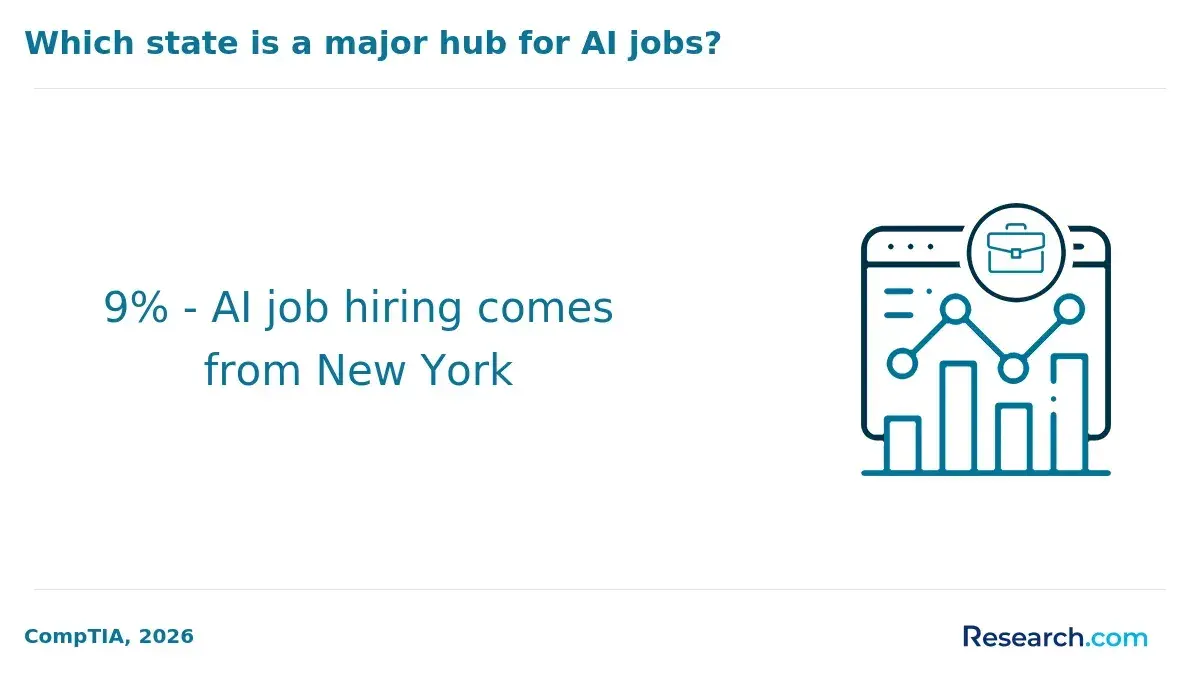
What types of AI courses are best for asset managers (short courses, certificates, degrees)?
Short courses are among the most effective formats for acquiring AI skills quickly and seeing measurable career impact, especially for asset managers. Professionals completing top short courses in AI for asset management professionals report an average 21% salary increase within two years, compared to only 11% among peers lacking this training, according to Coursera for Business's "Global Skills Report - Finance & AI Learners" (2024).
These programs emphasize practical AI applications such as machine learning in portfolio optimization, risk modeling, and natural language processing for market sentiment analysis.
Certificate programs offer a deeper dive into AI methodologies specific to finance without requiring a multi-year time commitment. They often feature project-driven learning that enhances proficiency in Python, R, and AI-based financial modeling. Such best AI certification programs for asset managers help professionals validate their expertise efficiently and strengthen resumes.
Degree programs in AI or data science provide comprehensive theoretical foundations and broad career flexibility but demand significant time and financial investment. For those focused on immediate AI tool adoption, degrees may be less practical. Early-career professionals might consider certificates, while seasoned asset managers could benefit more from short courses tailored to their investment strategies or asset classes.
For those exploring advanced education options, exploring data science masters online can offer a flexible pathway to mastering AI and data-driven finance.
Which AI topics and tools should an asset management-focused curriculum include?
An asset management curriculum focused on ai applications for asset management decision making should include specialized topics that enhance portfolio construction, risk management, and performance evaluation. Core subjects typically cover machine learning tools in asset management curriculum such as supervised learning, reinforcement learning, and deep learning, all tailored for financial data.
These methods enable asset managers to detect subtle market patterns and improve decision-making processes.
Courses often incorporate practical tools and platforms widely used in the industry, including Python libraries like TensorFlow, PyTorch, and scikit-learn. Emphasis on data preprocessing, feature engineering, and model validation is critical, especially when dealing with asset price movements and risk factors.
Risk modeling modules teach AI applications for stress testing, scenario analysis, and volatility forecasting. Unsupervised learning algorithms for anomaly detection help identify market shifts or portfolio risks that traditional models might overlook.
Natural language processing (NLP) skills are growing in importance as alternative data sources-news, earnings call transcripts, and social media-become integral to investment analysis. Sentiment analysis and text mining training allow asset managers to integrate qualitative factors into quantitative frameworks.
Specialized AI courses targeting portfolio construction and risk management produce measurable results. For instance, asset managers using machine-learning-based portfolio techniques statistically achieve excess returns of 150-300 basis points annually after fees, according to BCG & EDHECinfra.
Additionally, understanding regulatory compliance and ethical considerations in AI ensures models maintain robustness, transparency, and fiduciary alignment. For professionals interested in accelerating their expertise, enrolling in a cyber security fast track program can complement these AI skills effectively.
How do online AI programs for asset management compare with on-campus options?
Online AI programs for asset management provide flexibility that many working professionals need to balance career responsibilities with continuing education. These programs often feature current industry tools and software updated more frequently than traditional on-campus courses, ensuring learners gain skills relevant to today's asset management challenges.
For instance, AI applications in operational efficiency have demonstrated 13-19% reductions in operational costs and up to 30% fewer errors in middle- and back-office tasks, according to McKinsey & Company.
On-campus courses, in contrast, offer immersive experiences with direct access to faculty and networking opportunities valuable for students seeking deeper engagement and immediate feedback. Access to campus research resources and collaborative projects is beneficial for those aiming to specialize extensively in AI research or develop proprietary asset management models. However, on-campus study often requires relocation or commuting, which may not suit all professionals.
Deciding between online and on-campus formats depends on individual priorities:
- Online education suits those seeking flexibility and quick application of skills at work.
- On-campus study benefits candidates prioritizing face-to-face mentorship and academic networking.
Both approaches increasingly incorporate practical case studies and real-world datasets, preparing students to contribute effectively to AI-driven cost savings and risk management strategies.
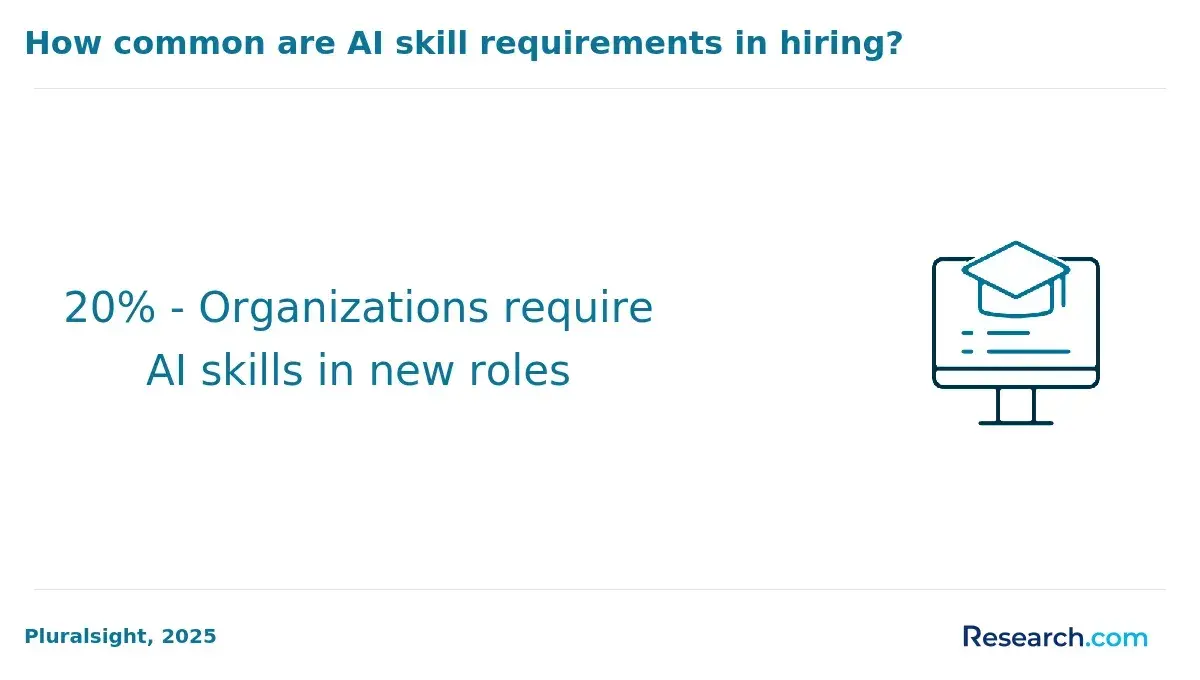
What admissions requirements do AI programs for finance and asset management typically expect?
Applicants to AI programs in finance and asset management generally need a solid quantitative background, often demonstrated by degrees in finance, economics, computer science, engineering, or mathematics. Many programs favor candidates with professional experience in financial services, which provides a practical context for AI applications.
Essential skills typically include programming proficiency in Python or R, along with knowledge of statistics, machine learning, and data analysis.
Admissions may require:
- Academic transcripts with relevant coursework such as calculus, statistics, or machine learning
- Letters of recommendation highlighting analytical and problem-solving skills
- Personal statements outlining career objectives related to AI in finance
- Standardized test scores for competitive master's or certificate programs
Some programs allow experienced professionals to enter without a highly technical academic record if they can demonstrate relevant AI projects or certifications. According to the LinkedIn Learning 2024 Workplace Learning Report - Financial Services, holding AI or data science certifications can increase promotion chances by 38% within 18 months.
Familiarity with financial regulations, asset management tools, and risk modeling also strengthens applications, as does direct experience with financial datasets or AI-driven platforms. Such expertise signals readiness for the specialized demands of AI in finance and asset management.
How can you evaluate accreditation and program quality for AI and finance courses?
Accreditation and program quality are critical when selecting AI and finance courses. Look for accreditation from recognized bodies such as AACSB, EQUIS, or ABET, which verify rigorous academic standards. Industry endorsements or partnerships with leading financial firms add practical value to AI programs.
Evaluate curricula for relevance and currency, focusing on machine learning, data analytics, and their applications in asset management and financial modeling. Programs incorporating real-world case studies or projects with up-to-date financial datasets better prepare students for practical challenges. Faculty should blend academic research with industry experience in finance and AI.
Career outcomes are essential indicators of program effectiveness. According to KPMG's 2024 report, 72% of C-suite leaders in global asset and wealth management cite lack of AI fluency as a barrier to scaling AI initiatives. Firms investing in executive AI education were 2.4 times more likely to implement AI at scale, highlighting the value of quality training in leadership roles.
Consider programs tailored for executives, offering flexible online, hybrid, or in-person formats suited for working professionals. Alumni reviews and industry feedback also provide insights into program rigor, networking opportunities, and applied learning environments.
Confirm whether courses offer continuing education credits or certifications, as these credentials enhance professional standing and career progression within finance.
What do AI courses for asset management usually cost, and is the ROI worthwhile?
AI courses for asset management professionals typically range from $500 to $5,000, depending on the course's depth, format, and provider. Entry-level workshops or online courses usually start between $500 and $1,000, focusing on foundational skills. More comprehensive certificate programs and specialized bootcamps that include hands-on projects and mentorship can cost $2,000 to $5,000.
Executive education programs offered by leading business schools often exceed this range and provide industry-specific insights and valuable networking opportunities.
The return on investment (ROI) should be evaluated by considering both immediate skill gains and long-term career impact. Financial institutions that combine external AI courses with internal training report a 27% higher AI project success rate, according to Deloitte's 2024 "State of AI in Financial Services." This blend brings access to advanced methodologies, updated technologies, and diverse case studies often missing in internal programs.
Selecting a course aligned with your career stage and your organization's AI maturity is essential:
- Early-career professionals benefit from affordable, foundational courses to build fluency.
- Mid-career asset managers should pursue programs specializing in AI applications like algorithmic trading or risk assessment.
- Senior leaders gain from strategic AI courses focusing on governance, ethics, and integration within asset management frameworks.
Maximizing ROI hinges on choosing courses with actionable content applicable to real-world asset management challenges, helping professionals drive AI-powered innovation and smarter decisions.
What job roles, salaries, and advancement opportunities follow AI training in asset management?
Careers involving AI training in asset management include roles such as quantitative analyst, AI strategy consultant, risk manager, data scientist, and portfolio manager focused on algorithmic trading. Salaries range between $90,000 for entry-level quantitative analysts and upwards of $180,000 for senior portfolio managers in major financial hubs.
Advancement often leads to leadership positions like head of data analytics, AI product manager, or chief investment officer specializing in machine learning applications. These roles leverage AI to enhance predictive accuracy, automate asset allocation, and improve risk assessment.
Employers highly value AI proficiency, with many financial firms reporting a median payback period on AI training investments of just 14 months. Leading companies can see returns exceeding 300% over three years, highlighting the strategic advantage of upskilling.
Hands-on experience with AI models in real-world asset management, such as neural networks for market trend forecasting or natural language processing for sentiment analysis, sets candidates apart. Training programs focusing on projects and tools like Python, TensorFlow, and cloud-based AI platforms are critical.
Understanding regulatory compliance and ethical AI deployment is increasingly important in this tightly regulated industry. Building these competencies not only boosts earning potential but also increases job security and influence in strategic decision-making, positioning professionals to drive digital transformation and long-term innovation within asset management firms.
How can working asset management professionals choose the right AI course for their goals?
Working asset management professionals should choose AI courses that align precisely with their career goals and current expertise. Whether the focus is on understanding AI fundamentals, applying machine learning models, or using AI-driven data analytics in portfolio management will shape course selection.
Those targeting algorithmic trading, for instance, benefit from programs with hands-on Python coding and real-world financial datasets, while strategic decision-makers might prioritize courses covering AI ethics, data governance, and model interpretability.
Key considerations include course relevance to asset management functions like risk assessment, quantitative analysis, and client personalization. Look for curricula that balance theory with practical case studies or projects focused on financial markets and incorporate industry-standard tools such as TensorFlow, PyTorch, or advanced data visualization platforms.
Flexible formats, such as self-paced online courses with modular lessons, are often better suited for busy schedules. Credentials from reputable AI or financial institutions enhance both course credibility and professional value. With Ernst & Young projecting that by 2028, 80% of investment firms will require AI and data-science literacy for front-office roles, selecting courses offering certification or portfolio artifacts demonstrating applied skills is critical.
Long-term adaptability is essential. Professionals should favor education that provides ongoing updates or community access to keep pace with evolving AI technologies shaping asset management careers.
Other Things You Should Know About Artificial Intelligence
In 2027, top AI courses for asset management professionals include the University of California, Berkeley's "Artificial Intelligence for Asset Management," Coursera's "AI in Finance" by the Swiss Finance Institute, and MIT Sloan's "AI Strategies and Governance." These courses address modern trends, practical applications, and ethical implications in AI for asset management.
Artificial intelligence enhances risk management by providing more accurate predictive analytics and real-time monitoring. It can analyze vast datasets to identify emerging risks faster than traditional methods. This allows asset managers to make more informed decisions and adjust portfolios quickly in response to market changes.
While artificial intelligence can automate data analysis and identify patterns quickly, it does not fully replace human judgment in asset management. Human expertise remains essential for interpreting AI outputs, making strategic decisions, and understanding complex market factors that AI may not capture.
Integrating artificial intelligence into asset management faces challenges such as data quality, legacy system compatibility, and the need for specialized talent. Organizations often must invest in infrastructure upgrades and training to effectively deploy AI solutions. Additionally, regulatory compliance and data privacy concerns add complexity to implementation.
References
- The Value Of AI In Asset Management | Russell Investments https://russellinvestments.com/content/ri/us/en/insights/russell-research/2024/11/the-value-of-ai-in-asset-management.html
- AI in Asset Management https://rpc.cfainstitute.org/themes/technology/ai-in-asset-management
- Verifying that you are not a robot... https://courses.cfte.education/ai-in-finance-specialisation/
- Management of Finance and Artificial Intelligence https://ubi.edu/programs/international-bachelor-in-management-of-finance-and-artificial-intelligence/
- Generative AI transforming wealth and asset management https://www.ey.com/en_us/insights/financial-services/generative-ai-transforming-wealth-and-asset-management
- Utilising Artificial Intelligence and Machine Learning for Asset Management | CELTEC https://www.celtec.ie/aiam
- AI career paths: 2026 job guide https://www.pluralsight.com/resources/blog/ai-and-data/ai-career-guide-2025
- Accreditation and AI: Ensuring Quality in an Era of Smart Learning https://www.qahe.org/article/accreditation-and-ai-ensuring-quality-in-an-era-of-smart-learning/
- Best AI Training for Finance Professionals — 2026 Buyer's Guide https://www.learnsignal.com/blog/best-ai-training-for-finance-professionals/
- An Introduction to Artificial Intelligence for Investment Management Firms https://www.theia.org/events-training/event