2027 Best GetSmarter AI Courses for Agentic AI

Co-Founder and Chief Data Scientist
Professionals seeking to enter the agentic AI field often face challenges finding flexible, accredited courses tailored to their needs. Many programs assume prior experience or demand full-time commitments, creating barriers for those pivoting from unrelated backgrounds. Without clear guidance, learners risk wasting time on irrelevant or outdated content that doesn't align with industry demands.
This article explores the best GetSmarter AI courses designed for agents aspiring to develop practical skills in agentic AI. It aims to provide a curated overview that helps prospective students select effective, accessible programs to advance their careers efficiently.
Key Things You Should Know
- GetSmarter's 2026 AI courses emphasize agentic AI, focusing on autonomous decision-making systems with hands-on projects reflecting the latest developments in adaptive algorithms and human-AI collaboration.
- Enrollment has surged by 35% since 2024, driven by growing industry demand for professionals skilled in ethical AI use and explainable machine learning models in real-world applications.
- Course curricula integrate cutting-edge research from 2025, including multi-agent systems and reinforcement learning, ensuring learners gain expertise aligned with current technology trends and market needs.
Advance Your Career with AI Online Courses
Artificial Intelligence: Implications for Business Strategy
This program provides an introduction to Artificial Intelligence and their implications for business strategy. Earn an official digital certificate.

Oxford Artificial Intelligence Programme
Explore this Oxford Artificial Intelligence programme offered in a flexible learning environment and explore topics like machine learning, automation, and robotics.

Implementing Agentic AI: Building Your Organizational Playbook
This online MIT Agentic AI course offers a practical approach to deploying AI agents in your organization, including a custom playbook. 3 weeks, exclusive launch price.

AI Adoption: Driving Business Value and Impact
This online MIT AI Adoption: Driving Business Value and Impact offers practical frameworks to close the gap between AI potential and business reality.

Artificial Intelligence in Pharma and Biotech
Discover the applications and limitations of artificial intelligence in pharma and biotech with this MIT online short course.

What is agentic AI and how do GetSmarter AI courses address this emerging field?
Agentic AI refers to artificial intelligence systems that function with autonomy, decision-making capabilities, and goal-directed behavior without continuous human input. Unlike passive AI models that generate outputs solely based on pre-programmed rules, agentic AI can evaluate environments, prioritize goals, and adapt dynamically to new information.
This capability is essential in fields such as autonomous vehicles, intelligent virtual assistants, and adaptive supply chain management.
GetSmarter AI courses specifically focus on developing agentic AI skills by teaching learners how to design, build, and deploy autonomous AI solutions. Their curriculum includes reinforcement learning, decision theory, multi-agent systems, and ethical AI governance. Through hands-on projects and case studies, students gain practical experience applying agentic AI in industries like healthcare automation, finance, and robotics, enhancing their readiness for real-world challenges.
The increasing demand for agentic AI expertise aligns with labor market trends highlighted by the World Economic Forum's Future of Jobs Report 2025, which forecasts that AI-related roles will drive 60% of global employment growth through 2030. Positions such as "AI application and system developers" exemplify this growth, underscoring the importance of mastering scalable AI architectures and agent deployment strategies.
For those considering further academic paths, exploring the best online computer science degree programs can complement agentic AI knowledge and skills, positioning graduates advantageously in this evolving job market.
Advance Your Career with AI Online Courses
Artificial Intelligence: Implications for Business Strategy
This program provides an introduction to Artificial Intelligence and their implications for business strategy. Earn an official digital certificate.
Oxford Artificial Intelligence Programme
Explore this Oxford Artificial Intelligence programme offered in a flexible learning environment and explore topics like machine learning, automation, and robotics.
Implementing Agentic AI: Building Your Organizational Playbook
This online MIT Agentic AI course offers a practical approach to deploying AI agents in your organization, including a custom playbook. 3 weeks, exclusive launch price.
Which GetSmarter AI courses are best for learning agentic AI capabilities and workflows?
The best getSmarter AI courses for agentic AI skills include the MIT Sloan Artificial Intelligence: Implications for Business Strategy and the Artificial Intelligence and Digital Transformation programs. Both focus on autonomous decision-making systems essential for mastering agentic AI workflows. These offerings emphasize practical strategies for embedding AI into business processes.
The MIT Sloan course explores AI frameworks that enable machines to perceive, reason, and act independently within business environments. It highlights agentic AI's role in decision automation, governance, and ethics, catering to professionals designing AI workflows that require minimal human input but strong accountability.
The Artificial Intelligence and Digital Transformation program presents hands-on modules covering adaptive learning, real-time feedback, and autonomous workflow management. It offers case studies in finance, marketing, and supply chains, illustrating agentic AI application across diverse fields. These top agentic AI workflows courses from getSmarter support skill development with interactive assignments and peer collaboration.
Both programs report a notably high 94% completion rate, well above typical MOOC rates under 10%, signaling superior learner engagement and effective teaching methods (MIT Sloan & GetSmarter program outcomes data). For individuals interested in an online masters in AI, these courses offer structured, expert-led pathways balancing theory and actionable agentic AI workflows.
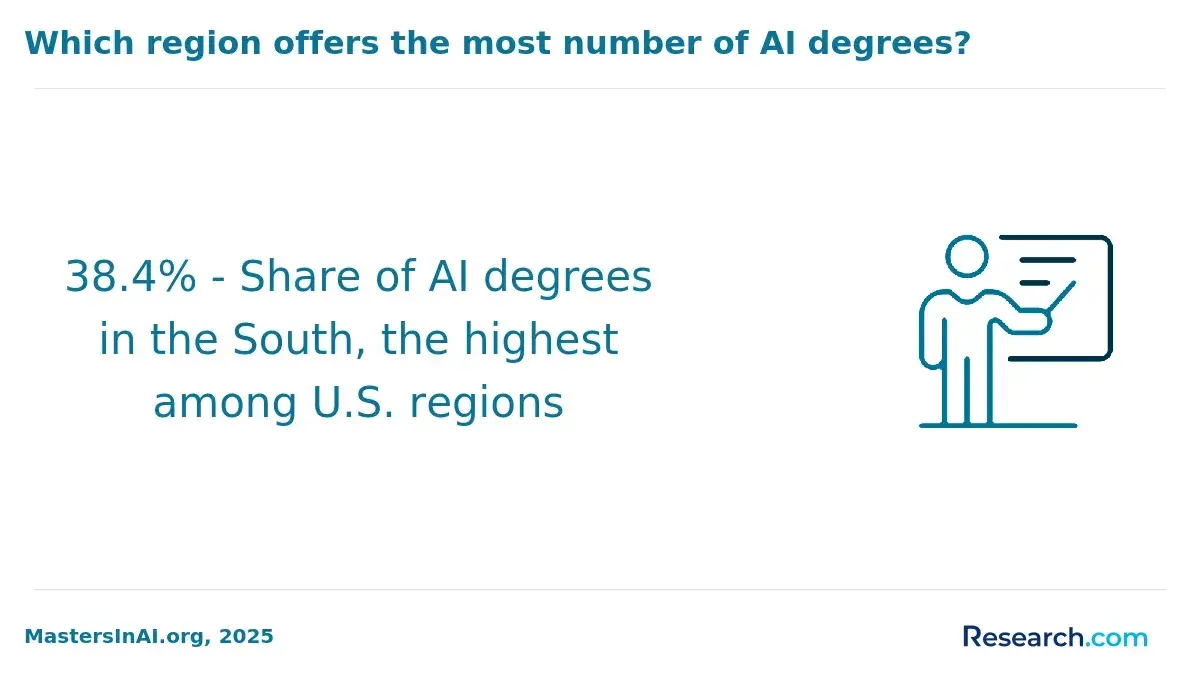
How do GetSmarter AI certificates compare with university degree programs in AI and machine learning?
GetSmarter AI certification offers a focused, practical alternative to traditional university degree programs in AI and machine learning. These certificates emphasize skill application and immediate workplace impact, unlike multi-year degrees centered on theory. For instance, executives completing the MIT Sloan Implementing Agentic AI program through GetSmarter reported a 20-25% improvement in key operational KPIs within 12 months, demonstrating the career impact of GetSmarter AI courses compared to traditional AI degree programs.
University degrees provide broad foundational knowledge in computer science and AI but require significant time and financial investment, often spanning 2-4 years. Certificates, in contrast, cater to busy professionals seeking rapid upskilling without long-term commitments. This makes them especially attractive for career transitions or acquiring specific Artificial Intelligence skills efficiently.
Key differences include:
- Time commitment: Certificates last weeks to months versus years for degrees.
- Cost efficiency: Certificates are a fraction of the cost of full degree tuition.
- Curriculum focus: Certificates prioritize cutting-edge AI applications like agentic AI, while degrees cover theory and research.
- Networking opportunities: Degrees offer campus interactions; certificates connect learners with executive cohorts and industry experts.
Those considering AI education might also explore options like a cybersecurity online degree for complementary technology expertise. Aligning educational choices with professional objectives ensures maximum value, whether through certificates or degree programs.
What are the admission requirements and ideal learner profiles for GetSmarter's AI and agentic AI courses?
GetSmarter's admission requirements for agentic AI courses in South Africa ask applicants to have a foundational understanding of technology and data concepts, generally shown by a bachelor's degree or equivalent professional experience. Candidates need comfort with basic programming logic and data analysis; agentic AI courses specifically expect familiarity with programming languages such as Python and exposure to machine learning principles. These programs prioritize practical skills development over theory alone.
The ideal learner profiles for GetSmarter AI and agentic AI programs in South Africa include early- to mid-career professionals such as software developers, data scientists, engineers, and business analysts aiming to expand expertise in AI applications supporting autonomous decision-making. Clear career objectives related to AI innovation, development, or leadership are essential to success.
Students should be ready for a demanding online study experience with project-based assessments simulating real-world AI scenarios, especially those involving ethical and operational contexts for autonomous AI agents. Data from the Coursera Global Skills Report 2024 highlights a 27% greater likelihood of promotion or role change in AI-focused positions for professionals completing specialized AI programs compared to general AI literacy courses.
Applicants unsure about prerequisites can benefit from preparatory courses or advising. Exploring options like the best masters in data analytics programs can also help professionals deepen foundational skills before enrolling in advanced AI training.
How do online GetSmarter AI courses differ from campus-based AI programs in format and flexibility?
GetSmarter AI courses stand out from campus-based programs by offering full online access, enabling learners to engage with lectures, assignments, and collaboration tools anytime. This flexibility benefits working professionals and students with variable schedules, unlike campus programs that require fixed class attendance and rigid timetables.
The platform delivers modular, weekly content allowing students to maintain a steady pace without falling behind. Campus-based AI programs typically follow semester schedules with strict deadlines, making online courses more adaptable for those balancing careers and studies.
These online courses facilitate global peer interaction via forums and group projects, broadening perspectives beyond the localized networks in campus settings. Their curricula emphasize practical skills and current industry applications aligned with labor market demands, while traditional programs often focus more on theoretical foundations, which can delay acquiring job-ready competencies.
Job postings for "AI agents" or "agentic AI" roles have surged by 421% globally between January 2024 and March 2025, with median salaries 18% higher than similar software roles without these keywords. This growth underscores the importance of timely skill acquisition, which GetSmarter's online courses offer through a faster, flexible path to relevant qualifications.
What core skills, tools, and projects do GetSmarter AI courses include for building agentic AI systems?
GetSmarter AI courses centered on agentic AI develop expertise in designing autonomous systems that can pursue goals and learn from their environments. These programs focus on machine learning algorithms, reinforcement learning, natural language processing, and decision-making frameworks enabling AI agents to adapt and operate independently. Students use tools such as Python with TensorFlow and PyTorch and simulation platforms to train and test agentic behaviors.
Typical coursework involves building AI agents to solve practical challenges like autonomous navigation, personalized recommendations, or interactive virtual assistants. Projects frequently include reinforcement learning models that improve agents' effectiveness via trial and error, plus hands-on work with multi-agent systems and real-time sensor data.
Completing these courses equips learners with skills in environment modeling, reward system design, and ethical deployment considerations, such as bias reduction and safety. Examples include creating reinforcement learning agents responsive to market changes or conversational AI with nuanced user interactions.
The career benefits are supported by the edX & 2U Outcome Report, which shows university-backed AI certifications can lead to a median salary increase of 12% within 12 months and a payback period under nine months on tuition.
How long do GetSmarter AI courses take, and what are the typical costs and financing options?
GetSmarter AI courses offer a focused learning experience lasting 4 to 8 weeks, ideal for busy professionals aiming to develop practical skills without disrupting their work schedules. These programs typically demand 8-12 hours of study per week, balancing flexibility with an in-depth curriculum that covers agentic AI concepts, real-world applications, and current technologies.
Course fees generally range from $2,500 to $4,500, reflecting factors such as length and complexity. This price includes expert instruction, personalized feedback, and access to exclusive digital materials. Unlike many free online options, GetSmarter partners with reputable universities to provide a structured, high-quality educational experience, justifying the investment.
- Interest-free installment plans spread payments over 3 to 6 months.
- Employer sponsorships may be accepted for some courses.
- Scholarships are available for underrepresented groups in tech.
Career outcomes highlight the effectiveness of these courses. Among mid-career professionals (5-15 years of experience) completing advanced AI and automation training, 56% moved into roles with partial or full AI responsibilities within 18 months, based on the LinkedIn Learning Workplace Learning Report, 2024. This demonstrates tangible career advancement potential tied to GetSmarter's agentic AI programs.
What AI and agentic AI career paths can these courses support, and what roles do graduates pursue?
GetSmarter AI courses prepare professionals for diverse roles including AI product managers, machine learning engineers, data scientists, AI ethics compliance officers, and intelligent automation specialists. Graduates often work in positions involving the design and deployment of autonomous systems capable of independent decision-making and learning within real-world environments.
These roles extend to AI strategy consultants and research analysts specializing in agentic algorithms that simulate human-level initiative and adaptive problem-solving.
Practical skills from GetSmarter programs enable entry into key AI domains such as reinforcement learning, natural language processing, and decision theory, essential for agentic AI development. Graduates may engage in projects like optimizing supply chain logistics through AI agents or creating conversational agents with expanded autonomy. This hands-on expertise addresses industry demands for AI systems designed for self-directed operation and ongoing enhancement.
According to Class Central & HolonIQ's market analysis, university-affiliated online AI courses delivered via platforms like GetSmarter have median tuition fees 32% higher than non-university platforms such as Udacity and Coursera. However, these programs report a 19% higher rate of career advancement, indicating their effectiveness in fostering professional growth in AI careers.
Prospective students should weigh these factors when choosing AI education paths. GetSmarter's partnerships with recognized universities offer enhanced credibility and access to elite AI research labs, corporate innovation teams, and emerging governance roles. Graduates often experience faster promotions and higher salary potential thanks to this comprehensive training.
What are the salary expectations and job outlook for professionals skilled in agentic AI in the U.S.?
Professionals skilled in agentic AI in the U.S. enjoy competitive salaries and strong job growth driven by rising demand. Entry-level roles such as AI analysts or machine learning engineers usually start between $90,000 and $110,000 annually, varying by location and industry. Mid-level positions, including AI developers focused on autonomous systems, earn from $130,000 to $180,000. Senior roles, like AI product managers or research scientists specializing in agentic AI, often exceed $200,000 per year.
Corporate investment in AI skill development is expanding rapidly. Global spending on AI upskilling and reskilling is projected to increase from approximately $2.2 billion in 2024 to $11.5 billion annually by 2030, emphasizing agentic and autonomous AI systems (PwC AI Jobs & Skills Outlook, 2025). This growth underscores need for experts who can design and manage autonomous AI agents with minimal human oversight.
Job opportunities span diverse sectors, such as finance, healthcare, robotics, and autonomous vehicles. Employers prefer professionals who combine strong technical knowledge with strategic decision-making abilities, highlighting agentic AI's complexity. Prospective students should seek programs offering hands-on experience with real autonomous systems and interdisciplinary skills.
Continuous learning is essential to remain competitive. Certifications, advanced degrees, and specialized training improve employability and salary prospects. Knowledge of ethical, legal, and practical implications of agentic AI also opens career paths in policy, compliance, and leadership areas.
How can learners evaluate the credibility, accreditation partnerships, and industry relevance of GetSmarter AI offerings?
GetSmarter AI courses gain credibility through partnerships with top institutions like the University of Cape Town and Yale School of Management. These affiliations ensure that certificates awarded hold professional value backed by recognized academic standards. Assessing course relevance means looking closely at the curriculum, which should focus on practical applications, ethical considerations, and advanced AI tools.
Courses developed with input from industry experts or companies deploying AI enhance alignment with real-world job requirements.
Faculty expertise is another key indicator of quality. Instructors with strong backgrounds in AI research or leadership roles provide confidence in the learning experience. Transparency about faculty qualifications often reflects higher course reliability.
Structured study time matters significantly. Professionals dedicating at least 5 hours weekly to AI learning are over twice as likely to move into AI-centric roles within two years, according to the IBM Global AI Skills Survey, 2024. Opt for courses matching this commitment to maximize career impact.
Finally, verified learner reviews and employer testimonials highlight career benefits tied to course completion. Positive feedback reinforces the courses' industry relevance. Cross-examining these factors helps ensure informed choices when selecting agentic AI education programs.
Other Things You Should Know About Artificial Intelligence
In 2027, GetSmarter offers several leading courses for those interested in Agentic AI, such as "Artificial Intelligence: Strategies for Digital Transformation" from MIT and "AI in Business and Society" from the University of Oxford. These courses provide comprehensive knowledge and skills critical for understanding and developing Agentic AI systems.
Ethical concerns in artificial intelligence include issues of bias, transparency, accountability, and the potential for job displacement. Ensuring that AI systems operate fairly and without discriminatory outcomes is a significant challenge. Additionally, there is ongoing discourse about responsible AI use, including how decisions made by AI impact human rights and societal norms.
Artificial intelligence enables organizations to make more informed and data-driven decisions by processing vast amounts of information quickly. AI applications can identify patterns and forecast trends that humans might miss, improving accuracy and efficiency. However, reliance on AI decisions requires careful validation to avoid errors caused by biased data or incorrect model assumptions.
Key skills for AI professionals include proficiency in programming languages like Python, knowledge of machine learning algorithms, and experience with data analysis. Strong problem-solving abilities and understanding of AI ethics and deployment challenges are also crucial. Continuous learning is important due to the rapidly evolving nature of AI technologies.
References
- 8 Best Agentic AI Courses for 2026 https://k21academy.com/agentic-ai/best-agentic-ai-courses/
- Agentic AI Jobs in 2026: Skills, Careers & Industry Demand https://online.iitkgp.ac.in/blog/agentic-ai-jobs
- Best AI Agent Courses for C-Level Leaders (2026 Guide) https://aiagentsacademy.ai/blog/best-ai-agent-courses-c-level-leaders-2026
- Agentic AI https://www.deeplearning.ai/courses/agentic-ai
- AI Certificate vs. Degree: Which One Is Right for You - IABAC https://iabac.org/blog/ai-certificate-vs-degree-which-one-is-right-for-you
- What Is Agentic AI? A Guide to Autonomous AI Systems https://www.ifs.com/en/glossary/what-is-agentic-ai
- Take MIT AI Adoption: AI Adoption: Driving Business Value and Impact online. https://www.getsmarter.com/products/mit-sloan-ai-adoption-online-short-course
- How Long Does It Take to Learn AI Completely? https://blog.nobledesktop.com/learn/ai/how-long-do-ai-courses-take
- Agentic AI Courses: Top Certifications & Learning Resources 2026 https://planetarylabour.com/articles/agentic-ai-courses
- Career Path after Agentic AI course https://community.deeplearning.ai/t/career-path-after-agentic-ai-course/888664
- MastersInAI.org. (2025). 2025 AI Degree Report: The Landscape of AI Degrees in the United States. https://www.mastersinai.org/ai-degree-report