2027 Best AI Courses for Content Strategists Using Generative AI

Co-Founder and Chief Data Scientist
Content strategists face increasing pressure to leverage generative AI tools effectively while staying updated on rapid technology shifts. Many professionals struggle to find courses that balance technical depth with practical applications relevant to developing engaging, data-driven content. The challenge lies in identifying reputable, flexible programs that accommodate backgrounds outside of STEM yet deliver accredited credentials recognized across industries.
This article evaluates top AI courses designed to equip content strategists with the skills to harness generative AI confidently. It aims to guide readers through accredited learning paths that enhance both strategic insight and hands-on expertise.
Key Things You Should Know
- Top AI courses for content strategists in 2026 emphasize practical skills in generative AI tools, reflecting a 45% employment growth in AI-driven content roles since 2024.
- Programs increasingly integrate ethical AI use and data privacy, addressing rising concerns as 78% of content strategists encounter AI-related ethical dilemmas.
- Certification in generative AI technologies boosts job market competitiveness, with certified professionals earning up to 30% higher salaries than peers without formal training.
Advance Your Career with AI Online Courses
Artificial Intelligence: Implications for Business Strategy
This program provides an introduction to Artificial Intelligence and their implications for business strategy. Earn an official digital certificate.

Oxford Artificial Intelligence Programme
Explore this Oxford Artificial Intelligence programme offered in a flexible learning environment and explore topics like machine learning, automation, and robotics.

Implementing Agentic AI: Building Your Organizational Playbook
This online MIT Agentic AI course offers a practical approach to deploying AI agents in your organization, including a custom playbook. 3 weeks, exclusive launch price.

AI Adoption: Driving Business Value and Impact
This online MIT AI Adoption: Driving Business Value and Impact offers practical frameworks to close the gap between AI potential and business reality.

Artificial Intelligence in Pharma and Biotech
Discover the applications and limitations of artificial intelligence in pharma and biotech with this MIT online short course.

What do AI courses for content strategists teach about using generative AI effectively?
AI courses teaching content strategy with generative AI focus on effective generative AI techniques for content strategists, enabling them to enhance content creation, optimization, and personalized marketing. These programs train learners to use AI tools for ideation, drafting, and refining content while preserving brand voice and editorial standards. Key skills include prompt engineering to produce accurate outputs and reduce manual editing.
Course content often covers integrating generative AI into workflows to automate social media posts, generate blog outlines, and optimize SEO with data-driven insights. Learners also develop the ability to critically evaluate AI-generated suggestions for alignment with target audiences and marketing goals.
Ethical concerns feature prominently, with strategists learning to detect AI bias, prevent misinformation, and uphold transparency. Data privacy and intellectual property issues related to AI-generated content are addressed thoroughly to promote responsible AI use.
A 2024 McKinsey report highlights the strategic value of mastering generative AI, estimating it can add $2.6-$4.4 trillion annually in global economic value, with marketing capturing up to 15% of this impact. This underscores the competitive edge offered to content strategists skilled in AI.
Hands-on projects and case studies simulate real-world challenges like crafting AI-enhanced customer journeys and measuring performance through AI analytics. For those exploring education options, finding the cheapest master in data science can be a strategic step toward strengthening AI expertise.
Advance Your Career with AI Online Courses
Artificial Intelligence: Implications for Business Strategy
This program provides an introduction to Artificial Intelligence and their implications for business strategy. Earn an official digital certificate.
Oxford Artificial Intelligence Programme
Explore this Oxford Artificial Intelligence programme offered in a flexible learning environment and explore topics like machine learning, automation, and robotics.
Implementing Agentic AI: Building Your Organizational Playbook
This online MIT Agentic AI course offers a practical approach to deploying AI agents in your organization, including a custom playbook. 3 weeks, exclusive launch price.
Which types of AI credentials best fit content strategists: certificates, bootcamps, or degrees?
Certificates best serve content strategists seeking targeted, skills-focused training in generative AI. These programs provide concise, practical knowledge, often completed within weeks to months. Certifications from reputable platforms validate proficiency with tools like GPT models and prompt engineering, skills that can immediately improve marketing workflows.
For instance, certificates in AI content generation or natural language processing enable strategists to enhance content personalization and automation effectively.
Bootcamps offer immersive, project-based learning ideal for strategists needing rapid upskilling with hands-on experience. Typically lasting 8-12 weeks, they blend foundational AI concepts with practical exercises such as designing AI-driven content strategies.
These programs are especially useful for professionals transitioning from traditional content roles to AI-focused positions, providing mentorship and portfolio development. However, bootcamps usually require a larger time and financial commitment than certificates.
Degrees in AI or data science offer deep theoretical knowledge suitable for strategists aiming for leadership or integration within data analytics teams. Bachelor's and master's programs cover algorithms, ethics, and AI system design, fostering broad expertise.
Such degrees take several years to complete, which may delay immediate entry into fast-paced marketing environments. Those seeking affordable options might explore the cheapest online engineering degree alternatives to balance cost and quality.
LinkedIn's 2024 Jobs on the Rise report highlights an 80% global spike in job postings mentioning generative AI and GPT, especially in marketing and content. This trend suggests that quick, specialized credentials like certificates and bootcamps better meet urgent hiring demands.
Nonetheless, degrees remain valuable for sustained career growth. Choosing among AI certification programs for content strategists, the best AI bootcamps and degrees for content strategy depends on career goals and time availability.
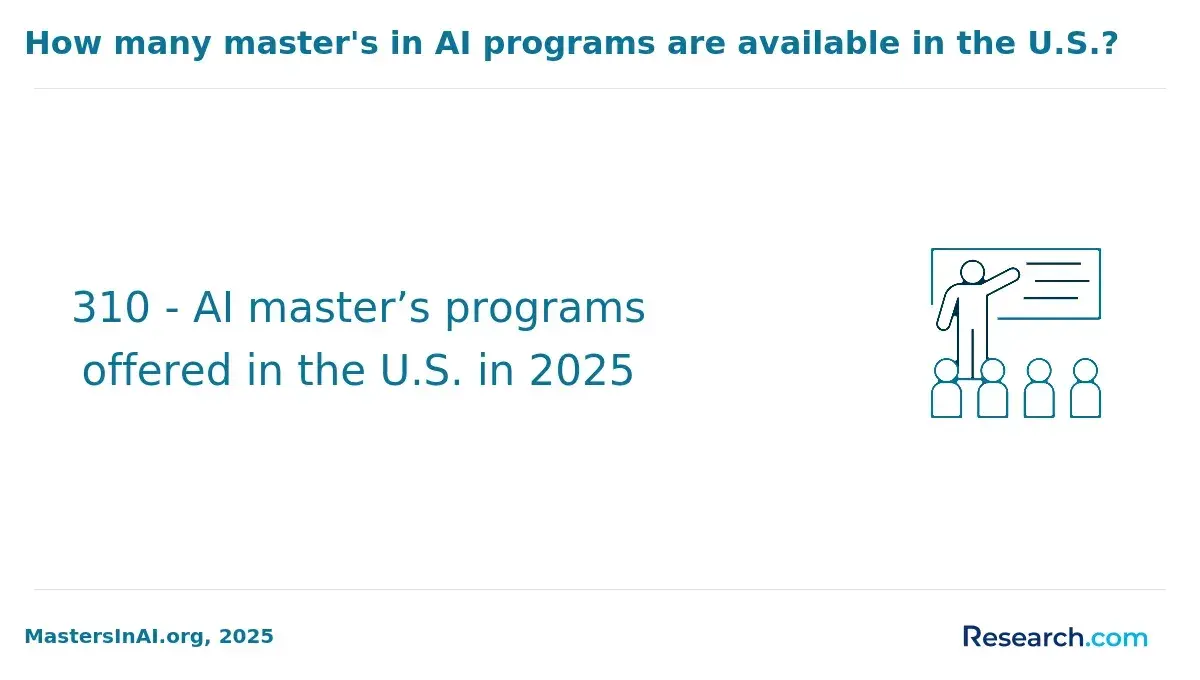
How can content strategists evaluate and choose reputable AI programs in the U.S.?
Content strategists seeking AI courses in the U.S. should focus on programs with strong industry recognition and measurable career outcomes. Certificates developed with major technology companies or respected universities, such as those partnering with Google or IBM, offer credentials valued by employers in marketing and AI fields.
Look for courses covering generative AI tools, prompt engineering, automation workflows, and ethical considerations. A clear syllabus with project-based assessments ensures practical skills aligned with current professional demands. Flexible online delivery with expert instructors, community support, and career coaching enhances completion and job placement.
Evaluating reputable AI training programs for content strategists in America involves verifying up-to-date content reflecting rapidly evolving AI technology. According to a Coursera learner survey, 77% of professionals who completed industry-partnered certificates experienced career benefits like promotion, raises, or new jobs within a year.
Consider program cost relative to resources offered. Higher prices may include mentorship or placement services. Questions to ask include whether the program features real-world projects, recognized credentials, and continuous access to the latest tools.
- Does the program include projects simulating real content strategy challenges using generative AI?
- Are credentials recognized by employers in marketing and AI fields?
- Is there access to up-to-date tools and continuous learning?
Those interested in expanding their expertise might explore the best online MS in data science offerings, which complement skills gained through AI-focused certificates.
What admissions requirements do AI and generative AI programs typically have for mid-career professionals?
Generative AI programs targeting mid-career professionals commonly value relevant work experience, educational background, and clear motivation for upskilling. Admissions processes often prioritize practical skills over advanced technical degrees, which aligns with eligibility criteria for artificial intelligence courses targeting experienced content strategists.
Typically, applicants hold a bachelor's degree in any field, though degrees in marketing, communications, or business offer an advantage. Additionally, 3 to 5 years of professional experience in content creation, digital marketing, or strategy development is usually expected.
Applicants may be asked to submit a statement of purpose describing their interest in AI and its applications to content strategy. Basic proficiency in data literacy or familiarity with AI concepts can be demonstrated through coursework or work experience.
Unlike highly technical AI degrees that often require programming skills or strong math foundations, programs tailored for content strategists usually maintain accessibility for non-technical professionals.
Motivation is often assessed via interviews or written responses, emphasizing commitment to foundational AI skills crucial in marketing environments. IBM's "State of Generative AI in the Enterprise" study highlights that 61% of leading companies prioritize AI upskilling for non-technical staff.
Flexible entry points, such as bridging modules, are sometimes offered to ease transitions for professionals shifting to AI-enhanced roles. For those considering advanced AI studies, exploring a PhD in data science online can provide further specialization.
How do online AI courses compare with campus-based programs for content strategists?
Online AI courses deliver quicker access to up-to-date content and flexibility not matched by campus-based programs, which typically require longer enrollment and fixed schedules. This makes online learning ideal for working professionals and content strategists needing rapid skill acquisition amid tight deadlines.
These courses frequently refresh their curricula to include the latest advancements in generative AI, providing a practical edge over traditional programs with slower academic update cycles.
Campus-based programs emphasize broad theoretical foundations, ethical considerations, and hands-on collaboration via university research labs and mentorship opportunities. However, they often demand more time and financial investment.
Online programs allow learners to specialize quickly in areas like prompt engineering, AI workflow design, and content generation tools, without extensive prerequisite study.
Gartner's 2024 Emerging Tech report forecasts 80% of enterprises will formalize prompt engineering and AI-ops workflows by 2026, underscoring the demand for fast, relevant training.
Key differences include:
- Online courses emphasize current tools and platform-specific skills tailored for content strategy.
- Campus programs focus on broad AI theory and data science, valuable for foundational knowledge.
- Online certification can be completed in weeks or months versus multiple semesters for degrees.
- Networking may be richer on campus but is increasingly supported by online professional communities.
- Evaluating career goals, time, and budget helps prospective learners choose between the two formats.
- Rapid, enterprise-aligned learning favors online courses, while those seeking comprehensive credentials might combine campus programs with online training.
What core skills and topics should AI courses cover for marketing and content roles?
AI courses tailored for marketing and content strategists focus on skills essential to leveraging generative AI in digital content creation and distribution. Core competencies include advanced prompt engineering, enabling precise instruction for AI models to produce relevant and engaging output. Marketers also gain foundational knowledge of natural language processing (NLP) to critically interpret AI-generated content and adapt it for target audiences.
Effective training covers AI-driven content personalization, adjusting messaging based on individual customer profiles and behaviors. Data literacy plays a big role, equipping professionals to analyze AI insights like sentiment analysis and predictive engagement to improve campaign results.
SEO strategies are evolving due to AI-powered search features; research from BrightEdge highlights that over 84% of Google SERPs include AI-enhanced elements, emphasizing the need to optimize beyond traditional keywords for AI summaries and Search Generative Experience (SGE) formats.
Courses also address AI ethics and compliance, focusing on privacy, bias mitigation, and transparency in automated content. Skills for integrating AI tools seamlessly into existing marketing workflows enhance efficiency. Practical exercises often involve developing AI-assisted campaign drafts, using AI analytics for performance review, and iterative content testing.
Varied focuses might include social media, email marketing, or multimedia production to reflect diverse channels. Such comprehensive training prepares strategists to harness AI confidently and responsibly in dynamic marketing environments.
How long do AI programs for content strategists take, and what do they cost?
AI programs for content strategists vary widely in length and cost, typically lasting from 4 weeks to 6 months. Short, intensive bootcamps or workshops, designed for quick skill-building, usually run 4 to 8 weeks and cost between $500 and $1,500. These focus on generative AI tools and real-time content personalization, catering to professionals seeking rapid upskilling without long commitments.
More in-depth certificate courses span 3 to 6 months, with prices ranging from $2,000 to $6,000. These combine technical training on AI-driven content creation platforms and strategic frameworks for content planning and performance analytics.
Cost and duration differences often reflect course intensity, content scope, and support provided. Self-paced online options are more affordable, generally between $300 and $1,000, but require strong motivation. Instructor-led classes with mentorship or career services tend to charge higher fees due to added value.
According to the 2024 Salesforce "State of Marketing" report, 73% of top-performing marketing teams use AI for real-time personalization, compared to only 27% of underperformers. This highlights the importance of courses that emphasize analytics and personalization powered by AI technology.
Prioritize programs offering hands-on projects and practical applications that align with career goals and budget constraints to maximize learning outcomes.
What career paths can AI-trained content strategists pursue in marketing and communications?
AI-trained content strategists have diverse career options within marketing and communications, driven by the integration of generative ai tools in these fields. Key roles include AI content strategist positions, where professionals utilize AI to develop, optimize, and personalize content strategies. These roles often require collaboration with data scientists and marketing analysts to synthesize audience insights and automate content workflows.
Other career pathways include marketing automation specialists who design AI-powered campaigns to boost engagement and conversion rates, and content operations managers who oversee AI-driven scalable content production to ensure brand consistency and faster time-to-market.
Emerging roles such as AI ethics and compliance officers ensure that AI-generated content complies with legal and ethical standards. Content strategists with AI expertise can also move into user experience (UX) strategy, applying AI to create personalized user journeys across digital platforms.
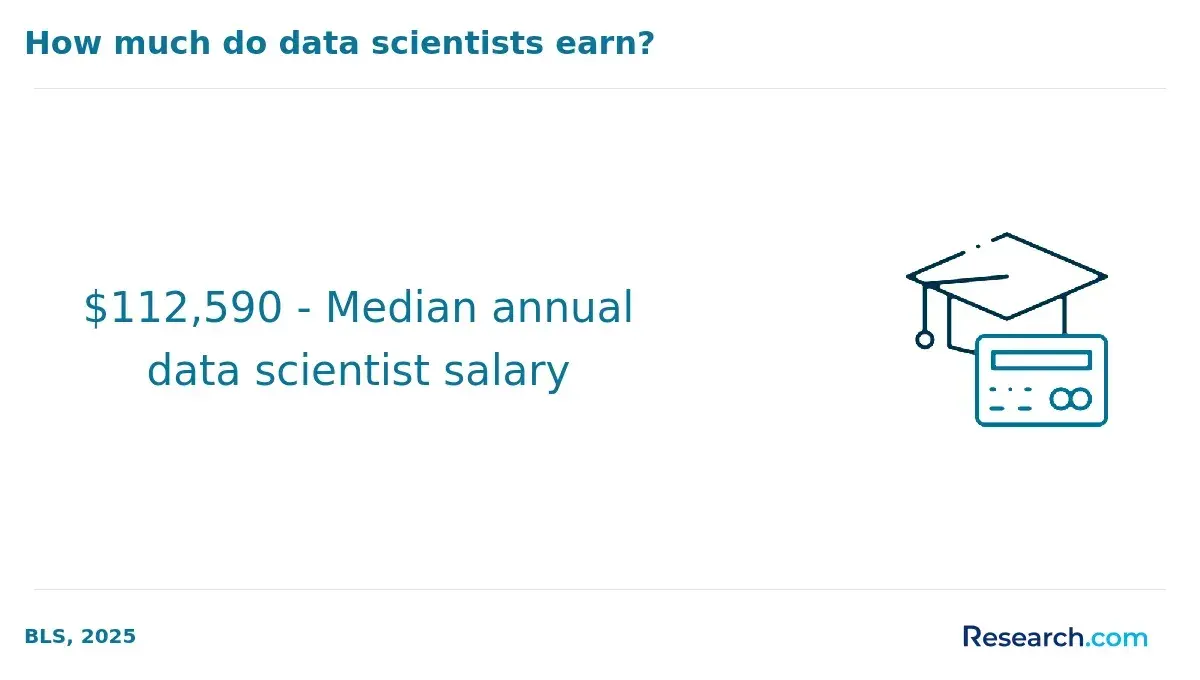
According to ZipRecruiter data, U.S. AI content strategist roles offer an average salary of around $112,000, approximately 28% higher than traditional content strategists. This wage premium reflects strong demand for AI skills and faster advancement to senior positions like director of content strategy or chief marketing officer with AI specialization.
Developing skills in generative AI tools, data analytics, and cross-functional collaboration prepares candidates to meet the evolving demands of modern marketing and communications.
What salary ranges and job outlook can AI-skilled content strategists expect?
AI-skilled content strategists in the U.S. typically earn between $70,000 and $130,000 annually, influenced by factors such as experience, location, and industry. Entry-level roles often start near $70,000, while those with expertise in generative AI tools and data-driven marketing techniques can surpass $110,000, reaching up to $130,000 or more in competitive markets like San Francisco, New York, and Seattle.
The demand for professionals who can integrate AI capabilities to optimize content and engage target audiences is growing rapidly. The Bureau of Labor Statistics anticipates above-average job growth in marketing roles due to digital transformation.
Employers increasingly value candidates with formal AI skills training, as evidenced by a 2024 IBM Institute for Business Value survey showing organizations with structured AI training achieved a 24% higher marketing ROI than those depending on informal learning.
Key practical skills include prompt engineering for generative AI, interpreting AI-driven analytics, and integrating AI tools into content workflows. These competencies boost content relevance and efficiency, enabling competitive advantages in the job market.
Prospective content strategists are encouraged to pursue certifications and courses focused on AI applications in marketing, which directly enhance career prospects and earning potential.
Are there industry-recognized AI or generative AI certifications valuable for content strategists?
Industry-recognized AI and generative AI certifications enhance content strategists' credentials by validating practical skills in applying AI tools ethically and effectively. Programs such as the AI Marketing Institute's Certified AI Content Strategist and the Certified Artificial Intelligence Practitioner (CAIP) deliver focused training on AI-driven content personalization, NLP basics, and lifecycle management.
Microsoft's AI-900: Azure AI Fundamentals offers foundational AI concepts paired with relevant case studies for content development professionals. Additionally, platforms like Coursera and edX provide specialized certificates in generative AI tools, including GPT models and computer vision applications, valuable for visual content strategists.
With the rapid growth of AI content strategies, Deloitte's "State of Generative AI in Marketing" report highlights that 79% of CMOs plan to increase budgets for AI-driven content efforts, while nearly half will prioritize upskilling their teams. This trend underscores the importance employers place on formal AI training and certifications.
Certified skills demonstrate the ability to manage content analysis, automate generation, and make data-driven decisions. Professionals also gain competencies in addressing complex issues like bias mitigation, transparency, and audience engagement metrics. Such expertise significantly influences hiring and career advancement opportunities in content strategy roles focused on generative AI fluency.
Other Things You Should Know About Artificial Intelligence
Ethical considerations in artificial intelligence revolve around transparency, bias, and accountability. Content strategists must ensure that AI-generated content does not perpetuate harmful stereotypes or misinformation. Maintaining human oversight and clearly disclosing AI involvement are important to uphold trust and fairness.
Artificial intelligence can enhance creativity by providing new tools for idea generation, data-driven insights, and rapid content production. However, it often works best as a collaborator rather than a replacement for human creativity. AI can handle repetitive tasks, freeing strategists to focus on higher-level creative decisions.
In 2027, content strategists face challenges in integrating AI, including ensuring data privacy, navigating AI bias, and maintaining content authenticity. The rapid pace of technological advancements necessitates continuous learning and adaptation to new tools and methodologies to effectively leverage AI in strategy development.
Artificial intelligence tools are designed to augment rather than replace human content strategists. While AI excels at processing large datasets and automating routine tasks, human insight is critical for strategic thinking, emotional intelligence, and ethical judgment. Successful integration combines AI efficiency with human expertise.
References
- 7 Digital Marketing Skills Employers Want in 2025 https://nowskills.co.uk/digital-marketing-skills-employers-want/
- AI Content Strategist: What It Is and How It Works in 2026 https://improvado.io/blog/ai-content-strategist
- Generative AI strategy: A practical framework to move from hype to impact https://www.gwi.com/blog/generative-ai-strategy
- Content Strategist https://www.developingexperts.com/career-builder/848
- How to develop an AI content strategy https://www.resourcespace.com/blog/ai-content-strategy
- University Degree vs AI Bootcamp: Which is Best Career Path? https://agilefever.com/university-degree-vs-ai-bootcamp-which-is-best/
- Best Generative AI Marketing Courses (2026) | Expert-Ranked https://franckardourel.com/generative-ai-marketing-course/
- The Rise of the AI Content Strategist: How Businesses Can Stay Ahead https://loftyhire.com/the-rise-of-the-ai-content-strategist-how-businesses-can-stay-ahead
- AI Content Creation Course | Learn ChatGPT & AI Image Generation https://www.sda.edu.sg/course/ai-tools-for-content-creation/
- AI in Marketing Career Path: Skills, Strategy & Roadmap to Future-Proof Growth https://cxl.com/b2b-marketing-career-guide/ai-in-marketing-career-guide/