2027 Best MIT Sloan AI Courses for AI Strategy

Co-Founder and Chief Data Scientist
Many professionals face challenges when trying to integrate artificial intelligence into strategic business decisions without a technical background. Understanding how to leverage AI tools, interpret data, and develop AI-driven strategies is crucial for maintaining competitive advantage. However, finding accessible and credible educational options that balance flexibility with rigor remains difficult for those transitioning careers.
This article explores the best MIT Sloan AI courses focused on AI strategy, offering insights on programs designed to equip learners with practical knowledge and leadership skills needed to guide AI initiatives effectively.
Key Things You Should Know
- MIT Sloan's AI courses in 2026 emphasize AI strategy integration with business leadership, preparing students to leverage AI for competitive advantage.
- Curricula include cutting-edge topics like AI ethics, governance, and data-driven decision-making, reflecting recent 2024-2025 industry research.
- Enrollment data show a 40% increase in executive and professional learners targeting AI strategy roles, highlighting growing market demand.
Advance Your Career with AI Online Courses
Artificial Intelligence: Implications for Business Strategy
This program provides an introduction to Artificial Intelligence and their implications for business strategy. Earn an official digital certificate.

Oxford Artificial Intelligence Programme
Explore this Oxford Artificial Intelligence programme offered in a flexible learning environment and explore topics like machine learning, automation, and robotics.

Implementing Agentic AI: Building Your Organizational Playbook
This online MIT Agentic AI course offers a practical approach to deploying AI agents in your organization, including a custom playbook. 3 weeks, exclusive launch price.

AI Adoption: Driving Business Value and Impact
This online MIT AI Adoption: Driving Business Value and Impact offers practical frameworks to close the gap between AI potential and business reality.

Artificial Intelligence in Pharma and Biotech
Discover the applications and limitations of artificial intelligence in pharma and biotech with this MIT online short course.

What makes MIT Sloan's AI courses stand out for business and strategy leaders?
MIT Sloan's artificial intelligence courses are designed specifically for business and strategy leaders, blending practical application with strategic insight and data-driven relevance. This approach ensures that executives gain actionable knowledge to integrate AI into core business functions, rather than viewing it solely as a technical subject.
For instance, their AI Strategy Fundamentals courses highlight measurable business impact, supported by data showing 74% of organizations already realize value from at least one AI use case, increasing from 65% the previous year according to McKinsey's State of AI in 2024.
The curriculum for AI strategy programs at MIT Sloan for business executives addresses common challenges such as selecting viable AI projects, scaling pilots, and managing ethical considerations. It also equips leaders with frameworks to understand AI's role in competitive advantage, risk mitigation, and customer experience.
- Integration of real-world case studies from sectors like finance, healthcare, and manufacturing showcasing successful AI deployments.
- Access to research-driven insights from MIT's interdisciplinary faculties linking AI advances with strategic decision-making.
- Focus on change management to align AI initiatives with organizational goals.
- Hands-on experience with AI tools and simulations tailored for non-technical managers.
MIT Sloan artificial intelligence courses tailored for strategic leadership prepare executives to leverage AI as a transformative business catalyst with measurable outcomes. For prospective students interested in deepening their computer science expertise online, exploring an accelerated computer science degree online can complement these leadership programs.
Advance Your Career with AI Online Courses
Artificial Intelligence: Implications for Business Strategy
This program provides an introduction to Artificial Intelligence and their implications for business strategy. Earn an official digital certificate.
Oxford Artificial Intelligence Programme
Explore this Oxford Artificial Intelligence programme offered in a flexible learning environment and explore topics like machine learning, automation, and robotics.
Implementing Agentic AI: Building Your Organizational Playbook
This online MIT Agentic AI course offers a practical approach to deploying AI agents in your organization, including a custom playbook. 3 weeks, exclusive launch price.
Which MIT Sloan AI courses are best for executives shaping AI strategy?
MIT Sloan offers focused AI courses for executives in the United States aiming to master strategic applications of artificial intelligence. The Artificial Intelligence: Implications for Business Strategy course helps leaders align AI investments with business goals by using real-world case studies to analyze AI's impact on operations, innovation, and competitive advantage. This program stresses decision-making frameworks essential for integrating AI across organizations.
The Machine Learning for Business Professionals course provides foundational knowledge without requiring advanced programming skills. Executives learn to critically assess AI models, enabling effective management of AI teams and informed decisions about technology adoption. Such skills are vital for business leaders enrolled in top AI strategy courses at MIT Sloan.
Additionally, the Digital Transformation Strategy course explores how AI drives market disruption and business model innovation. Leaders gain insights into anticipating AI-fueled changes in customer behavior and regulatory landscapes. Challenges like scaling AI projects, estimating ROI, and ethical considerations are addressed through practical exercises simulating real decision scenarios.
Amid widespread digital change, those considering advanced education may also explore related fields such as online mechanical engineering degrees to complement their expertise. According to PwC, AI could add up to $15.7 trillion to the global economy by 2030, highlighting the value of mastering AI strategic frameworks.
How do MIT Sloan's AI offerings differ between degree programs and short courses?
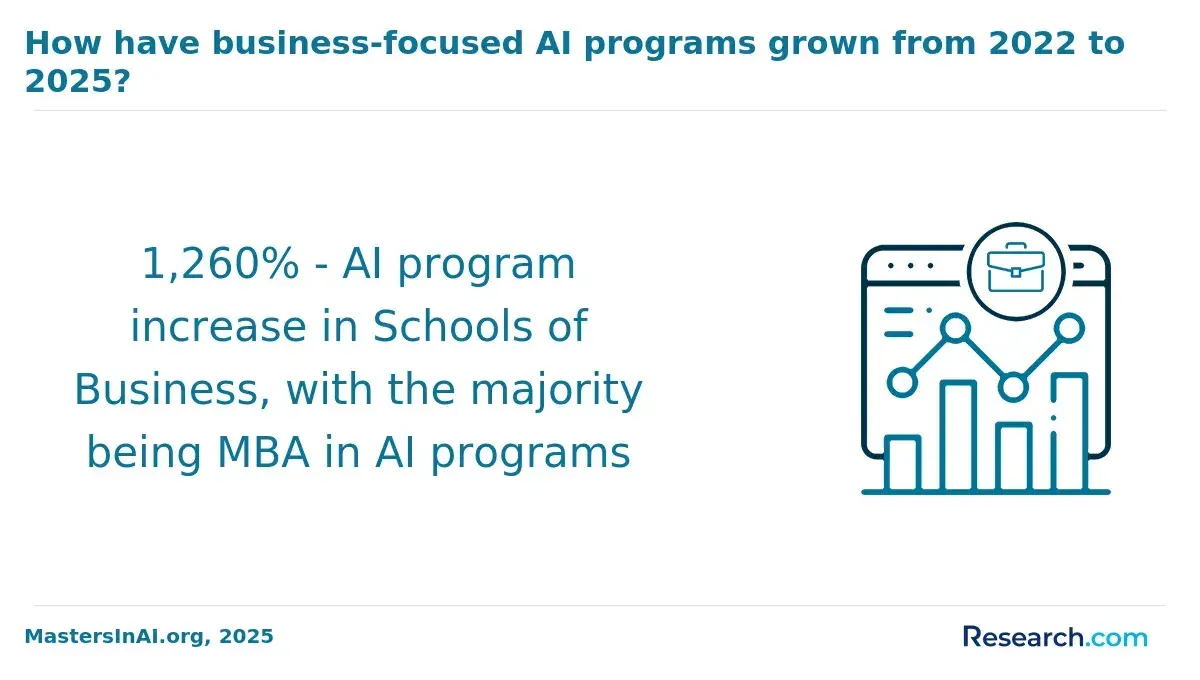
MIT Sloan artificial intelligence degree programs comparison reveals distinct differences in scope, audience, and depth compared to their short course offerings. Degree programs like the MBA or specialized master's tracks weave AI strategy into broader studies, including leadership and entrepreneurship, lasting one to two years. These programs enable students to explore AI's transformative impact on business through electives and real-world projects, targeting early- to mid-career professionals and students.
In contrast, MIT Sloan short courses concentrate on immediate, practical AI skills for current executives and functional leaders. Examples like "Leading the AI-Driven Organization" last days or weeks and prioritize actionable frameworks with no extended theoretical foundation. This addresses a pressing market need, as 81% of leaders foresee AI transforming their industries soon, yet only 12% feel prepared to scale AI initiatives.
Key differences between short courses and degree programs include:
- Duration: Degree programs last months to years; short courses last days or weeks.
- Depth: Degrees cover foundational AI theory plus strategy; short courses focus on leadership tactics and applications.
- Certification: Degrees confer formal academic credentials; short courses usually provide certificates of completion.
Students aiming for an academically rigorous AI strategy education will benefit from degrees, while those needing rapid adaptation to AI-driven challenges should consider short courses. For those interested in a broader range of data science credentials, exploring a master data science online can also complement AI expertise.
Understanding differences between MIT Sloan short courses and degree programs in AI helps prospective learners select paths aligned with their career goals and readiness for AI transformation.
What AI strategy topics and skills do MIT Sloan AI courses actually teach?
MIT Sloan's AI courses focus on essential AI strategy frameworks taught at MIT Sloan that help businesses integrate artificial intelligence effectively. Students develop skills to assess AI readiness, create implementation roadmaps, and identify AI use cases aligned with organizational goals. The curriculum also covers evaluating AI investments by analyzing cost, scalability, and risk, equipping leaders with data-driven tools for decision-making.
The skills developed in MIT Sloan artificial intelligence courses include interpreting AI model outputs for strategic leadership, managing cross-functional AI teams, and addressing ethical and regulatory challenges in AI deployment. Case studies illustrate how AI can enhance business processes such as automating customer service or optimizing supply chains.
With 42% of companies now using generative AI, up from 28% the previous year according to Deloitte's 2024 State of Generative AI in the Enterprise, leadership challenges in adopting generative AI are a key focus. The program prepares professionals to understand the technology's capabilities and risks to sustain competitive advantage.
Students also learn to develop AI governance policies, ensure data privacy, and lead organizational change management to foster AI adoption. The strategy modules balance technical feasibility with business value while anticipating AI's market and workforce disruptions.
For those interested in related areas, exploring cyber security courses online can complement AI expertise in safeguarding digital environments.
Are MIT Sloan AI courses available online, on campus, or in hybrid formats?
MIT Sloan offers AI courses in multiple formats, catering to varied learning preferences and professional needs. Options include fully online programs, on-campus courses, and hybrid models combining virtual and in-person learning.
Online delivery allows global access without relocating, featuring asynchronous lectures, live discussions, and case studies through a digital platform, such as the Executive Certificate in Artificial Intelligence. On-campus options provide direct faculty interaction, collaborative projects, and hands-on AI experience, ideal for students seeking structured schedules and mentorship.
Hybrid formats blend convenience with engagement, allowing working professionals to attend crucial workshops in person while completing theory remotely. This flexibility aligns with industry demands-organizations adopting AI report 3.7 times higher productivity growth than peers, according to a 2024 IBM Institute for Business Value study.
When selecting a format, prospective students should consider schedule flexibility, learning style, and career goals. MIT Sloan's diverse delivery options enable tailored, practical learning designed for immediate application in dynamic business environments.
What are the typical admission requirements for MIT Sloan AI and analytics programs?
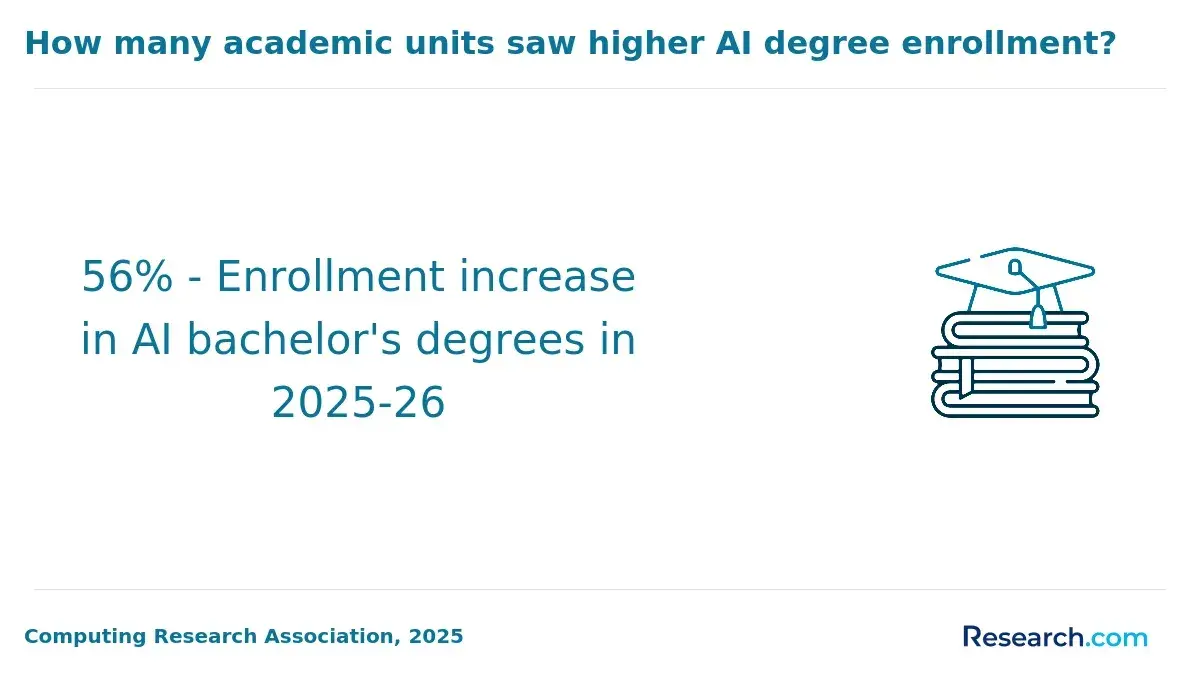
Admission to MIT Sloan's AI and analytics programs requires strong academic credentials and relevant professional experience. Applicants generally hold a bachelor's degree with coursework in mathematics, statistics, computer science, or engineering. Competitive GRE or GMAT scores are often expected, though some programs waive these for candidates with significant work backgrounds.
Experience in data analytics, machine learning, AI strategy, or business intelligence boosts an application. Candidates who can demonstrate their ability to link analytics with business goals align well with MIT Sloan's interdisciplinary approach. Given that only 8% of organizations fully implement AI risk management enterprise-wide, experience with AI governance or risk management is especially valuable.
Application materials typically include:
- A statement of purpose outlining career objectives in AI strategy.
- At least two professional or academic recommendation letters.
- A resume highlighting technical skills and leadership in AI or analytics projects.
- Transcripts verifying relevant coursework.
International applicants usually must show English proficiency via TOEFL or IELTS scores unless exempted by prior English-language education. Some programs also require technical assessments or interviews focused on AI problem-solving skills.
Applicants should be prepared to discuss AI implementation challenges, reflecting the program's focus on training leaders who can address complex AI strategy and governance issues in evolving corporate environments.
How long do MIT Sloan AI programs take to complete, and how are they structured?
MIT Sloan offers AI programs ranging from a few weeks up to six months, tailored for working professionals and students. Courses combine live online sessions, self-paced lectures, and practical projects, allowing deep engagement without requiring full-time study. Many programs begin with foundational AI concepts before advancing to specialized topics like AI strategy, data analytics, and machine learning applications in business.
Typical learning paths progress weekly, starting with technical tools and frameworks, then moving toward strategic decision-making and innovation management. Collaborative case studies and capstone projects simulate real-world AI challenges, providing immediately applicable skills. Executive education options condense key AI strategy insights into intensive multi-day workshops for accelerated learning.
Notably, AI product strategy courses highlight findings from BCG that companies leveraging AI in product development are 2.4 times more likely to achieve faster time-to-market. The hybrid structure and flexible pacing make MIT Sloan's AI programs well-suited for professionals aiming to enhance their expertise in AI-driven innovation.
How much do MIT Sloan AI courses cost, and what funding options exist?
The cost of MIT Sloan ai courses varies widely depending on the program format. Online professional certificates and short courses generally cost between $3,000 and $5,000, while executive education programs can range from $7,000 to $15,000. For instance, the "Artificial Intelligence: Implications for Business Strategy" online course typically costs around $3,200. These prices reflect access to expert instruction, cutting-edge research, and collaboration with industry leaders.
Funding options include employer tuition reimbursement and scholarships. Many companies support skill development in ai because, according to the World Economic Forum's Future of Jobs Report 2025, 39% of current worker skill sets will be disrupted or transformed by 2030.
Professionals should check with their HR departments about education benefits or workforce development budgets. Flexible payment plans and deferred payment options may also be available to reduce upfront costs.
Students might qualify for needs-based or merit-based scholarships through MIT Sloan or related organizations. Although federal financial aid usually doesn't apply to non-degree executive education, private loans could be an option. Additionally, external grants or sponsorships focused on ai workforce development might provide further funding opportunities.
Planning these courses as a strategic investment is important due to the rapid transformation of jobs driven by emerging technologies.
What careers and leadership roles do MIT Sloan AI strategy courses prepare you for?
MIT Sloan AI strategy courses prepare professionals for leadership roles combining technology, business, and strategy. Graduates often move into positions such as AI strategy consultants, product managers specializing in AI solutions, chief data officers, and innovation leaders responsible for embedding AI into corporate strategies. These programs also support executives like chief technology officers and general managers in driving digital transformation while managing AI adoption challenges.
Key skills developed include managing AI projects through data analytics, improving operational decision-making, and emphasizing data governance to combat obstacles like poor data quality-an issue highlighted by Gartner as a leading barrier to scaling AI. Leaders trained in these courses learn to align AI initiatives with business goals, ensuring measurable returns on investment.
Examples of roles filled by graduates include AI portfolio managers who assess AI initiatives for ROI and risk, and business strategists embedding AI into competitive positioning. Many alumni act as change agents, guiding cross-functional teams through AI integration while maintaining ethical and regulatory compliance.
By bridging the gap between technical teams and senior leadership, these courses enable professionals to translate AI technologies into actionable business strategies that scale across industries such as finance, healthcare, manufacturing, and retail.
How do MIT Sloan AI credentials compare with other top business schools for AI?
MIT Sloan sets itself apart among top business schools by combining rigorous technical training with a strong focus on strategic business applications of artificial intelligence. Unlike programs that emphasize theory or broad management, MIT Sloan trains executives to leverage AI for real-world transformation. This approach echoes IDC's 2025 report showing companies earn an average return of $3.70 for every $1 invested in AI, highlighting the value of results-oriented education.
While prestigious schools like Stanford GSB and Wharton also offer AI-related courses, MIT Sloan's unique advantage lies in its integration within the broader MIT ecosystem. This connection grants students access to cutting-edge research and interdisciplinary collaboration across engineering and data science, supporting a hands-on learning experience tailored to AI strategy.
Key benefits of MIT Sloan's AI focus include:
- Blending technical expertise with business strategy
- Leveraging MIT's extensive research resources
- Focusing on practical frameworks for AI-driven transformation
- Equipping leaders to bridge the gap between AI technology and business impact
The curriculum often centers on executive application, delivering frameworks for AI adoption that tackle challenges such as integrating legacy systems, addressing ethical concerns, and managing organizational change. Students learn how to identify high-impact use cases and measure ROI-skills essential for leaders aiming to support AI investments internally.
Other Things You Should Know About Artificial Intelligence
In 2027, MIT Sloan offers several top-tier courses focused on AI strategy for businesses, including "AI: Implications for Business Strategy," "Business Strategy in the AI Age," and "AI Leadership and Strategy Essentials." These courses equip professionals with strategic insights and tools for leveraging AI in business contexts.
Artificial intelligence enhances decision-making by providing data-driven insights and predictive analytics that help organizations identify patterns and trends quickly. It automates routine tasks, allowing leaders to focus on strategic priorities. However, reliance on AI also requires understanding its limitations to avoid overdependence and ensure human oversight remains integral.
Professionals should develop a strong foundation in data literacy, including understanding data collection, processing, and analysis. Familiarity with AI concepts such as machine learning and natural language processing is important, along with skills in critical thinking to interpret AI outputs. Communication skills are also essential for explaining AI-driven insights to diverse stakeholders.
Regulatory oversight of artificial intelligence is increasing globally, focusing on ensuring safe, fair, and ethical use. Governments are developing frameworks to govern AI deployment, emphasizing transparency, data protection, and accountability. This evolving landscape means organizations must stay informed about compliance requirements to manage risk effectively.
References
- Choose the Right MIT AI Course for You https://www.getsmarter.com/blog/pursuing-an-mit-ai-course-which-option-is-right-for-you/
- How to Get Into MIT Sloan School of Management - Best Tips https://menlocoaching.com/top-mba-programs/mit-sloan/how-to-get-into-mit-sloan/
- MIT Sloan School of Management https://www.clearadmit.com/schools/mit-sloan/
- MIT Sloan Artificial Intelligence: Implications for Business Strategy https://cloudtweaks.com/2023/07/mit-sloan-artificial-intelligence/
- The Top U.S. & European MBA Programs With AI Concentrations https://poetsandquantsforexecs.com/news/the-top-u-s-european-mba-programs-with-ai-concentrations/
- MIT Sloan AI Online Program Guide 2026 — Program Guide https://www.libertify.com/universities/mit-sloan-ai-online-program-guide/
- MIT Sloan Executive Education Expands Portfolio of AI Courses and Certifications https://finance.yahoo.com/sectors/technology/articles/mit-sloan-executive-education-expands-131500265.html
- MIT Sloan School of Management: Artificial Intelligence: Implications for Business Strategy | edX https://www.edx.org/executive-education/massachusetts-institute-of-technology-artificial-intelligence-implications-for-business-strategy
- MIT Sloan Executive Education Broadens AI Course Offerings Amid Growing Corporate Demand - Trough Earnings Signal https://denuncias.uta.edu.ec/first-dry/MIT-Sloan-Executive-Education-Broadens-AI-Course-Offerings-Amid-Growing-Corporate-Demand-21-14130
- Executive - Artificial Intelligence https://executive.mit.edu/artificial-intelligence/