2027 Best Generative AI Courses for Product Managers

Co-Founder and Chief Data Scientist
Product managers often face challenges integrating generative AI into their workflows due to rapidly evolving technologies and limited domain-specific training options. This gap can hinder effective decision-making and slow project development in competitive markets. Understanding core principles and practical applications is crucial for leading AI-driven initiatives with confidence and precision.
This article presents a curated selection of top generative AI courses that cater to product managers seeking flexible, accredited programs. It aims to guide professionals through educational pathways designed to build relevant skills and facilitate smoother transitions into the growing field of generative AI product management.
Key Things You Should Know
- Top generative AI courses for product managers in 2026 integrate practical skills in prompt engineering and ethical AI use, addressing the 45% year-over-year growth in AI-driven product roles.
- Leading programs emphasize hands-on experience with transformer models and data interpretation, crucial as 62% of PMs report AI literacy as essential for career advancement.
- Courses often include frameworks for AI project management, aligning with industry demand where 78% of tech firms seek PMs proficient in AI strategy and deployment.
Advance Your Career with AI Online Courses
Artificial Intelligence: Implications for Business Strategy
This program provides an introduction to Artificial Intelligence and their implications for business strategy. Earn an official digital certificate.

Oxford Artificial Intelligence Programme
Explore this Oxford Artificial Intelligence programme offered in a flexible learning environment and explore topics like machine learning, automation, and robotics.

Implementing Agentic AI: Building Your Organizational Playbook
This online MIT Agentic AI course offers a practical approach to deploying AI agents in your organization, including a custom playbook. 3 weeks, exclusive launch price.

AI Adoption: Driving Business Value and Impact
This online MIT AI Adoption: Driving Business Value and Impact offers practical frameworks to close the gap between AI potential and business reality.

Artificial Intelligence in Pharma and Biotech
Discover the applications and limitations of artificial intelligence in pharma and biotech with this MIT online short course.

What is a generative AI course for product managers and who should enroll?
A generative AI course tailored for product managers focuses on blending technical know-how with strategic oversight in product development.
These programs teach how to apply machine learning models, natural language processing, and AI-driven design throughout the product lifecycle, alongside skills like roadmap planning, user experience adjustments, and ethical AI deployment. This training prepares product managers to spot where generative AI can enhance product features, improve workflows, or create innovative market opportunities.
Professionals aiming to lead AI-driven initiatives benefit significantly from generative AI training for product managers. Those in industries with rapid AI adoption such as software development, healthcare, finance, and marketing gain an edge.
It's also vital for product managers seeking to future-proof their careers or transition into AI-focused roles. Equipped with practical generative AI knowledge, managers can collaborate efficiently with data scientists and engineers to align AI integration with business goals and customer needs.
IBM reports that 39% of organizations already use generative AI in products or processes, with another 42% exploring it, emphasizing the critical demand for product managers skilled in both technical and managerial AI aspects.
Key course features often include case studies on automating content creation, personalized recommendations, and predictive analytics in product settings.
For those weighing educational options, consider programs such as a one year computer science degree that can complement your skillset alongside targeted AI courses.
Advance Your Career with AI Online Courses
Artificial Intelligence: Implications for Business Strategy
This program provides an introduction to Artificial Intelligence and their implications for business strategy. Earn an official digital certificate.
Oxford Artificial Intelligence Programme
Explore this Oxford Artificial Intelligence programme offered in a flexible learning environment and explore topics like machine learning, automation, and robotics.
Implementing Agentic AI: Building Your Organizational Playbook
This online MIT Agentic AI course offers a practical approach to deploying AI agents in your organization, including a custom playbook. 3 weeks, exclusive launch price.
How can generative AI training enhance a product manager's career and job prospects?
Generative AI training significantly boosts a product manager's career growth by equipping them with essential skills to lead AI-driven projects and develop innovative solutions.
Proficiency in generative AI helps product managers understand model capabilities, design AI-powered features effectively, and collaborate seamlessly with data scientists and engineers. This expertise enhances their leadership in product strategy and development focused on AI integration, aligning with the increasing demand for generative AI training benefits for product managers.
Product managers with generative AI skills can identify practical applications such as content creation, recommendation engines, and customer interaction automation. These capabilities increase their value to companies adopting AI technology and ensure their leadership meets evolving market needs.
For instance, a PM skilled in generative AI can prioritize projects based on model feasibility, data requirements, and ethical AI considerations.
The job market reflects this demand: Indeed Hiring Lab reported that US job postings mentioning generative AI surged by over 3,000% between April 2023 and April 2024. Training also equips PMs to tackle challenges like bias mitigation, interpretability, and user trust in AI outputs, enhancing product reliability and transparency.
Practical skills in prompt engineering, data pipelines, and AI governance distinguish candidates in competitive hiring environments.
Investing in generative AI education offers a future-proof skill set with pathways to lead AI product innovation, specialize as AI product directors, and command higher salaries.
Those interested in broadening their technical expertise alongside AI should consider programs such as a mechanical engineering degree online, which can complement AI skills for diverse career opportunities.
Career growth with generative AI skills in product management is therefore a strategic advantage, opening doors to leadership roles and industry transformation.
What types of generative AI courses are available for product managers today?
Generative AI courses for product managers encompass key areas tailored to professional needs and experience levels.
Technical courses cover foundational concepts such as machine learning, neural networks, and natural language processing, enabling product managers to collaborate effectively with engineering teams. These often include hands-on labs using GPT and diffusion models to demonstrate capabilities and limitations.
Strategic and business-focused courses address use case identification, AI ethics, market impact analysis, and regulatory navigation. These help learners evaluate product-market fit and integrate generative AI into current workflows. Many advanced generative AI training courses in product management emphasize these strategic skills.
Product lifecycle and management-focused training adapts traditional skills to AI-specific contexts, including data pipeline oversight, prompt engineering collaboration, and iteration cycles relevant to AI products. For instance, some curricula demonstrate how to analyze user feedback on AI outputs and design experiments to enhance quality.
Additional formats include short executive workshops and generative AI certification programs for product managers that validate advanced proficiency and promote ongoing development as AI technology evolves rapidly.
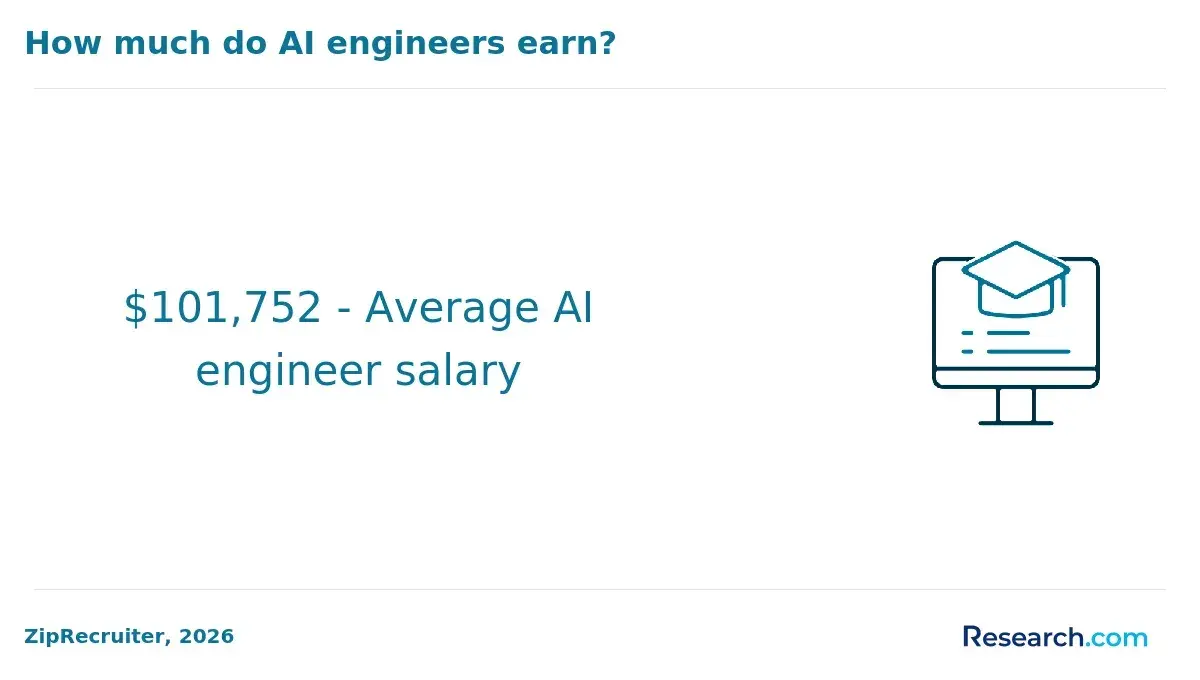
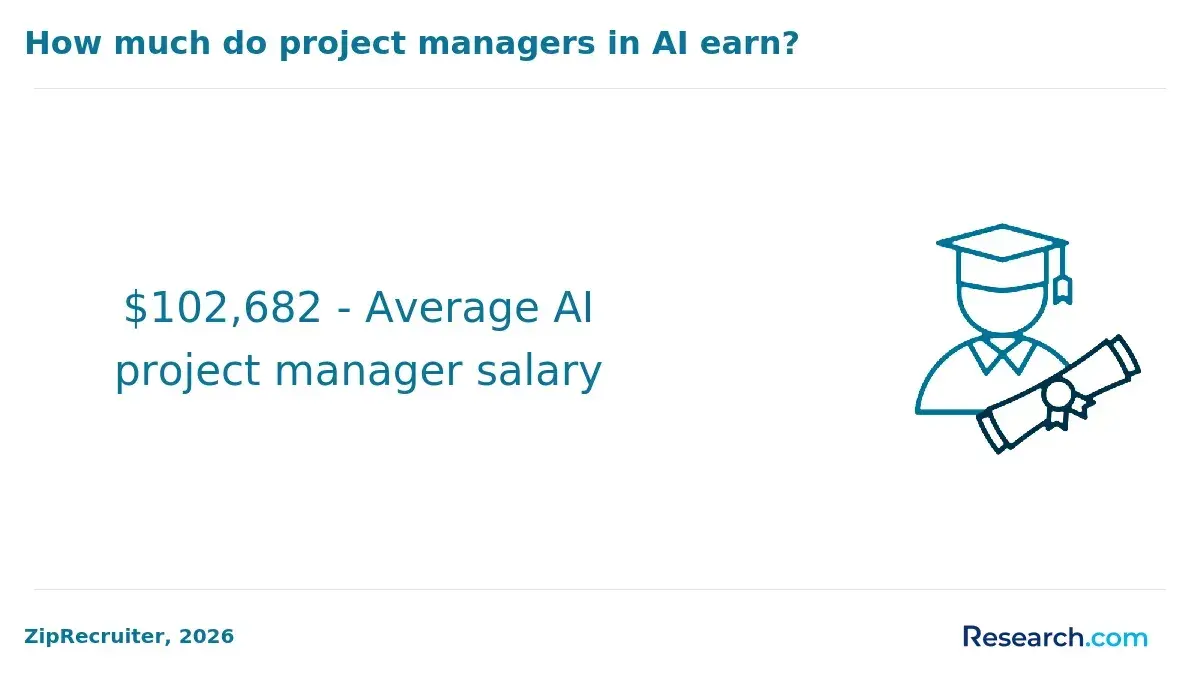
According to Glassdoor, AI product managers in the US earn around $220,000 annually, reflecting the high return on investment for these specialized skills. For those exploring further education, some may find value in comparing programs like cybersecurity degrees for complementary expertise in technology management.
Which credentials and backgrounds do you need to start a generative AI course in product management?
Starting a generative AI course in product management usually requires a strong foundation in product management coupled with basic technical literacy.
Most programs expect learners to hold at least a bachelor's degree in related fields such as business, engineering, information systems, or a computer science degree online. Significant professional experience in product management, typically 2 to 4 years, is equally important for mastering product lifecycle, user experience, and market strategy.
Technical prerequisites often include familiarity with data analytics, software development processes, or coding fundamentals. These skills are crucial for understanding machine learning models and AI integration challenges.
For instance, a product manager knowledgeable about APIs and data structures can effectively bridge AI engineers and stakeholders. This is especially relevant as more product management roles now require generative AI course prerequisites for product managers to stay competitive in the job market.
LinkedIn's report reveals a steep rise in product management job listings demanding AI skills, emphasizing the growing value of educational background for product management in generative AI. Credentials involving hands-on projects with AI tools and model deployment add considerable advantage.
Supplemental programs such as coding bootcamps, AI certificates, or workshops focusing on AI in product contexts strengthen key competencies like AI-driven user research, data ethics, and agile solution integration.
Strong communication skills remain essential, given the need to collaborate deeply with cross-functional teams while demonstrating technical understanding.
How do online generative AI programs for product managers compare with campus-based options?
Online generative AI programs for product managers offer flexibility, shorter time commitments, and focused skill development compared to campus-based courses.
Typically, online options such as professional certificates and bootcamps deliver practical, targeted curricula tailored to real product management roles. Campus programs tend to involve longer, theoretical studies usually within broader degree tracks.
Cost and accessibility make online programs appealing, as they can be completed at a fraction of the cost while allowing learners to balance work and study. In contrast, campus programs often require relocation or commuting alongside higher fees and longer durations spanning semesters or years, a significant factor for working professionals seeking quick upskilling.
Outcomes data from Coursera's 2024 Learner Outcomes survey show that 77% of learners completing a professional certificate in AI or data experienced positive career changes within six months, including job changes, promotions, or pay raises. This underscores the short-term ROI advantage of online, non-degree options.
However, campus-based courses offer deeper theoretical foundations and valuable networking opportunities with faculty and peers, benefiting long-term growth and research roles. For those prioritizing immediate skills in generative AI product management, professionally focused online programs tend to be more efficient and practical.
What core topics and tools are covered in top generative AI product management curricula?
Generative AI product management courses teach essential skills for overseeing AI-driven products, focusing on key areas such as natural language processing, generative adversarial networks, and transformer models. These programs prepare product managers to assess AI capabilities, address ethical issues like bias mitigation, and ensure compliance with data privacy regulations.
Training often includes hands-on experience with frameworks such as TensorFlow, PyTorch, and OpenAI's API. Students work with data annotation tools, model evaluation metrics, and monitoring dashboards to understand AI performance in real-world applications. Practical exercises cover prompt engineering and fine-tuning methods to customize AI outputs for specific business objectives.
Courses also emphasize strategic management skills, including translating AI's technical potential into clear product requirements, leading cross-functional teams of data scientists, engineers, and designers, and aligning AI initiatives with company goals. Key success metrics such as user engagement, accuracy, and fairness are highlighted to support accountable product ownership.
Reflecting the market's urgent demand, Udemy's 2024 Workplace Learning Trends report shows more than a 4,400% increase in generative AI course enrollments from 2022 to 2023. This growth underlines the specialized knowledge required to manage generative AI products effectively, beyond traditional product management expertise.
Top Firm Initiatives That Would Encourage Daily GenAI Usage

How long do generative AI courses for product managers take, and what do they cost?
Generative AI courses for product managers vary widely in duration and depth, from short workshops of 4 to 12 hours to comprehensive programs lasting 3 to 6 months. Short courses provide quick, practical skills, while longer specializations or professional certificates demand a weekly commitment of 4 to 6 hours and offer more structured learning paths.
Costs reflect course complexity and credentials offered. Many platforms allow free access to introductory materials, but certification tracks typically require fees. Subscription models range between $39 and $150 per month, which can total $150 to $900 for multi-month programs. Instructor-led or university-affiliated courses may cost over $1,000 due to personalized mentorship and advanced content.
Longer programs especially benefit product managers tackling complex AI product lifecycle challenges like data integration, model evaluation, and ethical design. Conversely, shorter formats are useful for professionals seeking foundational knowledge or rapid upskilling.
Notably, enrollments in AI and machine learning courses increased by 70%, with generative AI specializations rapidly gaining popularity. This reflects growing demand for specialized generative AI capabilities within product management.
Product managers should evaluate their expertise, time availability, and the importance of certification to determine the most suitable course duration and investment.
How can you evaluate accreditation and course quality for generative AI product management programs?
Evaluating generative AI product management programs requires careful attention to accreditation by recognized bodies such as regional accreditors or specialized organizations like ABET. Accreditation confirms the program meets academic standards and is often critical for employer recognition and professional certification.
Review the curriculum to ensure it covers foundational AI concepts alongside product management skills, including AI ethics, data handling, user experience design, and deployment strategies. High-quality courses incorporate hands-on projects, case studies, and provide access to current AI tools, emphasizing practical learning.
Instructor qualifications matter-faculty with active roles in AI product development, research, or industry partnerships lend credibility and valuable insights. Collaboration with leading AI companies or endorsements by industry experts strengthens a program's reputation.
Student outcomes such as job placement rates in AI product management and graduate testimonials offer measurable evidence of program effectiveness. Transparency in these areas reflects confidence and reliability.
Microsoft's 2024 Work Trend Index highlights that 75% of knowledge workers use generative AI at work, yet 79% of leaders lack formal AI training policies, showing the growing demand for structured training aligned with workplace needs.
Consider course delivery formats-self-paced, cohort-based, or hybrid-and affordability to find programs that fit your learning style and budget.
What roles, industries, and career paths can generative AI-skilled product managers pursue?
Generative AI product managers play a vital role across diverse industries, including technology, healthcare, finance, retail, and media. They specialize in bridging technical AI teams with business units to develop AI-driven solutions tailored to market needs. Key roles include product owner, AI product strategist, and platform manager focused on generative AI capabilities.
Examples of industry applications include personalized medicine and diagnostic imaging in healthcare, AI risk assessment and fraud detection in finance, and AI-powered personalization and inventory management in retail. These professionals require technical fluency in AI models, user-centered design skills, and deep knowledge of regulatory and ethical frameworks to transform complex AI innovations into viable products.
Career progression may lead to AI-focused executive roles such as chief product officer or pivot toward AI ethics and governance or consultancy, helping organizations integrate generative AI effectively.
Hands-on experience is essential: a 2024 edX survey showed learners in project-based AI certificate programs were 50% more likely to apply skills on the job than those in lecture-only formats.
Prospective AI product managers benefit from cultivating cross-functional expertise and practical experience to remain competitive. Building these skills supports career growth in this rapidly evolving field.
What salary ranges and job outlook can product managers with generative AI skills expect?
Product managers with expertise in generative AI command some of the highest salaries in the tech industry. In the United States, entry-level roles generally start at around $95,000 annually.
Those with more experience and strong generative AI skills often earn over $160,000, while senior product managers in major tech hubs like San Francisco, Seattle, and New York can see compensation packages exceeding $180,000, which may include bonuses and equity. These figures highlight the premium placed on combining AI fluency with product management capabilities that drive innovation and maintain competitive advantage.
The demand for product managers skilled in generative AI is rapidly expanding as companies invest heavily in AI upskilling. According to Deloitte's 2024 global AI survey, 79% of leading AI adopters plan significant growth in generative AI training over the next 12 to 24 months, fueling more specialized roles.
Opportunities span diverse sectors such as technology, healthcare, finance, and consumer goods. Professionals who excel at overseeing AI-powered product lifecycles, from ideation to deployment, and who possess skills in prompt engineering, model evaluation, and AI ethics are particularly sought after. Continuous education and certifications in generative AI tools enhance employability and salary potential.
Employers value product managers who demonstrate tangible results, including improved user engagement, shorter development cycles, and innovative business models leveraging generative AI. Staying current on evolving AI models and understanding their strategic impact remain critical to career growth and compensation.
Other Things You Should Know About Artificial Intelligence
In 2027, product managers face challenges in implementing generative AI, including ensuring data privacy, overcoming integration hurdles with existing systems, and maintaining alignment between AI-driven insights and business goals. Addressing these issues requires clear strategies tailored to their specific business contexts.
Artificial intelligence enhances decision-making by analyzing vast amounts of data quickly and identifying patterns not easily seen by humans. It can provide predictive insights and automate routine choices, improving efficiency. However, AI should complement human judgment, as it may lack context or ethical reasoning required for complex decisions.
Key challenges include data quality and availability, integration with existing systems, and the need for specialized talent. Businesses often face difficulties in scaling AI solutions and managing costs. Resistance to change and concerns about AI's impact on jobs also affect adoption rates. Clear strategies and stakeholder engagement are vital to overcoming these hurdles.
Artificial intelligence can augment creativity by generating ideas, designs, and content based on learned patterns. However, AI lacks the emotional depth, intuition, and contextual awareness inherent in human creativity. Instead of replacing humans, AI acts as a tool to support and broaden creative processes.
References
- The 12 Best AI PM Courses to Supercharge Your Career in 2025 https://www.aakashg.com/ai-pm-courses/
- AI Product Manager Salary: Your 2026 Guide https://www.peopleinai.com/blog/ai-product-manager-salary
- AI for Product Managers Certification Course https://productschool.com/certifications/ai-for-product-managers
- Getting a high six-figure salary as an AI Product Manager | Product Coalition https://medium.productcoalition.com/from-low-six-figure-to-high-six-figure-how-to-become-an-ai-product-manager-444ca0fe3ed0
- IPL: Generative AI for Product Managers | edX https://www.edx.org/learn/education-teacher-training/institute-of-product-leadership-ipl-generative-ai-for-product-managers
- AI Product Management Masterclass https://www.institutepm.com/curriculum