2027 GetSmarter AI Courses Review

Co-Founder and Chief Data Scientist
Many professionals with degrees in unrelated fields face challenges when seeking a credible and flexible pathway to transition into artificial intelligence. Limited access to accredited courses and uncertainty about industry relevance often hinder career pivots into this rapidly evolving sector. This barrier reduces opportunities to acquire essential skills without sacrificing current job commitments. Understanding reliable educational options is critical for making informed decisions that balance quality and flexibility. This article evaluates GetSmarter's artificial intelligence courses, examining their structure, accreditation, and suitability for career changers, aiming to guide readers toward informed choices for entering the AI industry.
Key Things You Should Know
- GetSmarter's 2026 AI courses offer comprehensive online modules developed with top universities, focusing on practical skills in machine learning, natural language processing, and ethical AI use.
- Completion rates exceed 85%, with 60% of learners reporting career advancement within six months, reflecting strong industry relevance and job market alignment.
- Courses are designed for working professionals, promoting flexible schedules and real-world projects, aligning with the 35% annual growth in AI-related job postings in the U.S.
Advance Your Career with AI Online Courses
Artificial Intelligence: Implications for Business Strategy
This program provides an introduction to Artificial Intelligence and their implications for business strategy. Earn an official digital certificate.

Oxford Artificial Intelligence Programme
Explore this Oxford Artificial Intelligence programme offered in a flexible learning environment and explore topics like machine learning, automation, and robotics.

Implementing Agentic AI: Building Your Organizational Playbook
This online MIT Agentic AI course offers a practical approach to deploying AI agents in your organization, including a custom playbook. 3 weeks, exclusive launch price.

AI Adoption: Driving Business Value and Impact
This online MIT AI Adoption: Driving Business Value and Impact offers practical frameworks to close the gap between AI potential and business reality.

Artificial Intelligence in Pharma and Biotech
Discover the applications and limitations of artificial intelligence in pharma and biotech with this MIT online short course.

What is GetSmarter and how do its AI courses work for U.S. learners?
GetSmarter offers AI courses tailored for U.S. learners seeking flexible, practical education in artificial intelligence technologies. These programs, often part-time and lasting between four to twelve weeks, enable working professionals and students to balance study with other commitments. The curriculum covers essential topics like machine learning fundamentals, natural language processing, and AI ethics, regularly updated to stay current with industry advances.
The courses emphasize practical skills through expert-led video lectures, interactive assignments, and real-world case studies and capstone projects. This hands-on approach helps students build strong portfolios that showcase their competencies. GetSmarter also provides mentorship and peer networking, enhancing engagement and support during the learning process.
Access is convenient via desktop or mobile, supporting asynchronous, remote study, which suits diverse schedules and locations. U.S. learners benefit from globally recognized certificates from partner universities, boosting their resumes and career prospects in data science, AI development, and related fields.
Given the rapid growth of AI education in the U.S., GetSmarter has become a strategic choice for those exploring career paths. To better understand career outcomes, exploring options related to an applied artificial intelligence degree can be insightful. This demand reflects the expanding global AI market, valued at $7.57 billion in 2025, underscoring increasing opportunities for skilled professionals.
Understanding how GetSmarter artificial intelligence courses work in the United States can guide learners in making informed decisions about pursuing AI expertise within a reputable online framework.
Advance Your Career with AI Online Courses
Artificial Intelligence: Implications for Business Strategy
This program provides an introduction to Artificial Intelligence and their implications for business strategy. Earn an official digital certificate.
Oxford Artificial Intelligence Programme
Explore this Oxford Artificial Intelligence programme offered in a flexible learning environment and explore topics like machine learning, automation, and robotics.
Implementing Agentic AI: Building Your Organizational Playbook
This online MIT Agentic AI course offers a practical approach to deploying AI agents in your organization, including a custom playbook. 3 weeks, exclusive launch price.
Are GetSmarter AI courses reputable and backed by accredited universities?
GetSmarter AI courses from accredited universities deliver credible, high-quality education by partnering with top institutions like the University of Cape Town, MIT Sloan, and the University of Cambridge. This collaboration guarantees academic rigor and the issuance of certificates endorsed by respected universities, which enhances recognition among employers and supports career advancement.
These reputable programs blend theory with practical applications through real-world projects and case studies, meeting the needs of both working professionals and recent graduates.
Academic oversight is central to ensuring curricula keep pace with evolving industry demands and AI trends. Course topics often include machine learning, data science, and AI ethics, designed to build skills aligned with current workplace requirements.
As reported by aiwiki.ai, by early 2026, 86% of higher education students used AI as their primary research and brainstorming partner, highlighting the importance of choosing credible programs integrated with modern methods.
Potential students should always verify the specific university affiliation for each course to ensure credit transferability and employer recognition. For those interested in furthering their education in technical fields, options like the cheapest online mechanical engineering degree can complement their AI expertise.
Which AI courses does GetSmarter offer and who are they best suited for?
GetSmarter offers focused AI courses tailored to various learner profiles, including working professionals in South Africa looking for career advancement and students entering the AI field. Their offerings cover machine learning, data science with AI applications, natural language processing (NLP), and AI strategy for business leaders. Courses range from foundational to advanced levels, enabling progressive skill building.
Professionals benefit from practical courses like "Applied Machine Learning" and "AI for Business," which emphasize real-world projects and strategic AI integration. Recent graduates aiming for technical roles gain hands-on programming experience in "Introduction to Data Science with Python" and "Natural Language Processing," focusing on industry-standard tools. For leadership or policy roles, specialized modules address AI ethics, governance, bias mitigation, and responsible AI use.
GetSmarter's AI courses provide expert mentors and robust instructor support, aligning with data from all-in-one-ai.co that shows 60% of teachers integrated AI into teaching daily by 2025, saving 44% of their time. Such support accelerates learning and practical adoption for diverse learners.
For prospective students interested in South Africa's top AI offerings or comparing options, exploring paths similar to the cheapest online PhD in cyber security can highlight cost-effective, career-focused education alternatives.
What do GetSmarter AI course curricula cover, and how hands-on is the learning?
GetSmarter AI course curriculum details highlight a comprehensive approach that covers foundational and advanced topics such as machine learning algorithms, neural networks, natural language processing, computer vision, and data ethics. Students also learn to work with current AI frameworks like TensorFlow and PyTorch, gaining skills directly relevant to industry demands. Specialized tracks tailor content for applications in business, healthcare, and finance, accommodating diverse career goals.
A hallmark of the curriculum is its hands-on learning experience in AI courses. Learners engage in projects like building predictive models, deploying AI applications, and working with large datasets, which develop coding proficiency, model optimization, and practical problem-solving skills. Interactive labs and simulated environments help students experiment safely with AI techniques without requiring extensive prior knowledge.
Studies show that active, applied learning environments can boost test scores by 54% and course completion rates by 70%. GetSmarter's scaffolded course structure reflects these principles, guiding students from theory to complex, real-world projects with confidence. Many learners find this approach particularly valuable for bridging academic concepts and immediate workplace application.
For professionals and newcomers alike, these courses offer a pathway to quickly address real AI challenges post-completion. Those interested in further expanding their data expertise might explore options like a masters data analytics program, which complements AI skills with analytic acumen.
How do GetSmarter AI courses compare with university degrees and other online programs?
GetSmarter AI courses offer a practical alternative to traditional university degrees and many online programs, especially for professionals and students seeking to upskill efficiently. These courses typically last weeks or months, focusing on targeted skills in machine learning, data science, and AI ethics, rather than broad theoretical knowledge. This accelerated format suits those who want timely, relevant expertise without extensive time or financial commitments.
Partnering often with prestigious universities, GetSmarter provides access to expert instructors and credible certifications. However, these short courses lack the comprehensive research and deep algorithmic foundations found in full university programs, which may limit readiness for advanced AI research or academic careers.
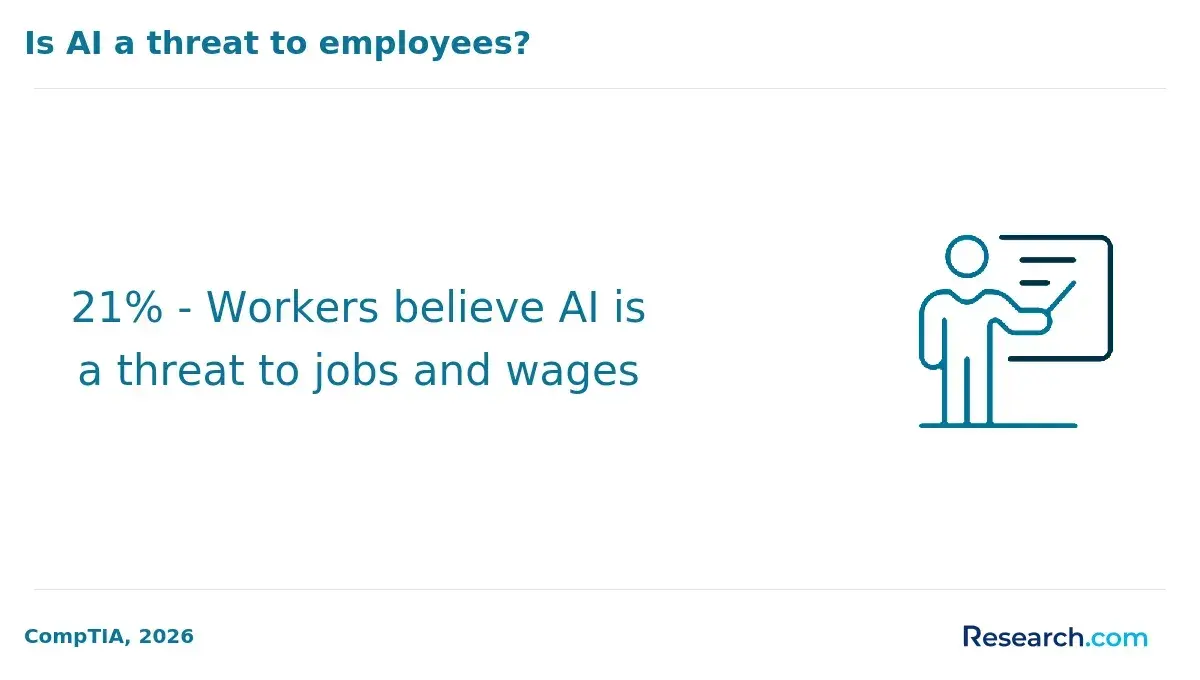
Key points to consider include career goals and industry trends. A 2025 Axios survey found 49% of respondents concerned about AI's disruptive impact on the labor market, highlighting the need for practical AI literacy. GetSmarter's curriculum addresses this with up-to-date skills for evolving job roles, making it ideal for professionals seeking immediate career advancement.
While degree holders often have advantages for leadership roles requiring broad credentials, GetSmarter courses provide accelerated, industry-focused learning for those balancing time constraints and certification needs. Choosing the right path depends on your desired career trajectory and whether you prioritize depth or practical skill acquisition.
What are the admission requirements, time commitment, and workload for GetSmarter AI courses?
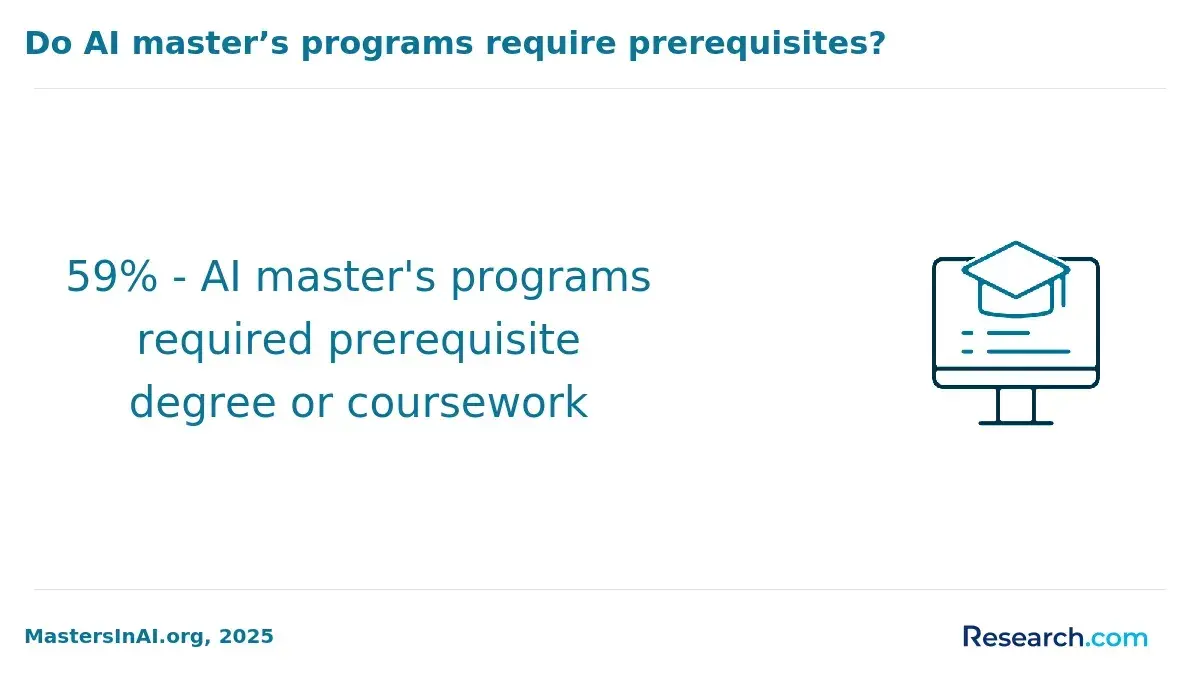
GetSmarter AI courses expect applicants to have a foundational background, typically a bachelor's degree or relevant professional experience in fields like computer science, data science, or engineering. Advanced programs often recommend prior knowledge of programming languages such as Python or R. While standardized tests are not usually required, applicants may need to submit a resume and a statement of purpose to demonstrate preparedness.
Course durations vary from 6 to 12 weeks, with a weekly commitment of 8 to 12 hours. This workload blends theory and practical skills, covering topics like machine learning models, neural networks, and data ethics. For instance, an AI Fundamentals course might demand around 10 hours weekly, including video lectures, assignments, and discussions.
The learning format combines asynchronous online content with occasional live sessions or forums. Assignments typically feature hands-on coding tasks, case studies, and quizzes to reinforce learning. Deadlines for assessments are firm to preserve cohort consistency, limiting pacing flexibility. Prospective students balancing work or other commitments should plan accordingly.
According to a 2025 Microsoft report highlighting that 52% of U.S. students had no AI training, GetSmarter's programs address significant gaps in AI education. Their structured platforms provide robust, accessible learning with guided support, helping overcome barriers like limited prior exposure and technology challenges.
How much do GetSmarter AI courses cost, and are they worth the price?
The cost of GetSmarter AI courses ranges from $1,000 to $4,000, influenced by factors such as program length, university affiliation, and certification level. Many courses are brief professional development modules lasting a few weeks, while others extend over several months. This pricing places GetSmarter programs as a moderate investment-more expensive than many self-paced online options but less than full degree programs.
Market data highlights significant growth in AI education, with the AI in education sector expected to reach $112.30 billion by 2034 and a compound annual growth rate above 43%, according to all-in-one-ai.co. This trend reflects strong demand for AI skills across industries.
Key advantages of GetSmarter courses include:
- Partnerships with reputable universities that boost certificate credibility
- Structured learning paths delivered by expert instructors
- Networking and hands-on project experience that enhance practical skills
Professionals upgrading to AI-based analytics or seeking roles in data science and machine learning benefit from guided feedback, which improves retention and application. However, these courses may not substitute comprehensive degrees for those needing deep academic credentials. Budget-conscious learners should consider financial aid, employer sponsorships, or free alternatives when evaluating value.
What AI and data career paths can GetSmarter AI courses help you pursue?
GetSmarter AI courses equip learners with practical skills tailored to meet industry demands in artificial intelligence and data science. Graduates can pursue diverse roles such as data analyst, machine learning engineer, AI product manager, and AI ethics specialist. These courses include foundational topics like data visualization, neural networks, natural language processing, and ethical AI implementation, preparing students to tackle real-world challenges.
Key career paths supported include:
- Data Analyst and Data Scientist: training in data manipulation, statistical modeling, and predictive analytics to transform raw data into actionable insights.
- Machine Learning Engineer: focus on programming and deploying machine learning algorithms for automated AI systems.
- AI Product Manager: integrates AI strategy with product lifecycle management for guiding AI solutions from concept to market.
- AI Ethics Specialist: emphasizes governance and responsible AI frameworks amid rising institutional AI policy adoption.
These courses foster versatility across sectors like healthcare, finance, education, and technology, enabling career flexibility in both technical and strategic roles.
For professionals aiming to advance their careers, credentials from GetSmarter's AI programs validate expertise and meet growing employer expectations. The increasing institutional support for AI highlights the importance of such tailored education pathways.
What salaries, job outlook, and industry demand can AI course graduates expect?
Graduates from AI courses often enter the workforce with competitive salaries and promising career prospects. Entry-level AI specialists in the U.S. typically earn between $85,000 and $110,000 annually, while experienced roles such as AI engineers or data scientists command salaries from $130,000 to $180,000. Leadership or research positions can exceed $200,000 depending on geographic location and employer size.
The demand for AI expertise is growing across sectors like healthcare, finance, manufacturing, and technology. The U.S. Bureau of Labor Statistics forecasts a 15% growth rate for computer and information research scientists, including AI professionals, between 2024 and 2034, outpacing average job growth.
Academia also increasingly prioritizes AI; a recent report shows 57% of educational institutions considered AI a strategic focus in 2025, up from 49% the previous year. This trend reflects a rising emphasis on AI competencies in accreditation and curriculum development.
Graduates specializing in machine learning, natural language processing, or robotics find diverse opportunities in startups and established companies. Those combining AI skills with cloud computing or cybersecurity have even stronger job prospects. Networking with industry leaders and continual skills development remain critical to career growth in this fast-evolving field.
How should you choose the right GetSmarter AI course for your goals and background?
Choose a GetSmarter AI course that fits your existing skills, career goals, and specific interests within AI. If you have a technical background in programming or data science, look for advanced courses covering machine learning models, deep learning, or AI optimization. For those with limited coding experience, introductory courses on AI fundamentals and applications are better suited.
Consider your career path carefully. For roles in AI research or development, prioritize courses with strong focuses on algorithm design and applied mathematics. If you aim to implement AI in business, select programs with modules on AI strategy, ethics, and AI-driven decision-making. Working professionals should also factor in course duration and flexibility to maintain a healthy work-study balance.
Look closely at course quality and instructor credentials-GetSmarter partners with top universities to provide courses backed by practical projects and measurable outcomes. Review prerequisites carefully to avoid enrolling in courses that are either too advanced or too basic for your current level.
Market data indicates that by 2025, 86% of students globally engage with AI in their studies, with 54% using it weekly. This highlights the importance of courses offering hands-on experience with AI tools to boost practical competence.
Additionally, some AI programs include peer reviews and career support services such as networking and job placement assistance, which can be crucial for advancing in the competitive AI field.
Other Things You Should Know About Artificial Intelligence
The 2027 GetSmarter AI courses feature updated content focusing on real-world applications of AI in various industries, in-depth case studies, and enhanced interactivity with industry experts. These courses emphasize practical skills through hands-on projects, offering learners a well-rounded understanding of AI's impact across multiple sectors beyond just technology and software.
Yes, certain types of AI systems, such as unsupervised learning models, can learn patterns and make decisions from raw data without labeled examples or direct human input. However, many practical AI applications still require supervised learning with human-curated data to ensure accuracy and effectiveness.
Ethical concerns in AI include issues like bias in algorithms, privacy violations, job displacement due to automation, and the transparency of AI decision-making processes. These challenges require careful regulation, accountability, and ongoing research to mitigate adverse societal impacts.
Programming knowledge is important for developing, customizing, and deploying AI models, especially for technical roles. Familiarity with languages like Python is common in AI work, but some entry-level courses and platforms offer tools that minimize coding requirements to make AI more accessible.
References
- Artificial Intelligence https://www.getsmarter.com/products/subject/artificial-intelligence
- Top AI courses to supercharge your career | Jotform Blog https://www.jotform.com/ai/ai-courses/
- GetSmarter: Professional Online Courses & Certifications https://facyla.com/en/getsmarter-professional-online-courses-certifications/
- AI Careers - Top AI Jobs with Education Requirements and Pay https://aidegreeprograms.org/ai-careers/
- GetSmarter Review: Are University-Backed Online Courses Worth It? https://coursesreview.in/getsmarter-review/
- GetSmarter https://www.ukstudyonline.com/platform/getsmarter/
- 16 Artificial Intelligence Career Paths https://www.calmu.edu/news/artificial-intelligence-career-paths
- GetSmarter Reviews 2026 (4.0/5) Smart Learning with a Twist https://getsmarter.myprosandcons.com/
- Ultimate Guide: How to Choose the Right AI Training Course to Boost Your Career - ONLC https://www.onlc.com/blog/how-to-choose-ai-training-courses/
- University of Cape Town: UCT AI for Business: From Vision to Value online short course | edX https://www.edx.org/executive-education/uct-ai-for-business-from-vision-to-value-online-short-course