2027 Best AI Courses for Healthcare Data Governance Teams

Co-Founder and Chief Data Scientist
Healthcare data governance teams face growing challenges managing vast, sensitive datasets while ensuring compliance with evolving regulations. Inadequate controls risk patient privacy breaches and costly penalties. Additionally, integrating emerging technologies demands new skills beyond traditional healthcare knowledge.
Upskilling in artificial intelligence empowers these teams to automate data validation, detect anomalies, and enhance decision-making accuracy effectively. This article reviews top courses designed to equip healthcare data governance professionals with relevant artificial intelligence expertise. It guides readers in selecting flexible, accredited programs that facilitate career pivoting and mastery of essential competencies in this rapidly advancing field.
Key Things You Should Know
- Healthcare data governance teams increasingly need advanced AI courses focusing on data privacy, compliance with HIPAA, and ethical data usage to manage sensitive patient information effectively.
- Leading 2026 AI programs emphasize skills in machine learning integration and predictive analytics, supporting decision-making in clinical and administrative healthcare settings.
- Recent studies show a 40% growth in demand for healthcare professionals trained in AI data governance, highlighting a strong job market for graduates with specialized AI education.
Advance Your Career with AI Online Courses
Artificial Intelligence: Implications for Business Strategy
This program provides an introduction to Artificial Intelligence and their implications for business strategy. Earn an official digital certificate.

Oxford Artificial Intelligence Programme
Explore this Oxford Artificial Intelligence programme offered in a flexible learning environment and explore topics like machine learning, automation, and robotics.

Implementing Agentic AI: Building Your Organizational Playbook
This online MIT Agentic AI course offers a practical approach to deploying AI agents in your organization, including a custom playbook. 3 weeks, exclusive launch price.

AI Adoption: Driving Business Value and Impact
This online MIT AI Adoption: Driving Business Value and Impact offers practical frameworks to close the gap between AI potential and business reality.

Artificial Intelligence in Pharma and Biotech
Discover the applications and limitations of artificial intelligence in pharma and biotech with this MIT online short course.

What is healthcare data governance and why do AI courses matter for these teams?
Healthcare data governance establishes the policies and processes ensuring the accuracy, security, and proper use of health data within medical organizations. For healthcare data governance teams, adopting best practices for AI teams is crucial, as artificial intelligence increasingly relies on high-quality, well-governed data to deliver trustworthy insights. Poor governance risks flawed AI outputs, which can affect clinical decisions and patient outcomes.
Courses tailored to these teams integrate governance principles with machine learning, data ethics, and regulatory frameworks. They provide practical skills such as automating quality checks, designing transparent data pipelines, and managing bias in AI datasets. Teams also learn to align AI workflows with HIPAA compliance and FAIR data principles, safeguarding sensitive health information while enabling research.
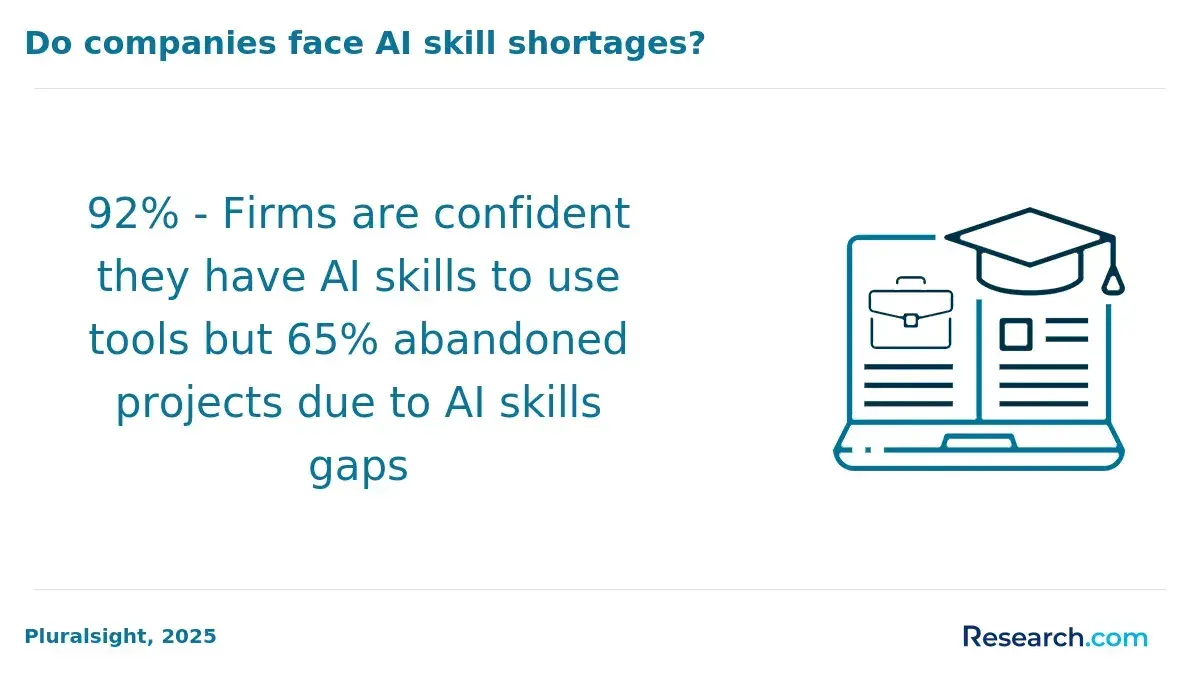
A 2024 PwC survey highlights the importance of AI training for healthcare data management: 72% of U.S. health system executives reported delays or scaled-back AI initiatives due to internal skills gaps and data governance challenges. This underscores the need for effective AI proficiency within healthcare organizations.
Healthcare data governance teams face challenges like the following:
- Ensuring data accuracy amid diverse electronic health record systems
- Protecting patient privacy while supporting AI analytics
- Building trust in AI-generated clinical insights
- Adapting governance to evolving AI technologies
AI education equips professionals with frameworks and tools for smoother AI adoption, supporting population health management, predictive analytics, and personalized medicine—all dependent on strong data governance.
For those exploring careers related to this field, understanding the answers to "What is applied artificial intelligence?" offers valuable insight into the skills and opportunities shaping this evolving landscape.
Advance Your Career with AI Online Courses
Artificial Intelligence: Implications for Business Strategy
This program provides an introduction to Artificial Intelligence and their implications for business strategy. Earn an official digital certificate.
Oxford Artificial Intelligence Programme
Explore this Oxford Artificial Intelligence programme offered in a flexible learning environment and explore topics like machine learning, automation, and robotics.
Implementing Agentic AI: Building Your Organizational Playbook
This online MIT Agentic AI course offers a practical approach to deploying AI agents in your organization, including a custom playbook. 3 weeks, exclusive launch price.
Which types of AI courses are best suited for healthcare data governance roles?
AI courses for healthcare data governance professionals focus on compliance, ethical use, and the technical nuances of healthcare data systems. These programs blend AI fundamentals with regulatory frameworks like HIPAA and GDPR, emphasizing how AI algorithms interact with protected health information (PHI) to reduce compliance risks and safeguard patient privacy.
Healthcare data governance and artificial intelligence training programs often highlight regulatory compliance, addressing a major industry concern. Recent surveys reveal that 59% of healthcare organizations using AI experienced privacy or compliance issues, with 41% linked to misconceptions about HIPAA or GDPR in AI settings. Coursework covers consent management, data anonymization, and audit trail maintenance.
Technical training includes data quality control, bias detection, and AI model explainability. This knowledge equips professionals to resolve data inconsistencies that could cause flawed outputs or violations. Hands-on projects using real healthcare data enhance skills in risk evaluation and AI monitoring.
Key topics frequently covered are:
- Ethical AI frameworks tailored for healthcare data
- Security protocols safeguarding sensitive patient information
- Interdisciplinary studies combining healthcare law, data science, and AI engineering
Courses with case studies on AI breaches prepare professionals for proactive governance strategies, mitigating organizational liability. For those considering further education, exploring the online engineering degree cost can be a practical step.
How can healthcare data governance professionals evaluate online vs. campus AI programs?
Healthcare data governance professionals weighing campus versus online AI programs for healthcare data teams should consider curriculum depth and specialization. Campus programs often offer in-person labs and mentorship, beneficial for mastering complex governance tasks like data security and compliance. Online programs provide greater flexibility, diverse courses, and updated content on AI ethics, regulatory standards, and data interoperability.
Program reputation and faculty expertise are critical. Campus programs affiliated with established institutions can offer stronger alumni networks and industry connections. However, several top online AI PhD programs engage experienced healthcare data scientists and regulatory experts to ensure relevant instruction.
Practical experience is another key factor. Campus programs usually include internships or capstone projects with healthcare organizations, while online courses may rely on virtual labs and case studies, which might lack exposure to real institutional data settings. Online AI course comparison is especially valuable for working professionals who want immediate application of learned material.
Data from the KPMG "Healthcare AI Adoption and Governance Report," 2024, indicates organizations with formal AI data governance frameworks are 2.3 times more likely to deploy AI successfully at scale. Choosing programs emphasizing governance frameworks, compliance, and ethical AI use is essential regardless of delivery mode.
Finally, cost-effectiveness, time commitment, and accreditation matter. Online programs reduce commuting and often cost less, while campus options provide immersive learning experiences. Accreditation ensures credibility and quality in the healthcare AI governance field.
Learn more about highly rated online AI PhD programs to find options that fit your career goals.
What AI skills and topics should healthcare data governance courses cover in their curriculum?
Healthcare data governance courses designed for advanced learners increasingly emphasize a comprehensive set of artificial intelligence skills vital for improving data quality, interoperability, and compliance. Key AI topics for healthcare data management courses include mastering data standards such as FHIR (Fast Healthcare Interoperability Resources) and standardized terminologies like SNOMED CT and LOINC. These frameworks help professionals reduce data inconsistencies and build reliable AI models.
Courses covering healthcare data governance artificial intelligence skills also focus on AI model validation tailored to clinical data. This involves error detection, bias mitigation, and preprocessing techniques critical for trustworthy healthcare applications. Practical AI applications such as natural language processing help interpret unstructured clinical notes, enhancing the usability of healthcare data.
Ethical AI development and regulatory compliance are integral to addressing HIPAA regulations, patient privacy, and the explainability of AI models. Training often includes hands-on experience with healthcare-specific AI platforms that streamline clinical workflows and data normalization.
Hospitals investing in staff education on FHIR and standardized terminologies have seen a 38% drop in AI model errors linked to data quality issues, underscoring the real-world value of focused data governance training.
Professionals interested in furthering their expertise may consider a PhD in data science online to deepen their knowledge and leadership in this evolving field.
What degrees, prerequisites, or experience are recommended before taking AI courses for this field?
A strong educational background in healthcare, computer science, data science, or related fields is essential for those aiming to join healthcare data governance teams in artificial intelligence. Degrees such as a bachelor's or master's in health informatics, bioinformatics, data analytics, or healthcare administration establish a solid foundation. Professionals with expertise in clinical operations, public health, or regulatory affairs who also possess technical skills have a distinct advantage.
Key prerequisites often include proficiency in programming languages like Python or R, a working knowledge of machine learning algorithms, and experience with healthcare data standards such as HL7 or FHIR. Familiarity with data privacy laws like HIPAA and GDPR is critical to address legal and ethical concerns in healthcare data management.
Strong skills in statistics and epidemiology are vital, especially as a 2024 analysis by the U.S. FDA and the Brookings Institution found that 32% of FDA-cleared AI/ML medical devices had concerns related to data bias or inadequate validation on diverse populations. This highlights the importance of training in ethics, bias mitigation, and validation processes within healthcare AI education.
For professionals transitioning into AI governance roles, certifications or short courses focusing on AI ethics, data governance frameworks, or clinical data management enhance existing expertise. Practical skills such as data wrangling, visualization, and cloud computing platform knowledge are frequently expected.
Those without formal science or technology degrees should consider bridging programs that build foundational coding and statistical competencies before advancing to healthcare AI governance courses.
How do accreditation and institutional quality impact the value of AI programs for healthcare?
Accreditation and institutional quality play a critical role in the value of AI programs for healthcare data governance teams by ensuring curriculum rigor and practical applicability. Accredited programs meet industry benchmarks, preparing students to handle real-world healthcare data challenges effectively. Employers often favor graduates from accredited institutions, connecting academic credibility to workplace readiness.
High-quality institutions typically offer specialized courses covering data privacy, regulatory compliance, and AI security protocols. For instance, programs that focus on HIPAA compliance and risk management frameworks equip students to navigate complex legal landscapes. This expertise matters as 34% of reported healthcare data breaches involved systems hosting or interacting with AI/ML models, while organizations providing dedicated AI security training experienced 41% fewer related incidents.
Students should look for programs featuring hands-on labs or collaborations with healthcare providers, fostering skills in securing AI-powered systems and managing sensitive patient data. Faculty engaged in active healthcare data governance research add value through exposure to the latest practices.
Institutional prestige also often means stronger alumni networks and career placement support, helping graduates access specialized roles. Programs recognized by healthcare technology and data security organizations offer certifications valued by employers.
Choosing accredited, high-quality AI programs helps healthcare data governance professionals reduce system vulnerabilities, comply with evolving regulations, and effectively mitigate breach risks. Accreditation signals reliable training on emerging threats, increasingly demanded by employers and regulators.
What are the typical costs, funding options, and time commitments for these AI courses?
Costs for AI courses designed for healthcare data governance teams vary widely, from around $1,000 for targeted bootcamps to over $10,000 for in-depth certificate programs offered by universities or professional organizations. Many courses feature tiered pricing based on access levels and mentorship opportunities.
Funding options frequently include employer sponsorships, particularly in healthcare institutions focused on upskilling, as well as grants aimed at workforce development in healthcare technology. Some programs offer installment plans or income-share agreements to reduce upfront financial strain.
Time commitments also differ: foundational courses typically require 40 to 80 hours spread over 6 to 12 weeks, accommodating working professionals. More advanced certifications can demand 150+ hours over 3 to 6 months, blending asynchronous learning with live sessions. Self-paced options provide flexibility but require discipline to finish within reasonable timelines.
Courses involving MLOps training tend to be intensive due to their technical and governance aspects. According to McKinsey's "AI in Healthcare Operations Benchmark," health systems proficient in MLOps were 3.1 times more likely to have established AI model monitoring and drift management processes.
Many programs embed hands-on projects to accelerate skill development. Prospective students should weigh course length, cost, content depth, and funding availability to find programs aligned with their professional objectives and institutional demands. Continued education and ongoing model governance practice remain essential as the field rapidly evolves.
What job roles can AI-trained healthcare data governance professionals pursue, and where do they work?
AI-trained healthcare data governance professionals fill vital roles such as healthcare data governance analyst, compliance officer with AI expertise, clinical informaticist managing AI tool integration, and AI-driven data quality manager. They play a crucial role in ensuring data privacy, regulatory compliance, and the effective deployment of AI applications within healthcare organizations.
Employment opportunities are diverse, extending beyond hospitals to include health insurance companies, pharmaceutical firms, health IT vendors, government agencies handling public health data, consulting firms focused on healthcare AI adoption, and legal practices specializing in health data compliance.
These roles often require bridging communication between IT teams, clinicians, and legal departments to promote ethical, secure, and efficient AI usage. For example, compliance officers focus on auditing AI algorithms for bias and accuracy, while clinical informaticists support care teams by improving AI adoption and resolving integration challenges.
The OECD "AI in Health: Skills, Trust and Adoption Survey," 2024, highlights that organizations providing AI literacy training to clinicians and compliance/legal staff achieved a 27% higher clinician adoption rate of AI tools compared to training limited to data scientists and IT staff. This underscores the expanding need for AI-educated professionals across healthcare.
Courses emphasizing interdisciplinary skills such as healthcare regulations, data ethics, and AI system design are essential to prepare students for these dynamic roles in the evolving healthcare landscape.
What salaries and career advancement can healthcare data governance teams expect with AI skills?
Healthcare data governance professionals with AI skills see notable salary boosts and enhanced career opportunities. According to the AHIMA & HIMSS "Health Data and AI Workforce Survey," professionals with at least one AI or machine-learning certificate earn a median salary 19% higher than those without such credentials. For instance, data governance analysts with AI expertise typically make $85,000 to $105,000 annually, compared to $70,000 to $88,000 for non-certified peers.
AI training often leads to advanced roles such as AI implementation lead, data strategy manager, or health data scientist. These positions demand skills in integrating AI-driven tools for compliance, improving data quality, and optimizing patient outcomes, commanding higher pay and greater organizational influence.
Certified AI skills also empower professionals to handle complex healthcare regulations using advanced analytics, making them vital in compliance monitoring and reporting. Moreover, AI competency supports career mobility into interdisciplinary roles like AI ethics oversight or predictive analytics management.
Specialized AI training—such as machine learning models for electronic health records or natural language processing for clinical documentation—enhances employability and salary prospects. Combining core data governance certifications with AI credentials provides a competitive edge in the U.S. healthcare labor market and opens pathways to leadership.
Healthcare data governance teams aiming for salary growth and career resilience should prioritize validated AI skill acquisition to meet evolving demands and benefit from documented salary premiums.
Are there industry certifications or compliance standards that AI courses for healthcare governance should support?
AI courses for healthcare data governance teams must align with critical industry certifications and compliance standards to ensure legal and ethical use. Key among these is comprehensive HIPAA training, covering Privacy and Security Rules essential for protecting protected health information (PHI) and avoiding costly breaches or regulatory fines.
The Information Blocking Rule under the 21st Century Cures Act is another vital regulation. It governs data sharing and patient access rights, requiring governance teams to understand how to deploy AI tools within these legal boundaries.
Emerging frameworks such as the National Institute of Standards and Technology's (NIST) AI Risk Management Framework guide teams on evaluating AI trustworthiness and bias mitigation. Areas like generative AI, federated learning, and synthetic data demand familiarity with these standards to innovate responsibly.
By 2025, 61% of large healthcare organizations planned pilot projects involving generative AI or synthetic data, yet 68% reported lack of internal expertise and training as a major barrier. This highlights the need for courses that integrate compliance, ethics, and AI innovation.
Healthcare governance teams should pursue combined certification pathways such as Certified Information Privacy Professional/United States (CIPP/US) coupled with HIPAA and AI ethics modules. Effective training includes case studies of federal audits and compliance failures, preparing learners for real-world governance challenges.
Other Things You Should Know About Artificial Intelligence
The top AI courses for data governance teams in healthcare in 2027 focus on ethical AI, machine learning for healthcare, and data privacy regulations. Popular courses include Stanford University's AI in Healthcare Specialization, MIT's Professional Education in AI for Medicine, and Coursera's Data Science in Healthcare programs.
Healthcare teams often encounter challenges such as data interoperability issues, lack of standardized data formats, and concerns over algorithm transparency. Integrating AI requires substantial data cleaning and harmonization to ensure models function correctly. Moreover, distrust in AI outputs and regulatory uncertainties can slow adoption in healthcare settings.
Yes, AI can significantly aid risk management by continuously analyzing data to identify vulnerabilities and compliance gaps. Predictive analytics help healthcare teams anticipate potential risks before they escalate. AI systems can also automate the documentation and reporting processes crucial for regulatory audits and reduce human error in governance tasks.
AI training for healthcare professionals is increasingly multidisciplinary, combining data science, clinical knowledge, and ethics. Programs emphasize hands-on experience with real healthcare datasets and tools such as natural language processing and predictive modeling. The curricula also stress understanding AI's limitations and ensuring responsible use in clinical decision-making and data governance.
References
- GenAI in Healthcare Training | Safe AI Use in Healthcare | Skills for Health https://www.skillsforhealth.org.uk/products/elearning/gen-ai-healthcare-training/
- The Real Cost of AI Tools for Schools: What Budgets Need to Account For https://openeducat.org/articles/cost-of-ai-tools-for-schools-budget-guide/
- AI Governance in Health Care: What In-House Counsel and Compliance Teams Need to Know Now https://www.bakerdonelson.com/ai-governance-in-health-care-what-in-house-counsel-and-compliance-teams-need-to-know-now
- AI Training Costs for Finance Professionals (2026) | Learnsignal https://www.learnsignal.com/blog/ai-training-cost-finance-professionals/
- Data governance for inclusive digital & AI futures https://academy.itu.int/training-courses/full-catalogue/data-governance-inclusive-digital-ai-futures
- Artificial Intelligence in Health Care - URAC https://www.urac.org/accreditation-cert/healthcareai/
- AI Governance Salaries 2026: $65K to $400K+ (20 Roles) https://techjacksolutions.com/ai-governance-salary-data/
- How Data Governance Impacts Digital Careers https://nowskills.co.uk/data-governance-impact-digital-careers/
- AI Data Governance in Healthcare: Trends & Next Steps https://kms-technology.com/blog/ai-data-governance/
- Webinar-Confronting the Unspoken: The Impact of AI Adaptation on Institutional Policy and Accreditation | Council for Higher Education Accreditation https://www.chea.org/webinar-confronting-unspoken-impact-ai-adaptation-institutional-policy-and-accreditation