2027 Best AI Courses for Architecture and Design Firms

Co-Founder and Chief Data Scientist
Architecture and design firms face mounting pressure to integrate advanced tools to enhance creativity and efficiency while managing tight project deadlines. Many professionals with diverse academic backgrounds struggle to identify credible courses that combine architectural principles with artificial intelligence applications. Upskilling in this area often requires finding flexible, accredited programs designed for those pivoting from unrelated fields.
This gap can hinder innovation and competitive advantage within the industry. This article presents the best artificial intelligence courses tailored specifically for architecture and design firms, helping professionals make informed decisions that align with career goals and industry demands.
Key Things You Should Know
- AI courses for architecture and design firms in 2026 emphasize practical skills in generative design, automation, and sustainability to meet evolving industry needs.
- 85% of professionals report improved project efficiency and innovation after integrating AI training, reflecting growing employer demand in the U.S. design sector.
- Top programs blend software proficiency with strategic thinking, preparing students for tools like Autodesk generative design and AI-driven BIM platforms.
Advance Your Career with AI Online Courses
Artificial Intelligence: Implications for Business Strategy
This program provides an introduction to Artificial Intelligence and their implications for business strategy. Earn an official digital certificate.

Oxford Artificial Intelligence Programme
Explore this Oxford Artificial Intelligence programme offered in a flexible learning environment and explore topics like machine learning, automation, and robotics.

Implementing Agentic AI: Building Your Organizational Playbook
This online MIT Agentic AI course offers a practical approach to deploying AI agents in your organization, including a custom playbook. 3 weeks, exclusive launch price.

AI Adoption: Driving Business Value and Impact
This online MIT AI Adoption: Driving Business Value and Impact offers practical frameworks to close the gap between AI potential and business reality.

Artificial Intelligence in Pharma and Biotech
Discover the applications and limitations of artificial intelligence in pharma and biotech with this MIT online short course.

What are the best AI courses for professionals in architecture and design firms?
Top artificial intelligence training for design firms emphasizes integrating automation and machine learning in architectural workflows. Courses focusing on generative design, BIM automation, and data-driven urban planning are among the best ai courses for architecture professionals. Key programs include Autodesk's AI-integrated tools, ShapeDiver's parametric design with AI modules, and specialized AI in Architecture online courses.
These programs equip professionals to optimize complex structural designs, automate repetitive drafting tasks, and enhance project simulations using generative adversarial networks (GANs). Additionally, training in natural language processing (NLP) helps automate client interactions and extract building information efficiently.
According to the World Economic Forum's Future of Jobs 2025 report, AI will automate or augment 42% of task hours in architecture and engineering by 2030, rising from 27% in 2023. This surge underscores the importance of acquiring AI skills to remain competitive and productive in the industry.
When selecting courses, prioritize those offering hands-on applications, real-world datasets, and relevant software training. Programs addressing AI ethics, sustainability, and multidisciplinary collaboration provide additional value. For career advancement, consider certifications recognized by industry peers that highlight your expertise. Professionals curious about what jobs can you get with an AI degree will find these skills increasingly essential.
- Autodesk AI and Generative Design courses
- ShapeDiver Parametric Design with AI modules
- AI in Architecture specialization on reputable platforms
- Machine Learning for Urban Planning and Construction
- Data-Driven BIM Automation workshops
Advance Your Career with AI Online Courses
Artificial Intelligence: Implications for Business Strategy
This program provides an introduction to Artificial Intelligence and their implications for business strategy. Earn an official digital certificate.
Oxford Artificial Intelligence Programme
Explore this Oxford Artificial Intelligence programme offered in a flexible learning environment and explore topics like machine learning, automation, and robotics.
Implementing Agentic AI: Building Your Organizational Playbook
This online MIT Agentic AI course offers a practical approach to deploying AI agents in your organization, including a custom playbook. 3 weeks, exclusive launch price.
How is artificial intelligence changing workflows in architecture and design practices?
Artificial intelligence is revolutionizing architecture and design workflows by automating routine tasks, enhancing precision, and enabling data-driven decision-making. AI-powered tools expedite complex 3D modeling, generate rapid design iterations, and optimize spatial layouts based on environmental and user behavior data. This transition allows architects to focus more on strategic oversight and creative problem-solving rather than manual drafting.
The impact of artificial intelligence on architectural project management is profound. AI enhances resource allocation and scheduling by analyzing historical project data and forecasting bottlenecks. Integration with Building Information Modeling (BIM) systems promotes real-time collaboration and early detection of structural or compliance issues, reducing costly construction revisions.
Design personalization benefits significantly from AI as machine learning models analyze client preferences and environmental factors to create tailored designs quickly. This supports firms in meeting client demands efficiently while maintaining high customization levels.
According to Coursera's 2024 Global Skills Report, enrollment in AI-related courses by learners with architecture and construction backgrounds grew by 86% year-over-year. This surge highlights a need for AI literacy as a core skill in architectural education and professional growth. Prospective students interested in technical fields should also consider options such as mechanical engineering online degrees, which increasingly incorporate AI applications.
To maximize AI integration in architecture design workflows, professionals must develop technical capabilities with AI tools, understand ethical implications, and commit to continuous learning to keep pace with evolving technologies.
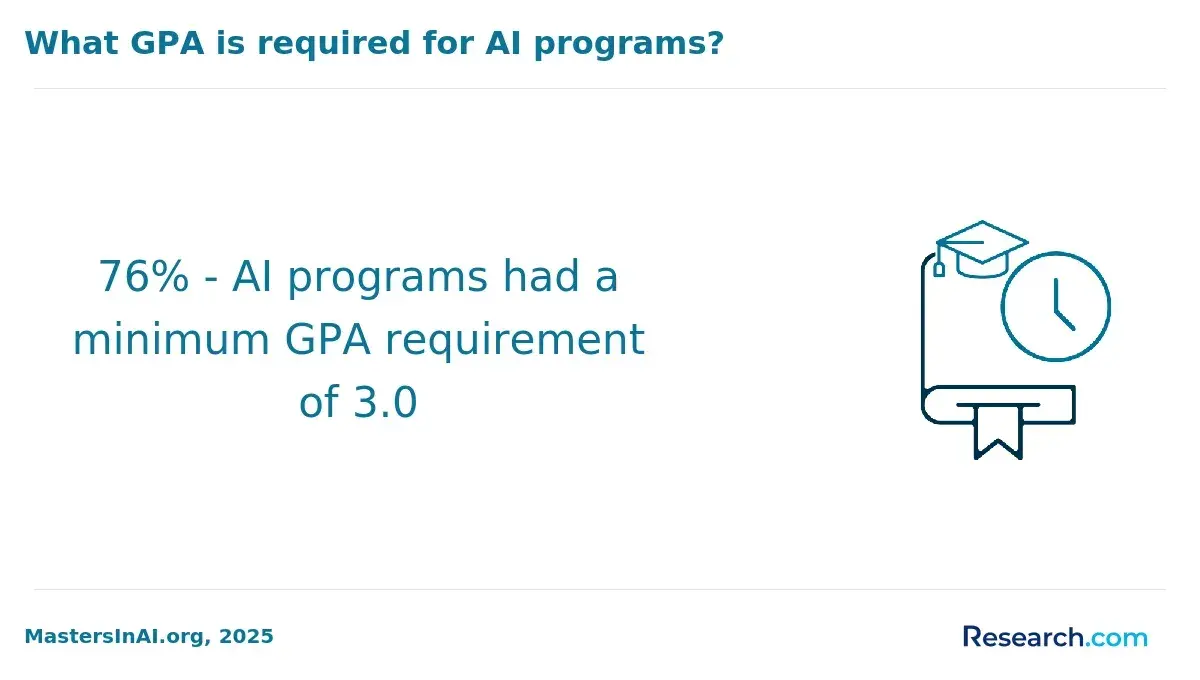
What types of AI programs are available for architects and designers (certificates, degrees, bootcamps)?
AI certification programs for architects and designers come in several formats tailored to different needs. Certificate programs focus on specific skills like AI-assisted design tools, generative design, or AI-driven visualization. These short, intensive courses typically last from weeks to months, offering targeted knowledge without a lengthy time commitment.
Degree options in AI for architectural design professionals include master's degrees in AI or computational design. These comprehensive programs blend theory and practical projects, ideal for those aiming to integrate AI deeply into their workflows. Lasting one to two years, degrees often emphasize real-world architectural challenges and research.
Bootcamps provide rapid, hands-on training for immediate AI application in architecture, lasting from days to a few months. They commonly cover machine learning for material optimization and AI-accelerated rendering, making them suitable for firms needing quick staff upskilling.
Training frequently highlights AI for design visualization and rendering. According to the 2024 NVIDIA State of AI in Design and Engineering report, firms using AI-accelerated rendering reduced visualization turnaround by 48% and delivered 67% more design options within the same fee. This demonstrates how AI education enhances client presentations and competitiveness.
Choosing between certificates, degrees, or bootcamps depends on desired knowledge depth, time, and specific AI uses in practice. For broader academic options including related fields, consider a cyber security degree, which shares foundational AI elements and practical application approaches.
How do online AI courses for architecture compare with campus and hybrid options?
Online AI courses for architecture firms offer unmatched flexibility compared to campus programs, especially benefiting working professionals and recent graduates. These courses focus on applied AI skills such as generative design and parametric tools aligned with industry software, accelerating practical knowledge. For instance, integrating Autodesk's generative design principles reflects findings from the 2024 Design & Make report, where 72% of firms using generative AI achieve faster concept development.
Campus programs often emphasize foundational design education combined with AI, providing deeper theoretical insight and hands-on mentorship but requiring longer completion times. Hybrid AI learning for design professionals blends in-person studio feedback with online modules, offering interaction with instructors and some scheduling flexibility. However, hybrid formats still demand travel and fixed attendance, which can hinder busy professionals.
When choosing between options, consider your primary learning goals. Online courses efficiently develop AI competencies for concept generation and parametric workflows, important since 59% of firms report winning more bids through AI-enhanced proposals. Campus programs are better for those seeking comprehensive architectural education with AI as a supplement. Hybrid courses benefit learners wanting both engagement and convenience.
Additional considerations include networking, access to campus resources, and direct software training. Online platforms usually provide up-to-date content reflecting fast AI advancements. Prospective students and decision-makers should evaluate course format by skill needs, career stage, and time availability rather than brand prestige. For those exploring related fields, options like the best military friendly online cybersecurity degrees may offer relevant flexible learning paths.
What should architects look for in an AI course curriculum focused on design and BIM tools?
Architects pursuing courses that integrate artificial intelligence with design and BIM tools should focus on hands-on applications that enhance established workflows. Key skills include machine learning for parametric and generative design, plus automating routine BIM tasks to speed up iterations and boost model precision.
Energy modeling and sustainability analytics using AI are crucial, as AI-driven building performance optimization can reduce operational energy consumption significantly, often delivering strong financial returns in retrofit projects. Training in AI-powered simulation tools for thermal and daylight analysis supports these goals effectively.
Essential curriculum elements also cover data management within BIM environments, applying AI to handle large architectural datasets, sensor integration, and digital twins for smart building operations.
Real-world case studies and project-based learning that cover clash detection automation, AI-assisted code compliance, and design risk evaluation prepare students for practical industry challenges. Familiarity with interoperability standards like IFC and APIs for AI integration is a valuable asset.
Finally, ethical considerations and transparency in AI decision-making are vital topics, helping architects responsibly leverage AI capabilities and manage client expectations.
How can professionals verify accreditation and institutional quality for AI programs in the U.S.?
Accreditation is key when evaluating AI programs in the U.S., as recognized agencies approved by the U.S. Department of Education or the Council for Higher Education Accreditation (CHEA) ensure institutions meet rigorous academic standards. Regional accreditation particularly signals credible educational credentials that employers value. Prospective students should also consider programs affiliated with respected professional organizations like the American Institute of Architects (AIA) or the Association of Professional Design Firms (APDF), which align curricula with industry standards and compliance.
Verification includes reviewing syllabi for robust AI applications in architecture, confirming instructor expertise, and examining alumni outcomes or employer feedback. Institutions demonstrating research contributions in leading journals or securing grants for AI-enabled architectural projects reflect strong commitment and quality. Practical evidence shows firms using AI enhance billable utilization by 9 percentage points and cut administrative time by 32%, as reported in the AI for Practice Management, Fees, and Operations Monograph 2025. Additionally, a 6% median profit margin increase within one year highlights clear business benefits tied to competent AI training.
Thorough accreditation assessment protects learners from programs lacking rigor or industry relevance, ensuring their AI education leads to meaningful career advantages.
What are the typical admission requirements for AI courses geared toward working design professionals?
Admission to AI courses designed for working design professionals typically requires a relevant academic or professional background in architecture, design, or related fields. Most programs ask for at least a bachelor's degree in architecture, interior design, urban planning, or engineering. However, significant industry experience can sometimes substitute formal degrees, reflecting the value of practical skills gained on the job.
Applicants should submit a resume highlighting design projects, especially those utilizing digital tools or data analysis. For advanced courses, portfolios demonstrating work with emerging technologies or digital modeling enhance application strength. Basic knowledge of software such as AutoCAD, Revit, or Rhino is generally recommended, and some programs expect familiarity with data handling or foundational machine learning concepts.
Many programs require a statement of purpose to clarify career goals and how AI skills will be applied in design contexts. Some also include assessments or interviews to evaluate technical aptitude and problem-solving abilities. Additionally, financial documentation or proof of employment may be requested for courses offering professional development credits or corporate sponsorship.
Classes often cater to working professionals via part-time, evening, or online formats. According to HubSpot's 2024 State of AI in Marketing report, firms using AI tools for proposals and client communication see measurable advantages: marketing teams produce 2.3× more qualified leads and achieve 37% higher email engagement. This highlights the growing need for AI proficiency in design-related client workflows.
How long do AI programs for architecture usually take, and what do they cost?
AI programs for architecture vary from short-term certificates lasting 4 to 12 weeks to extensive professional development courses up to 6 months. Intensive bootcamps focusing on specific tools like parametric design or AI-driven modeling typically last about 8 weeks. More comprehensive offerings that cover AI integration, data ethics, and workflow automation usually span 3 to 6 months, ensuring practical expertise.
Costs depend greatly on course length and provider. Entry-level or specialized short courses generally range from $500 to $1,500, while longer certificates or university-affiliated programs can cost between $2,000 and $7,000. Established institutions often charge more but provide in-depth materials and networking. In contrast, online platforms might be more affordable and flexible yet offer less direct interaction.
Compliance risks should be factored into the investment. According to Deloitte's 2024 Global AI Governance Survey, 61% of large professional-services and design/engineering organizations had at least one AI-related compliance, IP, or data-privacy incident in the past 24 months. Yet, only 35% maintain formal AI governance policies, highlighting a crucial gap many AI education programs address. Prospective students are advised to prioritize courses combining technical training with ethics and risk management.
Modular course structures can help busy professionals balance cost and depth while tackling essential governance issues within architectural practice.
What career outcomes, job roles, and advancement opportunities can AI training unlock in design firms?
Training in artificial intelligence within architecture and design firms can lead to specialized and hybrid career roles, including AI integration specialists, computational designers, and innovation managers. These roles focus on enhancing design workflows, data analysis, and project visualization through AI tools. Professionals equipped with AI skills often combine creative expertise with technical AI applications, becoming essential contributors to interdisciplinary teams.
Upskilling in AI accelerates advancement into leadership and strategic roles, such as project managers who leverage AI for improved automation, resource allocation, and cost-efficiency. Studies, including Coursera's Enterprise Skills Transformation Study 2024, show firms report employees applying AI skills in as little as six weeks, with productivity gains up to 24% within half a year.
Common career paths emerging from AI training in design include:
- AI-enhanced architectural design leads focusing on parametric modeling and generative design.
- Data analyst roles specializing in building information modeling (BIM) and predictive maintenance.
- AI project coordinators managing machine learning integration in smart building projects.
Strategic innovation roles also become accessible, enabling professionals to lead digital transformation efforts by applying AI algorithms and data-driven decision-making. These competencies strongly position individuals for tech-savvy leadership roles within an evolving industry.
What salary impact and long-term job outlook can architects expect after adding AI skills?
Data from LinkedIn's 2025 Workplace Learning Report shows a 182% increase in global job postings for architecture and engineering roles mentioning AI from 2022 to 2024. This reflects growing demand for professionals who can use artificial intelligence to enhance automation, generative design, and data analytics in project workflows. Architects skilled in AI tools like parametric modeling or AI-assisted BIM typically see salary boosts between 10% and 25% compared to those using traditional methods.
Firms value AI proficiency for its potential to improve efficiency, reduce errors, and foster innovative designs, justifying higher wages. The long-term job outlook for architects with AI skills is strong, as adoption of AI-powered design and construction technologies accelerates. Specialists able to interpret and deploy these tools are less vulnerable to automation risks and positioned for emerging roles such as AI design strategist or computational architect.
Additionally, AI expertise allows architects to expand into related fields including urban planning and sustainable design, where AI applications are rapidly evolving. Ongoing upskilling in artificial intelligence helps maintain career adaptability and technological relevance.
Key benefits for architects acquiring AI skills include:
- Higher starting salaries and faster wage growth
- Expanded opportunities and leadership potential
- Greater job security through technological relevance
Other Things You Should Know About Artificial Intelligence
No, coding knowledge is not strictly required to begin learning artificial intelligence in architecture and design, but having a basic understanding of programming languages like Python can be highly beneficial. Many AI courses offer beginner-friendly modules that introduce coding concepts relevant to AI applications in design. However, more advanced technical proficiency will be required to develop custom AI models or deeply integrate AI tools into workflows.
Data privacy is a critical concern in AI applications for architecture firms, as many AI tools process sensitive project and client information. Firms need to implement strict data handling protocols and choose AI platforms that comply with industry standards and regulations such as GDPR or CCPA. Secure cloud-based AI services often include encryption and user access controls to protect confidential data.
Ethical considerations include ensuring AI-generated designs do not perpetuate bias, maintaining transparency in AI decision-making processes, and safeguarding privacy. Architects must critically assess AI recommendations and balance automation with human oversight. Responsible AI use also involves understanding its impact on employment and striving for equitable access to AI technologies within the industry.
References
- New Use of Artificial Intelligence Accreditation Policy and Procedures - Middle States Commission on Higher Education https://www.msche.org/2025/07/02/new-use-of-artificial-intelligence-accreditation-policy-and-procedures/
- Creating Opportunities For All In The Intelligent Age https://www.weforum.org/stories/2026/01/creating-economic-opportunities-for-all-in-the-intelligent-age/
- Top 12 AI Tools for Architectural Design & Planning in 2025 https://paacademy.com/blog/top-ai-tools-architectural-planning
- AI Architect Salary 2026 | Artificial Intelligence Career https://passitexams.com/salaries/ai-architect-salary/
- Master in AI for Architecture and Business Innovation - IAAC https://iaac.net/masters/master-in-ai-for-architecture-and-business-innovation/
- AI in Architecture: How to Streamline Projects and Boost Profits - Monograph https://monograph.com/blog/ai-in-architecture
- AI Architect’s role: Projects, challenges and growth | Sii Poland https://sii.pl/en/news-feed/ai-architect-projects-challenges-and-growth/
- AI-Driven Internal Mobility: Promote Career Growth From Within https://www.oleeo.com/blog/ai-powered-skills-mobility/
- How is artificial intelligence being used in architecture right now? https://www.riba.org/work/insights-and-resources/professional-features/ai-professional-features/artificial-intelligence-in-architecture/
- Pricing - Architechtures - AI Architecture Software https://architechtures.com/en/pricing