2027 Best AI Governance Courses for Quality Control Teams

Co-Founder and Chief Data Scientist
Quality control teams frequently encounter challenges managing risks linked to artificial intelligence integration, including ethical concerns, bias mitigation, and regulatory compliance. These issues can disrupt workflows and expose organizations to significant liabilities. Addressing such challenges requires specialized knowledge in AI governance, combining technical understanding with policy frameworks suited to evolving technologies.
The article explores the best available AI governance courses tailored for quality control professionals. It aims to guide readers in selecting accredited programs that equip them with the skills to ensure responsible AI deployment and maintain high standards in quality management processes.
Key Things You Should Know
- AI governance courses for quality control teams focus on ethical frameworks, risk mitigation, and regulatory compliance to ensure responsible AI deployment in business operations.
- By 2026, over 60% of quality control professionals are expected to engage in AI governance training, reflecting growing industry demand for AI-literate experts.
- Top programs emphasize practical skills in auditing AI systems and integrating fairness, transparency, and accountability principles into product quality workflows.
Advance Your Career with AI Online Courses
Artificial Intelligence: Implications for Business Strategy
This program provides an introduction to Artificial Intelligence and their implications for business strategy. Earn an official digital certificate.

Oxford Artificial Intelligence Programme
Explore this Oxford Artificial Intelligence programme offered in a flexible learning environment and explore topics like machine learning, automation, and robotics.

Implementing Agentic AI: Building Your Organizational Playbook
This online MIT Agentic AI course offers a practical approach to deploying AI agents in your organization, including a custom playbook. 3 weeks, exclusive launch price.

AI Adoption: Driving Business Value and Impact
This online MIT AI Adoption: Driving Business Value and Impact offers practical frameworks to close the gap between AI potential and business reality.

Artificial Intelligence in Pharma and Biotech
Discover the applications and limitations of artificial intelligence in pharma and biotech with this MIT online short course.

What is AI governance and why do quality control teams need formal training in it?
AI governance frameworks for quality control teams are essential to ensure that AI systems operate ethically, safely, and reliably. Formal training in AI governance for quality assurance empowers professionals with the ability to monitor AI model performance, verify output accuracy, and mitigate risks such as bias or unintended consequences. This training supports consistent oversight of AI tools embedded in operational workflows, aligning outcomes with regulatory and organizational standards.
Quality control teams must grasp data integrity, model transparency, and validation techniques. For example, assessing whether training data is representative is critical to avoiding biased results. Continuous evaluation helps detect model drift that can affect output quality over time, a key concern in industries like manufacturing and healthcare where AI errors could lead to safety or compliance issues.
According to IBM's 2024 Global AI Adoption Index, 61% of top-performing organizations say strong AI governance practices enhance the quality and reliability of AI outputs, compared with 36% among others. This highlights the importance of formal training to identify AI risks and understand model limitations, preventing costly disruptions or reputational damage.
Investing in robust AI governance also improves collaboration with data scientists and compliance officers, developing skills to interpret reports, implement audit trails, and document AI decisions for transparency. Prospective students interested in pursuing data science should explore the best data science undergraduate programs to build these competencies effectively.
Advance Your Career with AI Online Courses
Artificial Intelligence: Implications for Business Strategy
This program provides an introduction to Artificial Intelligence and their implications for business strategy. Earn an official digital certificate.
Oxford Artificial Intelligence Programme
Explore this Oxford Artificial Intelligence programme offered in a flexible learning environment and explore topics like machine learning, automation, and robotics.
Implementing Agentic AI: Building Your Organizational Playbook
This online MIT Agentic AI course offers a practical approach to deploying AI agents in your organization, including a custom playbook. 3 weeks, exclusive launch price.
What are the best AI governance courses specifically designed for quality control professionals?
AI governance courses for quality control professionals focus on practical skills essential for compliance, risk assessment, and ethical frameworks within AI systems. Programs like the University of Toronto's AI Ethics and Governance Certificate and MIT's Governance of AI and Data course include case studies on bias detection, auditing methods, and regulatory standards key for quality assurance teams. These programs provide hands-on training in drafting AI accountability protocols and understanding emerging legal requirements relevant to AI deployment.
The best training programs in AI governance for quality teams often cover the use of automated auditing tools, data integrity checks, and risk mitigation strategies tailored specifically to AI model performance. For example, courses offered by the IEEE Standards Association establish industry benchmarks and guidelines enabling quality teams to monitor and validate AI outputs effectively. Certification programs from the AI Governance and Transparency Institute also offer modules on constructing transparent AI pipelines to improve trustworthiness and compliance.
Many of these courses promote cross-functional collaboration, allowing quality control staff to engage directly with AI developers, legal teams, and ethics officers. This approach aligns with the World Economic Forum's Future of Jobs 2025 update, which projects that roles related to AI governance, ethics, and risk management-including AI quality and compliance-will see 30-40% growth globally by 2027. For those interested in advancing their career through an AI masters degree, consider exploring affordable online programs that strengthen expertise in AI governance and quality control.
How do online AI governance programs compare to campus-based options for quality control teams?
Online AI governance training for quality control teams provides flexibility and rapid access to evolving regulatory content, essential for organizations facing swift compliance demands. These programs typically offer modular, self-paced study, accommodating shift work and tight deadlines. This approach aligns with findings from a Deloitte survey showing that 72% of large organizations anticipate AI-related regulatory audits within two years, while only 28% feel their AI compliance is mature.
Campus-based AI governance certification compared to online programs often delivers richer networking opportunities, hands-on projects, and direct faculty interaction. Such in-person formats suit teams navigating complex workflows or requiring multidisciplinary collaboration. Remote programs, on the other hand, use interactive virtual tools like simulations and case studies to mimic real governance challenges, offering a practical yet flexible experience.
Quality control teams should consider factors such as team size, regulatory complexity, budget, and the balance between hands-on experience and rapid knowledge acquisition. For those exploring educational paths, a game development degree can offer insights into interactive technology design, complementing knowledge in AI governance frameworks.
What should you look for in accreditation and curriculum quality for AI governance courses?
Accreditation from recognized bodies like ABET, AACSB, or regional educational authorities is essential for AI governance course accreditation standards, ensuring the program meets industry benchmarks and produces professionals capable of effective governance. High curriculum quality is equally important, with a focus on risk management, ethical frameworks, compliance, data privacy, and bias mitigation.
Strong curricula include practical case studies and scenario-based learning to apply governance principles within quality control teams. Courses should cover AI lifecycle management emphasizing quality assurance and continuous monitoring techniques. Training on emerging risks such as algorithmic transparency and explainability helps participants address evolving governance challenges.
Cross-functional collaboration between AI teams and compliance officers is vital, equipping learners with tools to bridge technical and regulatory elements. According to McKinsey's State of AI report, organizations with formal governance frameworks are 1.6 times more likely to scale AI projects successfully and 40% less likely to face project halts due to risk issues. This underscores the importance of curriculum quality criteria for AI governance training aligned with the latest regulations and best practices.
Professionals seeking advanced tech-related education may also explore options like an accelerated cyber security degree, which can complement AI governance expertise and bolster career prospects in quality control and risk management domains.
Which degrees, certificates, or microcredentials support a career in AI governance for QA roles?
Degrees, certificates, and microcredentials focused on AI governance significantly boost career prospects in quality control roles within the AI sector. Relevant master's programs include data ethics, cybersecurity risk management, and information technology with a specialization in AI compliance and governance. These programs explore regulatory frameworks, ethical AI deployment, and auditing methodologies essential for QA professionals.
Professional certificate programs from institutions such as ISACA or IEEE emphasize specialized skills like AI audit, bias detection, and accountability frameworks, validating expertise in AI risk management. These credentials increase marketability and demonstrate commitment to evolving industry standards.
Microcredentials offer targeted skills suitable for QA teams overseeing AI systems, covering topics including AI transparency, algorithmic fairness, and model validation techniques. These shorter, flexible courses, available via universities and platforms like Coursera and edX, enable working professionals to upskill efficiently without committing to full degrees.
A 2024 ISACA compensation survey highlights that IT and risk professionals with AI governance or AI audit certifications earn 15-20% higher total compensation on average than their uncertified peers. Combining foundational degrees with recognized certificates or microcredentials can enhance both theoretical knowledge and practical skills for QA professionals in AI governance.
What core topics and skills are covered in AI governance courses for quality control teams?
AI governance courses for quality control teams emphasize regulatory compliance, risk management, and the ethical deployment of AI within organizations. Essential topics include AI compliance frameworks such as ISO/IEC 42001, which establishes standards for AI management systems, alongside legal requirements linked to data privacy and algorithmic transparency. Students acquire practical skills in auditing AI models for bias, verifying data integrity, and applying continuous monitoring to ensure system reliability.
Risk assessment techniques are a key focus, enabling teams to identify vulnerabilities and develop strategies to mitigate operational and ethical failures. Data governance is stressed to maintain dataset quality, fairness, and compliance with legal standards. Additionally, quality control professionals learn to document AI lifecycle processes clearly to meet regulatory audit demands.
Courses also cover tools for explaining AI decisions and interpreting model behavior, helping professionals communicate system outputs effectively to stakeholders. Real-world case studies illustrate challenges such as bias in hiring algorithms and GDPR compliance issues in data handling. This hands-on training equips students to tackle problems like opaque AI decision-making and difficulties integrating AI with legacy systems.
Exam fees for top certifications can range from US$390 to US$750, according to EXIN's AI Compliance Certification Guide. This financial commitment reflects growing demand for standardized expertise in AI governance-an essential skill for quality control teams aiming to ensure ethical, safe, and legally compliant AI use across industries.
What are the typical admission requirements, program length, and tuition costs for AI governance training?
Admission to AI governance training programs typically requires a bachelor's degree in fields like computer science, information technology, law, or business. Some programs accept professionals with significant work experience in compliance, risk management, or quality control, even without formal degrees. Foundational knowledge in data privacy, ethics, or regulatory frameworks is often expected, while advanced certifications may require prior experience in AI implementation or governance.
Program lengths vary widely: short-term certifications can last from a few days to several weeks, making them suitable for working professionals seeking focused knowledge. More comprehensive courses, including post-baccalaureate certificates or executive education, usually span three to six months part-time. University-affiliated programs might extend to a full academic year, often involving projects and case studies related to regulated industries.
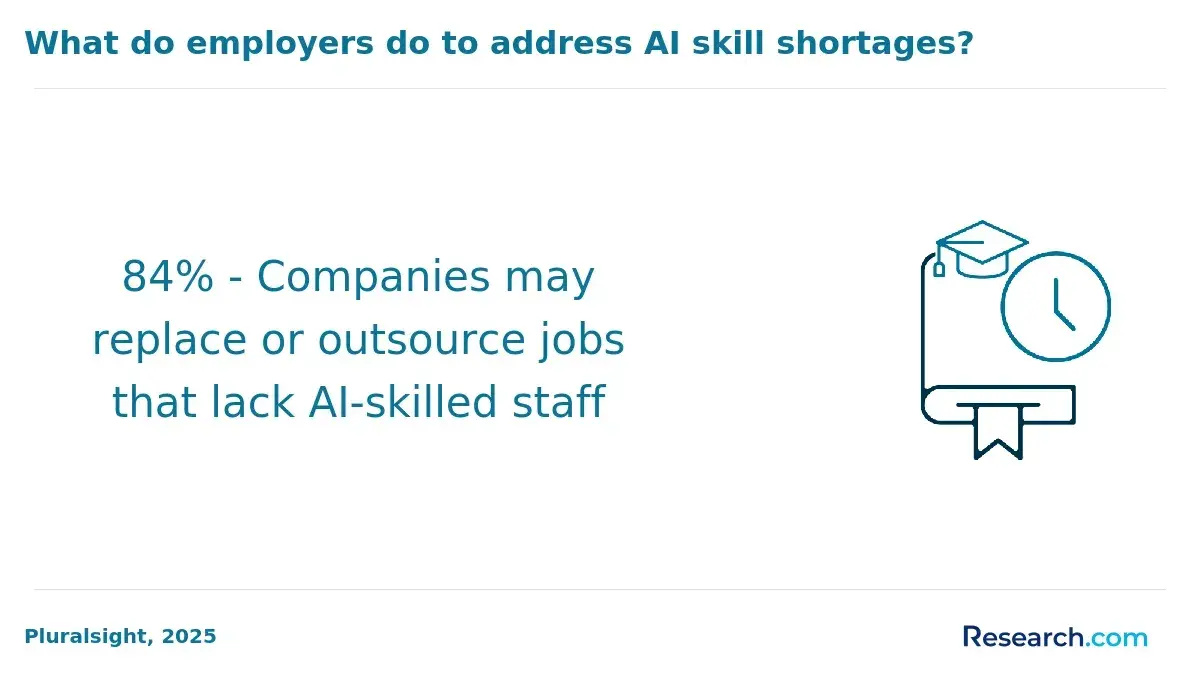
According to a 2024 PwC survey on AI in highly regulated sectors, 84% of financial services, life sciences, and healthcare firms plan to mandate AI governance training for risk, compliance, or quality staff by 2026. This shift highlights a growing industry focus on role-specific, accessible education aligning with compliance and operational risk requirements. Employers often subsidize costs to meet this demand.
What careers can AI governance training open for quality control and compliance professionals?
AI governance training equips quality control and compliance professionals to manage risks, ensure regulatory compliance, and uphold ethical AI deployment standards. Mastery of AI governance frameworks opens career opportunities such as AI compliance analyst, risk management specialist, and internal audit lead. Professionals can also progress to leadership roles overseeing AI ethics committees or policy enforcement teams, effectively bridging technical and regulatory expertise.
With training, quality control teams can embed AI-specific controls into testing and validation processes, crucial for identifying bias, data privacy breaches, and system vulnerabilities. This specialization enhances roles in operational risk, regulatory reporting, and quality assurance. Compliance officers with AI governance skills contribute to developing internal policies and advancing cross-functional AI strategy initiatives, increasing their organizational influence.
Organizations investing in internal AI governance capabilities reduce external compliance and remediation costs by 25% over three years compared to those relying on external consultants, according to Accenture's 2024 Responsible AI study. This demonstrates growing demand for professionals skilled in building and sustaining AI governance internally, which supports job security and career advancement.
Trained quality teams can address challenges such as interpreting complex AI regulations, implementing transparent audit trails, and mitigating operational risks linked to automated decisions. Understanding AI ethics and bias mitigation allows them to meet emerging compliance demands as regulatory scrutiny intensifies across sectors like finance, healthcare, and technology.
What salary ranges and job outlook can AI governance specialists expect in quality-focused roles?
AI governance specialists focusing on quality can expect starting salaries between $80,000 and $110,000 annually. Experienced professionals generally earn from $120,000 up to $160,000, while senior-level or strategic leadership roles may exceed $180,000. Industries with heavy regulatory oversight, such as finance, healthcare, and technology, typically offer the highest compensation. Salary ranges also vary by location and company size, with urban centers and large enterprises providing greater pay.
The job outlook is strong, as many organizations face a shortage of AI governance expertise. A survey by the Corporate Governance Institute found that 69% of governance, risk, and compliance professionals acknowledge insufficient AI governance skills within their teams. Additionally, 74% emphasize the importance of structured AI governance training for development. This drives demand for specialists who can help fill knowledge gaps and support effective AI risk management.
Continuous education remains vital to maintaining expertise in this evolving field. Professionals who stay current with emerging governance methods improve their prospects for hiring and advancement.
Are there industry certifications or professional standards for AI governance and model risk management?
Industry certifications and professional standards for AI governance and model risk management provide essential frameworks to handle unique risks such as bias, transparency, and compliance. Notable certifications come from established bodies like the Global Association of Risk Professionals (GARP), which offers the AI Risk Management certification, and the International Organization for Standardization (ISO), recognized for standards including ISO/IEC 38507 focused on IT and AI system governance.
These programs cover critical topics such as AI ethics, risk assessment methodologies, regulatory compliance, and practical governance frameworks. For quality control teams, earning these credentials validates expertise in managing AI lifecycle risks and ensuring models operate within acceptable risk levels.
Organizations increasingly require formal AI governance qualifications. Gartner's forecast highlights that by 2030, 80% of companies leveraging AI in crucial business roles will mandate formal training or certification for staff in risk, audit, or quality functions-a significant rise from under 20% in previous years. This reflects the expanding need for verified skills to mitigate AI-related risks and comply with evolving regulations.
Professionals should pursue certifications aligned with their industry context: for example, financial services may prioritize model risk validation, while healthcare emphasizes ethical AI standards. Combining practical experience with certification enables teams to design, evaluate, and sustain robust governance programs that ensure accountability and compliance in dynamic environments.
Other Things You Should Know About Artificial Intelligence
Data quality is critical in AI governance because poor or biased data can lead to inaccurate AI models and faulty decisions. Quality control teams must ensure data is accurate, complete, and representative to maintain the integrity and fairness of AI systems. Monitoring data continuously helps prevent errors and supports compliance with regulatory standards.
Transparency allows quality control teams to understand how AI models make decisions, which is essential for trust and accountability. Clear documentation of algorithms, data sources, and decision processes helps detect biases and errors early. It also facilitates audits and regulatory reviews required in many industries.
Quality control teams should integrate ethical guidelines and frameworks into their AI governance processes to prevent harm and discrimination. This includes performing ethical risk assessments and ensuring AI outputs do not violate fairness or privacy principles. Ongoing training on ethical standards is also important for maintaining responsible AI use.
In 2027, the top courses for AI governance and quality control teams focus on comprehensive frameworks and hands-on implementations. Look for programs at institutions like MIT and Stanford, which offer in-depth training on AI ethics, data management, and regulatory compliance to effectively implement AI governance.
References
- An AI governance certification will boost your career | The Corporate Governance Institute https://www.thecorporategovernanceinstitute.com/insights/guides/an-ai-governance-certification-will-boost-your-career/
- Best AI Risk Management Certifications & Courses (2026) - Mindgard https://mindgard.ai/blog/best-ai-risk-management-certifications
- AI Governance Training & AI Act Compliance | FIT Academy https://fitacademy.fit/ai-governance-training-ai-act-compliance/
- Salary and Jobs Report 2025-26: Privacy, AI Governance and Digital Responsibility | IAPP https://iapp.org/resources/article/salary-survey-summary
- Top 5 AI Governance Certification Programs and How to Choose the Right One - AI Governance Library, Articles, Ressources https://aigouvernance.com/top-5-ai-governance-certification-programs/
- Redefining "Proactive QA" in the AI Era: a student-driven policy model within international AI Governance frameworks https://www.eua.eu/publications/conference-papers/redefining-proactive-qa-in-the-ai-era-a-student-driven-policy-model-within-international-ai-governance-frameworks.html
- Top AI Risk Management Courses and Certifications for 2025 https://learnprompting.org/blog/ai-risk-management-courses-top-certifications
- AI governance: What it is + why it's important | Zapier https://zapier.com/blog/ai-governance/
- Best AI Compliance Certification Guide 2025: Compare AICP, ISO, IAPP & ISACA https://www.exin.com/article/best-ai-certification-guide-2025/
- How Much Does AI Training for Businesses Cost? - Bizzuka https://www.bizzuka.com/how-much-does-ai-training-for-businesses-cost/