2027 Best AI Courses for Semantic Search Applications

Co-Founder and Chief Data Scientist
Organizations increasingly rely on semantic search to extract meaningful insights from vast, unstructured data. However, mastering the techniques behind semantic search requires specialized skills often absent in professionals trained outside computer science or AI fields.
Without targeted education, navigating complex algorithms and natural language processing frameworks becomes challenging, limiting career growth in AI-driven industries. This article presents top AI courses designed for those seeking flexible, accredited programs that bridge this gap. It outlines practical learning paths to develop expertise in semantic search applications, enabling career pivots into the evolving artificial intelligence sector with confidence and competence.
Key Things You Should Know
- Top AI courses for semantic search focus on natural language processing and vector search techniques, reflecting a 48% growth in related job postings between 2024 and 2025.
- Leading programs emphasize hands-on training with frameworks like TensorFlow and PyTorch, crucial as 62% of employers value applied AI skills over theoretical knowledge.
- Affordable online courses from reputed institutions offer flexible paths, with completion linked to salary increases averaging 15% for AI professionals.
Advance Your Career with AI Online Courses
Artificial Intelligence: Implications for Business Strategy
This program provides an introduction to Artificial Intelligence and their implications for business strategy. Earn an official digital certificate.

Oxford Artificial Intelligence Programme
Explore this Oxford Artificial Intelligence programme offered in a flexible learning environment and explore topics like machine learning, automation, and robotics.

Implementing Agentic AI: Building Your Organizational Playbook
This online MIT Agentic AI course offers a practical approach to deploying AI agents in your organization, including a custom playbook. 3 weeks, exclusive launch price.

AI Adoption: Driving Business Value and Impact
This online MIT AI Adoption: Driving Business Value and Impact offers practical frameworks to close the gap between AI potential and business reality.

Artificial Intelligence in Pharma and Biotech
Discover the applications and limitations of artificial intelligence in pharma and biotech with this MIT online short course.

What is semantic search in AI and why should students learn it now?
Semantic search technology in artificial intelligence education enables systems to grasp the intent and contextual meaning behind user queries instead of only matching keywords. This improves accuracy by interpreting synonyms, concepts, and relationships within data-such as linking "bicycle repair" to "bike maintenance" or "wheel alignment." Techniques like vector databases and embeddings represent the meaning of words and documents in multi-dimensional space, enhancing data interaction.
The importance of learning semantic search applications in AI is growing rapidly across fields like healthcare, finance, e-commerce, and information retrieval. According to Lightcast's 2024 Emerging Tech Skills report, job postings seeking skills in vector databases and semantic search surged by 194% between 2022 and 2024, highlighting the demand for professionals who can extract precise insights from complex unstructured data.
Students mastering semantic search develop valuable abilities to:
- Build AI models that enhance user experience with natural language understanding.
- Utilize advanced databases optimized for similarity searches with embeddings.
- Create recommendation engines, chatbots, and intelligent virtual assistants that understand context.
- Optimize enterprise search and knowledge management using semantic techniques.
This skill bridges natural language processing and machine learning, positioning students for roles in AI research, data science, and software development focused on meaningful data retrieval. For those exploring an AI career path, expertise in semantic search is increasingly vital.
Advance Your Career with AI Online Courses
Artificial Intelligence: Implications for Business Strategy
This program provides an introduction to Artificial Intelligence and their implications for business strategy. Earn an official digital certificate.
Oxford Artificial Intelligence Programme
Explore this Oxford Artificial Intelligence programme offered in a flexible learning environment and explore topics like machine learning, automation, and robotics.
Implementing Agentic AI: Building Your Organizational Playbook
This online MIT Agentic AI course offers a practical approach to deploying AI agents in your organization, including a custom playbook. 3 weeks, exclusive launch price.
What types of AI courses focus specifically on semantic search applications?
Courses focusing on semantic search technology cover natural language processing (NLP), machine learning programs specializing in semantic search, and information retrieval techniques designed to improve search relevance.
These include advanced topics such as word embeddings, transformer models like BERT and GPT, and knowledge graph construction. In NLP training, students learn to represent text in vector spaces, allowing systems to understand context rather than relying solely on keyword matching.
Many AI curricula integrate semantic search modules within broader data science or AI tracks. Hands-on experience with tools like Elasticsearch, FAISS, or vector databases is common, as these are vital for building scalable semantic search applications. Some advanced courses also teach fine-tuning pretrained language models and their integration into search architectures.
Practical challenges addressed in these programs include resolving query ambiguity, optimizing search speed, and enhancing result ranking using semantic similarity scores. Learners should look for programs that balance foundational AI knowledge with applied skills, including software engineering and data management competencies.
Industry demand supports pursuing these skills. The World Economic Forum's Future of Jobs Report 2025 forecasts a 40% increase in global demand for AI engineers and data scientists by 2027, with around 2.6 million new roles expected. Students can explore interdisciplinary content spanning linguistics, computer science, and data engineering to prepare for these opportunities. For those seeking affordable options, websites listing the cheapest engineering colleges provide useful guidance.
How do you choose the best AI course for semantic search career goals?
Choosing the best AI courses for advancing semantic search careers involves evaluating programs that emphasize natural language processing (NLP), vector embeddings, and knowledge graph techniques. These areas are essential for building effective semantic search applications. Prioritize courses offering hands-on projects using frameworks like PyTorch, TensorFlow, or Hugging Face, as practical experience with these tools is vital for real-world deployment.
Top ai training programs for semantic search professionals also cover information retrieval algorithms, search ranking metrics, and the integration of large language models. Courses focused solely on general AI or machine learning may not provide the specialized skills needed in this field. Look for curriculum updates including transformer architectures and prompt engineering tailored to semantic search, reflecting current industry trends.
Instructor expertise and affiliations with leading tech companies or research groups enhance course value. Industry-recognized certifications and project portfolios improve employability, while mentorship and career support from online platforms or universities are important resources in this competitive sector. For a broader perspective on tech-related education, consider exploring a game development degree online, which can complement AI skills.
Salary data reinforces the advantage of specialization: AI/ML engineers focused on information retrieval and search infrastructure at major U.S. tech firms report median total compensation around $315,000, about 32% higher than general software engineers. Beginners should seek foundational courses with strong NLP components, while experienced professionals might pursue advanced or niche semantic search algorithms aligned with the latest research.
What degrees, certificates, and bootcamps teach semantic search in the U.S.?
In the U.S., semantic search education is offered through specialized degrees, certificates, and bootcamps closely tied to data science, machine learning, and natural language processing (NLP). Universities with strong computer science or data science programs include coursework on vector embeddings, transformers, and information retrieval, all crucial for semantic search development.
For instance, schools like Stanford and MIT provide advanced electives focused on semantic search algorithms and their practical applications.
Graduate certificates are an ideal option for professionals seeking shorter commitments while gaining expertise in semantic search and related tools. Examples include the University of Washington's Certificate in Data Science and Columbia University's Applied Machine Learning Certificate, both incorporating vector databases and semantic search techniques.
Bootcamps emphasize hands-on training with coding frameworks such as Hugging Face Transformers and Pinecone. Providers like Springboard and General Assembly feature modules on vector search and conversational AI designed for fast skill acquisition in industry environments.
Given the Gartner 2024 Market Guide for Vector Databases forecast that by 2027 over 45% of large enterprises will use vector databases or semantic search platforms, programs stressing embedding models, vector indexing, and scalable database integration offer strong career advantages. Prospective students should explore curricula combining theory and applied projects, and those that promote collaboration with industry or cloud platforms for experimentation.
For those looking to deepen their knowledge, exploring an online data science PhD can be a valuable pathway. Identifying the top semantic search certification programs in the U.S. or the best U.S. degrees and bootcamps for semantic search skills can ensure a competitive edge in this evolving field.
What core skills and topics do top semantic search AI courses cover?
Top semantic search AI courses in 2026 emphasize essential skills such as natural language processing (NLP) fundamentals, tokenization, embedding techniques, and transformer models. A deep understanding of large language models (LLMs) and their fine-tuning is vital since these models are central to modern semantic search systems. Key topics include vector search algorithms, similarity metrics, and retrieval-augmented generation (RAG) methods for dynamic information retrieval.
Practical programming expertise, especially in Python, and familiarity with libraries like Hugging Face, FAISS, and OpenAI's API form a critical component of these courses. Students gain experience preprocessing unstructured text, constructing semantic indexes, and deploying scalable search solutions. Integration with databases and cloud platforms is often covered to manage extensive real-world datasets effectively.
Challenges such as semantic ambiguity, handling out-of-vocabulary terms, and multilingual search capabilities are thoroughly addressed. Ethical AI considerations and bias mitigation in semantic search models are increasingly prioritized, aligning with the growing industry focus on responsible AI deployment.
According to Class Central's 2024 report on AI learning trends, the number of enrollments in data and AI courses mentioning "LLM," "RAG," or "semantic search" grew by 872% from 2022 to 2024 across major MOOC providers, reflecting robust demand for these competencies.
Courses featuring hands-on projects and real datasets with state-of-the-art models prepare students for competitive roles in AI and data science.
How do online semantic search AI programs compare with campus-based options?
Online semantic search AI programs offer flexibility and accessibility, making them popular among working professionals and career changers. These self-paced programs emphasize hands-on learning with project-based assignments aligned to industry needs.
In contrast, campus-based courses provide stronger theoretical foundations and collaborative research opportunities, appealing to students focused on academic or research careers. However, campus programs often face geographic and scheduling limitations that can restrict real-time instructor interaction.
Employers increasingly value applied skills verified by online certifications. According to Coursera's 2024 Learner Outcome Survey, 72% of hiring managers in data and AI roles see online certificate completion as a strong indicator of job readiness, up from 54% in 2021. This shift highlights growing industry acceptance of well-structured online programs.
For faster entry into semantic search roles, online courses featuring hands-on labs, real-world datasets, and current tools like Elasticsearch, FAISS, or language model integration typically offer superior practical preparation. Campus programs tend to focus more on algorithmic theory, which may delay skill application.
Prospective students should consider their career path: those prioritizing immediate employability in applied AI roles benefit from reputable online programs with recognized certificates. Conversely, individuals seeking deep specialization or academic careers may prefer comprehensive campus curricula and networking opportunities.
What are typical admission requirements and prerequisites for semantic search courses?
Admission to semantic search courses generally requires foundational computer science knowledge. Applicants are often expected to have completed undergraduate coursework or possess professional experience in programming languages like Python or Java, as well as data structures and algorithms.
Familiarity with natural language processing (NLP) and machine learning basics is commonly required, since semantic search depends heavily on these areas. Some programs specifically request knowledge of vector embeddings and neural network architectures.
Graduate-level courses usually require a bachelor's degree in computer science, data science, engineering, or a related field. Proficiency in linear algebra, probability, and statistics is often necessary. Practical experience with cloud platforms such as Azure, AWS, or Google Cloud can also be essential, especially for courses emphasizing real-world applications of semantic search.
Short-term and online courses tend to have more flexible admission criteria but recommend solid coding skills and familiarity with AI frameworks like TensorFlow or PyTorch. Certificates or portfolios demonstrating completed projects in search algorithms can improve admission chances.
Microsoft reports that enabling the semantic ranker in Azure AI Search improves click-through rates by up to 31% and boosts successful query resolution by up to 35% compared to keyword-only ranking. This highlights the value of hands-on experience with semantic ranking techniques, which many institutions prioritize during their admissions.
How long do semantic search AI programs take and what do they cost?
Semantic search AI programs typically last from 4 to 12 weeks, varying by course depth and format. Shorter professional certificates and bootcamps, designed for busy professionals, can be completed in about one month with part-time study. These focus on practical skills like vector search techniques and NLP embeddings.
More extensive university-affiliated courses or specialization tracks run 8 to 12 weeks, covering machine learning fundamentals, semantic search architectures, and hands-on projects. For example, a 6-week course might explore tooling such as Elasticsearch combined with transformer models, while a 12-week program delves deeper into vector databases and fine-tuning models for domain-specific needs.
Costs vary widely: entry-level bootcamps range from $500 to $2,000, suitable for quick upskilling; longer specializations or certifications from trusted platforms typically charge $1,500 to $4,000; and graduate certificates or degree programs that offer academic credit can exceed $10,000.
Your choice should align with your career goals. Faster bootcamps deliver immediate, measurable outcomes, while longer courses suit those aiming for comprehensive expertise or research roles.
According to a Databricks-Retool survey, organizations that adopt vector-based semantic search reduce manual data lookup time by 53%, achieving productivity gains worth $4.2 million annually for firms with over 5,000 employees. This underscores the tangible benefits of investing in quality semantic search training.
What jobs, industries, and career paths use semantic search expertise?
Semantic search expertise plays a vital role across many industries focused on improving information retrieval and understanding complex data. Technology companies that specialize in search engines, natural language processing, and data science rely on professionals who develop and optimize semantic search algorithms to enhance query accuracy and relevance.
In healthcare, semantic search supports better extraction of patient data and medical literature review, enabling clinicians and researchers to find precise information quickly.
Education technology firms use semantic search to build adaptive learning platforms. For example, Course Hero's internal A/B tests showed that incorporating semantic search in tutoring systems improved answer accuracy by over 4 percentage points while significantly reducing hallucinations, demonstrating its impact on educational outcomes.
Other sectors benefiting from semantic search include e-commerce, where it enhances product discovery and recommendations by understanding customer intent beyond keywords. Legal professionals employ semantic search to navigate large case law databases efficiently, creating opportunities in legal tech and compliance. Marketing and content management specialists also use semantic search for targeted ads and content personalization by refining contextual relevance.
Careers in semantic search typically require strong skills in machine learning, linguistics, and software engineering, with practical knowledge in embedding techniques, knowledge graphs, and vector search essential for solving industry-specific challenges effectively.
What salaries, job outlook, and certifications apply to semantic search specialists?
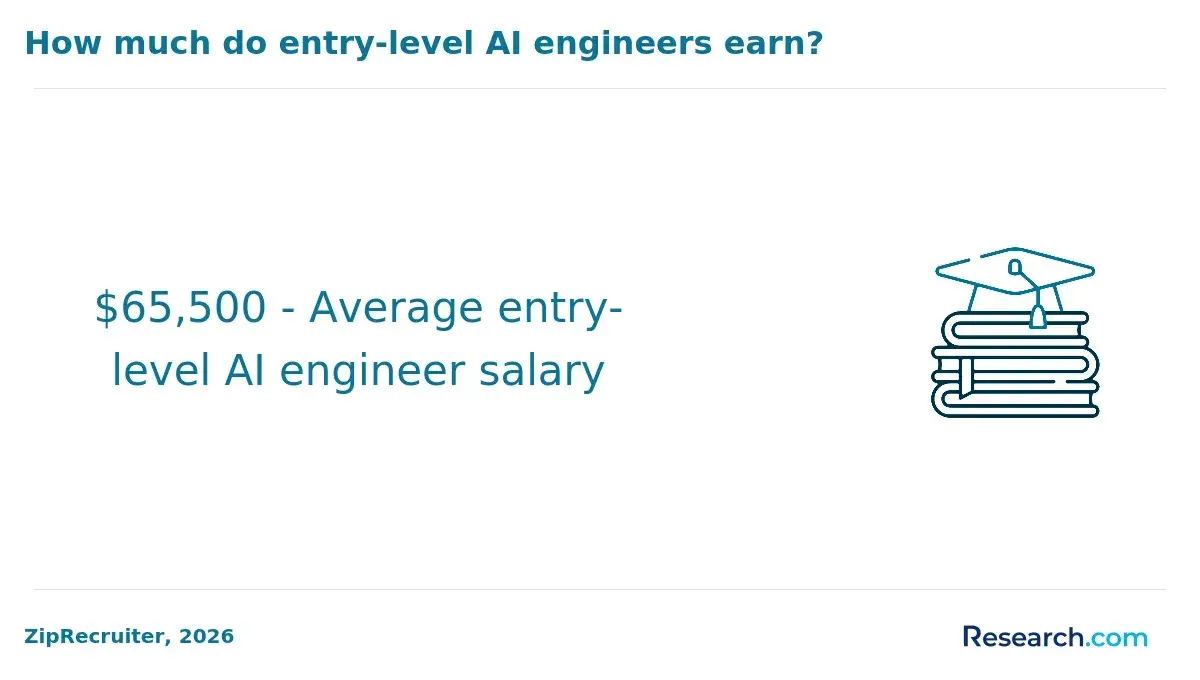
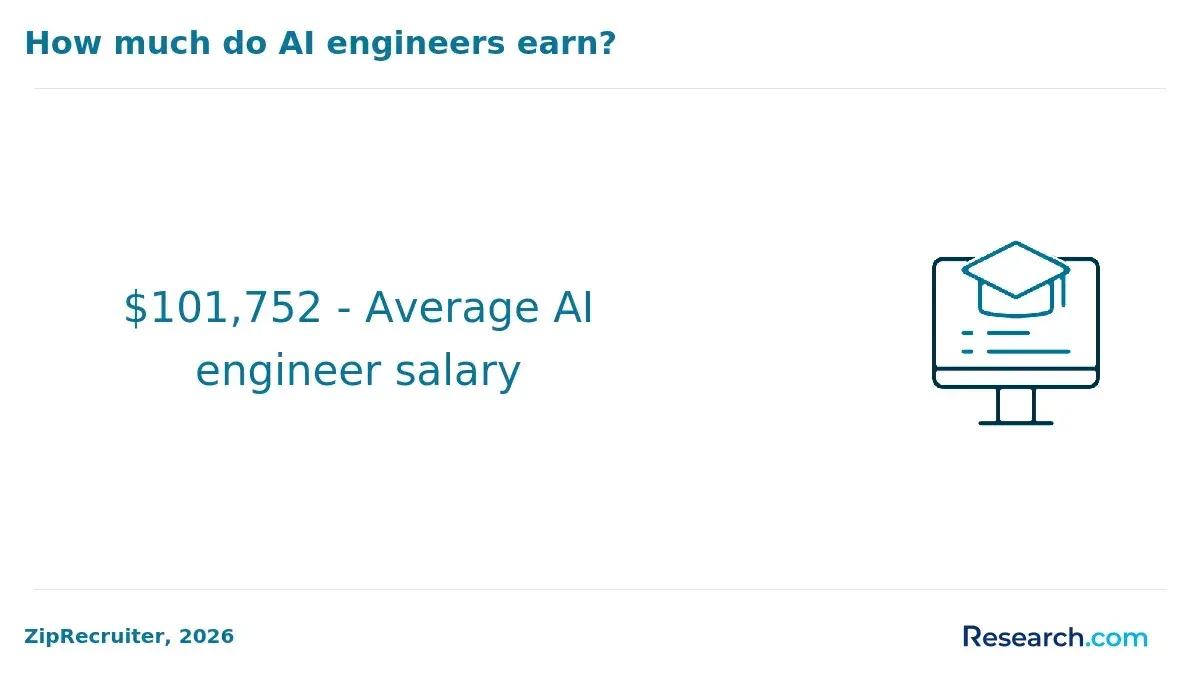
Semantic search specialists receive competitive salaries reflecting their niche expertise in retrieval-centric AI. Entry-level salaries start near $85,000 annually, while seasoned experts, especially in tech hubs like Silicon Valley and New York City, can earn over $150,000. These roles include machine learning engineers specializing in vector search and data scientists refining semantic retrieval models within enterprises.
The job outlook remains strong, with IDC's 2024 AI Skills Forecast predicting that by 2028, over 60% of enterprise AI applications will incorporate vector search or semantic retrieval-up from under 10% in 2023. This rapid adoption places retrieval-centric skills among the top five AI competencies, highly valued across industries like e-commerce, healthcare, and finance.
Certifications significantly enhance career prospects. Programs focused on natural language processing, machine learning, and vector databases such as Pinecone and Weaviate are particularly beneficial. Industry-recognized courses from platforms like Coursera and edX, often partnered with Stanford or IBM, cover semantic search and AI model deployment. Additionally, certifications in cloud platforms like AWS or Azure demonstrate expertise in scalable semantic retrieval system deployment.
Hands-on experience with embeddings and vector search algorithms remains essential, with emphasis on practical projects to showcase skill mastery. This blend of specialized knowledge, evolving technology understanding, and formal credentials defines the competitive edge for semantic search roles.
Other Things You Should Know About Artificial Intelligence
While a basic understanding of math, including linear algebra, probability, and statistics, is important for grasping AI concepts, many beginner-friendly courses provide foundational math tutorials alongside AI content. Practical AI applications often rely on intuition and coding practice that can be developed simultaneously with learning math. However, advanced AI specialties, like semantic search, usually require stronger mathematical skills.
Python is the most widely used programming language in artificial intelligence due to its extensive libraries and community support. Other languages like R, Java, and C++ are also used depending on the project requirements. Python's frameworks, such as TensorFlow and PyTorch, make it especially suitable for machine learning and semantic search applications.
Real-world project experience is crucial for mastering artificial intelligence as it helps translate theoretical knowledge into practical skills. Working on projects allows learners to deal with actual data challenges, improve problem-solving abilities, and build portfolios that demonstrate competency to employers. Many AI courses now integrate hands-on labs and capstone projects for this reason.
References
- Best Semantic Search APIs for Building AI Applications in 2026 https://www.firecrawl.dev/blog/best-semantic-search-apis
- Semantic search vs Vector search: Key differences, uses, & more https://www.meilisearch.com/blog/semantic-vs-vector-search
- Vector Search vs Semantic Search https://www.tigerdata.com/learn/vector-search-vs-semantic-search
- Top AI courses to supercharge your career | Jotform Blog https://www.jotform.com/ai/ai-courses/
- 9 Best Vector Database Courses for 2026: Build RAG Apps and Semantic Search — Class Central https://www.classcentral.com/report/best-vector-database-courses/
- Semantic Search with LLMs https://www.oreilly.com/live-events/semantic-search-with-llms/0790145045035/
- Semantic Search vs Vector Search in AI Systems https://www.altexsoft.com/blog/semantic-search-vs-vector-search/
- The History of Semantic Search: From Hakia to Google Gemini https://hakia.com/tech-insights/history-of-semantic-search/
- Beyond the ATS: How Semantic Search and AI Are Changing Candidate Discovery https://www.recruitmint.com/beyond-the-ats-how-semantic-search-and-ai-are-changing-candidate-discovery